You bought a beautiful blouse. It fits perfectly, the fabric feels luxurious, and the color is exactly what you wanted. Then, one wash later, it’s shrunk, stretched, or covered in wrinkles that won’t come out. It happens to the best of us, but it doesn’t have to happen to you. Most damage to clothing is caused by a mismatch between the fabric’s needs and the care you provide.
This guide cuts through the confusion. We will look at how to identify the specific materials in your wardrobe, such as cotton, linen, and satin, and apply the correct cleaning techniques for each. You will learn the precise steps for hand washing, how to dry garments without ruining their structure, and the storage methods that prevent permanent creasing. Whether you own a structured office top or a breezy summer shirt, these practical steps will help you keep your clothes looking new for years.
Step 1: Identify Your Fabric
Before you put any garment in the water, you need to know what you are dealing with. Fabric composition dictates how the material reacts to heat, agitation, and chemicals. The care label is your primary source of truth, but if the label is missing or illegible, you can often deduce the material by touch and drape.
Understanding Natural Fibers
Natural fibers like cotton and linen are durable but prone to shrinking and wrinkling. Cotton is a cellulose fiber that absorbs water readily. When exposed to heat, cotton fibers tighten, leading to shrinkage. Linen, made from flax, is stronger than cotton but wrinkles easily. It has a distinctive slubbed texture and a crisp hand feel. If your blouse feels cool to the touch and has a natural, slightly uneven texture, it is likely linen or a linen blend. These fabrics require gentle handling to maintain their size and smooth appearance.
Silk is a protein fiber, similar to human hair. It is strong when dry but weakens when wet. Silk is also sensitive to light, which can cause fading over time. If your blouse feels smooth, cool, and has a subtle luster, it is likely silk. Silk requires the gentlest care possible. Agitation can break the fibers, and high heat can scorch the protein structure, turning the fabric yellow or brittle.
Understanding Synthetic and Blended Fabrics
Polyester, satin, and other synthetics are more forgiving but have their own quirks. Polyester is a plastic fiber that does not absorb water. It resists wrinkles and shrinkage, making it easier to care for. However, it is sensitive to high heat in dryers, which can melt or distort the fibers. Satin is a weave, not a fiber. It can be made from silk, polyester, or nylon. A polyester satin blouse is generally more durable and easier to wash than a silk satin blouse. The sheen of satin can also be damaged by rough handling, so it requires careful folding and storage to prevent permanent creases.
Blends combine the properties of their components. A cotton-linen blend, for example, will have the breathability of both but may be more prone to wrinkling than pure cotton. Always check the percentage of each fiber. If a garment is 50% cotton and 50% linen, treat it with the care of the more delicate fiber. When in doubt, assume the fabric is delicate and opt for hand washing.
Step 2: The Correct Washing Method
Washing is where most damage occurs. The goal is to remove dirt and oils without stressing the fabric. For delicate blouses, hand washing is the gold standard. If you must use a machine, you need to modify the settings significantly to protect the garment.
The Hand Washing Protocol
Hand washing gives you full control over temperature, agitation, and drying. This is the safest method for silk, satin, and structured blouses. Follow these steps precisely to avoid damage.
- Fill a clean basin: Use a sink, tub, or large basin. Fill it with cool water. Cool water is essential for silk and prevents shrinkage in cotton and linen. Avoid hot water, which can set stains and weaken fibers.
- Add detergent: Use a small amount of pH-neutral or gentle liquid detergent. Avoid harsh detergents with bleach or enzymes, which can break down protein fibers like silk. Swirl the water to distribute the detergent. Do not use a bar of soap directly on the fabric, as it can leave residues that are hard to rinse out.
- Soak the garment: Submerge the blouse in the water. Press it down gently to ensure it is fully saturated. Let it soak for 15 to 30 minutes. This allows the detergent to loosen dirt without the need for scrubbing. Do not let the garment soak for hours, as prolonged exposure to water can weaken some fabrics.
- Gentle agitation: After soaking, gently swish the blouse in the water. Focus on high-wear areas like the collar, cuffs, and underarms. Do not rub the fabric against itself or twist it. Twisting can distort the shape and create permanent wrinkles. If there are stains, apply a small amount of detergent directly to the spot and gently press it in with your fingers. Let it sit for a few minutes before rinsing.
- Rinse thoroughly: Drain the soapy water and refill the basin with cool, clean water. Submerge the blouse and swish it gently to remove all detergent residue. Repeat this process until the water runs clear. Detergent residue can cause stiffness, yellowing, and skin irritation. Ensure every part of the garment is rinsed, including seams and hems.
Machine Washing: When It’s Okay
Some blouses, particularly those made of sturdy cotton or polyester, can be machine washed. However, you must protect them from the mechanical action of the drum. Use the delicate or hand wash cycle, which uses less agitation and a slower spin speed. Place the blouse inside a mesh laundry bag. This barrier prevents the fabric from snagging on zippers, hooks, or the drum itself. It also reduces the amount of friction the fabric experiences. Close all hooks and buttons before washing to prevent them from catching on other garments or the bag.
Select cold water for all delicate blouses. Cold water protects colors and prevents shrinkage. Avoid using the permanent press cycle, as the warm water and specific spin patterns can sometimes be too harsh for very delicate items. If your machine has a "wool" or "silk" cycle, this is often a safer option than the standard delicate cycle, as it is designed to minimize agitation further.
Spot Cleaning for Minor Issues
Not every stain requires a full wash. For small spots like food splashes or oil marks, spot cleaning can extend the life of the garment by reducing the frequency of full washes. Blot the stain with a clean, white cloth. Do not rub, as this spreads the stain and damages the fibers. Apply a small amount of gentle detergent to the stain and let it sit for 10 minutes. Dab the area with a damp cloth to lift the stain. Rinse the area with cool water and blot dry. Test any cleaning method on an inconspicuous area of the garment first, such as the inside hem, to ensure it does not discolor the fabric.
Step 3: Drying Without Damage
Drying is often the step where people cut corners, leading to the most irreversible damage. Heat and gravity are the enemies of delicate fabrics. The wrong drying method can shrink a cotton blouse, melt the fibers of a polyester top, or create permanent creases in a satin shirt.
Why You Should Never Use a Tumble Dryer
Unless the care label explicitly states "tumble dry low," avoid the dryer for delicate blouses. The heat from a dryer is intense and can cause several problems. For cotton and linen, heat causes shrinkage. The fibers contract, and the garment becomes smaller and tighter. For silk, heat can scorch the protein fibers, causing them to turn yellow or become brittle. For synthetic fabrics like polyester, high heat can melt the fibers, causing them to stick together or distort the shape of the garment. The tumbling action also agitates the fabric, leading to more wrinkles and potential snagging.
The Flat Drying Method
Flat drying is the safest and most effective way to dry delicate blouses. It preserves the shape of the garment and prevents stretching. Here is how to do it correctly.
- Remove excess water: After rinsing, do not wring out the blouse. Instead, gently press the water out by rolling the garment in a clean, dry towel. Lay the towel on a flat surface, place the blouse on top, and roll it up tightly. Press down on the roll to absorb the water. This method removes moisture without twisting the fibers.
- Reshape the garment: Lay the towel flat on a drying rack or a clean, flat surface. Unroll the blouse carefully. Smooth out the fabric, aligning the seams and hems. Adjust the shoulders, sleeves, and body to their original shape. If the blouse has a structured collar or cuffs, gently shape them with your hands. This step is crucial for maintaining the garment’s silhouette.
- Dry away from direct heat and sun: Place the drying rack in a well-ventilated area. Avoid direct sunlight, which can fade colors and weaken fibers. Also avoid placing the garment near radiators or heaters, as the concentrated heat can cause uneven drying and shrinkage. Allow the garment to air dry completely. This may take 24 to 48 hours depending on humidity. Do not move the garment until it is fully dry, as handling it while wet can distort the shape again.
Hanging Drying: A Cautionary Note
Some people prefer to hang dry their blouses. This is acceptable for sturdy fabrics like cotton or polyester, but risky for delicate ones. The weight of the wet fabric can stretch the shoulders, creating a "hanger bump" that is difficult to remove. If you choose to hang dry, use a padded hanger or a hanger with a flat, wide surface. Avoid wire hangers, which can leave indentations in the fabric. For silk and satin, flat drying is always superior. The sheen of satin can be ruined by the tension of hanging, and silk is too delicate to support its own weight when wet.
Recommended Blouses for Easy Care
Choosing the right blouse can make care easier. Some fabrics and constructions are inherently more durable and forgiving than others. When shopping, look for blends that offer resilience, such as cotton-linen, or synthetics like polyester that resist wrinkles. Below are specific blouses from our catalog that balance style with manageable care requirements.
Retro Cotton Linen Long Sleeve Blouse Striped Brushed Original Art
This blouse combines the breathability of cotton with the texture of linen. The brushed finish adds softness, making it comfortable for daily wear. The striped pattern is timeless and works well in both casual and semi-formal settings. Because it is a natural fiber blend, it requires gentle washing to prevent excessive wrinkling and shrinkage.
Retro Cotton Linen Long Sleeve Blouse Best for Women who prefer natural fabrics and want a versatile, breathable top for spring and summer.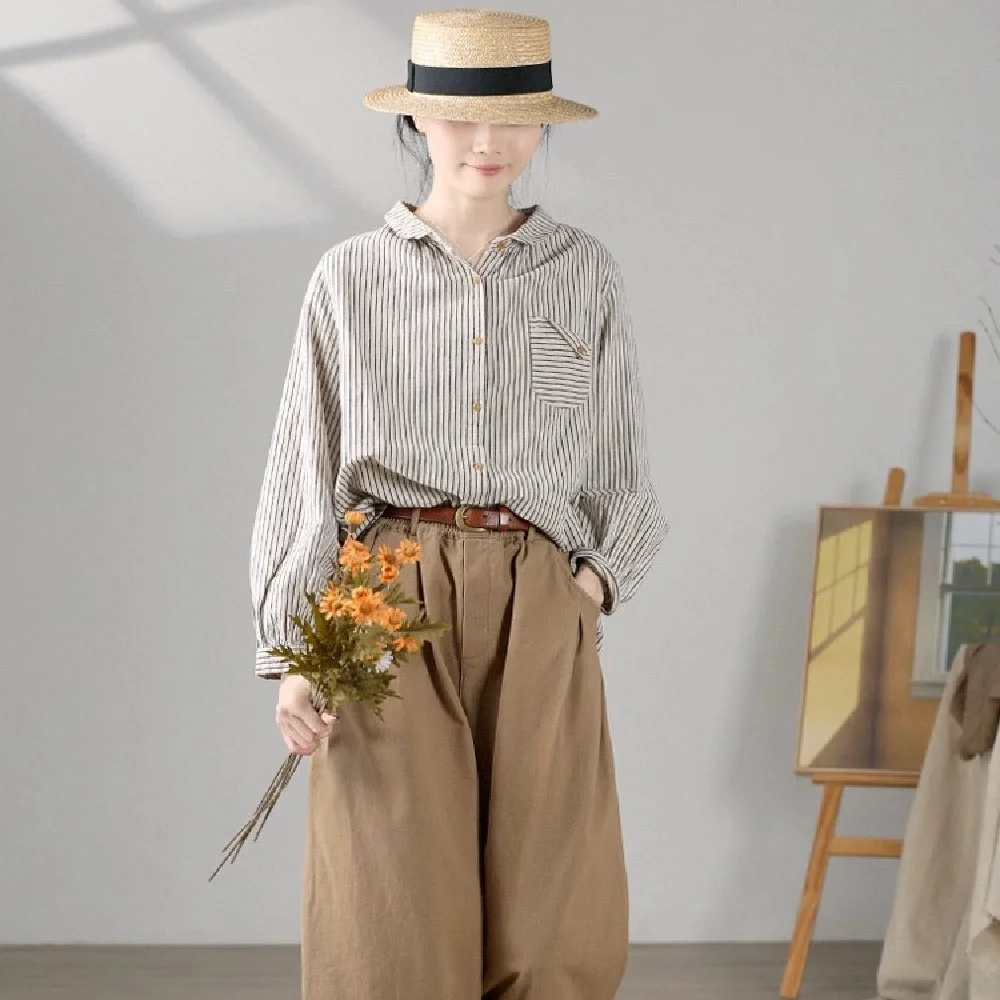
- Pro: Breathable natural fibers keep you cool in warm weather.
- Pro: The brushed texture adds a soft, luxurious feel to the skin.
- Con: Linen blends wrinkle easily and requires careful ironing or steaming after washing.
French Waist-cinching Slimming Blouse for Women - Elegant Workwear
This blouse features a structured design with pleated detailing that creates a flattering silhouette. The waist-cinching element adds shape without the need for belts. It is designed for professional settings, so it maintains a polished look throughout the day. The structured nature of this blouse means it can hold its shape well if cared for properly, though the pleats may require gentle handling to avoid crushing.
French Waist-cinching Slimming Blouse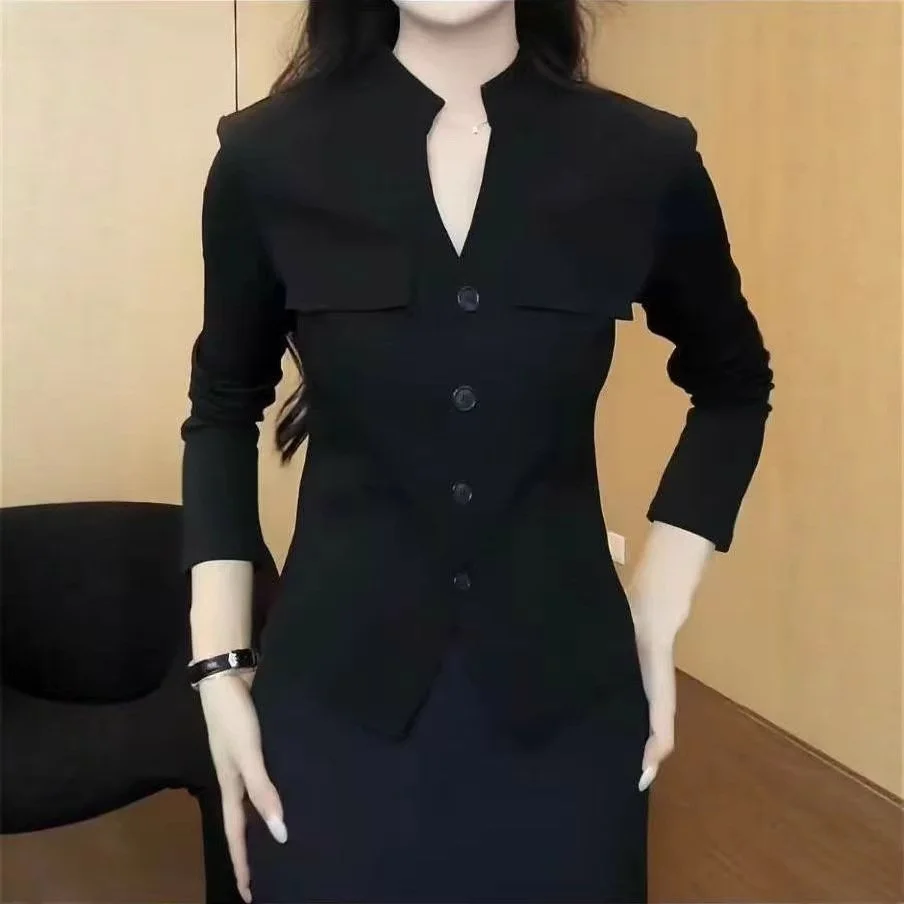
- Pro: The cinched design creates an instant hourglass shape.
- Pro: Elegant pleating adds visual interest and sophistication.
- Con: The structured pleats can be crushed if folded incorrectly, requiring careful storage.
Fashionable Elegant Top Irregular Shoulder Pullover Sleeveless Shirt
This top offers a modern, asymmetrical look with an irregular shoulder line. It is a statement piece that adds visual interest to a simple outfit. The sleeveless design makes it ideal for warmer months or layering over tank tops. Without detailed fabric specs provided, it is essential to check the care label upon receipt to determine the specific washing requirements. Generally, tops with unique cuts require careful handling to maintain their drape and shape.
Irregular Shoulder Pullover Sleeveless Shirt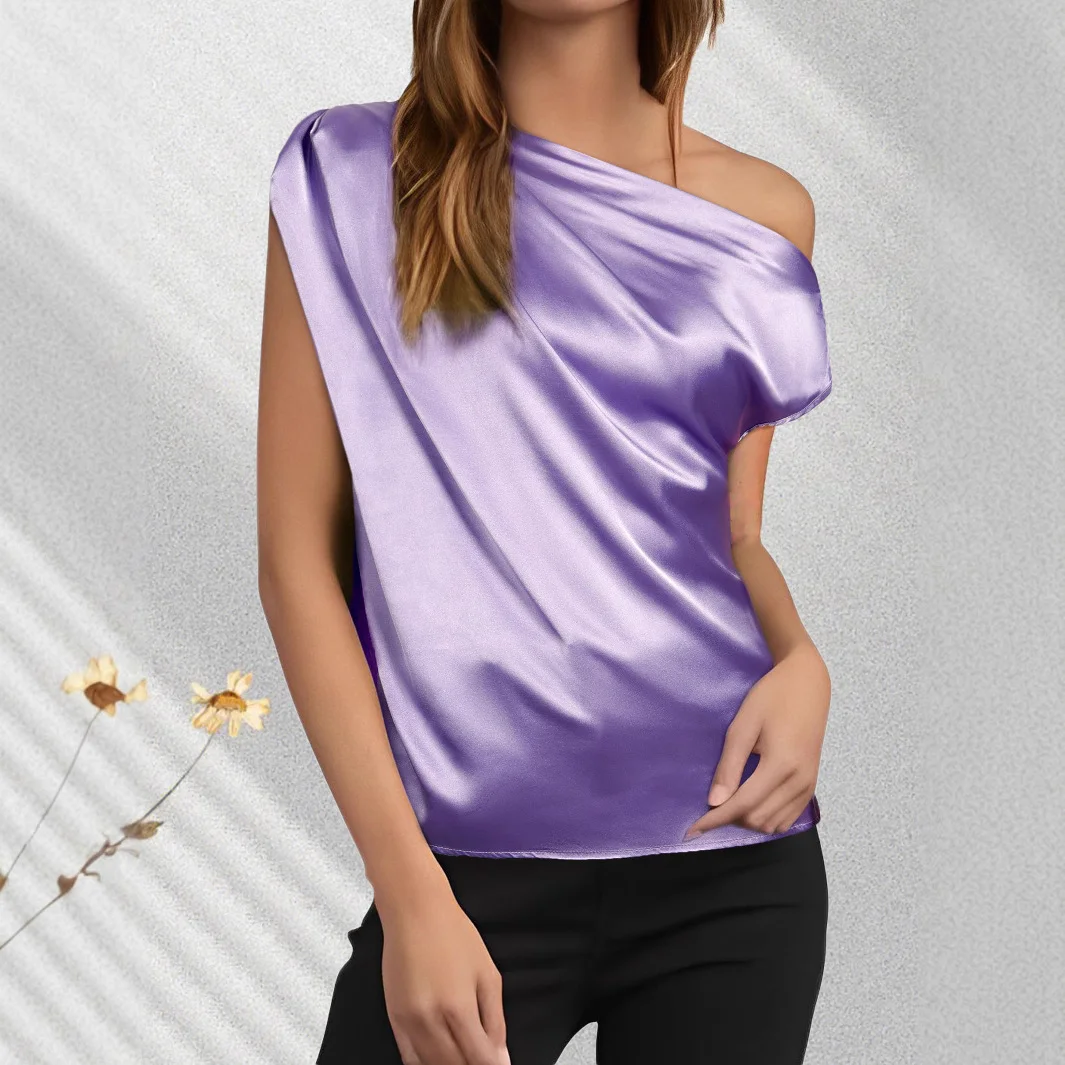
- Pro: The irregular shoulder design creates a distinctive, artistic look.
- Pro: Sleeveless construction offers maximum breathability for hot days.
- Con: Unique cuts can be difficult to store without creasing; check the specific fabric care label immediately.
V-neck Elegant Artistic And Retro-style Short-sleeve Top
This short-sleeve top features a classic V-neckline that elongates the neck and frames the face. The retro-style detailing gives it a vintage charm that stands out in a crowd. It is a versatile piece that can be dressed up with a blazer or dressed down with jeans. The short sleeves make it easy to wash and dry quickly. As with the previous item, specific fabric details are not listed, so always refer to the care tag for precise instructions.
V-neck Artistic Retro Short-sleeve Top
- Pro: The V-neckline is universally flattering and elongates the neckline.
- Pro: Retro styling adds character without being overly loud.
- Con: Without specific fabric info, you must inspect the care label to avoid using the wrong detergent or temperature.
Elegant Office Blouse - V-Neck Satin Long Sleeve Top
This blouse is made from smooth polyester satin, offering a luxurious sheen that is easy to maintain. Unlike silk, polyester satin is highly durable and resistant to wrinkling. It can be machine washed on a gentle cycle and air dried without fear of significant shrinkage. This makes it one of the easiest delicate-looking garments to care for. The minimalist design ensures it pairs well with tailored trousers and skirts for a professional appearance.
V-Neck Satin Long Sleeve Top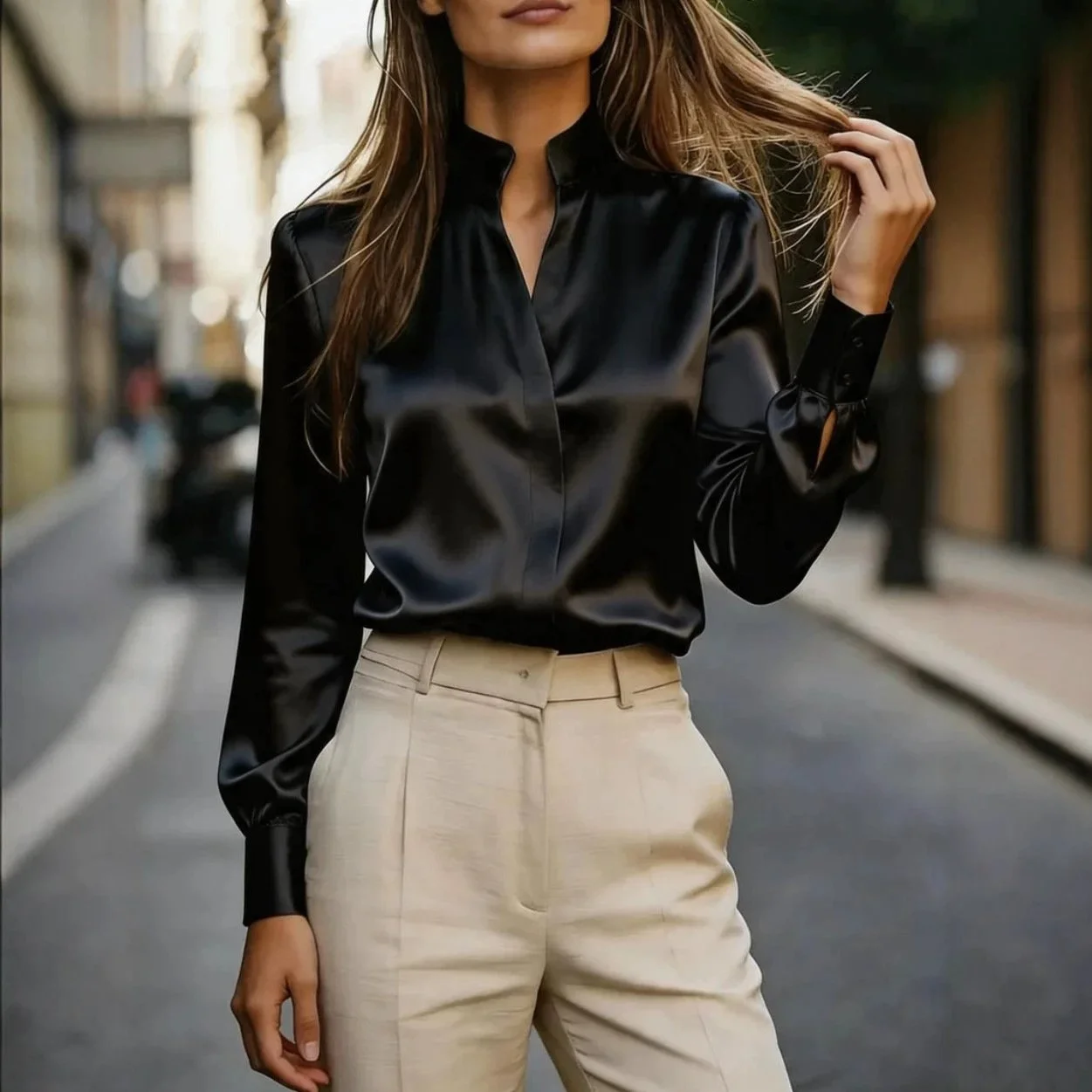
- Pro: Polyester satin is wrinkle-resistant and durable, requiring less ironing.
- Pro: Available in multiple sizes and colors, making it easy to find the right fit.
- Con: Synthetic fabrics can feel less breathable than natural fibers in very hot weather.
Design Plaid Casual Cotton Loose Shirt
This loose-fitting shirt features a plaid pattern that is a perennial favorite in casual wardrobes. The cotton material is breathable and soft, making it comfortable for extended wear. The loose cut allows for ease of movement and can be worn untucked or tucked. Cotton is sturdy but prone to shrinking if exposed to high heat. Washing this shirt in cold water and air drying it will maintain its size and shape for years.
Design Plaid Casual Cotton Loose Shirt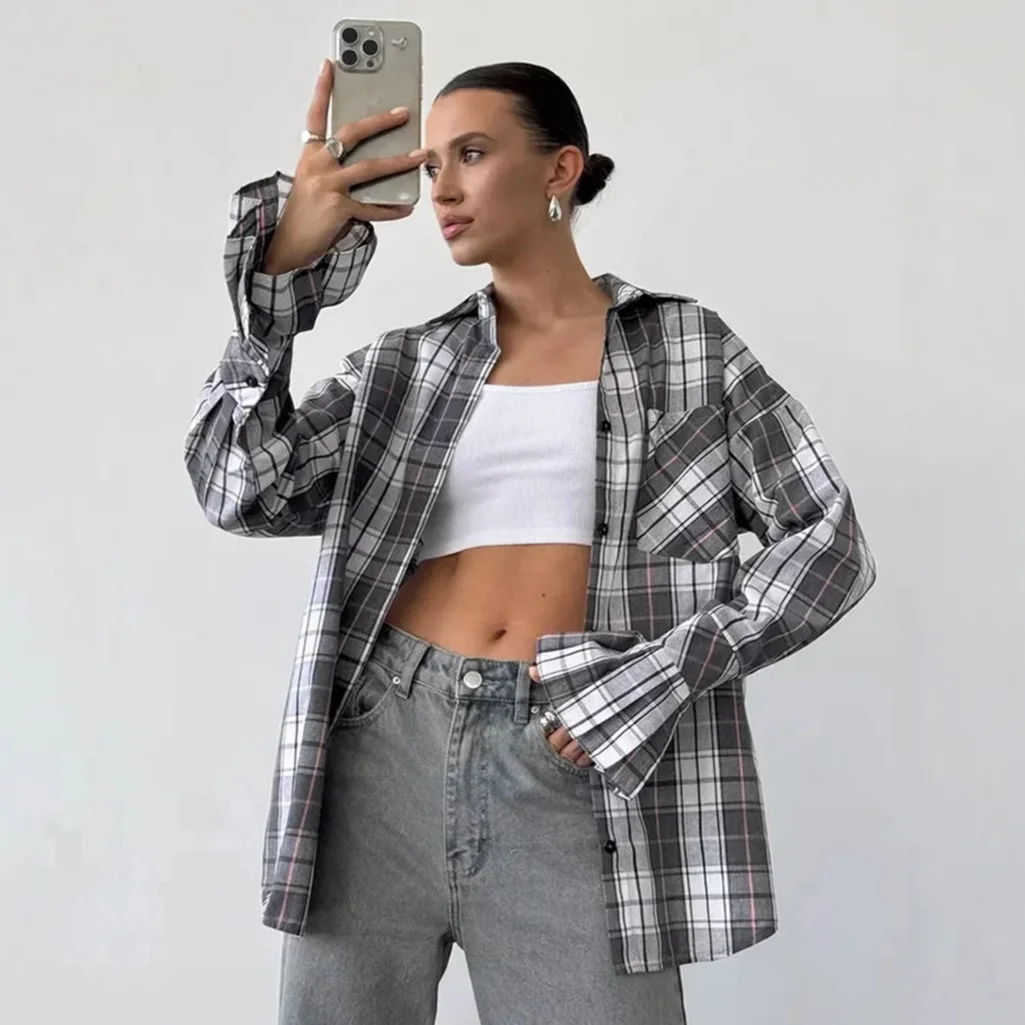
- Pro: The plaid pattern is timeless and easy to coordinate with denim or chinos.
- Pro: The loose fit offers maximum comfort and ease of movement.
- Con: Cotton can shrink if dried in a hot dryer, so you must adhere to cold washing and air drying.
Common Mistakes to Avoid
Even with the best intentions, small errors in laundry habits can ruin a garment. Avoiding these common mistakes will save you money and frustration.
Ignoring the Care Label
The care label is not a suggestion; it is a set of instructions from the manufacturer who knows the fabric. Ignoring it is the fastest way to damage your clothes. If a label says "dry clean only," do not wash it at home. The chemicals and mechanical action in a dry cleaning plant are designed to clean specific fabrics without water. If a label says "hand wash," do not put it in the machine. The agitation can be too strong. Always read the label before washing. If you are unsure about a symbol, look it up online or ask a professional cleaner.