You know the frustration: you pull on your favorite trench coat, only to find the zipper refuses to close because your sweater is too thick, or you reach for your lapel and the fabric slides down, exposing your midriff. It is a common wardrobe problem that ruins the look and the comfort of your fall outfit. The issue is rarely the coat; it is usually the wrong sweater underneath. Most store shelves are stocked with oversized, heavy knits designed to be stand-alone pieces, not base layers. If you have been buying sweaters that look great on a hanger but fail when you put a jacket on top, you are not alone. This guide cuts through the noise to help you identify the specific weights, necklines, and fits that actually work for layering. You will learn how to read fabric composition to predict bulk, how to choose the right length to prevent sliding, and which specific styles from our selection offer the best value for a functional fall wardrobe.
Understanding Sweater Weight for Layering
Weight is the single most important factor when selecting a sweater for under a coat. In the industry, sweater weight is often categorized as light, medium, or heavy. For layering under transitional fall coats like trench coats, blazers, or light wool coats, you generally want a light to medium weight. Heavyweight sweaters, often called "chunky knits," are designed to be the outermost layer. They trap heat efficiently but add significant volume. If you wear a chunky knit under a tailored coat, the coat will look distorted, and the zipper or buttons will strain against the extra fabric.
Lightweight Knits
Lightweight sweaters are typically made with thinner yarns and a tighter stitch. They provide a thin layer of insulation without adding noticeable thickness to your silhouette. These are ideal for days when the temperature hovers between 55 and 65 degrees Fahrenheit. Under a trench coat, a lightweight knit allows the coat to drape naturally. Think of these as your "second skin" layers. They work best when you need a little extra warmth over a shirt or blouse but do not want to look like you are wearing a blanket.
Medium-Weight Knits
Medium-weight sweaters offer more insulation than lightweight options but are still thin enough to fit under most structured outerwear. They are the sweet spot for typical fall weather, ranging from 45 to 55 degrees Fahrenheit. These sweaters usually have a standard gauge knit that provides structure without bulk. A medium-weight turtleneck or crew neck is the industry standard for professional layering. It looks polished under a blazer and provides enough coverage for a leather jacket without feeling tight.
Heavyweight Knits
Heavyweight sweaters are thick, cozy, and often feature cable knits or large ribbing. While they are excellent for cold days, they are poor candidates for layering under anything but the loosest, largest coats. If you live in a region where fall drops quickly to near-freezing temperatures, you might consider a heavyweight sweater, but be prepared to wear it as your outer layer or under a very oversized parka. For the purpose of this guide, we are focusing on light to medium weights because they offer the most versatility for the majority of American fall climates.
Fit and Silhouette: Avoiding the Bulk
The cut of your sweater determines how it interacts with your outerwear. An oversized sweater, often marketed as "relaxed fit" or "loose fit," adds inches of fabric around your torso, arms, and shoulders. This extra volume is unnecessary when you are already wearing a coat. For layering, a slim or regular fit is far superior. A slim fit sweater hugs the body closely, minimizing the amount of fabric between you and the coat. This ensures that the coat fits as it was intended, preserving its shape and closure mechanism.
Regular Fit vs. Slim Fit
A regular fit offers a standard cut that follows the body's natural shape without being tight. It is a safe choice for most body types and provides a small amount of room for movement. A slim fit is more tailored, skimming the body closely. When layering, slim fits are often preferred because they create a clean line under the coat. However, if you are between sizes or prefer a bit of room, a regular fit is acceptable as long as it is not boxy. Avoid "oversized" or "drape" styles entirely if your goal is a streamlined look under a coat.
Length Matters
The length of the sweater is just as critical as the width. A sweater that is too short will ride up when you sit, bend, or raise your arms. This is the primary cause of the "sliding down" problem many women experience. For layering, look for a regular length, which typically hits at the hip bone. In technical terms, this is often between 50 and 65 centimeters in length. A tunic length can work if it is designed to stay put, but it often adds bulk at the hips. A cropped length is generally unsuitable for layering under coats because it exposes the midsection when the coat is open. Stick to regular or slightly longer lengths to ensure coverage and stability.
Shoulder Seams
Check the placement of the shoulder seams. On a well-fitted layering sweater, the seam should sit exactly at the edge of your shoulder bone. If the seam falls down your arm, the sweater is too large and will add bulk to your upper body. If the seam is pulled tight across your back, the sweater is too small and will stretch out over time, becoming baggy. Proper shoulder fit ensures that the weight of the coat is distributed evenly and that the sweater stays in place without sliding.
Choosing the Right Neckline
The neckline of your sweater affects both the aesthetic and the functionality of your layering. It determines how the coat collar sits and whether you need additional neckwear. The right neckline can make a simple outfit look polished, while the wrong one can create a cluttered look at the neck.
Turtlenecks
Turtlenecks are the gold standard for layering under coats. They provide full coverage for the neck, eliminating the need for a scarf in mild weather. Under a blazer or trench coat, a turtleneck creates a clean, vertical line that elongates the body. They are particularly effective under coats with high collars, as they prevent the coat collar from rubbing against your skin. However, if you are running warm, a turtleneck can feel stifling. They are best for cooler days or when you are moving between heated and unheated spaces.
Crew Necks
Crew necks, or round necks, are the most versatile option for layering. They sit at the base of the neck, offering a classic look that works with both casual and formal outerwear. A crew neck sweater allows you to layer a collared shirt underneath if you want a preppy look, or wear it alone for a minimalist style. Under a zip-up hoodie or a jacket with a zipper, a crew neck sits neatly without bunching up. They are a safe, neutral choice that pairs well with almost any coat style.
V-Necks
V-necks are ideal for layering over collared shirts. If you want to show the collar of a button-down shirt, a V-neck sweater is the only option that allows this. It creates a V-shaped opening that frames the collar beautifully. Under a coat, the V-neck draws the eye down, creating a slimming effect. However, be aware that the opening can reveal the shirt underneath, so ensure your shirt is crisp and neatly tucked. V-necks are less common for high-collar coats because the gap at the neck can feel exposed, but they work well under open-front cardigans or trench coats.
Hooded Styles
Hooded sweaters offer practical warmth and a casual aesthetic. They are excellent for outdoor activities and casual weekends. However, the hood adds bulk to the neck and shoulders, which can interfere with the fit of a coat. If you choose a hooded sweater for layering, ensure the hood is flat and not too thick. Under a structured coat, a hood can look bulky and unpolished. They are best reserved for casual coats like parkas or puffers rather than tailored trench coats or blazers.
Fabric Guide: Wool, Polyester, and Cashmere
The material of your sweater determines its warmth, texture, and how it behaves under a coat. Understanding the properties of common fabrics helps you make an informed choice based on your climate and style preferences.
Wool
Wool is a natural fiber known for its excellent insulation and breathability. It retains heat even when damp, making it ideal for unpredictable fall weather. Wool sweaters are generally thin enough for layering, especially when made from merino or other fine wools. They have a natural elasticity that helps them retain their shape. However, wool can be itchy for some people, and it requires careful care to avoid shrinking. A wool turtleneck is a classic layering piece that looks sophisticated under any coat.
Polyester
Polyester is a synthetic fiber that is durable, wrinkle-resistant, and easy to care for. It is often used in blend sweaters to add strength and reduce cost. Polyester sweaters can be very thin, making them excellent for layering without adding bulk. They are also less likely to pill than some natural fibers. However, polyester does not breathe as well as wool, which can make you feel warmer and more sweaty in mild weather. For layering, a polyester blend is a practical choice if you prioritize ease of care and durability over natural breathability.
Cashmere
Cashmere is a luxury fiber derived from cashmere goats. It is incredibly soft, lightweight, and warm. A cashmere sweater is one of the best layering options because it provides significant warmth without adding bulk. It drapes beautifully under a coat and feels luxurious against the skin. However, cashmere is expensive and delicate. It is prone to pilling and requires gentle hand washing. If you are investing in a high-quality layering piece, cashmere is a worthwhile consideration for its superior warmth-to-weight ratio.
Blends
Many sweaters are made from blends of fibers, such as wool and acrylic or cotton and polyester. Blends offer a balance of properties, combining the warmth of wool with the durability of synthetic fibers. They are often more affordable than pure wool or cashmere and easier to care for than pure cotton. When looking at a blend, check the percentage of each fiber. A high percentage of natural fiber usually indicates better quality and comfort. A high percentage of synthetic fiber suggests a more durable, lower-maintenance option.
Top 7 Sweaters for Fall Layering
Based on the criteria of weight, fit, and material, here are seven specific sweaters that excel as layering pieces. Each offers a different style and price point to suit various needs and preferences.
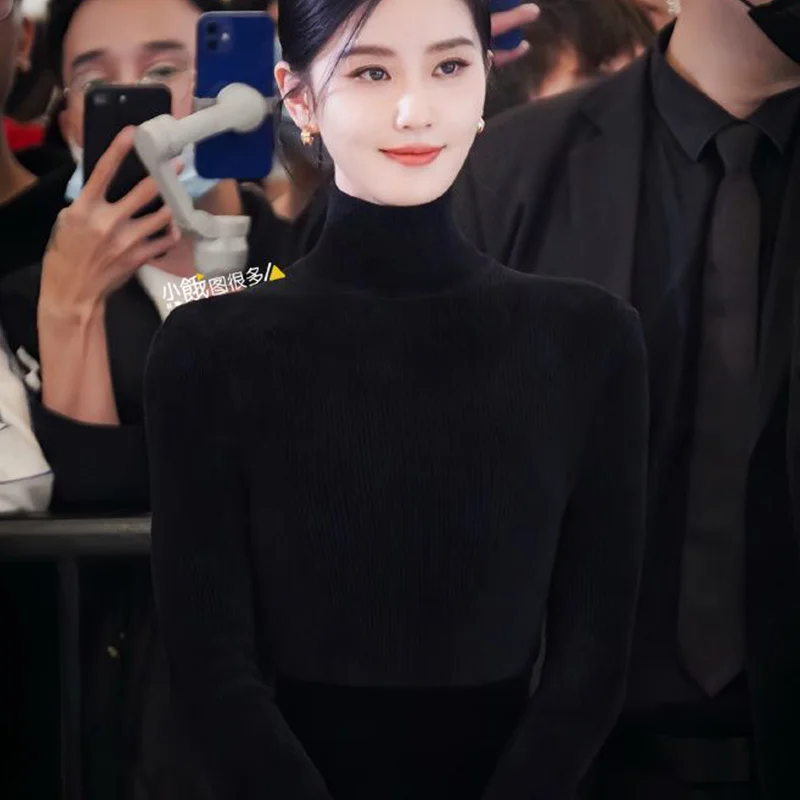
1. Women's Black Turtleneck Sweater Figure-flattering and Slimming
This is a classic, no-nonsense layering piece. The slim fit and turtleneck design make it ideal for under blazers and trench coats. It is made from polyester, which means it is easy to wash and resistant to wrinkles. The regular length ensures it stays in place without riding up. The black color is versatile and slimming, making it a staple for professional and casual outfits alike. Best for Office workers who need a polished, low-maintenance base layer under structured coats.
- Pros: Slim fit minimizes bulk; easy-care polyester fabric.
- Cons: Polyester may not breathe as well as natural fibers in mild weather.
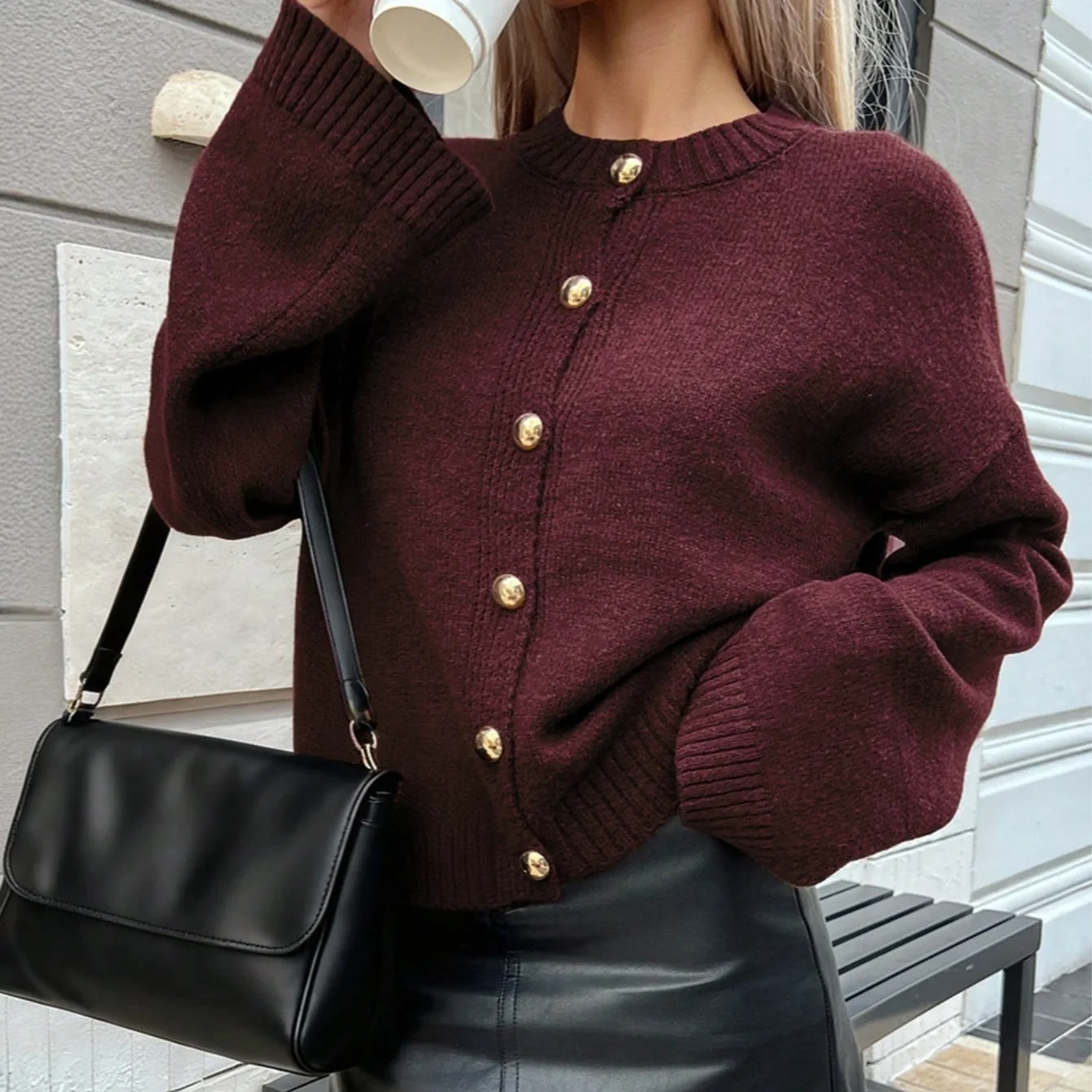
2. Long-sleeve Knitted Cardigan Crew-neck Loose-fit Sweater Jacket
While the description says "loose-fit," the cardigan style offers a different layering dynamic. Cardigans can be worn open or closed, offering flexibility in how much bulk you want to add. This one is made from cashmere, which is lightweight and warm. The crew neck provides a classic look that works under almost any coat. The regular length is suitable for tucking or leaving untucked. Best for Those who want a luxurious, warm layer that can be worn open for a casual look or closed for warmth.
- Pros: Cashmere material is warm and lightweight; versatile open/close design.
- Cons: Cashmere requires careful hand washing; loose fit may add more bulk than a slim knit.
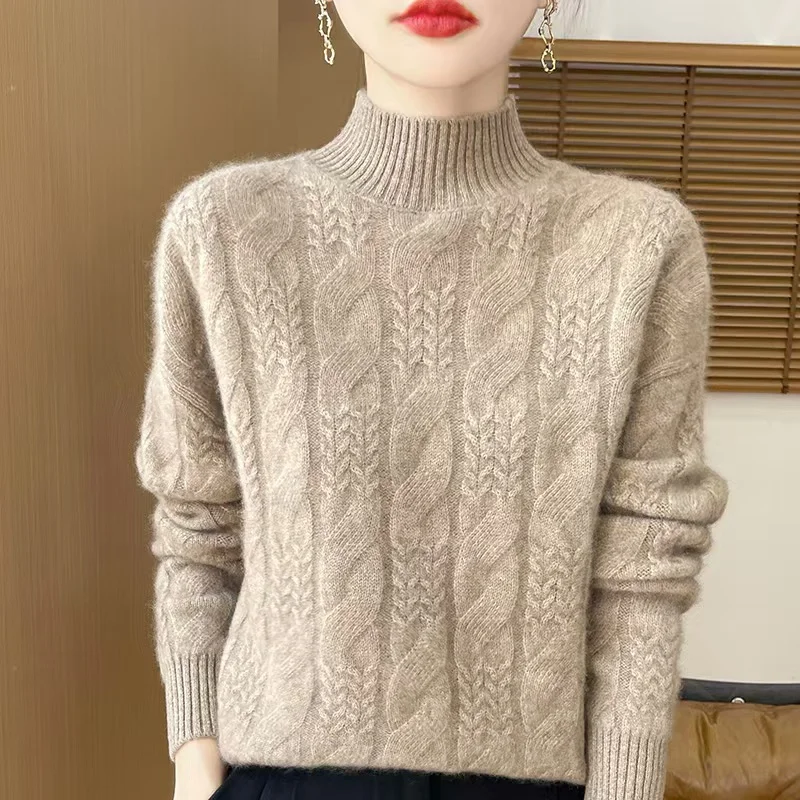
3. Female Solid Color Thickened Jacquard Turtleneck Wool Sweater
This wool sweater offers robust warmth with a textured jacquard pattern. The turtleneck design provides excellent neck coverage. Wool is a natural insulator, making it great for colder fall days. The regular length and slim fit ensure it layers well under coats without adding excessive bulk. The solid color options in beige and camel are neutral and easy to match with other fall wardrobe items. Best for Colder fall climates where you need more insulation but still want a sleek silhouette under a coat.
- Pros: Wool provides excellent natural insulation; textured pattern adds visual interest.
- Cons: Wool can be itchy for some; requires dry cleaning or careful hand washing.
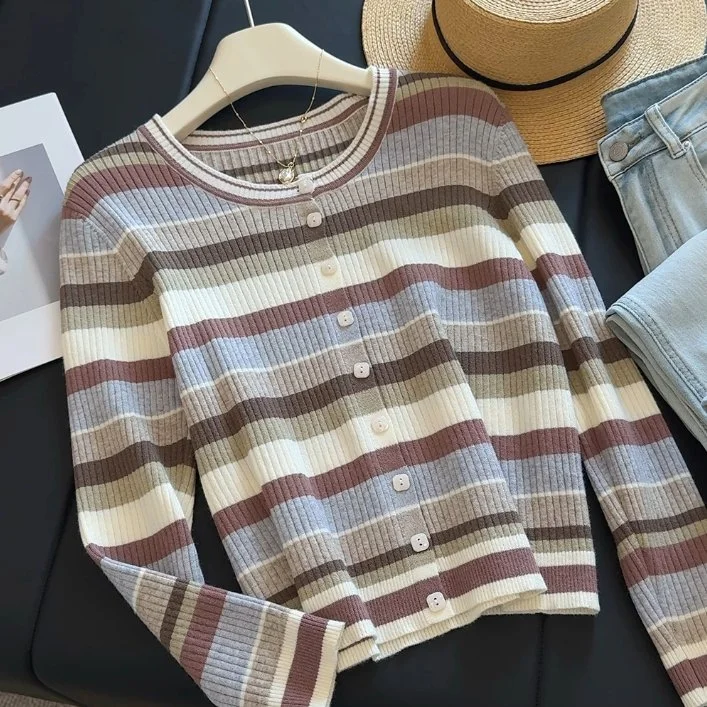
4. Women's Striped Knit Cardigan Fitted Long-Sleeve Sweater
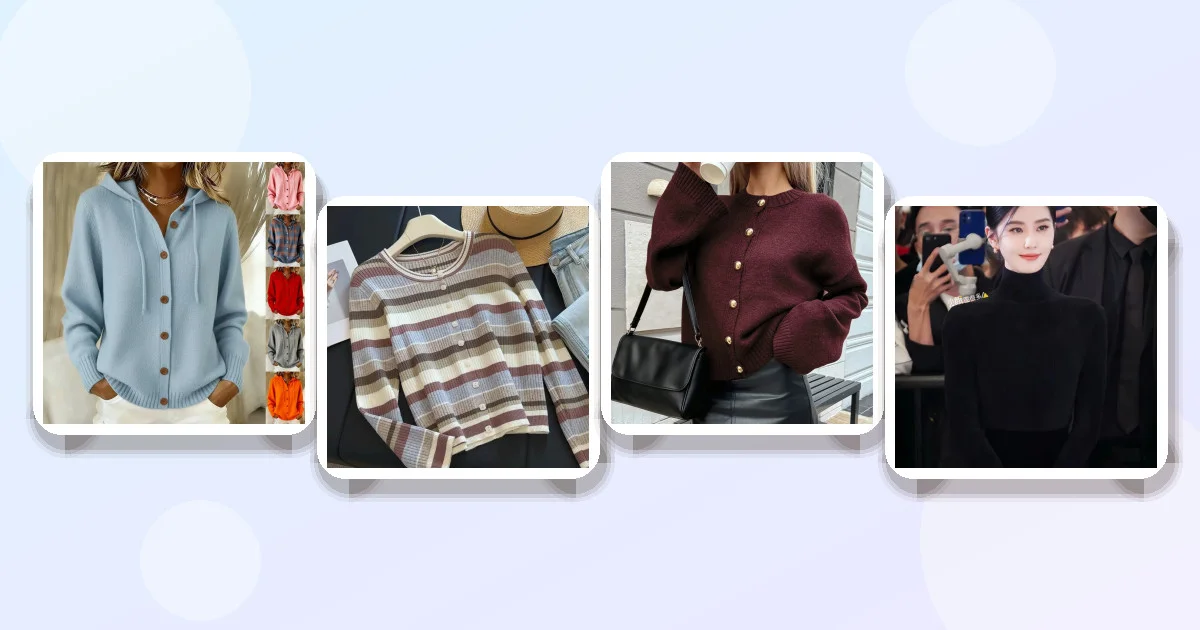
This fitted striped cardigan offers a modern, chic look. The fitted silhouette ensures it does not add bulk under a coat. The button design allows for easy layering over a tee or blouse. The striped pattern adds a pop of color and style, making it a great option for casual Fridays or weekend outings. The free-size design means you need to check the specific measurements to ensure a good fit, as one size does not fit all. Best for Casual layering under denim jackets or casual coats where a stylish, fitted look is desired.
- Pros: Fitted silhouette minimizes bulk; stylish striped pattern.
- Cons: Free size may not fit all body types; check measurements carefully.
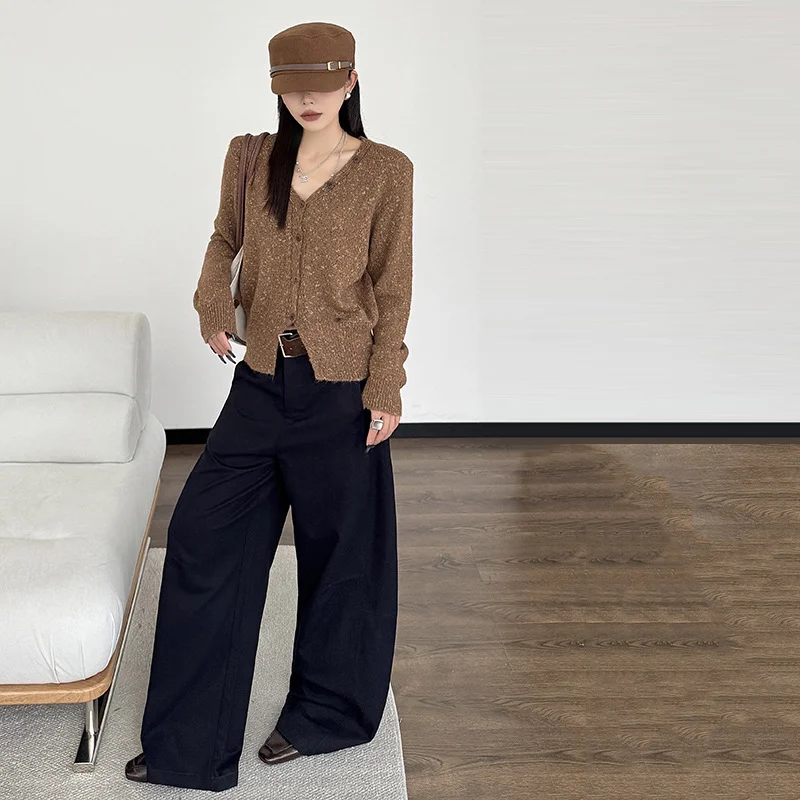
5. Women's Polyester Knitted V-neck Cardigan Sweater
This V-neck cardigan is a slim fit, making it ideal for layering over a collared shirt. The V-neck opening allows the shirt collar to show, creating a preppy, layered look. The polyester material is durable and easy to care for. The slim fit ensures it sits close to the body, reducing bulk under a coat. The oatmeal and amber colors are neutral and versatile for fall palettes. Best for Professional settings where you want to layer a collared shirt under a sweater and then a blazer or coat.
- Pros: V-neck allows for shirt collar layering; slim fit reduces bulk.
- Cons: Free size may not fit all; polyester may feel less luxurious than natural fibers.
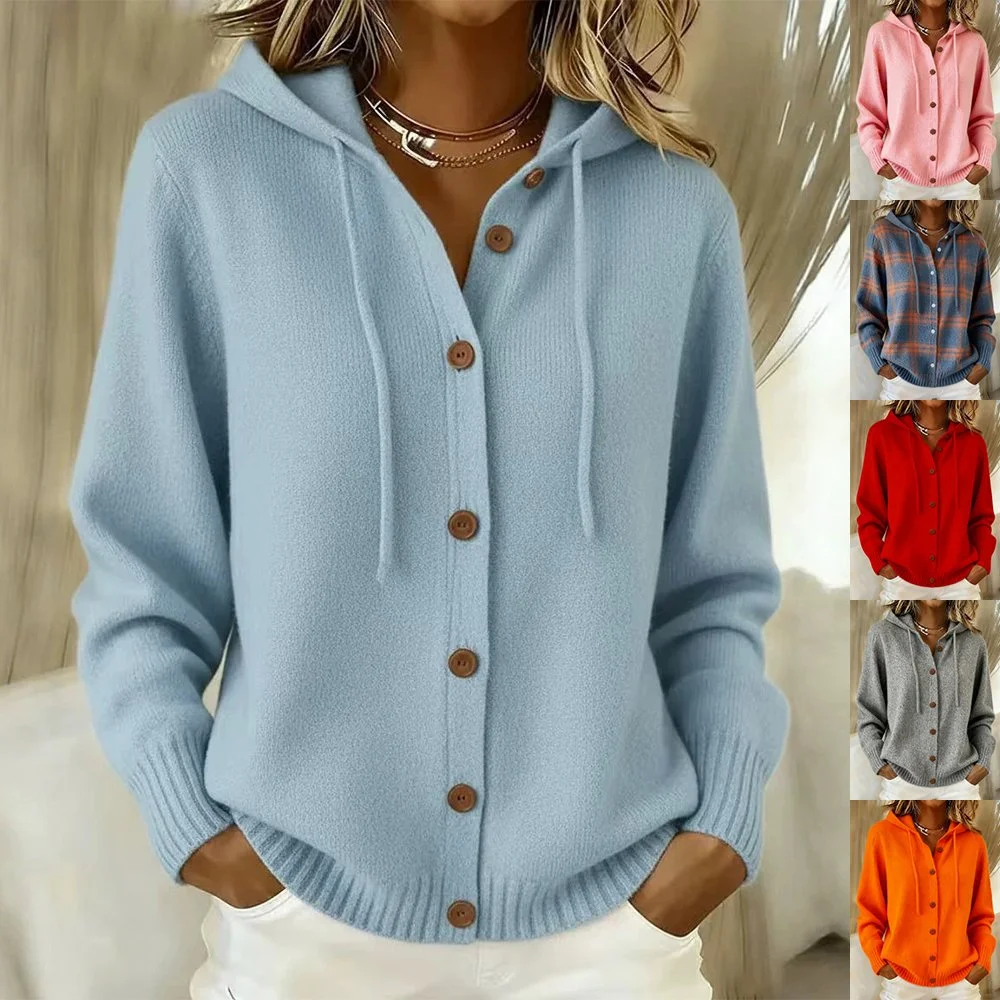
6. Women's American Style Relaxed Fit Hooded Cardigan
This relaxed fit hooded cardigan offers a casual, cozy look. The hood provides extra warmth for the neck and head. The loose fit means it will add more bulk than a slim fit, so it is best paired with loose-fitting coats like parkas or puffers rather than tailored trench coats. The polyester fiber is durable and easy to wash. The large size range (S to 5XL) ensures it fits a wide variety of body types. Best for Casual, outdoor activities where a cozy, roomy layer is desired under a loose-fitting coat.
- Pros: Hood adds extra warmth; wide size range available.
- Cons: Relaxed fit adds significant bulk; not ideal for tailored coats.
7. Women's Black Turtleneck Sweater (Alternative Color Option)
While we listed the black turtleneck earlier, it is worth noting that the same style is available in beige. The beige color offers a lighter, softer look that pairs well with darker coats. The slimming fit and turtleneck design remain the same, providing a versatile base layer. The polyester material ensures ease of care. This option is great for those who prefer lighter colors for their base layers. Best for Those who prefer lighter colors for their base layers and want a slim, easy-care turtleneck.
- Pros: Lighter color option; slim fit minimizes bulk.
- Cons: Polyester may not breathe as well as natural fibers.
Product Comparison Table
The table below compares the key attributes of