

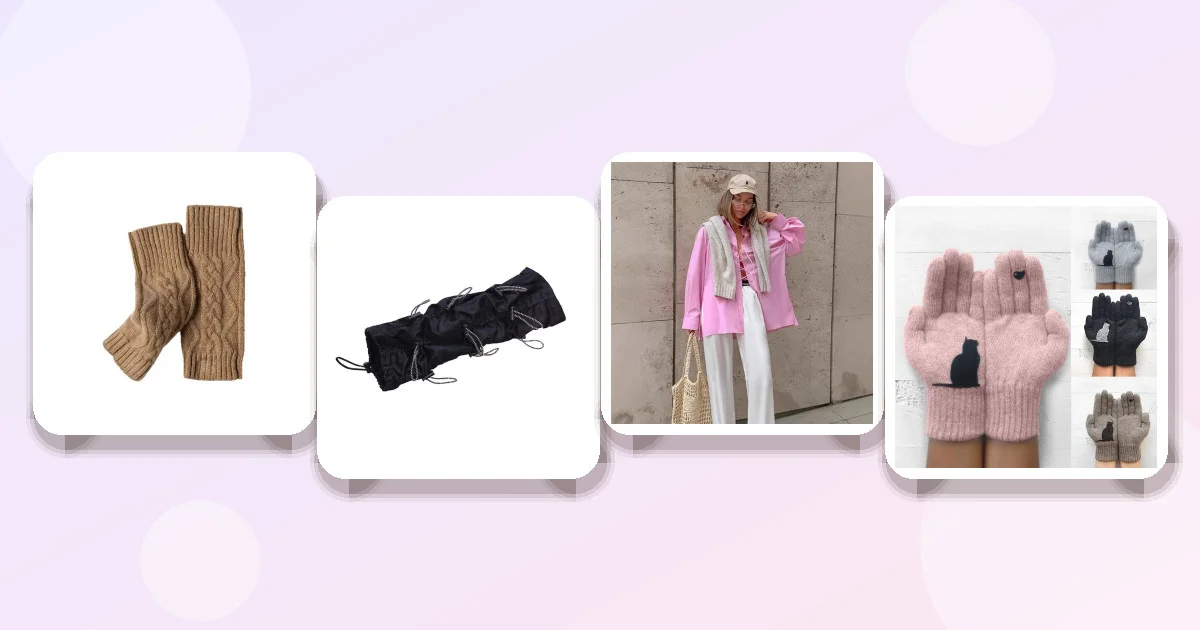
You are staring at a wedding invitation that reads “October 15, 6:00 PM, Outdoor Ceremony.” The dress is picked out, the shoes are broken in, but your hands are a problem. It’s too cold for bare skin, but you don’t want to look like you’re going hiking. You need handwear that respects the formality of the event while acknowledging the reality of the temperature. This guide walks through exactly how to select gloves that fit your outfit, keep you comfortable during the ceremony, and last through the reception.
Understanding the Weather and Warmth Needs
Before you look at a single pair of gloves, check the specific forecast for the wedding day and the location. “Fall” is a broad term. An outdoor wedding in coastal California in October is vastly different from one in rural Vermont. The difference in required insulation can be 20 degrees or more.
Defining Your Temperature Range
Most outdoor fall weddings fall into one of two temperature buckets. If the high is between 50°F and 60°F (10°C–15°C), you need light insulation. A thin leather glove or a lightweight knit will suffice for the ceremony, though you may want to layer a thin liner if you are staying outside for long periods. If the high is below 50°F (10°C) or if there is wind, you need significant insulation. In this range, unlined leather will feel cold within minutes. You need material with inherent loft, such as wool or cashmere, or a lined leather glove with a fleece or silk interior.
Wind is the silent killer of comfort. Still air at 45°F feels much milder than windy air at the same temperature. If the venue is open to a breeze, assume you need one level of insulation higher than the temperature suggests. Check the venue’s geography. Is it a coastal cliff? A windbreak of trees? A flat field? These details dictate whether you can get away with lighter materials.
The Duration Factor
How long will you be outside? If it is a quick 30-minute ceremony followed by an indoor reception, you can prioritize style over extreme warmth. You can afford to wear thinner gloves that look more polished. If the wedding is entirely outdoors, or if you are standing for a long speech or dance, your hands will go numb faster than you think. Cold hands are uncomfortable and can make you fidget, which distracts you from the moment. For long outdoor stays, prioritize dexterity and warmth. You want to be able to hold a drink, adjust your hair, or sign a guest book without taking your gloves off in the cold.
Consider the transition. Will you be moving between a cold outdoor space and a heated indoor reception? If so, gloves that are too bulky may become uncomfortable indoors. Look for gloves that are warm enough for the outside but not so thick that they become sweaty or restrictive when you sit down. A lightweight insulated glove is often the best compromise for this transition period.
Material Guide: Leather, Wool, and Cashmere
The material determines both the look and the function of your gloves. For a wedding, you are balancing aesthetics with practicality. Here is how the main contenders stack up.
Leather
Leather is the classic choice for formal weddings. It looks structured, fits closely to the hand, and provides a sleek silhouette that complements most dresses. However, standard leather is not inherently warm. It is a barrier against wind, not an insulator. If you choose leather for a fall wedding, ensure it is lined. A silk-lined leather glove is elegant and suitable for mild fall weather (50°F–60°F). A fleece-lined leather glove offers more warmth but can look bulkier at the wrist. Check the lining material if you are sensitive to certain fabrics. Silk is smooth and quiet; fleece is warmer but may make a slight rustling sound.
Leather also requires care. It can stain if it gets wet. If the forecast includes rain or damp grass, leather is a risky choice unless it is treated for water resistance. For a dry, crisp fall day, leather is hard to beat for style.
Wool
Wool is the practical champion for colder fall weddings. It is naturally insulating, meaning it traps heat even when damp. Wool gloves are generally more casual than leather, but high-quality merino wool can look very refined. They are also more durable and easier to care for than leather. If the temperature is dropping into the 40s°F (4°C–9°C), wool is a safer bet than unlined leather. Look for a tighter knit in wool gloves; a loose knit looks more casual and lets more cold air in. A fine-gauge wool glove offers a better balance of warmth and formality.
Cashmere
Cashmere is the luxury option. It is incredibly soft, lightweight, and warmer than wool relative to its thickness. Cashmere gloves look expensive and feel luxurious against the skin. They are ideal for guests who want to prioritize comfort and elegance. However, cashmere is delicate. It can snag on rough surfaces or jewelry. It is also less durable than wool. If you are prone to rough handling, wool might be a smarter choice. For a polished look that feels soft, cashmere is the top tier.
Knitted vs. Seamed
Construction matters as much as material. Knitted gloves are made from a single piece of fabric, which means they are flexible and conform to your hand shape. They are generally more comfortable for long wear. Seamed gloves, like leather, have distinct fingers and a structured cuff. Seamed gloves often look more formal and fit more snugly. If you have smaller hands, seamed gloves may fit better. If you have larger hands or prefer a relaxed fit, knitted gloves may be more comfortable. Check the cuff length. A longer cuff offers more protection from wind but can hide the sleeve of your dress. A shorter cuff shows more of the dress but offers less coverage. Match the cuff length to your dress sleeve length for a cohesive look.
Fit and Sizing: How to Measure for a Formal Look
The biggest mistake with wedding gloves is buying a size that is too small. Gloves that are tight restrict blood flow, making your hands colder and more prone to numbness. They also look uncomfortable. You want a glove that fits snugly enough to stay in place but loose enough to allow for circulation and easy movement.
How to Measure Your Hand
You need two measurements: hand width and hand length. Use a soft measuring tape. If you don’t have one, use a piece of string and measure it against a ruler. Measure your dominant hand, as it is usually slightly larger.
- Hand Width: Wrap the tape around the widest part of your hand, excluding your thumb. This is the knuckle area. Note this number in inches or centimeters.
- Hand Length: Measure from the base of your palm (where the hand meets the wrist) to the tip of your middle finger. This measurement helps determine the overall length of the glove.
Compare these numbers to the specific brand’s size chart. Do not assume a “Medium” is the same across brands. A medium in one brand may be a small in another. Always check the specific product page for sizing details.
Fit Indicators
When you try on gloves, check these specific points:
- Finger Tips: Your fingers should reach the tip of the glove without being bent. If you have to curl your fingers to fit, the glove is too short. If there is significant space, it is too long.
- Palm Fit: The palm should fit snugly without digging into your skin. You should be able to make a fist and open it easily without the glove twisting.
- Cuff: The cuff should sit comfortably on your wrist. It should not be so tight that it leaves a deep red mark or restricts movement. It should not be so loose that it slips down when you move your arms.
If you are between sizes, size up. It is easier to deal with a slightly loose glove than a restrictive one. You can always add a thin liner if needed. However, a glove that is too tight cannot be fixed. Ensure the closure, if any, is secure. Some gloves have a snap or tie at the wrist. Test this closure to make sure it holds firmly without being difficult to fasten, especially if you have smaller hands or less dexterity.
Left and Right
Many formal gloves are unisex or symmetrical, meaning the left and right are identical. This makes sizing easier because you only need to measure one hand. However, some high-end gloves are asymmetric, meaning the left and right are shaped differently. If you are buying asymmetric gloves, measure both hands separately. If you have a significant size difference between your left and right hand (which is common), you may need to buy two different sizes or look for a brand that offers mixed sizing. This is rare for standard retail gloves, so check the product description carefully.
Style and Color: Matching the Autumn Palette
Your gloves should complement your dress, not compete with it. For an autumn wedding, the color palette is rich and earthy. You want to choose a glove color that harmonizes with your outfit and the season.
Neutral Foundations
Black, grey, and camel are the safest bets. They match almost any dress color. If you are unsure what to choose, go with black. It is slimming, classic, and easy to find in high-quality materials. Grey is a softer alternative that works well with lighter dresses. Camel or tan adds warmth and is particularly good for white or cream dresses. Avoid bright colors unless your dress is specifically designed to match them. A bright red glove with a blue dress will look jarring.
Matching the Dress
If your dress has a specific color, try to match the glove to a secondary color in the outfit, such as the belt, shoes, or jewelry. For example, if you are wearing a burgundy dress with black shoes, black gloves are the correct choice. If you are wearing a beige dress with brown shoes, tan or camel gloves work well. If your dress is patterned, choose a glove in one of the solid colors from the pattern. Avoid matching the dominant color if it is too bold, as this can look like a costume. Stick to neutrals unless you are sure of the match.
Texture and Detail
The texture of the glove should reflect the formality of the event. Smooth leather is the most formal. Knitted wool is less formal but can still be elegant if the knit is fine. Avoid gloves with heavy embellishments, like large bows or excessive fringing, unless the wedding theme is very specific. Keep it simple. A clean cuff and well-finished seams signal quality. Check the fingertips. Some gloves have reinforced fingertips, which are good for durability but can look bulky. If you are using your phone during the ceremony, consider gloves with touchscreen-compatible fingertips, though this is less critical for a wedding where you should ideally be putting your phone away.
Product Comparison and Recommendations
Based on the materials, fit, and style considerations above, here are specific products that fit different needs and budgets. Each product has its own strengths and limitations.
| Product | Price | Type/Material | Options | Best For |
|---|---|---|---|---|
|
Warm Cashmere Fingerless Gloves
🏆 Top pick
|
$32.52 | Cashmere | 6 Colors, One Size (20x8.5cm) | Mild fall weather, dexterity needs |
|
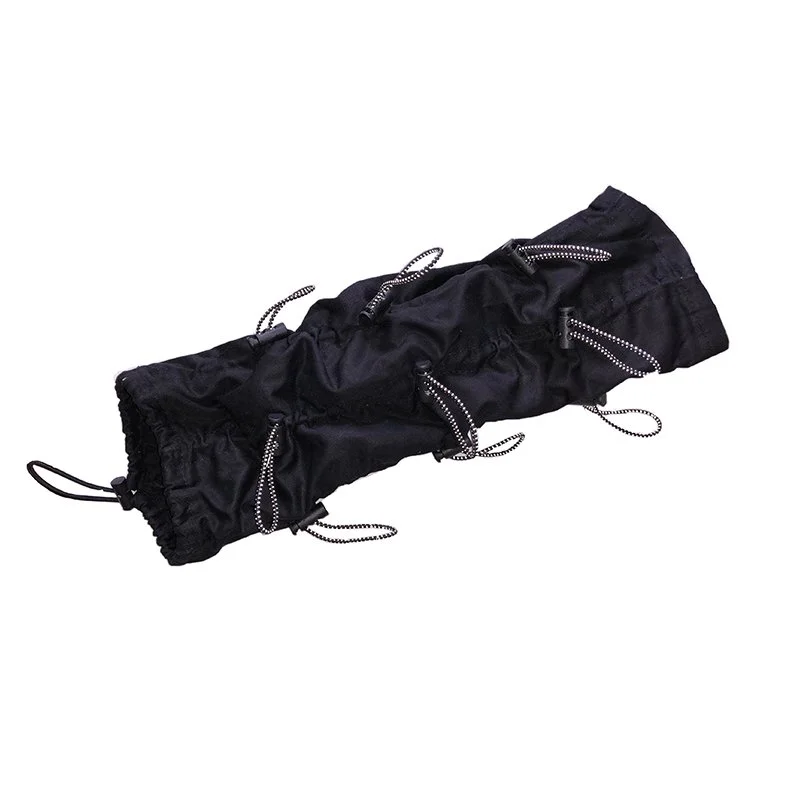
Reflective Drawstring Gloves
⭐ Editor's pick
|
$68.96 | Reflective Material | Black, One Size | Low-light safety, active movement |
|
Lapel Rope Lace-up Long Sleeve Shirt
⭐ Editor's pick
|
$29.84 | Shirt (Not Gloves) | N/A | Layering under gloves |
|
Warm Women's Wool Gloves
⭐ Editor's pick
|
$6.60 | Wool | 4 Colors, Size M | Budget-friendly warmth |
|
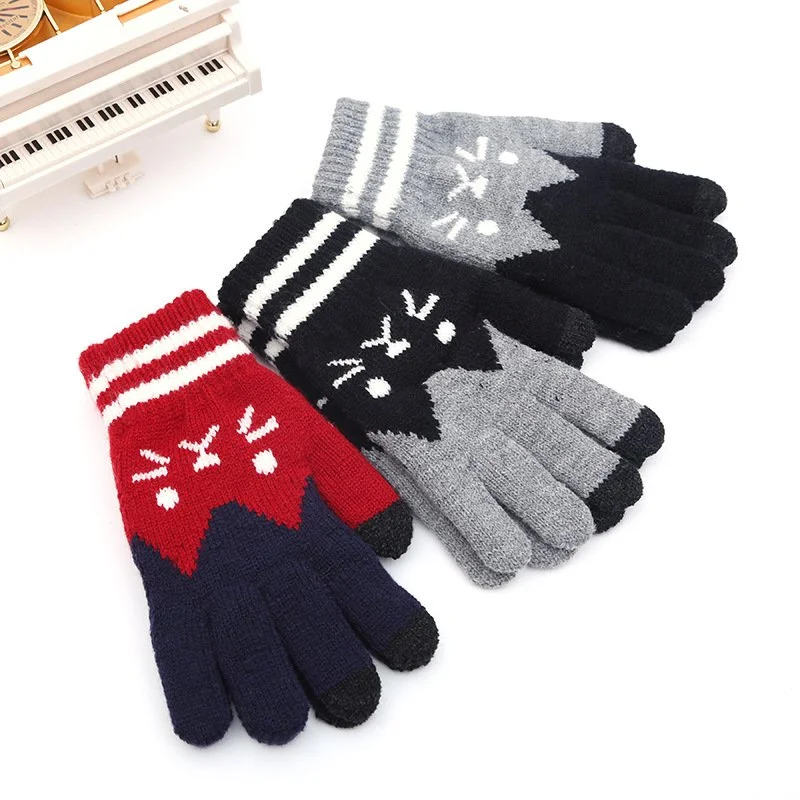
Warm Women's Five-Finger Knitted Gloves
⭐ Editor's pick
|
$3.68 | Knitted | 4 Colors, One Size | Very casual, extreme budget |
|
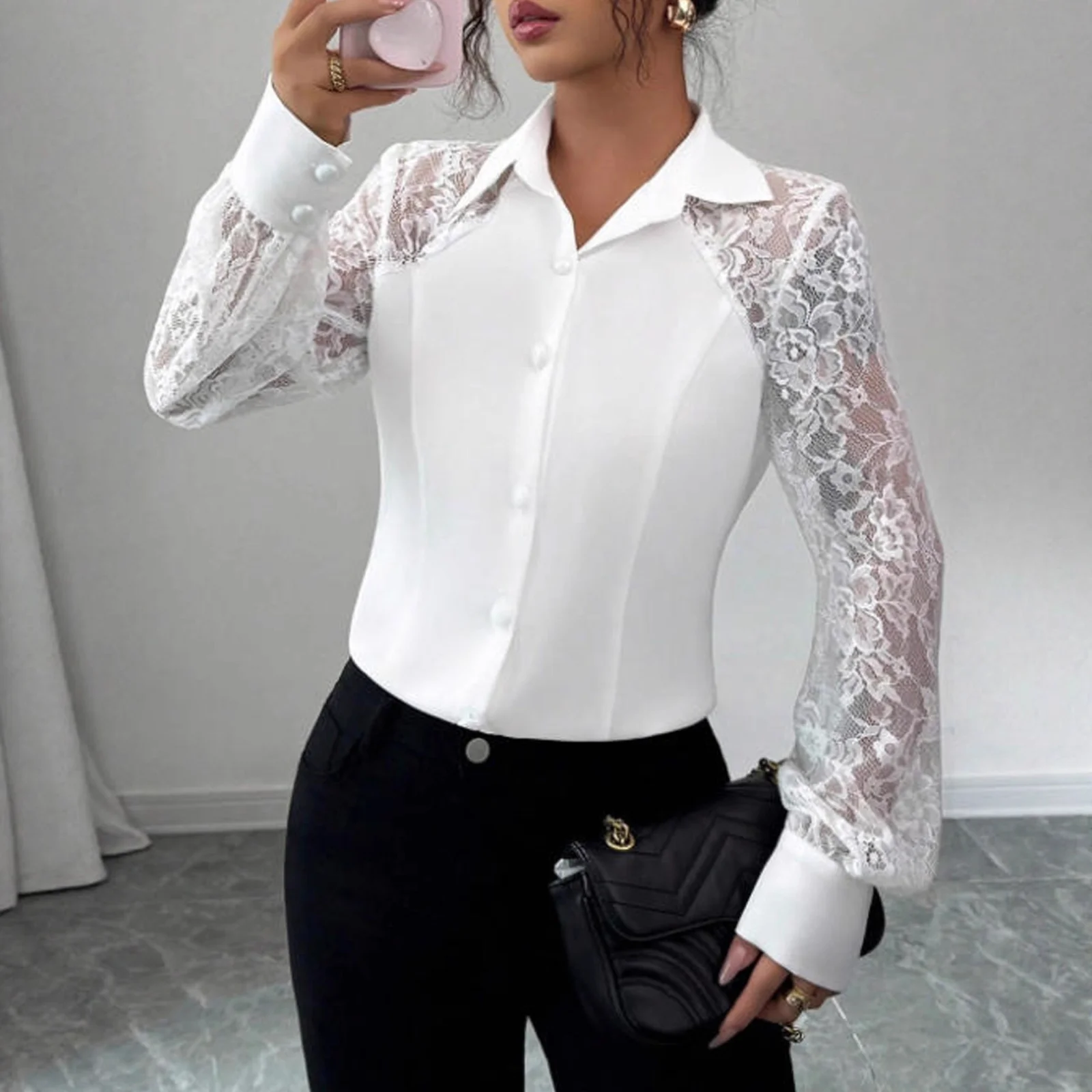
Lace Solid Color Button Long Sleeve Shirt
⭐ Editor's pick
|
$23.88 | Shirt (Not Gloves) | N/A | Formal layering |



Recommendation 1: Warm Cashmere Fingerless Gloves
These gloves are made from soft cashmere and are designed for warmth and versatility. They are fingerless, which allows for full dexterity.
Best for Guests attending a mild fall wedding (55°F–60°F) who need to use their hands frequently, such as for holding a phone or adjusting clothing.
- Pro: Cashmere material is soft and luxurious, providing good warmth for mild cold.
- Pro: Fingerless design allows for full hand movement and dexterity.
- Con: Fingerless design offers less warmth for fingertips in very cold weather; not ideal for sub-40°F temperatures.
Recommendation 2: Stay Visible with Reflective Drawstring Gloves
These gloves feature reflective elements and a drawstring closure. They are designed for visibility in low light conditions.
Best for Weddings held in the evening with poor lighting or where guests must walk long distances in the dark.
- Pro: Reflective features enhance safety in low-light outdoor settings.
- Pro: Drawstring closure allows for a customizable, secure fit.
- Con: Stylishly utilitarian; the reflective material may look less traditional for a formal wedding aesthetic.
Recommendation 3: Women's All-matching Lapel Rope Lace-up Long Sleeve Shirt
This is a long-sleeve shirt with a lapel and lace-up detail. It is not a glove but a layering piece.
Best for Creating a warm, structured base layer under gloves for a cohesive look.
- Pro: Long sleeves provide additional arm coverage and warmth.
- Pro: Lapel detail adds a formal touch to the outfit.
- Con: Not a glove; requires separate handwear selection. Spec details like fabric weight are not provided, so check fit carefully.
Recommendation 4: Warm Women's Wool Gloves - Insulated Cold Weather Gloves
These gloves are made from wool and are insulated for cold weather. They are lightweight at 55g.
Best for Guests who need reliable warmth on a budget and want a durable, classic option.
- Pro: Wool material provides natural insulation and is durable.
- Pro: Lightweight design (55g) allows for good dexterity without bulk.
- Con: Limited size availability (only Size M listed); check fit if you have small or large hands.
Recommendation 5: Warm Women's Five-Finger Knitted Gloves
These are knitted gloves made from soft, breathable materials. They are designed for autumn and winter.
Best for Very casual outdoor weddings or as a backup pair for activities outside the ceremony.
- Pro: Knitted construction is flexible and comfortable for long wear.
- Pro: Breathable materials help regulate temperature.
- Con: Knitted texture can look less formal than leather or fine wool; may snag on rough surfaces.
Recommendation 6: Women's Lace Solid Color Button Long Sleeve Shirt
This is a lace long-sleeve shirt with buttons. It is a layering piece, not a glove.
Best for Adding a delicate, feminine layer under gloves for a polished look.


