Thanksgiving leaves you with mountains of turkey, stuffing, and side dishes that need a home until you can finish them. This guide shows you how to turn a chaotic pantry into a well‑organized storage zone, so leftovers stay fresh and you waste less.
Choosing the right containers
Container material matters. Glass is airtight and won’t stain, but it’s heavy. BPA‑free plastic is lightweight and stackable, yet you’ll want a tight‑seal lid to keep air out. For Thanksgiving leftovers, aim for containers that are 1‑quart to 2‑gallon in size—small enough for side dishes, large enough for turkey carcasses.
Features to check
- Seal type: Snap‑lock or silicone gasket lids prevent moisture loss.
- Stackability: Uniform dimensions let you stack without wobbling.
- Microwave safety: If you reheat directly in the container, make sure it’s microwave‑compatible.
Our recommendation
While we don’t list specific food containers, the Tall Bathroom Storage Cabinet Works as a sturdy base for stacked bins. Its adjustable shelf lets you set the height for 1‑quart to 2‑gallon containers, keeping them upright and easy to grab.
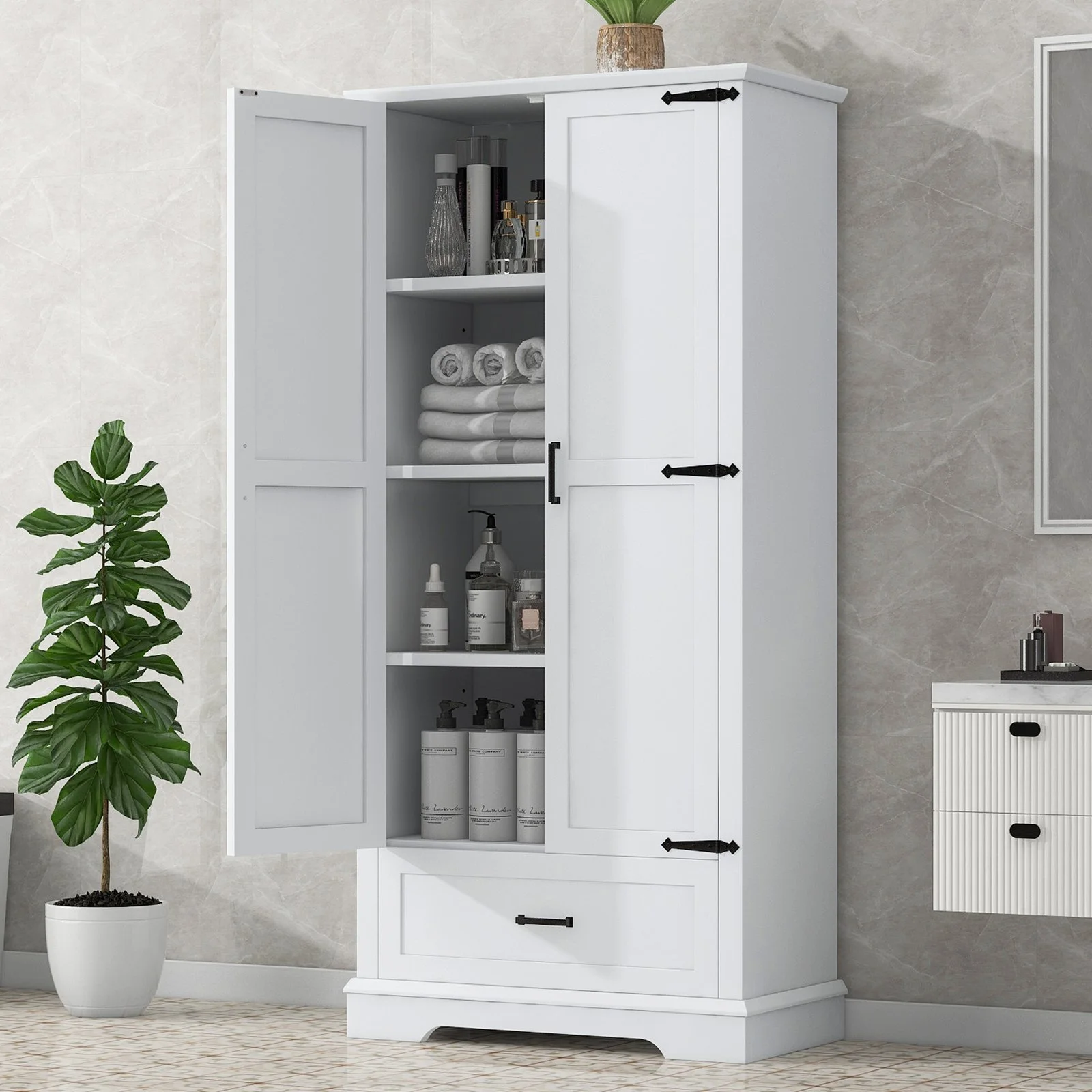
- Adjustable shelf accommodates various bin heights.
- Two‑door design hides clutter.
- Con: Large footprint; may not fit tiny closets.
Sizing storage bins for a small kitchen pantry
Measure the interior width, depth, and height of your pantry before you buy. A common small pantry is about 24" wide, 12" deep, and 48" high. Divide that volume into three zones: a top zone for small containers (1‑quart), a middle zone for medium (1‑pint to 1‑quart), and a bottom zone for large (1‑gallon).
Practical bin dimensions
| Bin type | External dimensions (in) | Typical use |
|---|---|---|
| Small | 5 × 5 × 4 | Gravy, cranberry sauce |
| Medium | 8 × 8 × 5 | Stuffing, mashed potatoes |
| Large | 12 × 12 × 7 | Turkey pieces, casserole |
Buy bins that match these external sizes so they slide in and out without jamming. If you’re between sizes, choose the larger bin—extra space is easier to manage than a tight fit.
Product match
The Over the Toilet Storage Cabinet Offers an adjustable shelf that can hold a row of medium‑size bins, keeping them off the floor and out of the way of cleaning tools.
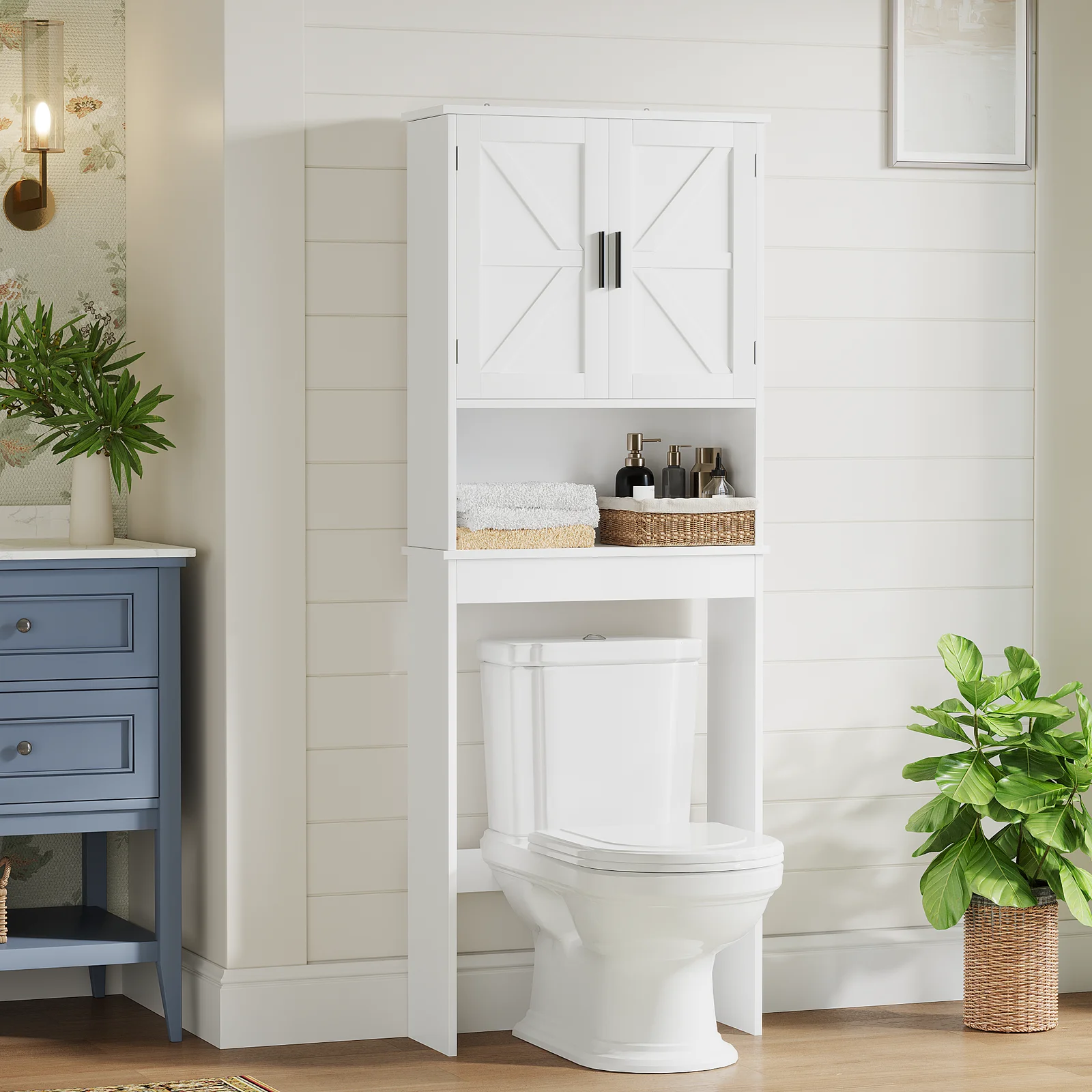
- Adjustable shelf fits different bin heights.
- Double doors hide the pantry contents.
- Con: Designed for bathroom use; may need extra anchoring in a pantry.
Labeling bins for easy access
A label should tell you what’s inside, the date it was stored, and a quick “use by” cue. Use a permanent‑marker label maker or printable stickers that adhere to plastic and glass. Write the date in YYYY‑MM‑DD format; it sorts chronologically at a glance.
Label placement tips
- Place the label on the front face, not the lid, so it’s visible when bins are stacked.
- Use a color‑code system—red for meat, green for vegetables—to scan quickly.
- Keep a spare label sheet in the pantry for last‑minute additions.
Organizing the label system
Mount a small whiteboard or chalkboard strip on the inside of the cabinet door. Write the day’s menu and cross off items as you use them. This visual cue reduces the chance of forgetting a container.
Setting up your Thanksgiving pantry
Follow these steps after the meal:
- Cool food quickly. Transfer hot dishes to shallow containers and refrigerate within two hours.
- Choose bin size. Match the portion to the bin dimensions outlined above.
- Seal and label. Snap the lid, write the date, and add a color tag.
- Place on the shelf. Arrange bins by use‑by date—oldest in front, newest in back.
- Close the doors. Keep the pantry door shut to maintain a stable temperature.
Additional storage aids
For extra vertical space, the Wood Plastic Panel Bathroom Shelf Can be mounted on the pantry wall to hold spice jars or small condiment containers, keeping them out of the way of larger bins.
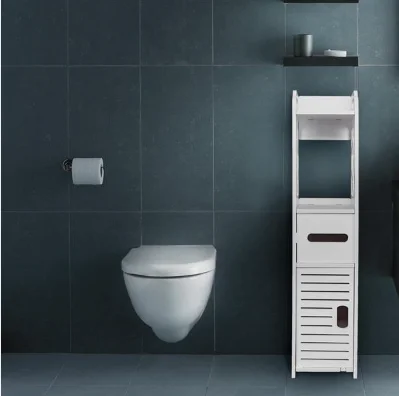
- Lightweight yet sturdy.
- Easy to install.
- Con: Limited load capacity; avoid heavy jars.
Common mistakes to avoid
- Storing hot food in sealed containers. Heat creates condensation, which speeds spoilage. Cool first.
- Mixing raw and cooked items. Keep raw turkey in a separate bin to prevent cross‑contamination.
- Using containers without airtight seals. Air accelerates bacterial growth; always choose tight‑fit lids.
- Neglecting a weekly pantry audit. Take five minutes each Sunday to discard anything past its “use by” date.
Care, maintenance, and styling tips
Wipe the interior of your cabinet with a damp cloth weekly; avoid abrasive cleaners that could damage engineered wood or MDF finishes. If you notice any moisture buildup, open the doors for an hour to let the air circulate.
For a cohesive look, choose bins in the same color family as your cabinet—white or light gray blends well with the Kids Bookcaes Style storage units.
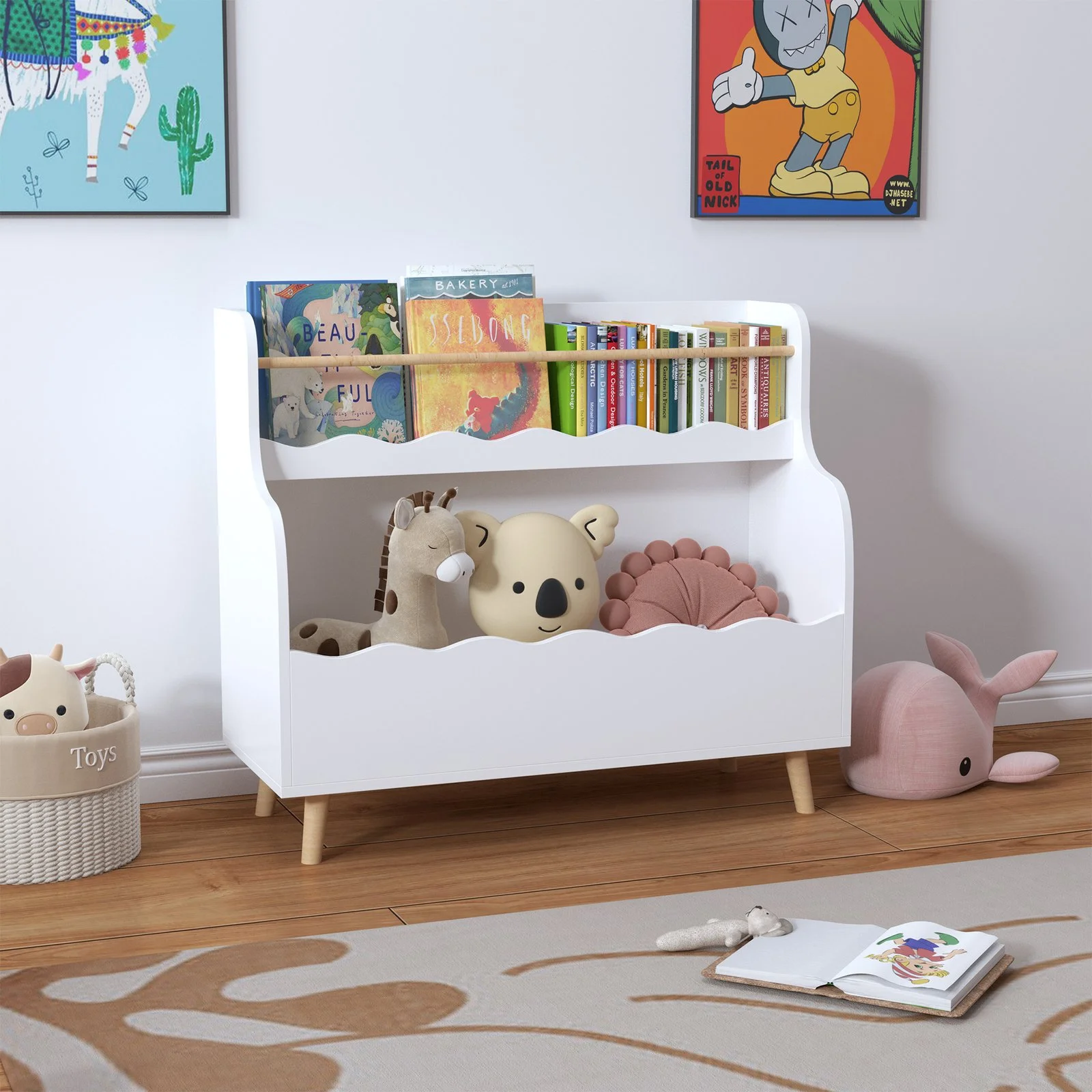
- Clean, white finish matches most kitchen décor.
- Compact footprint.
- Con: Color may appear slightly different on screens.
If you have a family with kids, the Kids Bookcase with Collapsible Fabric Drawers Can serve as a low‑height bin holder for snack‑size leftovers that children can reach without climbing.
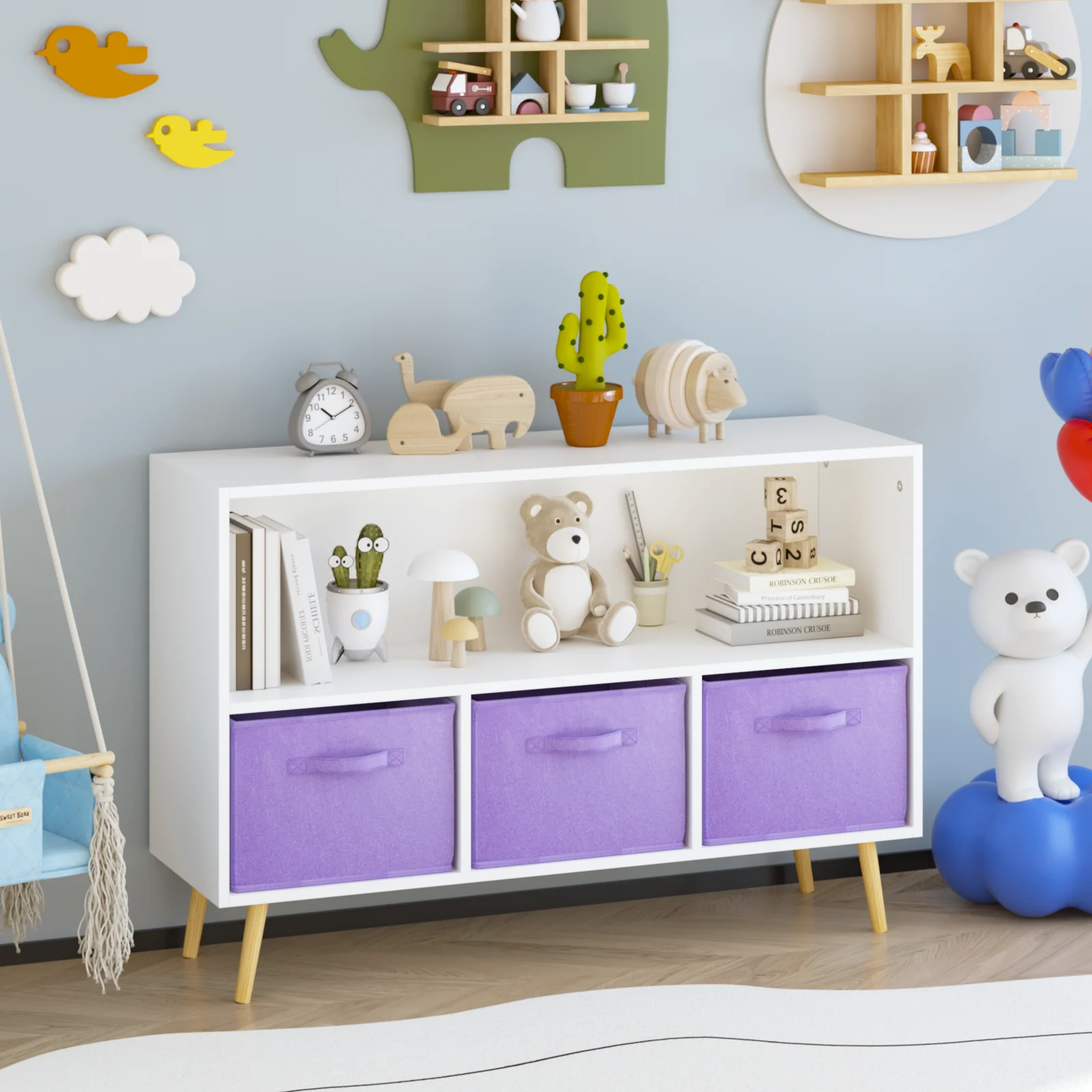
- Collapsible drawers adapt to different bin heights.
- High‑density MDF resists warping.
- Con: Fabric drawers may need occasional cleaning.
For a versatile open‑shelf option, the Kids Bookshelf and Toy Organizer Offers five cubbies that can hold small jars, spice packets, or pre‑portioned salad containers.
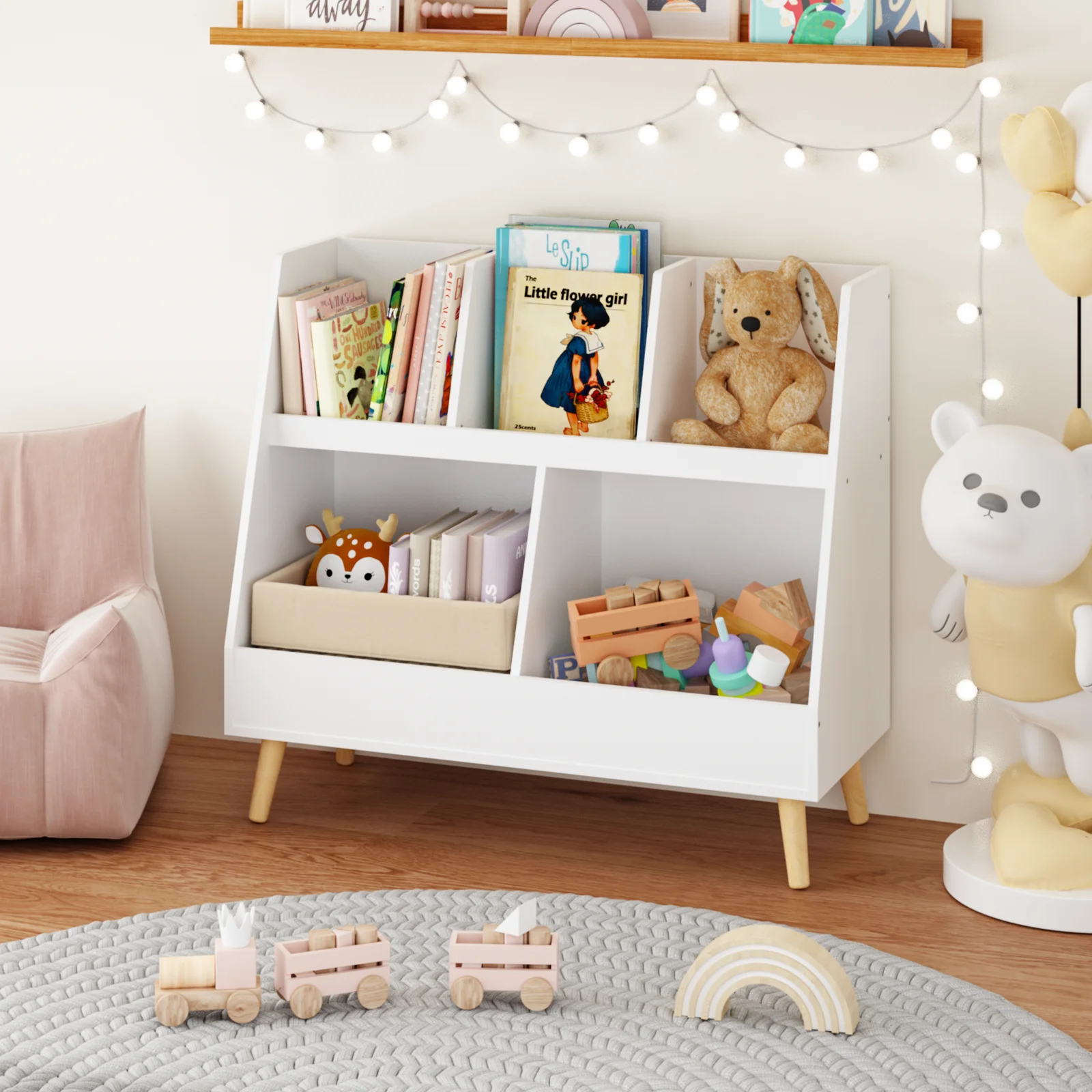
- Five cubbies provide flexible organization.
- Sturdy MDF construction.
- Con: Open design may expose items to pantry air.
Frequently asked questions
❓ What are the best containers for storing Thanksgiving leftovers?
Glass or BPA‑free plastic containers with snap‑lock or silicone gasket lids work best because they keep air out and are easy to stack. Choose sizes from 1‑quart for sauces up to 2‑gallon for turkey pieces.
❓ How do I label pantry bins for easy access?
Use a permanent‑marker label maker or printable stickers on the front of each bin, noting the food, storage date (YYYY‑MM‑DD), and a quick “use by” cue. Color‑code by food type for faster scanning.
❓ How can I keep my pantry organized after a big holiday meal?
Cool food quickly, seal in airtight bins, label, and arrange by use‑by date with the oldest in front. Perform a weekly audit to discard expired items and keep the doors closed to maintain temperature.
❓ What size storage bins should I buy for a small kitchen pantry?
Measure your pantry (often ~24″ × 12″ × 48″) and divide into three zones: small bins (5 × 5 × 4 in), medium bins (8 × 8 × 5 in), and large bins (12 × 12 × 7 in). Pick bins that fit these external dimensions for smooth sliding.
❓ How to prevent leftovers from spoiling in the pantry?
Store leftovers in airtight containers, keep them refrigerated promptly (within two hours), and never mix raw and cooked foods. A weekly pantry check catches items that have passed their safe‑use date.
❓ What are the top pantry organization tips for Thanksgiving?
Cool food fast, use uniform airtight bins, label with dates and colors, stack by size, and audit weekly. Adding a vertical cabinet or shelf maximizes limited space.
❓ Can I use bathroom storage furniture for pantry organization?
Yes—items like the Over the Toilet Storage Cabinet or Tall Bathroom Storage Cabinet are designed for small spaces and have adjustable shelves that can hold pantry bins securely.
❓ Is MDF safe for kitchen storage?
MDF is a dense engineered wood that resists warping, but it should stay away from direct moisture. Use it for dry‑goods bins or as a decorative shelf, and wipe spills promptly.
Key takeaways
- Cool leftovers within two hours and store in airtight containers.
- Choose bin sizes that match your pantry dimensions: small (5 × 5 × 4 in), medium (8 × 8 × 5 in), large (12 × 12 × 7 in).
- Label every bin with food type, date, and a color tag for quick identification.
- Use vertical cabinets or adjustable shelves (e.g., Tall Bathroom Storage Cabinet) to maximize space.
- Perform a weekly pantry audit to discard anything past its “use by” date.
- Keep moisture‑sensitive items on a dry, MDF or wood‑plastic shelf, and avoid storing hot food in sealed containers.
How we chose these products: We matched each item’s material, size flexibility, and price to the specific storage needs outlined in the guide; specifications and availability may change.
===HTML===