You have the turkey cooking, the sides prepped, and the guests arriving in an hour. But the dining table looks flat. You’re staring at a plain white tablecloth and a few mismatched placemats, wondering how to make the space feel warm and intentional without spending your entire grocery budget on new fine china. The good news is that you don’t need expensive new dishes to make a table feel festive. You need texture, layering, and a cohesive color story.
This guide breaks down exactly how to build a Thanksgiving table setting that feels curated and cozy. We will focus on practical styling techniques using items you likely already have, plus specific, budget-friendly accents that add visual interest. Whether you are hosting in a formal dining room or squeezing a long table into a kitchen nook, these strategies prioritize warmth, comfort, and ease. You will learn how to choose the right materials, how to layer linens without making the table look messy, and how to incorporate fall textures that make guests want to linger over coffee long after the pie is gone.
- The Foundation: Choosing Your Base Linens
- The Art of Layering: Runners, Throws, and Textures
- Color Palette: Warm Neutrals That Work
- Styling Small Tables and Tight Spaces
- Product Comparison: Budget-Friendly Accents
- Common Mistakes to Avoid
- Care and Maintenance Tips
- Frequently Asked Questions
- Key Takeaways
The Foundation: Choosing Your Base Linens
Before you add a single decorative element, you need a solid base. The base tablecloth does the heavy lifting for your Thanksgiving table setting. It covers the table, protects the surface, and sets the color tone for the rest of the decor. If the base is too busy, the table will look chaotic. If it is too plain, the table might feel cold. The goal is a neutral, solid color that acts as a canvas.
Choosing the Right Size and Material
For a standard rectangular dining table, measure the length and width of your table. A good rule of thumb for a formal look is to have the tablecloth drop 15 to 20 inches on all sides. For a casual, cozy Thanksgiving vibe, a drop of 10 to 12 inches is sufficient and often more practical because it is less likely to catch on chairs or bump into guests as they stand up. If you are using a round table, measure the diameter and add 30 to 40 inches to ensure enough fabric for a graceful drape.
Material matters for both look and feel. Linen is the gold standard for coziness. It has a natural slub (a small irregularity in the weave) that adds visual texture even when flat. It also breathes well, which is nice in a crowded dining room. Cotton is a great alternative if you want something that is easier to wash and less prone to wrinkling. Synthetic blends like polyester-cotton are durable and often stain-resistant, which is helpful if you are serving mashed potatoes or cranberry sauce. Avoid shiny satin or silk for a cozy theme; these materials reflect light and feel more formal and cold. You want matte, soft fabrics that absorb light and feel inviting to the touch.
The Power of Solid Colors
Stick to solid colors for your base layer. A solid cream, oatmeal, or light gray tablecloth allows the colors of your food and the textures of your runners to stand out. If you choose a patterned tablecloth, keep the pattern small and subtle, like a fine herringbone or a faint floral. Large, bold patterns can compete with the food and make the table feel cluttered. A solid base is forgiving. If a stain happens, it is less noticeable on a textured neutral fabric than on a stark white sheet.
Check the care label before you buy or pull out old linens. For a Thanksgiving dinner, you want linens that can handle a quick wash or a spot clean if needed. If you are using delicate fabrics, consider placing a clear plastic underlay beneath the tablecloth to protect against spills. This is a practical step that saves your good linens from potential damage during a large meal.
The Art of Layering: Runners, Throws, and Textures
Once you have your base, it is time to add depth. Layering is the secret to a cozy Thanksgiving table setting. It involves placing different fabrics on top of each other to create visual interest and tactile variety. You are not just covering the table; you are building a landscape of textures. Think of it like building a quilt: each layer adds a different feel and look.
Using Table Runners and Throws
A table runner is the most common layering piece. Place a runner down the center of the table. For a rectangular table, the runner should be about two-thirds the width of the table. If your table is 36 inches wide, a 24-inch wide runner is a good size. This leaves enough of the base tablecloth visible on the sides to show your color choice. If you are using a throw blanket as a runner, make sure it is clean and free of pilling. You can fold the throw lengthwise to create a long, narrow strip. Tuck the ends under the table or let them hang down the sides for a relaxed look.
Throws are particularly effective for adding warmth. A chunky knit or a soft fleece throw can be draped over the back of a chair or used as a runner. If you are using a throw as a runner, consider adding a few small decorative items on top to weigh it down and keep it in place. Candles, small vases, or fruit bowls work well. The key is to let the texture of the throw show. Don’t cover it up with too many flat items. The goal is for guests to see the soft, fuzzy, or woven texture of the fabric.
Incorporating Pillows and Cushions
While pillows are typically for sofas, they can be used in creative ways for table styling. If your dining chairs have backs, you can place a small throw pillow on top of the chair back. This adds a pop of color and texture to the seating area, which is part of the overall table setting. Choose pillows in colors that match your palette. A velvet pillow in a deep red or olive green adds a touch of luxury. A linen pillow in a neutral tone adds a rustic feel. If you are using pillows on the table itself, which is less common, keep them small and use them as decorative accents rather than seating. For example, a small square pillow can be placed at the center of the table as a base for a centerpiece.
One specific way to use pillow covers is as napkin holders. Instead of using a plastic or metal napkin ring, you can use a small, decorative pillow cover. Fold a cloth napkin and place it inside the pillow cover, then button it up or tuck it in. This creates a unique, soft-looking napkin holder that matches the cozy theme. It is a simple trick that adds a personal touch to your place settings. Look for pillow covers in solid colors or simple patterns that complement your tablecloth.
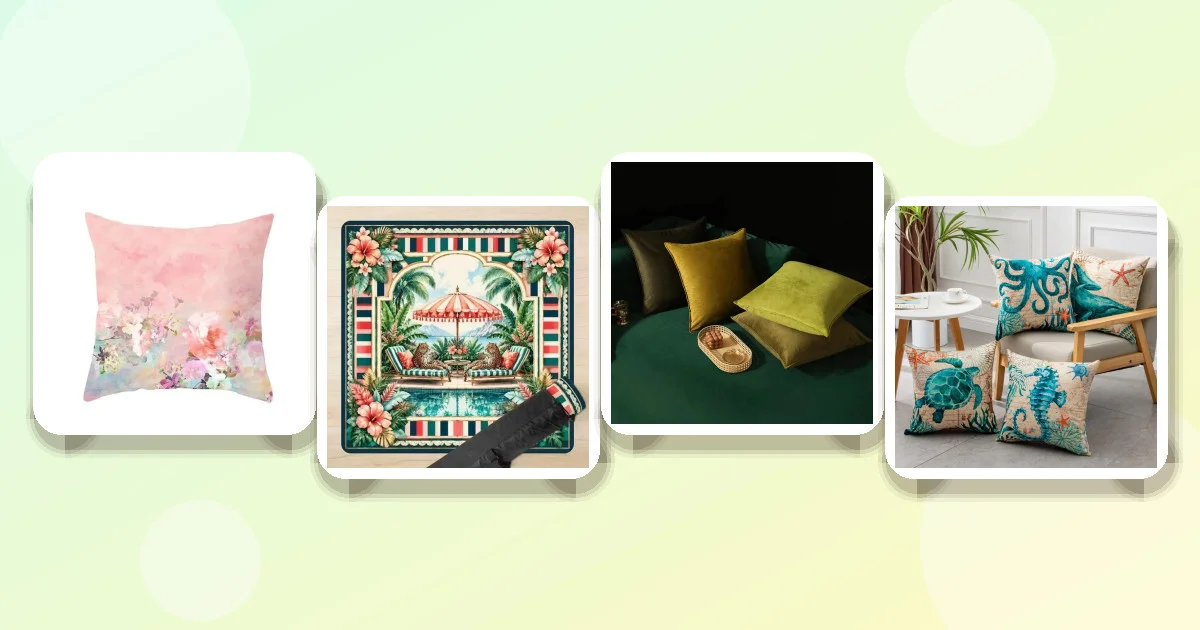
Dutch Velvet Throw Pillow Cover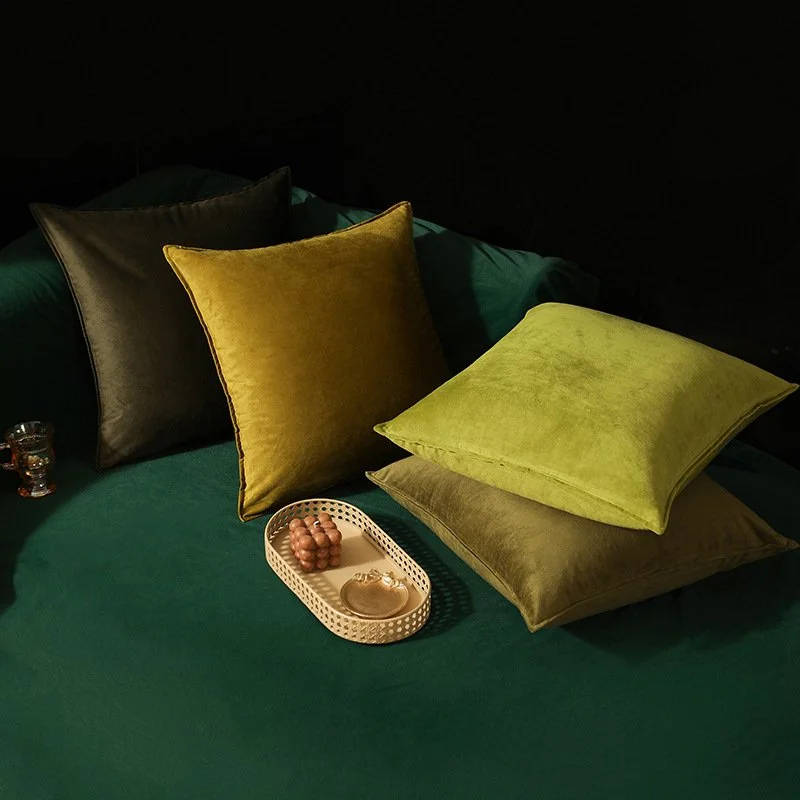
- Velvet material provides a rich, tactile surface that contrasts well with linen or cotton.
- Piped trim adds a defined edge, making it look polished and intentional.
- Available in 45x45cm or 50x50cm; check sizing if you are using it for a specific decorative purpose.
Using Mats for Protection and Style
Placemats are functional, but decorative mats can serve a dual purpose. A larger mat can be used as a base for a centerpiece or a serving platter. This protects your tablecloth from scratches and spills. For example, if you are placing a large wooden serving board with cheese and crackers in the center of the table, place a decorative mat underneath it. This adds a layer of texture and prevents the wood from dragging on the tablecloth. Look for mats that are durable and easy to clean. You want something that can handle a bit of wear and tear during the meal.
Wear-resistant and Non-slip Mahjong Table Mat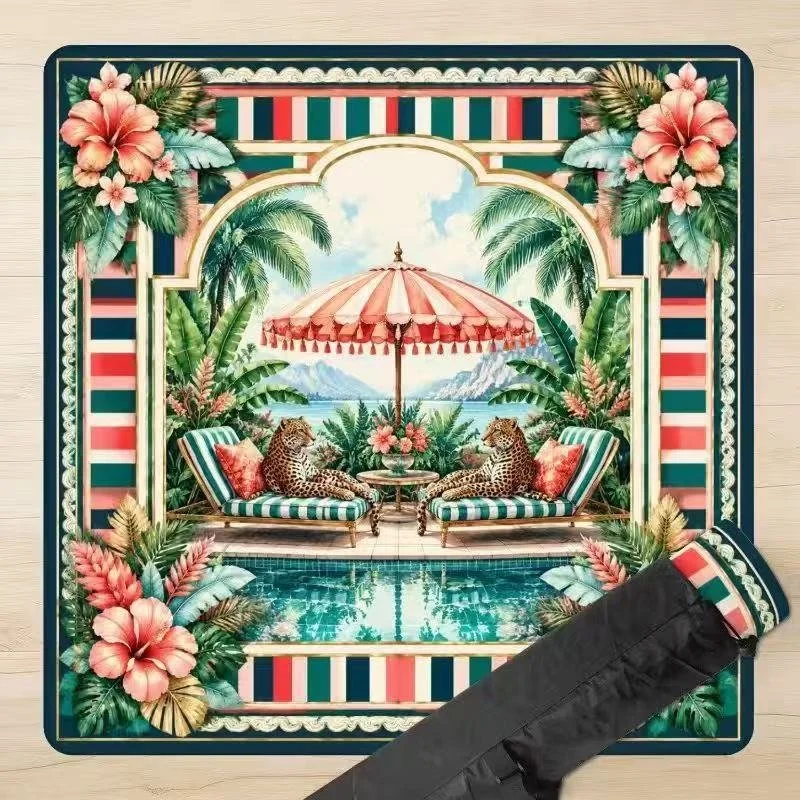
- Crystal velvet material is soft to the touch but durable enough for daily use.
- Non-slip backing keeps the mat in place, even when you are moving dishes around.
- Hand washable; check the specific size (60x60cm to 100x100cm) to ensure it fits your needs.
Color Palette: Warm Neutrals That Work
Color is the glue that holds your Thanksgiving table setting together. You don’t need a lot of colors to make the table look festive. In fact, fewer colors often look more elegant. The key is to choose a palette that feels warm and inviting. Cool colors like blue or green can feel harsh in the fall. Stick to warm, earthy tones that reflect the season.
Building a Neutral Palette
Start with a neutral base. Cream, beige, off-white, and light gray are excellent choices. These colors are versatile and go with everything. They provide a calm background that allows other colors to pop. For your accent colors, choose warm tones like rust, terracotta, olive green, mustard yellow, and deep red. These colors are associated with fall and create a sense of warmth. You can mix and match these accents, but try to limit yourself to three main colors. For example, a cream tablecloth with a rust runner and olive green napkins creates a cohesive look. Adding a few deep red accents, like candles or a small vase of flowers, ties the palette together.
If you are unsure about color combinations, stick to a monochromatic scheme. This means using different shades of the same color. For example, a light beige tablecloth with a medium brown runner and dark brown accents. This looks sophisticated and is hard to mess up. Monochromatic palettes work well for small spaces because they create a sense of continuity. They also make the table look larger because there are no harsh color breaks.
Adding Pops of Color with Accents
Once you have your base and runner, you can add pops of color with smaller accents. Napkins, centerpieces, and small decorative items are perfect for this. You don’t need to match every accent perfectly. In fact, a little variation can look more natural. For example, you can use rust-colored napkins and olive green candles. The contrast creates visual interest. If you are using pillows as accents, choose colors that are in your palette. A rust-colored velvet pillow on a cream chair adds a warm touch. A linen pillow in a neutral tone balances the look.
Plush Throw Pillow Marble Geometric Series Best for Adding a geometric pattern and plush texture to chair backs or as a decorative table accent.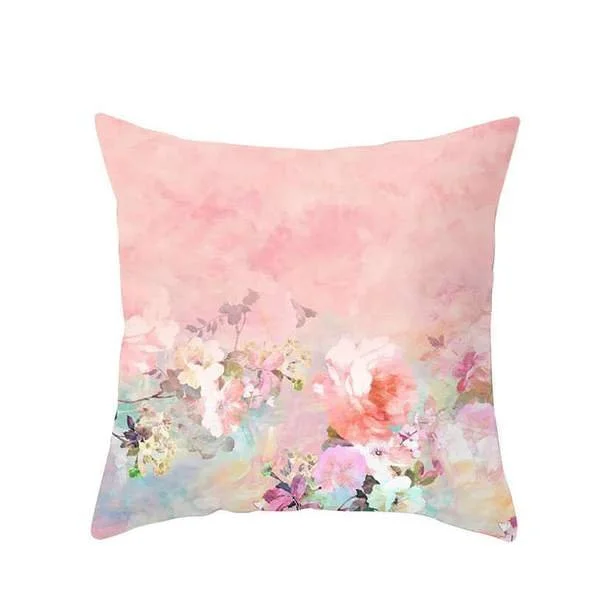
- Plush material adds a soft, cozy feel that contrasts with smooth table linens.
- Marble geometric pattern adds visual interest without being too busy.
- 45x45cm size; Asian sizing runs small, so if you are between sizes, choose the larger one.
Using Color in Centerpieces
Your centerpiece is the focal point of your table. Use it to introduce your accent colors. If your tablecloth and runner are neutral, use a colorful centerpiece to draw the eye. A bowl of oranges, pomegranates, or persimmons adds natural color and texture. You can also use artificial elements like colored candles or vases. For a cozy look, use warm-colored candles like amber or soft yellow. Avoid bright, neon colors that can feel jarring in a dining setting. The goal is to create a warm, inviting glow. If you are using a small table, keep the centerpiece low and narrow so it doesn’t block the view of your guests. A low bowl of fruit or a small vase of flowers works well. For a larger table, you can use a longer, narrower centerpiece like a runner of candles or a long vase with branches.
Styling Small Tables and Tight Spaces
Not everyone has a large dining room. Many people host Thanksgiving in a kitchen nook, a living room, or a small dining table. This can make styling challenging, but it is also an opportunity to be creative. The goal in a small space is to make the table feel crowded in a good way. You want to maximize the use of space without making it feel cramped.
Choosing the Right Size for Small Tables
If you are using a small table, such as a 36x36 inch square or a 36x48 inch rectangle, you need to be careful with your linens. A large tablecloth can make a small table look even smaller. Instead, use a smaller tablecloth or a placemat for each setting. Placemats define the eating space and keep the table from looking bare. Choose placemats that are slightly larger than your plate. A 18x12 inch placemat is a good size for a standard dinner plate. This leaves enough space for your fork, knife, and glass without crowding the table.
If you are using a runner on a small table, keep it narrow. A 6 to 8 inch wide runner is ideal. This adds a touch of color and texture without taking up too much space. You can also use a small throw as a runner. Fold it in half or thirds to create a narrow strip. Place it down the center of the table and add a few small decorative items on top. This creates a focal point without overwhelming the table.
Vertical Styling for Small Spaces
In a small space, you need to use vertical space to your advantage. This means adding height to your table setting. Use tall vases with branches or flowers. This draws the eye up and makes the room feel larger. You can also add height to your place settings by using a stack of plates or a small vase on top of your plate. This creates a sense of abundance. Be careful not to make the vertical elements too tall, or they will block the view of your guests. A good rule of thumb is to keep the tallest element on the table at eye level or slightly below.
You can also use the chairs for vertical styling. Add a small pillow to the back of each chair. This adds color and texture to the seating area. If you are using a small table, you might not have room for a large centerpiece. Instead, use small, individual centerpieces for each setting. A small candle or a single flower in a small vase works well. This keeps the table clear and makes each place setting feel special.
Using Multi-Functional Items
In a small space, every item needs to do double duty. For example, a throw blanket can be used as a runner and then draped over a chair for guests to use. A pillow can be used as a decorative accent and then moved to the sofa after dinner. This flexibility is key to styling a small space. You want to create a look that is functional as well as beautiful. Don’t be afraid to mix and match items. A rustic wooden board can be used for serving and then as a decorative element. A metal tray can be used to hold napkins and then as a base for a centerpiece. The more you can use your existing items, the less you need to buy.
Cushion Covers Sea Turtle Printed Throw Pillow Cases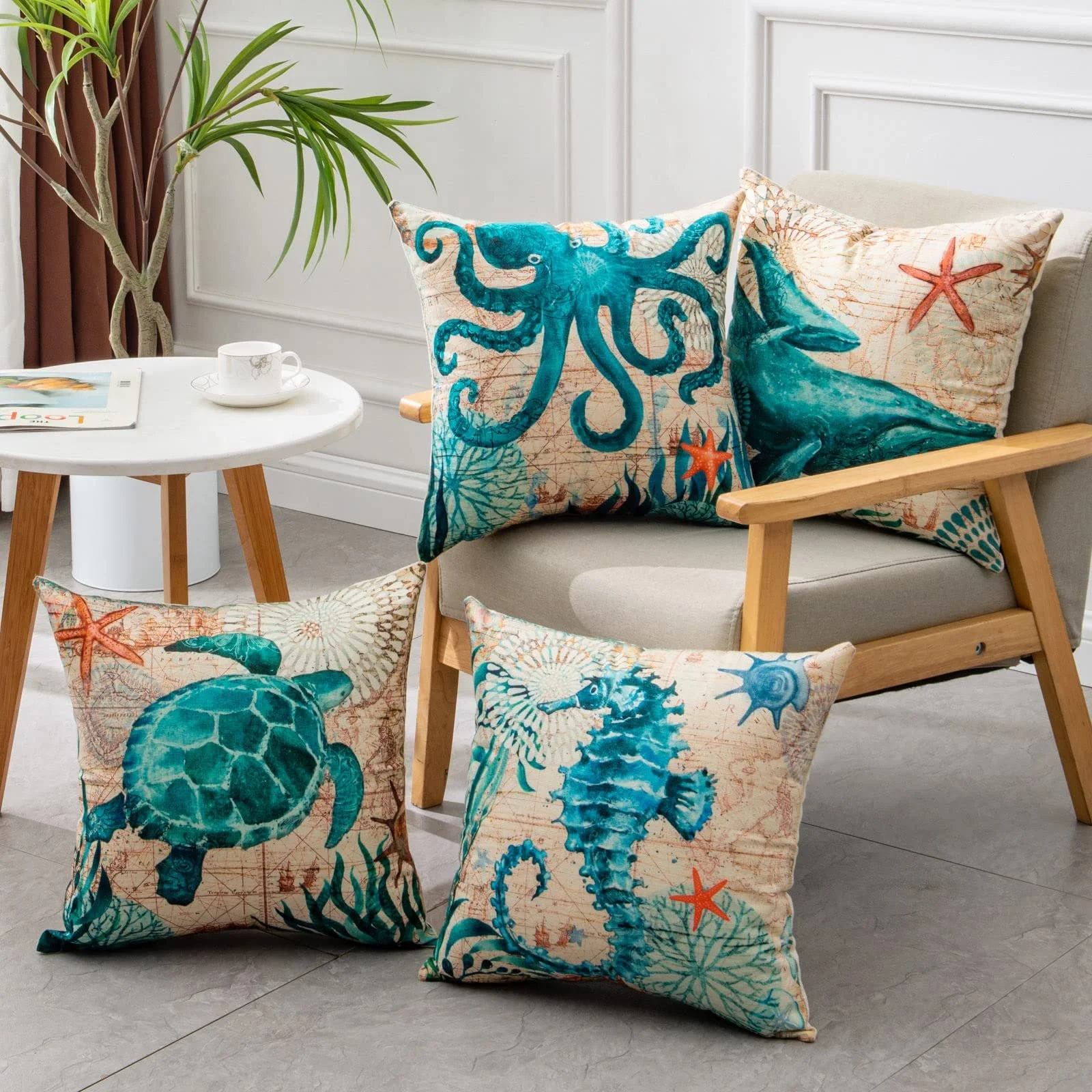
- Linen material is durable and easy to care for.
- Sea turtle print adds a unique, organic touch to the table setting.
- 45x45cm size; check the specific print option to ensure it matches your color palette.
Product Comparison: Budget-Friendly Accents
When building a cozy Thanksgiving table setting, you don’t need expensive items. A few well-chosen accents can make a big difference. Below is a comparison of four budget-friendly products that can help you achieve a warm, textured look. Each product serves a specific purpose, from adding texture to protecting your table surface.
| Product | Price | Type/Material | Options | Best For |
|---|---|---|---|---|
|
Plush Throw Pillow Marble Geometric Series |
$9.96 | Plush | 1 option (Pink-45X45CM) | Adding plush texture and a geometric pattern to chair backs or as a table accent. |
|
Wear-resistant and Non-slip Mahjong Table Mat |
$7.00 | Crystal Velvet | 51 options (Various sizes and materials) | Protecting the table surface under heavy dishes or centerpieces. |
|
Dutch Velvet Throw Pillow Cover |
$6.96 | Velvet | 24 options (Various colors and sizes) | Adding a touch of luxury and using as a unique napkin holder. |