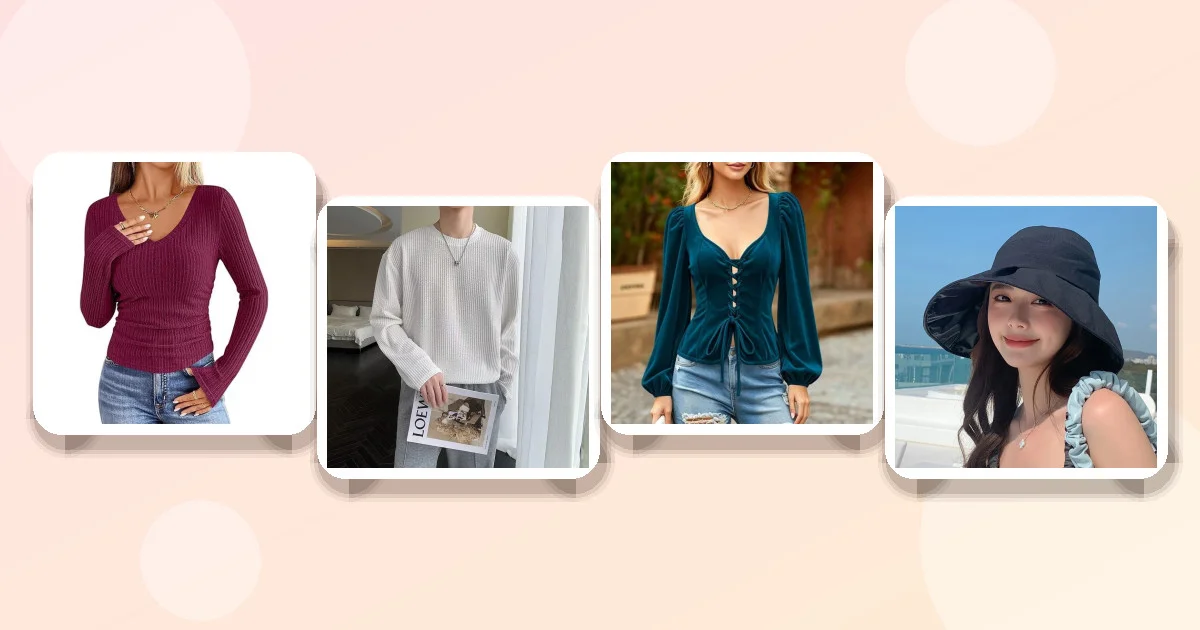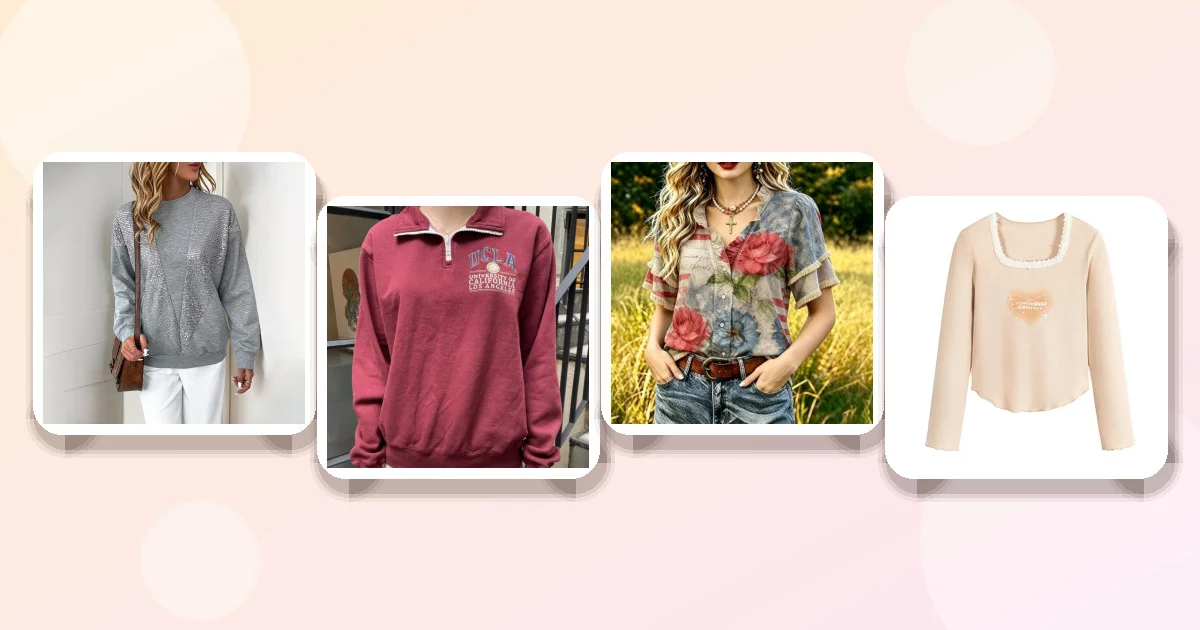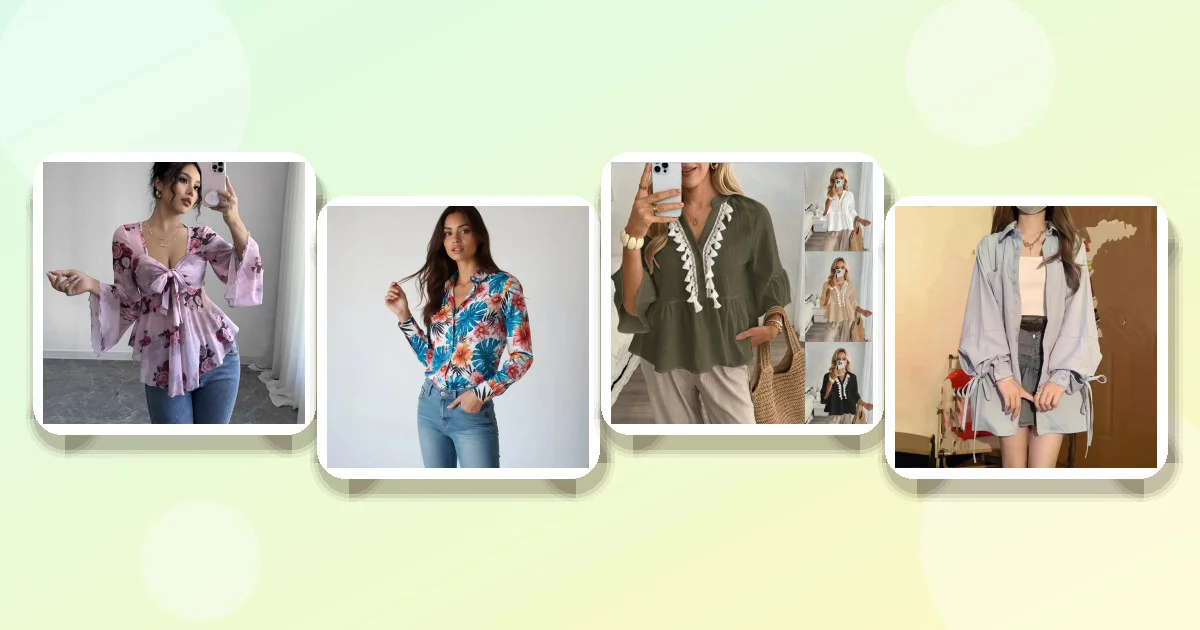
It is October, and the temperature is dropping, but your style should not suffer. For women in sizes 14-24+, layering is often a source of frustration. You want warmth, but you also want to look intentional, not like you are wearing a sleeping bag. The problem is usually not the weight; it is the volume. When you stack three thick items, the layers bunch up at the shoulders and hips, creating horizontal lines that add visual weight. This guide cuts through the noise. You will learn exactly how to choose the right fit, which fabrics actually work for layering, and the specific order in which to wear them. We will also look at specific pieces that can be mixed and matched to build a versatile fall wardrobe.
The Fit Rule: Why "Relaxed" Beats "Oversized"
The biggest mistake in plus size layering is buying sweaters that are too big. Many shoppers assume that a larger size equals more room for layering. This is a trap. If you buy a sweater two sizes up to fit over a blouse, the sleeves will often drag, the shoulders will fall off, and the hem will hit mid-thigh. This creates a rectangular block of fabric that obscures your natural shape and adds inches to your waist and hips.
Find Your "Hip Hit"
The ideal length for a fall sweater is at the hip bone or just below it. This length is forgiving because it does not swallow your waist. If the sweater hits mid-thigh, it acts like a tent. If it hits at the navel, it is too short for layering. When you try on a sweater, stand in front of a mirror and look at the hem. It should skim your hips, not bunch up above them. This length allows you to tuck in a base layer without creating a "muffin top" effect, and it leaves room for a belt if you want to define your waist.
Shoulder Seams Are Key
Check the shoulder seams. They should sit exactly on the edge of your shoulder, not slide down your arm. If the seam slides, the entire silhouette falls apart. A well-fitted shoulder creates a clean line from the neck to the elbow. This line is crucial for a chic look. If you are between sizes, size down. A sweater that is slightly snug at the shoulder but relaxed at the chest is far better than one that is baggy everywhere. The fabric should hang from the shoulder, not drape from the elbow.
Neckline and Proportion
Consider the neckline. A crew neck is safe, but a V-neck or scoop neck is better for layering because it creates a vertical line down the chest. This line helps break up the width of the torso. If you are wearing a turtleneck underneath, a V-neck sweater shows a sliver of the inner layer, which adds depth without bulk. Avoid high, tight necklines on the outer sweater if you are wearing a collared shirt underneath, as the collar will likely bunch up and look messy.
Fabric Matters: Choosing the Right Base Layers
The fabric of your base layer is just as important as the sweater itself. If you layer a thick, bulky sweater over a thick, stiff shirt, you will feel restricted and look bulky. You need contrast in texture and weight. The base layer should be thin enough to disappear under the knit, but breathable enough to keep you comfortable as the day warms up.
Why Linen and Light Cotton Work
Linen is an excellent choice for fall layering because it is breathable and has a natural drape. It does not cling to the body like cheap synthetic fabrics do. A linen blouse adds a touch of elegance and softness that contrasts well with the structure of a sweater. Cotton is also a good option, but look for lightweight, jersey-style cottons rather than heavy denim or thick oxford cloth. These fabrics move with your body and do not add extra volume.
Avoid Heavy Synthetics
Be cautious with polyester and other synthetic blends for base layers. While they are durable, they can trap heat and feel sticky against the skin, especially when layered under wool or acrylic knits. If you do choose a synthetic base layer, look for one with a smooth finish, like a satin or silk-like polyester, which slides easily under a sweater. However, natural fibers like linen and cotton are generally more comfortable for all-day wear in transitional weather.
Texture Contrast
Playing with texture is a simple way to add interest without adding bulk. Pair a smooth, matte base layer with a textured knit, like a cable knit or a ribbed sweater. The contrast draws the eye to the details of the knit rather than the overall volume of the outfit. For example, a smooth linen blouse under a chunky cable knit sweater creates a sophisticated look. The smooth fabric provides a clean backdrop, while the textured knit adds warmth and visual interest.
The Order of Operations: What Goes Under What
Layering is a science. The order in which you dress matters. If you put a bulky item on first, you will struggle to fit the next item over it. Always start with the thinnest layer closest to your skin and build outwards. This ensures that each layer sits smoothly over the previous one without bunching.
Step 1: The Base Layer
Start with a fitted top. This could be a slim-fit blouse, a turtleneck, or a simple tee. The key is that it fits close to the body without being tight. If the base layer is too loose, it will create wrinkles and folds that show through the sweater. If it is too tight, it will dig into your skin and create pressure points. A slim fit is the sweet spot. It provides a smooth canvas for the next layer.
Step 2: The Middle Layer (Optional)
In colder October weather, you might need a middle layer, such as a light cardigan or a denim jacket. However, for most fall days, a base layer and a sweater are sufficient. If you do add a middle layer, keep it thin. A thin cardigan can be worn under a sweater for extra warmth, but it must be slim-fitting to avoid bulk. Alternatively, a denim jacket can be worn over a sweater for a casual look, but this is better for when you are not wearing a bulky knit underneath.
Step 3: The Outer Sweater
The sweater is your final layer. It should be the most substantial piece in the outfit. When you pull it on, make sure it drapes smoothly over the base layer. Smooth out any wrinkles in the base layer before stepping into the sweater. If the sweater has a button front, button it up to create a structured front. If it is a pullover, make sure the hem is even and not twisted. A well-placed sweater completes the look and provides the necessary warmth.
Specific Pieces to Build Your Layers
Choosing the right pieces is half the battle. Here are five specific items that work well for plus size layering, based on their fit, fabric, and versatility. These pieces can be mixed and matched to create multiple outfits.
1. French-Style White Linen Blouse for Women
This blouse is a staple for fall layering. It is made from breathable linen, which keeps you cool when the sun is out and comfortable when you are indoors. The design is elegant and simple, making it easy to pair with almost any sweater. The white color provides a clean contrast against darker knitwear.
French-Style White Linen Blouse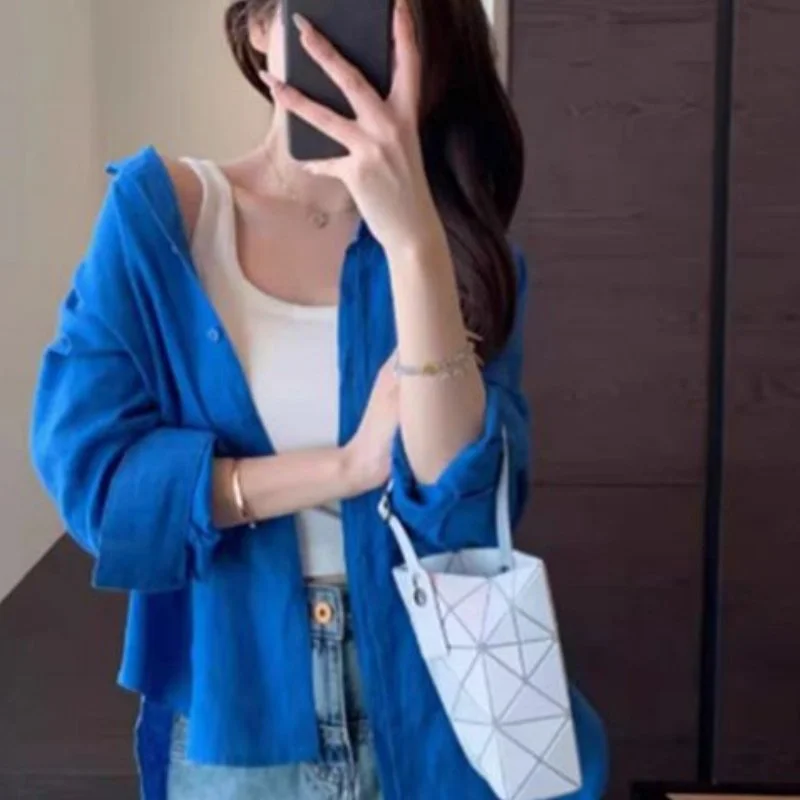
- Pro: Breathable linen fabric is ideal for variable fall temperatures.
- Pro: The white color brightens the face and contrasts well with dark sweaters.
- Con: Linen wrinkles easily, so you may need to smooth it out before layering.
2. Short Sleeve Lace Lace-up Top
This top is a unique option for layering. The lace detailing adds a feminine touch, and the lace-up front allows for a customizable fit. It is made from polyester with micro elasticity, which helps it hold its shape. The short sleeves make it easy to wear under long-sleeve sweaters without adding bulk to the arms.
Short Sleeve Lace Lace-up Top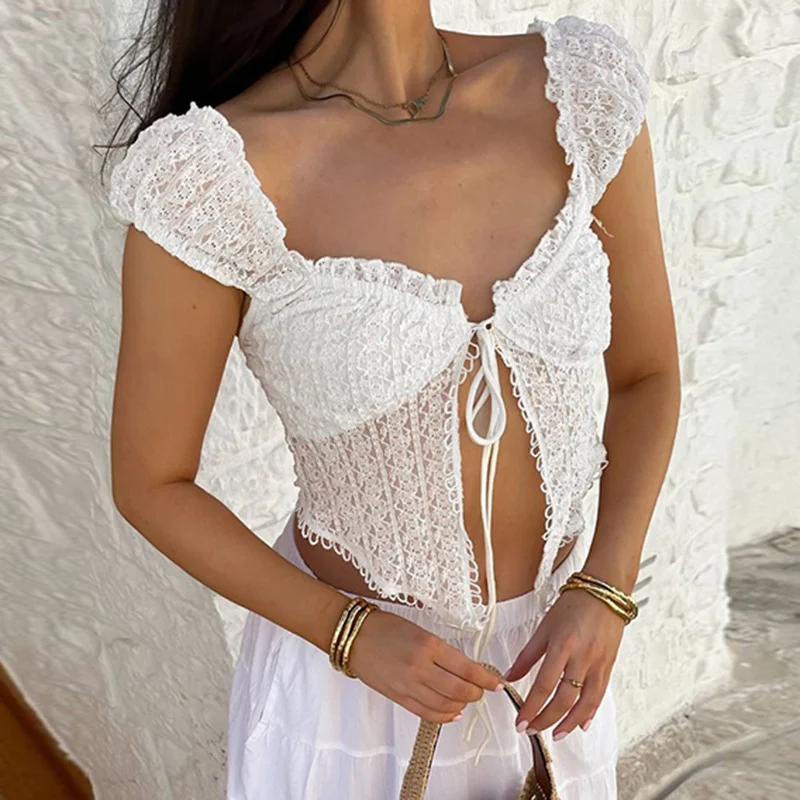
- Pro: The lace-up front allows you to adjust the fit for a smoother look under layering.
- Pro: Short sleeves prevent arm bulk when wearing long-sleeve sweaters.
- Con: The lace fabric can be delicate and may snag on rough knit textures.
3. Geometric Print Skirt Outfit for Women
This is a coordinated set, which is convenient if you want a put-together look without having to match pieces. The long-sleeve top is slim-fitting, making it a good base layer. The geometric print adds visual interest, and the skirt provides a defined waist. The polyester fabric is durable and easy to care for.
Geometric Print Skirt Outfit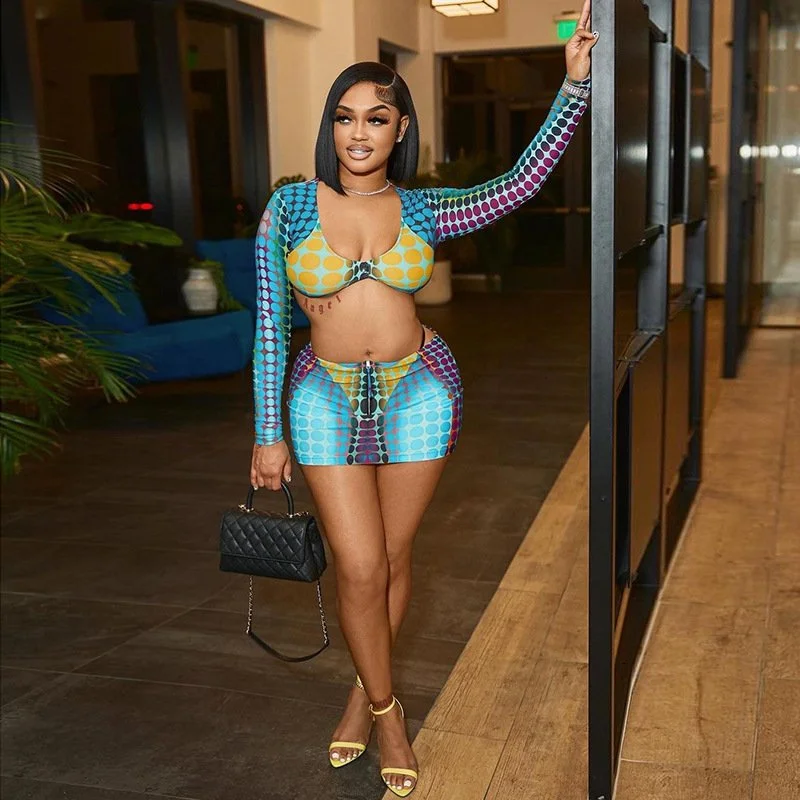
- Pro: The slim fit top works well as a base layer under a sweater.
- Pro: The coordinated skirt ensures a balanced silhouette.
- Con: The geometric print may be bold for some, limiting pairing options with neutral sweaters.
4. Vintage Floral Blouses for Women
This blouse offers a classic charm with a floral pattern. It is available in a range of sizes and is made from high-quality materials. The comfortable fit makes it a versatile piece that can be worn in various settings. The floral pattern adds a pop of color and interest to neutral sweaters.
Vintage Floral Blouse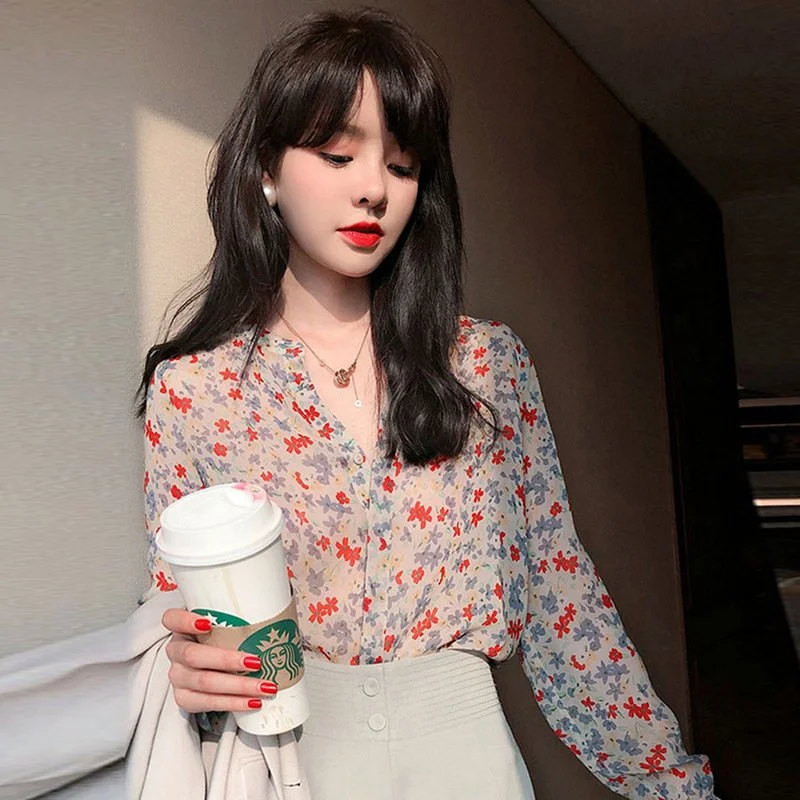
- Pro: The floral pattern adds visual interest and breaks up solid colors.
- Pro: Available in multiple sizes, ensuring a better fit for various body types.
- Con: The "vintage" style may not suit everyone who prefers modern, minimalistic aesthetics.
5. Women's Short Sleeve Printed Skirt Suit Set
This suit set is a trendy option for work or casual outings. The short-sleeve top and printed skirt create a polished look. It is designed to be paired with heels or sneakers, making it versatile. The set is a good starting point for building a professional fall wardrobe.
Women's Short Sleeve Printed Skirt Suit Set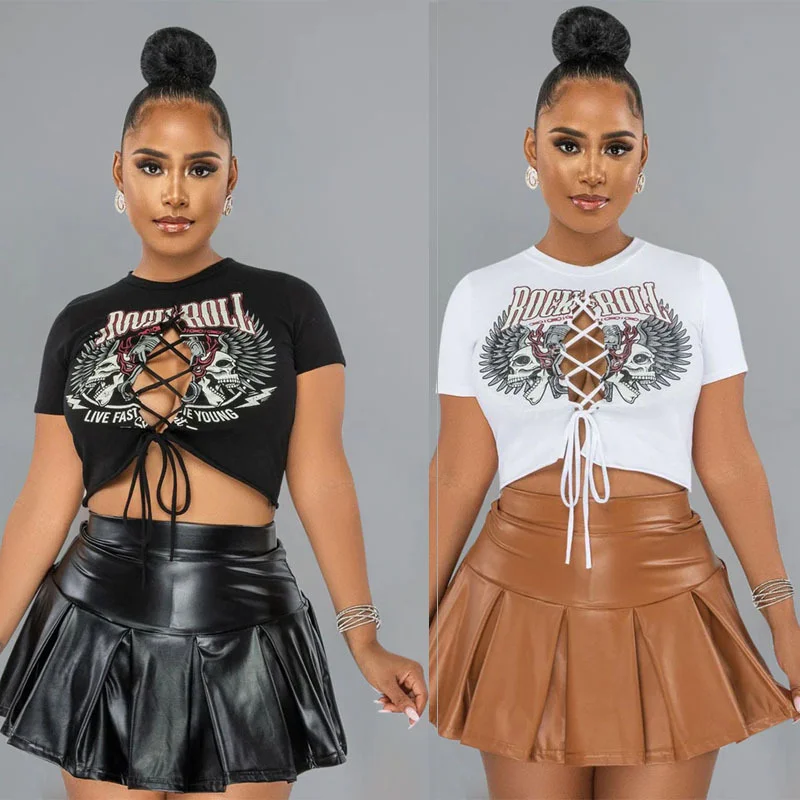
- Pro: The coordinated set ensures a professional and balanced look.
- Pro: Versatile enough to be dressed up with heels or down with sneakers.
- Con: The short sleeves may require a base layer in cooler weather, adding an extra step to dressing.
Common Mistakes That Add Bulk
Even with the right pieces, certain styling choices can add unwanted bulk. Avoiding these common mistakes will help you maintain a sleek, chic look.
1. Layering Too Many Thick Items
It is tempting to add a turtleneck, a shirt, a sweater, and a cardigan. This is too much. Each layer adds volume. Stick to two main layers: a base layer and a sweater. If you need more warmth, choose a thicker sweater rather than adding another thin layer. This keeps the silhouette clean and prevents the "onion" effect.
2. Ignoring the Hemline
If your sweater is too long, it will swallow your legs and make you look shorter. If it is too short, it will ride up when you move. Always check the length in front of a mirror. The hem should hit at the hip or just below. If it is too long, consider wearing it tucked in or with a belt to define your waist.
3. Mismatching Textures
Pairing two bulky, textured fabrics can create a chaotic look. For example, a chunky cable knit under a fuzzy mohair sweater will look heavy and unpolished. Instead, pair a textured outer layer with a smooth inner layer. This creates a balanced look that is easier on the eye and feels more comfortable.
4. Forgetting to Tuck
Leaving a bulky base layer untucked under a sweater can create a round shape at the waist. A French tuck, where you tuck in the front of the base layer and leave the back loose, can help define your waist without creating a rigid look. This simple technique can make a big difference in the overall silhouette.
Care and Maintenance for Layered Knits
Caring for your sweaters and base layers is essential for keeping them looking their best. Proper care extends the life of your garments and ensures they fit well season after season.
Washing Knits
Always check the care label on your sweaters. Most knits should be washed in cold water on a gentle cycle or hand-washed. Hot water can cause wool to shrink and acrylic to pill. Use a mild detergent designed for delicates. Avoid wringing out knits, as this can distort the shape. Instead, press the water out gently and lay the sweater flat to dry. Hanging a heavy sweater can cause it to stretch out of shape.
Storing Base Layers
Base layers like linen and cotton blouses are more durable than knits, but they still need proper care. Linen wrinkles easily, so hang it up after washing or steam it to remove wrinkles. Cotton blouses can be ironed if needed. Store base layers in a way that prevents them from getting crushed, which can create permanent creases. A good garment bag can help protect delicate fabrics like lace or silk-like polyesters.
Dealing with Pilling
Pilling is a common issue with knitwear, especially when layered over other fabrics. Friction between layers can cause fibers to break and form small balls. To reduce pilling, choose sweaters made from high-quality fibers that are less prone to pilling, such as merino wool or cashmere blends. You can also use a fabric shaver to remove pills from your sweaters. This simple tool can make an old sweater look new again. Avoid brushing knits with a regular brush, as this can pull out fibers and make the pilling worse.
Frequently Asked Questions
❓ How do I layer a sweater over a blouse without looking bulky?
Choose a slim-fitting blouse made from a thin, breathable fabric like linen or lightweight cotton. Ensure the blouse fits close to your body without being tight, and opt for a sweater with a relaxed but not oversized fit that hits at the hip. The contrast between the smooth, fitted base and the structured outer layer prevents the "box" shape and keeps the silhouette sleek.
❓ What is the best fit for a plus size sweater in fall?
The best fit is "relaxed" rather than "oversized." The sweater should have a structured shoulder seam that sits on the edge of your shoulder, not slide down your arm. The hem should hit at the hip bone or just below it to elongate the torso. This fit allows for layering without adding unnecessary volume to the shoulders or hips.
❓ Can I wear a turtleneck under a cardigan if I am plus size?
Yes, but choose a slim-fit turtleneck made from a thin material like merino wool or fine gauge cotton. Avoid chunky, bulky turtlenecks that add width to the neck and chest. The turtleneck should fit snugly against the body to create a smooth line under the cardigan. This layering combination is warm and stylish if the proportions are right.
❓ How to style a plus size sweater dress with a jacket?
Choose a fitted jacket that hits at the waist or hip to define your silhouette. A denim jacket or a tailored blazer works well. Ensure the sweater dress is not too long, as a long dress under a jacket can look heavy. A belt can also be added to the sweater dress to create a waistline before adding the jacket, which helps balance the proportions.
❓ What fabrics are best for plus size fall layering?
For base layers, choose breathable fabrics like linen, lightweight cotton, or smooth polyester blends. These fabrics drape well and do not add bulk. For the outer sweater, look for knits with some structure, such as merino wool, cashmere blends, or acrylic blends that hold their shape. Avoid heavy, stiff fabrics for both layers, as they can create a rigid, bulky look.