
Fall in the Western U.S. Brings a specific kind of anxiety: the sky turns orange, the air tastes like ash, and your home feels less like a shelter and more like a filter that isn't working. You don't just need to survive the smoke; you need to live in your home while it’s outside. This guide skips the general "stay indoors" advice and focuses on the mechanical and practical steps to keep your air quality manageable, your heat levels down, and your furniture protected from permanent staining. You will learn how to fortify your windows, set up a dedicated breathing zone, and select specific home textiles that help you stay comfortable when the air outside is unlivable.
Sealing Your Home Against Smoke Intrusion
Smoke particles are microscopic. They do not respect standard weatherstripping that has degraded over time. If you can see light around a window frame, smoke can enter. The first step in fire weather safety is identifying and sealing these entry points before an alert is issued, not during.
Identify the Gaps
Walk your perimeter with a flashlight in a dark room. Look for light leaks around windows, exterior doors, garage doors, and utility penetrations. Pay close attention to the top corners of windows where the sash meets the frame. These are the most common entry points for smoke because hot air rises and creates updrafts that pull smoke in.
Temporary Sealing Solutions
For long-term protection, high-quality weatherstripping is essential. However, for active smoke events, you need immediate solutions. Standard painter's tape or masking tape is not strong enough to hold under pressure changes and can leave residue. Use heavy-duty duct tape or specialized smoke seals. Apply tape to the interior side of the window frame, pressing firmly to create an airtight barrier. Do not tape the glass itself; tape the frame where it meets the wall or the sash.
Door Seals
Exterior doors are major leak points. Check the bottom of your front and back doors. If there is a gap wider than a dime, smoke will flow under it. Use a door sweep or a temporary roll of heavy tape. If you have a garage door, it is often the largest source of smoke intrusion. If you have a garage door opener, consider installing a garage door seal or using a heavy, weighted blanket to cover the bottom gap during severe alerts, though this is a temporary measure.
Creating a Safe Room for Air Quality
Your goal is not to purify the entire house, which is often impossible without industrial-grade HVAC systems. Your goal is to create one room with the cleanest possible air. This is your "safe room." It is where you will sleep, work, and spend time during high-smoke days.
Room Selection
Choose a room that is small, has few windows, and is located on the side of the house facing away from the prevailing wind direction if you know it. A bathroom or a small bedroom is ideal. These rooms have less volume of air to filter. If you have a room with a sliding glass door, avoid it unless you can seal it effectively, as large glass panels are harder to seal tightly than standard windows.
Air Purification
A HEPA air purifier is the single most effective tool for this scenario. Place it in the center of the room or near the main source of smoke intrusion. Run it on the highest setting that is tolerable for noise levels. If you do not have a HEPA purifier, a DIY box fan with a HEPA filter can work in a pinch, but a dedicated unit is more efficient. Keep the room door closed. The purifier is working against the room's volume, not the whole house.
Comfort and Rest
Staying in a small room for days requires comfort. You will likely sleep on the floor or a daybed if your bed is in another room. Use a thick, breathable blanket to maintain body heat without generating excess moisture that can feel clammy in still air. A soft, supportive cushion can make a floor sleep or a hard chair much more bearable. Look for materials that are easy to wash, as you may need to clean them frequently if smoke residue accumulates.
Managing Indoor Heat Without AC
Smoke events often coincide with high temperatures, especially in autumn when clear skies lead to rapid warming. Running your AC can sometimes pull in unfiltered smoke if your intake is compromised, and many AC units do not have effective filtration for fine particulate matter. Here is how to stay cool without relying solely on mechanical cooling.
Block the Sun
Sunlight is the primary source of indoor heat gain. Close all blinds, shades, and curtains on the side of the house facing the sun. If you have sheer curtains, layer them with heavier drapes. The goal is to create a thermal barrier. Dark-colored curtains absorb heat; light-colored reflective curtains bounce it away. If you have aluminum-backed curtains, use them. They reflect radiant heat effectively.
Airflow Strategy
Do not open windows to let in "fresh" air during a smoke alert. The "fresh" air is full of particulates. Instead, use fans to create a slight positive pressure in your home if possible, or simply to circulate the air you have already filtered. If you have a HEPA purifier, place a fan in front of it to push the cleaned air into the room. This helps distribute the clean air more evenly. Avoid using exhaust fans that pull air from the outside, such as bathroom exhaust fans, unless you are sure the outside air is clean.
Personal Cooling
Focus on cooling your body, not just the room. Take a cool shower. Use a damp cloth on your forehead and wrists. Wear light, loose-fitting clothing made of natural fibers like cotton or linen, which allow for better airflow than synthetic materials. These fabrics wick moisture and feel cooler against the skin. Avoid heavy wool or thick synthetics that trap heat.
Protecting Furniture from Smoke Damage
Smoke residue is sticky and acidic. It settles on every surface, including furniture. If left untreated, it can cause permanent discoloration and odor. While you cannot stop smoke from entering your home entirely, you can minimize its impact on your furniture by using protective covers.
Why Covers Matter
Upholstered furniture, such as sofas and armchairs, is particularly vulnerable. The fibers act like a sponge, absorbing smoke particles. Once the smoke settles, the odor becomes trapped in the fabric. A protective cover creates a barrier that is easy to remove and clean. You can wipe down a plastic or coated cover, or wash a fabric cover, whereas cleaning smoke out of a sofa cushion is difficult and expensive.
Choosing the Right Cover
Look for covers that are large enough to drape over the entire piece of furniture, including the arms and back. A cover that only covers the seat will leave the back and arms exposed to smoke. The material should be durable and easy to clean. Knitted acrylic covers are a popular choice because they are soft, available in various sizes, and can be removed for washing. They provide a layer of protection without looking like a heavy plastic sheet.
Regular Maintenance
During a smoke event, check your covers daily. If you see a visible layer of gray residue, remove the cover and wash it immediately. Do not let the residue bake into the fabric. If you have a machine-washable cover, wash it on a warm cycle with a mild detergent. If the residue is heavy, you may need to pre-treat it with a stain remover. For non-washable covers, use a damp cloth with a mild soap solution to wipe down the surface. Dry thoroughly before putting it back on.
Sofa Cover Nap Blanket Knitted Small Blanket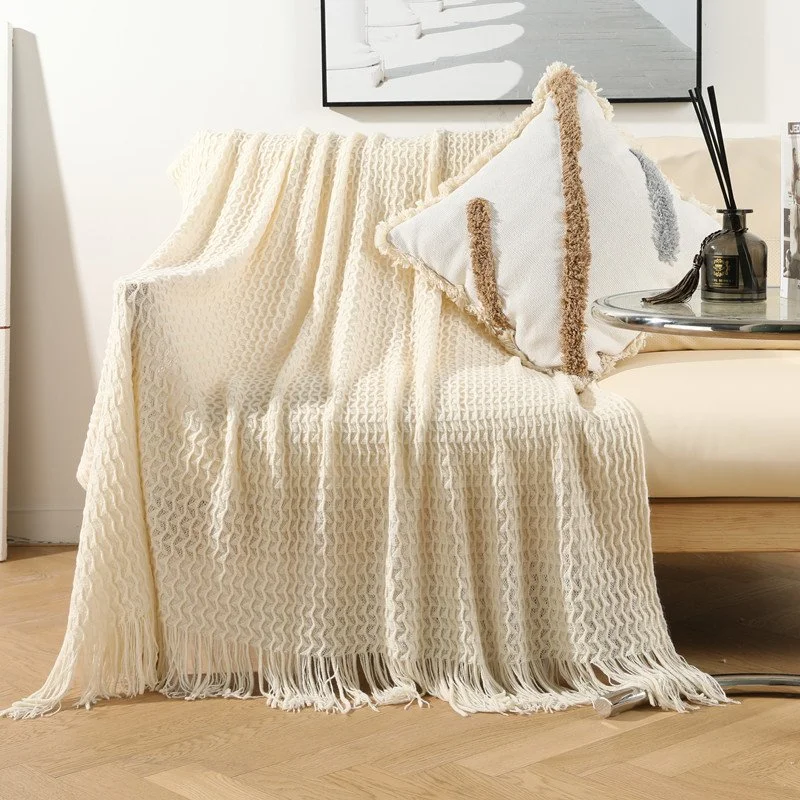
- Large size (130x230cm) covers standard sofas effectively.
- Acrylic material is durable and easy to wash.
- Asian sizing runs small; check dimensions carefully before buying.
How to Choose Covers and Cushioning
When selecting home textiles for fire weather preparation, you are balancing protection, comfort, and aesthetics. You want items that are easy to clean, breathable, and comfortable enough to use for extended periods. Here is what to look for.
Material Selection
For covers, look for synthetic materials like acrylic or polyester that can withstand frequent washing. These materials do not absorb smoke as readily as natural fibers like cotton or wool. However, for pillowcases and cushions, you might prefer natural fibers like linen or cotton for breathability. Linen is particularly good for staying cool because it wicks moisture and allows air to circulate. It is also durable and becomes softer with age.
Size and Fit
Always check the dimensions of the product against your furniture. Asian sizing standards are often 1-2 sizes smaller than US/EU standards. If you are between sizes, choose the larger one. A cover that is too small will not provide full protection. For example, a sofa cover should measure at least 20 inches wider than the sofa seat to allow for draping over the arms. A pillowcase should be 1-2 inches larger than the pillow insert to ensure a snug fit.
Comfort Features
Consider the texture and filling of the product. A pillow with a PP cotton filling is lightweight and soft, good for general comfort. A cushion with a "crystal super soft" fabric is ideal for sitting on for long periods. Look for products with a smooth outer layer that is easy to wipe clean. Avoid textured fabrics with deep grooves, as they can trap smoke residue and be harder to clean.
Color and Aesthetics
While practicality is key, you also want your home to look livable. Light colors like beige, khaki, and light gray can help reflect heat and make a room feel brighter during gloomy smoke days. However, they show stains more easily. Dark colors like navy or black hide stains but absorb heat. Choose colors that match your existing decor to reduce visual stress during a stressful event.
Simple Small Plaid Leather Splicing Pillow Cover
- Imitation leather surface is resistant to smoke residue and easy to clean.
- Compact 45x45cm size fits most standard throw pillows.
- Does not include a pillow core; you must provide your own insert.
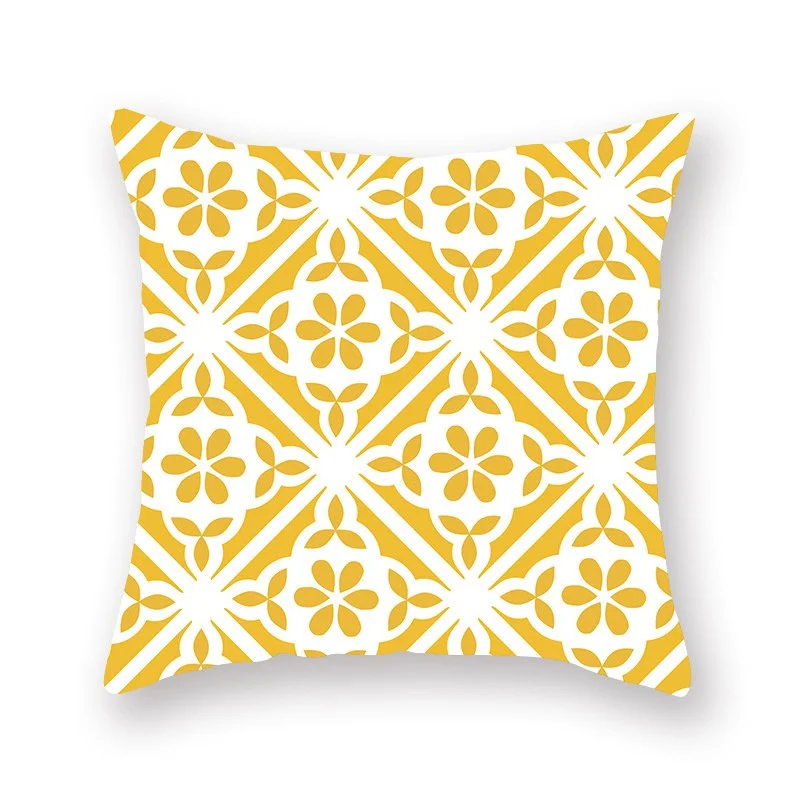
- Peach skin fabric offers a soft, smooth texture against the skin.
- Available in multiple geometric styles for personal preference.
- Single-sided printing means the back may have a different texture or color.
Product Comparison
Below is a comparison of the recommended products based on their specifications, materials, and suitability for fire weather preparation.
| Product | Price | Type/Material | Options | Best For |
|---|---|---|---|---|
| Sofa Cover Nap Blanket Knitted Small Blanket | $25.2 | Acrylic Knit | 8 Color-Size combos | Protecting large seating areas |
| Simple Small Plaid Leather Splicing Pillow Cover | $5.96 | Polyester/Imitation Leather | 1 Style | Durable, wipeable accent pillows |
| Nordic Yellow Geometric Pillowcase | $3.32 | Peach Skin Fabric | 5 Styles | Breathable, decorative pillow covers |
| Cactus Hamster Cushion Cushion | $18.36 | Crystal Super Soft/PP Cotton | 8 Styles | Comfortable seating in safe rooms |
| Retro Animal Painting Design Linen Pillowcase | $2.68 | Linen | 3 Styles | Cool, breathable bedding accents |
| Japanese Style Cotton and Linen Thickened Home Cushion | $6.28 | Linen | 2 Shapes | Adding thickness to hard chairs |

- 40x40x60cm size provides substantial support and height.
- PP cotton filling is lightweight and easy to shake out.
- Cartoon design may not suit all home decor styles.

- 100% linen fabric is highly breathable and moisture-wicking.
- Includes PP cotton filling for immediate use.
- Standard 45x45cm size may be small for larger pillows.

- Thickened linen construction provides durable, breathable support.
- Available in square or round shapes to fit different chairs.
- Random color selection limits choice of specific hue.
Common Mistakes to Avoid
Even with the best plan, small errors can compromise your safety and comfort. Here are the most common mistakes people make during fire weather events.
Opening Windows for "Fresh" Air
This is the most dangerous mistake. The air outside is filled with particulate matter that can cause respiratory irritation. Opening windows brings the smoke directly into your home, overwhelming any air purifier you might have. Keep all windows and exterior doors closed. Rely on your air purifier to clean the air inside.
Using the Wrong Type of Tape
Using painter's tape or masking tape for sealing gaps is ineffective. These tapes are not designed to hold under pressure and can peel off easily. Use heavy-duty duct tape or specialized smoke seals. If you use tape, apply it to the frame, not the glass, to avoid damaging the window when removing it.
Ignoring the Garage
The garage door is often the largest source of smoke intrusion. Many people focus on windows and forget the garage. If you have a garage attached to your home, smoke can flow from the garage into the living space. Seal the gap under the garage door with a heavy blanket or a specialized garage door seal. If you have a garage door opener, consider installing a weatherstrip along the bottom edge.
Overlooking Furniture Protection
Leaving furniture uncovered allows smoke to settle into the fibers. This can lead to permanent staining and odor. Use protective covers on all upholstered furniture. Check the covers regularly for residue and wash them as needed. Do not wait until the smoke is gone to clean; the residue has already settled.
Neglecting Personal Hygiene
Smoke particles settle on skin and hair. This can cause irritation and contribute to the overall load of particulates in your home. Shower regularly during smoke events. Change your clothes after going outside, even if it was just for a short time. Keep extra clean clothes in your safe room so you can change into them if you need to go outside.
Care and Maintenance Tips
Proper care of your home textiles ensures they last and continue to provide comfort. Here are some tips for maintaining your covers and cushions during