It is 5:30 AM. Your breath is visible in the driveway, and you can see a thin layer of frost forming on your windshield. You grab your ice scraper, but the ice is thicker than usual, and the cold air bites through your gloves. You know that scraping ice is a hassle, but you also know that running your heater for 20 minutes before driving is a waste of fuel and time. The solution often lies in a simple accessory that most drivers only think about in summer: the car sunshade. When used correctly in winter, a sunshade becomes a thermal shield. It does not generate heat, but it prevents the heat already in your car from escaping and stops the cold outside from penetrating the glass. This article breaks down how to select, install, and maintain a car sunshade specifically for winter frost and ice prevention. We will look at materials, sizing, and common mistakes to ensure you get a clear windshield with minimal effort every morning.
How a Sunshade Prevents Windshield Ice
Many drivers assume that a sunshade only works by blocking sunlight. In winter, its primary function is insulation. Glass is a poor insulator. Cold air outside the windshield cools the glass surface rapidly. When the glass temperature drops below the dew point of the air inside the car, moisture condenses and freezes, forming frost or ice. A sunshade placed on the inside of the windshield creates an air pocket between the glass and your interior. This trapped air acts as an insulator. It slows down the rate at which the glass loses heat. By keeping the glass temperature closer to the interior cabin temperature, you reduce the likelihood of the glass dropping below the freezing point of the internal moisture.
The Role of Material Thickness
The effectiveness of this insulation depends heavily on the material. Thin, single-layer fabrics offer minimal resistance to heat loss. Thicker materials, such as Oxford cloth or multi-layered composites, have more air trapped within their fibers. This increases the R-value (thermal resistance) of the barrier. Additionally, materials with reflective surfaces can bounce some of the long-wave infrared radiation back into the cabin. While this effect is secondary to the air pocket insulation, it contributes to keeping the interior warmer. For winter use, you want a material that is dense enough to block wind chill but flexible enough to conform to the curve of the windshield.
Why Timing Matters
Insulation is most effective when applied before the temperature drops. If you install the sunshade after the windshield is already cold and frost has formed, it will not remove the existing ice. It will only prevent new ice from forming on the outside of the glass or on the inside of the shade. Therefore, the strategy is proactive. You cover the windshield in the late afternoon or early evening when temperatures are still mild. As night falls and temperatures drop, the shade insulates the glass that is still relatively warm. This prevents the glass from reaching the freezing point as quickly as unshielded glass would. By morning, the glass behind the shade is likely still above freezing, or at least has a much thinner layer of frost than the surrounding windows or unshielded vehicles.
How to Choose the Right Winter Sunshade
Not all sunshades are created equal. A shade designed for summer UV protection may be too thin to provide meaningful winter insulation. When shopping for a winter-specific car sunshade, focus on material density, size fit, and ease of installation. You do not need a high-tech product, but you do need one that fits your vehicle tightly and is made of a durable, insulating fabric.
Material Selection
Look for fabrics described as "thermal insulated," "Oxford cloth," or "multi-layered." Oxford cloth is a heavy-duty fabric often used in outdoor gear. It is durable, wind-resistant, and provides better insulation than standard polyester mesh. Avoid shades made of thin, flimsy plastic or single-layer mesh, as these will not block wind chill or trap heat effectively. Some shades feature a reflective coating on one side. In winter, you generally want the reflective side facing inward to bounce heat back into the cabin, but the primary benefit is still the bulk of the fabric. Check the product description for weight or thickness if available. A heavier shade is generally better for winter, provided it is easy to handle.
Sizing and Fit
A sunshade that is too small will leave gaps, allowing cold air to bypass the insulation. A shade that is too large may be difficult to secure and could flap in the wind, reducing its effectiveness. For sedans, the windshield width is typically between 50 and 55 inches. For SUVs and trucks, it can range from 55 to 65 inches. Always measure your windshield from corner to corner, including the curvature. If you are buying a generic shade, choose the size that matches your vehicle class. Some products offer specific sizes for compact cars, sedans, and SUVs. If you are between sizes, it is usually better to go with the larger one, as you can fold or tuck the excess material, but a shade that is too small cannot be stretched to cover gaps.
Installation Features
Consider how the shade stays in place. Magnetic edges are convenient for quick installation, but they require a metallic frame around the windshield, which most modern cars do not have. Velcro strips are effective but can leave residue on the glass if not cleaned properly. Elastic bands or clips that attach to the door jambs or windshield pillars are often the most secure option for winter, as they can handle wind. Look for shades with grommets or reinforced edges to prevent tearing. If you plan to use the shade frequently, a roll-up or foldable design is easier to store in the trunk or glove compartment.
Product Comparison
The following table compares the available products based on their specific attributes. Note that product categories in the source data may vary, so focus on the material and intended use described.
| Product | Price | Type/Material | Options/Size | Best For |
|---|---|---|---|---|
|
Thick Oxford Cloth Magnetic Thermal Insulated Door Curtain |
$26.60 | Thick Oxford Cloth, Magnetic, Thermal Insulated | Brown/Grey, 90x210cm or 100x210cm | Drivers needing heavy-duty thermal insulation for doorways or large glass areas, though technically a door curtain, its material is suitable for DIY windshield covers if adapted. |
|
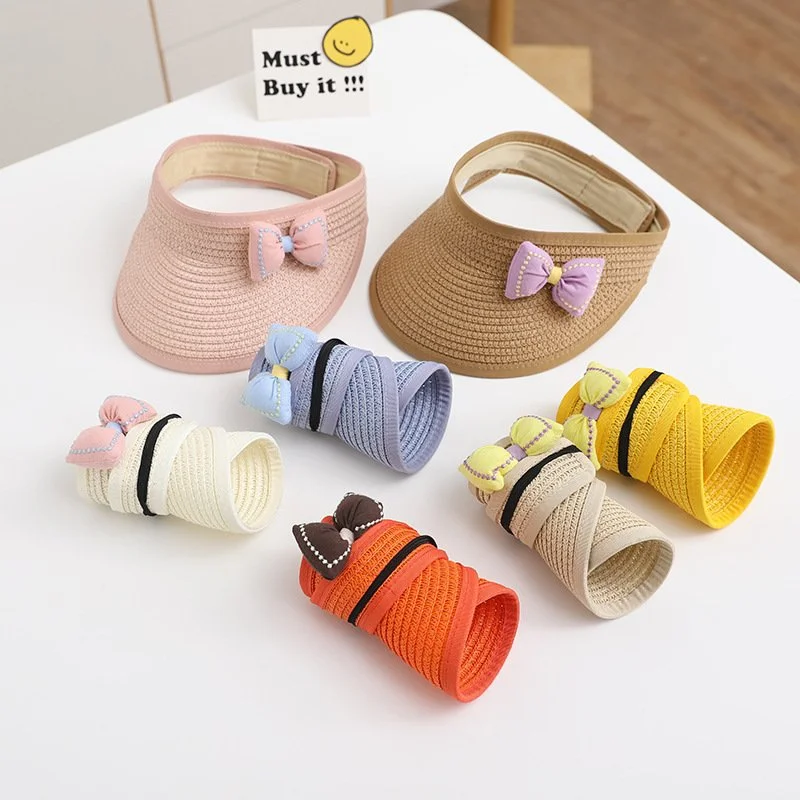
Kids' Foldable Sun Hat Summer Korean Style Straw Sunshade
⭐ Editor's pick
|
$6.48 | Straw, Foldable, Breathable | Beige, Ivory White, Sky Blue, Camel (Ages 6-12 months) | Not suitable for windshield insulation. This is a headwear item for infants and toddlers, not a vehicle accessory. |
|
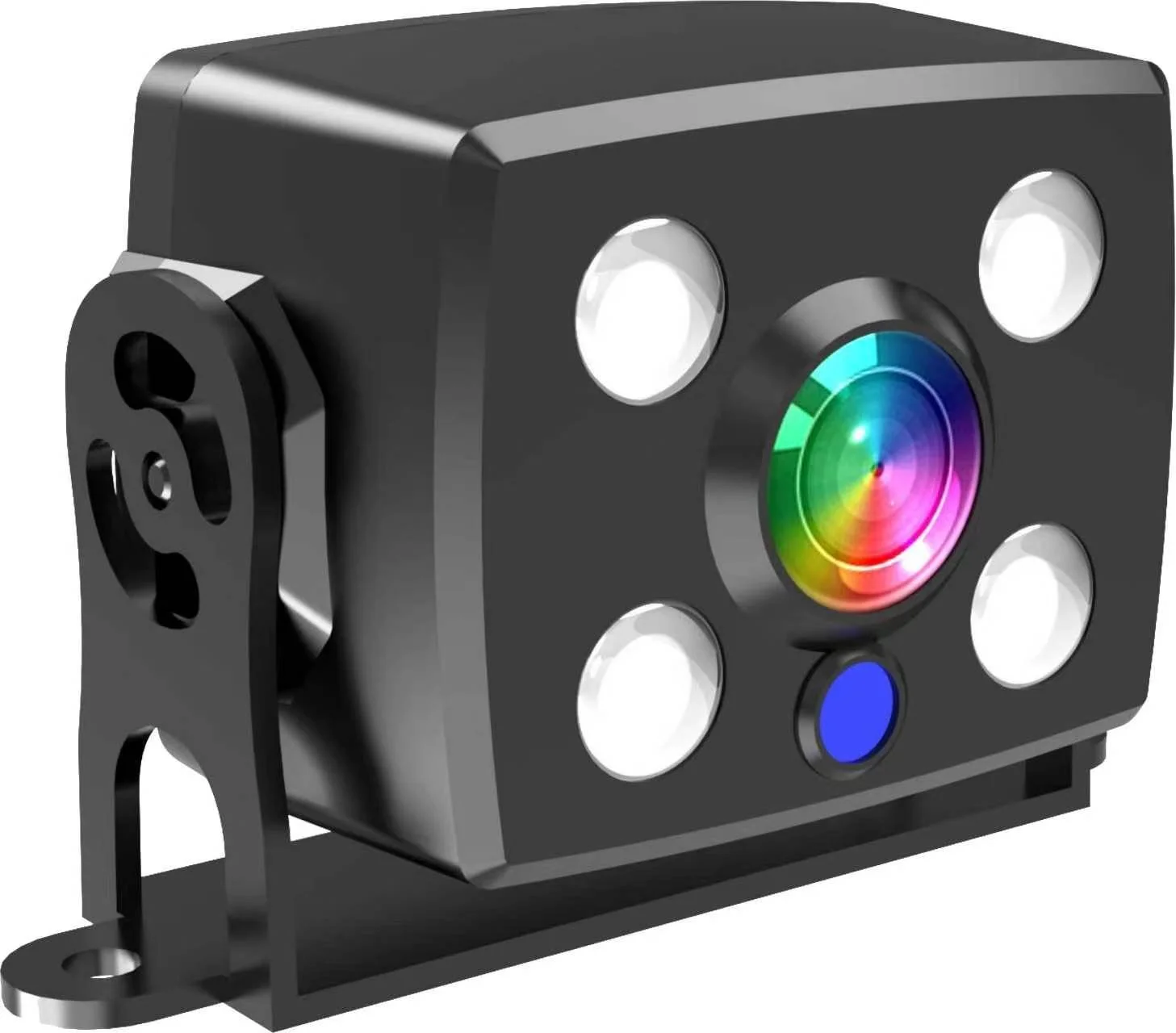
Dual Lens Vehicle Camera with Infrared Night Vision
⭐ Editor's pick
|
$40.00 | 1080P HD Infrared Camera, Waterproof | Default Color | Fleet vehicles or drivers needing security footage. Not a sunshade; does not provide thermal insulation. |
|
Boost Car Audio
⭐ Editor's pick
|
$89.56 | 4-way Aluminum Alloy Amplifier | N/A | Audio system upgrades. No relation to windshield insulation or frost prevention. |
|
Sun Protection Heat Insulated Sunshade Car Front and Rear Privacy Partition Curtain |
$8.56 | Chunya Spinning, Monolayer | Black, 140x80cm or 180x90cm | Drivers looking for a basic, low-cost privacy partition or basic sun block. Thin material may offer limited winter insulation. |
|
Block UV Rays with Our Portable Car Sunshade
⭐ Editor's pick
|
$12.52 | Fiberglass Cover, Foldable | Compact, Foldable | Daily commutes and summer UV protection. Lightweight and easy to store, but likely too thin for significant winter frost prevention. |
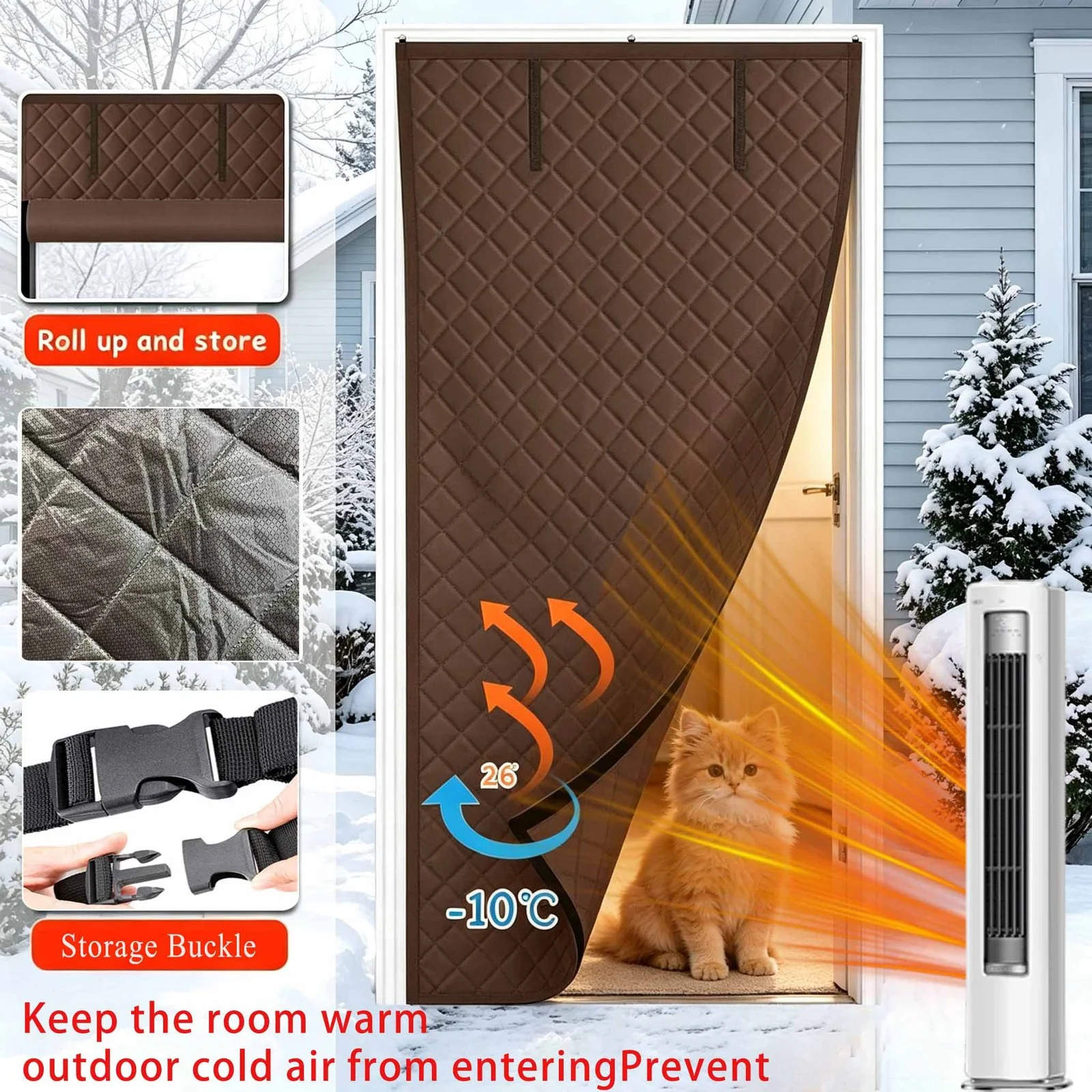

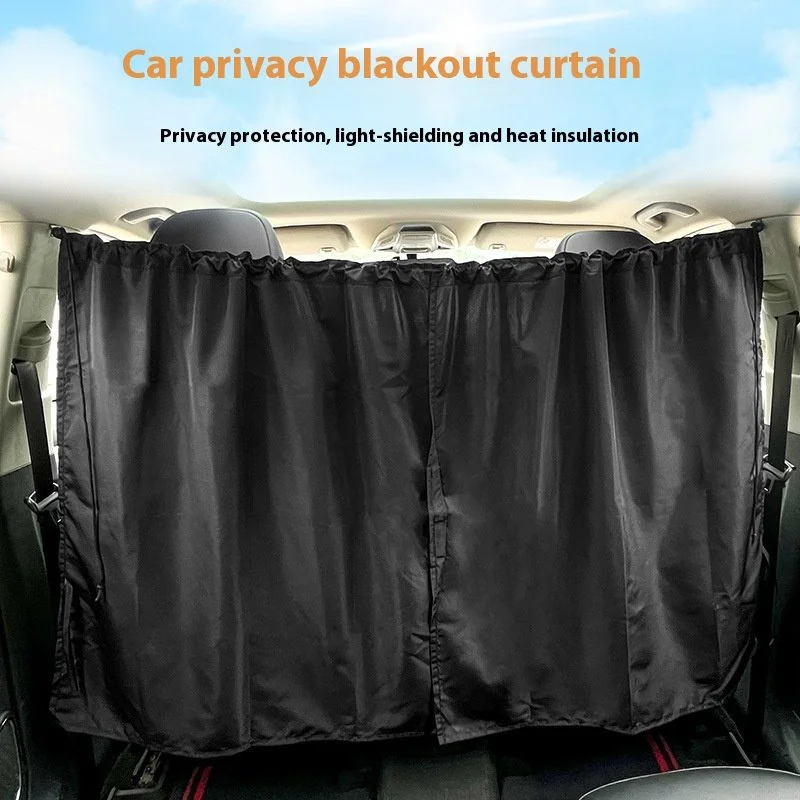
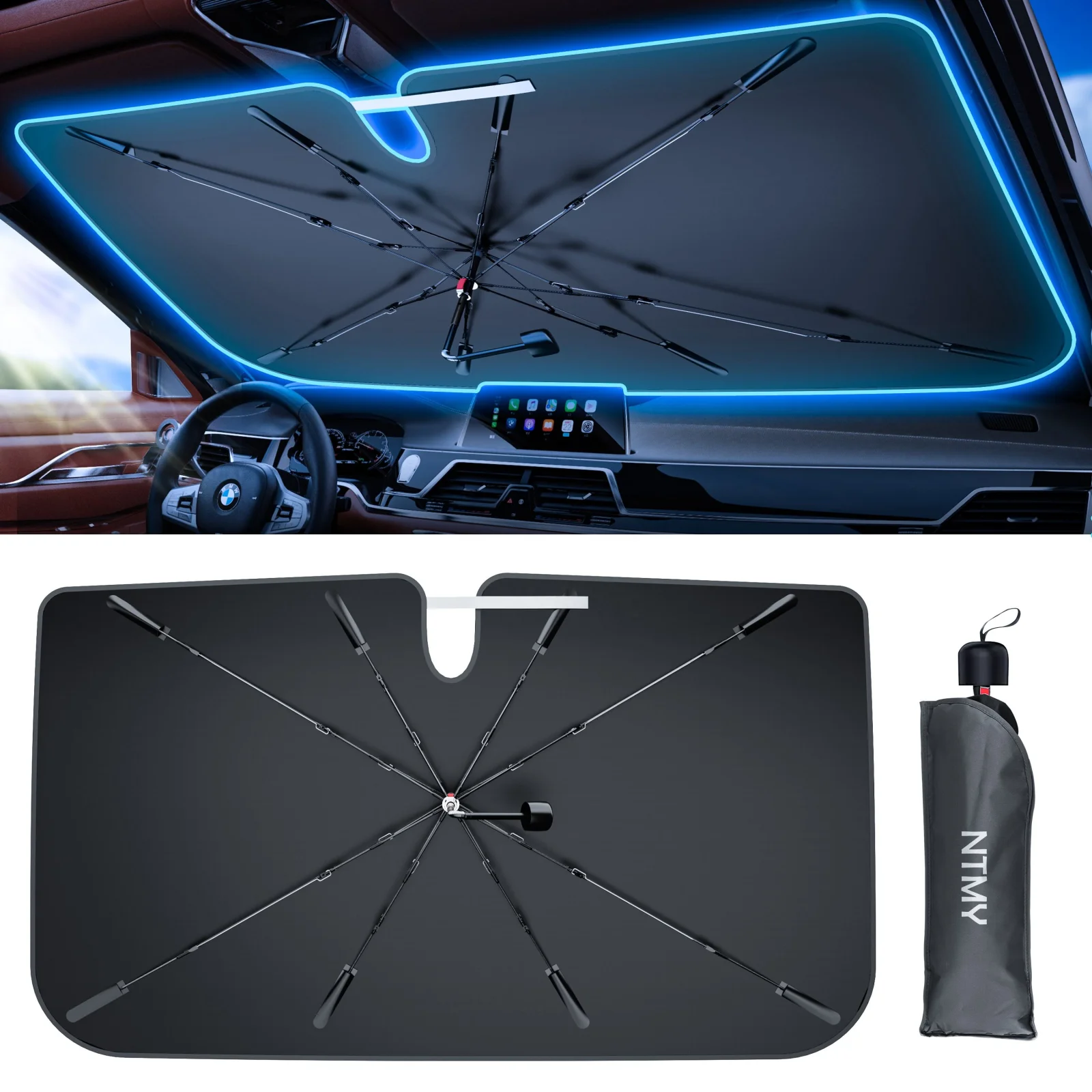
Best for Drivers who want a dedicated, high-insulation barrier for their windshield should look for materials similar to the Oxford cloth described in Product 1, as it is explicitly labeled "Thermal Insulated." However, since Product 1 is categorized as a door curtain, you must verify if it is sold as a windshield cover or if you are using it as a DIY solution. For a standard, ready-to-use sunshade, Product 6 is a common choice for general use, but its fiberglass material is thinner. Product 5 offers a larger surface area (180x90cm) which could cover a larger SUV windshield, but the "Chunya spinning" material is less dense than Oxford cloth.
Installation for Maximum Insulation
Even the best material will fail if installed poorly. The goal is to create a continuous seal between the sunshade and the car body. Gaps around the edges allow cold air to infiltrate the air pocket, reducing the insulating effect. You do not need to be an engineer, but you do need to be thorough.
Preparation
Clean the inside of your windshield before installing the shade. Dirt, dust, or residue can prevent the shade from lying flat against the glass, creating air gaps that act as cold bridges. Use a microfiber cloth and glass cleaner. Ensure the glass is completely dry. If you are using a shade with Velcro or adhesive strips, clean the attachment points on the car frame or glass to ensure they stick securely. If you are using a magnetic shade, ensure the metal strips are clean and free of rust or debris.
Step-by-Step Installation
1. Open the driver’s side door. Hold the sunshade with the reflective or insulating side facing the glass. For magnetic shades, align the magnets with the metal frame of the windshield. For clip-on shades, attach the clips to the door jambs or pillars. Start at the bottom center and work your way up to the top center, then move to the sides. This prevents bunching in the middle. 2. Smooth out any wrinkles. Wrinks can create pockets where cold air can get trapped, but more importantly, they reduce the contact area between the shade and the glass. 3. Secure the edges. If the shade has elastic bands, pull them tight to hug the car body. If it has Velcro, press firmly along the edges. If it is a loose-fitting curtain style, tuck the excess material into the door seals or use clips to hold it in place. 4. Check for gaps. Shine a flashlight around the edges of the shade. If you see light leaking through, adjust the shade to close the gap. A tight seal is crucial for maintaining the air pocket.
Storage and Retrieval
Store the sunshade in a dry place in your trunk or a dedicated bag. Avoid leaving it in the car overnight if it is wet or damp, as this can lead to mold or mildew, especially in winter when condensation is common. When retrieving it in the morning, do it before you start the car. If you start the car and the heat blows on the shade, it may melt any frost on the inside of the shade, creating water spots on your glass. Remove the shade first, then start the car and use the defroster to clear any remaining light frost.
Common Mistakes to Avoid
Many drivers try to use a sunshade in winter and are disappointed by the results. This is usually due to a few common errors. Avoiding these mistakes will improve the effectiveness of your thermal barrier.
Using a Summer Shade for Winter
Summer shades are designed to block UV rays and solar heat. They are often thin and lightweight to make them easy to fold and store. They do not have the bulk or density needed to trap heat effectively in winter. If you use a thin summer shade, you may still find ice on your windshield, just slightly less than if you had no shade at all. Do not expect a $10 mesh shade to perform like a $30 Oxford cloth thermal curtain. The material difference is significant.
Leaving Gaps Around the Edges
A sunshade that covers 90% of the windshield is much less effective than one that covers 100%. Cold air enters through the gaps and circulates around the edges, cooling the glass behind the shade. This is especially true if the wind is blowing against the car. Ensure that the shade extends beyond the glass edges and is secured tightly to the car body. If your shade is too small, consider using a larger one or adding a secondary layer to cover the gaps.
Installing After Frost Forms
As mentioned earlier, a sunshade is a preventive tool, not a curative one. If you wait until the windshield is already covered in ice, installing a shade will not remove the ice. It will only prevent more ice from forming on the outside of the glass. You will still need to scrape the ice off the inside of the shade or remove the shade entirely. To get the full benefit, install the shade in the evening when the glass is still warm. This allows the insulation to work overnight as temperatures drop.
Ignoring the Rear Window and Side Windows
While the windshield is the primary concern, the rear window and side windows can also freeze. If you only cover the windshield, you may still have to scrape ice off the rear window, which can be difficult if you do not have a scraper that reaches. Consider using a full-car cover or additional shades for the rear and side windows if you park in a very cold location. Alternatively, use a windshield wiper cover to protect your wiper blades from freezing to the glass.
Care and Maintenance Tips
Proper care ensures that your sunshade lasts for multiple seasons and maintains its insulating properties. Winter conditions are harsh on fabrics, so a little maintenance goes a long way.
Cleaning
Wash your sunshade at the end of the winter season or if it gets heavily soiled. Use mild soap and lukewarm water. Avoid using harsh chemicals or bleach, as these can degrade the fabric and any reflective coatings. Do not machine wash unless the manufacturer explicitly states it is safe. Hand washing is safer for maintaining the shape and integrity of the material. Rinse thoroughly and air dry. Do not put it in the dryer, as heat can warp the fabric or shrink elastic components.
Storage
Store the sunshade in a cool, dry place. If you are transitioning to summer, you can continue to use the shade for UV protection if the material is suitable. If you are storing it for the summer, fold it neatly and place it in a storage bin. Avoid crushing it under heavy objects, as this can damage the material or cause permanent creases. If the shade has magnetic components, store it away from electronic devices to prevent interference.
Inspection
Before each winter season, inspect the shade for tears, holes, or loose seams. A small tear can expand over time, reducing the insulating effectiveness. If you find a small tear, you can repair it with fabric glue or a patch. For magnetic shades, check that the magnets are still strong and not falling off. If the magnets are weak, the shade may not stay in place, leading to gaps. Replace the shade if it is damaged beyond repair, as a compromised shade is better than no shade, but a new one is more reliable.
Handling in Snow
If you park in an area where it snows, you may need to brush snow off the shade before driving. Be gentle to avoid scratching the glass underneath. Use a soft-bristled brush or a snow brush. Do not use a plastic scraper on the fabric, as this can tear it. If the shade is covered in ice, let it thaw in the sun or in a heated garage before removing it. Forcing it off while frozen can damage both the shade and the glass.
Frequently Asked Questions
❓ Does a car sunshade actually help with frost in winter?
Yes, a car sunshade helps with frost by acting as a thermal barrier. It traps heat inside the cabin and prevents cold air from cooling the glass below freezing point. This reduces condensation and ice formation on the windshield.
❓ What is the best material for a winter windshield cover?
Thick, dense fabrics like Oxford cloth or multi-layered insulated materials are best for winter. These materials trap air effectively, providing better thermal resistance than thin summer shades or single-layer plastics.