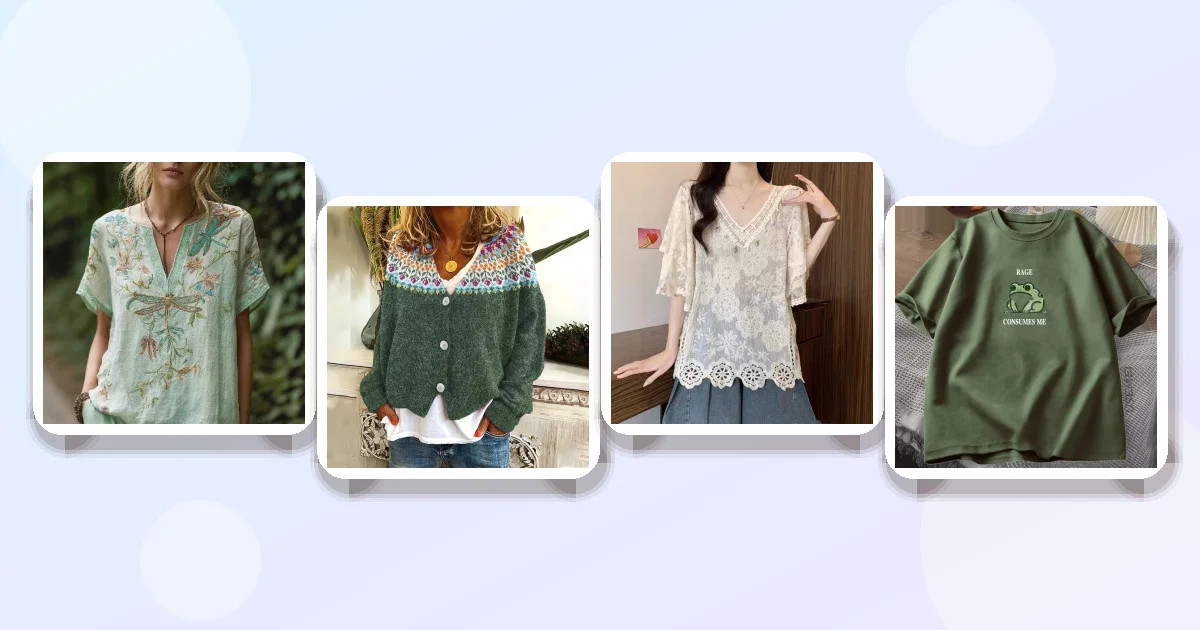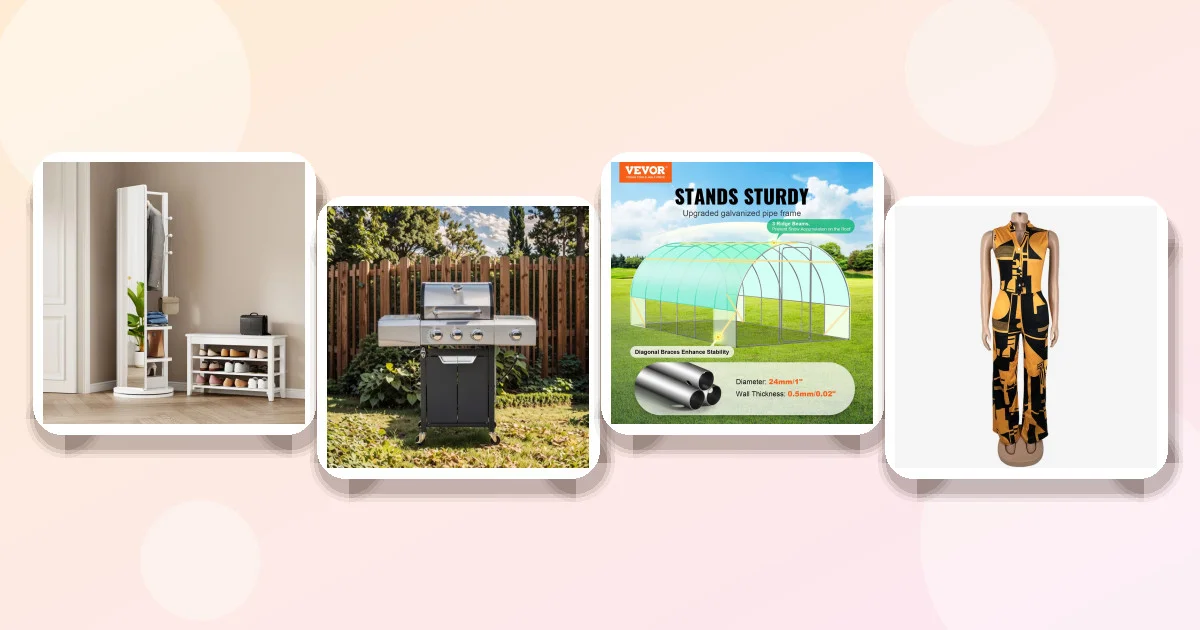
You're planning a weekend in the woods when the evenings dip below 50 °F. You need a sweater that traps heat, lets moisture escape, and still looks good around the campfire. Below you’ll learn how to size, choose fabrics, layer smartly, and keep your sweater in shape after a night under the trees.
How to choose the right material and thickness
Warmth comes from two things: the fiber’s ability to trap air and its breathability. Acrylic fibers create a soft, wool‑like feel and hold heat well, but they don’t wick sweat as efficiently as polyester. Polyester fibers move moisture to the surface, reducing clamminess on a brisk hike. Viscose offers a smooth drape and moderate insulation, but it can feel cooler when damp.
For October nights, aim for a sweater labeled “medium” or “thick needle” – roughly 300–400 g/m² if the spec is listed. Anything thinner will likely need a fleece underneath; anything heavier can cause overheating during daytime hikes.
Fabric quick guide
- Acrylic: Good for static warmth, easy care, but less moisture‑wicking.
- Polyester: Balances warmth with breathability; ideal for active camping.
- Viscose: Soft and stylish; watch the weather because it dries slower.
Sizing and fit for layering
Asian sizing runs 1–2 sizes smaller than US/EU. If you fall between sizes, choose the larger. Allow 2–3 cm variance in measurements – a snug cardigan can feel tight once you add a fleece or base layer.
Measure your chest at the fullest point and add 2‑4 inches for a relaxed fit. For a hoodie, add an extra inch to accommodate the hood’s bulk. A “regular” length (50‑65 cm) will cover a base layer without riding up when you sit on a log.
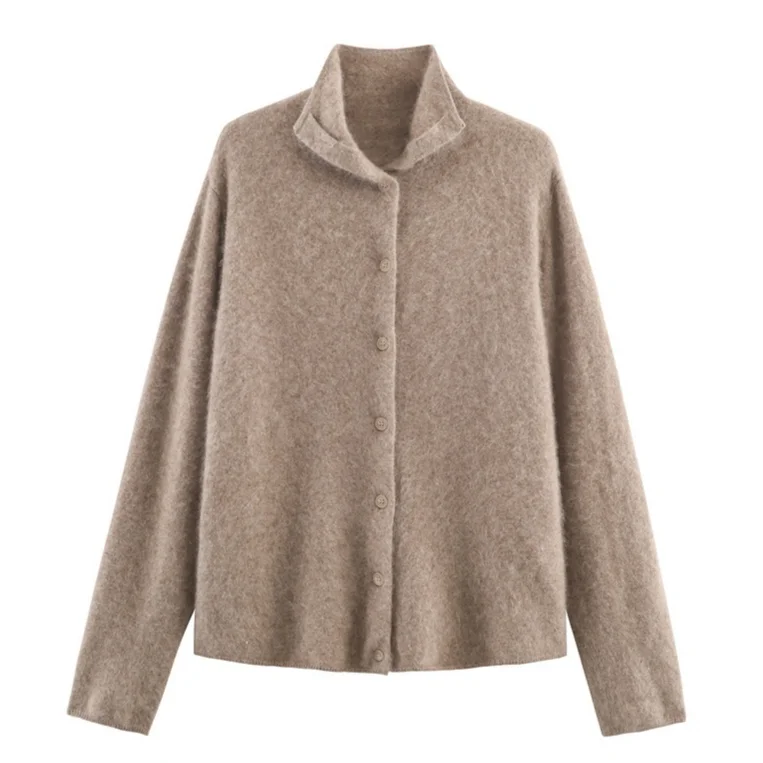
Product comparison
| Product | Price | Material | Length | Color | Best for |
|---|---|---|---|---|---|
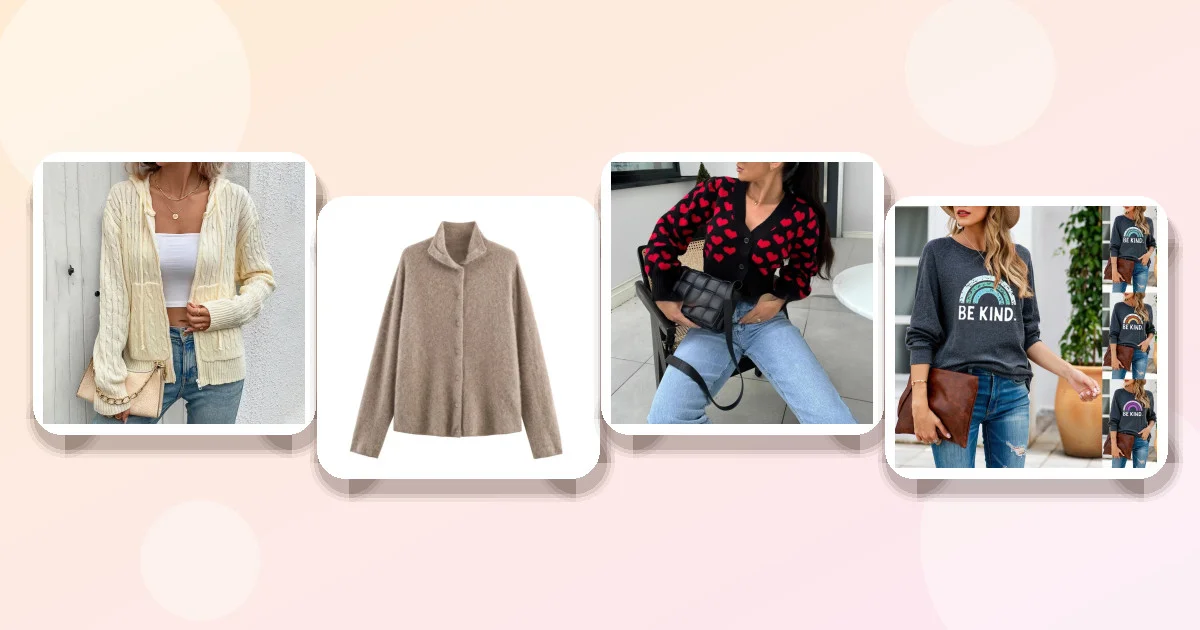
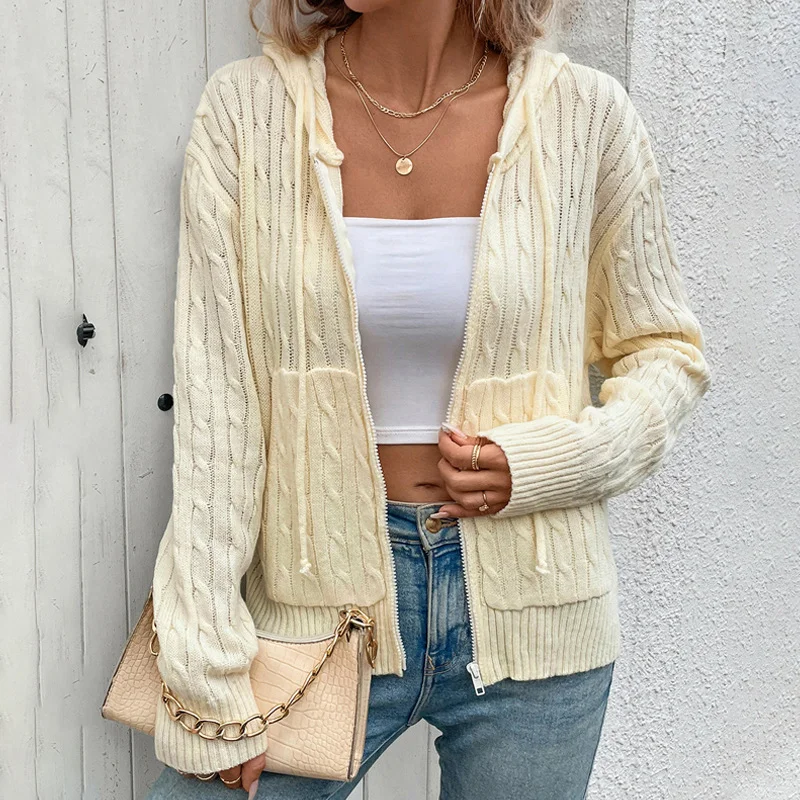
| Women's Hooded Twisted Solid Color Sweater Cardigan | $33.16 | Acrylic fiber | Cardigan (standard) | Apricot | Campfire evenings, hood adds extra warmth |
| Korean‑style Loose Casual High‑neck Sweater Cardigan | $32.52 | Polyester fiber | Regular (50‑65 cm) | Khaki | Active hiking, breathability |
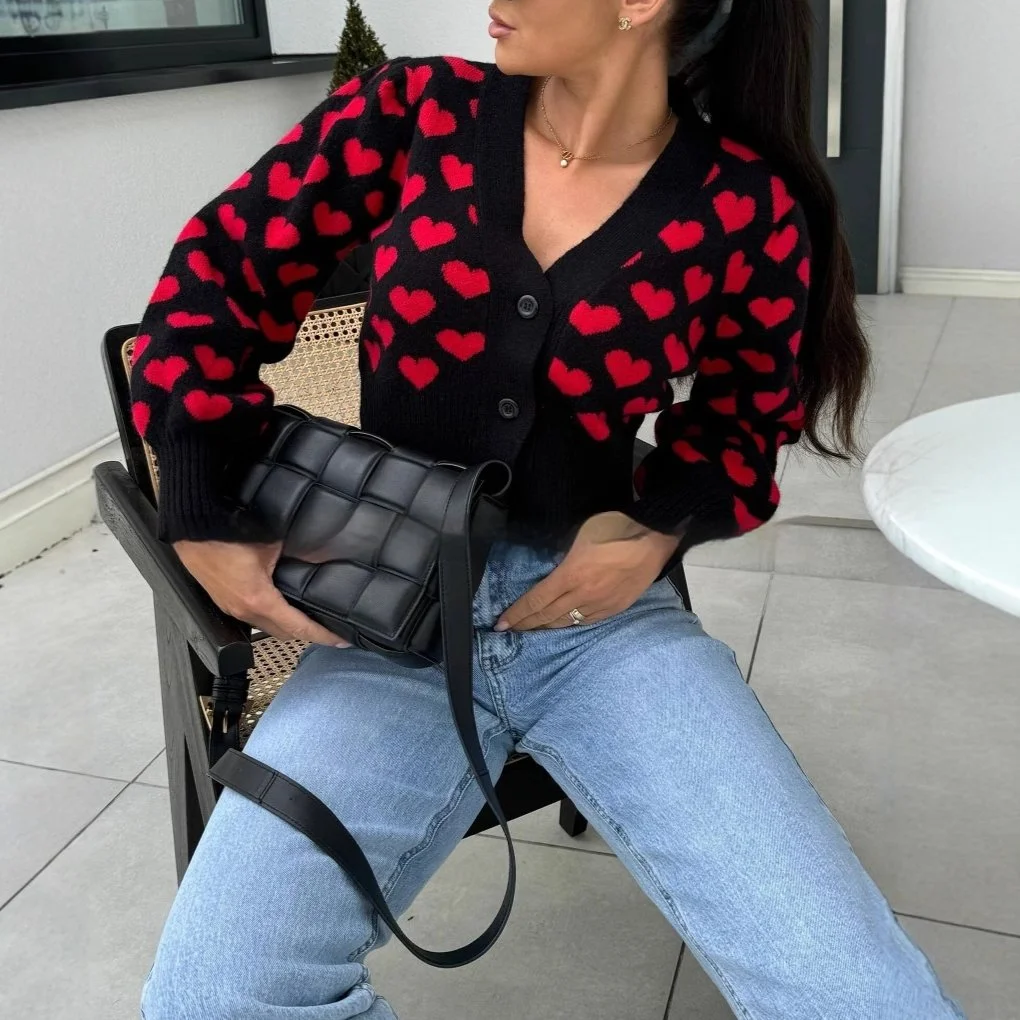
| Loose Casual Love Sweater Cardigan | $38.48 | Viscose fiber | Normal (≈50 cm) | Black & Red | Style‑focused campfire photos |
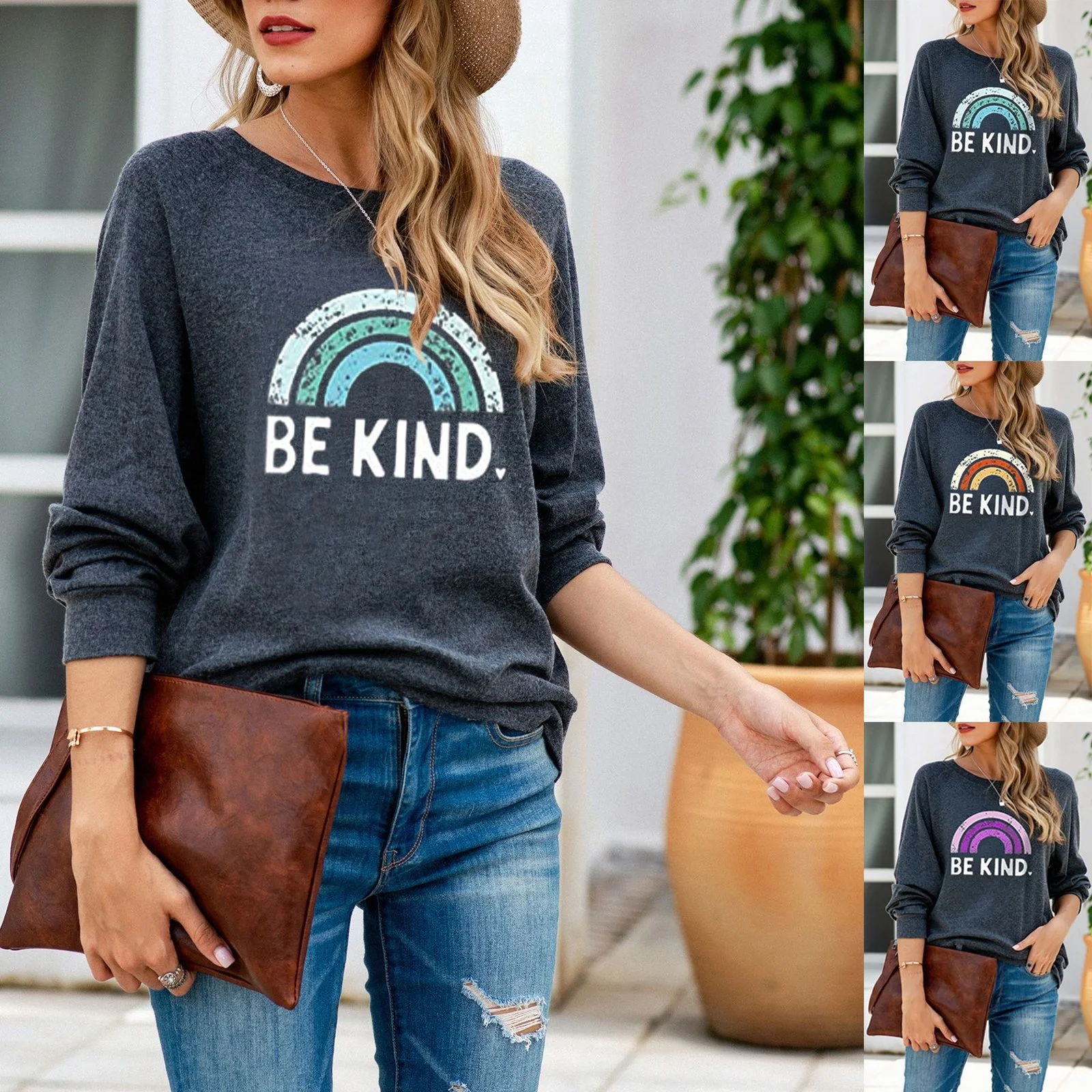
| Casual Rainbow Print Crewneck Sweater | $19.00 | Cotton blend | Crewneck | Yellow, Purple | Budget‑friendly daytime wear |
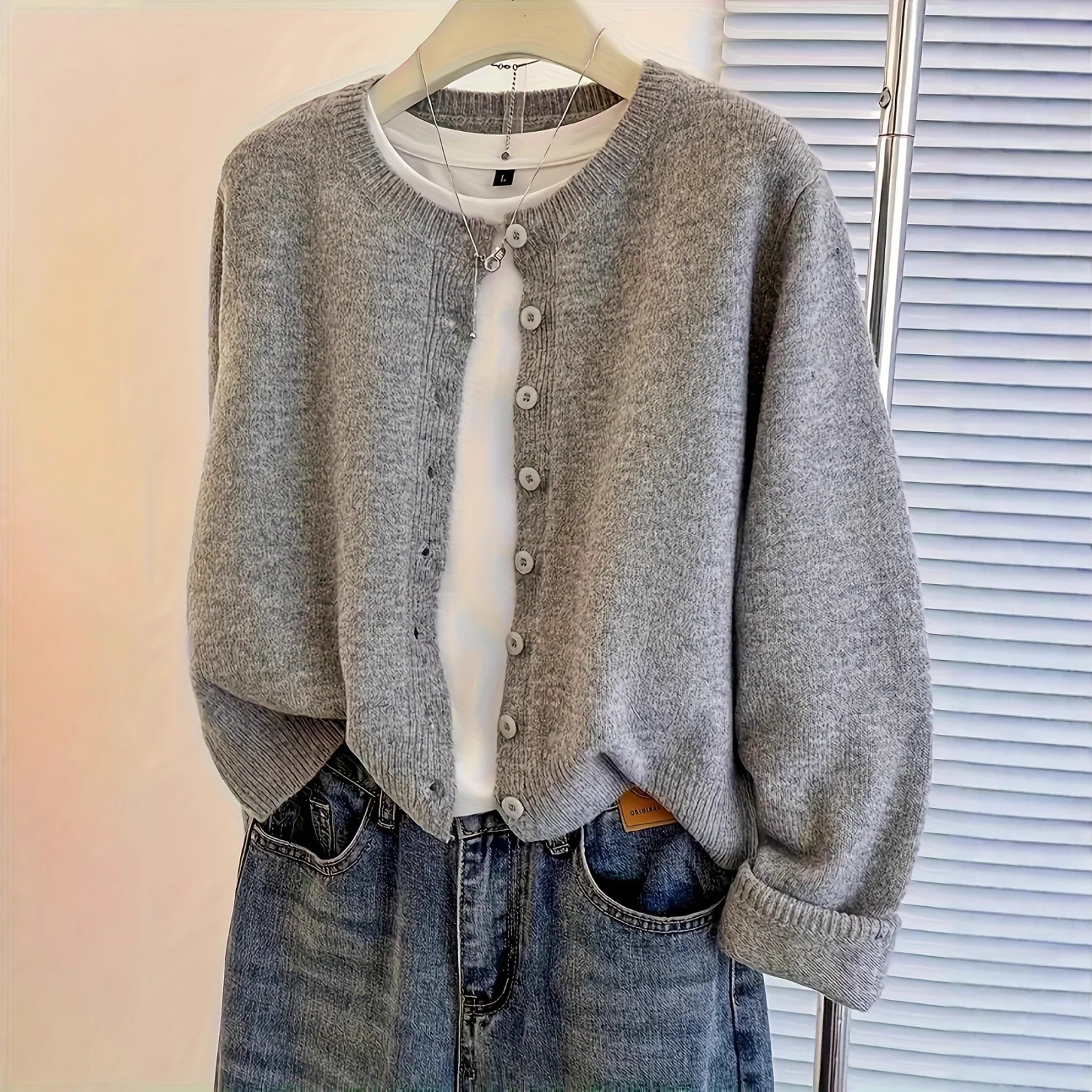
| European & American Fashionable Knitted Cardigan | $37.16 | Polyester fiber | Loose crew neck | Gray | Versatile layering, neutral palette |
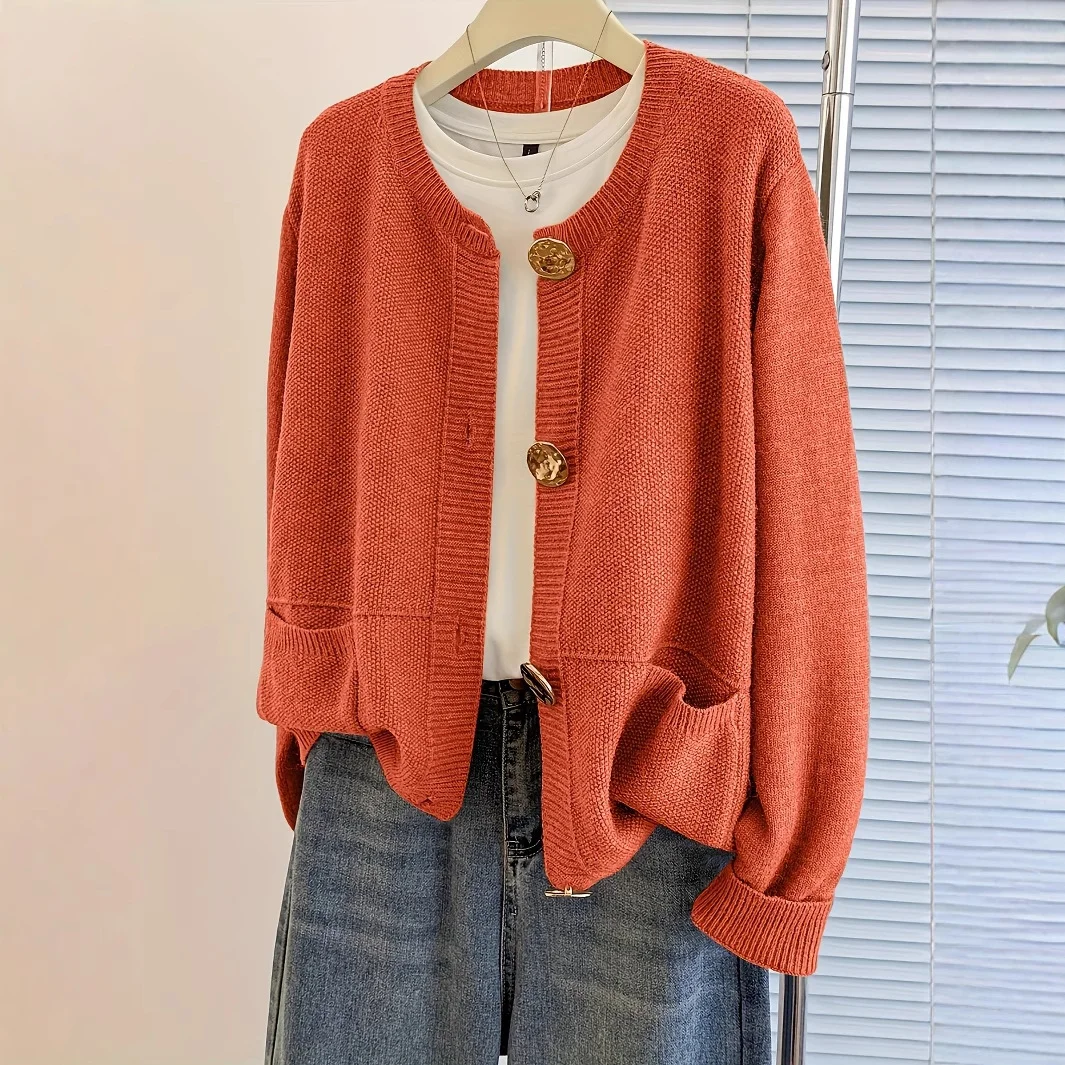
| Solid Color Fashion Street Versatile Thick Needle Sweater Cardigan | $36.48 | Polyester fiber | Cardigan | Orange Red | Extra cold nights, thick knit |
Layering strategies for fall camping
Think of layers as a sandwich: base, middle, outer. Your base layer should be a moisture‑wicking shirt (synthetic or merino). The sweater is the middle layer, providing insulation. If the forecast calls for sub‑50 °F nights, add a thin fleece under the sweater; the sweater’s thickness will keep the fleece from compressing fully, preserving loft.
Yes, you can layer a sweater over a fleece. The key is to keep the sweater’s opening wide enough for easy removal if you get too warm. A cardigan with a front zip or open front works best; the hooded cardigan adds a quick shield against wind.
Common mistakes to avoid
- Choosing a sweater that’s too tight – it blocks air circulation and makes you sweat.
- Buying a thin cotton blend – cotton retains moisture and chills you when the temperature drops.
- Ignoring sizing notes – Asian cuts can leave you short on the torso, especially when you’re wearing a base layer.
- Relying on bright colors for camouflage – they’re great for photos but may attract insects.
Care, styling and photo‑ready tips
After a night in the woods, shake out loose pine needles and let the sweater air‑dry away from direct heat. Acrylic and polyester can be machine‑washed on a gentle cycle; viscose prefers hand wash or a delicate cycle. Store folded rather than hanging to maintain shape.
For campfire photos, pick solid colors like apricot, gray or orange – they contrast nicely with the brown and green backdrop. Pair the cardigan with dark leggings and sturdy boots for a balanced look.
Frequently asked questions
❓ What type of sweater is best for camping in cool autumn weather?
A medium‑weight, breathable cardigan made from acrylic or polyester gives enough insulation without trapping sweat. Look for a loose cut that can fit a fleece underneath.
❓ How thick should a women's sweater be for a night outdoors in October?
Aim for a “medium” or “thick needle” knit, roughly 300–400 g/m². Anything thinner may need an extra fleece; anything thicker can cause overheating during daytime hikes.
❓ Can I layer a sweater over a fleece for fall camping?
Yes. A cardigan with an open front or a zip lets you add or remove a fleece quickly, keeping you comfortable as temperatures shift.
❓ What colors and styles of women's sweaters work well for outdoor photos?
Solid, earthy tones like apricot, gray, khaki or orange contrast with foliage and firelight, while bright prints (rainbow) can add a playful pop if you want a fun vibe.
❓ How to care for a sweater after a camping trip in the woods?
Shake out debris, air‑dry flat, and follow the fabric’s wash instructions – acrylic and polyester tolerate gentle machine cycles; viscose prefers hand wash.
❓ Which fabrics keep me warm but don’t make me sweat while hiking?
Polyester blends excel at moisture‑wicking while still providing insulation; acrylic offers static warmth but less breathability, so choose based on activity level.
❓ Should I buy a hooded sweater for camping?
A hood adds extra wind protection for your head and neck, which can be the first places to lose heat on chilly evenings.
Key takeaways
- Pick a medium‑weight cardigan (300‑400 g/m²) in acrylic or polyester for balanced warmth.
- Size up: Asian cuts run small; allow room for a base layer or thin fleece.
- Layer with a moisture‑wicking base and, if needed, a thin fleece underneath.
- Solid, earthy colors work best for campfire photos and don’t attract bugs.
- Care by shaking out debris, air‑drying flat, and washing according to fabric type.
- Use a hooded style for extra wind protection on cold nights.
How we chose these products: The selections match the needed price range, material options, and sizing notes while covering a variety of colors and thicknesses for fall camping.
===HTML===