You're ready to buy a rug, but you keep wondering if it will look right once it lands on the floor. This guide shows you exactly how to measure, which dimensions work for common room shapes, and which of our curated rugs fit those numbers.
- How to measure your living room for a rug
- What rug size works best for a 12×15 ft living room
- Rug placement: under the coffee table or in front of it?
- Rug‑size rule of thumb for open‑concept spaces
- How much extra space should you leave around a rug?
- Can a small rug make a large living room feel cozier?
- Product comparison
- Common mistakes to avoid
- Care, styling, and usage tips
- Frequently asked questions
- Key takeaways
How to measure your living room for a rug
Step 1: Sketch the floor plan
Grab a tape measure and draw a simple rectangle on paper. Mark the location of major pieces – sofa, chairs, coffee table, TV console. This visual helps you see the “seating island” you’ll be framing.
Step 2: Measure the seating island
Place the tape at the outer edge of the sofa arm, run it to the farthest chair back, then across to the opposite side. Record length and width. Those numbers are the minimum rug dimensions you should aim for.
Step 3: Add a border
Most designers recommend 24‑30 in. Of floor visible around the rug. Add that amount to each side of the island measurement. The result is the ideal rug size.
Step 4: Check doorways and traffic flow
If a rug will sit under a doorway, make sure at least 12 in. Of clear floor remains on each side of the door swing. This prevents tripping and keeps the space feeling open.
What rug size works best for a 12×15 ft living room?
A 12 × 15 ft room typically holds a sofa, two armchairs, and a coffee table. Measure the sofa‑to‑chair span; you’ll often get about 9 ft. Add the 24‑in. Border and you land at roughly 9 × 12 ft. That size lets all front legs sit on the rug while the back legs stay on the floor, creating a balanced look.
If your furniture is smaller, a 8 × 10 ft rug can work, but you’ll see more floor around the edges. If the room feels cavernous, consider a 10 × 14 ft rug to fill more space without covering the entire floor.
Rug placement: under the coffee table or just in front of it?
Place the rug so the coffee table sits entirely on it. This anchors the table and prevents it from sliding. The front legs of the sofa and chairs should also rest on the rug; the back legs can stay on the floor for visual depth.
If you have a low‑profile coffee table, you can let the rug extend a few inches beyond it. That creates a “border” effect and makes the rug feel larger than it is.

Rug‑size rule of thumb for open‑concept spaces
In an open floor plan, treat each functional zone as its own room. Measure the zone (e.g., living area) and apply the same 24‑in. Border rule. If the zone is 20 × 30 ft, a 12 × 18 ft rug often works, leaving generous floor exposure while still defining the space.
When two zones share a rug, choose a size that stretches under the front legs of furniture in both zones. This creates visual continuity without a hard line between rooms.
How much extra space should you leave around a rug?
24 in. Is the sweet spot for most living rooms. It gives the eye breathing room and shows off flooring or baseboards. In very small rooms, 12‑18 in. May be acceptable; in large rooms, you can push to 30‑36 in. For a grander feel.
Always check the clearance around doors, radiators, and built‑in shelves. If a rug would block a radiator, pick a smaller size or a heat‑resistant material.
Can a small rug make a large living room feel cozier?
Yes, a deliberately undersized rug can create a “nest” effect, especially when paired with a low‑profile sofa and a handful of side tables. Choose a rug that fits just under the front legs of the sofa; the exposed floor will make the seating area feel intimate.
Balance is key: too small a rug looks like a misplaced mat. Aim for at least 6 ft. Width if the room is wider than 20 ft. To avoid a floating island.
Product comparison
| Product | Price | Material / Type | Size Options | Best for |
|---|---|---|---|---|
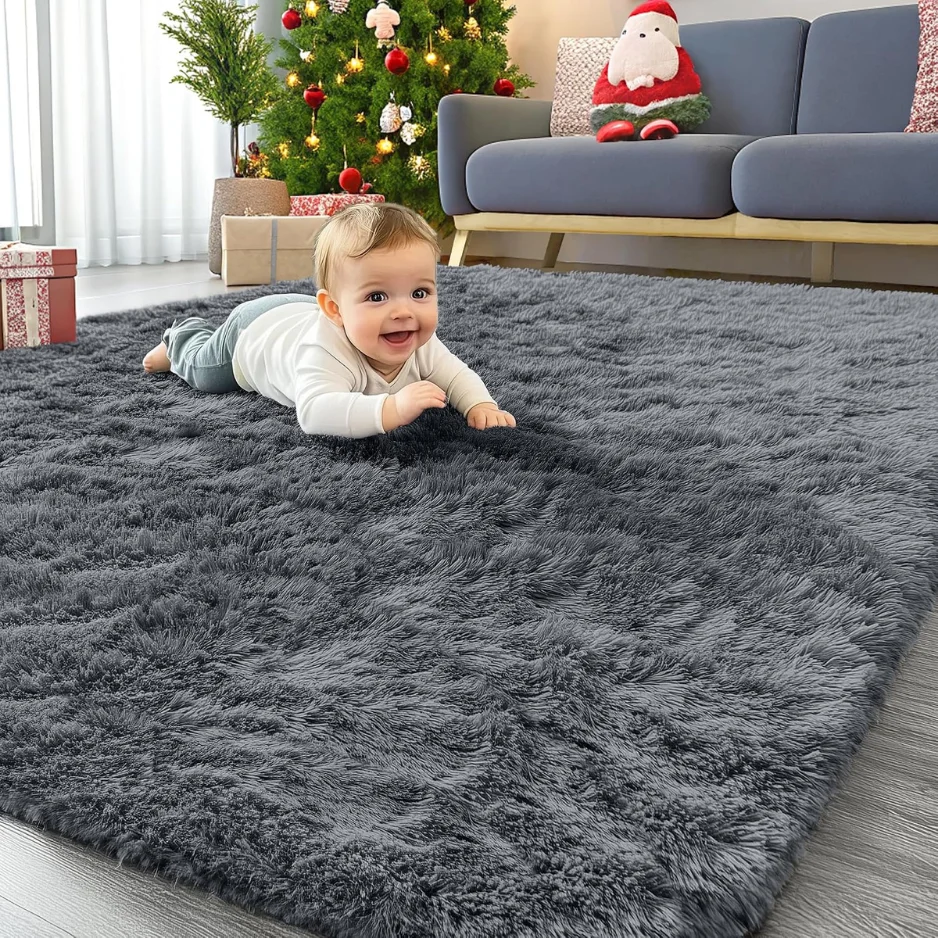
| Machine Washable Shaggy Rug | $182.2 | Soft fluffy shag | 4 × 5.9 ft (Asian sizing runs small) | Families with kids who need easy cleaning |
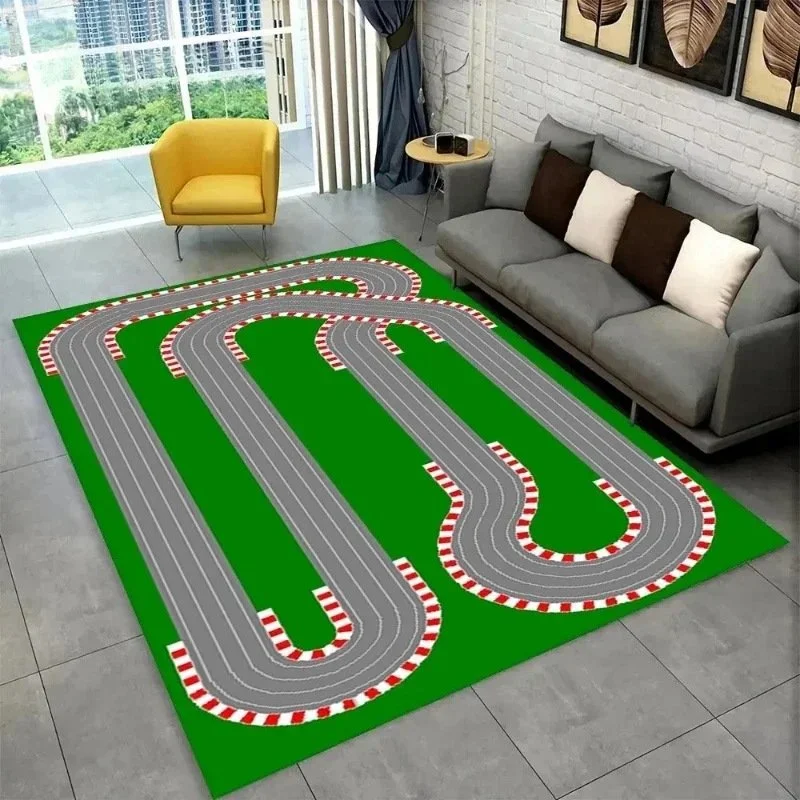
| Fun Racing Track Flannel Mat | $21.08 | Flannel, non‑slip | 80‑240 cm range (multiple sizes) | Playrooms or casual teen spaces |
| Eva Camouflage Yacht Deck Mat | $46.84 | Waterproof, anti‑UV | 240 × 120 cm, 240 × 90 cm, 240 × 60 cm, 240 × 45 cm | Outdoor patios or high‑traffic entryways |
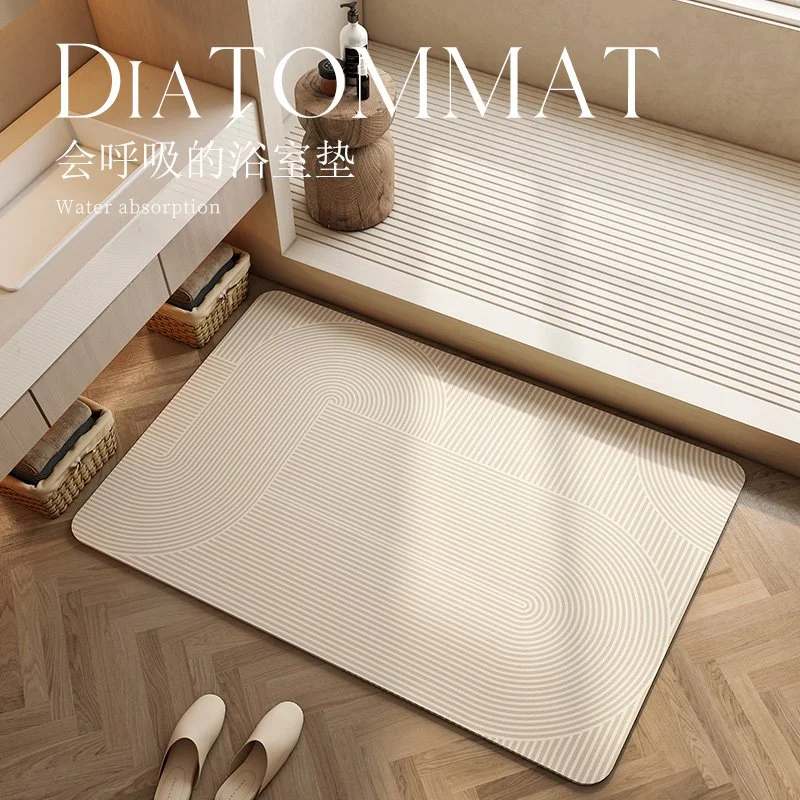
| Quick‑dry Water‑absorbent Floor Mat | $4.44 | Diatomaceous mud | 40‑80 cm range | Bathrooms or wet entry zones |
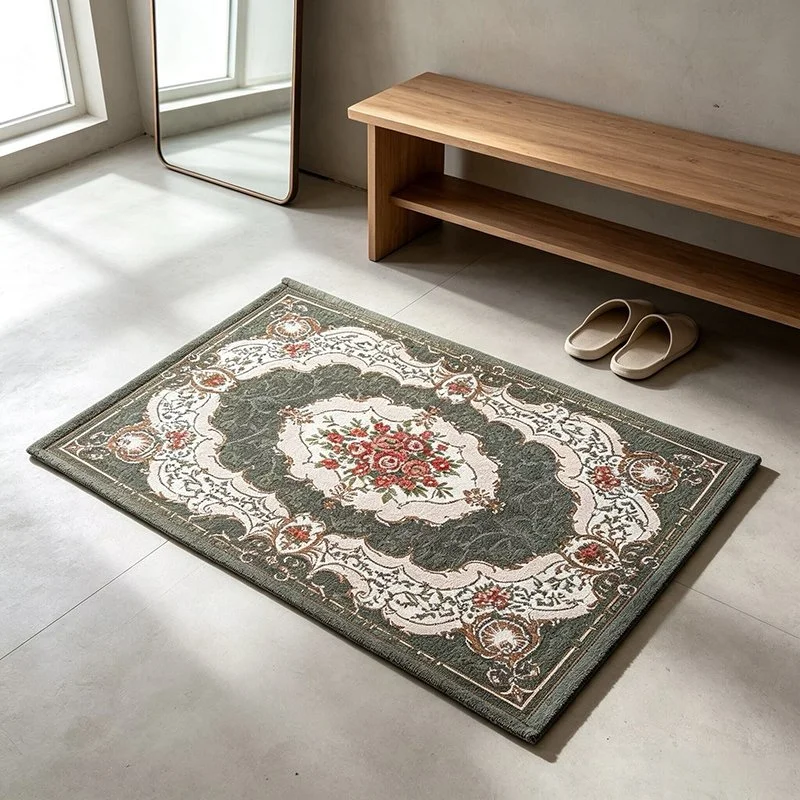
| Baroque Vintage Jacquard Rug | $15.16 | Jacquard weave | 60 × 90 cm | Accent piece for small nooks |
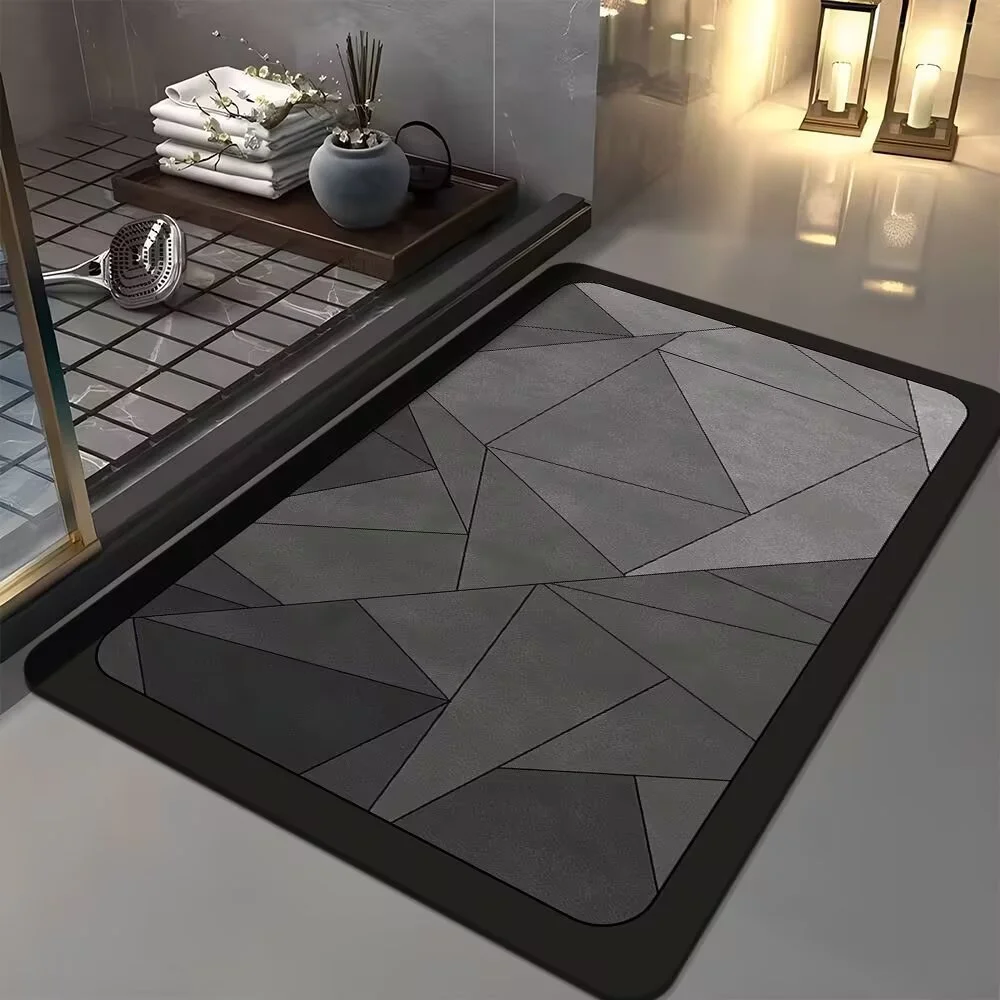
| Household Bathroom Door Mat | $2 | Diatomaceous earth, non‑slip | 30‑80 cm range | Doorway moisture control |
Below each product is a brief fit note.
Machine Washable Shaggy Rug
Best for Parents who want a plush rug that can survive spills.
- Pros: Machine washable, soft underfoot.
- Pros: Large enough for a small seating island.
- Con: Asian sizing runs 1–2 sizes smaller; choose the larger size if you’re between.
Fun Racing Track Flannel Mat
Best for Kids’ rooms where a playful pattern adds visual interest.
- Pros: Non‑slip backing.
- Pros: Wide size range lets you match a 9 × 12 ft zone with two 150 × 200 cm pieces.
- Con: Flannel may show wear in high‑traffic areas.
Eva Camouflage Yacht Deck Mat
Best for Outdoor patios or entryways that need water resistance.
- Pros: Waterproof, UV‑resistant.
- Pros: Comes in 240 cm width for large zones.
- Con: Not a traditional “soft” rug; feels more like a mat.
Quick‑dry Water‑absorbent Floor Mat
Best for Bathrooms where quick drying is a priority.
- Pros: Absorbs water instantly.
- Pros: Hand washable.
- Con: Small size range; not suitable for living‑room scale.
Baroque Vintage Jacquard Rug
Best for Adding a decorative accent to a side table or entry foyer.
- Pros: Elegant pattern.
- Pros: Low price.
- Con: Only 60 × 90 cm; too small for a main living‑room rug.
Household Bathroom Door Mat
Best for Preventing water tracks at a front door.
- Pros: Non‑slip diatomaceous earth.
- Pros: Very inexpensive.
- Con: Limited aesthetic options; not a decorative rug.
Common mistakes to avoid
- Buying by “standard” size alone. A 5 × 8 ft rug may fit a 12 × 15 ft room but will look like a doormat. Use the border rule instead of relying on catalog labels.
- Ignoring Asian sizing differences. All six products list that their sizes run 1–2 sizes smaller than US/EU. If you’re between sizes, select the larger option.
- Skipping the floor‑to‑furniture clearance. A rug that blocks a radiator or door swing creates heat and traffic problems.
- Choosing a material that doesn’t match traffic. Flannel and shag are great for low‑traffic lounges but wear quickly under heavy foot traffic.
- Not accounting for variance. Each product allows a 2–3 cm measurement variance; factor that into tight spaces.
Care, styling, and usage tips
Cleaning
For the shaggy 4 × 5.9 ft rug, use a gentle cycle and low heat. The flannel racing‑track mat can be spot‑cleaned with mild detergent; avoid machine washing if you choose a size near the upper limit.
Layering
In large rooms, place a neutral indoor rug (e.g., the shaggy rug) and layer a smaller decorative mat (like the Baroque Jacquard) under a side table for visual interest.
Seasonal swaps
Swap the waterproof Eva deck mat to an outdoor patio in summer, then bring it inside for a high‑traffic entryway during winter. Its UV resistance means it won’t fade.
Frequently asked questions
❓ How do I measure my living room for a rug?
Measure the outer edges of your seating island, then add 24‑30 in. On each side; that total is the rug size you should look for. Use a tape measure, sketch the layout, and double‑check door clearance.
❓ What rug size works best for a 12x15 foot living room?
A 9 × 12 ft rug typically fits a 12 × 15 ft room, allowing all front legs of sofa and chairs to sit on the rug while leaving a 24‑in. Border of floor visible.
❓ Should I use a rug under the coffee table or just in front of it?
Place the rug so the coffee table sits completely on it; this anchors the table and keeps it from sliding. Front legs of surrounding furniture should also rest on the rug.
❓ What is the rule of thumb for rug size in an open‑concept space?
Treat each zone as its own room and apply the 24‑in. Border rule to the zone’s dimensions. A 12 × 18 ft rug often defines a 20 × 30 ft living area without overwhelming it.
❓ How much extra space should I leave around a rug?
Leave about 24 in. Of bare floor around the rug for most living rooms; adjust to 12‑18 in. In tiny rooms or 30‑36 in. In grand spaces.
❓ Can a small rug make a large living room feel cozier?
Yes, a rug that fits just under the front legs of the sofa creates a defined, intimate seating island, especially when paired with low‑profile furniture.
❓ Do I need a non‑slip backing for a rug in a high‑traffic area?
A non‑slip backing helps prevent shifting, especially on hardwood or tile. The Fun Racing Track Flannel Mat includes a non‑slip backing, making it a good choice for busy family rooms.
❓ Can I wash a shag rug in my washing machine?
The Machine Washable Shaggy Rug is designed for a gentle cycle; follow the care label and use cold water to avoid shrinking.
Key takeaways
- Measure the seating island, then add 24‑30 in. On each side for the ideal rug size.
- For a 12 × 15 ft room, aim for a 9 × 12 ft rug.
- All six products list Asian sizing that runs smaller; choose the larger size if you’re between.
- Place the rug so the coffee table and front legs of furniture sit on it.
- Leave at least 24 in. Of floor visible around the rug for balance.
- Small rugs can create a cozy “nest” in large rooms when positioned under front legs only.
How we chose these products: We matched each item’s size options, material, and price to the measurement guidelines and common use cases described above; prices and availability can change.
===HTML===