⚡ The short answer
Quick answer: To stay warm without bulk, layer a thin, moisture-wicking tank or fitted sweater directly against your skin, then add a loose-fitting mid-layer if needed. This prevents overheating while allowing the outer costume to fit properly over your natural body shape.📑 In this guide
The Principles of Effective Costume Layering
The goal of halloween costume layering is not to create a coat; it is to create a microclimate. Your body generates heat. If you trap that heat inside a thick, non-breathable costume, you will sweat. When the sweat hits the cold air, you freeze. The layering system you build underneath the costume must manage this moisture and heat transfer. Think of your outfit in three zones. The first zone is the skin. This layer must be thin, smooth, and capable of moving moisture away. The second zone is the insulation. This is where a thin sweater or long-sleeve shirt comes in, trapping a layer of warm air close to your body without adding bulk. The third zone is the costume itself. This layer should be loose enough to allow air circulation but structured enough to hold the shape of the character. Many women make the mistake of wearing a heavy thermal shirt underneath a bulky costume. This adds inches to your torso, causing the costume to pull at the shoulders and restrict arm movement. Instead, a fitted knit tank or a lightweight V-neck sweater provides the necessary warmth without altering your silhouette. This approach preserves the drape and fit of the outer garment. Consider the specific demands of your costume. A full-body jumpsuit requires a different base than a flowing gown. For a jumpsuit, you need a base layer that is seamless or has flat seams to prevent chafing. For a gown, you can afford slightly more texture, but you still need to avoid bulk at the waist and hips. The right base layer acts as a buffer, protecting your skin from rough costume fabrics while keeping you comfortable in variable outdoor temperatures.How to Choose the Right Base Layer: Sizing and Materials
Understanding Sizing Discrepancies
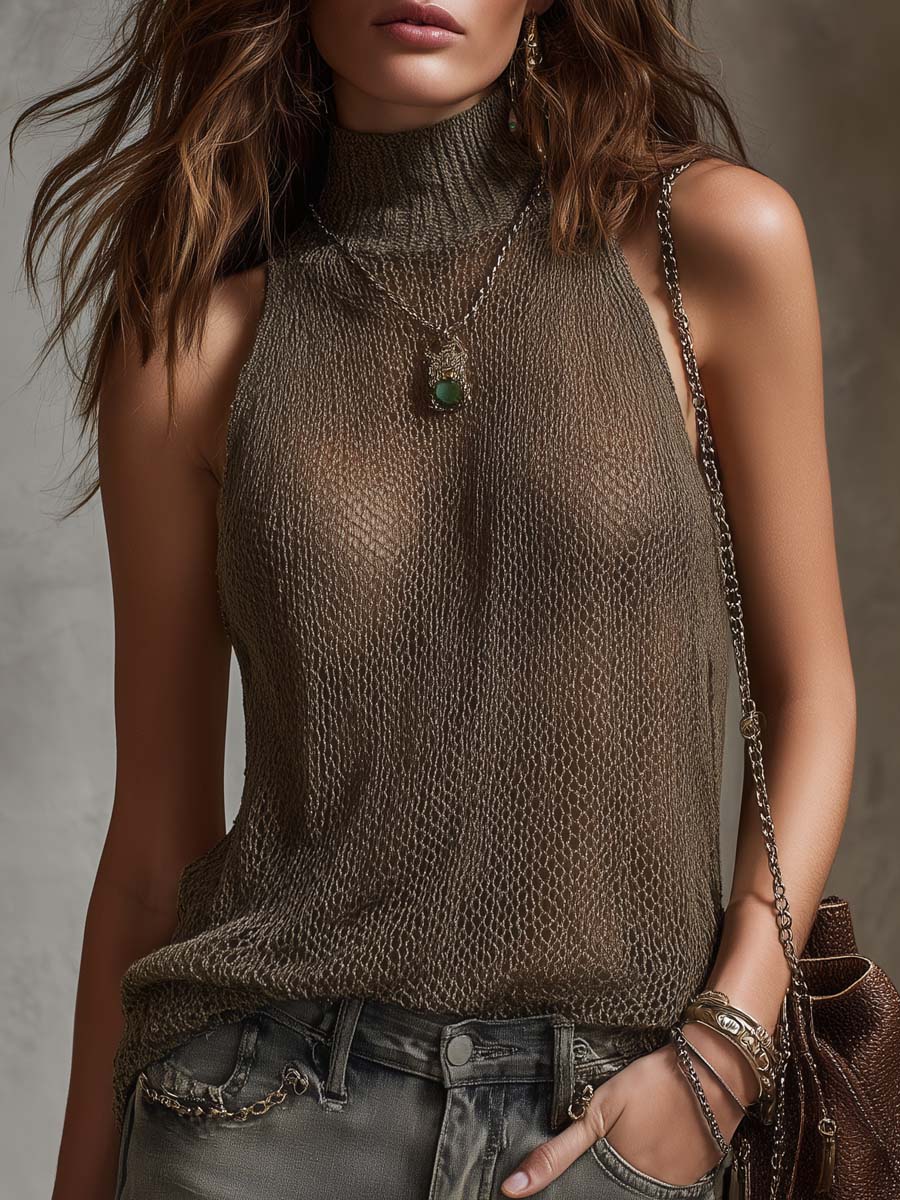
One of the biggest hurdles in buying base layers online is sizing. Many affordable, high-quality knitwear brands use Asian sizing standards, which run significantly smaller than US or EU standards. If you are used to wearing a Medium in US sizing, a Medium in an Asian-sized garment may fit like a Small. When looking at the products recommended in this guide, pay close attention to the size charts. For example, the Retro Turtleneck Knit Tank
🏆 Top pick
Noted that Asian sizing runs 1–2 sizes smaller. If you are between sizes, the general rule is to choose the larger one. This is especially crucial for base layers. You want the layer to fit snugly against your body to trap heat, but not so tight that it restricts circulation or creates pressure points under the costume. If you are unsure, check the specific measurements for chest, waist, and length in centimeters or inches, and compare them to a garment you already own that fits well.
Allow for a 2–3 cm variance in measurements due to manual measurement differences. This is standard for hand-knitted or small-batch production items. If your costume is particularly tight, consider sizing up in the base layer to ensure you can move freely. Conversely, if the costume is loose, you can size down to maximize the insulating effect by reducing the air gap between the base layer and the costume.
Material Selection for October Weather
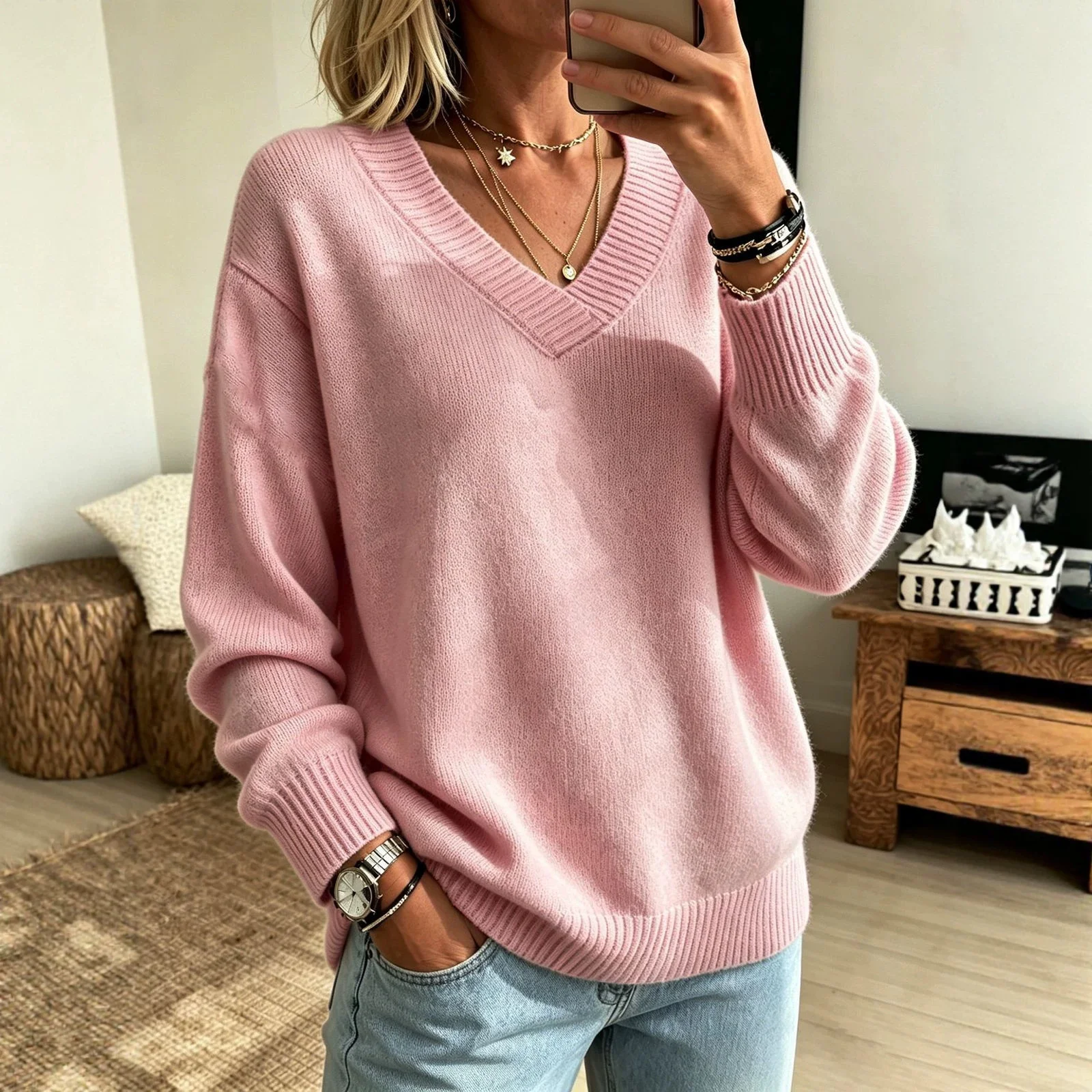
October weather is unpredictable. It can be crisp and cool in the morning, mild in the afternoon, and chilly at night. Your base layer material should reflect this variability. Pure wool is excellent for warmth but can be itchy against the skin, especially under a costume that you cannot easily remove. Acrylic blends are often used for their affordability and ease of care, but they may not breathe as well as natural fibers. Polyester is a common material in modern base layers, such as the Everyday Casual Springautumn V-neck Sweater
⭐ Editor's pick
Which is made from polyester fiber. Polyester is hydrophobic, meaning it does not absorb water. This is a significant advantage for costume wear. If you sweat, polyester moves the moisture to the surface where it can evaporate, keeping you drier than cotton, which retains moisture and can feel clammy. However, polyester can retain odors more easily than natural fibers, so having a spare base layer for long events is a smart strategy.
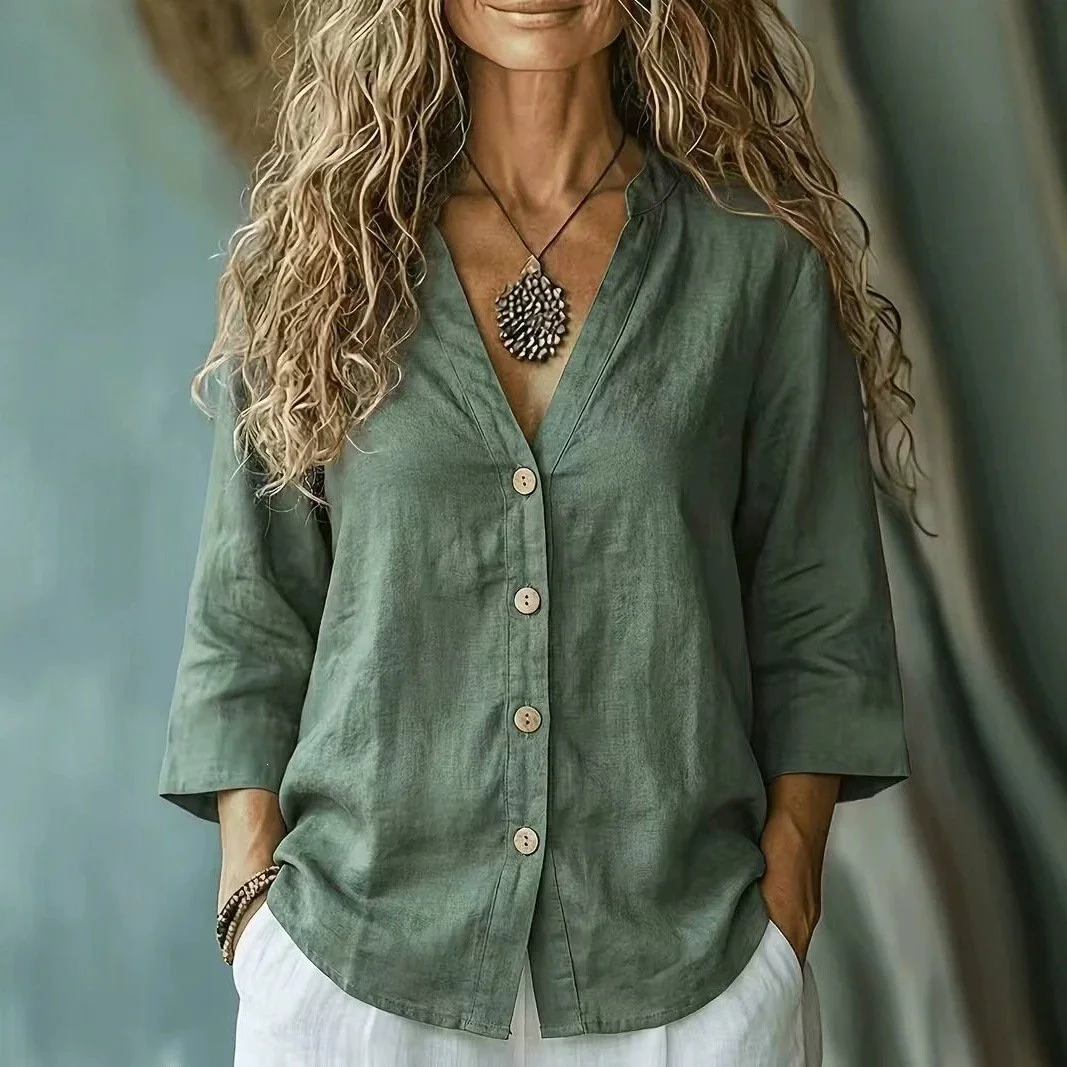
For those who prefer natural fibers, look for blends that include merino wool or bamboo viscose. These materials are softer and more breathable. If you choose a linen-based shirt, such as the Loose-fit Linen V-neck Shirt for Women
⭐ Editor's pick
Be aware that linen is highly breathable but provides minimal insulation. It is best used as a mid-layer in milder temperatures or over a thin thermal base in colder weather. The key is to match the material to the expected temperature range. If it is above 50°F (10°C), a single thin layer may suffice. If it drops below 40°F (4°C), you will need a more insulating knit or a dual-layer system.
Fit and Silhouette Considerations
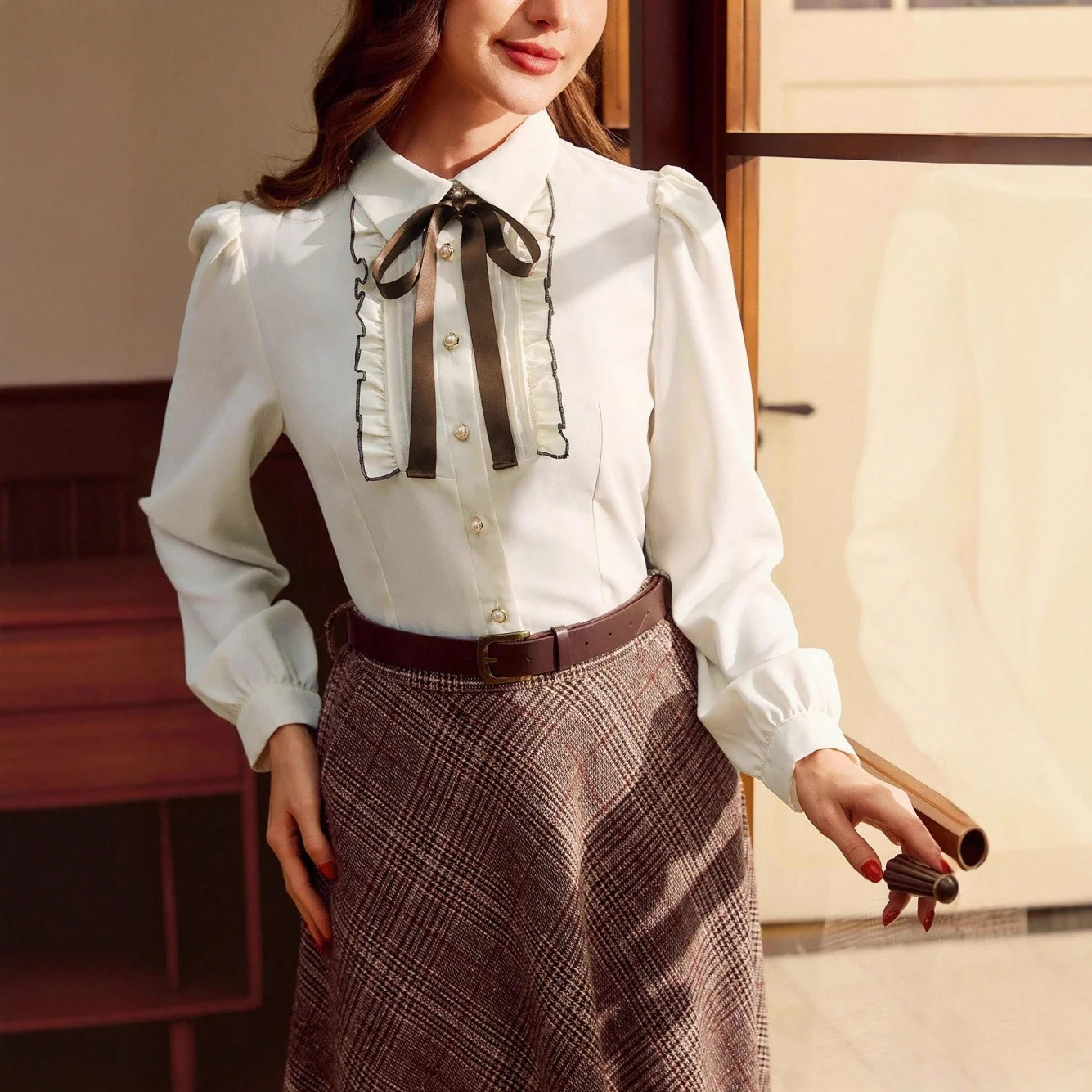
The fit of your base layer determines how your costume will look. A loose base layer adds volume, which can make a fitted costume look distorted. A base layer that is too tight can leave visible lines and create discomfort. Aim for a "second skin" fit for the innermost layer. This means the fabric should lie flat against your body without pulling at the seams. For women with larger busts, a base layer with a structured neckline or a defined waist can help prevent the costume from gaping or pulling. The Elegant Contrast-Color Defined-Waist Shirt For Women
⭐ Editor's pick
Offers a defined waist, which can be useful for costumes that have a fitted bodice. This type of shirt helps create a smooth line under the costume, preventing bunching.
When trying on your base layer, move your arms, bend over, and sit down. If you feel any restriction, the layer is too tight. Remember that you will be wearing this for several hours, possibly while dancing, walking, or standing. Comfort is not a luxury; it is a necessity for enjoying your night out.
Recommended Base Layers and Accessories
Here are specific products that serve well as base layers for Halloween costumes. Each has been selected for its ability to provide warmth and comfort without adding excessive bulk.1. Retro Turtleneck Knit Tank
Retro Turtleneck Knit Tank This is a sleeveless knit top with a high neck. It provides excellent coverage for the torso and neckline, making it ideal for costumes with open backs or low necklines. The knit material offers moderate insulation, making it suitable for cool October evenings. Best for Women wearing costumes with exposed shoulders or backs who need torso warmth without arm bulk.- Provides high-neck coverage to prevent chills in the neck area.
- Lightweight enough to wear under fitted dresses without adding significant volume.
- Limitation: Asian sizing runs 1–2 sizes smaller; check the size chart carefully to avoid a too-tight fit.
2. Everyday Casual Springautumn V-neck Sweater
Everyday Casual Springautumn V-neck Sweater This is a mid-length, loose-fit sweater made from polyester fiber. The V-neck design allows it to be layered under collared shirts or high-neck costumes without bunching at the throat. The loose fit ensures that it does not restrict movement, making it a versatile option for various costume types. Best for Women who need a full-sleeve base layer under bulky or loose-fitting costumes where arm mobility is important.- Polyester material wicks moisture, keeping you dry if you sweat.
- Loose fit allows for easy movement and layering over other thin items.
- Limitation: Polyester can retain odors; wash after use or have a backup layer for long events.
3. Elegant Contrast-Color Defined-Waist Shirt For Women
Elegant Contrast-Color Defined-Waist Shirt For Women This shirt features a defined waist, which helps create a smooth silhouette under fitted costumes. The contrast color detail can be hidden under the costume or used as a subtle accent if the costume has a cutout. It is a structured piece that helps organize the layers underneath. Best for Women wearing fitted bodices or corset-style costumes who need a smooth, non-bunching base.- Defined waist helps prevent fabric bunching under tight costumes.
- Structured fit provides a clean line under the outer garment.
- Limitation: Detailed specs are not available; check the size chart and fabric composition before ordering to ensure compatibility with your costume.
4. Loose-fit Linen V-neck Shirt for Women
Loose-fit Linen V-neck Shirt for Women Made from breathable polyester fabric (despite the linen name in the title, the facts state polyester), this shirt is designed for all-day comfort. The V-neck allows for easy layering, and the loose fit ensures that it does not add bulk. It is a lightweight option for milder temperatures. Best for Women in milder October climates or those wearing costumes that generate their own heat (e.g., thick wool coats) who need a breathable mid-layer.- Highly breathable fabric helps regulate temperature in variable weather.
- Lightweight and easy to pack if you need to remove it later.
- Limitation: Provides minimal insulation; not suitable for sub-freezing temperatures without additional layers.
5. Retro Camouflage Baseball Cap for Women
Retro Camouflage Baseball Cap for Women
⭐ Editor's pick
While not a sweater, headwear is a critical part of staying warm. This adjustable, windproof cap helps retain heat around the head, which is a significant source of heat loss. The camouflage design can be hidden under a hood or headpiece of the costume.
Best for Women wearing costumes with hoods or headpieces who need extra warmth under the hood.
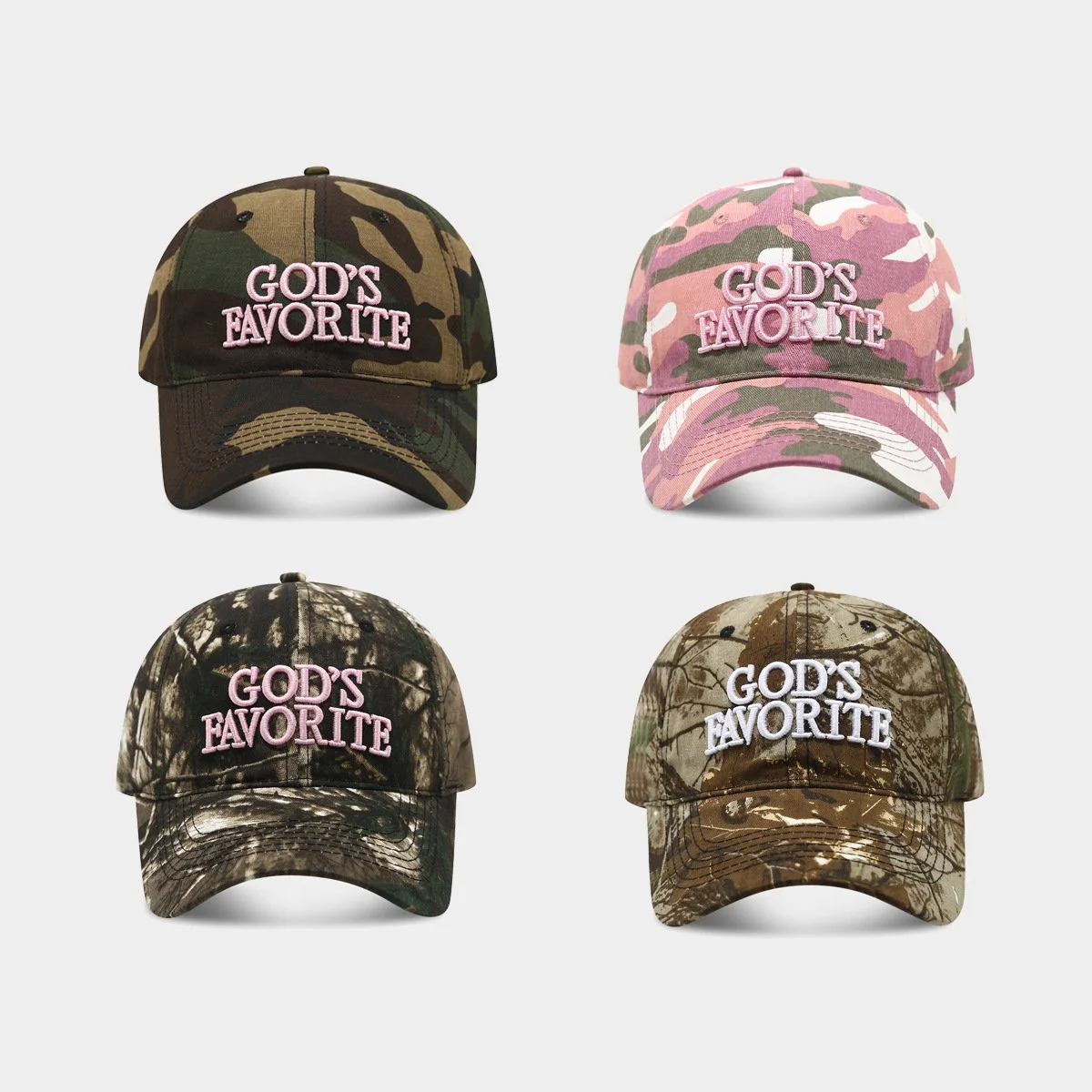
- Windproof design helps block cold gusts in outdoor settings.
- Adjustable fit ensures a secure hold under hoods or hats.
- Limitation: May not be compatible with costumes that have tight-fitting headgear or elaborate wigs.
6. Warm Winter Hat
Warm Winter Hat
⭐ Editor's pick
This woolen yarn braided hat provides substantial warmth. It is ideal for colder nights or for costumes that do not cover the head. The wool material traps heat effectively, keeping your head warm in chilly conditions.
Best for Women in colder regions or those wearing costumes with exposed heads on cold nights.
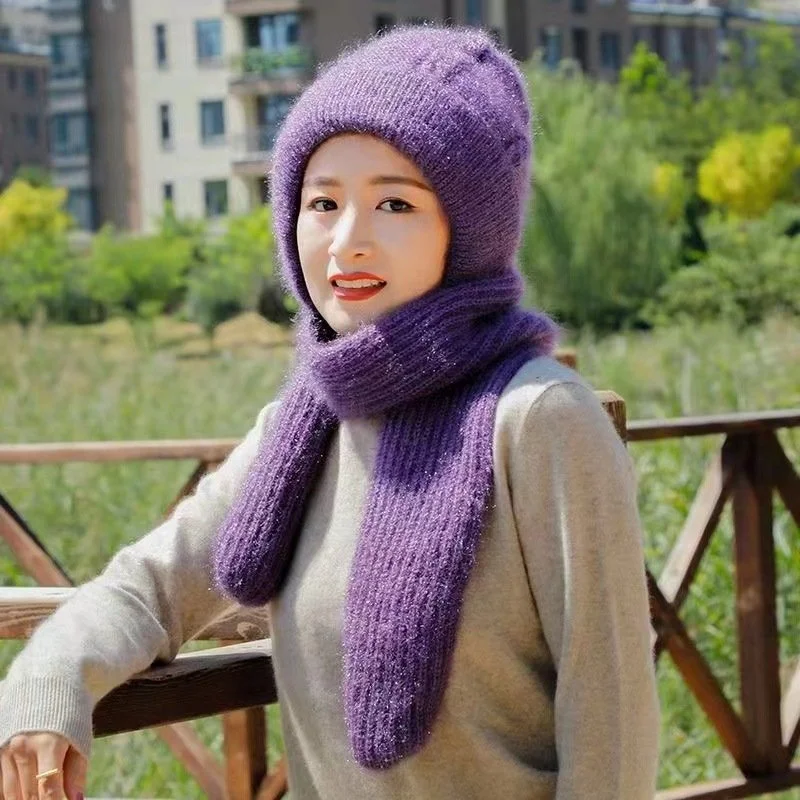
- Wool material provides excellent insulation in cold weather.
- Soft texture is comfortable against the skin.
- Limitation: May be too bulky for costumes with tight headbands or hats; check clearance.
Comparison of Base Layer Options
The following table compares the recommended products based on key attributes relevant to costume layering.| Product | Price | Type/Material | Options Available | Best For |
|---|---|---|---|---|
| Retro Turtleneck Knit Tank | $159.96 | Knit (Material not specified in facts) | 1 option (Olive Green-XS) | Costumes with open backs/necklines; torso warmth. |
| Everyday Casual Springautumn V-neck Sweater | $33.32 | Polyester fiber | 72 options (Color-Size) | Full-sleeve base layer; moisture-wicking needs. |
| Elegant Contrast-Color Defined-Waist Shirt | $31.16 | Not specified | Not specified | Fitted bodices; smooth silhouette under tight costumes. |
| Loose-fit Linen V-neck Shirt | $17.44 | Polyester fabric (Linen name) | 20 options (Color-Size) | Mild weather; breathable mid-layer. |
| Retro Camouflage Baseball Cap | $9.84 | Not specified | 4 options (Adjustable) | Under hoods/headpieces; wind protection. |
| Warm Winter Hat | $5.8 | Wool material | 7 options (Color) | Cold nights; exposed head costumes. |
Common Mistakes to Avoid
Even with the right products, improper layering can lead to discomfort. Here are the most common errors women make when preparing for a Halloween costume.Ignoring Sizing Differences
As mentioned, Asian sizing is smaller than US sizing. Many women order their usual size and find the garment too tight. This is particularly problematic for base layers, which need to fit snugly but not restrictively. Always check the specific measurements in the product description. If the product lists chest and waist measurements, compare them to a garment you own. If you are between sizes, size up. A base layer that is too tight will dig into your skin and restrict breathing, especially when layered under a bulky costume.Using Cotton as the Innermost Layer
Cotton is a popular fabric for everyday wear, but it is a poor choice for the innermost layer of a costume. Cotton absorbs moisture and holds it against your skin. If you sweat, cotton will stay wet, leading to a chilling effect. Instead, use synthetic fibers like polyester or natural insulators like merino wool that wick moisture away from the skin. This keeps you dry and warm, even if you are active.Adding Too Many Bulk Layers
The temptation to layer multiple thick sweaters can ruin the fit of your costume. Each layer adds volume, which can cause the costume to pull, wrinkle, or become difficult to move in. Stick to one or two thin layers. If you need more warmth, focus on insulating key areas like the neck, hands, and feet rather than adding bulk to the torso. A thin, high-quality base layer is more effective than three thin, low-quality ones.Forgetting Head and Foot Warmth
A significant amount of body heat is lost through the head and feet. Many women focus on the torso and neglect these areas. If your costume does not cover your head, wear a thin beanie or cap underneath. If your costume has open toes or thin shoes, consider wearing warm socks or insoles. These small additions can make a big difference in overall comfort.Not Testing the Full Outfit
Try on your base layer and costume together before the night of the event. Move around, sit, and stretch. Check for any pinching, pulling, or bunching. If the costume is difficult to put on or take off over the base layer, it may be too bulky. Make adjustments to the base layer or the costume if necessary. This test run helps you identify potential issues before they become problems on Halloween night.Care and Styling Tips for Long-Lasting Comfort
Proper care of your base layers ensures they remain comfortable and functional for multiple seasons.Washing and Drying
Always follow the care instructions on the garment tag. For polyester sweaters, machine washing on a gentle cycle with cold water is usually safe. Avoid using hot water, which can shrink synthetic fibers or cause them to deform. Air drying is preferred for knitwear to maintain shape. If you must use a dryer, use a low heat setting and remove the garment while it is still slightly damp to finish drying flat. Wool items, like the Warm Winter Hat Should be hand washed or dry cleaned to prevent felting and shrinking. Use a mild detergent and cold water. Reshape the item and lay it flat to dry. Avoid hanging wet wool, as the weight of the water can stretch the fibers.Storing for Next Year
Shop the story
All products from this guide