It is 5:45 AM outside, and the air has that crisp, cool bite that signals autumn. You stand in front of your closet, torn between the crisp cotton shirt you wore in September and the heavy cardigan you saved for November. The problem with fall commuting is the transition: you need warmth for the walk to the office, but you cannot look like a marshmallow when you sit at your desk. Many women struggle with this because they treat layering as stacking, rather than engineering. This guide breaks down how to build a professional, warm, and stylish rotation using specific blouse and sweater combinations. You will learn which fabrics actually work together, how to handle sizing discrepancies, and how to create five distinct looks from a small number of pieces. By the end, you will have a clear strategy for dressing for the weather without sacrificing your professional image.
Core Principles of Slim Layering
Layering is not about adding more clothes; it is about managing volume and texture. The primary goal for a professional fall commute is to create a silhouette that reads as "put together" rather than "bundled up." This requires understanding how different garments interact with each other. When you combine a blouse and a sweater, you are creating a sandwich. The outer layer (sweater) defines the overall shape, while the inner layer (blouse) adds detail and polish. If both layers are thick and boxy, the result is a rectangle that hides your body shape. If both are too thin, you will be cold and look underdressed. The sweet spot lies in contrast: one structured layer and one fluid layer, or one fitted layer and one relaxed layer.
Volume Distribution
Think of your torso as a cylinder. If the top (sweater) is wide and the bottom (blouse) is also wide, the cylinder expands. To keep your profile slim, you need to taper the volume. A common error is wearing a loose, oversized sweater over a loose, flowy blouse. This creates a "poof" that is difficult to manage. Instead, pair a fitted or semi-fitted sweater with a blouse that has some drape but does not have excessive volume at the hem. Alternatively, wear a structured, slightly boxy sweater over a slim, tucked-in blouse. The key is that at least one layer should be close to the body to anchor the look.
Length Proportions
Length matters more than width in layering. A sweater that is too short will ride up when you sit, exposing the waistband of your blouse or pants. This creates a gap that looks messy and can let in cold air. A sweater that is too long can swallow your legs, making you look shorter. For most petite and average-height women (under 5'7"), a sweater that hits at the upper hip is ideal. It provides coverage without overwhelming the frame. If you choose a longer sweater, look for one that tapers slightly at the hem or has a belt to create a line. This break in the silhouette prevents the outfit from looking like a bag.
Neckline Interplay
The neckline of your blouse is the only part of the inner layer that will be visible. This means it does just as much work as the sweater itself. A high, closed neck on the blouse can look severe under a crew-neck sweater. A low, plunging neckline on the blouse can look unprofessional if the sweater is too open. The safest and most versatile combination is a crew-neck or boat-neck sweater over a blouse with a modest V-neck or a rounded collar that sits just below the sweater's neckline. This creates a clean line at the throat without drawing too much attention. If you prefer a collar, ensure it is slim and structured so it does not bunch up under the knit.
The Fabric Math: Choosing the Right Materials
Fabric weight and texture determine how successfully layers sit on top of each other. Not all knits are created equal, and not all blouses are made for layering. In the fall, you want materials that are warm enough for 45-55 degree temperatures but breathable enough for indoor office heating. The "fabric math" involves balancing the thickness of the outer layer with the drape of the inner layer. If the outer layer is heavy and stiff, the inner layer should be light and fluid to prevent stiffness. If the outer layer is soft and drapey, the inner layer can have a bit more structure to maintain shape.
Outer Layer: The Sweater
For a professional commute, avoid chunky cable knits or heavy wool sweaters. These are too warm for office settings and too bulky to layer over other clothes. Look for fine-gauge knits, such as merino wool, cashmere blends, or high-quality polyester knits. Fine-gauge knits are thin, smooth, and conform to the body. They provide warmth without adding significant volume. A medium-weight knit is ideal. It should feel substantial in your hand but drape over your shoulders without weighing them down. If you are using a synthetic sweater, check the breathability. Some synthetic knits can trap heat, making you sweat in the office. Look for labels that mention moisture-wicking or breathable fibers if you tend to run hot.
Inner Layer: The Blouse
The blouse should be made from a fabric that slides easily under a knit. Stiff cottons can create friction and bunching. Lighter fabrics like silk, satin, or fine polyesters are better for layering. These fabrics have a natural drape that flows over the hips and thighs without creating a lump. If you prefer natural fibers, look for lightweight cotton blends or lyocell. These materials are breathable and resistant to wrinkles. Avoid thick, textured fabrics like tweed or heavy linen for the inner layer, as they add unnecessary volume. The goal is a smooth transition from the sweater to the blouse. The fabric should not create a visible line or ridge at the hem.
Thermal Considerations
Autumn temperatures fluctuate. You may start your day at 50 degrees and end it in a 70-degree office. Layering allows you to adjust to these changes. The combination of a fine-gauge sweater and a lightweight blouse provides a good baseline. If you feel cold, you can add a scarf or a light coat over the sweater. If you feel warm, you can remove the sweater and still look polished in the blouse alone. This versatility is the key to a functional fall wardrobe. Choose pieces that work independently as well as together. The blouse should look complete on its own, and the sweater should look intentional when worn without a layer underneath. This ensures you are not stuck wearing a full ensemble when a single piece would suffice.
Sizing and Fit: Avoiding the Bulge
Sizing is the most common reason layering fails. Many women buy sweaters and blouses in the same size, assuming they will fit together. However, different garments have different fits, and layering requires intentional sizing adjustments. The general rule is to size down in the outer layer if it is fitted, and size up in the inner layer if it is relaxed. However, this is not a one-size-fits-all rule. You must consider the specific cut of each garment. A sweater with a relaxed, boxy cut can be worn in your usual size over a fitted blouse. A sweater with a slim, body-hugging cut requires a blouse that is also slim to avoid tightness. Here is how to approach sizing for each piece.
Sweater Sizing
Check the fit of the sweater at the shoulders. The shoulder seam should fall exactly on the crease of your shoulder. If it falls off the shoulder, the sweater is too large and will look sloppy. If it pulls across the back, it is too small and will restrict movement. For layering, you want a sweater that is true to size or slightly relaxed in the body. You do not need extra room in the sleeves, as the blouse sleeves will add volume there. If the sweater is too tight in the arms, you will feel constricted when you type or reach for things. A medium-length sweater (hitting at the hip) is the safest bet. It provides coverage without being overly long. If you are between sizes, choose the larger size for a relaxed fit, or the smaller size for a more tailored look, depending on the cut of the blouse you plan to wear underneath.
Blouse Sizing
The blouse should fit close to the body but not be skin-tight. It needs to be slim enough to disappear under the sweater. If the blouse is too loose, it will create a bulky layer at the waist and hips. If it is too tight, it will show through the sweater and look unprofessional. Look for a blouse with a defined waist or a straight cut that follows the body. Avoid blouses with ruffles, lace, or heavy embellishments, as these add volume and texture that can be difficult to manage. The sleeves should be long enough to stay put when you move, but not so long that they bunch up at the wrists. A slim fit blouse is the foundation of a sleek layered look. It provides a clean base that allows the sweater to take center stage.
Handling Asian Sizing
Many affordable blouses and sweaters are manufactured in Asia, where sizing runs smaller than US/EU standards. This is a critical detail to check before purchasing. If you are buying a blouse or sweater from an Asian brand, you should typically size up one or two sizes to achieve a US fit. For example, if you usually wear a US Medium, you may need to order a Large or XL in an Asian-sized garment. Always check the specific size chart for each item, as variations can occur between manufacturers. Measure your bust, waist, and hips, and compare them to the garment's measurements. Allow for 2-3 cm of variance due to manual measurement. If you are between sizes, always choose the larger size to ensure comfort and proper layering. A garment that is too small will not layer well, as it will stretch and distort. A garment that is slightly larger can be belted or tucked, giving you more styling options.
Product Comparison: Blouses and Sweaters
Below is a comparison of specific products that fit the criteria for effective fall layering. These items offer a range of styles, fabrics, and price points to help you build a versatile wardrobe. Note that prices and availability can change, so always verify current details before purchasing.
| Product | Price | Type/Material | Key Features | Best For |
|---|---|---|---|---|
|
Fashion Lantern Sleeve Button Splicing Shirt |
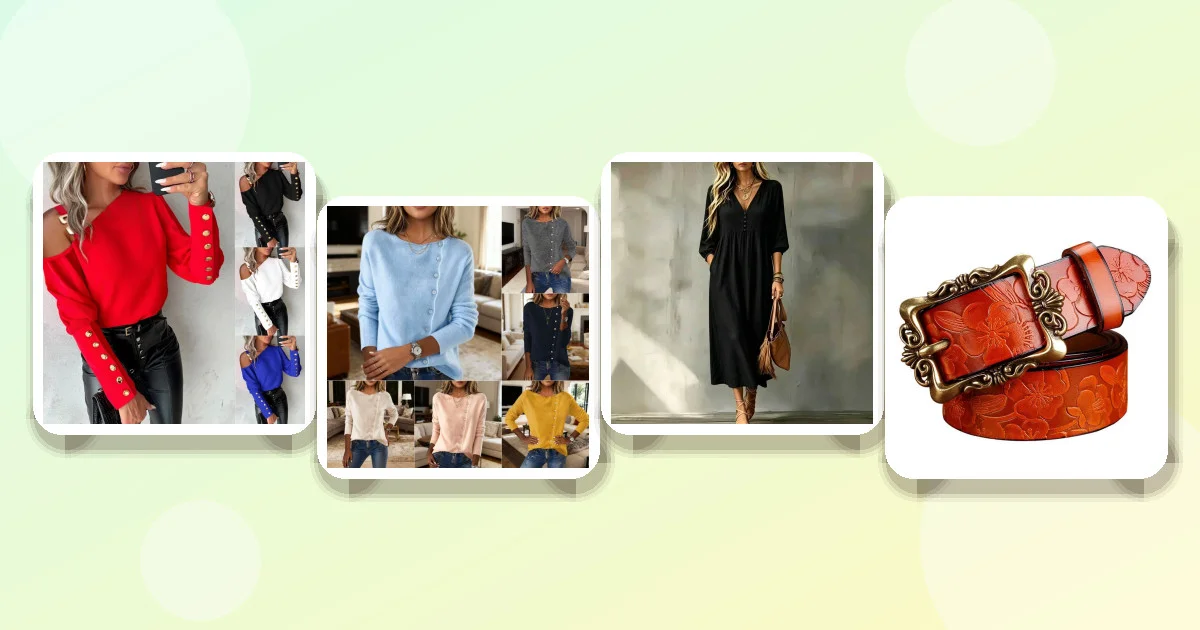
$18.12 | Blouse (Material not specified) | Lantern sleeves, O-neck, elegant office style | Adding visual interest with sleeve volume |
|
Elegant Round Neck Long Sleeve Button Sweater |
$25.88 | Sweater (Polyester) | Round neck, long sleeve, 30 color/size options | Neutral base layer for multiple colors |
|
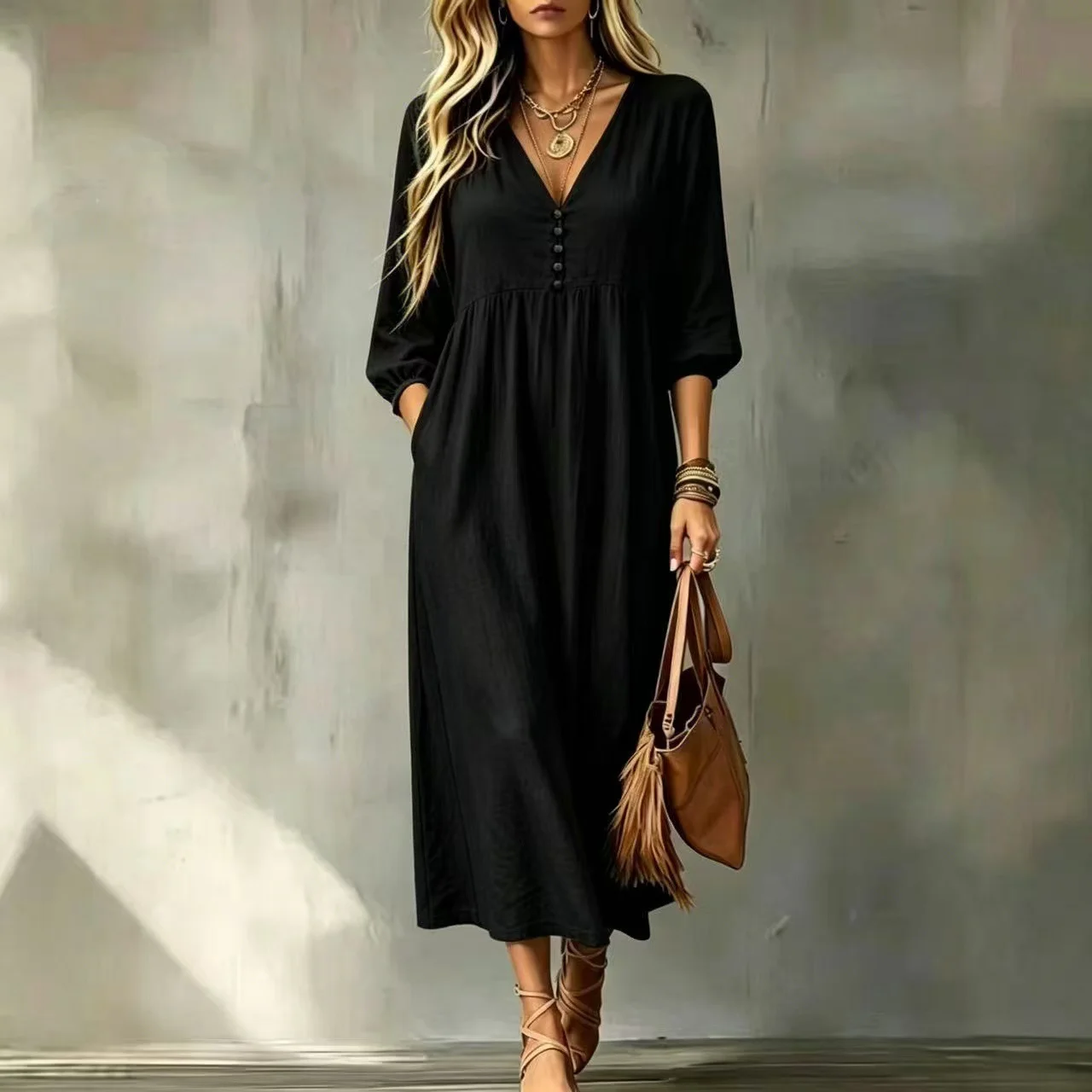
Women's V-neck Button Down Casual Dress |
$23.88 | Dress (Polyester) | V-neck, short sleeve, midi length, elegant commute style | Wearing as a blouse layer or standalone |
|
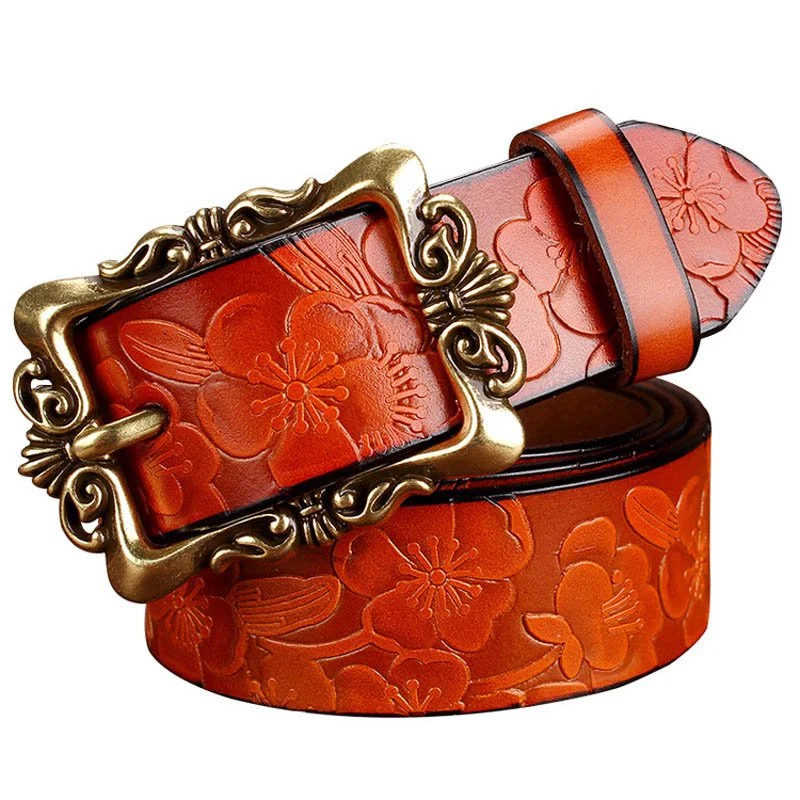
Elegant Women's Belt for Daily Wear
⭐ Editor's pick
|
$13.44 | Belt (Cowhide, Alloy Buckle) | Single-turn design, patent leather technology, 25 options | Defining the waist on loose sweaters |
|
Cozy Fall-Winter Loose-Fitting Blouse
⭐ Editor's pick
|
$20.76 | Blouse (Polyvinyl Alcohol Fiber) | Princess sleeves, relaxed fit, red color | Statement layer with unique fabric |
|
Casual and Elegant Crew-neck Long-sleeve Sweater Dress
⭐ Editor's pick
|
$31.44 | Sweater Dress (Polyester) | Crew neck, mid-length, solid color, 48 options | One-piece layered look with tights |
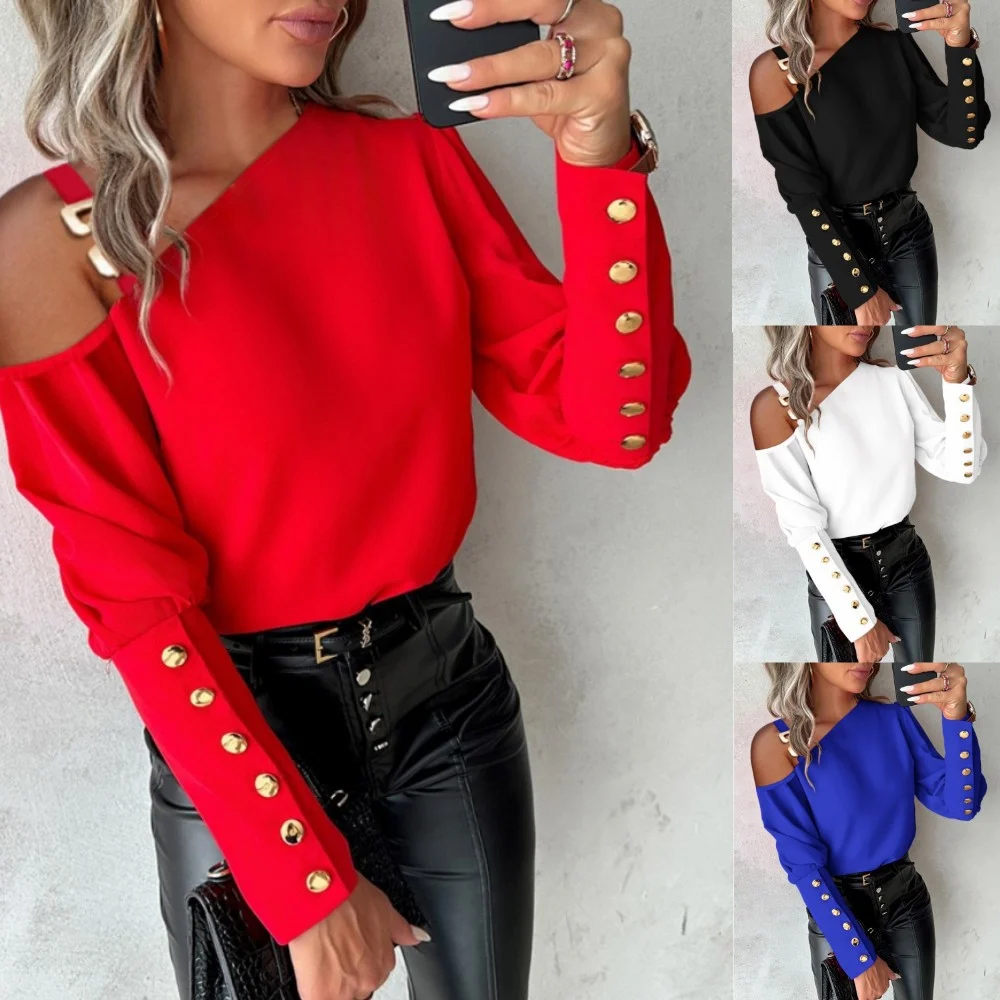
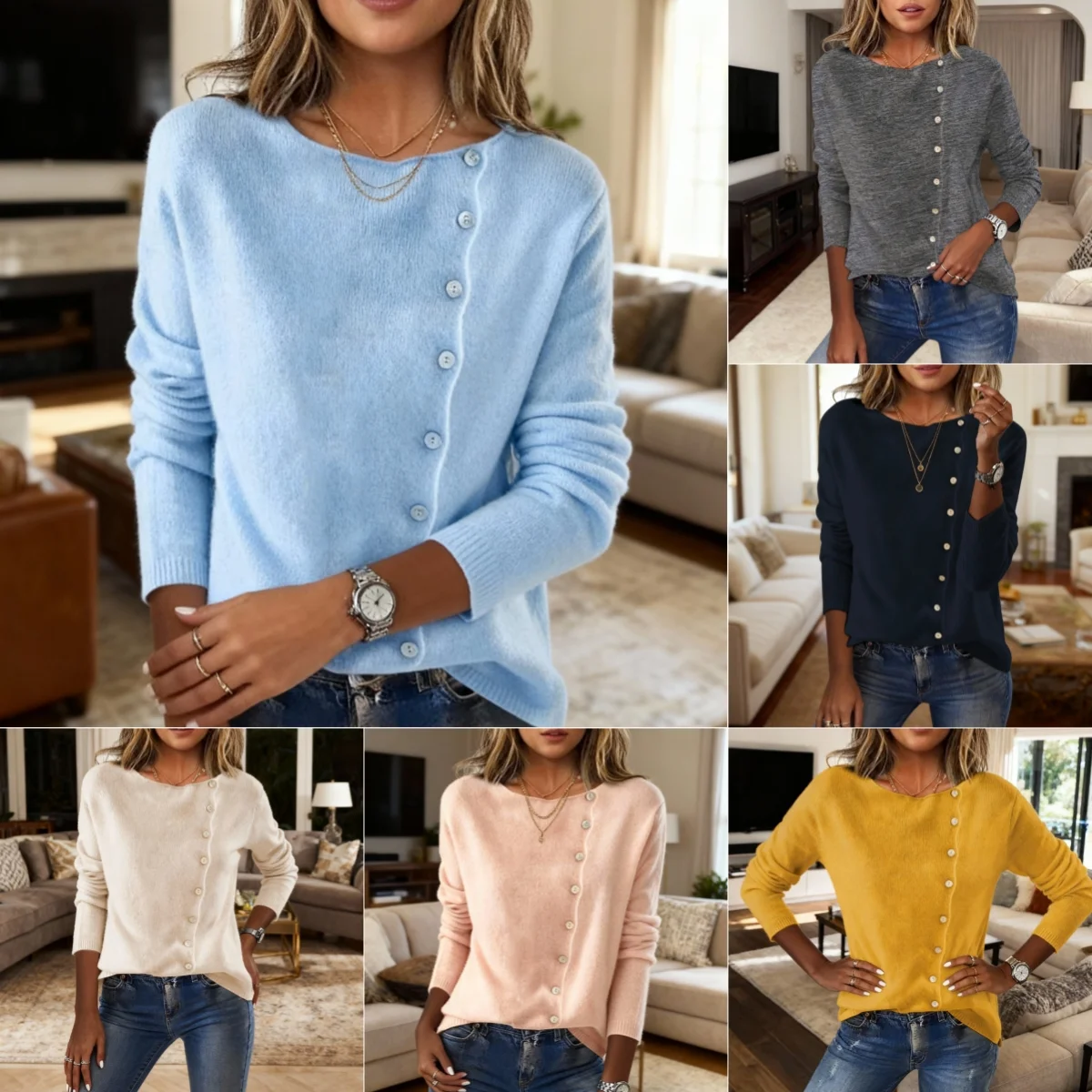
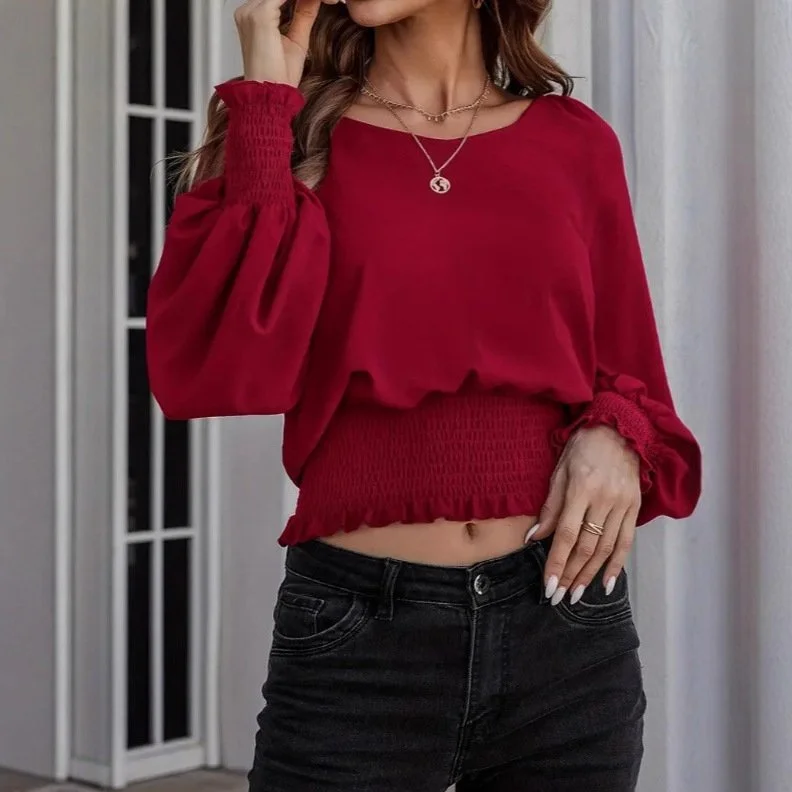
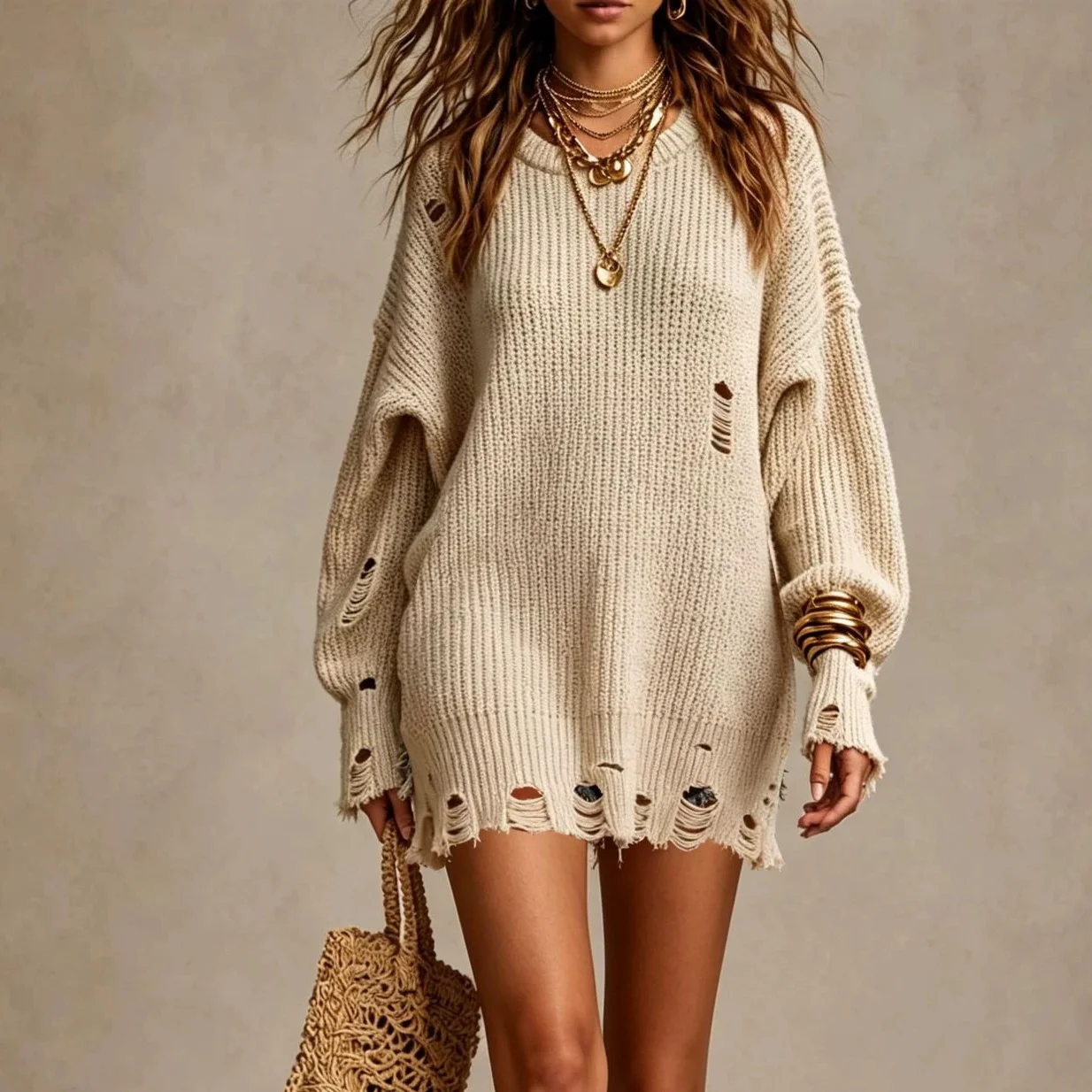
When selecting from these options, consider how they interact. The Fashion Lantern Sleeve Button Splicing Shirt Is a great choice if you want to add volume at the sleeves. The lantern sleeve design creates a dramatic effect that can balance a fitted sweater. However, because the sleeves are voluminous, you may need to ensure the sweater sleeves are not too tight. The Elegant Round Neck Long Sleeve Button Sweater Is a versatile staple. With 30 color and size options, you can find a neutral shade that pairs well with multiple blouses. The polyester material is durable and easy to care for, making it a practical choice for daily wear. Note that Asian sizing runs 1-2 sizes smaller, so size up if you are between sizes.
The Women's V-neck Button Down Casual Dress Can be worn as a layer. The short sleeves make it ideal for layering under a long-sleeve sweater. The V-neckline creates a clean line at the throat, and the midi length allows it to be tucked or left untucked depending on the sweater length. The polyester fiber is smooth and resistant to wrinkling, which is helpful for commuting. The Elegant Women's Belt for Daily Wear Is an essential accessory for layering. Made from high-quality cowhide, it adds structure to loose sweaters. The alloy buckle and patent leather technology ensure durability. Use this belt to cinch the waist of a boxy sweater, creating a defined silhouette. The Cozy Fall-Winter Loose-Fitting Blouse Offers a unique fabric option. The polyvinyl alcohol fiber provides a soft, comfortable feel. The princess sleeves and relaxed fit make it a statement piece. This blouse works well under a fitted sweater to create contrast in volume. Finally, the Casual and Elegant Crew-neck Long-sleeve Sweater Dress Is a one-piece solution. The mid-length cut and solid color make it easy to pair with tights and boots. The polyester fiber is easy to care for, and the 48 color and size options provide flexibility. This dress can be worn alone or with a light coat for added warmth.
Five Outfit Formulas for the Work Week
Having a set of reliable formulas helps you dress quickly in the morning. Here are five specific combinations that use the principles of fabric, fit, and color to create a polished look.
Monday: The Classic Professional
Start the week with a clean, neutral look. Pair a white or light gray blouse with a charcoal gray sweater. Choose a slim-fit blouse with a modest neckline. The sweater should be fine-gauge and hit at the hip. Tuck the blouse into tailored trousers or a pencil skirt. Add a belt if the sweater is boxy. This look is safe, professional, and easy to adjust for temperature changes. The neutral palette ensures you can add a pop of color with accessories or a coat.
Tuesday: The Textured Contrast
Introduce texture to break the monotony. Wear a smooth, satin-like blouse under a slightly textured knit sweater. The contrast between the shiny inner layer and the matte outer layer adds visual interest. Choose a blouse with a subtle detail, such as a lace collar or a button-down front. The sweater should be a solid color to let the blouse detail shine. This look is more sophisticated and suitable for client meetings. Ensure the blouse is tucked in to maintain a clean line.
Wednesday: The Bold Accent
Use a colored blouse to add interest to a neutral sweater. A red or blue blouse under a cream or gray sweater creates a striking effect. Choose a blouse with a vibrant color but a simple silhouette. The sweater should be fitted to accommodate the color. This look is confident and memorable. It works well for mid-week when you need a boost of energy. Pair with black or navy trousers to ground the look.
Thursday: The Relaxed Chic
Opt for a looser fit on both layers. A relaxed-fit blouse under a boxy sweater creates a comfortable, modern look. This style is less formal and works well for casual Fridays or creative offices. Choose a blouse with a unique sleeve, such as lantern or puff sleeves, to add volume. The sweater should be long enough to cover the blouse hem. This look is effortless and stylish. Add a belt to define the waist if desired.