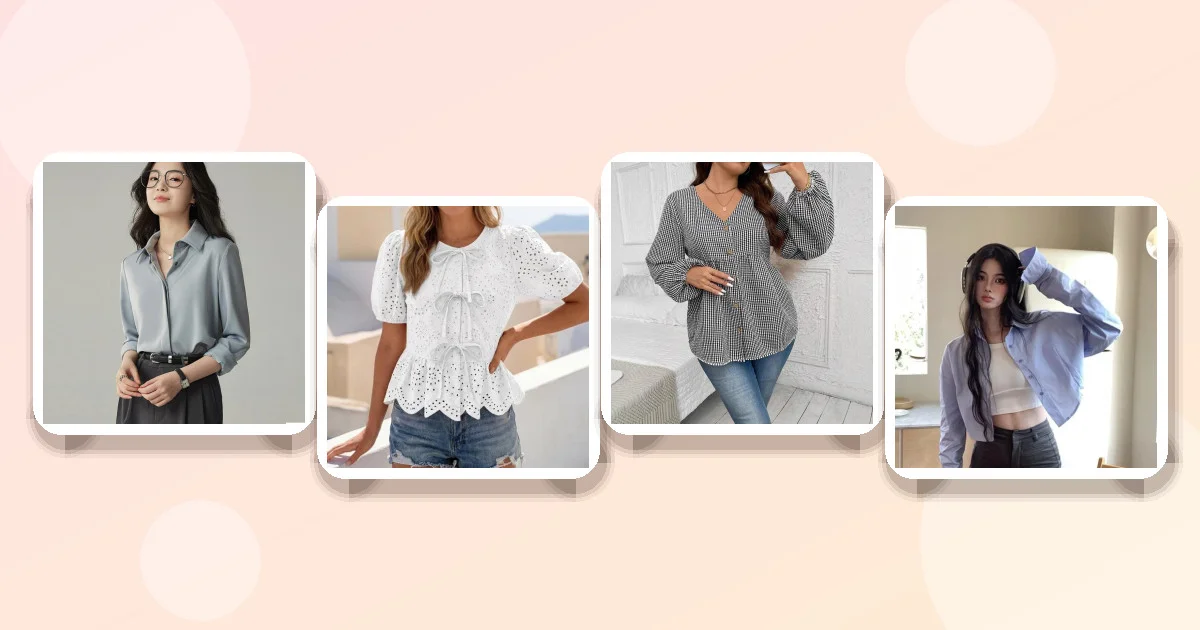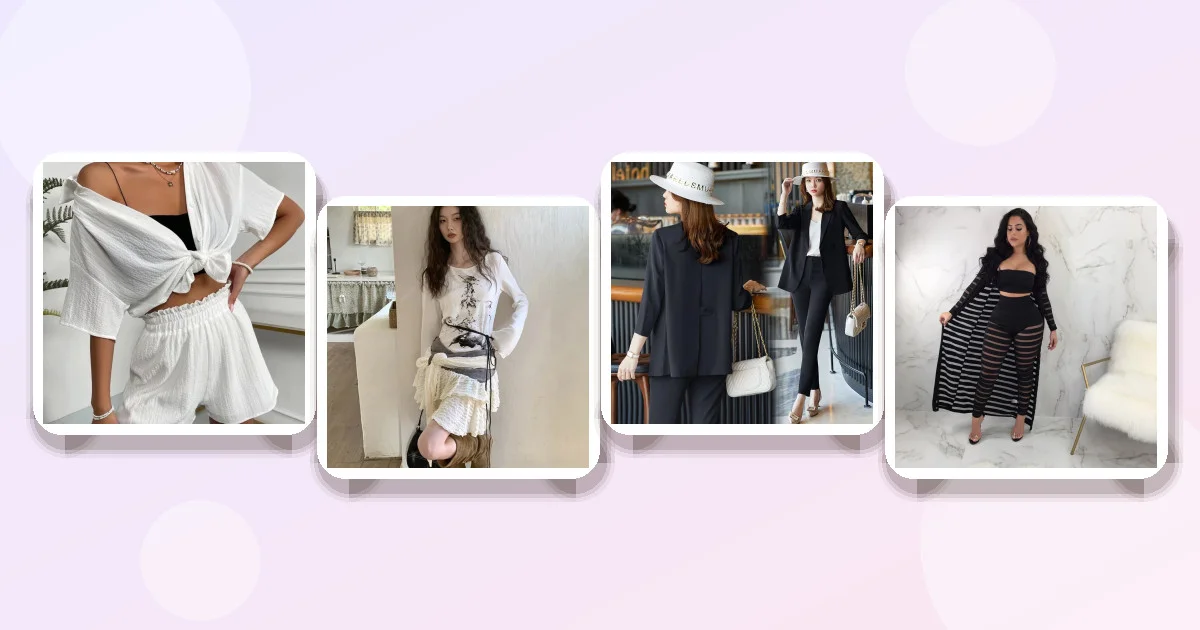
You know the feeling: you’re cold, so you grab a sweater, but then you look in the mirror and feel like you’ve swallowed a pillow. For women wearing sizes 14-24, the fear of looking "swollen" often leads to under-dressing or hiding in ill-fitting, baggy layers that obscure your actual shape. The goal isn't to shrink your body, but to frame it. This guide cuts through the generic advice to give you specific, actionable layering formulas. You will learn how to choose the right fit, which fabrics actually work for layering, and exactly how to combine tops to create a chic, professional, or casual look that respects your curves.
Understanding Proportions for Curvy Bodies
Before you pick up a single garment, you need to understand how the eye moves across your body. In plus-size styling, the biggest enemy is horizontal interruption. When you layer two bulky items at the same width, you create a "box" effect. The solution is contrast in silhouette. If your top is loose, your bottom should be fitted or have a clear line. If your top is fitted, your bottom can be relaxed. This balance prevents the outfit from looking like a tent.
The Power of Vertical Lines
Vertical elements elongate the torso and create a smoother visual line. This doesn't just mean wearing stripes; it refers to the cut of the garment. A cardigan that falls straight down from the shoulder, rather than flaring out at the hips, creates a long, clean line. Similarly, a turtleneck that tucks cleanly into high-waisted pants draws the eye up and down, rather than across the midsection. When layering, try to keep at least one vertical element uninterrupted by a belt or a bulky pocket.
Defining the Waist
Many women skip defining the waist because they think it draws attention to their midsection. In reality, an undefined waist makes the torso look longer and wider, which can obscure the curve of your hips. You don't need to cinch tightly. A soft definition, such as a peplum hem, a slightly tapered sweater hem, or a cardigan that is open at the front, creates a "V" shape or an hourglass hint. This anchors the outfit and gives the layering structure. If you wear a bulky sweater, ensure it has a hem that ends at the narrowest part of your waist or just below the hip, rather than in the middle of the belly.
Shoulder Structure
Shoulders are the anchor of any outfit. If your shoulders are broad, avoid cardigans with thick, structured shoulders that add more width. Instead, look for raglan sleeves or softer shoulder seams that drape. If your shoulders are narrow, a slightly structured shoulder can balance a wider bottom. The key is to match the shoulder width of the layer to the shoulder width of your body. If the layer is too wide, it makes your arms look thinner and your torso look larger. If it is too tight, it pulls and creates horizontal wrinkles. Aim for a fit where the shoulder seam sits exactly on the edge of your shoulder bone.
How to Choose the Right Fit and Fabric
Fit is more important than style when it comes to layering. A beautiful sweater that fits poorly will ruin the entire outfit. For plus-size women, the fit needs to be intentional. You are looking for "clean" fabric that drapes over your body without clinging or ballooning.
Reading the Size Chart
Never buy a layering piece based on your usual size alone. Always check the specific garment's measurements. For a top intended to be worn under a sweater, you need a size that skims your body. If the garment is too tight, the sweater will pull at the chest and underarms, creating unflattering wrinkles. If it is too loose, it will bunch up and add bulk. When in between sizes for a base layer, size down for a smoother finish, but only if the fabric has stretch. For outer layers, size up if you plan to wear thicker base layers underneath. Check the chest, waist, and hip measurements against your own body. A 1-2 inch ease (difference between your measurement and the garment measurement) is ideal for base layers. For outer layers, 4-6 inches of ease is usually comfortable and stylish.
Fabric Weight and Drape
Thin, flimsy fabrics are the enemy of layering. They cling to every curve and show the outline of the layer underneath, which can look messy. You want fabrics with some weight and structure. Look for:
- Mid-weight knits: Cotton blends or wool blends that hold their shape but have enough drape to fall smoothly.
- Structured fabrics: Twill, denim, or heavy jersey that maintains a defined silhouette.
- Textured knits: Cable knits or ribbing that adds visual interest without adding physical bulk.
Neckline Considerations
The neckline of your base layer affects how the outer layer sits. A high neckline (turtleneck or mock neck) under a V-neck sweater can look layered and sophisticated, but ensure the turtleneck is slim-fitting so it doesn't create a "double chin" effect. A crew neck under a crew neck can look boxy; in this case, try tucking one in or wearing the outer layer open. A scoop neck under a V-neck is a safe, clean combination. If you are wearing a cardigan, the neckline of the top underneath is very visible. Choose a top with a clean, simple neckline to avoid visual clutter.
Five Specific Layering Formulas
Here are five proven ways to combine tops to create a balanced, chic look. These formulas work for both professional and casual settings.
Formula 1: The Open Cardigan Over a Fitted Dress
This is the most reliable way to add warmth without adding bulk. The key is to wear a cardigan that is long enough to cover your hips but not so long that it swallows your legs. Wear it open, buttoned only at the top or not at all. Underneath, wear a fitted dress or a blouse tucked into high-waisted trousers. The open cardigan creates a long vertical line down the center of your body, which is slimming. The fitted bottom half anchors the look. This works well for work because it looks polished and intentional. If you are using a knit top as the base, a Womens Fashionable Hollow-Out Plus-Size Short-Sleeve Knitted Top Can serve as a lightweight, breathable base layer that adds texture without weight.

- Pro: Creates a strong vertical line that elongates the torso.
- Pro: Easy to adjust for comfort throughout the day.
- Con: Requires a well-fitted base layer to avoid looking sloppy.
Formula 2: The Tucked Blouse Under an Oversized Sweater
Oversized sweaters are trendy, but they can make you look larger. The trick is to balance the volume on top with a defined waist below. Tuck a blouse or a fitted top into high-waisted trousers or a skirt. Let the sweater hang loosely over your hips. This creates a "top-heavy" look that is actually balanced because the waist is defined. Choose a sweater with a hem that falls just below the hip, not at the mid-thigh. This keeps the proportions correct. For a casual twist, pair this with wide-leg pants to create a relaxed, chic silhouette. The Relaxed Fit Denim Printing Pants Offer a high-waist, wide-leg design that pairs perfectly with this formula, providing the necessary structure at the waist while keeping the bottom half comfortable and flowing.
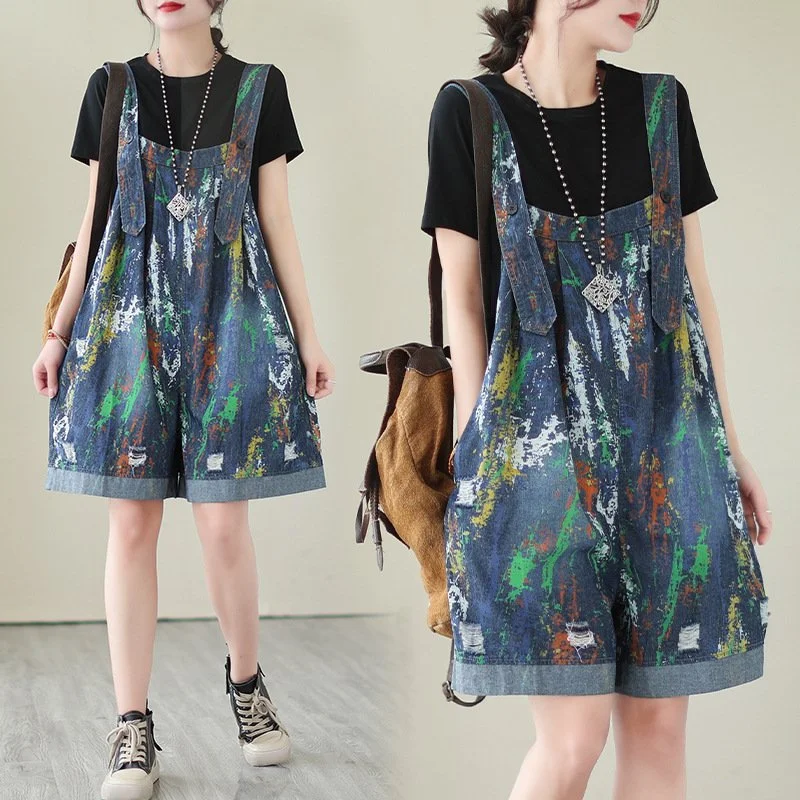
- Pro: High waist design defines the waistline, balancing the oversized top.
- Pro: Wide leg design elongates the legs and adds movement.
- Con: Manual measurements may vary by 2-3cm, so check the size chart carefully.
Formula 3: The Slip Dress Under a Chunky Knit
While slip dresses are often associated with lighter seasons, they work beautifully as a base layer in fall if made from a heavier fabric. The smooth, thin fabric of a slip dress glides under a chunky knit sweater, creating a contrast in texture. This looks sophisticated and avoids the bulk of wearing a thick turtleneck underneath. Wear the sweater with the hem untucked, falling just below the hip. This formula works well for evenings or when you want a more dressed-up look. If you are looking for a base layer that offers a bit of style and comfort, consider a simple, fitted top that can be tucked in. The Retro Artistic 2-piece Set: Printed T-shirt & High Waist Short Skirt Includes a printed knitted t-shirt that, while part of a set, demonstrates the type of relaxed-fit cotton fabric that works well as a base layer if separated or worn similarly.

- Pro: Cotton fabric is comfortable and breathable.
- Pro: High-waisted skirt defines the waistline effectively.
- Con: Asian sizes run smaller, so you must check the specific size chart for accurate fit.
Formula 4: The Structured Jumpsuit Under a Trench or Coat
If you want to minimize the decision-making process, a jumpsuit is an excellent base layer. It provides a single, continuous line from shoulder to ankle. When you add a coat or a long cardigan over it, the silhouette remains clean. Look for jumpsuits with a defined waist or a belt to prevent the fabric from pooling. This is particularly useful for work, as it looks polished and professional. The Green Women's Elegant Leisure Jumpsuit Suit Business Casual Wear Is made from breathable metal silk fabric, which offers a drape that works well under outer layers. Its business casual design makes it a versatile piece for layering in a professional setting.

- Pro: Breathable metal silk fabric provides comfort and a smooth drape under layers.
- Pro: Available in sizes up to 3XL, offering a wider range of fit options.
- Con: Best suited for spring/summer, so it may be too light for deep winter layering without a heavy coat.
Formula 5: The T-Shirt Under a Cropped Cardigan
For those who prefer a more casual, youthful look, a cropped cardigan over a t-shirt is a great option. The key is to ensure the t-shirt is tucked in or is a fitted style that doesn't bunch up. The cropped length of the cardigan highlights the waist, which is flattering for curvy bodies. This works well for weekends or casual Fridays. If you are looking for a casual, stylish outer layer, the Casual Short Sleeve Suit for Men Is listed in the women's jumpsuit category, which suggests a unisex or gender-neutral cut. While labeled for men, its short-sleeve suit design could serve as a unique, casual outer layer or a base layer for warmer fall days, providing a structured look that differs from traditional sweaters.
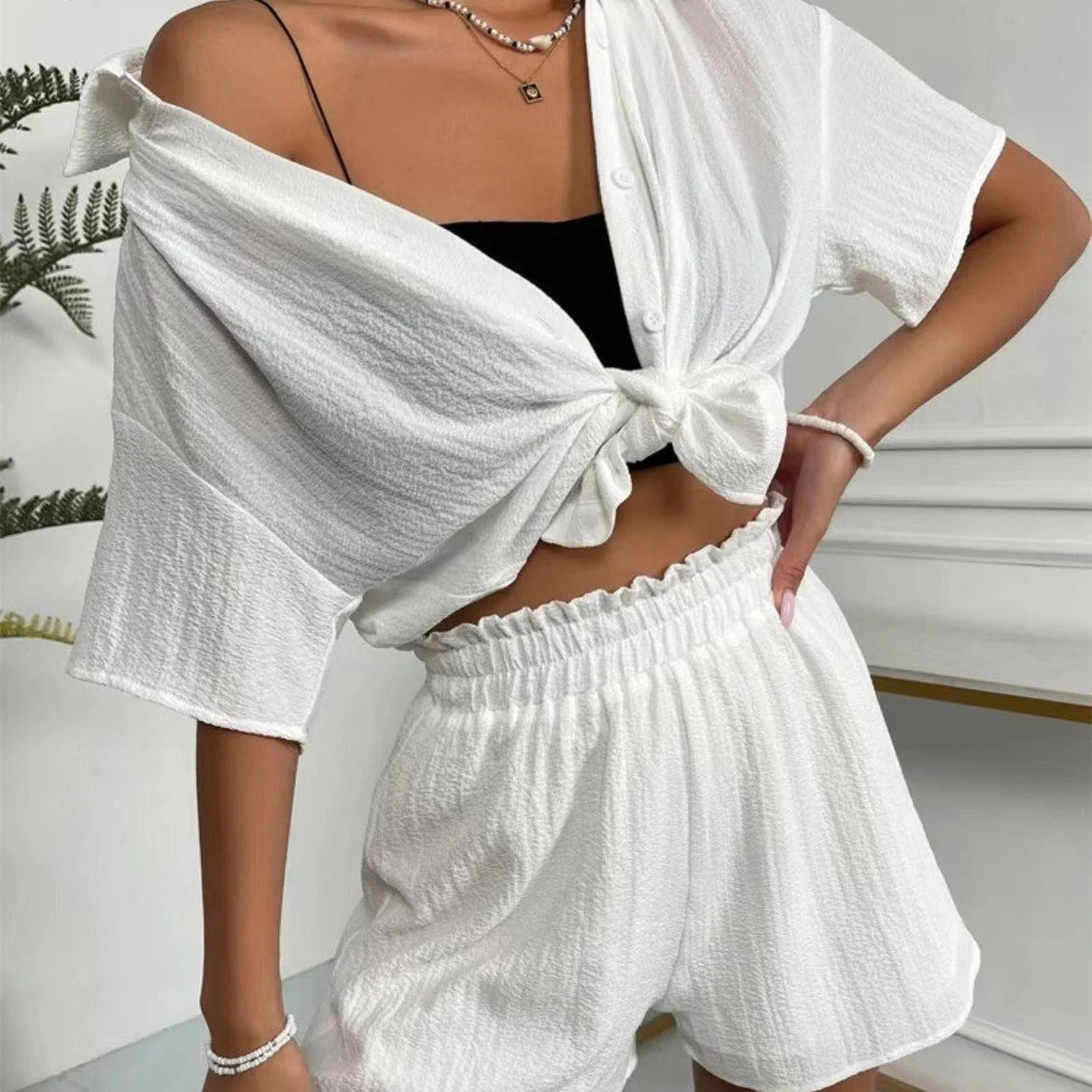
- Pro: Polyester material is easy to care for and durable.
- Pro: Solid color design makes it easy to pair with various bottoms.
- Con: Short sleeves limit its use as a cold-weather layer, and the "Men" category may require checking the fit for a women's body type.
Special Occasion Layering
For nights out or special occasions, you can layer with more dramatic pieces. A lace or sheer top under a fitted blazer or a structured jacket creates a sophisticated look. The Sexy Lace Hollow Cloak Plus Size Jumpsuit Is a great example of a statement piece that can be worn alone or layered. Its see-through design and long sleeves make it ideal for layering under a solid-colored coat or blazer. The pencil pants component ensures a streamlined silhouette.

- Pro: See-through design allows for creative layering with solid outerwear.
- Pro: Available in sizes up to XXXL, ensuring a better fit for curvy bodies.
- Con: Asian sizes run smaller, so choosing the larger size is crucial if you are between sizes.
Product Comparison: Key Pieces for Layering
To help you choose, here is a comparison of the recommended products based on their specific attributes, price, and best use cases for layering.
| Product | Price | Material/Type | Size Range | Best For Layering |
|---|---|---|---|---|
| Casual Short Sleeve Suit | $22.44 | Polyester / Solid Color | XS-L | Warm fall days, unisex style |
| Retro Artistic 2-piece Set | $30.28 | Cotton / Printed Knit | S-M (Asian sizing) | Casual base layers, festival wear |
| Green Elegant Leisure Jumpsuit | $44.84 | Metal Silk / Business Casual | S-3XL | Professional one-piece base |
| Sexy Lace Hollow Cloak Jumpsuit | $41.60 | Polyester Fiber / Lace | S-XXXL (Asian sizing) | Statement layering for evenings |
| Relaxed Fit Denim Printing Pants | $31.96 | Denim / High Waist Wide Leg | M-2XL | Bottom layer to balance oversized tops |
| Womens Fashionable Hollow-Out Top | $19.44 | Knit / Short Sleeve | Plus Size (Specs not detailed) | Lightweight base layer under sweaters |
Notice the variety in materials and fits. Some pieces are better for professional settings, while others are ideal for casual or evening wear. The key is to match the garment's structure to your layering formula. For example, the structured jumpsuit works best as a single silhouette, while the loose denim pants work best as a counterbalance to a bulky top.
Common Mistakes to Avoid
Even with the right pieces, certain styling errors can ruin the look. Here are the most common mistakes plus-size women make when layering, and how to fix them.
Mistake 1: Layering Two Bulky Items
Wearing a thick turtleneck under a thick cable-knit sweater is a recipe for looking bulky. The layers add up in volume, creating a "pillow" effect. Fix: If the outer layer is bulky, the inner layer should be thin and fitted. If the outer layer is thin and fitted, the inner layer can be slightly more relaxed. Always contrast the weight of the fabrics.