


Walking into a standard college dorm room in September often feels like walking into a box. The walls are bare, the floor is cold vinyl or carpet, and the furniture is institutional. You have until the first week of classes to transform this sterile space into a place where you actually want to sit, study, and sleep. The challenge is doing this without breaking the bank or violating housing rules. This guide cuts through the noise of generic "dorm makeovers" to give you specific, actionable advice on selecting the right sizes and materials for rugs and blankets. We will also look at how to incorporate durable, multi-functional furniture that adds comfort without cluttering your limited square footage.
Sizing Rugs for Small Dorm Spaces
The biggest mistake students make is buying a rug that is either too small to matter or too large to manage. In a dorm room, which typically measures between 170 and 200 square feet, you do not have room for error. A rug is not just a decoration; it is a functional boundary that defines your "living" area, adding insulation underfoot and sound dampening.
Why Size Matters More Than Pattern
In a small space, the rug should anchor the primary activity zone. If you have a bed, a desk, and a chair, you are likely working with a rectangular footprint. A rug that is too small (like a 2x3 foot runner) will look like a mat and won't provide the visual warmth you are seeking. A rug that is too large will make the room feel cramped and can trip you when you are moving in and out of bed at 2 AM. The goal is to create a "landing zone" that feels intentional.
Recommended Dimensions for Standard Dorms
For a standard double or single dorm room, a 4x6 foot rug is the sweet spot. This size is large enough to sit under the front legs of your desk and chair, creating a cohesive study area. It is also small enough to fit under the bed frame if you wish to add warmth under your feet when you get up in the morning. If your room is particularly narrow, consider a 3x5 foot rug placed centrally rather than under furniture. This clears up floor space for walking while still providing a soft surface.
Material Considerations for Durability
Dorm floors are high-traffic areas. You will be tracking in dust, mud, and crumbs from the dining hall. Avoid plush, high-pile rugs that trap dirt and are difficult to vacuum in tight spaces. Instead, look for low-pile or flatweave rugs. These materials are easier to clean, more durable against foot traffic, and less likely to snag on furniture legs. If you have allergies, choose a rug made from synthetic fibers like polypropylene, which is hypoallergenic and easy to wipe down. Natural fibers like wool are comfortable but require more careful maintenance and can hold odors in a small, enclosed space.

The Art of Blanket Layering
Blankets are the easiest way to change the temperature and texture of a room. However, layering them incorrectly can make the bed look messy and the room feel chaotic. The key to effective layering is thinking about function first, then aesthetics.
The Base Layer: Your Comforter or Duvet
Your base layer is the primary source of warmth. In most dorms, the heating is inconsistent. You might be freezing in the morning and sweating by noon. Choose a base layer that is breathable but insulating. A medium-weight comforter is usually the best balance. If you tend to run hot, opt for a lighter weight or a cotton fill. If you run cold, a down-alternative or heavier cotton blend will keep you warmer without the bulk of a heavy wool blanket.
The Middle Layer: The Throw
This is where style comes in. A throw blanket is not just for looking good at the end of the bed; it is a functional tool. Use it to adjust your temperature throughout the day. If you are studying and feel a chill, drape it over your shoulders. If you are sleeping and the room gets warm, toss it on the chair. Choose a throw that contrasts slightly with your base bedding. If your duvet is white, a textured gray or beige throw adds depth. If your duvet is patterned, a solid-color throw in a complementary shade will tie the look together.
The Top Layer: The Accent
For true fall coziness, add a third layer: a small, decorative accent. This could be a knitted shawl, a fleece lap blanket, or a set of decorative pillows. This layer is optional but adds a personal touch. It signals that the space is lived-in and cared for. Keep this layer minimal to avoid clutter. One or two accents are enough to create a layered look without overwhelming the small space.
Matching Textures for Visual Warmth
Warmth is not just about temperature; it is about texture. Smooth, flat surfaces feel cold and clinical. Rougher, textured surfaces feel cozy and inviting. Mix textures in your bedding. Pair a smooth cotton duvet with a chunky knit throw and a velvet pillow. This contrast creates visual interest and a tactile experience that feels more like home. Avoid matching everything perfectly; a little variation makes the space feel more dynamic and personal.
Choosing Durable, Compact Furniture
While rugs and blankets handle the soft goods, furniture defines the structure of your room. In a dorm, you are limited by weight, size, and durability. You need pieces that are sturdy enough to last four years but compact enough to fit in a small room. Here is how to select the right pieces.
Seating: Comfort vs. Footprint
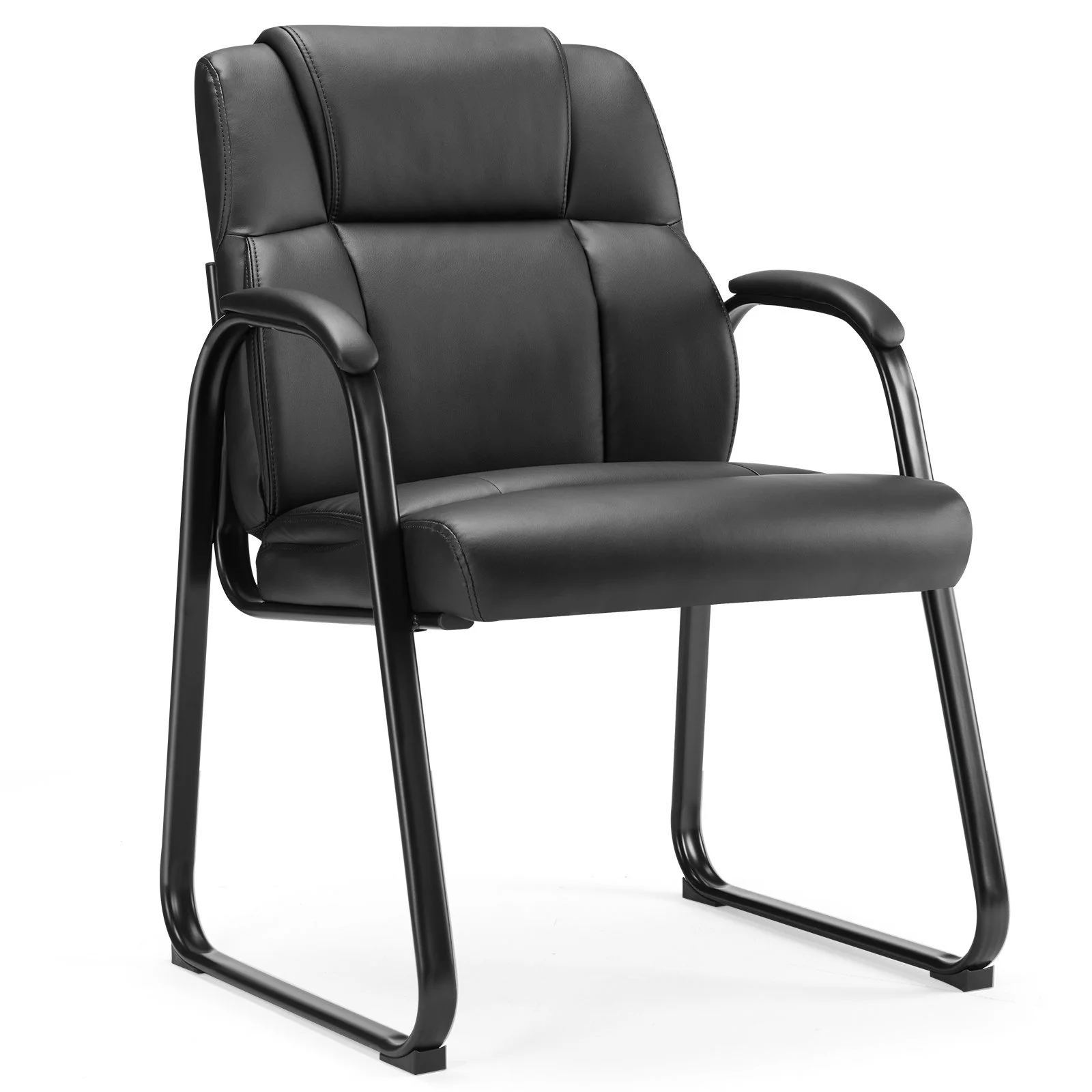
The standard dorm chair is often uncomfortable and wobbly. Replacing it is one of the best upgrades you can make. Look for a chair with a padded seat and backrest. A chair with armrests provides additional support for your arms while studying, which can reduce shoulder strain. However, armrests take up more space, so measure your desk area carefully. If space is tight, a sleek, upholstered armless chair is a safer bet. For a more substantial seating option, an ottoman can serve as a footrest, a place to put your laptop, or a small table. The 03 Ottoman White Is a good example of this versatility.
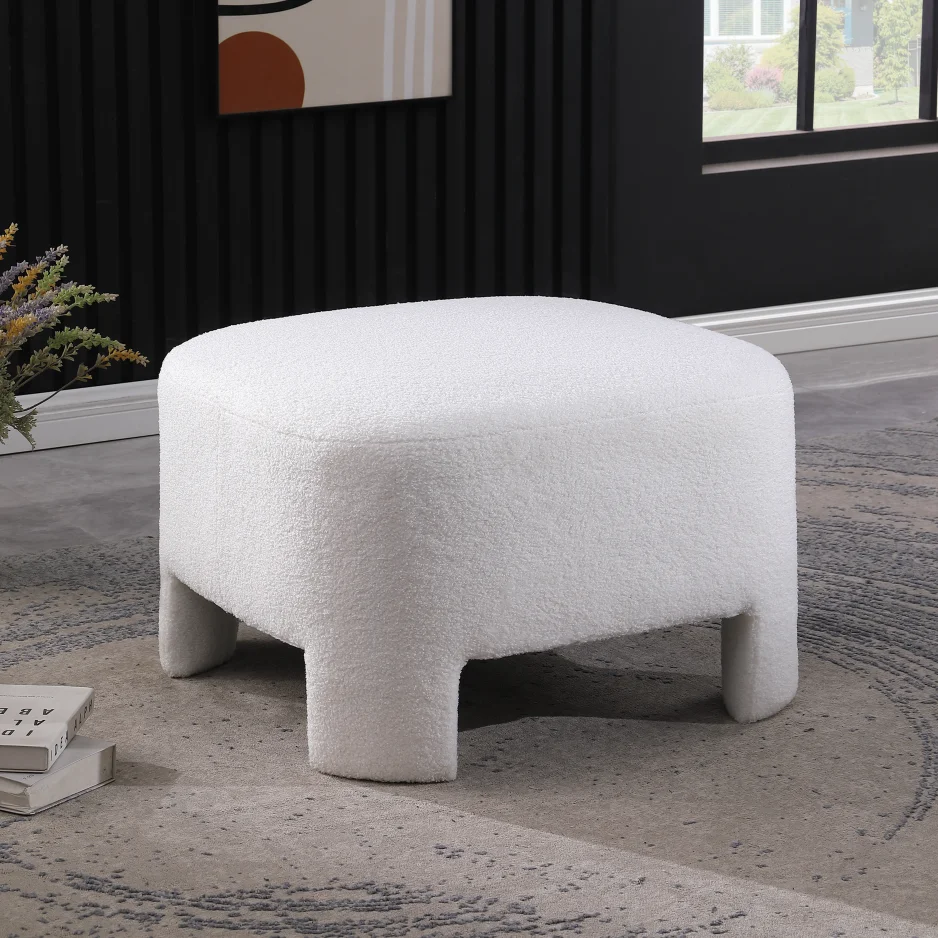
- Pro: Made of Chenille upholstery, which is durable and easy to clean, making it suitable for high-traffic dorm areas.
- Pro: The Eucalyptus wood frame provides sturdy support without being overly bulky.
- Con: At $691.44, this is a significant investment for a single dorm item; consider if you plan to keep this piece for multiple years.
Storage and Organization: Keeping Clutter at Bay
A cluttered room feels colder and more stressful. Keeping your space organized is essential for mental comfort. Use vertical space for storage. Over-the-door organizers, wall-mounted shelves, and under-bed bins are all effective. For items you need to access frequently, keep them at eye level. For seasonal items, like winter coats or extra blankets, use vacuum-sealed bags to save space. If you have a pet, which is rare in dorms but possible in some housing, ensure you have a designated area for their bed and supplies. The Cat Enclosure Is a specialized piece for this purpose.
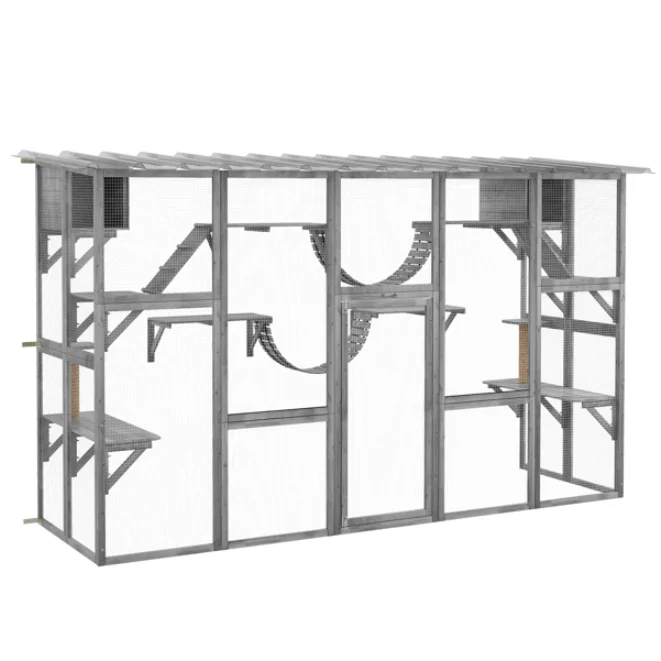
- Pro: Provides a dedicated, enclosed space that keeps the cat contained and the room organized.
- Pro: The structure is designed to be stable and safe for a cat.
- Con: At $1692.6, this is an expensive item for a temporary living situation; check if your housing policy allows pets before purchasing.
Study Zones: Defining Your Work Area
Your study area should be distinct from your sleeping area. This psychological separation helps you focus. Use a rug to define the study zone. Place your desk and chair on the rug. Add a lamp for focused lighting. If you have a whiteboard or a bulletin board, place it in this zone. The Vevor Rolling Whiteboard Is a useful tool for organizing your thoughts and tasks.

- Pro: The 48x32 inch size provides ample space for detailed planning, and the wheels allow you to move it out of the way when not in use.
- Pro: The double-sided magnetic surface offers flexibility for different types of notes and attachments.
- Con: At $518.36, this is a premium price for a whiteboard; consider if you truly need a large, mobile board or if a smaller, fixed board would suffice.
Entryway and Transition Spaces
The entrance to your room is the first thing you see when you walk in. Making this area tidy and welcoming sets the tone for the rest of your time in the room. A small table or console can provide a place to drop keys, mail, and bags. The 60 Thick Top Entryway Table Is a sturdy option for this purpose.

- Pro: The thick top and curved legs provide a stable, durable surface that can hold heavier items like books or electronics.
- Pro: The MDF construction is cost-effective and durable for indoor use.
- Con: At $598.72, this is a high price for a simple entryway table; measure your entryway carefully to ensure it fits before purchasing.
Product Comparison: Durability vs. Comfort
When selecting furniture for a dorm, you are balancing comfort, durability, and cost. The following table compares the four main furniture pieces discussed above. Note that prices and availability can change, so always verify the current price before purchasing.
| Product | Price | Primary Material | Best For | Key Limitation |
|---|---|---|---|---|
| Cat Enclosure | $1692.6 | Not specified | Housing a pet in a dorm room | High cost; check housing policies for pets |
| 03 Ottoman White | $691.44 | Chenille, Eucalyptus | Multi-functional seating and footrest | High cost for a single piece; check sizing |
| Vevor Rolling Whiteboard | $518.36 | Magnetic Dry Erase | Visual planning and mobile study surface | Bulky; requires floor space |
| 60 Entryway Table | $598.72 | MDF | Organizing entryway essentials | High cost for a simple table; check dimensions |
As you can see, these are premium items. If you are on a strict budget, look for similar styles in more affordable price ranges. The key is to prioritize the piece that will have the biggest impact on your daily comfort. For most students, a comfortable chair and a good rug will have a greater impact than a whiteboard or an entryway table.
Common Mistakes to Avoid
Even with the best intentions, it is easy to make mistakes when decorating a dorm room. Here are the most common pitfalls and how to avoid them.
Buying Furniture That Doesn't Fit
This is the number one mistake. Before you buy anything, measure your room. Take the measurements with you to the store. If you are buying online, check the dimensions of the product carefully. Remember to account for the door width and the space needed to open drawers and doors. A beautiful chair is useless if it doesn't fit under your desk or if you can't get it through the door.
Ignoring the Lighting
Most dorm rooms have one overhead light, which is not enough for studying or creating a cozy atmosphere. You need task lighting for your desk and ambient lighting for relaxation. A desk lamp is essential. A floor lamp or a string of LED lights can add warmth and depth. Avoid relying solely on the overhead light; it is harsh and unflattering.
Over-Decorating
It is tempting to fill every surface with photos, posters, and knick-knacks. But in a small space, clutter can feel overwhelming. Curate your decorations. Choose a few meaningful items rather than many generic ones. Use vertical space for display, but leave some walls bare to give the room some breathing room. A little negative space makes a room feel larger and more relaxed.
Choosing the Wrong Rug Size
As mentioned earlier, a rug that is too small looks like a mistake. A rug that is too large makes the room feel cramped. Measure your floor space and choose a rug that leaves at least 12-18 inches of floor visible around the edges. This creates a clean, intentional look. If you are unsure, err on the side of slightly smaller rather than too large.
Not Considering Maintenance
Dorm life is messy. You will spill coffee, drop crumbs, and track in dirt. Choose materials that are easy to clean. Avoid delicate fabrics that require dry cleaning. Stick to machine-washable blankets and rugs that can be vacuumed or wiped down. This will save you time and stress in the long run.
Care, Styling, and Maintenance Tips
Once your dorm is set up, maintaining it is key to keeping it comfortable and stylish. Here are some tips for caring for your new home goods.
Rug Care
Vacuum your rug regularly to remove dust and debris. For spills, blot (do not rub) with a clean cloth and a mild detergent. Rotate your rug every few months to ensure even wear. If you have a rug pad, it will help keep the rug in place and extend its life. Avoid using harsh chemicals on your rug, as they can damage the fibers and fade the color.
Blanket Care
Wash your throw blankets every 1-2 weeks, or more often if you use them daily. Follow the care label instructions for washing and drying. Air-dry your blankets whenever possible to prevent shrinkage and damage. Store your seasonal blankets in a cool, dry place when not in use. Use vacuum-sealed bags to save space and protect them from dust and moisture.
Furniture Care
Wipe down your furniture regularly with a damp cloth to remove dust. For wood furniture, use a wood polish to protect the finish. For upholstered furniture, use a fabric cleaner to remove stains. Avoid placing hot items directly on wooden surfaces, as they can cause burns. Use coasters and trivets to protect your furniture from heat and moisture.
Styling Tips
Keep your color palette consistent. Choose 2-3 main colors and stick to them. Use accents sparingly to add interest without creating chaos. Mix textures to add depth and warmth. Use lighting to create different moods for different times of day. Finally, make it personal. Add photos, souvenirs, and other items that reflect your personality. Your dorm should feel like a reflection of who you are.
Frequently asked questions
❓ What size rug is best for a small college dorm room?
A 4x6 foot rug is the ideal size for most standard dorm rooms. It is large enough to anchor a study or living area under the front legs of your desk and chair, yet small enough to fit without overwhelming the space. This size provides a clear visual boundary and adds warmth underfoot without making the room feel cramped.
How do I layer blankets to keep my dorm cozy without clutter?
Start with a breathable base comforter, then add a textured throw blanket for adjustable warmth and style. Keep a third, smaller accent layer like a knitted shawl for


