It is 4:00 PM on a Saturday in October. The sun is setting, the wind is picking up, and the stadium air is bitingly cold. You are standing in line for hot cocoa, shivering in a thin cotton tee because you underestimated the temperature drop. You want to be warm, but you also want to look put-together for photos and social media. This guide cuts through the noise to give you specific, practical advice on selecting the right sweaters and layering pieces for outdoor stadium seating. We focus on materials that actually hold heat, fit details that allow for layering, and accessories that balance function with style.
How to Choose the Right Sweater for Game Day
Choosing a sweater for a cold-weather game is not just about picking your favorite color. It is about understanding how fabric, fit, and weight interact with the environment. Outdoor stadiums are often windy, which increases the "wind chill" factor. A sweater that feels comfortable in a still room can feel thin and cold in a moving breeze. You need to prioritize insulation and wind resistance alongside aesthetics.
Fabric and Material
Material is the single most important factor in staying warm. Avoid 100% cotton sweaters for outdoor games. Cotton absorbs moisture from sweat or damp air and retains it, which cools your body down rapidly as the temperature drops. Instead, look for natural fibers like wool, cashmere, or alpaca. These fibers trap air pockets, creating an insulating layer that holds your body heat. Blends that include acrylic or nylon can add durability and wind resistance, but they may not breathe as well as pure naturals. If you are allergic to wool, look for "merino wool" or "cashmere blends," which are finer and less itchy than standard wool.
Synthetic materials like fleece are excellent for base layers or mid-layers because they are lightweight and dry quickly. However, a pure fleece sweater as your outer layer can look casual rather than stylish. A better approach is to wear a stylish wool sweater over a thin fleece or thermal base layer. This combination provides the warmth of synthetics with the texture and structure of natural fibers.
Fit and Sizing
Fit is crucial for layering. If your sweater is too tight, it will compress the insulation, reducing its effectiveness. If it is too loose, cold air can blow through the gaps between your sweater and your base layer. Aim for a "relaxed fit" or "slim fit" that allows room for a thin layer underneath without pulling at the shoulders or sleeves. Check the sleeve length; sleeves should reach your wrist bone so that wind does not get into your cuffs. If you plan to wear long gloves, ensure your sleeves do not bunch up excessively, which can cause discomfort during long periods of sitting.
Necklines matter for warmth. A high-neck or mock-neck sweater provides more protection against wind than a crew neck or V-neck. If you prefer a lower neckline for style, plan to layer a turtleneck underneath or use a scarf. The goal is to create a sealed barrier against the wind at the neck and wrists, which are common points of heat loss.
Weight and Insulation
Sweater weight is often measured in ounces per square yard, but for consumers, it is easier to think in terms of "lightweight," "mid-weight," and "heavyweight." For mid-October game days, where temperatures can range from 40°F to 55°F (4°C to 13°C), a mid-weight sweater is usually the sweet spot. Lightweight sweaters are best for mild fall days or as a mid-layer under a jacket. Heavyweight sweaters are best for deep winter or as the primary layer if you are not wearing a coat. If you are unsure, choose a mid-weight sweater and add a lightweight thermal base layer. This gives you flexibility to remove the base layer if you warm up while walking to the stadium.
Color and Style
While style is personal, certain colors and styles work better for game day. Solid colors or simple patterns like herringbone or cable knit tend to look more polished than loud graphics or oversized logos. Darker colors like navy, black, charcoal, or burgundy are practical because they hide stains from food and drinks, which are common at tailgates and in the stands. If you want to show school spirit, use your sweater as a neutral base and add team colors through accessories like a hat, scarf, or gloves. This approach allows you to wear the sweater for other occasions without it being tied to a specific team or event.
Top Accessories and Layering Pieces
A sweater alone is rarely enough for a cold outdoor game. You need to complete your outfit with accessories that provide additional warmth and style. Below are specific items from our selection that serve distinct functions in a game day outfit. Each product is chosen for its specific utility, material, and aesthetic contribution.
Headwear for Warmth and Style
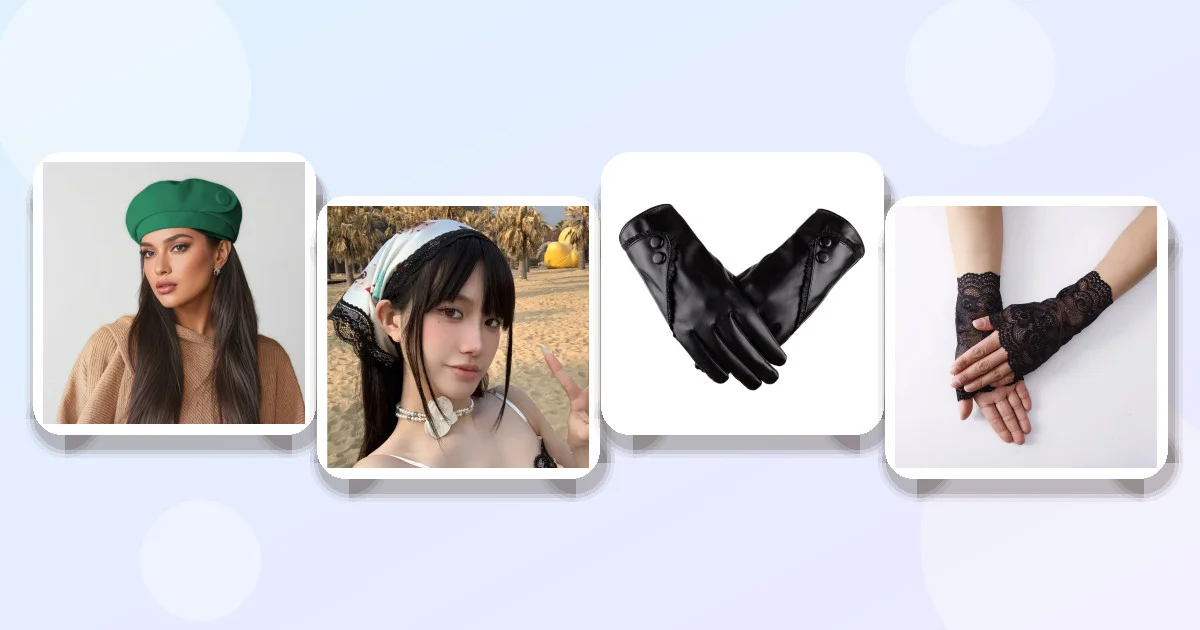
Your head is a major source of heat loss, so a hat is essential for cold games. You have several options depending on your personal style and the specific weather conditions. For a classic, polished look, a beret can add a touch of sophistication while providing coverage. The Slimming Beret for Women Is a high-end button beret designed to create a slimming effect. It is made from soft polyester, which provides a comfortable fit without the bulk of wool. This is a good option if you want a stylish headpiece that does not look like a typical winter beanie.

- Pro: Soft polyester material is comfortable and less likely to itch than wool.
- Pro: Available in eight colors, including team-friendly options like Green, Purple, and Orange.
- Con: Polyester does not provide as much insulation as wool, so it is better for mild cold or when paired with a scarf.
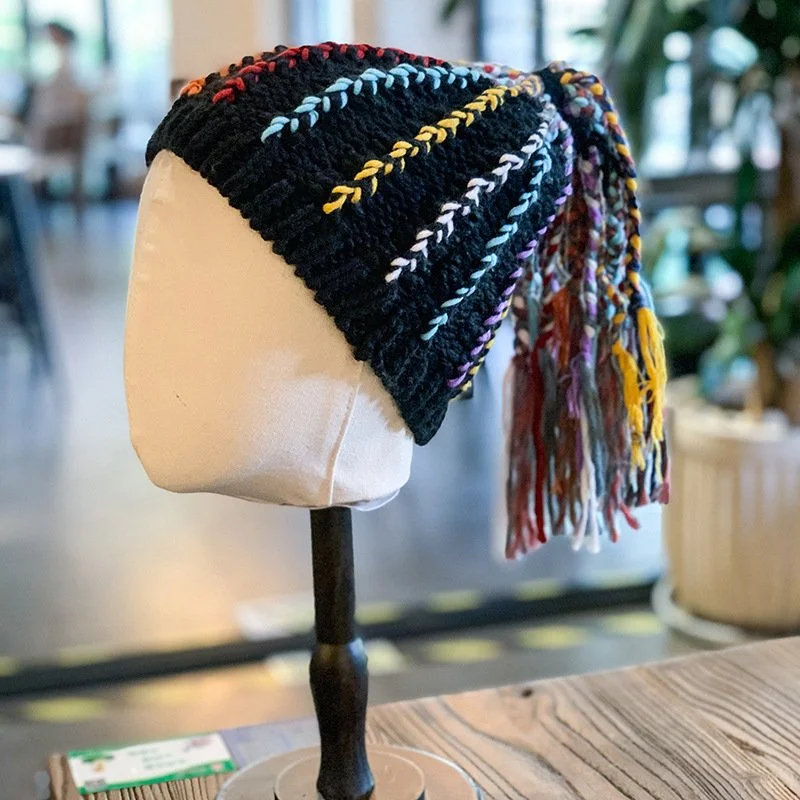
For heavier cold or a more casual, sporty vibe, a beanie is a practical choice. The Warm Winter Dreadlock Hat Is a cozy wool dreadlock hat designed for winter warmth. It is available in four neutral colors: Beige, Black, Chocolate, and Brown. The "dreadlock" style adds texture and visual interest, making it stand out from standard beanies. Wool is an excellent insulator, trapping heat effectively even in damp conditions.
- Pro: Wool material provides superior insulation for cold temperatures.
- Pro: Neutral color options make it easy to match with various sweaters and coats.
- Con: The texture may not suit those who prefer a smooth, minimalist aesthetic.
If you prefer a sporty, everyday look, a baseball cap can be a functional addition. The Vintage Golf Skull Baseball Cap - Unisex Washed Cotton Offers a casual, vintage aesthetic. While the specific insulation properties are not detailed, washed cotton caps are generally lightweight and breathable. This type of cap is less about intense cold protection and more about style and sun protection during the warmer parts of the day.

- Pro: Unisex design allows for easy coordination with partners or friends.
- Pro: Vintage washed cotton offers a soft, broken-in feel.
- Con: Cotton does not retain heat well, so this is not a primary source of warmth in cold weather.
Hand Warmth and Protection
Your hands are another critical area for heat loss. Gloves are essential for holding phones, cameras, and food in cold weather. You have options ranging from fashion-focused to functional.
For a stylish look that complements a dressy sweater, the Stylish Women's PU Gloves with Lace & Button Are a good choice. These gloves are made from PU (polyurethane) material, which mimics leather and provides wind resistance. The lace details and button closure add a feminine touch that pairs well with refined sweaters. They are available in Black, Purple, and Wine Red.

- Pro: PU material blocks wind effectively, keeping hands warmer than thin fabric gloves.
- Pro: Elegant lace and button details make them a fashion statement.
- Con: Not as warm as thick wool or fleece gloves for extreme cold; check fit for dexterity.
If you need lighter coverage or want to protect your hands from the sun during the day, the Sun Protection Driving Gloves for Women Are a practical option. These are short, elastic lace gloves made from soft nylon. They are breathable and comfortable, designed for driving or cycling but suitable for light layering. They come in Black and White.

- Pro: Breathable nylon fabric prevents hands from overheating.
- Pro: Lightweight and easy to pack in a bag.
- Con: Provides minimal insulation; not suitable for freezing temperatures alone.
Hair Accessories
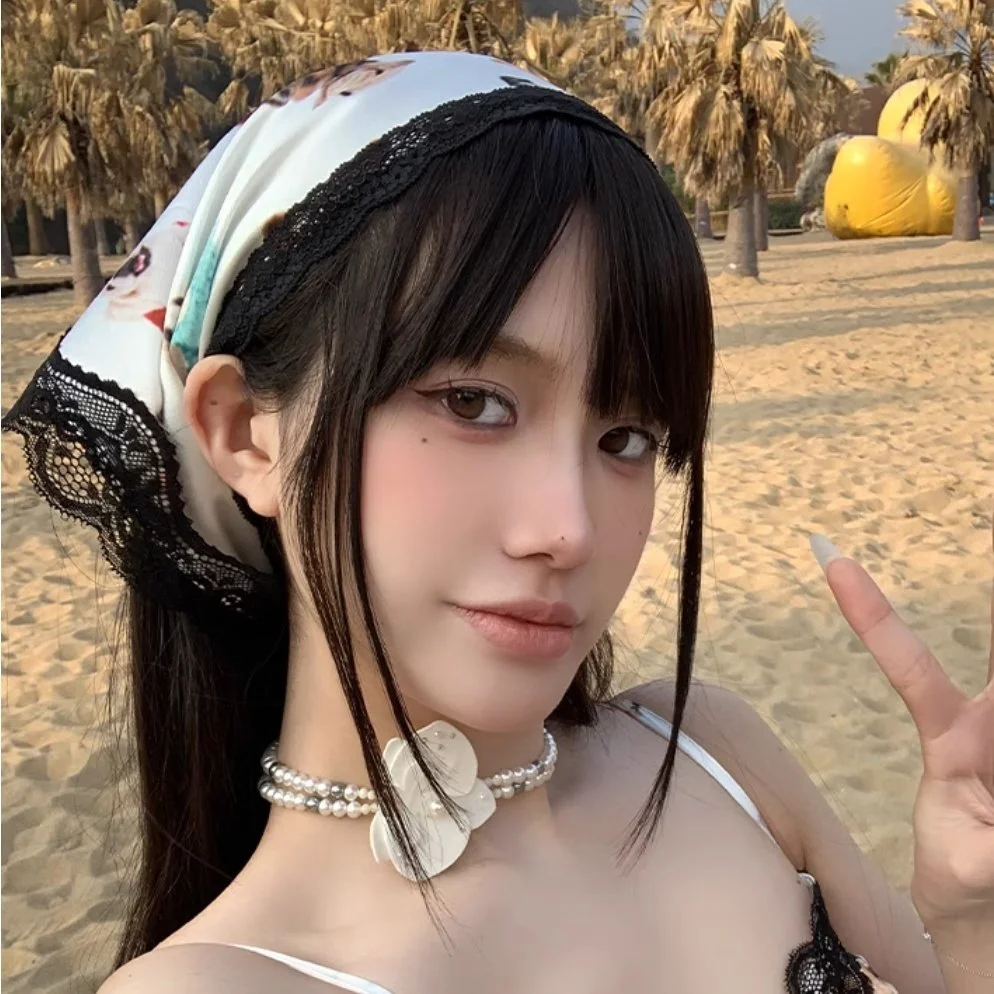
Hair can be an issue in windy stadium conditions. A hair accessory can keep your hair off your face and add a finishing touch to your outfit. The Silky Hair Shawl Is an elegant lace stitching hair band triangle shawl made from silky smooth satin cloth. It is a one-size-fits-all design available in Black and White. This accessory can be worn to tie back hair or as a decorative element. Satin is smooth and less likely to tangle hair than some fabrics.
- Pro: Satin material is smooth and gentle on hair.
- Pro: One-size-fits-all design is easy to use and store.
- Con: Does not provide warmth; purely a style and hair management accessory.
Product Comparison Table
To help you decide which accessories to pair with your sweater, here is a comparison of the products listed above based on price, material, options, and best use case.
| Product | Price | Material | Options | Best For |
|---|---|---|---|---|
| Slimming Beret for Women | $11.96 | Polyester | 8 Colors | Chic, low-bulk headwear for mild cold |
| Silky Hair Shawl | $42.08 | Satin | 2 Colors | Securing hair in wind with an elegant touch |
| Stylish Women's PU Gloves | $7.16 | PU (Polyurethane) | 3 Colors | Wind-resistant hand warmth with fashion details |
| Sun Protection Driving Gloves | $2.64 | Nylon | 2 Colors | Light, breathable hand protection |
| Vintage Golf Skull Baseball Cap | $53.60 | Washed Cotton | 1 or 2 pcs | Casual, sporty headwear for style |
| Warm Winter Dreadlock Hat | $11.12 | Wool | 4 Colors | Maximum warmth with textured style |
When selecting from this table, consider the primary function you need. If your main concern is staying warm in the coldest parts of the game, prioritize the wool hat. If your main concern is looking polished, the beret or PU gloves may be better choices. The price point varies significantly, with the baseball cap being the most expensive and the sun protection gloves being the most affordable. Determine your budget and which items are essential for your comfort.
Common Mistakes to Avoid
Even with the right sweater, you can ruin your comfort with a few common layering errors. Avoiding these mistakes will ensure you stay warm and stylish throughout the game.
Wearing Too Many Heavy Layers
One of the most common mistakes is wearing multiple bulky layers. This restricts movement and makes it difficult to sit comfortably in stadium seats. Instead of three medium-weight sweaters, wear one mid-weight sweater over a thin thermal base layer. This allows for better mobility and easier adjustment if you get too warm. Bulky layers also trap heat, causing you to sweat, which can lead to feeling cold once you stop moving.
Ignoring Wind Protection
A thick sweater is not enough if the wind can penetrate it. Look for sweaters with tight knits or wind-resistant materials. If your sweater is loose or open-knit, pair it with a windbreaker or a scarf to block the wind. Wind chill can make a 45°F day feel like 35°F. Protecting your neck and wrists with a scarf and gloves is crucial for maintaining body heat in windy stadium environments.
Choosing the Wrong Footwear
While this guide focuses on sweaters, your footwear plays a critical role in overall warmth. Wearing open-toed shoes or thin-soled sneakers on a cold concrete stadium floor will drain heat from your body. Choose closed-toe boots with insulated soles. If you are wearing leggings, ensure your boots are tall enough to cover your ankles. Cold feet can make you feel cold overall, distracting from the game.
Underestimating the Temperature Drop
Temperatures often drop significantly after sunset. A game that starts at 55°F can feel like 40°F by the fourth quarter. Check the forecast for the specific time of the game, not just the afternoon. Bring a spare layer, such as a puffer vest or a thick scarf, that you can put on if the temperature drops. It is better to have an extra layer you do not need than to be cold without one.
Neglecting Comfort for Style
It is easy to get caught up in looking fashionable and forget about comfort. Avoid tight sweaters that restrict breathing or movement. Ensure your accessories do not pinch or dig into your skin. You will be sitting for three to four hours, so prioritize comfort in your fit and materials. A beautiful sweater that is itchy or too tight will ruin your experience.
Styling and Care Tips
Once you have selected your sweater and accessories, here are some tips for styling them effectively and caring for them to extend their life.
Layering Techniques
The key to successful layering is keeping each layer thin and smooth. Start with a fitted thermal base layer made of synthetic or merino wool. This wicks moisture away from your skin. Next, wear your mid-weight sweater. Ensure the sweater fits well over the base layer without being too tight. If you are wearing a scarf, drape it over the sweater to cover the neck. For hands, wear gloves that fit snugly but allow you to touch your phone screen. If you are wearing a hat, ensure it does not pull on your hair, which can cause headaches during long periods of sitting.
Color Coordination
Coordinate your sweater with your accessories to create a cohesive look. If your sweater is a neutral color like navy or gray, use your hat and gloves to add pops of team color. For example, a navy sweater with a purple beret and black PU gloves looks polished and sporty. If your sweater is a patterned knit, keep your accessories in solid colors to avoid visual clutter. Darker colors are generally more forgiving with stains from food and drinks, which is a practical consideration for game day.
Care Instructions
Proper care ensures your sweater stays warm and looks good for many seasons. Always check the care label on your sweater. Wool and cashmere sweaters should typically be hand-washed in cold water with a gentle detergent. Avoid machine washing and drying, as this can shrink or felt the fibers. Lay the sweater flat to dry to maintain its shape. Polyester and nylon accessories can usually