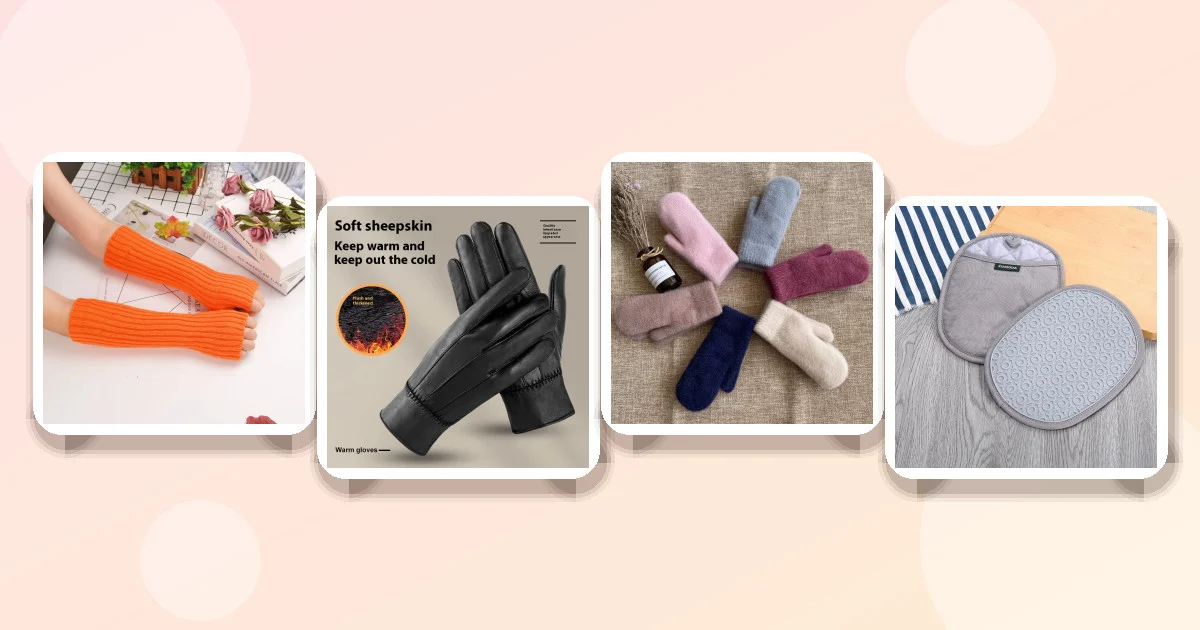
You're heading out for apple picking, a weekend hike, or a Saturday market and need handwear that stays warm, looks good, and won’t get soaked in an October drizzle. Below you’ll learn how to size, what materials really work, and which of our curated picks fit each scenario.
How to choose the right glove for fall activities
Fit and length
Most women find a “one size fits most” glove comfortable if the interior length is around 30 cm (about 12 in). That covers the wrist and adds a bit of protection against wind. If you wear a long‑sleeve base layer, look for a glove that sits just above the cuff so layers don’t bunch.
Material matters
- Acrylic knit: Lightweight, dries quickly, good for short trips where you’ll be moving your hands a lot (e.g., market stalls).
- Leather with fleece lining: Excellent wind‑proof and water‑resistant; the fleece adds a soft micro‑climate that prevents overheating.
- Mink‑hair knit (mittens): Traps heat better than fingered gloves because fingers share warmth, but reduces dexterity.
- Silicone‑coated gloves: The silicone adds grip on wet branches and a thin barrier against light rain.
Water resistance vs. Waterproof
For October rain, a waterproof membrane (like the sheepskin glove’s built‑in barrier) is ideal. If you only expect light drizzle, a water‑repellent surface (silicone coating) will keep hands dry enough without the bulk of a full membrane.
Touchscreen compatibility
Gloves with conductive yarn or a silicone fingertip let you scroll your phone without removing them. If you plan to use a phone for directions or photos, prioritize that feature.
Insulation level
Fall temperatures usually sit between 45‑55 °F (7‑13 °C). A thin fleece lining or a single layer of acrylic knit is sufficient for most days. When temperatures dip below 40 °F (4 °C) or you’re at higher elevation, add a thicker fleece or leather glove.
Product comparison
| Product | Price | Material / Type | Key Features | Best for |
|---|---|---|---|---|
| Warm Thermal Insulated Knitted Gloves | $3.84 | Acrylic knit | One size, 30 cm length, 8 colors | Light‑activity market trips, casual strolls |
| Warm Fleece Lined Sheepskin Gloves | $11.80 | Genuine leather + fleece lining | Waterproof, windproof, non‑slip grip | Apple picking, rainy hikes |
| Thermal Knitted Mittens | $6.08 | Mink‑hair knit (mittens) | 6 colors, Korean style | Very cold mornings, extra warmth |
| Thermal Insulated Silicone Gloves | $4.24 | Soft silicone | Anti‑scald, waterproof | Gardening, quick errands |
Warm Thermal Insulated Knitted Gloves
Warm Thermal Insulated Knitted Gloves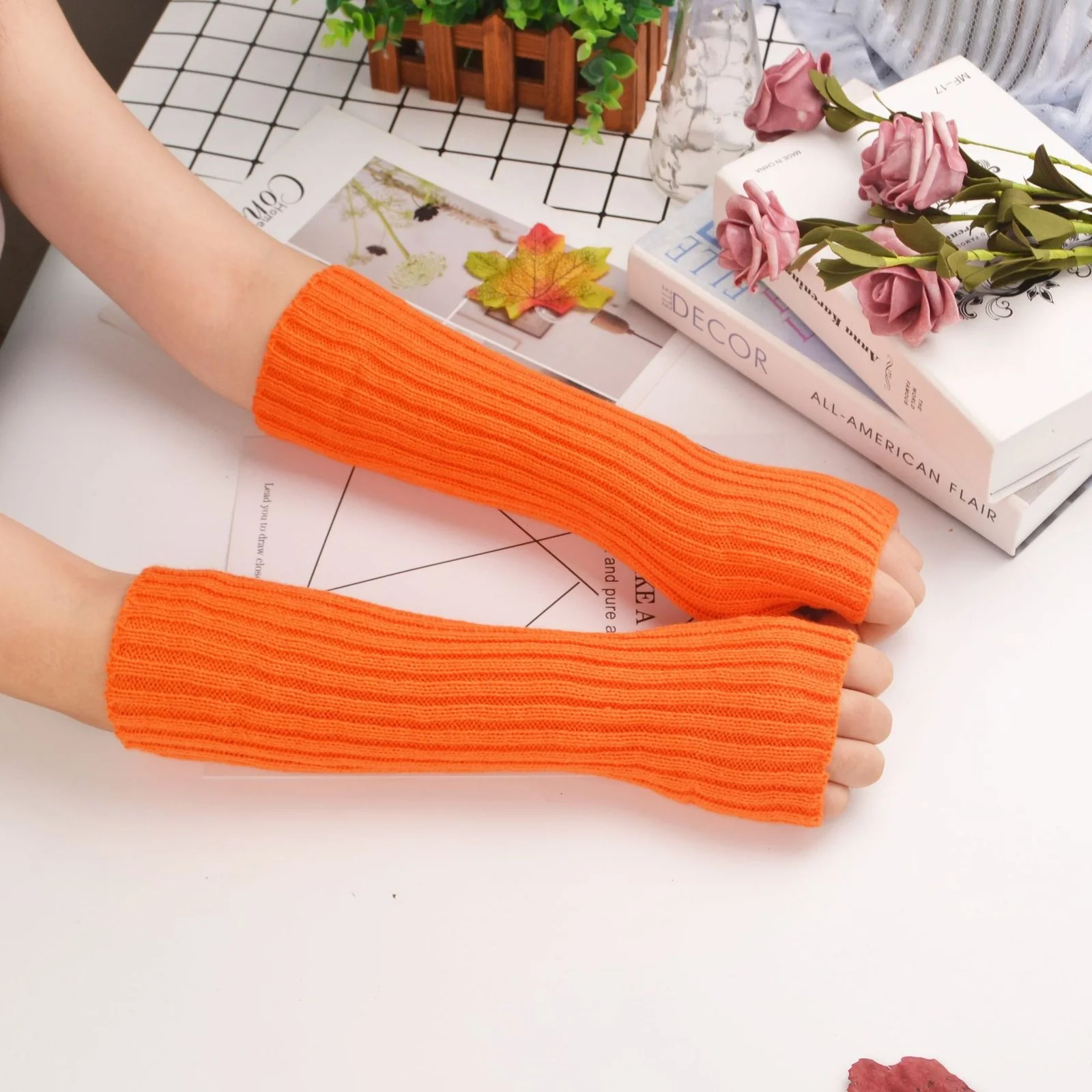
- Pros: Very affordable; bright color options.
- Pro: 30 cm length covers wrist.
- Con: Acrylic isn’t waterproof; may get soggy in heavy rain.
Warm Fleece Lined Sheepskin Gloves
Warm Fleece Lined Sheepskin Gloves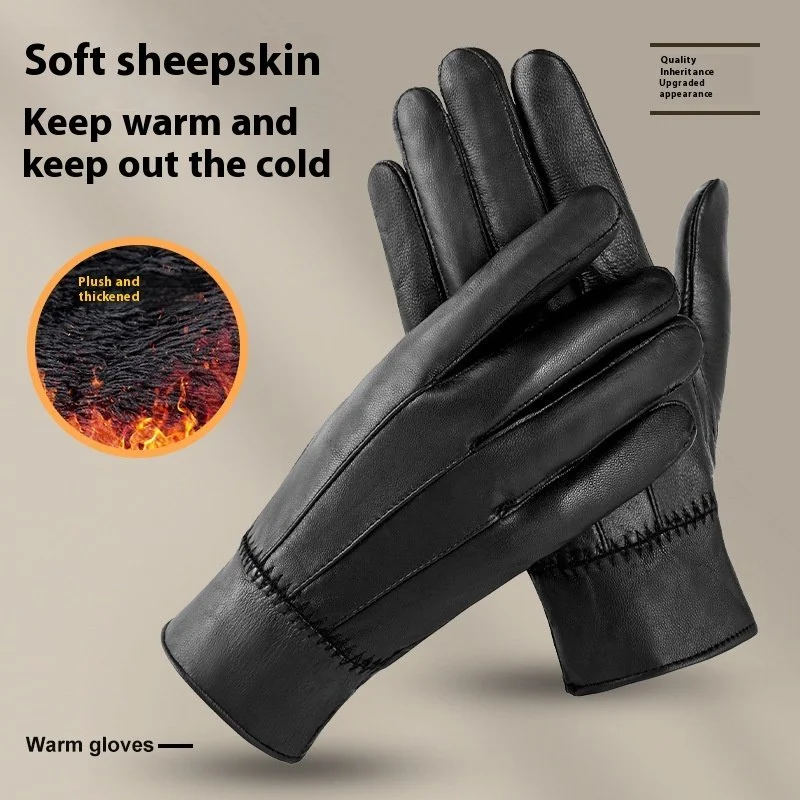
- Pros: Genuine leather blocks wind; fleece adds warmth.
- Pro: Waterproof surface keeps hands dry.
- Con: Only one size; check hand circumference if you have larger palms.
Thermal Knitted Mittens
Thermal Knitted Mittens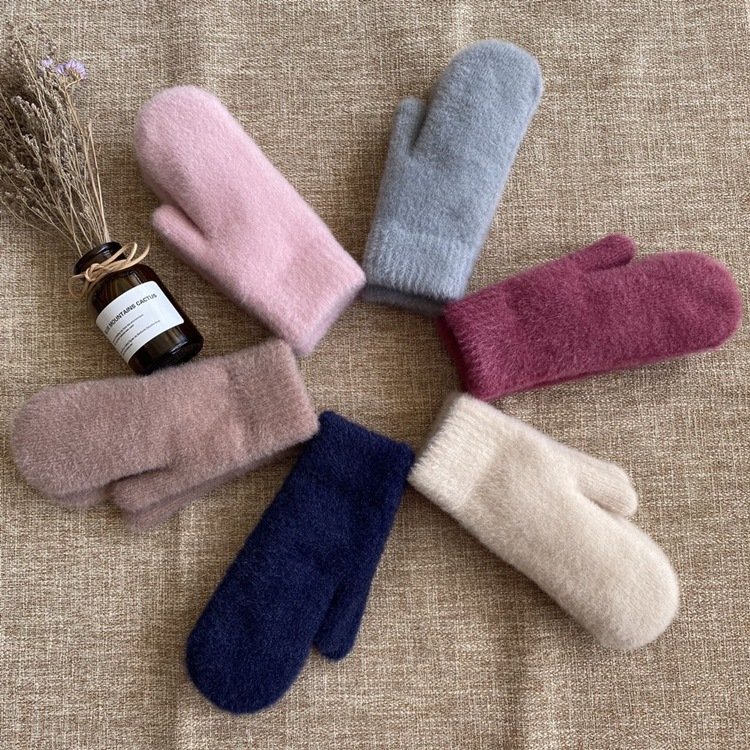
- Pros: Mink‑hair knit traps heat well.
- Pro: Six stylish colors.
- Con: Fingers share space, limiting grip on tools.
Thermal Insulated Silicone Gloves
Thermal Insulated Silicone Gloves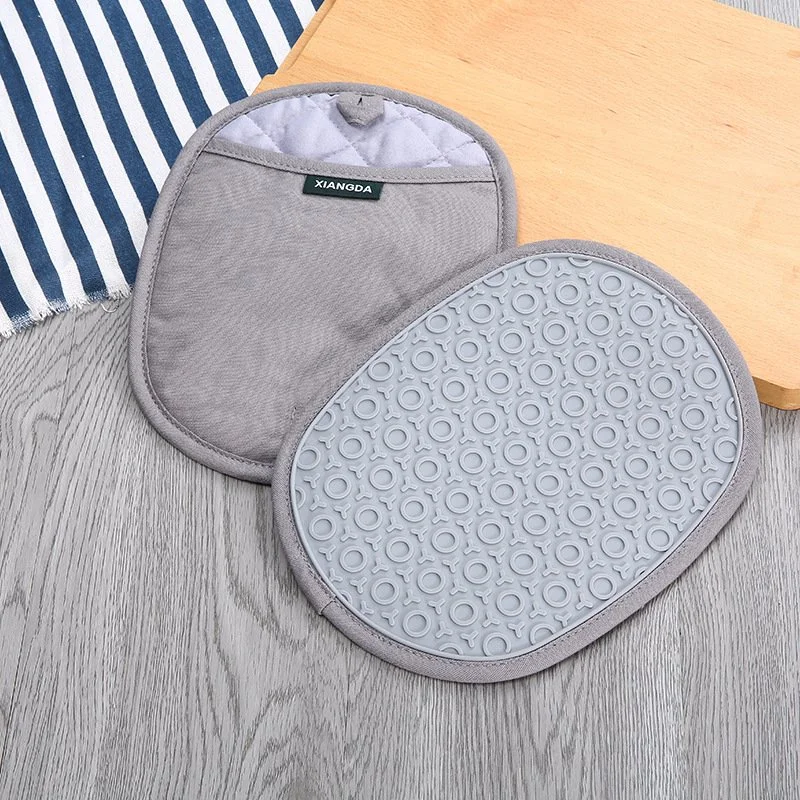
- Pros: Silicone resists scalding water.
- Pro: Thin enough for good tactile feel.
- Con: Not as warm as fleece‑lined options.
Common mistakes to avoid
Choosing style over function. A pretty pair that leaks water will leave you cold faster than a plain, waterproof glove.
Ignoring fit. Gloves that are too tight restrict circulation, making hands feel colder; too loose lets wind circulate inside.
Skipping breathability. Fully sealed gloves can cause sweating, which then freezes. Look for a breathable membrane or a material that wicks moisture.
Forgetting touchscreen needs. If you rely on your phone for navigation, a glove without conductive material will force you to take them off repeatedly.
Care, styling and usage tips
Leather gloves (like the sheepskin pair) should be brushed gently after each use to remove dirt, then conditioned with a leather balm once a month. Avoid machine washing; water can stiffen the leather.
Acrylic knit gloves can be hand‑washed in cold water with mild detergent, then air‑dry flat to keep the 30 cm length intact.
For mittens, consider layering a thin liner glove underneath on very cold days; this adds warmth without sacrificing the mitten’s heat‑trapping design.
When dressing for a market, match the glove color to a complementary piece of your outfit—e.g., navy mittens with a camel coat create a balanced fall palette.
Frequently asked questions
❓ What type of gloves keep my hands warm while apple picking?
Waterproof, insulated leather gloves with a fleece lining work best because they block wind, repel orchard spray moisture, and keep heat close to the skin. The Warm Fleece Lined Sheepskin Gloves fit that bill.
❓ Are mittens better than gloves for fall hiking?
Mittens retain heat better, but they reduce finger dexterity. If you need to adjust straps or use a map, a thin insulated glove is a smarter choice; save mittens for very cold, low‑tech sections.
❓ How to choose waterproof women's gloves for rainy October days?
Look for a waterproof membrane or treated leather, sealed seams, and a snug cuff that stops water from running in. The sheepskin glove’s waterproof claim makes it a reliable option.
❓ What glove material is best for staying warm without overheating?
A lightweight fleece lining under a breathable outer shell (like acrylic knit or silicone) gives steady warmth while allowing excess heat to escape, preventing sweat buildup.
❓ Do I need touchscreen‑compatible gloves for fall festivals?
If you’ll be checking schedules or paying with a phone, choose gloves with conductive yarn or silicone fingertips; otherwise, a regular pair is fine.
❓ How to care for leather gloves after a weekend of outdoor use?
Brush off dirt, let them air‑dry away from direct heat, then apply a leather conditioner to keep the hide supple. Avoid soaking them.
❓ Can I wear the same gloves for both hiking and a market stroll?
Yes, if you pick a mid‑weight, water‑resistant glove like the silicone‑coated pair; it offers enough warmth for a market and enough flexibility for light trail work.
Key takeaways
- Waterproof leather with fleece (Warm Fleece Lined Sheepskin Gloves) is the most versatile for fall weather.
- Light‑weight acrylic knit gloves are budget‑friendly and great for short, dry outings.
- Mittens provide extra heat but sacrifice grip; use them only when temperatures dip below 45 °F.
- Check cuff length (≈30 cm) to ensure wind protection without excess bulk.
- Maintain leather gloves with regular brushing and conditioning to extend life.
- Touchscreen compatibility matters only if you’ll be on your phone often.
How we chose these products: We matched each glove’s material, price and feature list to the typical fall‑activity needs described above; specifications and options guided the selection.
===HTML===