Your home office is likely the coldest room in your house. Windows let in drafts, and the lack of central heating circulation in a single room makes it hard to stay comfortable during long video calls. You don’t need to turn the thermostat up to a toasty 75 degrees just to survive a Tuesday afternoon. Instead, you can create micro-climates of warmth using the right clothing and textiles. This guide breaks down how to select the right sweaters and throws to keep you comfortable, reduce the shiver reflex that interrupts typing, and make your workspace look intentional rather than cluttered. You will learn how to read sizing charts for Asian-manufactured apparel, how to match fabric weights to your specific heating situation, and how to style these pieces for both camera presence and physical comfort.
Understanding Warmth in a Static Workspace
Working from home is different from working in an office building. In a corporate environment, you are often moving—walking to meetings, standing in lines, commuting. This movement generates body heat. At home, you are largely stationary for eight to ten hours. Your body adjusts its thermoregulation, often feeling colder than you actually are because you aren't generating metabolic heat through movement. This is why a sweater that feels fine in the store can feel chilly by 2:00 PM if you are sitting still.
The Layering Principle
The most effective way to combat a cold home office is not to wear one heavy item, but to layer. A base layer controls moisture, while an outer layer traps air. Air is an excellent insulator, but only if it is trapped. If your sweater is too loose, cold air circulates against your skin, making you feel drafty. If it is too tight, it restricts blood flow, which can make your hands and feet feel cold. The goal is a "fit" that is snug but not compressive. You want enough space for a thin base layer to wick sweat, which is crucial because sitting still can still cause light perspiration, and damp skin feels cold.
Why Textiles Matter for Focus
Physical discomfort is a major source of distraction. When you are shivering, your brain diverts resources to managing that stress response, reducing your cognitive bandwidth for complex tasks. A cozy environment signals to your brain that it is safe to relax and focus. However, "cozy" does not mean "sloppy." The aesthetic of your workspace affects your professional mindset. A well-chosen throw and a neat, structured sweater help maintain a boundary between "rest mode" and "work mode." This psychological cue is as important as the physical warmth.
How to Choose the Right Sweater for WFH
Selecting a sweater for remote work requires balancing warmth, fit, and camera presence. You want something that looks professional on a webcam but feels soft enough to wear for long periods. Before buying, you must understand how sizing works for the specific retailer, as this is the most common source of buyer's remorse.
Reading Sizing Charts: The Asian vs. US/EU Difference
Many affordable apparel brands manufacture their goods in Asia, where sizing standards differ significantly from US and EU standards. A size "M" in a US brand is often a size "L" or "XL" in an Asian brand. If you are between sizes, the general rule is to size up. However, this depends on the fit of the garment. A "loose-fitting" hoodie might have enough excess fabric to accommodate a US medium in an Asian small, but a "regular fit" crew-neck sweater might be too constrictive. Always check the specific measurement details provided in the product listing. If the listing provides chest width measurements in centimeters, convert them to inches (1 inch = 2.54 cm) and compare them to a clothing item you already own and love. This is far more reliable than guessing based on size labels.
Fabric Selection for Stationary Comfort
Not all sweaters are created equal. For home office use, you need a fabric that breathes. 100% wool can be itchy and too warm for a heated room, causing you to peel it off. 100% cotton is breathable but dries slowly, so if you sweat, you stay wet and cold. Acrylic and poly-cotton blends are often the sweet spot for budget-friendly options. Acrylic is lightweight, dries quickly, and holds its shape well. However, it can be less breathable than natural fibers, so it is best for cooler months or unheated spaces. If you choose a knit sweater, look for a medium gauge. A very thin knit will not provide enough insulation, while a very thick chunky knit can be cumbersome and make you feel bulky on camera.
Recommended Sweater Options
Based on the need for structured yet comfortable layering, here are two specific options that fit different aesthetics and warmth levels.
Option 1: The Structured Pullover
The Solid Color Cable Knit Lantern Sleeve Cinched Pullover Sweater Is a acrylic-based crew-neck sweater designed for a regular fit. It features a solid color pattern and long sleeves, making it a versatile base layer for colder days. The cable knit texture adds visual interest without being distracting on camera.
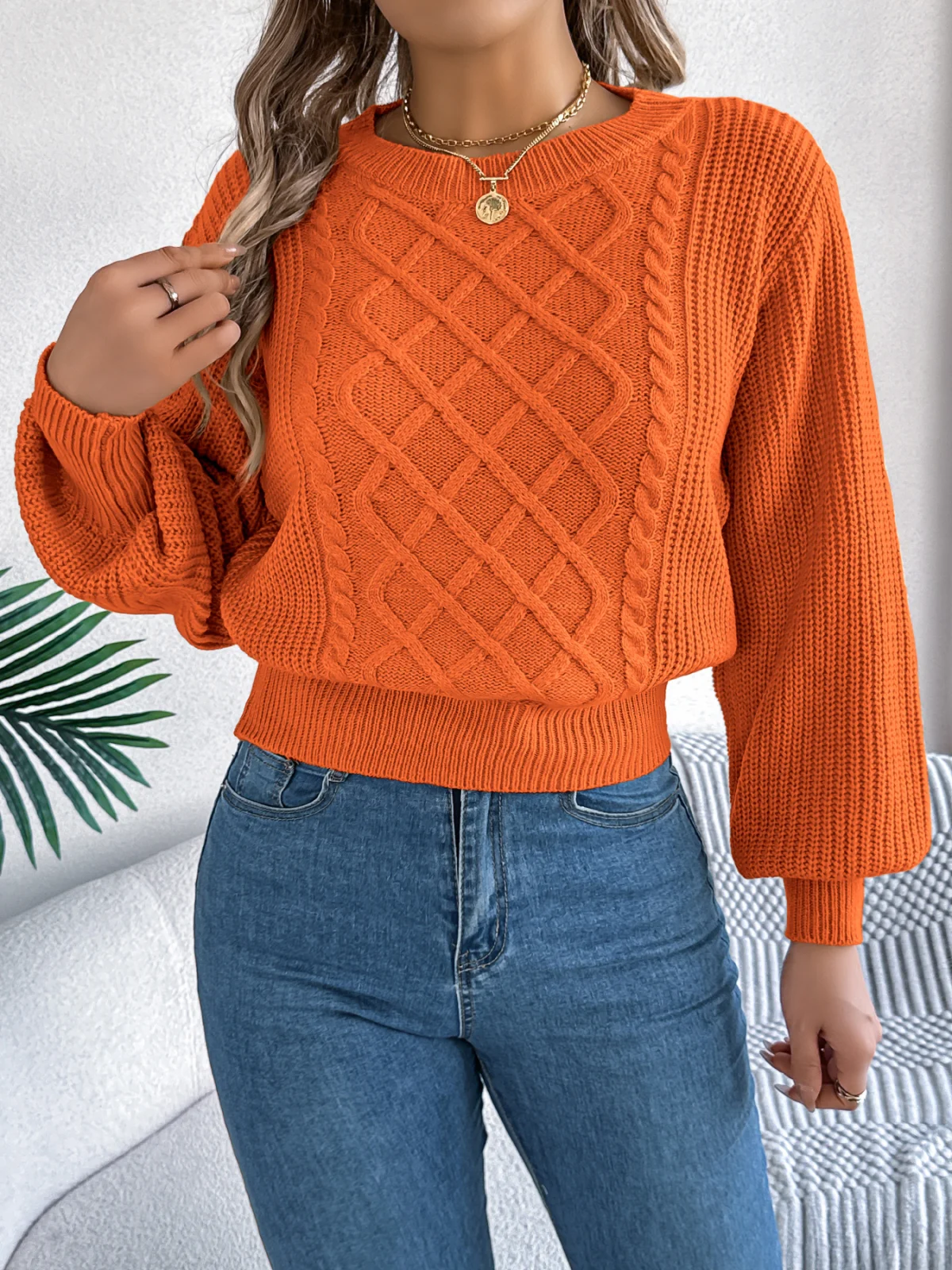
- Pro: The acrylic fabric is lightweight and dries quickly, preventing that damp, cold feeling if you get warm.
- Pro: The regular fit ensures it doesn't bunch up under your arms, keeping you comfortable while typing.
- Con: Asian sizing runs 1–2 sizes smaller than US/EU standards; if you are between sizes, you must choose the larger one to avoid a tight fit.
Option 2: The Casual Hoodie
The Women's Loose-fitting Casual Striped Hoodie Offers a different approach to warmth. It is a loose-fitting, casual style that prioritizes comfort and ease of movement. The striped pattern adds a casual, relaxed vibe to your video calls.
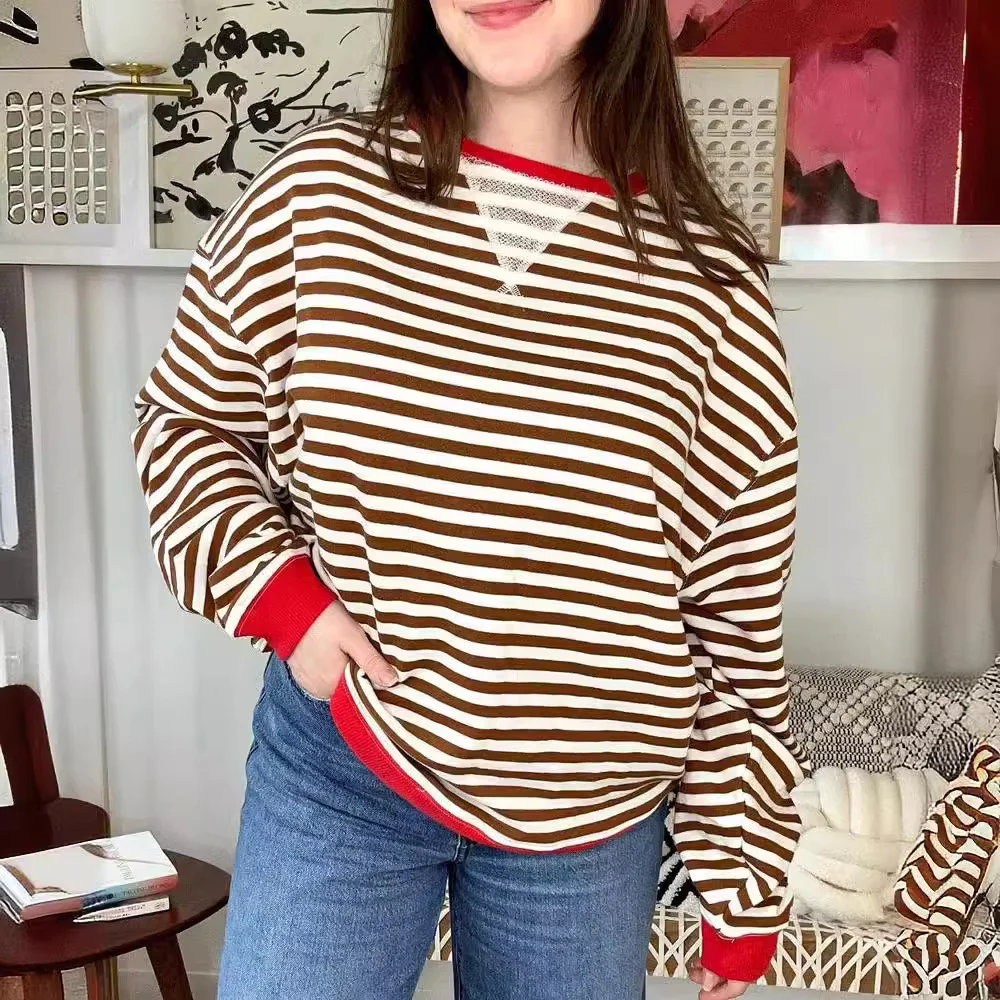
- Pro: The loose fit allows for maximum air circulation and ease of movement, reducing the risk of feeling overheated.
- Pro: The casual style helps lower stress levels, making it a good choice for brainstorming or creative tasks.
- Con: The loose fit may not provide as much consistent insulation as a fitted sweater, as cold air can circulate more freely inside the garment.
Selecting the Right Throw Blanket
A throw blanket is more than a decorative item; it is a thermal regulator. In a home office, you can use a throw to adjust your body temperature in real-time. If you get too warm, you can drape it over your shoulders. If you get cold, you can pull it over your lap. The key is choosing the right fabric and size.
Fabric Weight and Breathability
Cotton and linen are the best fabrics for office throws. They are breathable, durable, and easy to clean. A 100% wool throw is too heavy and can be itchy, while a synthetic fleece throw can trap heat and cause overheating. A cotton-linen blend offers the best of both worlds: the breathability of cotton and the texture and drape of linen. Look for a "washed" finish, which softens the fabric and gives it a lived-in, cozy look. Avoid overly fluffy or synthetic-looking materials, as they can look cheap on camera and may shed lint that sticks to your laptop or phone.
Size Matters for Coverage
Many throw blankets are too small to be useful. A standard throw is often 50 inches by 70 inches. This is fine for a lap, but if you want to wrap yourself up or drape it over the back of your chair, you need a larger size. Look for a throw that is at least 60 inches by 80 inches. If you are buying a set, check the dimensions of each piece. A "three-piece set" might include a large main throw and two smaller accent pieces. The smaller pieces can be used as cushion covers or to cover your laptop, while the larger piece provides full-body coverage.
Recommended Throw Option
Option 3: The Versatile Set
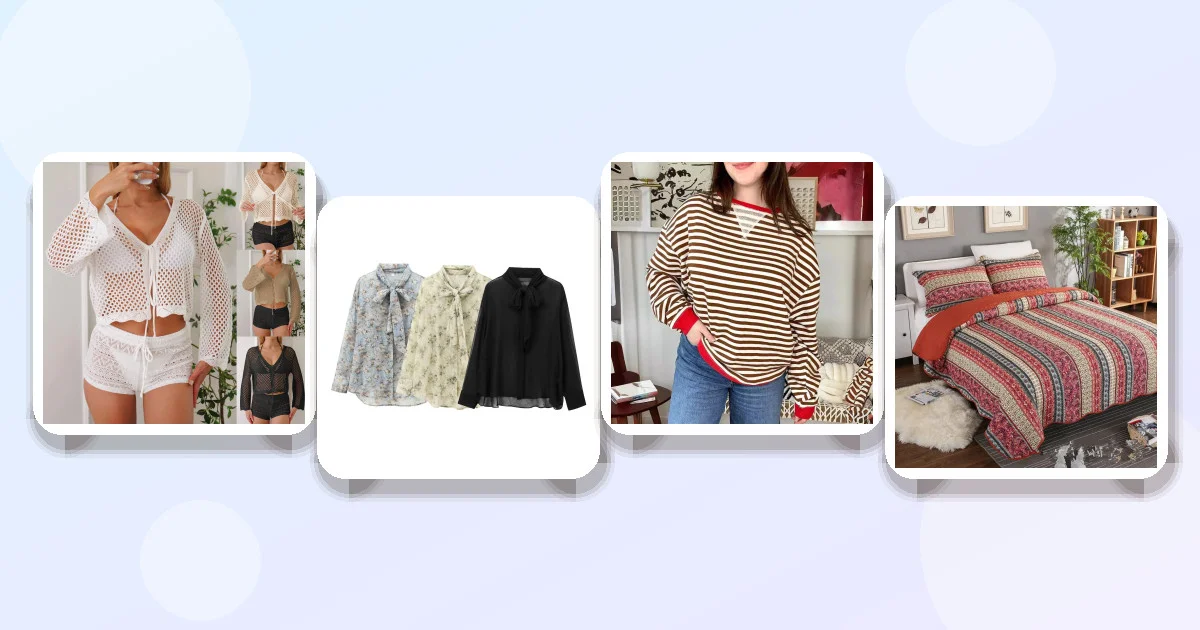
The Three Piece Set of Cotton and Linen Style Cotton Wash Quilt Is a bedding and throw set made primarily of cotton. It comes in a pastoral small floral series, with options for a Red2 or Green three-piece suit. The set includes a main quilt and two smaller pieces, offering flexibility in how you use the textiles.
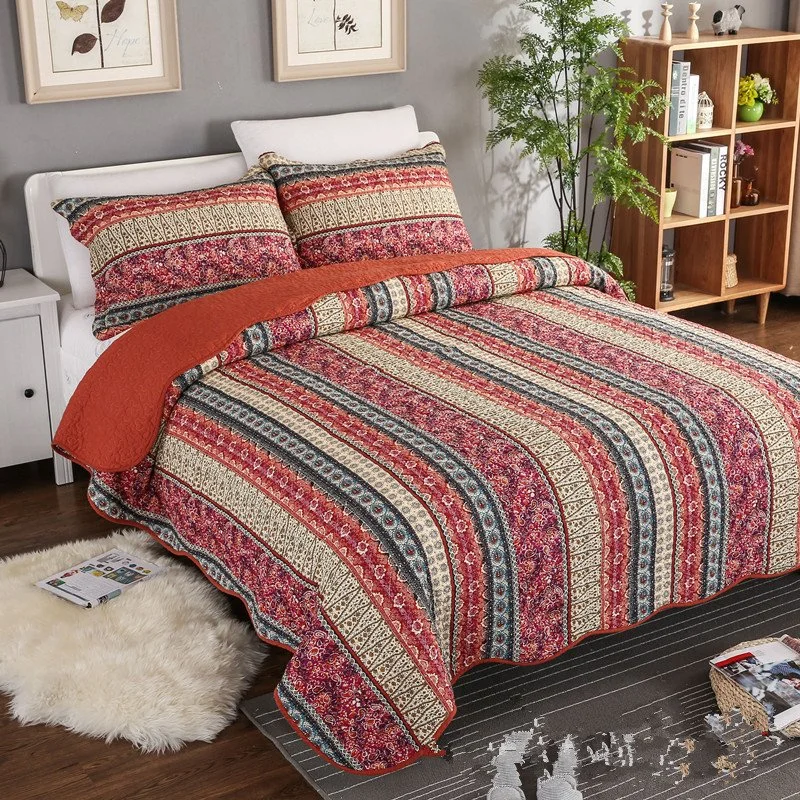
- Pro: The cotton main component is breathable and durable, making it suitable for daily use and easy to wash.
- Pro: The three-piece format offers versatility; you can use the large piece as a throw and the smaller pieces as accents or cushion covers.
- Con: Asian sizing runs 1–2 sizes smaller than US/EU standards; if you are between sizes, choose the larger one. Note that colors may appear slightly different between screens, so check the description carefully.
Product Comparison: Sweaters and Throws
To help you decide which combination works best for your specific needs, here is a comparison of the recommended products. Note that prices and availability can change, so always check the current listing before purchasing.
| Product | Type/Material | Price | Options Available | Best For |
|---|---|---|---|---|
| Solid Color Cable Knit Lantern Sleeve Cinched Pullover Sweater | Sweater / Acrylic | $31.96 | 12 Color-Size options (Orange, White; S-XL) | Professional, structured look; quick-drying warmth |
| Women's Loose-fitting Casual Striped Hoodie | Hoodie / Not specified (likely cotton/poly blend) | $21.24 | Not specified in facts | Casual, relaxed fit; creative or low-stress work sessions |
| Three Piece Set of Cotton and Linen Style Cotton Wash Quilt | Throw/Bedding / Cotton | $102.80 | 2 Color options (Red2, Green) | Coordinated workspace decor; breathable, durable coverage |
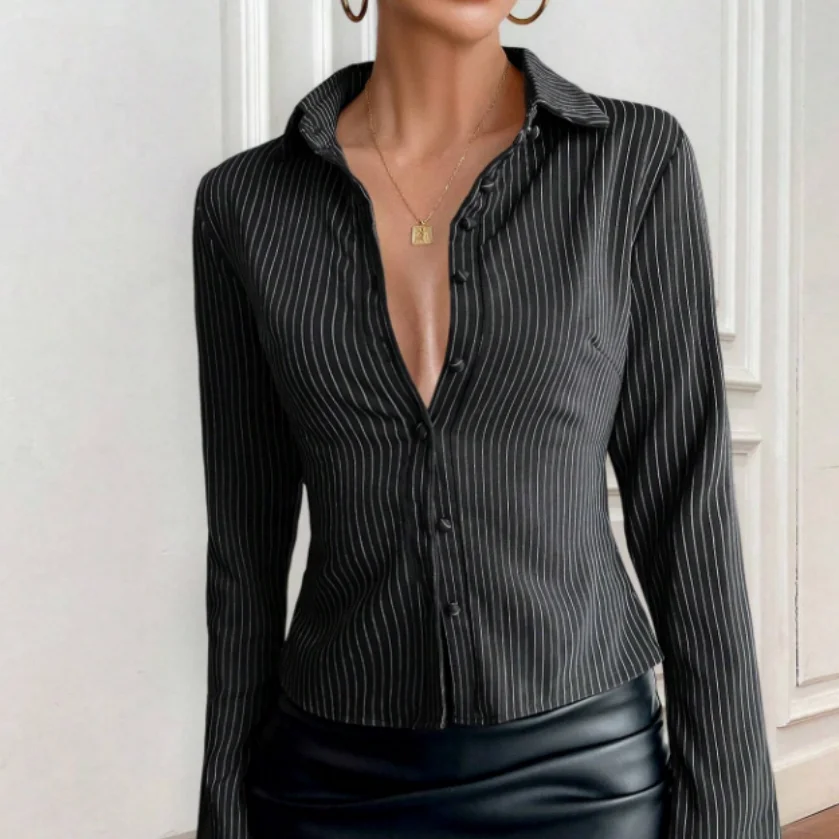
| Women's Striped Button-Down Long Sleeve Casual Shirt | Shirt / Polyester | $13.72 | 12 Color-Size options (Brown, Black; S-3XL) | Layering piece; affordable base layer for cooler days |
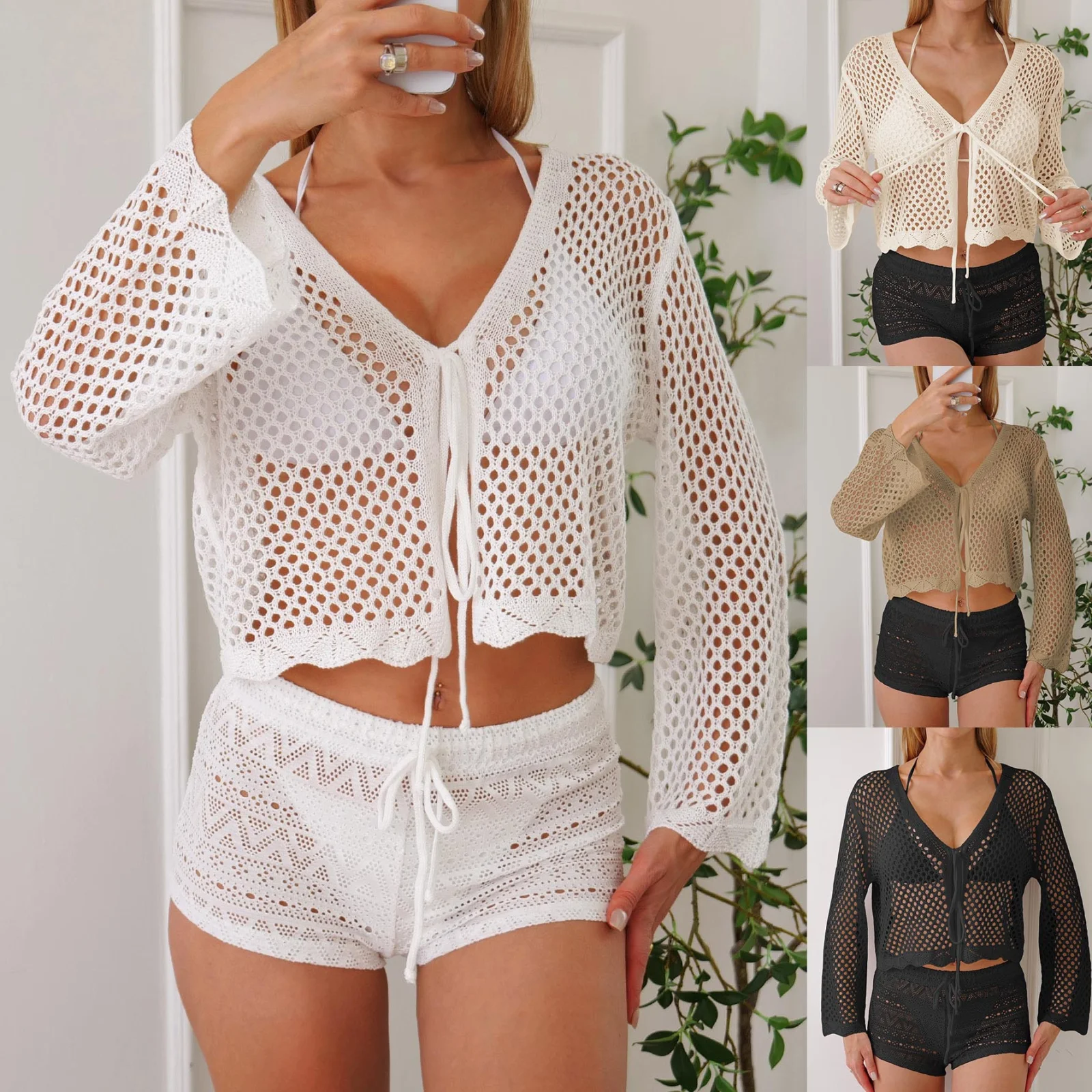
| Cotton-like Women's Cardigan Hollow Woven Blouse | Blouse/Cardigan / Not specified | $23.88 | Not specified in facts | Light layering; open-front versatility for temperature control |
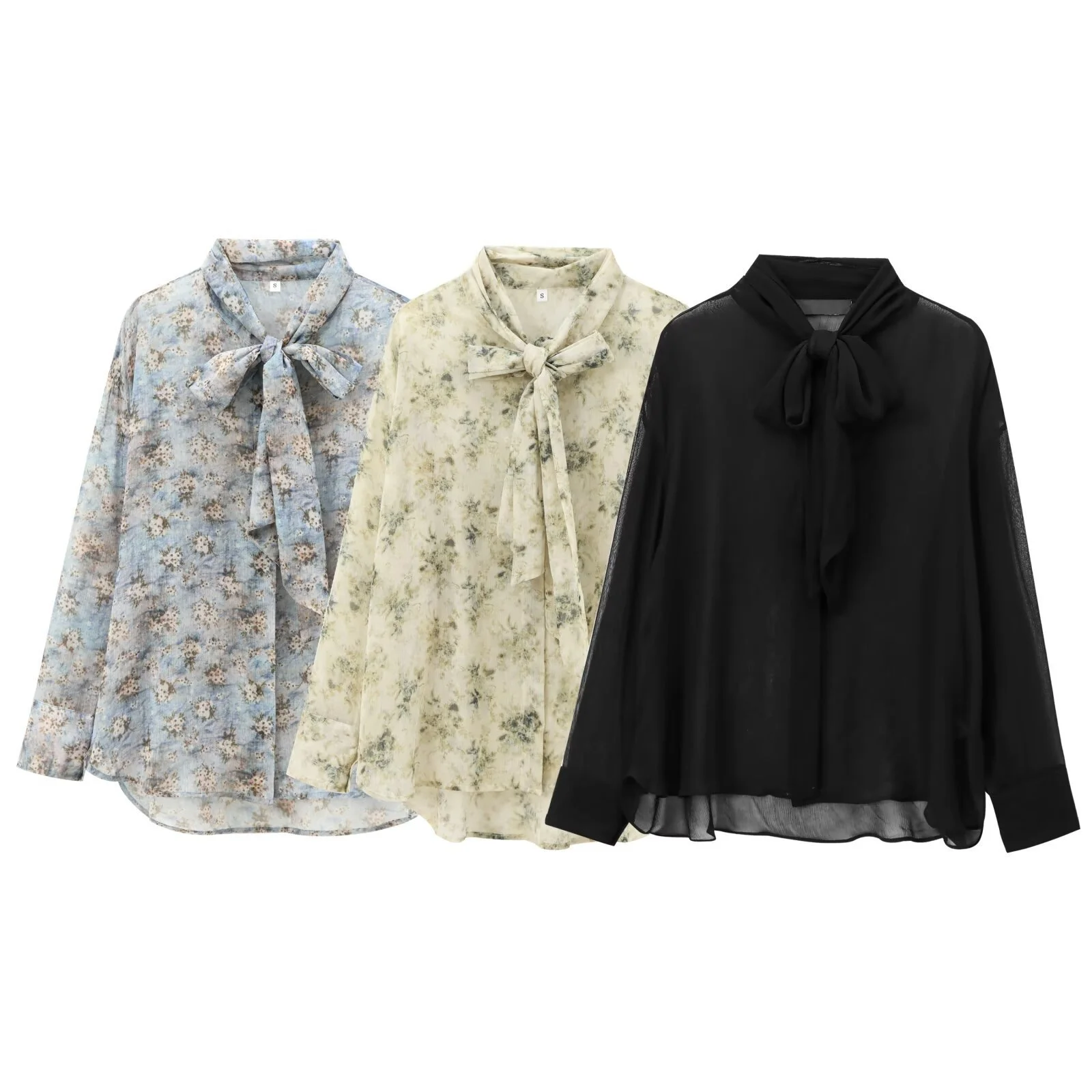
| European And American Women's Clothing French Floral Tie Bow Long-sleeved Shirt | Shirt / Not specified | $27.88 | Not specified in facts | Stylistic accent; adding a feminine, detailed touch to an outfit |
As you can see, the price point varies significantly between the throw set and the individual apparel items. The throw is a larger investment, but it provides a level of comfort and aesthetic cohesion that a single sweater cannot. The sweaters and shirts are more affordable and can be rotated to avoid wearing the same outfit every day. When building your wardrobe, consider starting with one core sweater and one throw, then adding a base layer shirt if you find you are getting too warm or too cold.
Styling Tips for Camera-Ready Comfort
Your home office is now your office, and your appearance matters. However, comfort should not be sacrificed for style. Here are some practical tips for combining sweaters and throws to look professional while staying warm.
Color Coordination
Neutral colors are your best friend. A beige, grey, or cream sweater pairs well with most throw colors. If you choose a floral throw, look for a solid-colored sweater that matches one of the accent colors in the floral pattern. For example, if your throw has green and red florals on a cream background, a cream or light green sweater will create a cohesive look. Avoid clashing patterns, such as pairing a striped hoodie with a busy floral throw. If you want to add visual interest, use the throw as the statement piece and keep your clothing simple.
The "Third Piece" Rule
In fashion, the "third piece" is an accessory that ties an outfit together. In a home office, this could be a scarf, a brooch, or even a well-placed throw. If you are wearing a simple striped hoodie, a textured throw draped over the back of your chair can add depth to your background. If you are wearing a solid-color sweater, a patterned throw can add interest. The goal is to create a balanced visual composition that is not distracting but is visually appealing.
Managing Sleeves and Collars
When wearing a sweater, pay attention to the fit of the sleeves and collar. Sleeves that are too long can bunch up at the wrists, creating a sloppy look. If your sweater sleeves are too long, consider rolling them up slightly or tucking them into gloves (if you are wearing them). A crew neck is generally the most flattering neckline for video calls, as it frames the face without being too high or too low. A turtleneck can look very professional but may be too warm for a heated room. A V-neck is a good middle ground, but be careful not to show too much skin if you are in a cooler environment.
Common Mistakes to Avoid
Even with the best intentions, it is easy to make mistakes when setting up a cozy home office. Avoiding these common pitfalls will save you money and frustration.
- Ignoring Sizing Charts: The most common mistake is assuming that a size "M" is a size "M" everywhere. Always check the specific measurements. If the product is made in Asia, size up. If you are between sizes, choose the larger one. This is especially important for sweaters, as a tight fit can restrict movement and cause discomfort.
- Choosing the Wrong Fabric: Don't buy a 100% wool sweater for a heated home office. It will be too warm and itchy. Don't buy a thin cotton t-shirt for a cold home office. It will not provide enough insulation. Look for mid-weight fabrics like acrylic or cotton-blends that offer breathability and warmth.
- Overlooking Care Instructions: Some delicate knits or linens require hand washing or dry cleaning. If you are not willing to put in the effort, choose a machine-washable item. A throw that you are afraid to wash will end up in a drawer, unused. Choose fabrics that are easy to maintain.
- Forgetting About Lighting: A cozy sweater can look different under different lighting. Warm, yellow lighting can make colors look duller, while cool, white lighting can make them look brighter. Test your outfit under the lighting conditions of your home office before your first video call.
-
Buying Too Many Items at Once: It is tempting to buy a whole wardrobe of cozy clothes. However, it is better to start with a few key pieces and see how they work for you. You might find that you prefer a certain fabric or fit. Start with one sweaterShop the storyAll products from this guide