
You're heading out for a weekend in the woods when the leaves are turning and the nights start to bite. The right coat will keep you warm, dry, and looking good enough to grab coffee in town after a day on the trail. Below you’ll learn which materials, fits, and features matter most, and which of our curated items hit the mark.
How to choose the right coat
Warmth vs. Weight
October temperatures in most U.S. Camping spots range from 40 °F (4 °C) in the day to the low 30s (‑1 °C) at night. A coat that provides 200–300 g/m² of insulation (down or synthetic) usually covers that range without adding bulk. Look for “mid‑weight” labels rather than “heavy‑duty winter” which can overheat you on sunny afternoons.
Weather resistance
Rain is common in the fall, so a coat should have a water‑repellent finish (DWR) and a minimum 5,000 mm hydrostatic head. Breathability matters too; a 5,000 g/m² moisture vapor transmission rating lets sweat escape while keeping rain out. If you can’t find numbers, choose a coat marketed as “water‑resistant” rather than “waterproof.”
Fit and mobility
Camping involves layering, bending, and reaching. Aim for a coat that’s 1–2 inches larger around the chest and hips than your base layer. A “loose” or “relaxed” cut gives room for a fleece or thin down vest without feeling restrictive.
Features that matter on the trail
- Secure pockets: At least two zippered hand pockets keep maps and snacks dry.
- Adjustable hood: A stow‑away hood protects against wind‑driven rain.
- Durable cuffs: Elastic or Velcro cuffs keep cold air out.
- Length: Mid‑thigh coverage protects lower back and hips while sitting around a campfire.
Style considerations
If you plan to transition from trail to town, pick a coat with a clean silhouette—double‑breasted, solid colors, and minimal techy branding. A wool or wool‑blend overcoat can hide a synthetic lining, giving you a polished look without sacrificing function.
Product comparison
| Product | Price | Material / Type | Fit / Options | Best for |
|---|---|---|---|---|
| Streetwear Women Jackets Lined Double‑breasted Overcoat | $45.84 | Wool blend, lined | Loose, sizes M‑4XL (Asian sizing runs small) | Women who want a town‑ready look that still keeps the chill at camp |
| Warm 2‑in‑1 Jacket for Youth | $78.28 | Cotton‑padded lining, zip‑front | Youth sizes M‑6XL, 2‑tone color | Backpackers needing easy temperature control with a zip‑over‑zip design |
| Women's Cozy Loose Fit Hooded Sweatshirt Coat | $8.72 | Fleece‑lined sweatshirt | Loose, medium length, colors white/gray | Casual camp evenings and quick trips where weight is the priority |
| Corduroy Lapel Shirt Vintage Cardigan | $23.88 | Corduroy (no detailed specs) | Standard women’s sizes | Light‑weight layering on milder fall days |
| Lightweight Cotton‑Linen Button‑Down Shirt | $18.12 | Cotton‑linen blend | Mid‑length, multiple colors, sizes S‑3XL | Base layer or daytime shirt when temperatures stay above 50 °F |
| Cozy Unisex Hoodie – Solid Color Pullover | $11.16 | Fleece‑lined hoodie | Unisex, many colors, sizes S‑XXL | Extra warmth under a shell or as a stand‑alone on cool mornings |
Why each product fits a part of the guide
Streetwear Women Jackets Lined Double‑breasted Overcoat
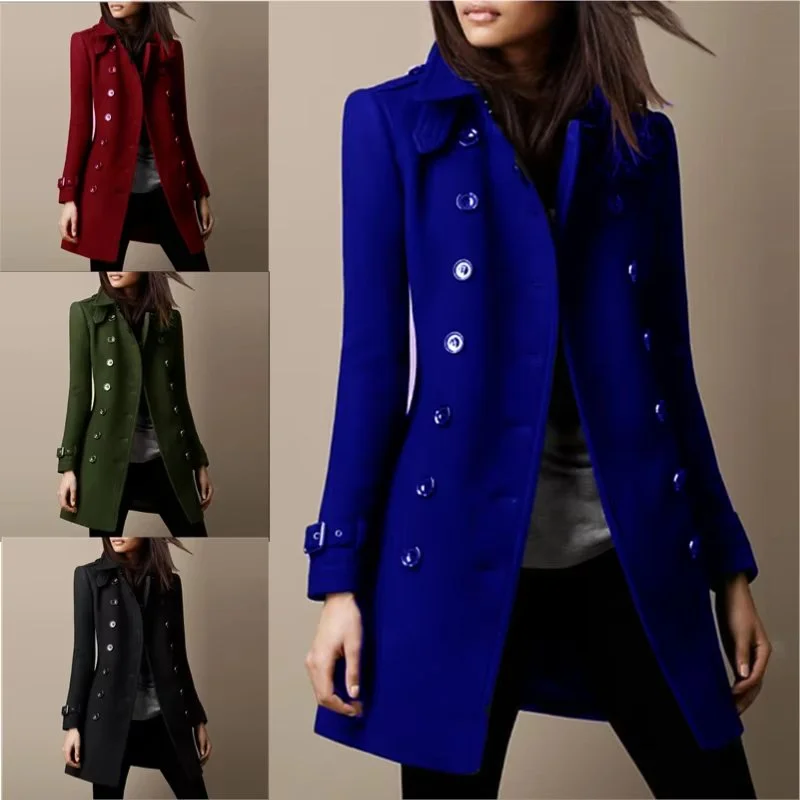
- Warm wool blend keeps you cozy without heavy insulation.
- Double‑breasted design hides a zip pocket for small items.
- Con: Asian sizing runs small; you may need to size up.
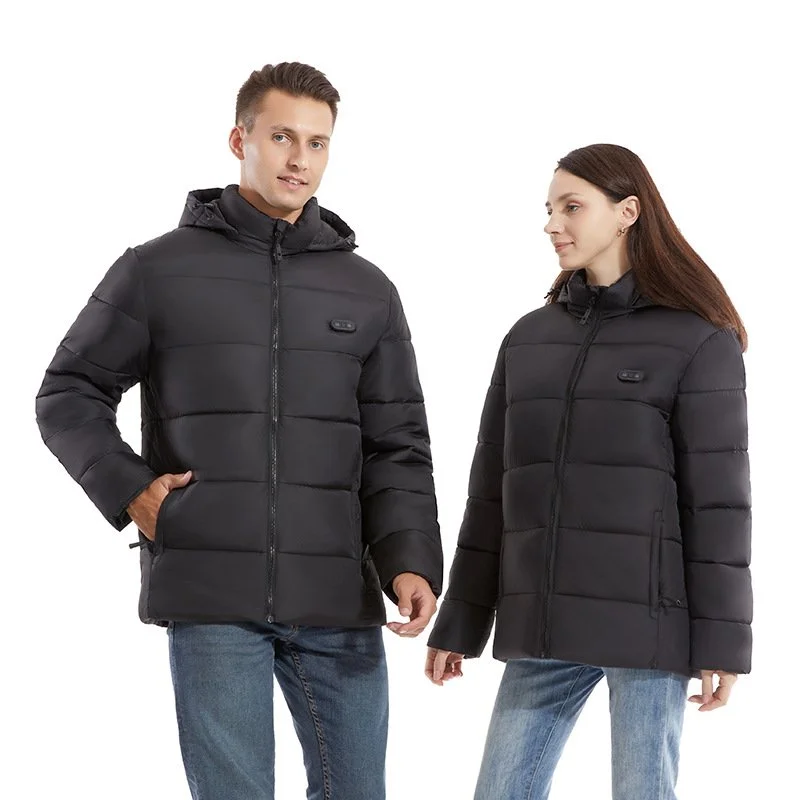
- Two‑tone design makes it easy to spot in low light.
- Cotton‑padded lining offers decent warmth for October nights.
- Con: Not marketed as waterproof, so bring a separate rain shell.
Women's Cozy Loose Fit Hooded Sweatshirt Coat

- Fleece interior is soft and breathable.
- Loose fit layers well over a thin fleece.
- Con: No water‑resistance; pair with a rain jacket if showers are forecast.
Corduroy Lapel Shirt Vintage Cardigan
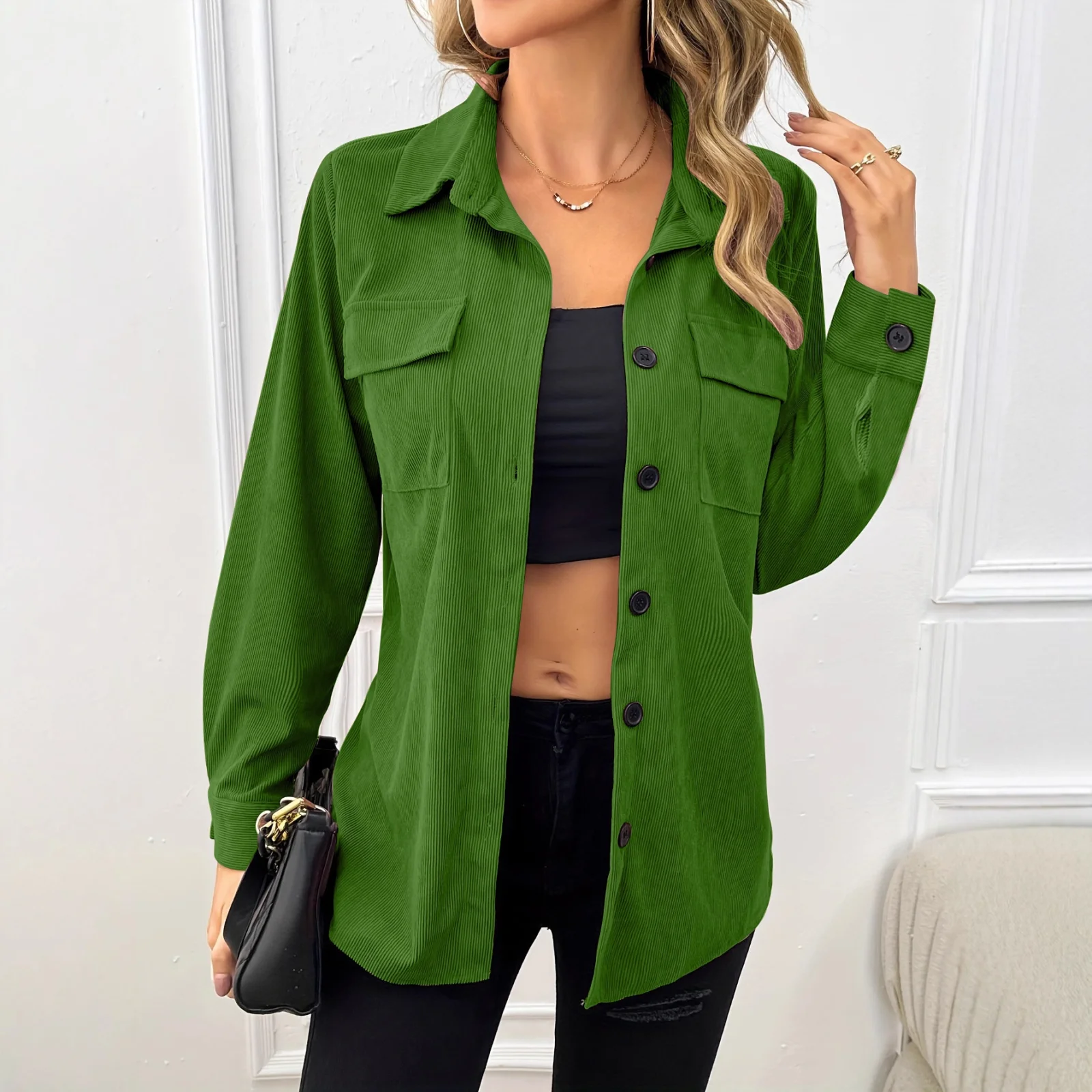
- Textured corduroy adds visual interest.
- Lightweight enough to pack.
- Con: No technical specs; not ideal for rain or heavy wind.
Lightweight Cotton‑Linen Button‑Down Shirt

- Breathable fabric keeps you cool during daytime hikes.
- Bright colors can lift the mood of a gray campsite.
- Con: Not insulated; needs a warmer top for night.
Cozy Unisex Hoodie – Solid Color Pullover
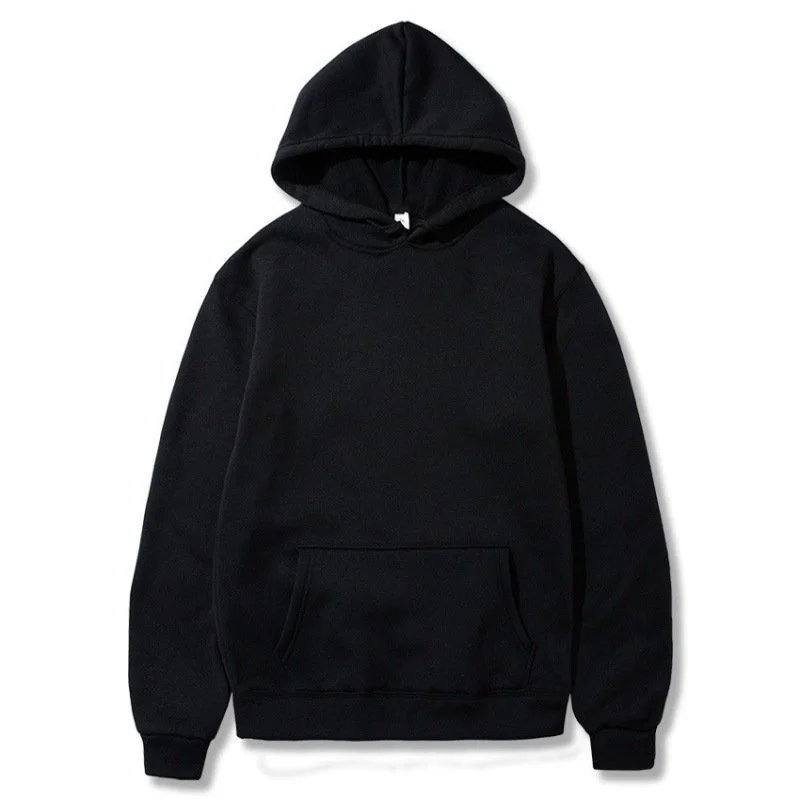
- Fleece lining is soft and traps heat.
- Wide color range makes it easy to match other gear.
- Con: Unisex sizing may feel roomy on some women.
Common mistakes to avoid
- Choosing only based on price. The cheapest option may lack water resistance, forcing you to buy a separate shell.
- Ignoring fit for layering. A coat that’s too tight will compress insulation and make you cold.
- Relying on “stylish” alone. A sleek look is great, but if the fabric can’t shed rain you’ll end up soaked.
- Skipping a hood. Even a detachable hood adds a critical layer of protection against wind‑driven drizzle.
Care, styling, and layering tips
After a muddy trek, spot‑clean any wool or corduroy pieces with a damp cloth and mild detergent. For fleece or cotton‑padded items, machine wash cold on a gentle cycle, then tumble dry low to restore loft.
Layering strategy: start with a moisture‑wicking base (synthetic shirt), add a thin fleece or the cotton‑lined 2‑in‑1 jacket, then top with the wool overcoat for wind protection. Keep a compact rain shell in your pack for unexpected showers.
Style tip: Pair the double‑breasted overcoat with dark leggings and waterproof boots for a look that transitions from trail to town without a wardrobe change.
Frequently asked questions
❓ What features should I look for in a women's coat for fall camping?
Look for mid‑weight insulation (200‑300 g/m²), water‑resistance around 5,000 mm, a relaxed fit for layering, zippered pockets, and a stow‑away hood. These details keep you warm, dry, and mobile on October trails.
❓ Is a down jacket better than a synthetic insulated coat for October nights outdoors?
Down is lighter and packs smaller, but it loses warmth when damp. Synthetic insulation stays warm when wet and dries faster, making it a safer bet for unpredictable fall weather.
❓ How many layers should I wear under a women's hiking coat in the fall?
Two layers work well: a moisture‑wicking base shirt plus a thin fleece or the cotton‑padded 2‑in‑1 jacket. Add a third layer (light down vest) only if temperatures dip below 30 °F.
❓ Can I wear a women's coat that looks stylish in town and still works for camping?
Yes—choose a coat with a clean silhouette (double‑breasted, solid color) and technical features like water‑resistance and zip pockets. The Streetwear double‑breasted overcoat is a good example.
❓ What waterproof rating do I need for a women's coat in autumn rain?
A 5,000 mm hydrostatic head is sufficient for typical fall showers; higher ratings are overkill unless you expect heavy, sustained rain.
❓ How to care for a women's insulated coat after a camping trip?
Spot‑clean dirt, then machine wash on a gentle cycle with cold water. Use a low‑heat dryer or air‑dry; tumble with clean tennis balls to restore loft in synthetic fills.
❓ Should I buy a coat with a hood or use a separate hat?
A built‑in hood offers better seal against wind and rain, but a separate beanie can add extra warmth if the hood is thin.
❓ Is a wool coat too warm for daytime hiking?
Wool is breathable, so a lightweight wool blend can be comfortable during active daytime hikes, especially when layered over a thin base.
Key takeaways
- Mid‑weight insulation (200‑300 g/m²) balances warmth and packability for October nights.
- Aim for at least 5,000 mm water resistance and a breathable membrane.
- Choose a relaxed, loose fit to accommodate a fleece or thin down layer.
- Features like zip pockets, adjustable hood, and mid‑thigh length add real trail value.
- Style doesn’t have to suffer—double‑breasted wool overcoats look polished while performing.
- Proper care (gentle wash, low‑heat dry) extends the life of insulated and wool coats.
How we chose these products: We matched each item’s price, material, and fit to the key attributes needed for a warm, water‑resistant, and stylish women's coat for fall camping; availability and specs may change.