
When the temperature dips below freezing, a sweater that keeps sweat off your skin and traps heat without adding bulk becomes essential. This guide walks you through the key features, sizing tips, and layering tricks that make winter hikes comfortable, plus a hand‑picked list of sweaters that hit the sweet spot between performance and style.
Why winter hiking sweaters matter
Hiking in cold weather turns a simple layer into a critical piece of gear. Sweat from exertion can chill you if it stays on your skin, and a sweater that is too bulky can weigh you down. A good winter hiking sweater keeps you dry, traps heat, and can be packed into a daypack without taking up valuable space.
Key features to look for
Moisture‑wicking
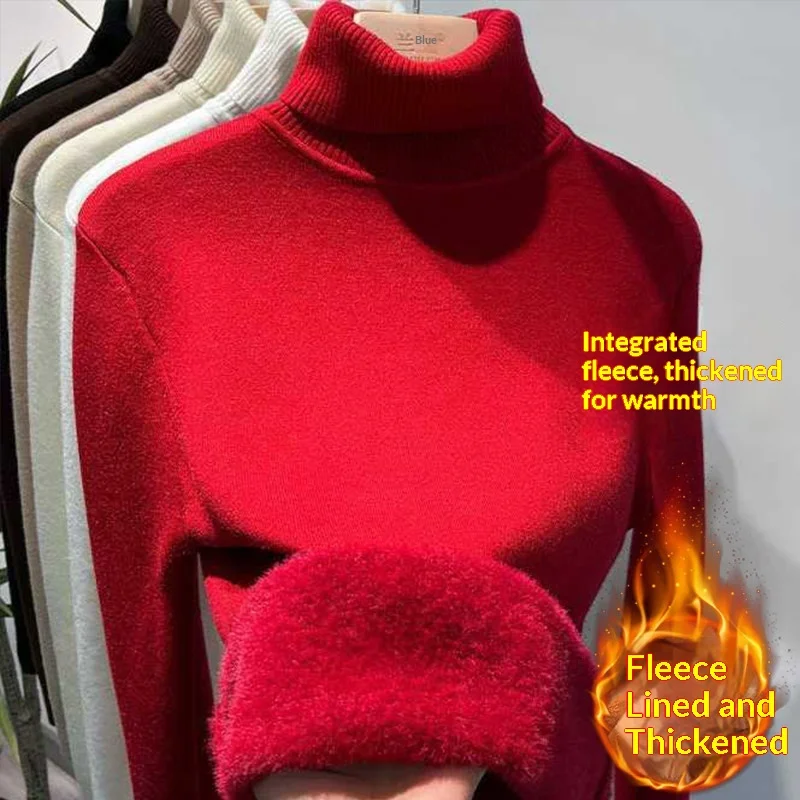
Look for yarns that pull sweat away from the body. The Fleece‑lined Turtleneck Base Sweater Uses fine yarn that feels soft while moving moisture out.
Insulation
Extra‑thick layers or a fleece lining give more warmth. The Fleece‑lined Turtleneck Base Sweater Is labeled “Extra‑thick,” making it ideal for sub‑freezing temperatures.
Packability
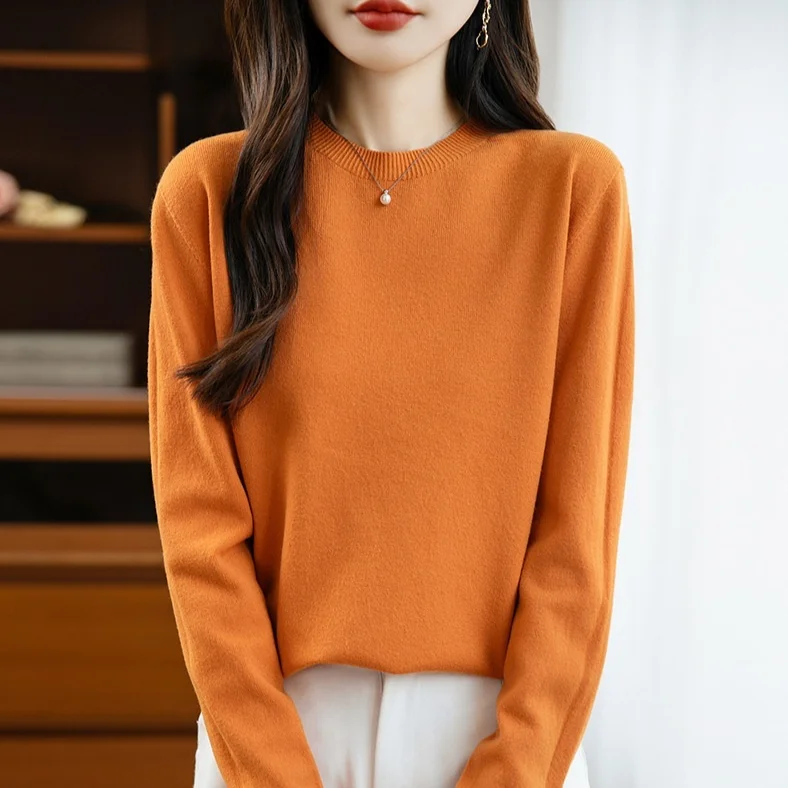
Shorter lengths and lightweight fabrics fold into a small pouch. The Round‑neck Wool Knit Is seamless and compresses well, making it easy to slip into a backpack.
Fit and movement
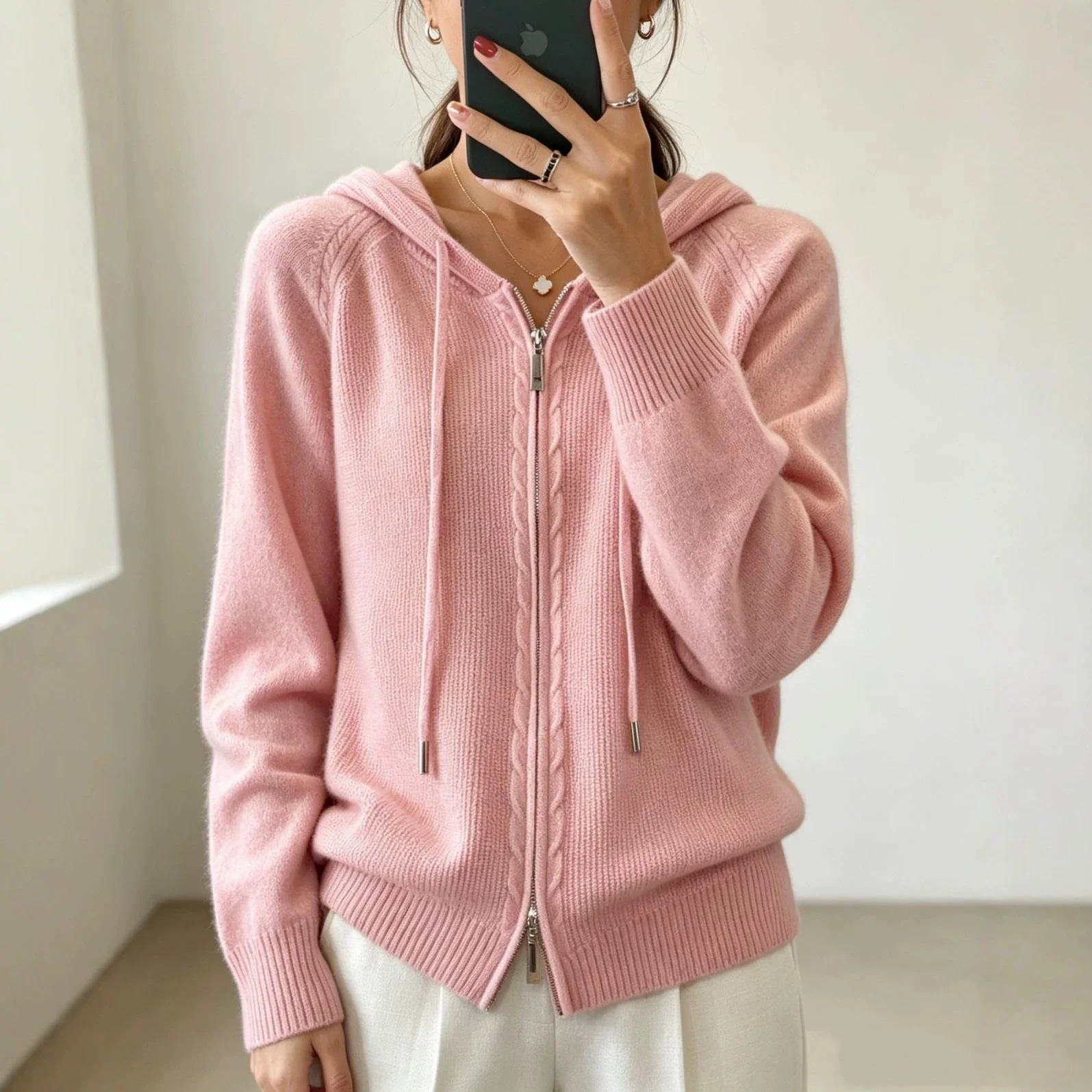
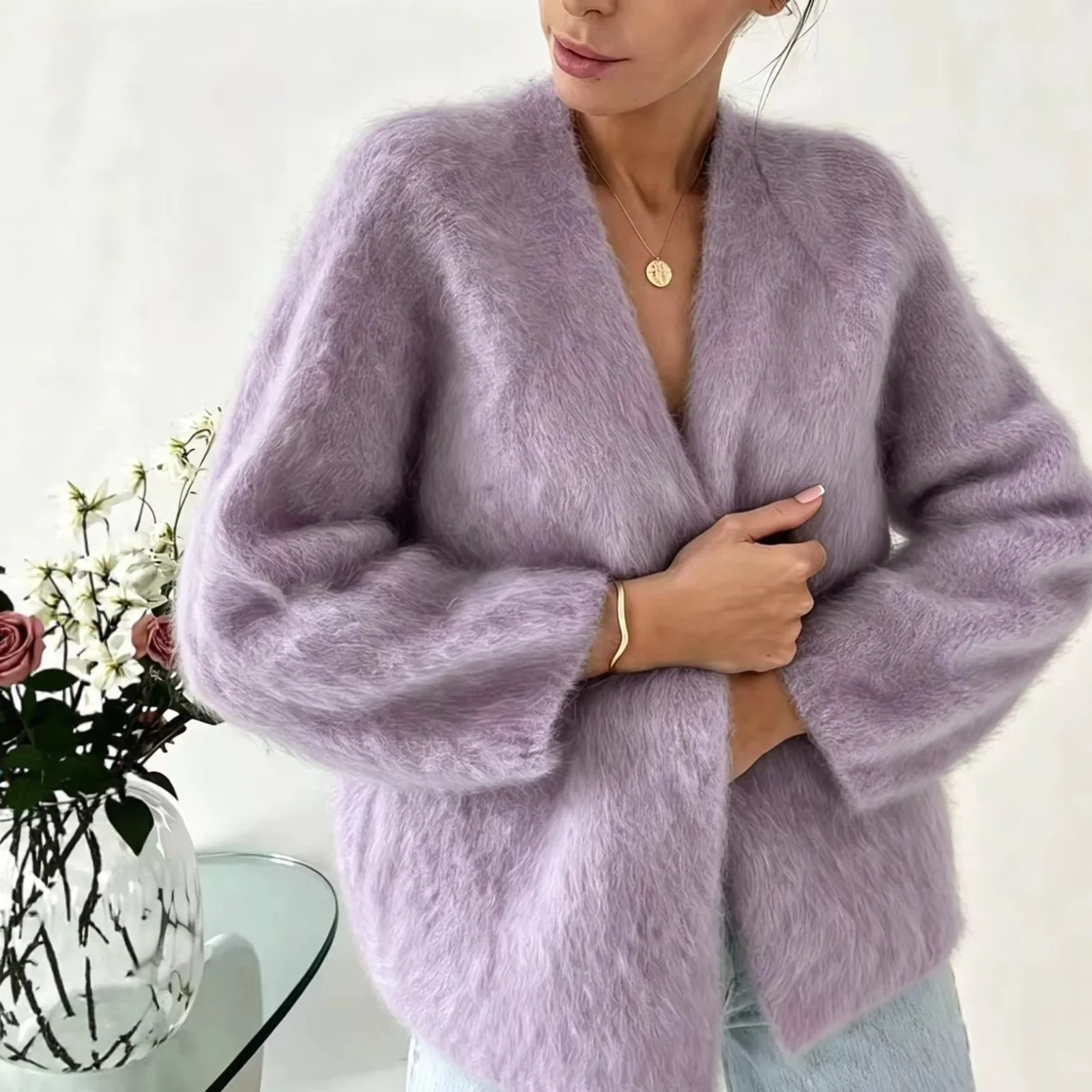
Loose fits allow for layering without restricting range of motion. The Faux‑wool Cardigan Loose‑fit Sweater Jacket Offers a relaxed cut that won’t feel tight when you’re moving.
Materials that work best
Two families dominate winter hiking sweaters: natural fibers like wool and synthetic blends like acrylic or polyester. Wool retains heat even when wet, while synthetics wick moisture faster. The Round‑neck Wool Knit Uses seamless wool for warmth and breathability. The Faux‑wool Cardigan Is acrylic, which is lightweight, dries quickly, and is easy to clean.
Sizing and fit for hikers
Hikers need a bit more room for layered clothing. When sizing, choose the larger number if you’re between sizes. Asian sizing is typically 1–2 sizes smaller than US/EU, so double‑check the chart before ordering. The Fleece‑lined Turtleneck Base Sweater Offers a range from S to 4XL, giving plenty of options for different body types.
Layering a sweater for a winter hike
Start with a moisture‑wicking base layer, add a mid‑layer for insulation, then top with a wind‑proof shell if needed. A sweater can serve as the mid‑layer. The Fleece‑lined Turtleneck Base Sweater Works well over a synthetic base because its fine yarn won’t add bulk. Pair it with a lightweight jacket for extra protection.
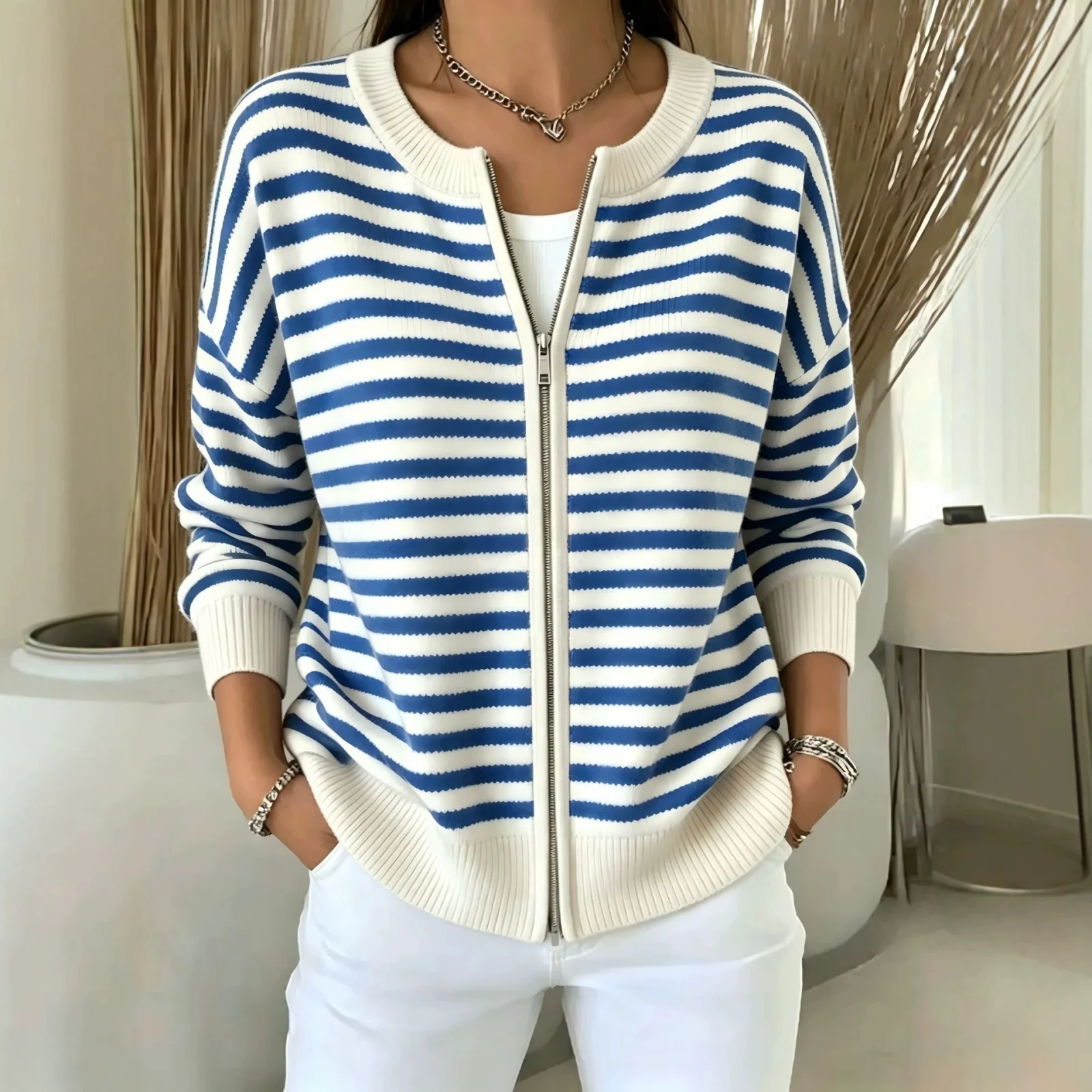
Product comparison table
| Product | Price | Material | Thickness | Best for |
|---|---|---|---|---|
| Round‑neck Wool Knit | $20.36 | Wool | Standard | Budget‑friendly, versatile |
| Faux‑wool Cardigan Loose‑fit | $25.88 | Acrylic | Regular | Loose fit, quick‑dry |
| Fleece‑lined Turtleneck Base | $65 | Fine yarn, fleece lining | Extra‑thick | Cold‑weather insulation |
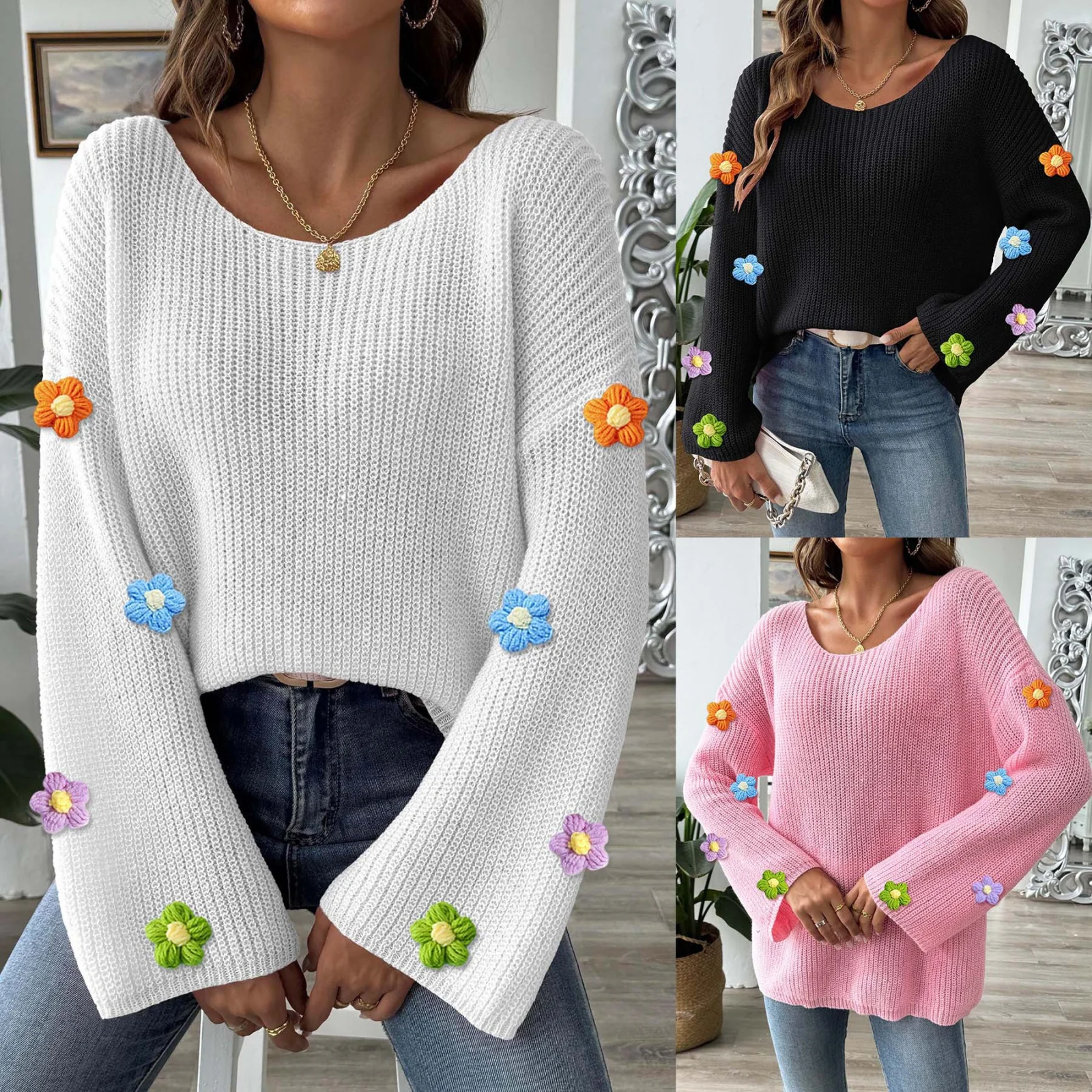
| Hand‑crocheted Floral Patchwork | $27.88 | Polyester | Standard | Stylish, casual |
| Striped Knitted Cardigan with Zipper | $32.84 | Knitted wool/knit | Regular | Patterned, versatile |
| V‑neck Sweater Coat | $26.88 | Knitted | Regular | Solid color, easy layering |
Common mistakes to avoid
- Choosing a sweater that’s too tight—restricts circulation and layering.
- Ignoring packability—heavy sweaters can fill a backpack.
- Assuming all wool is cold‑weather—some blends are too thin for sub‑freezing.
- Overlooking weight—extra weight slows you down.
Care, styling, and usage tips
- Wash wool sweaters in cold water with a gentle detergent; tumble dry on low or lay flat.
- Acrylic and polyester can be machine dried; avoid high heat to prevent shrinkage.
- Layer a sweater under a wind‑proof shell for maximum protection.
- Use a lightweight scarf or neck gaiter to cover exposed skin in wind.
Frequently asked questions
❓ What sweater is best for hiking in cold weather?
The Fleece‑lined Turtleneck Base Sweater Offers extra thickness and fine yarn for insulation and breathability, making it ideal for sub‑freezing hikes.
❓ How do I choose a packable winter sweater for hiking?
Look for a lightweight, short‑length sweater that compresses easily. The Round‑neck Wool Knit Is seamless and folds into a small pouch, making it highly packable.
❓ What materials work best for a hiking sweater?
Wool provides warmth even when wet, while acrylic and polyester wick moisture quickly. A blend of fine yarn and fleece lining, like in the Fleece‑lined Turtleneck Base Sweater, balances both.
❓ Can I wear a sweater on a long trail in winter?
Yes, as long as it’s moisture‑wicking and not too bulky. Pair it with a base layer and a wind‑proof shell for a layered system that keeps you dry and warm.
❓ What size sweater should I buy for hiking?
Choose the larger size if you’re between numbers, and remember Asian sizing is 1–2 sizes smaller than US/EU. The Fleece‑lined Turtleneck Base Sweater Offers sizes from S to 4XL to accommodate most hikers.
❓ How do I layer a sweater for a winter hike?
Start with a moisture‑wicking base layer, add the sweater as a mid‑layer, then top with a wind‑proof shell. The Fleece‑lined Turtleneck Base Sweater Works well over a synthetic base layer.
❓ Do I need a zipper on my sweater?
A zipper can help with ventilation and quick removal, but it adds weight. The Striped Knitted Cardigan with Zipper Offers a zipper for convenience without excessive bulk.
❓ How do I care for a wool sweater?
Wash in cold water with a gentle detergent, avoid hot water, and lay flat to dry to maintain shape.
❓ Is a faux‑wool cardigan good for winter hiking?
Yes, acrylic is lightweight, dries fast, and offers a loose fit that’s great for layering on long hikes.
Key takeaways
- Moisture‑wicking, extra‑thick, and packable are the three must‑have features for winter hiking sweaters.
- Wool stays warm when wet; acrylic dries fast—pick based on your activity level.
- Choose a larger size if you’re between numbers; Asian sizing is typically smaller.
- Layer a sweater over a base layer and under a wind‑proof shell for optimal warmth.
- Care with cold water and gentle drying to keep sweaters in shape.
How we chose these products: Based on material, thickness, price, and fit options that match winter hiking needs; prices and availability can change.