Your fall work wardrobe is stuck in a limbo between summer’s heat and winter’s heaviness. You want a top that looks sharp in the morning meeting, stays comfortable through a long day of sitting at a desk, and transitions smoothly if you have dinner plans afterward. The average office temperature fluctuates, and generic "work clothes" often feel too stiff or too casual. This guide cuts through the noise to help you select specific women's blouse options that solve these problems. We focus on practical details: fabric weight, neckline function, and how to layer without looking bulky. By the end, you will know exactly what to look for when shopping, which fabrics actually hold up in cooler weather, and how to style specific pieces for maximum versatility.
Choosing the Right Fabric for Fall
Fabric is the single most important factor in how a blouse performs in the office. You are not just buying a color; you are buying a material that dictates how the garment drapes, breathes, and ages. For fall, you want a fabric that is thick enough to provide a layer of insulation but thin enough to avoid overheating when you step indoors. Many office buildings maintain a consistent 68–72°F temperature, meaning your outer layer (a blazer or cardigan) does the heavy lifting, while the blouse needs to manage moisture and movement.
Natural Fibers: Cotton-Linen and Silk
Cotton-linen blends are a standout choice for transitional weather. Pure linen is prone to wrinkling and can feel scratchy, while pure cotton can be too thin for early fall. A blend offers the structure of cotton with the breathability of linen. It drapes well over the torso and resists clinging to the body, which is crucial if you are sitting for eight hours. If you opt for silk, look for a mid-weight twill or satin. Lightweight silk chiffon is too fragile for daily wear and offers zero warmth. A heavier silk or a high-quality satin substitute provides a polished look that catches the light well under fluorescent office lighting.
Synthetic Blends and Polyester
Do not dismiss polyester. High-quality, engineered polyesters are designed to mimic the drape of silk or the softness of cashmere without the maintenance cost. For a busy commuter, a stretch-polyester blend is often the most practical choice. It resists wrinkles, dries quickly if you get caught in rain, and holds its shape after washing. The key is to check the drape. A cheap polyester can look stiff and shiny, which reads as "costume" rather than "professional." Look for matte-finish fabrics or those with a subtle texture, like a micro-knit or a crinkled finish, to avoid a plasticky appearance.
Weight and Weave
Check the weight of the fabric if the product listing provides it. For fall, you generally want a medium weight. If the fabric is labeled "lightweight" or "sheer," you will need to wear a camisole or tank underneath, which can add bulk at the shoulders. A medium-weight fabric stands on its own. The weave also matters. A tight weave (like a poplin or twill) looks crisp and professional, ideal for interviews or client-facing roles. A looser weave (like a jersey or knit) offers comfort and movement, better for creative fields or days when you are mostly on the phone.
Fit, Necklines, and Sleeves: The Details That Matter
Even the best fabric will look unprofessional if the fit is wrong. A blouse that is too tight pulls at the buttons and creates tension lines across the chest. A blouse that is too baggy looks sloppy and adds visual volume. The goal is a "structured ease" fit where the garment follows your body’s shape without squeezing it.
Understanding the Cut
Pay attention to the shoulder seam. It should sit exactly at the edge of your shoulder bone. If it falls onto your upper arm, the blouse is too large. If it rides up toward your neck, it is too small. The side seams should fall naturally in front of your hip bone. If they fall behind your hips, the blouse is too wide. For a professional look, the hem should hit mid-hip or just below the hip bone. This length is ideal for tucking into high-waisted trousers or a pencil skirt. If you prefer to wear the blouse untucked, look for a longer, A-line cut that flares slightly to balance your silhouette.
Neckline Selection
The neckline defines the tone of the outfit. A classic crew neck is the safest bet for conservative offices. It is timeless and works with any collar style. A V-neck elongates the torso and draws attention to the face, making it a great choice if you are wearing a necklace. A scoop neck is softer and more casual than a V, suitable for creative environments. Avoid plunging necklines or very wide square necks if you are in a traditional corporate setting, as they can appear too casual or revealing when paired with a blazer. The depth of the neckline should be proportional to your height; taller women can carry deeper necklines more easily than shorter women without looking unbalanced.
Sleeve Length and Movement
For fall, long sleeves are standard. However, the length of the sleeve matters. A sleeve that ends at the wrist bone is ideal. If it ends mid-forearm, it will look like a 3/4 sleeve, which is a trendy alternative for early fall but may not be warm enough for late autumn. Check the sleeve seam. It should run straight down the arm, not twist. Twisted sleeves indicate poor construction or improper fitting. If you have a larger bust, look for side darts or a princess seam. These structural elements shape the fabric to your body, preventing the blouse from pulling at the chest when you raise your arms to type or reach for a file.
Top Women's Blouse Picks for Your Wardrobe
Based on the need for versatility, comfort, and professional polish, here are specific options that address different aspects of the fall commute. These selections cover a range of fabrics and styles, from textured natural blends to sleek synthetic satins.
For Textured Natural Comfort
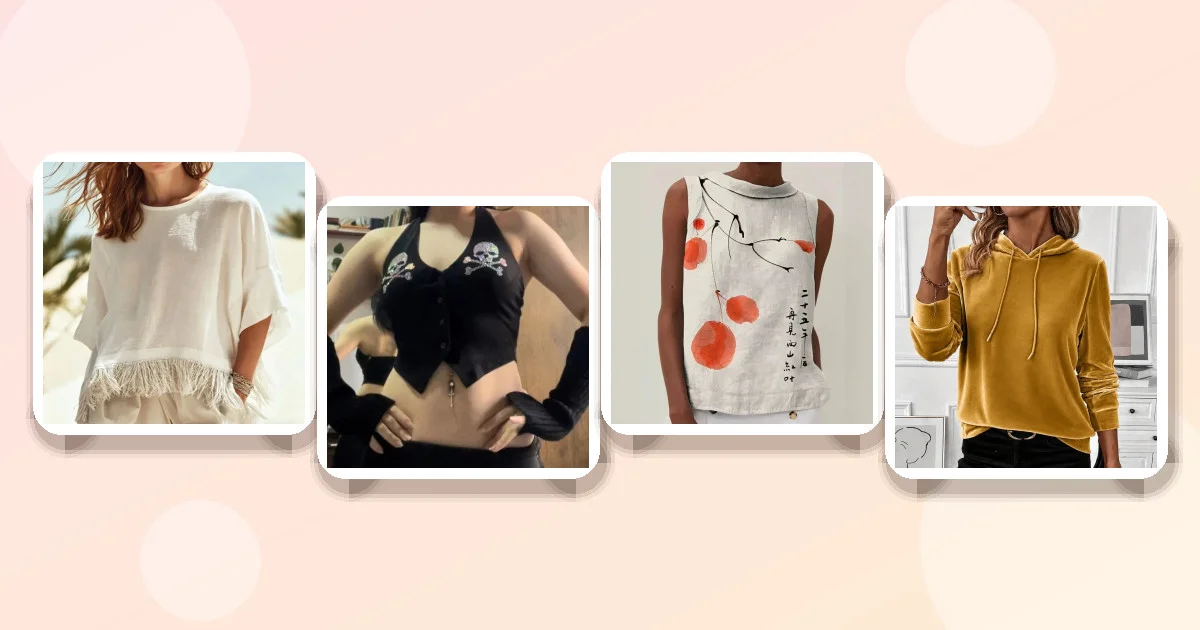
If you prioritize breathability and a relaxed, effortless look, look for natural fiber blends. The Womens Tassel-Patched Crew-Neck Cotton-Linen Top Shirt Is a strong contender for this category.
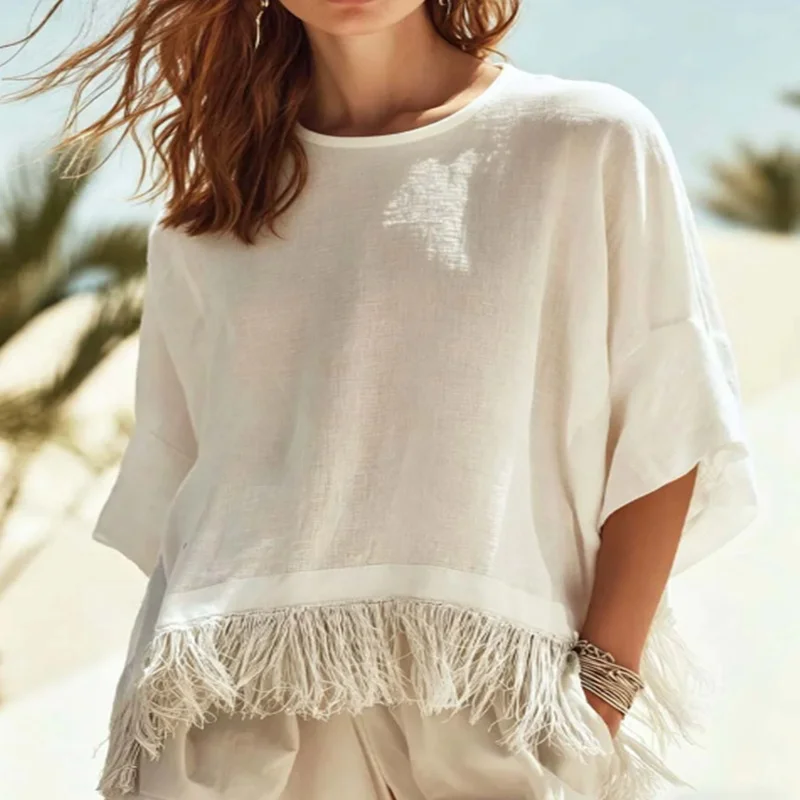
- Pro: Cotton-linen blends offer excellent breathability and a unique, textured appearance that looks expensive.
- Pro: The crew neck is a versatile, classic shape that works with both turtlenecks and open blazers.
- Con: Linen blends are prone to wrinkling, so you may need to steam it before work or choose a style that embraces the wrinkles.
For Sleek Layering and Base Layers
Sometimes the best blouse is the one you layer under a blazer or cardigan. The Slim-Fit Street-Style Halter Tank Top for Women – Black Milk-Silk Offers a sleek, minimalist base.
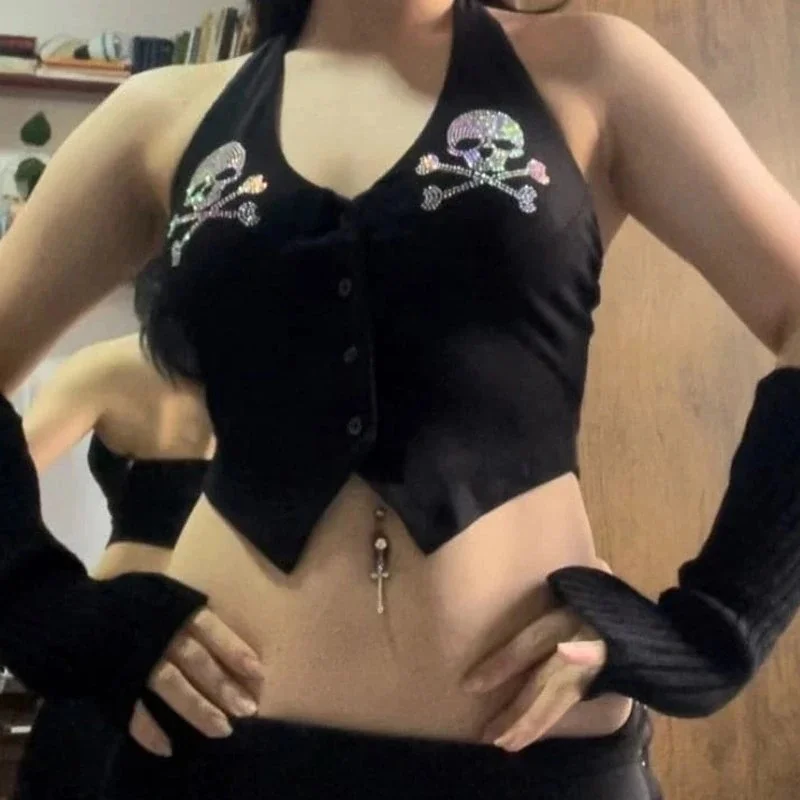
- Pro: The slim fit and stretch provide a smooth line that doesn't add bulk under outer layers.
- Pro: The black color is neutral and pairs with any other item in your wardrobe.
- Con: This is a tank top, not a full blouse, so it requires layering. It is not suitable for cold days without a jacket.
For Pattern and Personality
If solid neutrals feel too plain, a print can add interest without sacrificing professionalism. The 3D Floral Print Sleeveless Top for Women Offers a bold option.
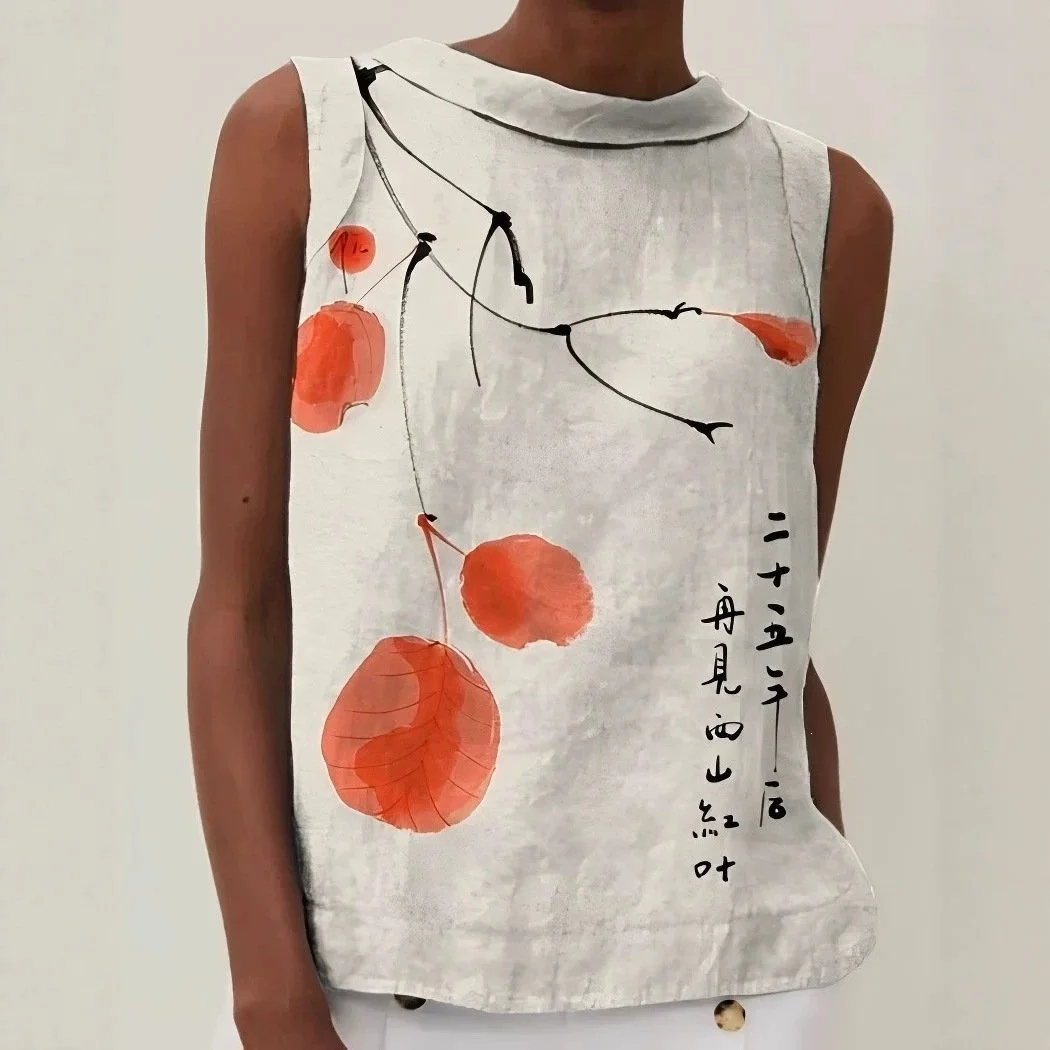
- Pro: The 3D floral print adds visual interest and a modern, artistic touch to the outfit.
- Pro: The loose fit offers maximum comfort and ease of movement.
- Con: Being sleeveless, it is only suitable for early fall or as a layer under a long-sleeve base or blazer. It may not meet dress code requirements in conservative industries.
For Cozy Casual Fridays
Not every day requires a button-down. For days when the dress code is relaxed, a soft, textured top can provide comfort without looking like loungewear. The Women's Velvet Hoodie Tops Long Sleeve Is a step up from a standard sweatshirt.
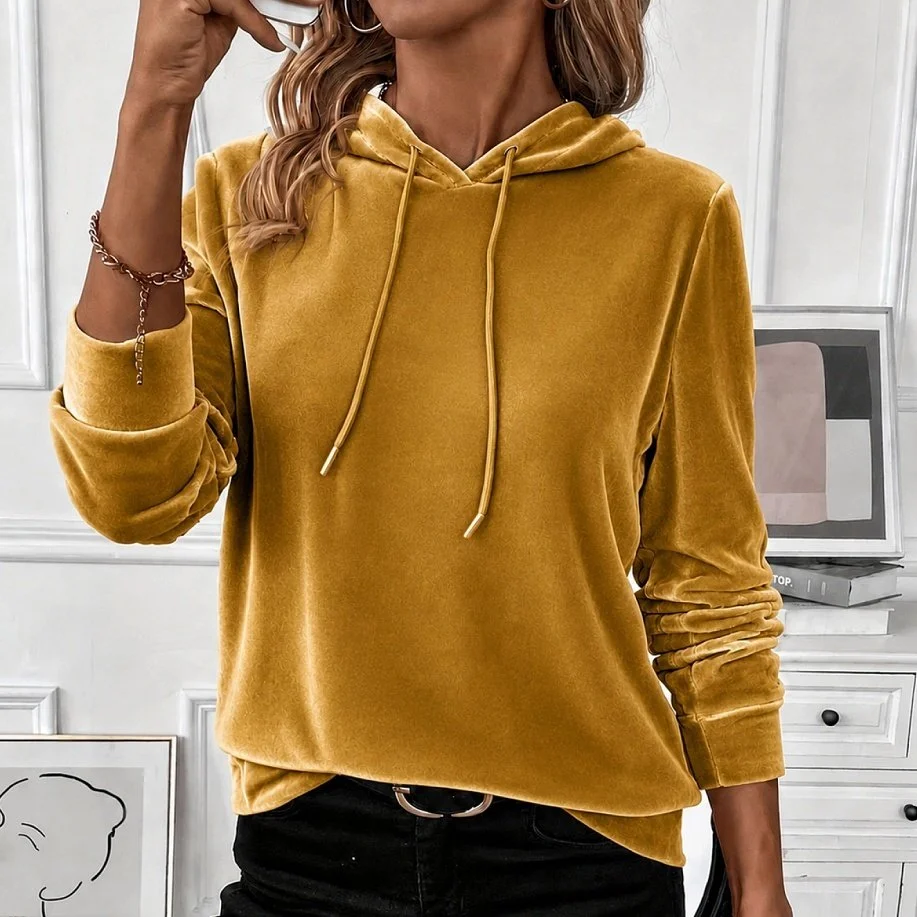
- Pro: The velvet material adds a touch of luxury and warmth, making it ideal for cooler fall days.
- Pro: The hoodie style offers practical warmth and comfort for long days at the desk.
- Con: Velvet can be high-maintenance, prone to pilling and snagging. It is not suitable for formal meetings or client presentations.
For Polished Evening Transitions
If you need a top that works for the office and then transitions to dinner, look for materials with a sheen. The Elegant Satin Pleated Long Sleeve Top for Women Fits this need.
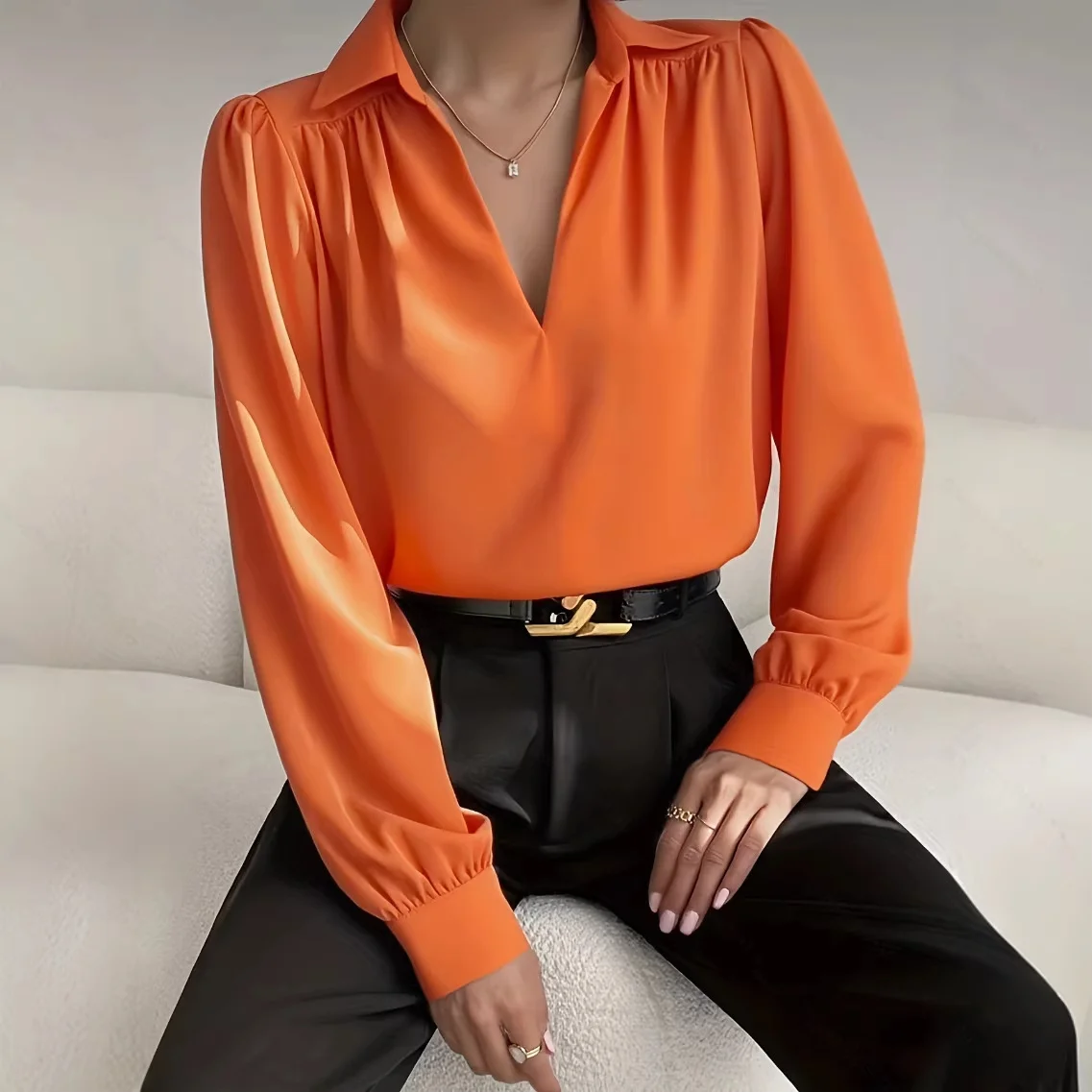
- Pro: The satin fabric and pleated design create a sophisticated, dressy look that improve simple trousers.
- Pro: The long sleeves and relaxed fit offer comfort while maintaining a polished silhouette.
- Con: Satin can be delicate and prone to snags. The bright orange color may not match a neutral wardrobe easily.
For Detailed Classic Style
For a look that balances classic structure with a modern detail, consider embroidered styles. The Women's V-Neck Floral Embroidered Shirt - Long Sleeve Single-Breasted Top Offers this balance.
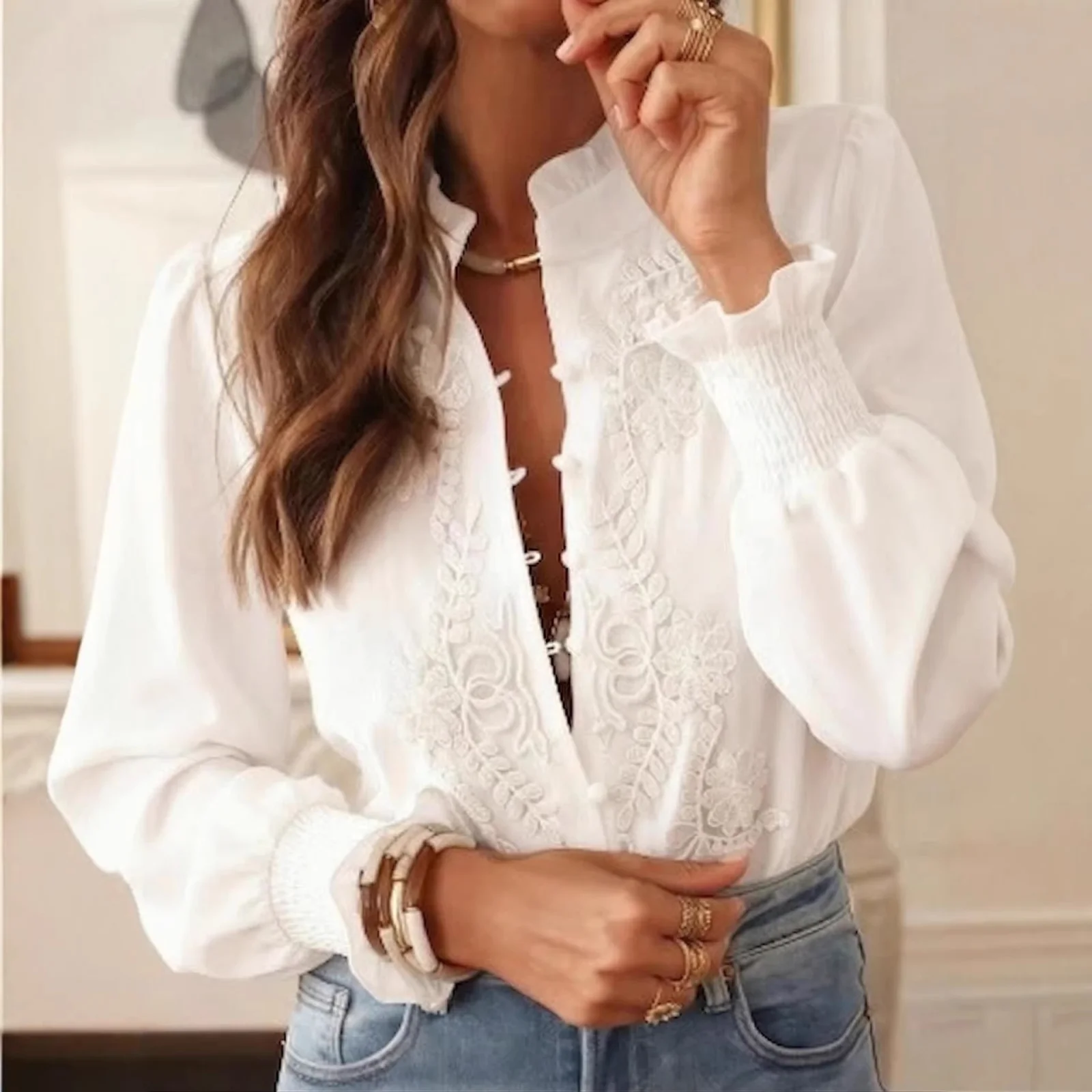
- Pro: The V-neck and single-breasted design are classic and professional, suitable for most office environments.
- Pro: The floral embroidery adds a feminine, artistic touch without being overly casual.
- Con: Embroidery can sometimes feel stiff or scratchy against the skin. Check the fabric lining if you have sensitive skin.
Product Comparison Table
To help you decide which option fits your specific needs, here is a side-by-side comparison of the key attributes. Note that "Best For" reflects the primary use case based on the fabric and style.
| Product | Price | Type / Material | Options Available | Best For |
|---|---|---|---|---|
| Tassel-Patched Crew-Neck Top | $23.20 | Cotton-Linen Blend | Not specified | Breathable, casual-professional wear |
| Black Milk-Silk Halter Tank | $12.48 | Milk-Silk Polyester | 3 (Black S/M/L) | Seamless layering under blazers |
| 3D Floral Sleeveless Top | $19.44 | Polyester | 99 (Styles/Sizes) | Creative, printed, loose-fitting styles |
| Velvet Hoodie Long Sleeve | $27.76 | Velvet | 50 (Colors/Sizes) | Warm, casual, cozy office days |
| Satin Pleated Long Sleeve | $19.24 | Satin Polyester | 5 (Orange S-XXL) | Polished, evening-transition looks |
| V-Neck Embroidered Shirt | $27.88 | Not specified | Not specified | Classic structure with detail |
Note on Sizing: Always check the specific size chart for each product. "Slim fit" and "loose fit" vary by brand. If you are between sizes, size up for comfort and ease of layering. For a tailored look, stick to your usual size.
Common Mistakes to Avoid
Even with the right fabric, small errors in selection can ruin the look. Here are the most common pitfalls that make a blouse look less professional than it should.
Ignoring the Shrinkage Factor
Natural fibers like cotton and linen shrink when washed. If you buy a blouse that fits perfectly in the store, it may be too tight after the first wash. Always check the care label. If it says "Machine Wash Cold," expect some shrinkage. If it says "Dry Clean Only," it will retain its shape better but requires more maintenance. To avoid this, buy a size up if you plan to wash the item frequently.
Choosing the Wrong Sleeve Length
A sleeve that is too short exposes the wrist, which can look unfinished in a formal setting. A sleeve that is too long bunches at the wrist, creating visual clutter. The ideal length is at the base of the thumb or just above the wrist bone. If you have longer arms, look for "long arm" adjustments or consider tailoring the sleeves. If you have shorter arms, avoid excessively long sleeves that swallow your hands.
Overlooking the Hem Length
A blouse that is too short will ride up when you sit or reach, exposing your midriff. This is unprofessional and uncomfortable. Ensure the hem hits mid-hip. If you have a larger bust, the hem may naturally pull up. In this case, look for a side-tie or a longer, tunic-style cut. Alternatively, invest in a shapewear camisole to smooth the silhouette and allow the blouse to drape correctly.
Mixing Too Many Patterns
If you choose a printed blouse, keep the rest of the outfit neutral. A floral blouse paired with a striped blazer and a patterned skirt is visually overwhelming. Stick to one focal point. If the blouse is the statement piece, wear it with solid-colored trousers and a solid blazer. This allows the blouse to stand out without competing with other elements.
Neglecting Fabric Weight for Layering
If you plan to wear a blouse under a blazer, do not choose a heavy, stiff fabric. It will create bulk at the shoulders and chest, making you look larger than you are. Choose lightweight, drapey fabrics like silk, satin, or fine cotton. These fabrics slide smoothly under a jacket and create a clean, streamlined silhouette. Heavy fabrics are better suited for standalone wear or as an outer layer over a thin top.
Styling and Care Tips for Daily Wear
Once you have selected your blouse, how you style and care for it determines its lifespan and versatility. A few simple habits can make a blouse work harder for your wardrobe.
Layering Strategies for Fall
Layering is the key to adapting one blouse for varying temperatures. Start with a thin, seamless camisole or tank as a base layer. This adds warmth without bulk and prevents the blouse from clinging to your body. Over this, wear your blouse. Add a cardigan or blazer on top. This three-layer system allows you to remove the outer layer when you are warm and keep the base layer for extra insulation. For a more polished look, ensure the layers are in a monochromatic or tonal color scheme. For example, a white blouse, a gray cardigan, and a navy blazer create a clean, professional palette.
Pairing with Trousers and Skirts
The way