The transition from summer heat to autumn chill is tricky for the office wardrobe. You need warmth without bulk, structure without stiffness, and pieces that look intentional rather than improvised. Many women struggle with finding knitwear that survives the commute, looks sharp in a meeting, and pairs easily with existing work clothes. This guide cuts through the noise to help you select women's sweaters for office wear that balance comfort with corporate decorum. We focus on practical selection criteria: fabric behavior, fit mechanics, and color strategy. By the end, you will know exactly what to look for in specifications and how to style specific pieces to maintain a polished appearance throughout the day.
Choosing the Right Fabric for Wrinkle-Free Commutes
The single biggest factor in how a sweater looks after a 45-minute commute is the fiber content. Natural fibers like pure cotton or heavy wool can absorb moisture from body heat and humidity, leading to sagging and creasing. For office wear, you generally want a blend that offers structure and resilience. Polyester and acrylic blends are the industry standard for a reason: they hold their shape and resist wrinkles better than natural fibers. While they may lack the breathability of merino wool, modern synthetic blends are far less noticeable in a professional setting than a crinkled cotton tee under a blazer.
Why Synthetic Blends Work for Office Wear
Polyester has a high recovery rate, meaning it springs back to its original shape after being compressed in a bag or worn against a chair. This is crucial for the "commute to desk" transition. If you sit in a tight space or wear a backpack, a sweater made with a significant polyester component will look smoother when you arrive at your desk. Look for labels that list polyester as the primary or secondary material. Pure cotton sweaters are prone to pilling and losing shape at the elbows and cuffs, which can look unkempt in a professional environment. Conversely, 100% wool sweaters, while warm, are heavy and can feel itchy against bare skin if you are sensitive to wool. A blend often provides the best of both worlds: the softness of natural fibers with the durability of synthetics.
Weighing Breathability vs. Structure
You must balance thermal regulation with aesthetic stability. In an air-conditioned office, a heavy sweater can cause overheating. Lightweight synthetic knits wick moisture less effectively than natural fibers, but they dry quickly. If you tend to run warm, look for open-knit structures or thinner gauge yarns. These allow for better airflow while still maintaining the structural integrity needed for a polished look. Avoid thick, chunky knits if your office is heated to standard temperatures; they add unnecessary bulk that can distort the lines of a blazer. The goal is a sweater that feels comfortable against your skin but looks crisp from a distance.
Sizing Strategies for Layering Under Blazers
Fit is the most common reason sweaters fail in a professional setting. A sweater that is too tight will create diagonal pull lines across the back when you raise your arms or lean forward. A sweater that is too loose will look sloppy and add visual weight. The ideal fit for office layering is "relaxed but not baggy." You should be able to pinch an inch of fabric at the waist without it gaping open. The shoulders should sit exactly on your shoulder bone, not slipping down or riding up. This precise fit ensures that when you add a blazer, the silhouette remains clean and elongated.
The One-Size Rule for Layering
When buying a sweater specifically to wear under a blazer, stick to your standard size. Do not size up for room to breathe; instead, choose a fabric with some stretch. If you are between sizes, the general rule for Asian-sized items (which often run smaller) is to choose the larger size. However, for Western-sized office wear, if you are between sizes, consider the intended use. If the sweater is a base layer, your standard size is usually correct because the blazer provides the outer structure. If the sweater is the outermost layer, you might prefer a slightly looser fit for comfort. Always check the specific size chart for the item, as measurements vary by brand.
Shoulder and Sleeve Length Checks
Pay close attention to the sleeve length. For a professional look, sleeves should end at the wrist bone, not the mid-forearm. If sleeves are too short, they ride up when you type or reach for files, exposing your wrists in a way that can look casual. If sleeves are too long, they bunch at the wrist, creating bulk that interferes with watch or bracelet wear. The shoulder seam is the anchor of the fit. If the seam falls off your shoulder, the sweater will look ill-fitting regardless of the size. If it pulls at the neckline, it is too small. A well-fitted shoulder seam allows for full range of motion without distortion.
Building a Neutral Office Color Palette
Color strategy is about versatility. You want sweaters that mix and match with at least 70% of your existing work wardrobe. For a polished office look, neutral tones are the foundation. These colors recede visually, allowing your facial features and accessories to stand out, and they pair easily with structured blazers and trousers. Stick to a core palette of gray, navy, white, and black. These four colors can be mixed and matched in dozens of combinations without clashing. Adding one or two muted earth tones like beige or olive can add dimension without breaking the professional aesthetic.
The Power of Gray and Navy
Gray is the most versatile neutral for office wear. Light gray pairs well with navy, black, and white, offering a soft contrast that looks sophisticated. Charcoal gray is closer to black but less severe, making it a great option for those who find black too harsh. Navy blue is a classic for a reason; it is authoritative yet approachable. A navy sweater under a gray blazer or a navy blazer is a foolproof combination. These two colors are the workhorses of the fall office wardrobe. They are forgiving of minor wrinkles and less likely to show sweat marks than lighter colors. If you only buy two sweaters this season, make them one gray and one navy.
White and Black: The Contrast Pair
White offers a fresh, clean look that brightens the face. However, white is the most challenging color to maintain. It shows stains, wrinkles, and discoloration more quickly than darker shades. If you choose white, ensure the fabric is sturdy and the weave is tight to minimize visibility of creases. Black is the most formal neutral. It is slimming and pairs with everything. However, black can look severe if not balanced with lighter accessories or a lighter top underneath. A black turtleneck under a camel coat is a classic fall look. Use black for meetings where you want to project authority and seriousness, and gray or navy for collaborative environments where you want to appear approachable.
Versatile Silhouettes and Styles
Not all sweaters are created equal in terms of professional appropriateness. The cut and neckline of the sweater determine how it interacts with other clothing items and how it is perceived in a business setting. Some styles are inherently more formal, while others lean casual. Understanding these distinctions helps you build a wardrobe that covers all bases, from boardroom presentations to casual Friday lunches. The key is to choose silhouettes that align with the dress code of your specific workplace.
The Turtleneck: Professional and Warm
The turtleneck is a staple of professional fall wear. It provides warmth to the neck without the need for a scarf, which can be cumbersome in an office. A slim-fit turtleneck in a solid color is universally accepted in business casual and business professional settings. It creates a long, clean line from the neck to the waist, which is flattering for many body types. When wearing a turtleneck, ensure the collar sits neatly without gaping. It should wrap the neck comfortably but not constrict. Turtlenecks are best paired with blazers that have a V-neck or open front to allow the collar to be seen.
Boat Neck and Crew Neck: The Standards
The boat neck (or off-shoulder) and crew neck are the most common styles for office sweaters. A boat neck exposes the collarbones and shoulders, making it a good choice if you want to show off a necklace or if your blazer has a wide lapel. It can look modern and chic. However, it requires a good fit at the shoulder to avoid looking like it is falling off. The crew neck is the safest bet. It is simple, clean, and works with any neckline of a blazer or coat. A crew neck sweater is the ultimate layering piece. It can be worn under a button-down shirt for a preppy look or alone for a minimalist aesthetic. Both styles are appropriate for most office environments.
Product Spotlight: The Draped Boat-Neck Dress
While this item is categorized as a dress, its boat-neck design and long sleeves make it function similarly to a sweater-dress hybrid for cooler days. The Women's Draped Boat-neck Long-sleeve Dress Offers a structured yet fluid silhouette that can serve as a professional one-piece outfit.
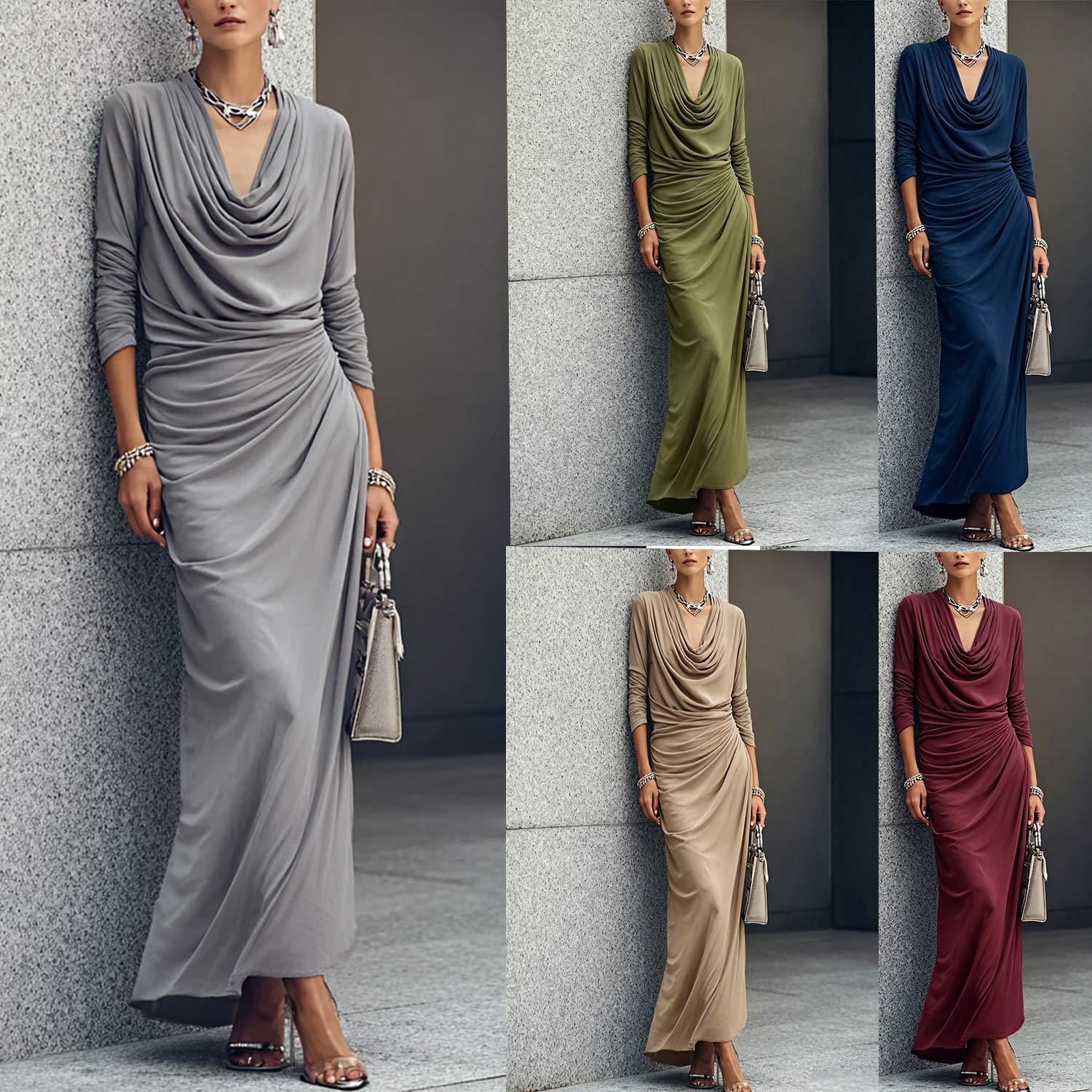
- Pro: The boat-neck design is elegant and pairs well with blazers or cardigans.
- Pro: Available in neutral colors like Gray, Navy Blue, and Khaki for easy mixing and matching.
- Con: It is a dress, so you must be comfortable wearing dresses for office work; check the length for your desk height.
Product Comparison Table
The following table compares the available products based on their specific attributes. Note that these items vary in category and style, so choose the one that fits your specific wardrobe gap. Prices and availability can change.
| Product | Price | Material/Type | Key Options | Best For |
|---|---|---|---|---|
| Loose Gentle Casual Wide-leg Pants Two-piece Set | $58.36 | Polyester Set | Pink, S-XXXL | Matching coordinated outfits |
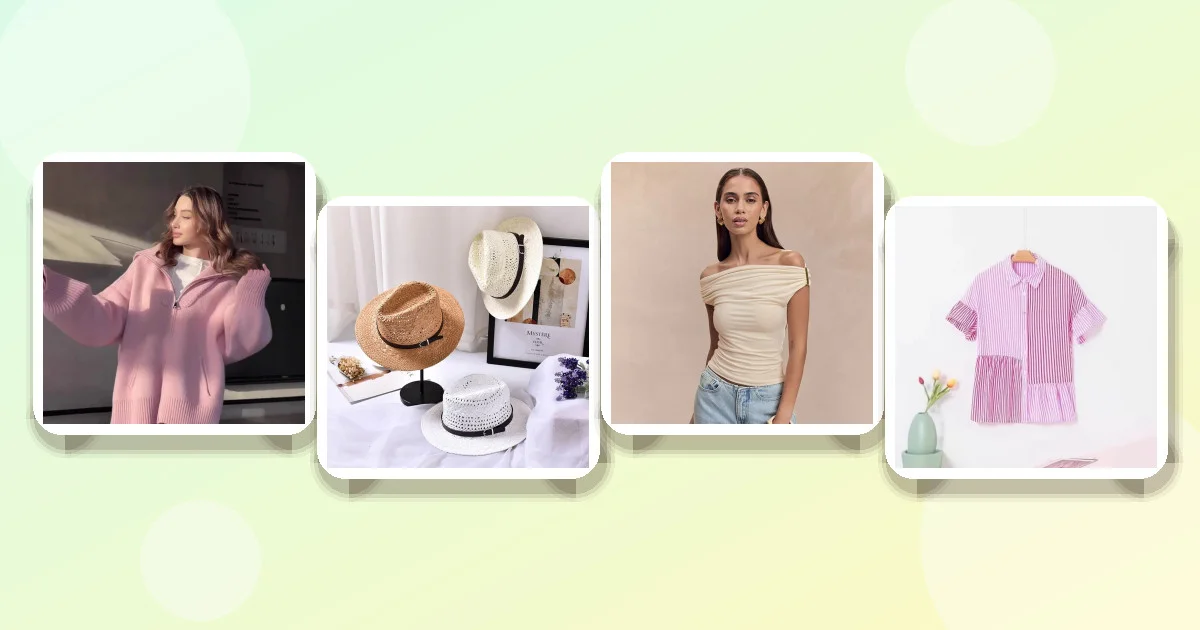
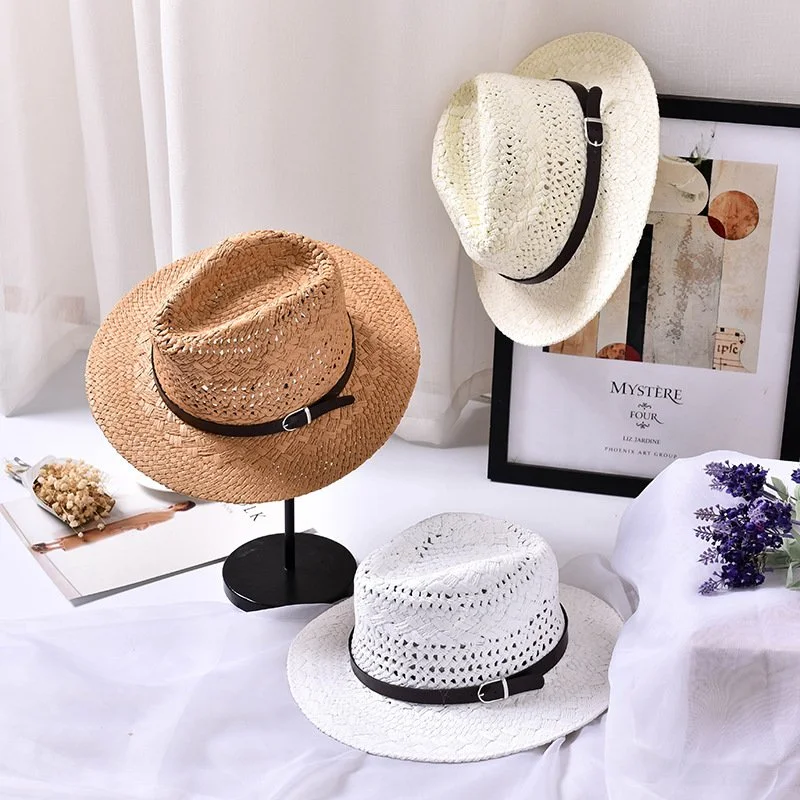
| Chic Sun Hat | $9.92 | Breathable Hat | Khaki, White, Beige, Milky White (M) | Outdoor transitions/commute |
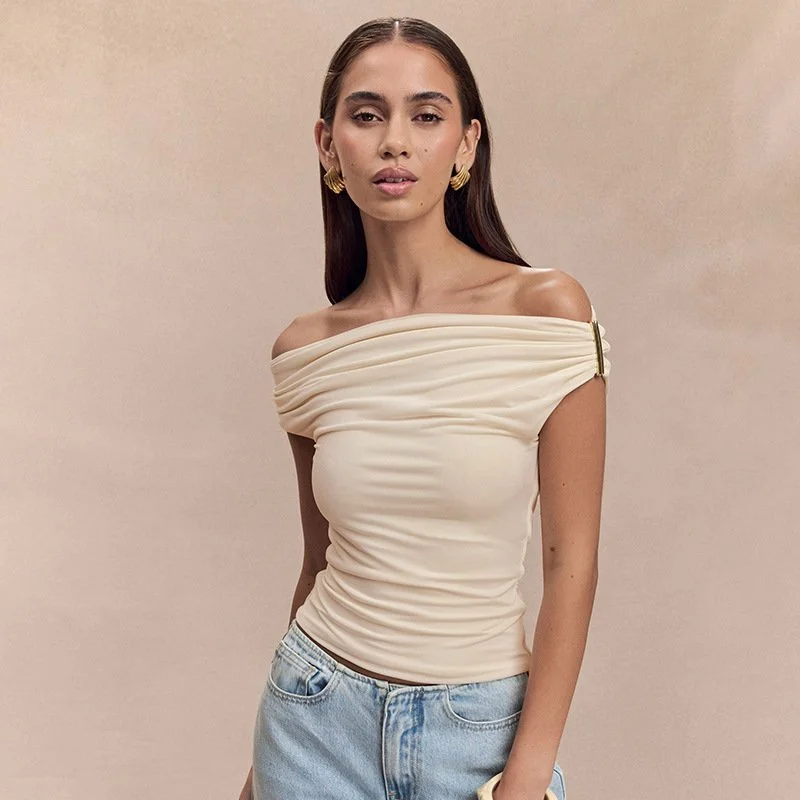
| Slim Fit Off-Shoulder Pleated Top | $13.36 | Polyester Blouse | Light Apricot, Lotus Pink (S-L) | Light layering pieces |
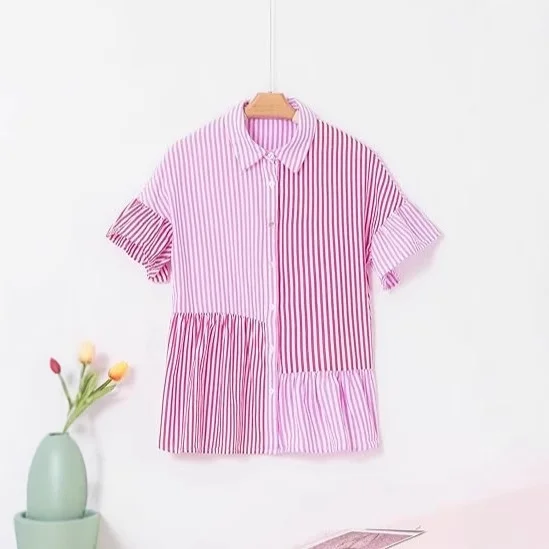
| Plus-size Casual Shirt Women's Top | $32.52 | Casual Shirt | Not specified | Plus-size casual tops |
| Women's Casual Temperament Slimming Coat | $22.56 | Pullover Sweater | White, Gray, Orange, Red (Avg Size) | Basic solid-color layering |
| Women's Draped Boat-neck Long-sleeve Dress | $25.08 | Polyester Dress | Gray, Navy, Wine Red, Khaki (S-XXL) | Streamlined one-piece outfits |
Common Mistakes to Avoid
Even with the right pieces, poor styling choices can undermine a professional look. These are the most frequent errors women make when building a fall office wardrobe. Avoiding these pitfalls will save you time and ensure your outfits look intentional.
Ignoring the Sizing Curve of Asian Standards
Many online retailers, especially those shipping from Asia, use sizing standards that differ from US/EU norms. Asian sizing often runs 1-2 sizes smaller. If you are used to wearing a US Medium, an Asian Medium may fit like a US Small. Always check the specific measurement chart (bust, waist, hip) rather than relying on the letter size. If you are between sizes, choose the larger one for layering pieces. Failing to do this results in sweaters that are too tight to layer under blazers, leading to a uncomfortable and unprofessional fit.
Choosing Heavy Knits for Indoor Use
Chunky, cable-knit sweaters are great for outdoor fall activities, but they can be too bulky for an office environment. The thickness adds volume to the torso, which can make a blazer look boxy or ill-fitting. If you choose a chunky sweater, it should be the outermost layer, not a base layer. For layering under jackets, stick to fine-gauge knits or lightweight blends. Heavy knits also trap heat, which can lead to perspiration in air-conditioned spaces, causing odors and discomfort. Prioritize breathability and thinness for indoor wear.
Neglecting Color Coherence
Wearing a bright, patterned sweater with a patterned blazer or trousers can look chaotic. For a polished look, aim for color coherence. If your sweater has a pattern, keep the rest of the outfit solid. If your sweater is a bold color, balance it with neutral bottoms and a neutral jacket. Avoid clashing colors that do not share a common hue. A simple rule of thumb is the "rule of thirds": divide your outfit into three color blocks. For example, a gray sweater, black trousers, and a beige blazer. This creates visual balance and looks intentional. Avoid wearing more than three distinct colors in one outfit, as it can look busy and distracting.
Product Spotlight: The Loose Gentle Casual Set
For those who want to eliminate the stress of matching tops and bottoms, a coordinated set can be a solution. The Loose Gentle Casual Wide-leg Pants Two-piece Set Offers a matching sweater and pants combination.
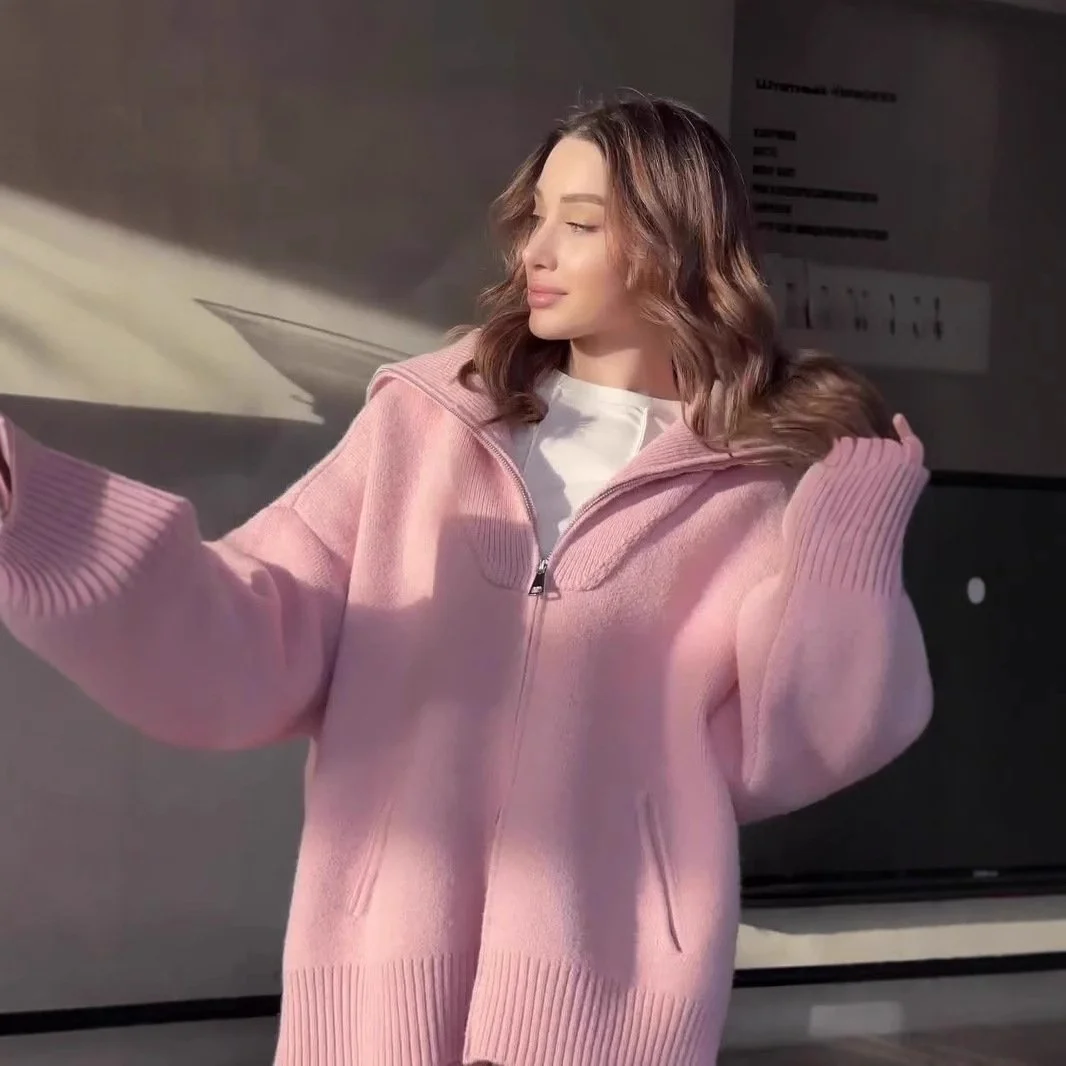
- Pro: Matching pieces ensure color and style coherence without extra thought.
- Pro: The loose fit and wide-leg pants offer comfort for long sitting periods.
- Con: The color is Pink, which may not fit all office dress codes; check your company guidelines before purchasing.
Care, Styling, and Maintenance Tips
Proper care extends the life of your sweaters and keeps them looking new. Synthetic fabrics are generally easier to care for than natural fibers, but they still require attention. Following these tips will ensure your investment lasts through the season and beyond.
Washing and Drying
Always read the care label. For polyester blends, machine washing on a gentle cycle with cold water is usually safe. Turn the sweater inside out to protect the outer surface from friction. Avoid using fabric softeners, as they can coat the fibers and reduce breathability. Hang dry your sweaters to maintain their shape. Tumble drying can cause synthetic fibers to melt or pill, and it can distort the fit of delicate knits. If you must use a dryer, use the lowest heat setting and remove the item while it is still slightly damp to air dry the rest of the way. This minimizes shrinkage and stretching.
Styling for Different Office Environments
Adjust your sweater choices based on the formality of your workplace. In a strict corporate environment, stick to solid colors, fine gauges, and classic necklines like crew or turtleneck. Pair these with tailored trousers and a structured blazer. In a creative or tech office, you have more freedom. You can experiment with boat necks, slightly looser fits, and muted colors. The key is to maintain a level of polish. Even in casual settings, clean, well-fitted clothes project professionalism. Avoid overly distressed or faded sweaters, as they can look unkempt. Iron or steam your sweaters if necessary, though synthetic blends often release wrinkles on their own after hanging for a few hours.
Product Spotlight: The Casual Temperament Slimming Coat
For a simple, solid-color option that serves as a reliable layering piece, consider the Women's Casual Temperament Slimming Coat.
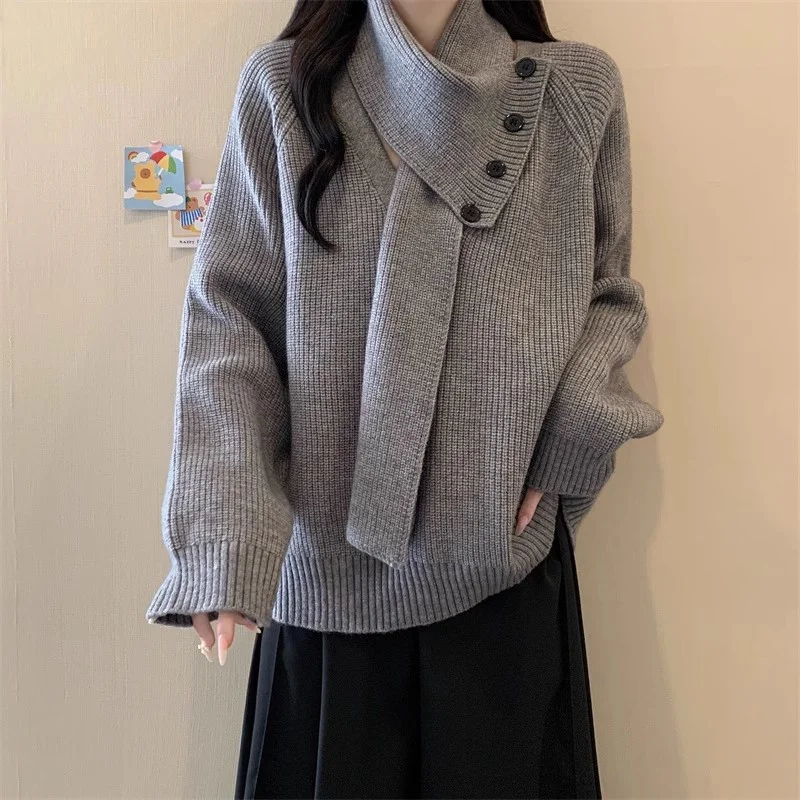
- Pro: Available in multiple neutral colors (White, Gray) that are easy to pair.
-
Shop the storyAll products from this guide