You know the struggle: the office is a frozen cave, but you don't want to look like you just walked off a ski slope. You need a sweater that looks sharp with a blazer, feels warm enough for the commute, and doesn't stretch out by 2 PM. Finding that balance is tricky, especially when product descriptions are vague and sizing charts are confusing. This guide cuts through the noise. We will break down exactly which fabrics hold up best in professional settings, how to navigate sizing discrepancies, and how to style specific cuts for a polished look. By the end, you will know precisely what to look for and what to avoid.
- Choosing the Right Fabric for the Office
- Understanding Fit and Sizing: The Asian Standard Trap
- Necklines That Work in Professional Settings
- Styling Sweaters Under Blazers and Alone
- Product Comparison: Our Top Picks
- Common Mistakes to Avoid
- Care and Maintenance Tips
- Frequently asked questions
- Key takeaways
Choosing the Right Fabric for the Office
Fabric is the single most important factor in how a sweater performs in a climate-controlled environment. Wool is traditional, but it can be itchy, prone to moth damage, and difficult to wash. Cashmere is luxurious but expensive and fragile. For the modern professional, synthetic and blended fabrics often offer the best ratio of durability, comfort, and cost. Here is what to look for.
Polyester and Polyester Blends
Polyester is the workhorse of modern knitwear. It is durable, resists wrinkling, and holds its shape well over time. In an office setting, this is a major advantage. You can sit at a desk for eight hours, and the sweater will not look baggy or stretched out. Many of the affordable options available today are 100% polyester or high-percentage polyester blends. These fabrics are also less likely to pill than pure wool if not brushed, making them easier to maintain. If you are on a budget or need a sweater that survives frequent wear, polyester is a practical choice.
Cotton-Polyester Blends
Cotton-polyester blends offer a middle ground. The cotton adds breathability and a softer hand-feel against the skin, while the polyester provides structure and wrinkle resistance. This blend is ideal for layering because it is thinner than pure wool but warmer than a standard cotton t-shirt. Look for blends where polyester is at least 50% to ensure the sweater maintains its silhouette under a blazer. Pure cotton sweaters can stretch out quickly, especially across the chest and shoulders, which creates a tired look by the end of the day.
Avoiding Itchy and Heavy Fabrics
If you have sensitive skin, avoid 100% wool or acrylics unless they are specifically labeled as "soft" or "merino." Acrylic can trap heat and cause sweating, which is uncomfortable in a heated office. Heavy chunky knits are also problematic for layering. They add bulk that makes it difficult to button a blazer or wear a structured jacket. For office wear, stick to mid-weight knits. These are thick enough to provide warmth but thin enough to slip easily under outerwear.
When shopping, check the fabric composition label carefully. If a product listing says "knit" without specifying the fiber, it is often a synthetic blend. This is not necessarily a bad thing, but you should know what you are buying. Synthetic fabrics tend to be more affordable and durable, but they do not breathe as well as natural fibers. If you run hot, look for a blend with a higher cotton content or a lighter weight knit.
Understanding Fit and Sizing: The Asian Standard Trap
One of the biggest frustrations when buying sweaters online, especially from international retailers, is sizing. Many affordable sweater brands use Asian sizing standards, which run significantly smaller than US or European sizes. If you buy your usual size, the sweater will likely be too tight, too short, or both. This is a critical detail to understand before you click "add to cart."
The 1-2 Size Rule
For most Asian-sized knitwear, you should size up one or two sizes from your usual US size. If you typically wear a Medium in US sizing, you should order a Large or XL in Asian sizing. This is not a suggestion; it is a necessity for a comfortable fit. A sweater that is too tight will pull at the shoulders, restrict your movement, and look unprofessional. It will also stretch out faster because the fibers are under constant tension. Sizing up ensures the sweater drapes properly and allows for layering underneath.
Checking the Measurements
Do not rely on the size label alone. Always check the specific garment measurements provided in the product description. Look for the chest width, length, and sleeve length. Compare these numbers to a sweater you already own that fits well. If the chest width of the Asian-sized sweater is 10cm smaller than your US-sized sweater, it will not fit. Allow for a 2-3 cm variance due to manual measurement, as is common with these products. If the measurements are close to your preferred fit, go with the larger size if you are between sizes.
Fit Styles: Slim vs. Straight vs. Oversized
Understanding the intended fit is just as important as the size. A "slim fit" sweater is designed to hug the body. If you want a professional look, a slim fit can work, but only if it is not restrictive. A "straight cut" or "regular fit" offers more room and is generally safer for office wear. It allows for a t-shirt or blouse underneath without looking bulky. An "oversized" fit is more casual and may look too relaxed for a strict office environment, but it can work if you tuck it in or wear it with tailored trousers. For most professional settings, a straight cut or a slightly relaxed fit is the most versatile option.
Necklines That Work in Professional Settings
The neckline of a sweater defines its formality. A deep V-neck can look too casual or revealing, while a very high turtleneck can feel restrictive. Choosing the right neckline ensures your sweater works with your blazers and looks polished on its own.
The V-Neck
The V-neck is a classic professional choice. It frames the face and works well with a blazer because it does not compete with the jacket's lapels. A moderate V-neck is ideal; it is deep enough to be flattering but not so deep that it looks informal. V-necks are also great for layering because they allow you to show a hint of a collared shirt or a delicate necklace. If you are wearing a blazer, a V-neck sweater underneath creates a clean, streamlined look. Avoid extremely deep V-necks, as they can look unprofessional in conservative workplaces.
The Crew Neck
The crew neck is the safest and most versatile option. It works with almost any blazer, cardigan, or standalone look. It is less formal than a turtleneck but more structured than a scoop neck. For office wear, a standard crew neck is ideal. It provides a clean line that does not interfere with jewelry or collars. If you are unsure of what to choose, a crew neck in a neutral color is a foolproof choice. It is professional, comfortable, and easy to style.
The Turtleneck
Turtlenecks are a fall staple, but they require careful styling. A high turtleneck can be intimidating in an office setting, especially if you are not used to wearing them. However, a mock neck or a lower turtleneck can be very professional. They look sleek under a blazer and provide extra warmth for the commute. If you choose a turtleneck, ensure it is not too tight around the neck. A snug turtleneck can look uncomfortable and unflattering. A relaxed fit turtleneck is more modern and easier to wear in a professional context. Pair it with a blazer to tone down the casual vibe.
The Boat Neck
Boat necks are wider and sit higher on the shoulders. They can look elegant but may not work well under a blazer if the blazer is tight across the shoulders. The wide neckline can bunch up or look awkward when layered. If you have broad shoulders, a boat neck can be flattering, but for most people, it is a riskier choice for office wear. Stick to V-necks and crew necks for maximum versatility and professional appearance.
Styling Sweaters Under Blazers and Alone
Knowing how to style your sweater is just as important as choosing the right one. A sweater that looks great on its own might look bulky under a blazer. Here is how to make your sweaters work in both scenarios.
Layering Under a Blazer
When layering a sweater under a blazer, the fit of the sweater is critical. The sweater should be slim enough to allow the blazer to close comfortably. If the blazer is tight, a thick or bulky sweater will create a puffed-out look across the chest and shoulders. Opt for a mid-weight knit in a solid color. Neutral colors like gray, black, navy, or beige blend easily with most blazers. Avoid heavy textures or large patterns, as they can clash with the structure of the blazer. A smooth, fine-knit sweater is the best choice for layering. It creates a clean line and does not add unnecessary bulk.
Wearing Sweaters Alone
When wearing a sweater without a blazer, you have more freedom with fit and style. A slightly relaxed fit can look intentional and stylish. You can tuck a sweater into tailored trousers for a polished look, or leave it untucked for a more casual vibe. If you wear a sweater alone, pay attention to the hemline. It should hit at the hip or just below. If it is too long, it can make you look shorter. If it is too short, it can look unbalanced. A regular length sweater (50-65cm) is usually a safe bet for most heights. Pair it with slim or straight-leg pants to create a balanced silhouette.
Color Coordination
Neutral colors are your best friends in an office wardrobe. Black, gray, navy, and white go with almost everything. If you want to add some interest, choose a sweater in a muted tone like army green, burgundy, or camel. These colors are professional but not boring. Avoid bright neon colors or loud patterns, as they can be distracting in a work environment. Stick to solid colors or subtle textures for the most versatile wardrobe. A well-chosen neutral sweater can be worn with any blazer, skirt, or pair of trousers you own.
Product Comparison: Our Top Picks
We have selected a range of sweaters that fit the criteria for professional, affordable, and versatile office wear. These options cover different styles, fits, and price points. Note that all these products use Asian sizing, so sizing up is recommended.
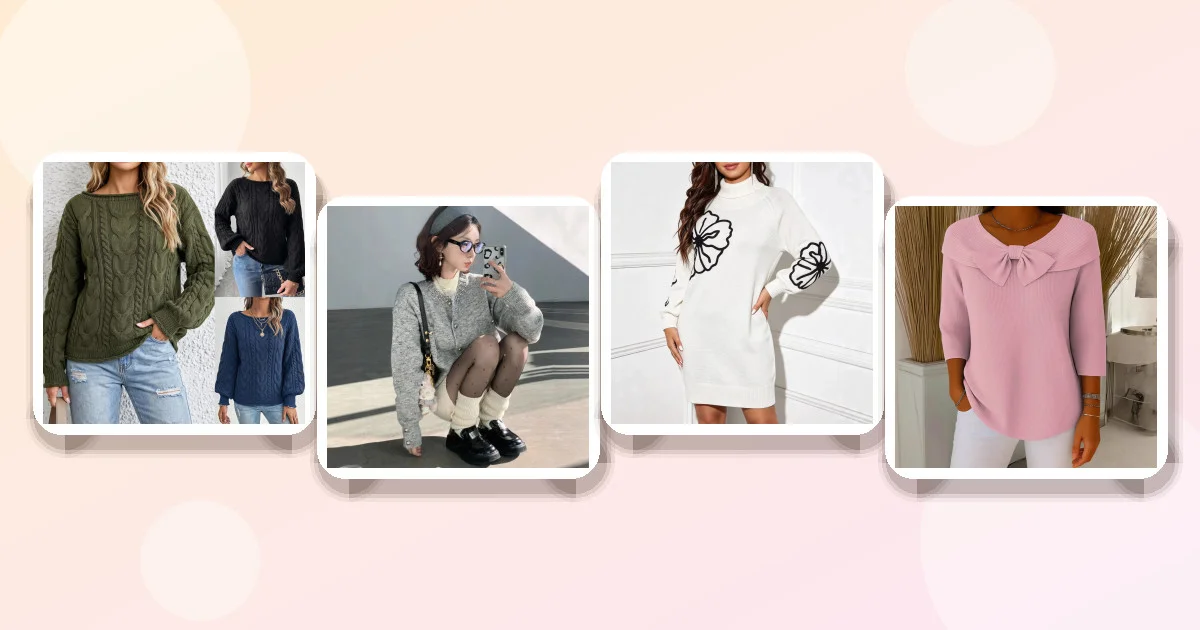
1. European and American Womens Tops Knitted Sweaters
This is a versatile, straight-cut sweater available in multiple colors and sizes. It is a solid choice for those who want a standard fit without the bulk of a chunky knit.
European and American Womens Tops Knitted Sweaters
- Pro: Available in multiple neutral colors (Black, Navy, Army Green) and sizes (S-XL), offering good versatility.
- Pro: Straight cut provides a clean, professional silhouette that is easy to layer.
- Con: Polyester fabric may not be as breathable as natural fibers, so it may feel warmer in a heated office.
2. Advanced Design Gray Classic Style Knitwear Top Women's Sweater
This classic gray sweater is a simple, commuter-friendly option. It is a one-size-fits-most design, which can be convenient but requires careful sizing consideration.
Advanced Design Gray Classic Style Knitwear Top Women's Sweater
- Pro: Solid gray color is highly versatile and matches almost any professional outfit.
- Pro: Commuter style design suggests it is intended for everyday work wear.
- Con: Only available in one size ("Average size"), which may not fit everyone; check measurements carefully.
3. Elegant Oversized Long Sleeve Black Floral Outline Knit Dress for Autumn & Winter
This is a knit dress rather than a traditional sweater, but it functions as a one-piece outfit. It is designed for autumn and winter and offers a more relaxed, oversized fit.
Elegant Oversized Long Sleeve Black Floral Outline Knit Dress for Autumn & Winter
- Pro: One-piece design saves time on styling; just add shoes and a blazer.
- Pro: Available in multiple sizes (1XL-5XL), offering options for a wider range of body types.
- Con: Oversized fit and floral outline may be too casual for strict corporate environments.
4. Knitted Bow Solid Color Sweater Autumn and Winter
This sweater features a bow detail, adding a touch of femininity to a solid color base. It is available in a wide range of sizes, making it easier to find the right fit.
Knitted Bow Solid Color Sweater Autumn and Winter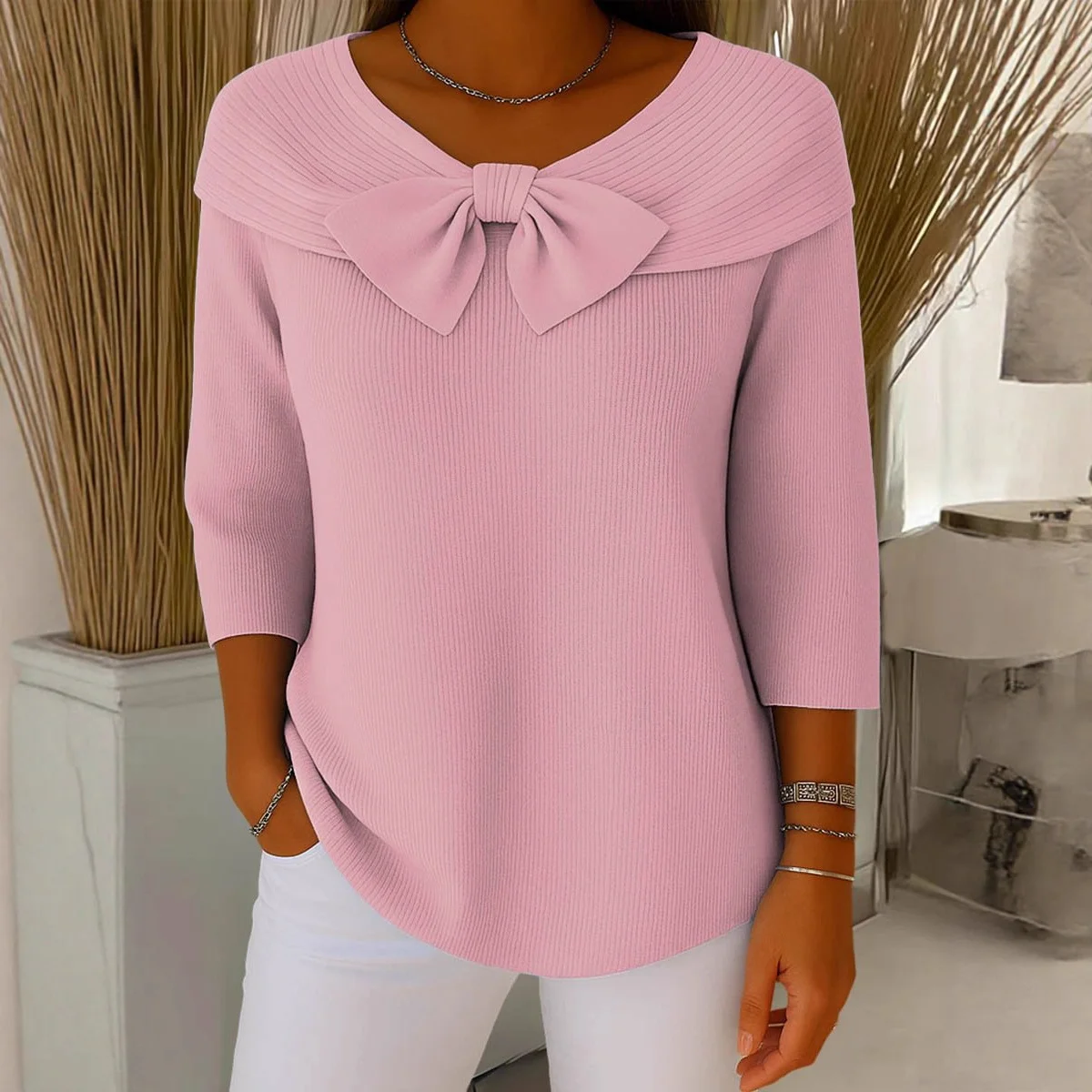
- Pro: Wide size range (S-5XL) makes it easier to find a comfortable fit.
- Pro: Bow detail adds visual interest without being overly loud.
- Con: The bow detail may not be appropriate for very conservative or formal office environments.
5. Long-sleeve Slim-fit Knitted Bottoming Sweater
This is a slim-fit sweater designed to be tucked in or worn close to the body. It is a good option for creating a streamlined silhouette under a blazer.
Long-sleeve Slim-fit Knitted Bottoming Sweater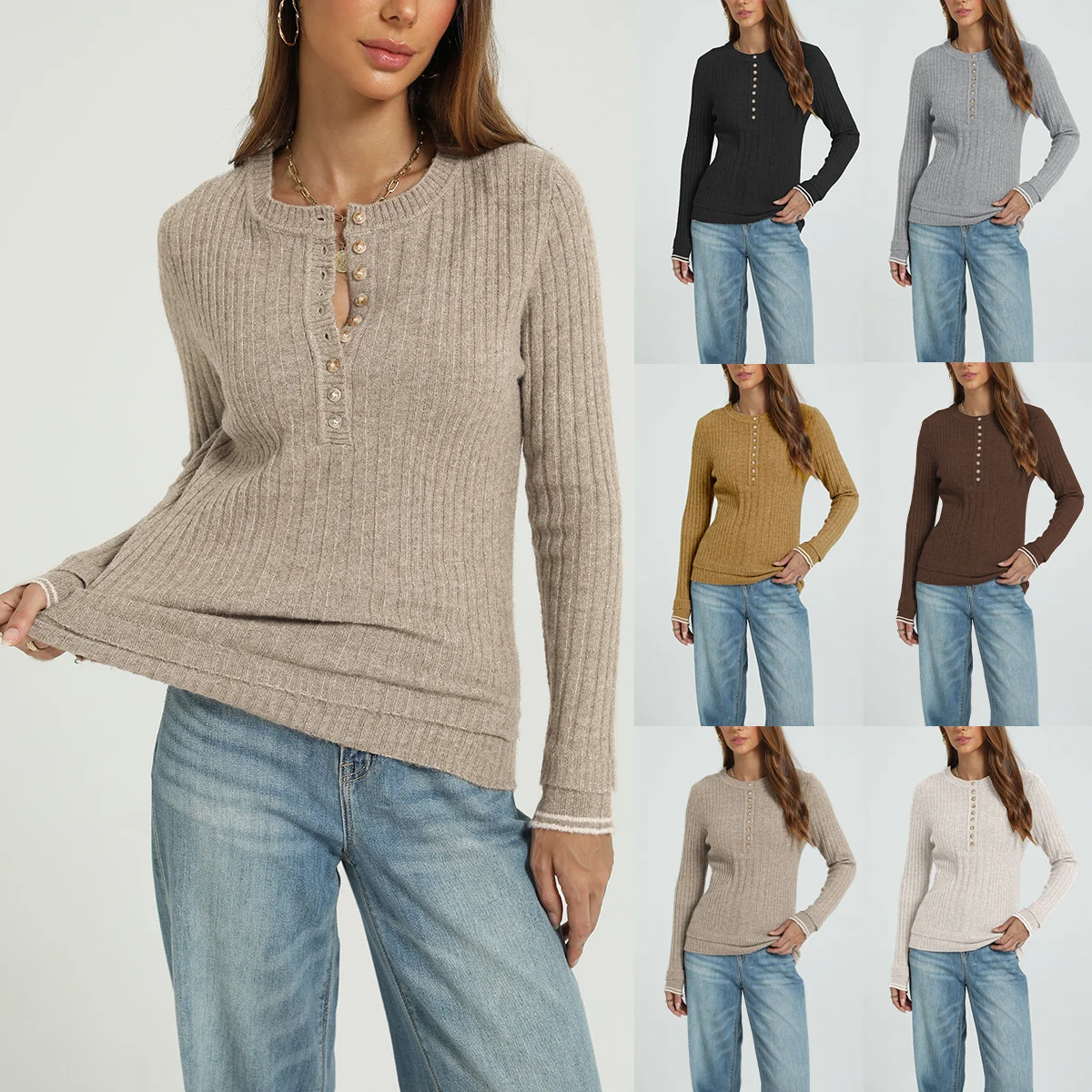
- Pro: Slim fit creates a clean line that is ideal for layering under structured blazers.
- Pro: Regular length (50-65cm) is standard for tucking in, ensuring a balanced look.
- Con: Slim fit may feel restrictive if you are not used to fitted sweaters; size up if between sizes.
6. V-Neck Short-Sleeve Knit Tops for Women
This is a short-sleeve V-neck top, which is less suitable for cold fall weather but can be layered under a blazer or cardigan. It is a lighter option for transitional weather.
V-Neck Short-Sleeve Knit Tops for Women
- Pro: V-neck design is flattering and works well with collared shirts or blazers.
- Pro: Cotton-polyester blend offers better breathability than 100% polyester.
- Con: Short sleeves provide minimal warmth, so it is not suitable for cold commutes or outdoor wear.
| Product | Price | Material | Fit/Style | Best For |
|---|---|---|---|---|
| European and American Womens Tops | $26.52 | Polyester | Straight Cut | Everyday office wear, layering |
| Advanced Design Gray Classic | $25.88 | Polyester | Commuter Style | Simple, neutral layering |
| Elegant Oversized Knit Dress | $45.56 | Knit | Oversized | Casual Fridays, one-piece outfits |
| Knitted Bow Solid Color | $29.84 | Knit | Standard | Decorative, less formal settings |