It is a common frustration: you want to stay warm in the crisp fall air, but layering makes your frame look boxy or overwhelming. For women in sizes 14 and up, the standard advice to "just layer up" often fails because it ignores how fabric weight and cut interact with curves. This guide cuts through the noise. We will break down exactly how to mix curve-specific sweaters and blouses to create balanced silhouettes. You will learn which fabrics actually work for layering, how to choose the right sizes to prevent bunching, and specific outfit formulas that look chic rather than cluttered.
- The Foundation: Choosing Base Layers That Do Not Add Bulk
- The Mid-Layer: Selecting Sweaters and Cardigans for Structure
- The Outer Layer: Balancing Proportions with Jackets and Blazers
- Fabric Science: Why Material Matters More Than Size
- Product Comparison: Key Attributes at a Glance
- Common Mistakes to Avoid When Layering Plus-Size Clothing
- Care and Styling Tips for Long-Lasting Layers
- Frequently asked questions
- Key takeaways
The Foundation: Choosing Base Layers That Do Not Add Bulk
The biggest mistake in plus-size layering is starting with a base layer that is too thick or too loose. If your first layer is a chunky turtleneck or a baggy tee, you have no room to add a sweater without creating a cylindrical shape. The goal here is "second-skin" coverage. You want a base layer that follows the line of your body without squeezing it tight. This creates a smooth canvas for the layers above.
Why Fit Matters More Than Fabric
Many people assume that thin fabric equals less bulk. This is only true if the fabric fits correctly. A thin but oversized shirt will puff out at the waist and hips, adding visual volume. A slightly thicker but well-fitted base layer, however, can create a streamlined look. When shopping for base layers, look for items with a bit of stretch. Materials like ponte, ribbed knits, or lace with spandex blends hug the body more effectively than stiff cotton or thick wool.
Consider the neckline as well. A V-neck or scoop neck base layer is often more flattering than a high crew neck when layering. The V-shape creates a vertical line that draws the eye down, elongating the torso. If you prefer a turtleneck for warmth, ensure it is slim-fitting. A bulky turtleneck under a cardigan creates a "lumpy" effect at the neck and shoulders. A slim turtleneck, by contrast, sits flat and allows the cardigan to drape smoothly over the shoulders.
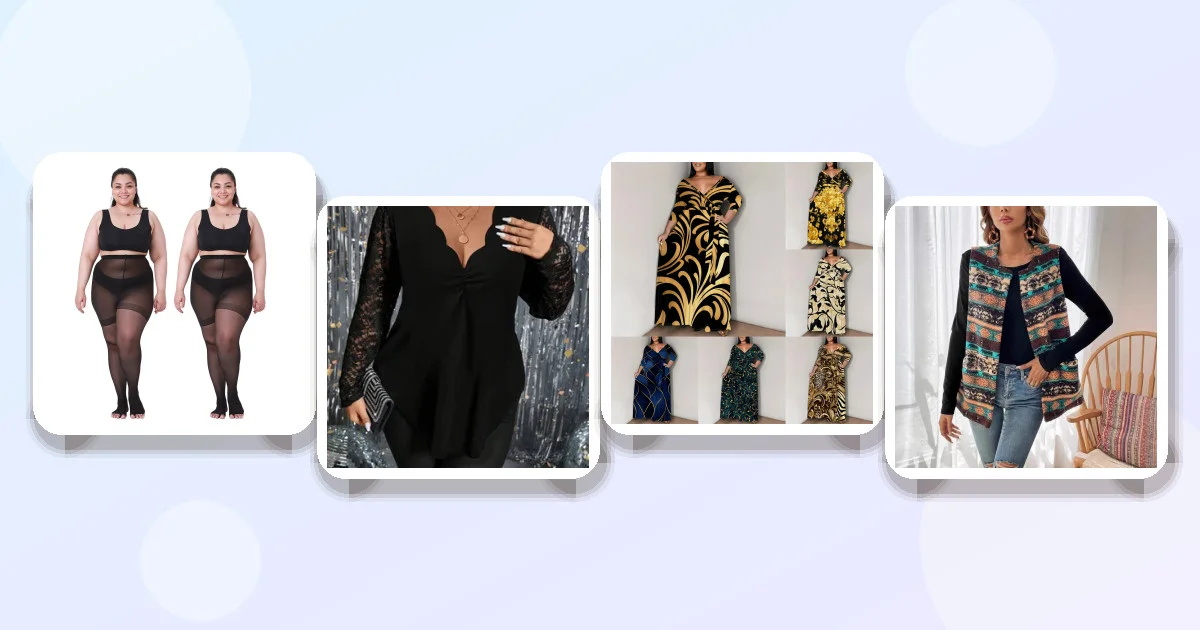
For a base layer that offers breathability and a flattering silhouette, consider the Elegant Plus‑Size Lace V‑Neck Long‑Sleeve Top.

- Pros: The V-neck creates a vertical line that balances wider hips; the relaxed fit prevents pulling across the midsection.
- Con: Lace can sometimes snag on jewelry or rough fabrics, so handle with care when layering under wool or textured knits.
Legs: The Invisible Layer
Layering isn't just about the torso. What you wear on your legs affects the overall bulk of your outfit. If you are wearing a midi dress or a thick skirt, opaque tights can add significant visual weight. Sheer tights, on the other hand, create a legible line that breaks up the mass of fabric. For fall, 20-denier tights offer a balance between warmth and transparency. They are warm enough for cooler days but thin enough to show through the fabric of a dress, preventing a "puffy" look.
When selecting tights for layering, pay close attention to sizing. Many plus-size tights run small, leading to digging in at the waist or thighs, which creates visible lines and discomfort. If you are between sizes, always choose the larger option. A control-top design can help smooth the waistline, ensuring that the tights do not bunch up under a skirt or dress. For a versatile option, look at the 2 Pairs Womens 20d Ultra Toeless Sheer Tights Open Toe Control Top Plus Size Pantyhose.

- Pros: The control top helps prevent bunching under skirts and dresses; the 20d weight is lightweight enough to layer without excessive bulk.
- Con: The open-toe design means they cannot be worn with closed-toe boots or shoes, limiting their versatility for deep winter.
The Mid-Layer: Selecting Sweaters and Cardigans for Structure
The mid-layer is where most people struggle. This is the piece that sits between your base and your outerwear. If it is too thick, you look bulky. If it is too thin, you are not warm enough. The key is to choose a mid-layer that has structure. Structure means the fabric holds its shape. It does not flop or cling. A structured mid-layer creates a defined silhouette, even when layered.
Cardigans vs. Pullovers
Cardigans are often the best tool for plus-size layering because they are adjustable. You can loosen the fit to create a relaxed silhouette or button it up for a more tailored look. When choosing a cardigan, look for one with a defined waist. A cardigan that hits at the natural waist or just below the hips creates a clear line. Avoid cardigans that are too long, as they can swallow your figure if they are also wide. A mid-length cardigan, ending at the hip, works best for most body types.
The weight of the fabric matters. A double-sided plush fabric, for example, offers warmth without the thickness of a heavy cable knit. It drapes smoothly and does not add unnecessary volume. The Cozy Double-Sided Plush Cardigan for Women Is a good example of this approach.

- Pros: The double-sided plush material provides warmth with a smooth drape that minimizes bulk; easy care makes it practical for frequent wear.
- Con: The polyester material may not breathe as well as natural fibers, which could be an issue in very heated indoor environments.
Pullovers and the "Cinch" Technique
If you prefer a pullover sweater, you need to manage the width. A loose pullover can look boxy if worn straight. One technique to counteract this is the "cinch." This involves tucking the front of the sweater into your waistband while leaving the back out. This creates a V-shape at the waist, adding definition and preventing the sweater from looking like a tent. Another option is to wear a belt over the sweater. A thin leather belt or a fabric belt can define the waist and break up the mass of fabric.
When selecting a pullover, look for a fabric that has some body. A soft, slouchy fabric will collapse and create unflattering folds. A medium-weight knit with a tight gauge holds its shape better. The neckline is also crucial. A boat neck can make shoulders look wider if the sweater is loose. A V-neck or a scooped neck is generally safer for layering, as it creates a vertical line. If you are wearing a blouse underneath, ensure the blouse's neckline is not visible if it is not intentional. A mismatched neckline can look messy rather than stylish.
The Outer Layer: Balancing Proportions with Jackets and Blazers
The outer layer is the final frame for your outfit. It determines the overall silhouette. A common mistake is wearing an outer layer that is the same width as the mid-layer. This creates a rectangular shape, which can be unflattering for plus-size bodies. Instead, you want to create contrast. If your mid-layer is loose, your outer layer should be fitted. If your mid-layer is fitted, your outer layer can be slightly looser.
Blazers and Structured Jackets
Blazers are excellent for adding structure to a layered outfit. They have defined shoulders and a tailored fit that contrasts well with softer knits underneath. When choosing a blazer for layering, look for one with a slight stretch. A stiff blazer with no stretch may be difficult to move in if you are wearing a thick sweater underneath. A blazer with a bit of give will accommodate the layers without pulling at the arms or chest.
The length of the blazer also matters. A cropped blazer can cut the body in half, which may not be flattering for all proportions. A mid-length blazer, ending at the hip or just below, is generally the most versatile. It covers the waist and hips, creating a smooth line. If you are wearing a turtleneck and a cardigan underneath, ensure the blazer is not too tight. You want to be able to move your arms comfortably. If the blazer feels restrictive, it will pull and create wrinkles, which adds visual clutter.
Coats and Trenches
For colder days, a coat or trench is necessary. The same principles apply: look for structure. A belted trench coat is a classic choice because it defines the waist. If you are layering a thick sweater and a blouse, a belted coat will cinch the waist and create an hourglass shape. If you prefer a coat without a belt, look for one with a defined seam at the waist. This seam acts like a belt, creating a line and breaking up the vertical mass of the coat.
Avoid coats that are too long if you are not tall. A floor-length coat can overwhelm a smaller frame. A mid-length coat, ending at the knee, is a safe bet. It provides warmth without covering the entire body. The fabric of the coat should also be considered. Heavy wool can be warm but bulky. A lighter wool blend or a structured synthetic can provide warmth with less bulk. The goal is to keep the silhouette clean and defined.
Fabric Science: Why Material Matters More Than Size
Many people focus on the size of a garment, but the fabric is often the more critical factor in how an outfit looks and feels. Different fabrics have different properties. Some are heavy and stiff, others are light and drapey. Understanding these properties helps you choose the right pieces for layering.
Weight and Drape
Fabric weight is measured in grams per square meter (GSM). Lighter fabrics (under 150 GSM) drape well and add little bulk. Heavier fabrics (over 250 GSM) hold their shape but can add volume. For layering, you want a mix. A light base layer, a medium-weight mid-layer, and a structured outer layer create a balanced look. If all your layers are heavy, you will look bulky. If all your layers are light, you may not be warm enough.
Drape is how the fabric falls. A fabric with good drape follows the body's curves smoothly. A fabric with poor drape stands away from the body, adding volume. Knits generally have good drape, especially if they are fine-gauge. Cottons can be stiffer, depending on the weave. Synthetics like polyester can vary widely. Some polyesters are smooth and drape well, while others are stiff and hold their shape. When shopping, feel the fabric. If it feels stiff and stands away from your hand, it will likely add volume to your outfit.
Texture and Visual Interest
Texture adds visual interest without adding bulk. A ribbed knit, for example, has texture that creates vertical lines, which are flattering. A smooth, flat fabric can look plain, but it also adds less visual weight. Combining textures is a key strategy in layering. Pair a smooth base layer with a textured mid-layer. This creates contrast that draws the eye and breaks up the mass of fabric. Avoid combining too many textures at once. If your base is lace, your mid-layer should be smoother. If your mid-layer is chunky knit, your base should be smooth. This balance prevents the outfit from looking cluttered.
Consider the Summer French Style White Lace Bottoming Shirt Versatile Top For Women As an example of a textured base layer.

- Pros: The lace texture adds visual interest without significant bulk; the white color is bright and versatile.
- Con: The polyester material may not be as breathable as natural fibers, and the lace can be delicate.
Product Comparison: Key Attributes at a Glance
Here is a comparison of the products discussed in this guide. Note that sizing varies by manufacturer, so always check the specific size chart for each item. Prices and availability can change, so verify current details before purchasing.
| Product | Type / Material | Price | Options (Color-Size) | Best For |
|---|---|---|---|---|
|
2 Pairs Womens 20d Ultra Toeless Sheer Tights |
Sheer Tights / Not specified (likely nylon/poly) | $51.96 | Black/Nude in XL, 2XL, 3XL | Smoothing base layer for legs; open-toe shoe compatibility |
|
Elegant Plus‑Size Lace V‑Neck Long‑Sleeve Top |
Lace Top / Soft, breathable fabric | $17.6 | Black/White in XL-5XL | Flattering base layer with vertical line; hides tummy |
|
Cozy Double-Sided Plush Cardigan |
Cardigan / 100% Polyester | $23.2 | Dark Brown in S-XL | Warm, easy-care mid-layer; casual Japanese/Korean style |
|
Summer French Style White Lace Bottoming Shirt |
Shirt / Polyester | $26.48 | White in S-3XL | Lightweight, textured base layer; versatile white color |
|
Elegant Floral-print Midi Dress
⭐ Editor's pick
|
Dress / Polyester | $35.84 | Dark Green/Brown in XL-6XL | One-piece outfit base; flared hem for movement |
|
Cross-border Hot Style Ethnic Digital Printing Women's Sling Jumpsuit |
Jumpsuit / Polyester (88%) | $25.08 | One Size (4 colors) | Leisure/Sports; all-season versatility |


The Elegant Floral-print Midi Dress with an Oversized Flared Hem Offers a different approach to layering. Made from polyester with digital printing, this dress features a long skirt and a flared hem. It is available in sizes XL through 6XL. The flared hem allows for movement and can accommodate layers underneath without looking tight. Best for Women who prefer a one-piece outfit that can be layered with a cardigan or coat for a polished look.
- Pros: The flared hem provides room for layering; the midi length is versatileShop the storyAll products from this guide