Adding layers for fall can feel like a math problem when you have a curvier body. You want warmth, but you also want to avoid looking like you are wearing a tent. The fear of bulk is real: if every layer is thick and stiff, you end up looking larger than you are. The good news is that layering is actually one of the most flattering things you can do. It creates shape, defines your waist, and allows you to adjust to temperature changes throughout the day.
In this guide, we will break down exactly how to build these outfits. We will look at specific combinations using dresses, blouses, and sweaters. We will discuss how to handle sizing discrepancies, especially with items made in Asia, so you don’t end up with clothes that are too tight or too baggy. By the end, you will have a clear formula for creating outfits that feel comfortable, look polished, and keep you warm without the bulk.
The Foundation: Choosing the Right Base Layers
Your base layer is the piece of clothing that touches your skin. In fall, this is often a long-sleeve top, a camisole, or a dress. The goal here is not to add bulk, but to create a smooth canvas for the rest of your outfit. If your base layer is too thick or too tight, it will show through your outer clothes and create unnecessary lines.
Why Fabric Matters Most
When choosing a base layer, look for fabrics that drape rather than cling. A stiff fabric like denim or a heavy cotton can look boxy on a curvier body. Instead, opt for materials with a bit of stretch or fluidity. Polyester blends are often used in plus size fashion because they hold their shape well and resist wrinkles. This is useful for workwear, where you need to look put-together after sitting at a desk for eight hours.
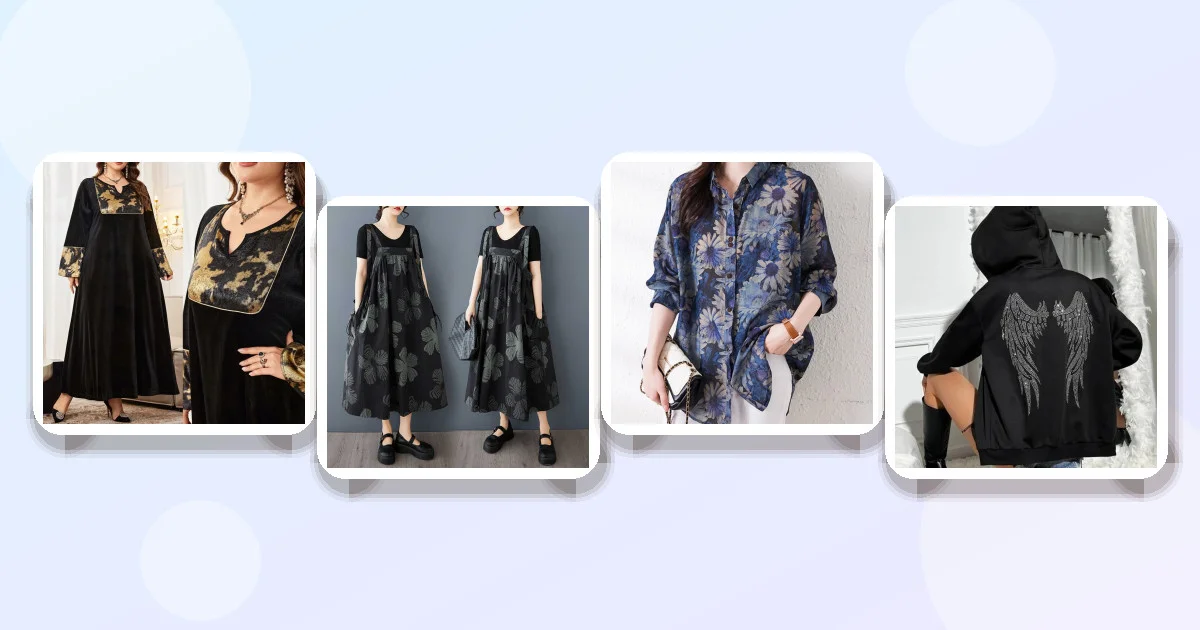
Consider the Plus Size Loose Long Sleeve Retro Long Dress. This is a simple, A-line dress made from polyester. Because it is loose-fitting, it creates a silhouette that skims over the body rather than squeezing it. The A-line cut is key here; it adds volume to the hips and thighs, which helps balance out a fuller bust or stomach area. The retro style makes it versatile enough to wear on its own in mild weather or as a base layer when it gets colder.
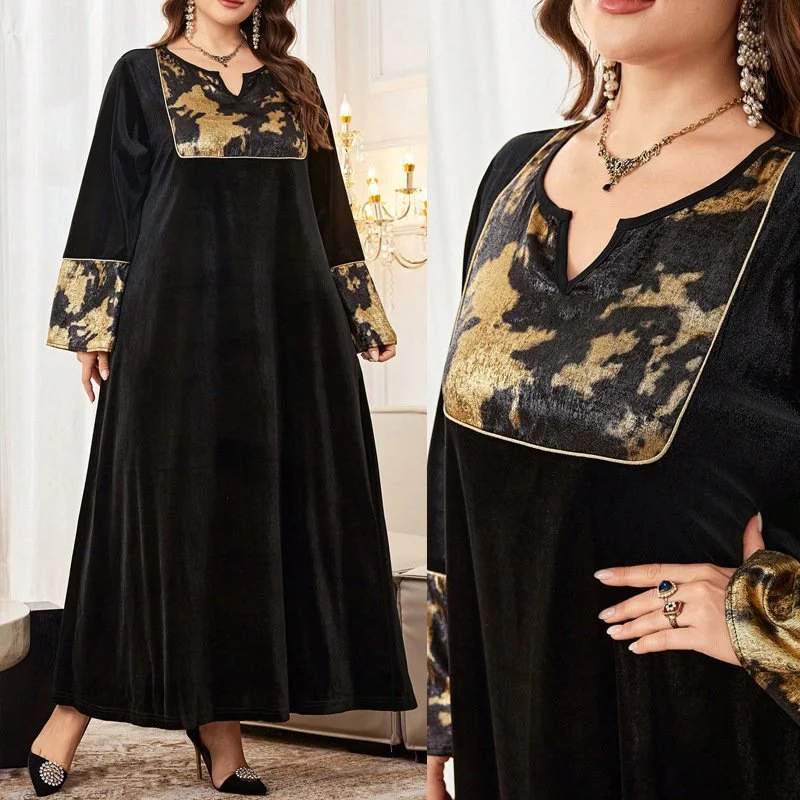
- Pro: The A-line skirt style provides a flattering shape that hides the midsection without looking oversized.
- Pro: Polyester fabric is durable and easy to care for, making it a practical choice for frequent wear.
- Con: It runs small; you must check the size chart carefully, as Asian sizing is 1–2 sizes smaller than US standards.
Fit Check: The "Pinch Test"
Before you buy a base layer, perform a simple pinch test. Put the garment on and stand in front of a mirror. Pinch the fabric at your waist. If you can pinch a significant amount of fabric (more than an inch), the garment is likely too big and will billow out as you add layers. If the fabric is tight against your skin and leaves marks, it is too small and will create unflattering lines under sweaters. You want a fit that is close to the body but allows for easy movement. This "second skin" fit ensures that when you add a sweater or jacket, the layers sit smoothly without bunching up.
Mastering Mid-Layers: Sweaters and Blouses
The mid-layer is where most people make mistakes. Many women reach for a thick, chunky sweater because it looks warm. However, a thick sweater adds inches to your frame. Instead, think of the mid-layer as a tool for creating texture and structure. You can use a thin turtleneck, a light cardigan, or a blouse with details like ruffles or lace.
Blouses for Texture and Detail
Blouses are excellent mid-layers because they are often lighter than sweaters but still provide coverage. Look for details that draw the eye vertically or to your face, rather than your midsection. Ruffles, lace, and buttons can create visual interest without adding bulk.
The Loose-fit Plus-size Blouse with Ruffled Lace Trim Is a great example of this. It is made from polyester and features delicate ruffled lace trim. The loose fit ensures it does not cling to your body, while the lace adds a feminine touch that softens the look. This type of blouse works well under a blazer or a light jacket. The white and green colors are neutral enough to pair with almost any bottom.
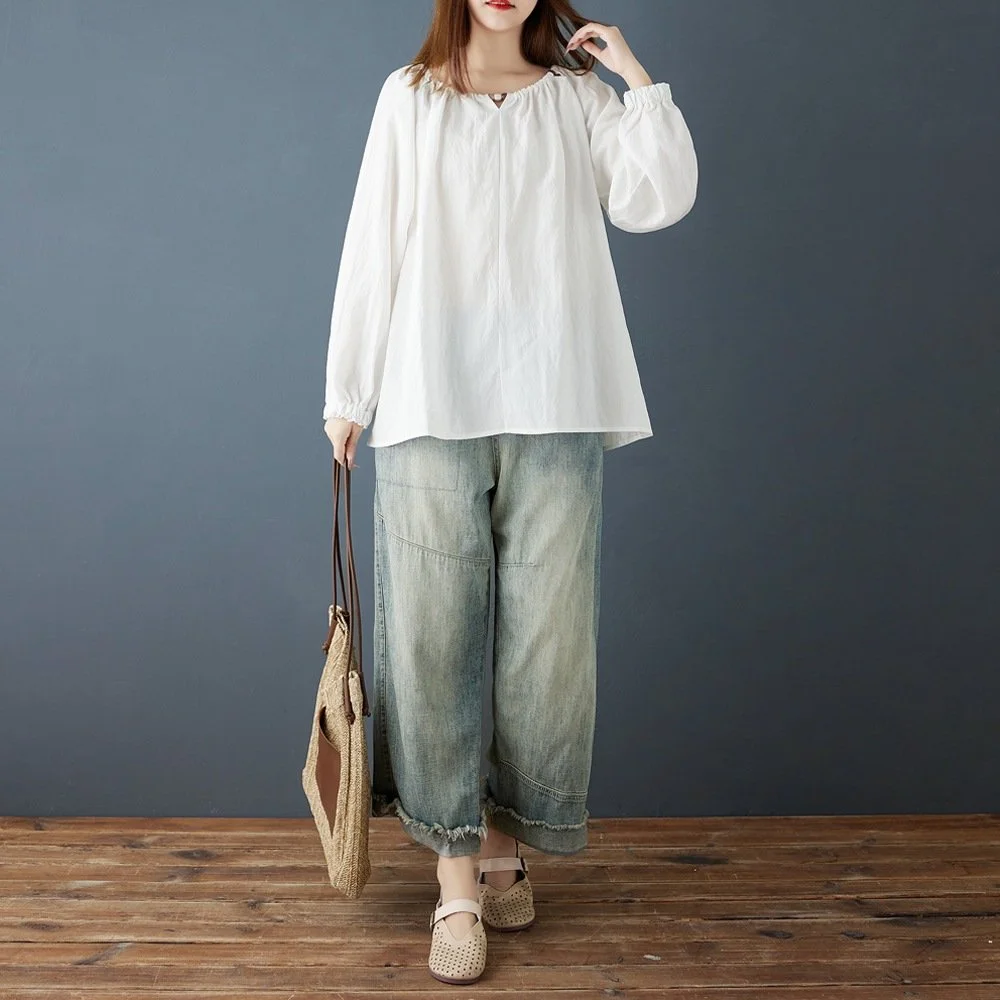
- Pro: The ruffled lace trim adds visual interest and softness, making the outfit look less severe.
- Pro: The loose fit allows for easy layering under jackets without feeling restricted.
- Con: Lace trim can sometimes snag on zippers or buttons; be gentle when dressing and undressing.
Sweaters: Slim Fit vs. Oversized
When it comes to sweaters, the fit is everything. An oversized sweater can make you look larger than you are, especially if it swallows your waist. A slim-fit sweater, on the other hand, can highlight your curves in a flattering way. The key is to choose a sweater with enough stretch to accommodate your body without pulling tight.
The Plus Size Fleece-Lined Hooded Slim Fit Sweater Is a practical option for cooler days. It is made from soft cotton and has a fleece lining for extra warmth. The slim fit means it follows the lines of your body, which creates a longer, leaner silhouette. Because it is a hoodie, it adds a casual element to your outfit. You can wear it under a trench coat or a denim jacket for a relaxed look.
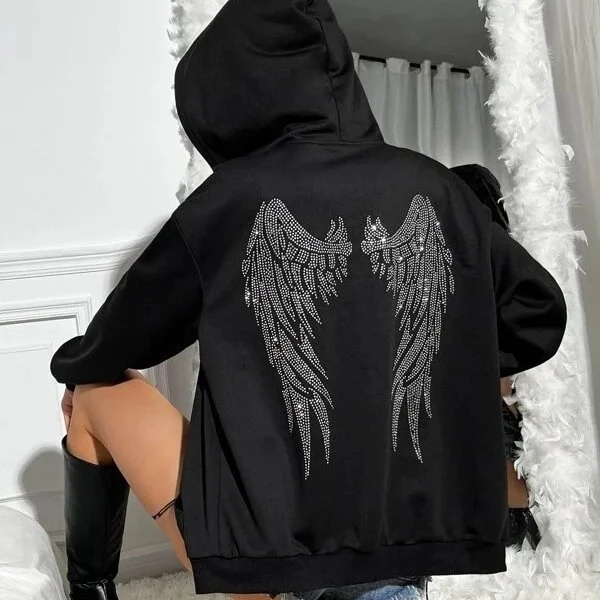
- Pro: The fleece lining provides significant warmth, making it suitable for chilly fall mornings and evenings.
- Pro: The slim fit helps maintain a streamlined silhouette, preventing the "bulky" look common with thick sweaters.
- Con: The slim fit may feel restrictive if you have a very full bust or stomach; check the size chart carefully to ensure it is not too tight.
How to Layer a Sweater Over a Blouse
You can layer a sweater over a blouse by leaving the top button of the blouse undone. This creates a small triangle of fabric at the neckline, which adds visual length to your torso. If the sweater is short, tuck the front of the sweater into your pants or skirt while leaving the back untucked. This "French tuck" defines your waist and prevents the sweater from looking like a box.
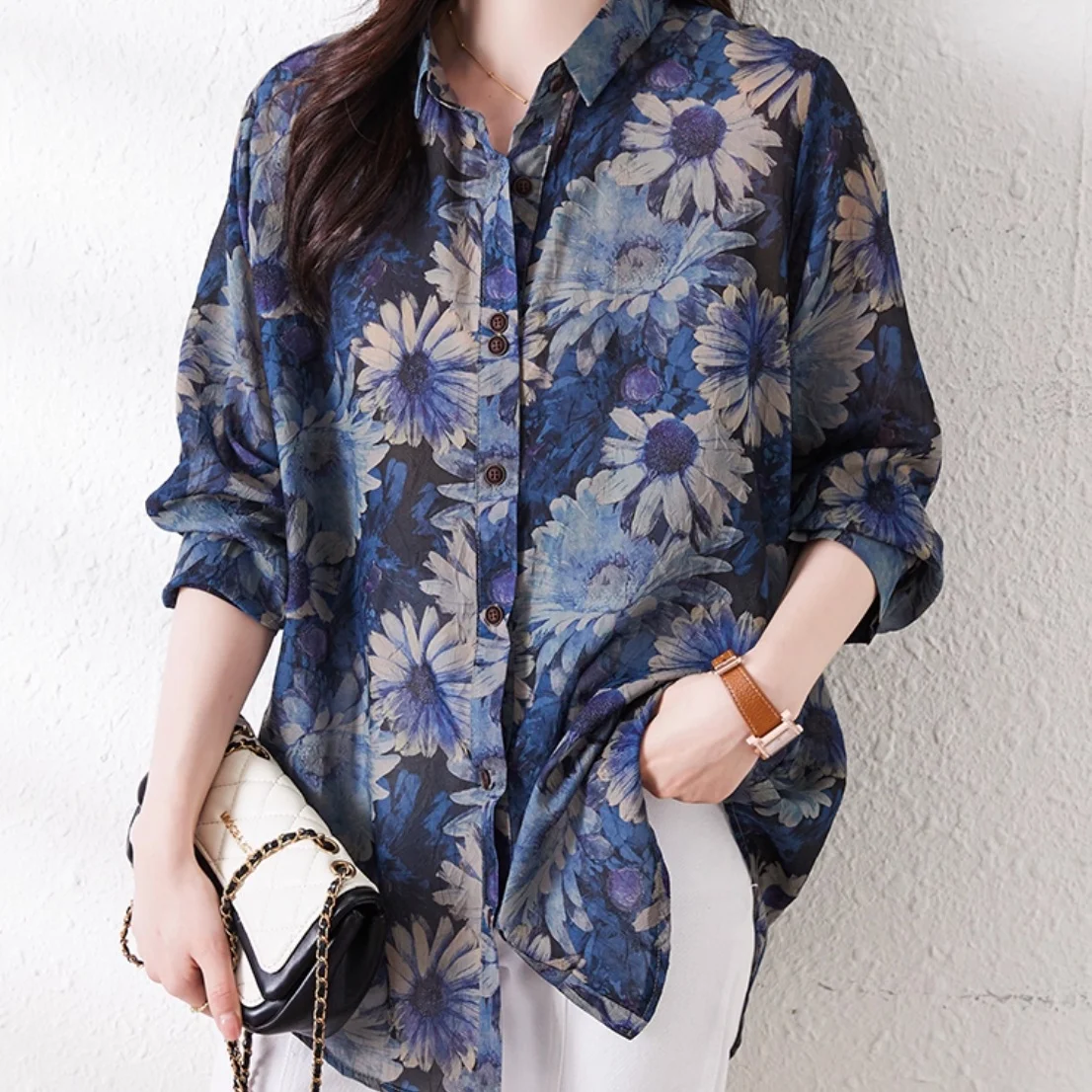
Outerwear and Structure
Your outerwear is the frame for your outfit. It should be structured enough to hold its shape but not so stiff that it pushes your arms out. For plus size bodies, a structured jacket can create a waist definition that might not be visible under looser layers. Look for jackets with belts, darts, or a tailored fit.
Choosing the Right Length
The length of your outerwear matters. A jacket that ends at the hip can make your legs look shorter. A jacket that hits at mid-thigh or knee-length is generally more flattering because it elongates your legs. If you are wearing a long dress, a shorter jacket can create a nice contrast. If you are wearing pants, a longer coat can create a smooth, vertical line.
While we do not have specific outerwear items in this collection, the principles apply to any jacket you own. If you have a denim jacket, a leather jacket, or a trench coat, make sure it fits well in the shoulders. The shoulders are the most important part of a jacket. If the shoulder seam falls off your arm, the jacket will look ill-fitting. If it is too tight, it will pull at the back and create wrinkles. A good fit at the shoulders allows the rest of the jacket to drape correctly over your body.
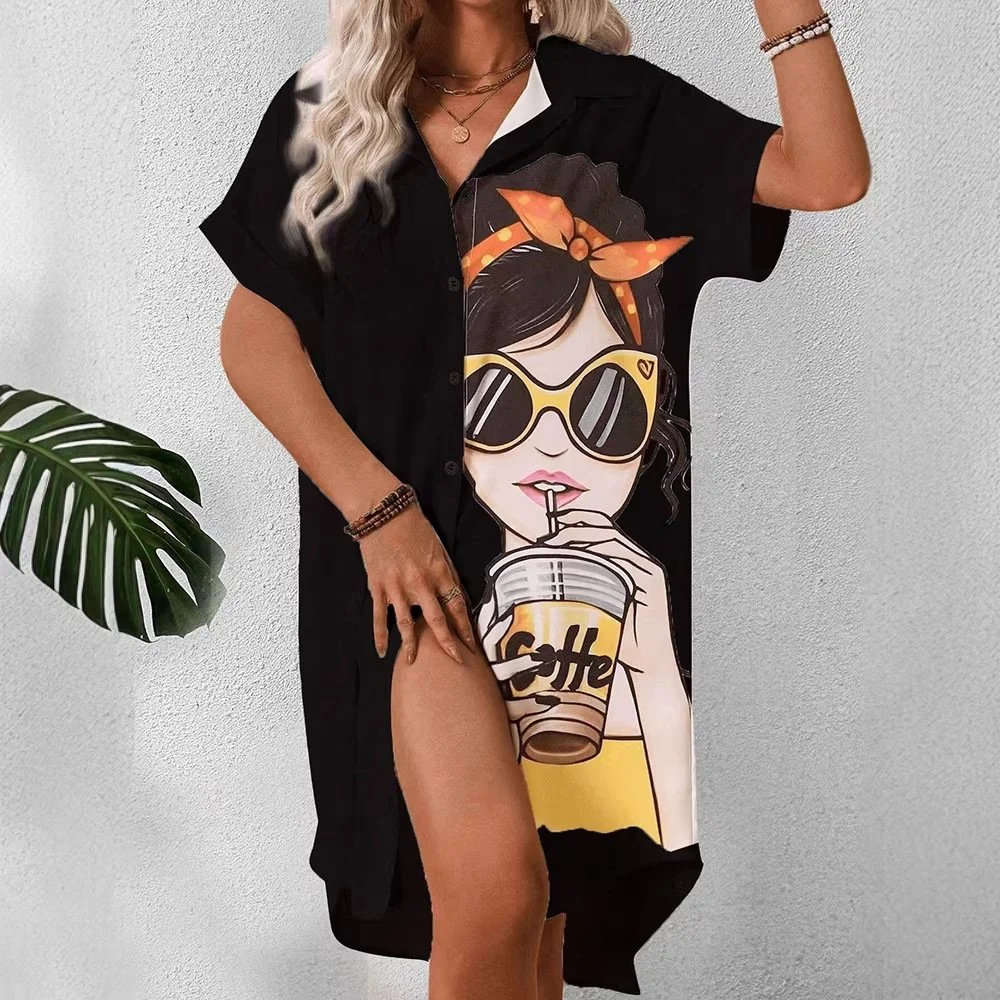
Sizing Secrets for Asian-Made Clothing
One of the biggest frustrations for plus size shoppers is sizing. Many affordable plus size items are manufactured in Asia, where sizing standards are different from those in the US and Europe. This section is crucial for ensuring you buy the right size the first time.
Understanding the 1-2 Size Rule
As noted in the product details for the Plus Size Loose Long Sleeve Retro Long Dress And other items in this collection, Asian sizing runs 1–2 sizes smaller than US/EU standards. This means if you are a US size 14, you should likely order a size 16 or 18 in an Asian-made garment. If you are between sizes, always choose the larger one. This is especially important for stretchy fabrics like polyester or cotton blends. A size that is too small will be uncomfortable and will show every contour of your body. A size that is slightly larger can be adjusted with a belt or by tucking, but a size that is too small cannot be fixed.
Reading the Size Chart
Never rely on the letter size (S, M, L, XL) alone. Always check the specific measurements in the size chart. Look for the bust, waist, and hip measurements. Compare these numbers to your own body measurements. Measure yourself over your base layer, not under your skin. This ensures that the garment will fit comfortably over what you are actually wearing. Allow for a 2–3 cm variance due to manual measurement, as noted in the product descriptions. This means the actual garment may be slightly larger or smaller than the chart indicates. If you are on the borderline between two sizes, the larger size is the safer choice.
Checking the Fit When It Arrives
When your item arrives, try it on immediately. Check the fit at the shoulders, bust, and waist. If it is too tight, do not wait to see if it will stretch. Polyester and cotton blends do not stretch much. If it is too loose, consider taking it in or wearing it with a belt. If you are not sure, it is better to return it and order a different size than to wear a garment that does not fit you well.
5 Specific Fall Outfit Combinations
Now that you understand the basics of layers, fabrics, and sizing, let’s put it all together. Here are five specific outfit combinations that work well for plus size bodies in fall. Each combination uses items from the collection or similar pieces you might already own.
1. The Office Ready Look
Start with the Loose-fit Plus-size Blouse with Ruffled Lace Trim In white. Tuck it into a pair of dark, high-waisted trousers or a pencil skirt. Add a structured blazer in a neutral color like navy or gray. Finish with closed-toe flats or low heels. This outfit is professional, polished, and comfortable. The loose fit of the blouse prevents it from clinging to your midsection, while the blazer adds structure and definition to your shoulders and waist.
2. The Casual Weekend Look
Wear the Plus Size Fleece-Lined Hooded Slim Fit Sweater In black. Pair it with dark jeans and ankle boots. Add a denim jacket or a leather jacket on top for extra warmth and style. This outfit is relaxed and comfortable, perfect for running errands or meeting friends for coffee. The slim fit of the hoodie keeps the look streamlined, while the jacket adds a layer of texture and interest.
3. The Dress and Sweater Combo
Start with the Plus Size Loose Long Sleeve Retro Long Dress In black. Layer a thin, neutral cardigan or a light sweater over the dress. Tuck the front of the sweater into the dress to define your waist. Add a belt if the dress does not have one. Finish with ankle boots and a scarf. This outfit is elegant and warm, suitable for dinner or a casual event. The A-line cut of the dress provides a flattering shape, while the sweater adds warmth without bulk.
4. The Layered Blouse Look
Wear the Loose-fit Plus-size Blouse with Ruffled Lace Trim In green. Layer a thin, high-necked top underneath for extra warmth. Add a long cardigan or a trench coat on top. Pair with dark pants or a skirt. This outfit is sophisticated and stylish, perfect for cooler fall days. The green color of the blouse adds a pop of color, while the layers keep you warm and comfortable.
5. The Dress and Jacket Look
Start with the Plus Size Loose Long Sleeve Retro Long Dress In black. Layer a structured jacket, such as a leather jacket or a wool coat, over the dress. Keep the jacket unbuttoned to create a vertical line. Add a pair of tights or leggings for extra warmth. Finish with boots. This outfit is chic and modern, suitable for a variety of occasions. The contrast between the loose dress and the structured jacket creates a balanced and flattering silhouette.
Common Mistakes to Avoid
Even with the best intentions, it is easy to make mistakes when layering. Here are some common errors to watch out for, and how to avoid them.
1. Wearing Too Many Thick Layers
One of the most common mistakes is wearing too many thick layers at once. This adds bulk and makes you look larger than you are. Instead of wearing a thick sweater and a thick cardigan, try wearing a thin turtleneck and a medium-weight sweater. This provides the same amount of warmth without the extra bulk. Remember, you can always add a layer if you get cold, but it is harder to remove a layer if you are too hot.
2. Ignoring the Sizing Chart
As mentioned earlier, Asian sizing runs smaller than US sizing. If you ignore the size chart and order your usual size, you will likely end up with a garment that is too small. Always check the measurements and compare them to your own body. If you are between sizes, choose the larger size. This is especially important for non-stretchy fabrics like denim or thick cotton.
3. Choosing the Wrong Neckline
The neckline of your base layer can affect how your outfit looks. A high neckline, such as a turtleneck, can make your neck look shorter. If you have a shorter neck, consider a V-neck or a scoop neck instead. A V-neck creates a vertical line that elongates your torso and draws attention to your face. A scoop neck is a good middle ground, providing coverage without adding bulk.
4. Forgetting to Tuck
Leaving your top untucked can make your outfit look slouchy and unpolished. Tucking your top into your pants or skirt defines your waist and creates a more structured look. You do not have to tuck the entire top; a "French tuck" (tucking only the front) is a great way to define your waist while maintaining a relaxed vibe. This is especially useful for loose-fitting blouses and dresses.
Care and Styling Tips
Proper care and styling can extend the life of your clothes and keep them looking their best. Here are some tips to help you get the most out of your fall wardrobe.
Caring for Polyester and Cotton Blends
Most of the items in this collection are made from polyester or cotton blends. These fabrics are durable and easy to care for. Wash them in cold water to prevent shrinking and fading. Hang dry or tumble dry on low heat. Avoid using bleach, as it can damage the fibers and discolor the fabric. If your garment has lace or ruffles, use a gentle cycle and a mild detergent to prevent snagging.
Styling for Different Body Shapes
Layering can be adapted to flatter different body shapes. If you have an apple shape, focus on creating a waist definition. Use belts, tucking, and structured jackets to cinch in your midsection. If you have a pear shape, focus on balancing your hips and thighs. Use darker colors on the bottom and lighter colors on top. If you have an hourglass shape, emphasize your natural waist. Use fitted tops and skirts or pants to highlight your curves.
Accessories That Add Interest
Accessories can tie your outfit together and add a personal touch. Scarves, hats, and jewelry can add color and texture to your look. A colorful scarf can brighten up a neutral outfit. A statement necklace can draw attention to your face and elongate your neck. A belt can define your waist and add structure to a loose-fitting dress or coat. Experiment with different accessories to find what works best for you.
Frequently asked questions
What is the best way to layer clothes for a plus size body in fall?
The best method is using a "vertical line" approach. Start with a fitted base layer, add a loose mid-layer like a blouse or light sweater, and finish with a structured outer layer