

There is nothing more frustrating than reaching for your favorite sweater only to find fuzzy balls of lint clinging to the elbows, cuffs, and neckline. Pilling is the natural result of friction, where loose fibers tangle and form small balls on the surface of the fabric. While it is a normal part of the wear-and-tear cycle, how you treat your knitwear determines how quickly it happens and whether the garment remains presentable. You do not need to throw away your favorite pieces after one season. With the right washing techniques, proper storage, and simple maintenance tools, you can significantly extend the lifespan of your investment in quality fabrics. This guide breaks down the specific steps to prevent pilling, how to handle different materials like wool, acrylic, and polyester, and which styles hold up best under daily use. You will learn exactly how to wash without shrinking, how to store without stretching, and how to choose pieces that are designed to last.
- Understanding Why Sweaters Pill
- The Right Way to Wash Knitwear
- Drying Techniques That Protect Shape
- Storage Strategies to Prevent Stretching
- How to Remove Pills Safely
- Choosing Durable Knitwear: Materials and Fit
- Product Comparison: Durable Options
- Common Mistakes to Avoid
- Frequently asked questions
- Key takeaways
Understanding Why Sweaters Pill
Pilling is not a defect; it is a physical reaction of fibers to friction. When you wear a sweater, the outer layer of fibers rubs against your skin, your arms, bags, and other clothing. Over time, the shorter, weaker fibers in the fabric break free and tangle with each other, forming small, fuzzy balls. This process happens to almost all knitted garments, but the rate depends heavily on the fiber type and the tightness of the knit.
How Fiber Type Affects Pilling
Not all fibers pill at the same rate. Natural fibers like wool and cashmere have a natural crimp that helps them resist pilling initially, but they are prone to felting if agitated. Synthetic fibers like acrylic and polyester are smoother and often pill faster because the fibers are uniform in strength. However, synthetic pills are often easier to remove because the fibers do not felt together as tightly as natural wool. Blended fabrics, which combine wool with synthetics, offer a middle ground. They provide the warmth of wool with the durability of synthetics, making them a practical choice for high-wear items. When shopping, check the label. A blend with a higher percentage of wool or cashmere will generally feel softer and last longer if cared for correctly, while acrylic is more affordable but requires more frequent maintenance to look new.
The Role of Knit Density
The structure of the sweater matters just as much as the material. Tighter knits hold fibers in place more securely, reducing the likelihood of them breaking loose and forming pills. Looser, open knits are more prone to snagging and pilling because there is more movement within the yarn. If you plan to wear a sweater daily, look for a dense, tight gauge knit. These are often described as "fine gauge" or "dense knit" in product descriptions. This structural detail is often overlooked but is critical for longevity. A thick, chunky knit may look cozy, but it is often less durable than a thinner, tightly woven piece made from high-quality wool.
The Right Way to Wash Knitwear
Washing is the most common cause of sweater damage. Heat, agitation, and harsh detergents can shrink wool, distort shapes, and accelerate pilling. The gold standard for sweater care is hand washing. It gives you full control over the temperature, the amount of agitation, and the drying process. If you must use a machine, you need to follow specific protocols to minimize risk. Less is more when it comes to frequency. You do not need to wash a sweater after every wear unless it has been exposed to sweat, perfume, or food stains. Wool and cashmere have natural oils that repel dirt and resist odors. Airing out your sweater in a well-ventilated area for 24 hours can refresh it without the stress of a wash cycle.
Hand Washing: The Safest Method
Hand washing is the best way to preserve the integrity of your knitwear. Fill a clean basin or sink with lukewarm water. The water should feel neutral to the touch, not hot. Hot water is the enemy of wool, causing the scales on the fibers to lock together and shrink the garment. Add a small amount of gentle detergent specifically designed for delicates or wool. Avoid standard laundry detergents, which often contain enzymes and brighteners that can degrade natural fibers. Submerge the sweater and gently press it down to saturate the fabric. Do not scrub, rub, or wring the garment. Let it soak for 10 to 15 minutes. After soaking, drain the water and gently press the sweater against the side of the basin to remove excess water. Repeat with a rinse of clean lukewarm water if necessary. The goal is to clean the fibers without disturbing their structure.
Machine Washing: When It Is Acceptable
Machine washing is convenient but risky. If the care label says "Dry Clean Only," do not machine wash. If it says "Machine Washable," use the delicate or wool cycle. Always turn the sweater inside out to protect the exterior surface from friction. Place the sweater in a mesh laundry bag. This bag acts as a barrier, preventing the sweater from snagging on the drum or other heavy items. Use cold water only. Hot water will shrink wool and set stains. Use a gentle cycle with a low spin speed. High spin speeds can stretch the fibers out of shape. After the cycle is complete, remove the sweater immediately. Do not leave it in the machine, as it can continue to twist and deform while wet. This method is suitable for sturdy acrylics and wool blends, but pure cashmere and fine merino wool are better off hand washed.
When selecting a sweater that you intend to machine wash frequently, look for durable blends. The Buttoned V-neck Knitted Cardigan Sweater for Women Is made of acrylic, a synthetic fiber that is generally more resistant to shrinking than wool.
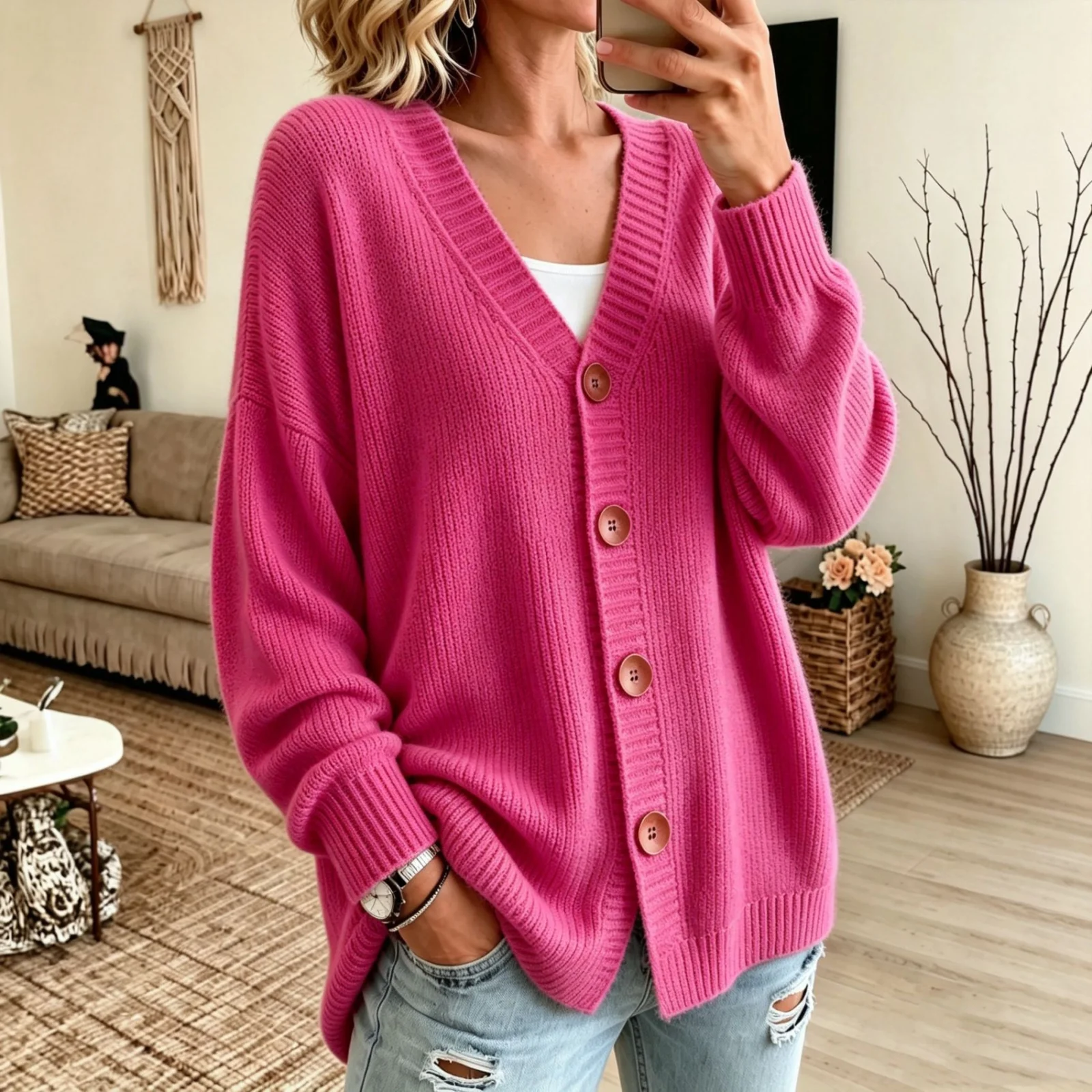
- Acrylic material holds its shape well in the wash and dries quickly.
- Affordable price point makes it a practical choice for frequent washing.
- Acrylic can pill faster than wool, so you may need to use a fabric shaver more often.

Drying Techniques That Protect Shape
Drying is where most sweaters lose their shape. Hanging a wet sweater on a hanger allows gravity to pull the weight of the water down, stretching the shoulders and sleeves. Tumbling in a dryer exposes the fibers to high heat and agitation, which causes shrinkage and felting. The only safe way to dry a knit sweater is flat. Lay the sweater on a clean, dry towel on a flat surface. Gently reshape the garment to its original dimensions, smoothing out the sleeves and neckline. Roll the sweater in the towel to absorb excess moisture without twisting the fibers. Unroll and transfer the sweater to a drying rack or a fresh dry towel. Allow it to air dry completely. This process can take 24 to 48 hours depending on the thickness of the knit and the humidity in your home. Never use a hairdryer or place the sweater near a radiator or direct sunlight. Heat can warp the fibers and cause uneven drying, leading to permanent distortion.
Why Flat Drying Matters for Fit
Knitwear is elastic, but it has a memory. When wet, the fibers are at their most vulnerable. If you hang a wet cashmere sweater, the weight of the water will pull the fabric down, creating a baggy, elongated shape that will not bounce back. Flat drying ensures that the weight of the garment is supported evenly across the surface. This preserves the intended silhouette, keeping the shoulders squared and the length true. For sweaters with heavy embellishments or thick knits, flat drying is even more critical. It prevents the weight of the wet fabric from pulling down on the seams, which can cause them to pop or stretch out over time. This simple step takes no extra effort but makes a significant difference in how the sweater fits after multiple washes.
Storage Strategies to Prevent Stretching
How you store your sweaters when you are not wearing them is just as important as how you wash them. Improper storage can lead to stretching, crushing, and even moth damage. The general rule is to store knits flat. Folding a sweater neatly and placing it in a drawer or on a shelf is the best method for most knitwear. This prevents the weight of the garment from pulling on the shoulders. If you prefer to hang sweaters, use wide, padded hangers. Standard wire hangers are too narrow and can create indentations or stretch the shoulders over time. Padded hangers distribute the weight more evenly and support the structure of the garment. However, hanging is not suitable for very heavy knits or loose-fitting styles, which can still stretch under their own weight.
Protecting from Moths and Dust
Natural fibers like wool and cashmere are susceptible to moth infestation. Moths are attracted to the keratin in animal fibers. To prevent moths, store your sweaters in a clean, dry environment. Use cedar blocks or lavender sachets in your drawers to repel moths naturally. Avoid storing sweaters in plastic bags, as this can trap moisture and lead to mildew. Instead, use cotton storage bags or breathable fabric covers. Before storing sweaters for the off-season, make sure they are completely clean. Body oils and food stains left on the fabric can attract pests and cause permanent stains over time. A quick hand wash or dry cleaning before storage is a small investment that protects your investment.
For those who want a versatile piece that stores well and fits a relaxed silhouette, consider the Loose Multicolor All-match Wool Blended Knitted Cardigan Sweater.

- Wool blend offers warmth and durability for everyday use.
- Loose fit is forgiving and less prone to stretching at the shoulders.
- Check the sizing chart, as Asian sizing runs smaller; sizing up is recommended for a true loose fit.
How to Remove Pills Safely
Even with perfect care, some pilling is inevitable. The key is to remove pills as soon as they appear to prevent them from becoming larger and more noticeable. There are three main tools for this: a fabric shaver, a sweater comb, and a pumice stone. Each has its place, and using the right one for your fabric is crucial.
Using a Fabric Shaver
A fabric shaver is an electric tool that trims loose fibers to the surface of the fabric. It is the most effective tool for removing pills from thick knits and wool blends. Hold the sweater taut on a flat surface and glide the shaver gently over the pilled areas. Do not press down hard; let the shaver do the work. Move in one direction to avoid creating uneven spots. Fabric shavers are excellent for quick touch-ups, but they can be too aggressive for very fine cashmere or delicate silks. Always test on an inconspicuous area first. If the shaver pulls or damages the fabric, stop immediately and switch to a manual method.
Using a Sweater Comb or Pumice Stone
For delicate fabrics like cashmere or fine merino wool, a manual sweater comb is safer. It is a small tool with fine teeth that gently lifts and removes pills without cutting the surrounding fibers. It is slower than a shaver but offers more control. A pumice stone can also be used for stubborn pills on thick wool. Rub the stone gently against the pill to break it up. Both methods require patience, but they preserve the integrity of the fabric better than electric tools. Keep these tools in your laundry basket for quick maintenance between washes. Regular, light maintenance is better than letting pills accumulate and become difficult to remove.
Choosing Durable Knitwear: Materials and Fit
Preventing pilling starts with the purchase. Choosing the right material and fit can save you hours of maintenance later. When shopping for sweaters, look for high-quality natural fibers or durable blends. Pure wool, cashmere, and merino are excellent choices for longevity. They are warmer and softer than synthetics, and they age well if cared for. Blends that combine wool with acrylic or nylon add strength to the fabric, making them more resistant to wear and tear. Avoid 100% acrylic if you are looking for a long-term investment, as it tends to pill faster and can lose its shape over time. If you are on a budget, look for wool blends with a high percentage of wool.
Checking the Fit
Fit plays a major role in how a sweater holds up. A sweater that is too tight will be under constant tension, causing the fibers to stretch and break more easily. A sweater that is too loose may snag on furniture or accessories, leading to pulls and pills. Aim for a fit that is comfortable but not tight. You should be able to move your arms freely without pulling the fabric. Pay attention to the sleeve length and the neckline. Sleeves that are too short will rub against your hands, while a neckline that is too tight can stretch out over time. When buying online, always check the specific measurements for chest, waist, and length. Do not rely on standard sizing, as it varies significantly between brands and regions. Most of the products below use Asian sizing, which runs smaller. If you are between sizes, size up to ensure a comfortable fit that reduces stress on the fibers.
Material Breakdown
Understanding the material composition helps you set expectations for care. Wool is durable and elastic, meaning it can stretch and bounce back. Cashmere is softer and finer but more delicate. Acrylic is affordable and easy to care for but less durable. Polyester is strong and resistant to wrinkles but can be less breathable. A blend of wool and acrylic offers a balance of warmth, durability, and ease of care. Look for labels that specify the percentage of each fiber. A 50/50 blend is a good starting point for everyday wear. If you plan to wear the sweater in harsh conditions, such as hiking or commuting, a heavier wool blend or a wool/nylon blend will hold up better. For office wear, a finer merino or cashmere blend will look more polished and last longer with proper care.
For a classic, durable option, the Contrast Color Woolen Sweater Women V-neck Pullover Patchwork Color Thermal Knitting Sweater Women Is made of wool.
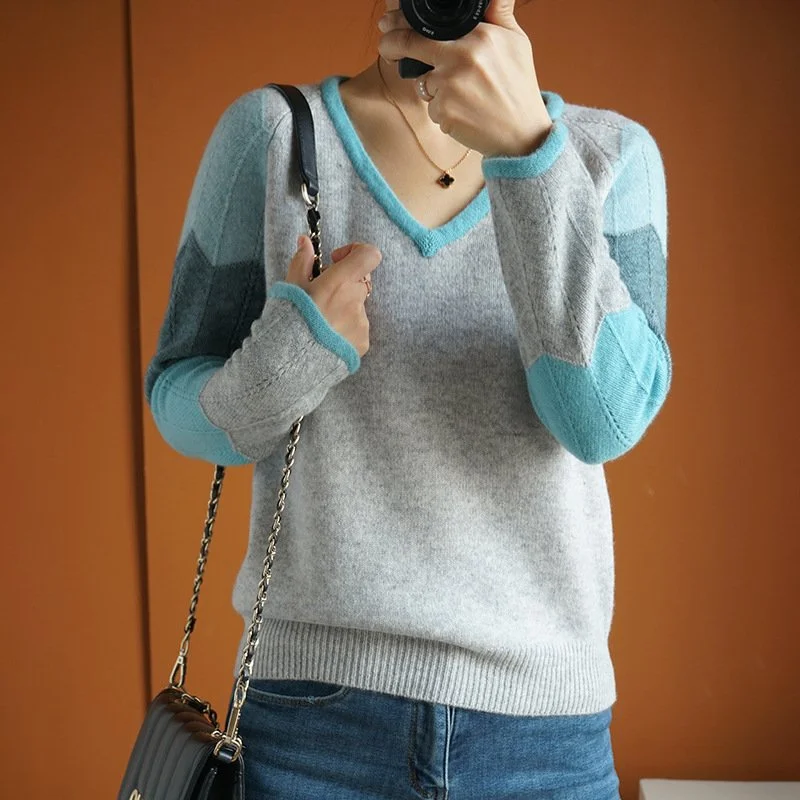
- Wool material provides excellent warmth and natural elasticity.
- V-neck style is versatile for layering with collared shirts.
- Wool requires careful washing to prevent shrinking; hand washing is recommended.
Another solid option for layering is the Gray Twist Small Golden Button Knitted Cardigan Wool.

- Thick knit provides substantial warmth for winter wear.
- Button closure allows for adjustable fit and easy removal.
- Asian sizing runs small; check the specific measurements to ensure the buttons align comfortably.
Product Comparison: Durable Options
When selecting a sweater, it helps to compare specific attributes across different styles. The table below breaks down the key features of the recommended products, focusing on material, size availability, and best use case. This helps you match the sweater to your specific needs, whether you prioritize warmth, ease of care, or specific styling options.
| Product Name | Price | Material | Size Options | Best For |
|---|---|---|---|---|
| Gray Twist Small Golden Button Knitted Cardigan Wool | $90.2 | Wool | S, M, L, XL, XXL | Structured layering; thicker knit for warmth |
| Loose Multicolor All-match Wool Blended Knitted Cardigan Sweater | $118.72 | Wool Blend | S, M, L | Loose fit; versatile all-match style |
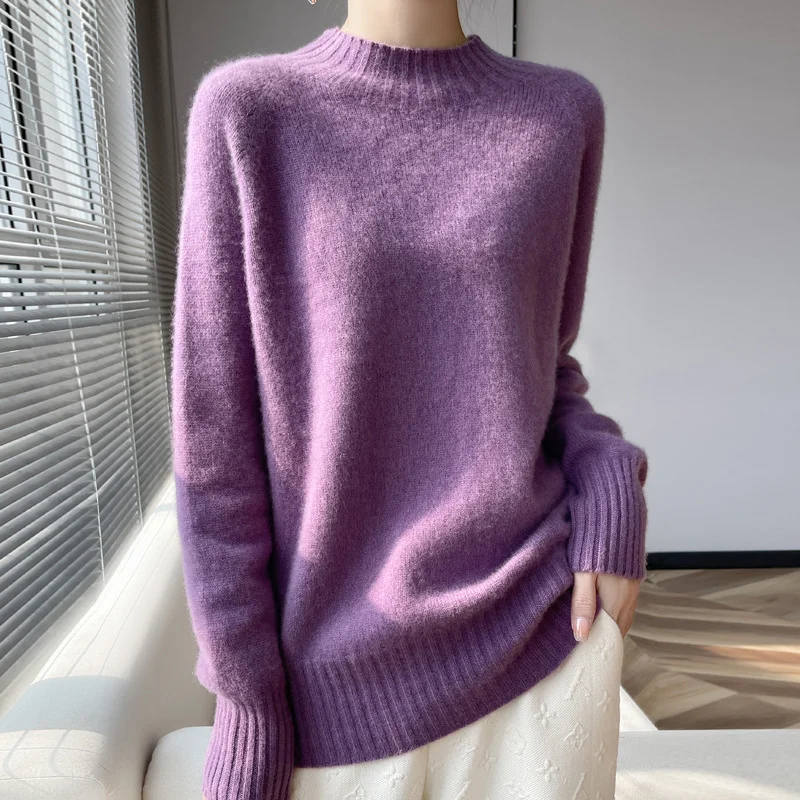
| Pullover Half Turtleneck Thick Loose Wool Knitted Sweater | $65 | Wool | M, L, XL, XXL | Thick, loose fit; solid color versatility |
| Contrast Color Woolen Sweater Women V-neck Pullover | $82.8 | Wool | M, L, XL | Thermal warmth; V-neck layering |
| Buttoned V-neck Knitted Cardigan Sweater for Women | $27.88 | Acrylic |


