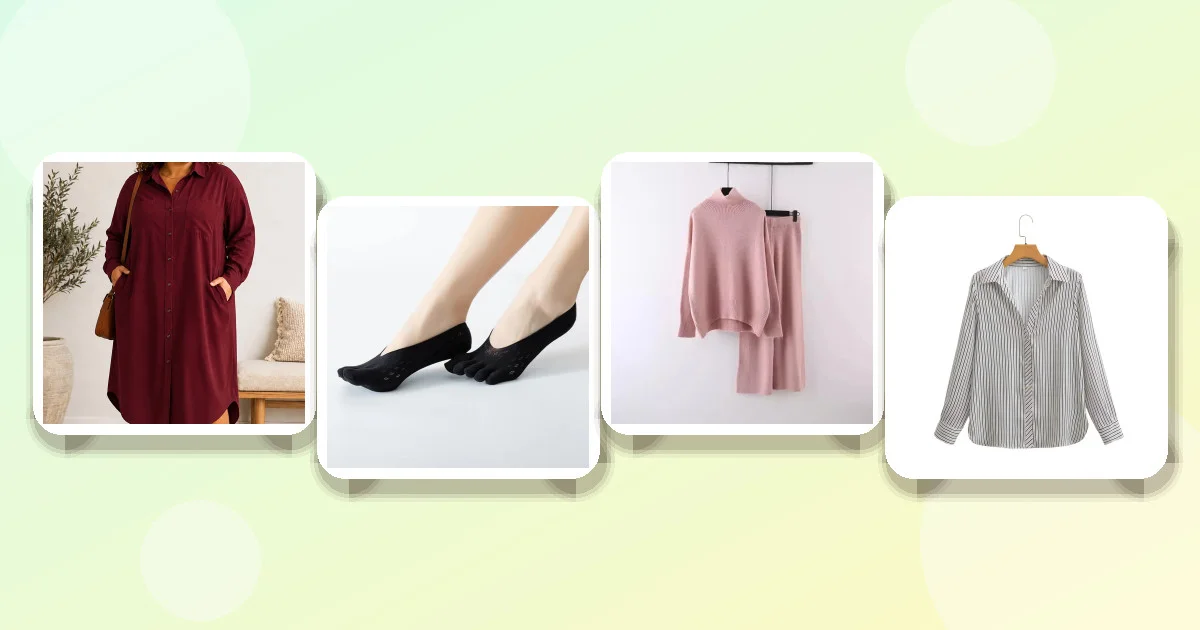

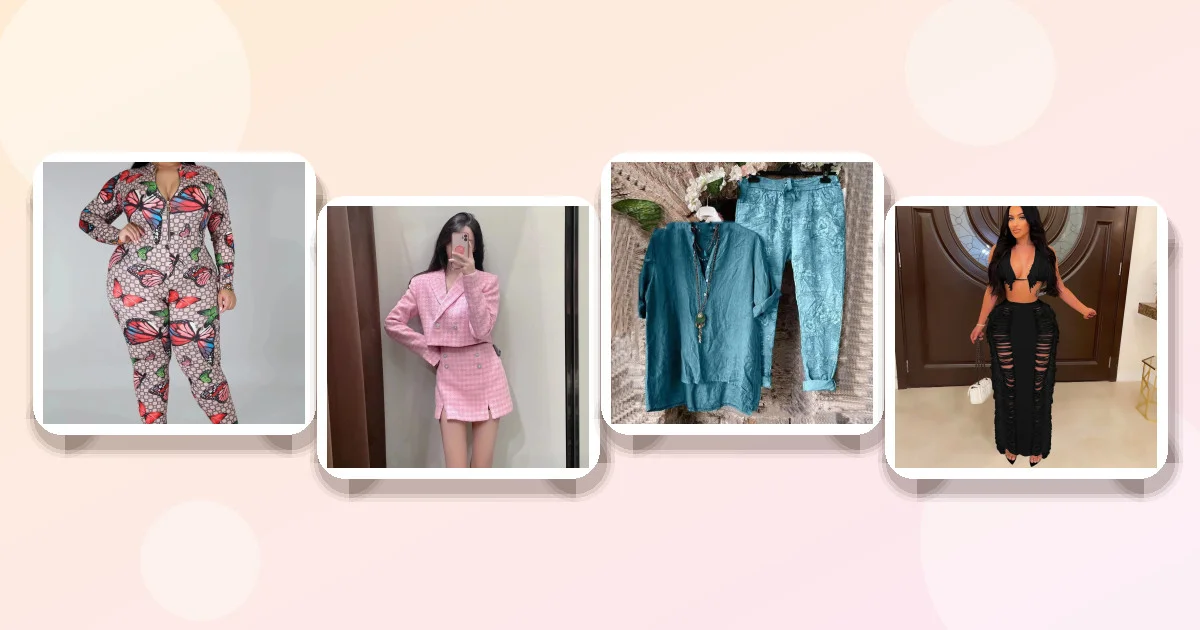
It is 50 degrees in the morning and 65 degrees by noon. You want to look put-together for work or brunch, but you also want to stay comfortable. The problem is that standard layering advice often fails on curves. Thin layers can feel restrictive, and thick layers can add visual weight. You end up feeling like you are wearing armor instead of clothes. This guide focuses on practical, specific combinations that balance warmth and style. We will look at how to choose the right base, how to stack mid-layers without adding bulk, and which fabrics actually work for cooler weather. You will also find specific product options that fit this logic, along with honest notes on sizing and fit.
Building the Foundation: The Right Base Layer
The base layer is the most important piece of your outfit, even if no one sees it. Its job is to manage moisture and provide a smooth surface for the layers above. For plus-size bodies, a base layer that is too thin can dig in, while one that is too thick can create lumps under your sweater. You want a fabric that is soft, breathable, and has a little bit of stretch.
Why Fabric Matters More Than Fit
Cotton is a common choice, but it absorbs sweat and stays wet, which can make you feel cold when temperatures drop. For fall, look for a blend that includes polyester or nylon. These synthetic fibers wick moisture away from your skin. A cotton-polyester blend is a good middle ground. It feels soft against the skin like cotton but dries faster and holds its shape better. Avoid 100% cotton if you expect to be active, like walking to a bus stop or working in a warm office.
Fit is just as important as fabric. A base layer should fit snugly without compressing your body. If you can pinch a lot of excess fabric at your waist or under your arms, it will bunch up under your next layer. If it leaves red marks on your skin, it is too tight. The goal is a "second skin" feel. This creates a smooth line that your outer layers can drape over. If you are between sizes, choose the larger size for a base layer. You want room for movement, not a tight squeeze.
Necklines and Sleeves
The neckline of your base layer sets the tone for the whole look. A crew neck is the safest option. It works under turtlenecks, cardigans, and collared shirts. If you want to show a little skin, a scoop neck is a good alternative. It is versatile and doesn't look as severe as a high neck. Avoid deep V-necks unless you plan to wear a scarf or a high-neck outer layer. Otherwise, the look can feel unbalanced.
Sleeve length is another detail that matters. Long sleeves are best for fall. They cover your wrists, which helps keep heat in. If you prefer short sleeves, make sure the hem of your mid-layer covers them completely. Raglan sleeves (where the seam goes from the underarm to the collar) are often more comfortable than set-in sleeves. They allow for more range of motion and reduce pulling across the chest and back.

The Mid-Layer: Structure Without Bulk
The mid-layer is where many people make mistakes. This is the layer that defines your silhouette. It sits between your base and your outer layer. If you pick a mid-layer that is too bulky, you will look wider. If it is too thin, you won't be warm enough. The key is to choose a mid-layer that adds structure but drapes well.
Choosing the Right Shape
For plus-size bodies, structured pieces often work better than loose, shapeless ones. A boxy sweater can make your torso look wider. Instead, look for a sweater that has a defined waist or a slight taper. This creates a line that breaks up your body shape. Cardigans are a great mid-layer option because they can be open or closed. An open cardigan creates vertical lines that elongate your frame. A closed cardigan with a belt can define your waist without feeling restrictive.
Blouses and shirts are another good option. Look for fabrics that have some weight to them, like a heavy cotton or a wool blend. These fabrics hold their shape and don't cling to every curve. A button-down shirt with a collar adds a touch of polish. It works well under a sweater or a jacket. If you choose a blouse, avoid stiff fabrics like heavy denim or thick twill. These can be uncomfortable and difficult to layer. Stick to softer fabrics that move with you.
Color and Pattern Strategy
Color plays a big role in how layers look. Darker colors tend to recede, while lighter colors advance. If you want to minimize the look of a mid-layer, choose a color that is close to your base layer. This creates a monochromatic look that is slimming. If you want to draw attention to your face, choose a lighter or brighter mid-layer. Patterns can be tricky. Small, subtle patterns are usually safer than large, bold ones. Large patterns can add visual weight. If you wear a patterned mid-layer, keep your outer layer solid to balance the look.
Consider the length of your mid-layer. A mid-layer that ends at your hip is the most versatile length. It works with high-waisted pants or skirts. It also doesn't bunch up when you sit. If you are shorter, a mid-layer that ends at your mid-thigh can make your legs look shorter. If you are taller, a longer mid-layer can work well. The goal is to create a balanced proportion. If your mid-layer is too long, it can make your torso look longer and your legs look shorter. If it is too short, it can make your torso look wider.
The Outer Layer: Warmth and Silhouette
The outer layer is the final piece of your outfit. It provides the most warmth and sets the overall style. For plus-size women, the outer layer should be relaxed enough to fit over your mid-layer without pulling. It should also be structured enough to hold its shape. A common mistake is buying an outer layer that is too tight. This causes the fabric to pull across your chest and back, creating unflattering lines.
Fit and Sizing
When buying an outer layer, check the size chart carefully. Many online brands use Asian sizing, which runs smaller than US or European sizing. If you are between sizes, choose the larger size. You want room to move and to layer underneath. A sweater that fits snugly when worn alone will be too tight when worn over a shirt. Look for keywords like "relaxed fit" or "oversized" in the product description. These indicate that the garment has extra room. If the description says "slim fit" or "fitted," be cautious. These styles are designed to hug the body and may not have enough room for layering.
Shoulder seams are a critical detail. The seam should fall exactly on your shoulder bone. If it falls below your shoulder, the sweater will look sloppy and add width. If it falls above your shoulder, it will feel restrictive and pull across your back. If you are buying online, measure the shoulder width of a sweater you already own that fits well. Compare this measurement to the product's size chart. This is a more reliable way to ensure a good fit than relying on the size label alone.
Warmth and Weight
The weight of your outer layer should match the weather. For early fall (50-60 degrees), a lightweight knit or a denim jacket is sufficient. For late fall (30-45 degrees), you need something heavier, like a wool blend or a thick fleece. Avoid very heavy sweaters if you are planning to layer multiple pieces underneath. The combination of a heavy sweater and a thick mid-layer can be too warm and too bulky. Instead, choose a medium-weight sweater that is breathable. This allows you to adjust your layers as the temperature changes throughout the day.
Texture is another important factor. Smooth fabrics like cotton or fine knits are easier to layer than textured fabrics like chunky cables or mohair. Textured fabrics add visual volume. If you are wearing a textured outer layer, keep your mid-layer smooth and simple. If you are wearing a smooth outer layer, you can experiment with a textured mid-layer. This creates interest without adding bulk. The goal is to balance textures so that your outfit looks intentional, not accidental.
Product Comparison: What to Buy
Here are five specific options that fit the layering logic described above. Each product serves a different purpose in your fall wardrobe. Note that all items are available in multiple sizes, and you should always check the specific size chart for each item, as sizing can vary between manufacturers.
| Product | Price | Type/Material | Options | Best For |
|---|---|---|---|---|
| European and American Plus Size Fat Woman Stretch Digital Print Jumpsuit | $22.6 | Polyester (81-90%) | XL-5XL | One-piece outfits for easy layering |
| Women's Houndstooth Texture Culottes Suit | $25.24 | Polyester | XS-L (Suit/Shorts) | Office wear with a structured top |
| Women's Printing Temperament Twinset Jumpsuit Set | $29.04 | Polyester | S-4XL (Blue/Dark Green) | Casual days with a cropped pant |
| Beachy Knit Skirt Suit with Tassels | $31.96 | Knit | S-XL (4 Colors) | Light layering for mild days |
| Women's Midriff-Baring Jumpsuit Set | $17.52 | Polyester | S-L (Pink) | Warm weather base layering |
European and American Plus Size Fat Woman Stretch Digital Print Jumpsuit

This jumpsuit is made from a stretch polyester blend, which helps it move with your body. It is designed to be a one-piece solution, reducing the need to match a top and bottom.
Best for Women who want a quick, coordinated outfit for a day when they don't want to think about matching pieces.- Stretch fabric allows for a comfortable fit over a base layer.
- Available in sizes up to 5XL, ensuring a wider range of options.
- Check the size chart carefully, as Asian sizes run smaller.
Women's Houndstooth Texture Culottes Suit
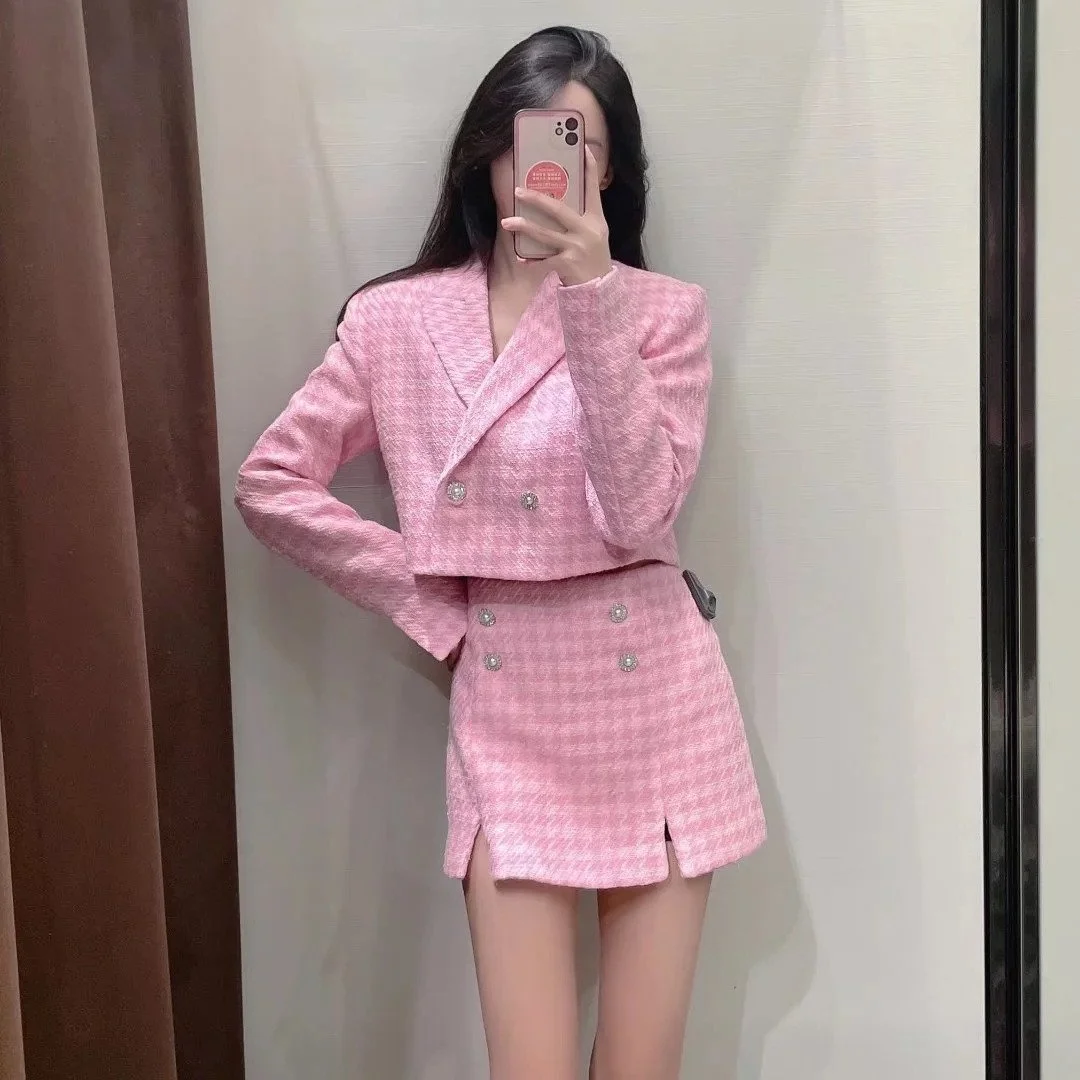
This suit features a houndstooth pattern and long sleeves, made from a comfortable polyester fabric. It is designed for office style, offering a structured look that works well in professional settings.
Best for Office workers who want a polished look that can be layered under a blazer or a chunky cardigan.- Structured silhouette helps create a defined shape.
- Polyester fabric is easy to care for and holds its shape.
- Size range is limited to XS-L, so check measurements if you are larger.
Women's Printing Temperament Twinset Jumpsuit Set

This twinset features a cropped pant and a three-quarter sleeve top, made from high-quality polyester with vibrant printing. It is a coordinated set that offers a chic, casual look.
Best for Casual days when you want a coordinated look without the effort of mixing and matching.- Three-quarter sleeves are versatile for layering under long sleeves.
- Available in sizes up to 4XL, providing more size options.
- Cropped pant may not be suitable for all leg lengths.
Beachy Knit Skirt Suit with Tassels

This knit skirt suit features a sleeveless design and tassel details, available in four colors. It is designed for a stylish, cool look, though the sleeveless design limits its use in cold weather.
Best for Mild fall days when you are wearing a thick sweater or cardigan underneath.- Knit fabric provides a soft, comfortable feel.
- Tassel details add visual interest without adding bulk.
- Sleeveless design requires a warm mid-layer for cooler temperatures.
Women's Midriff-Baring Jumpsuit Set
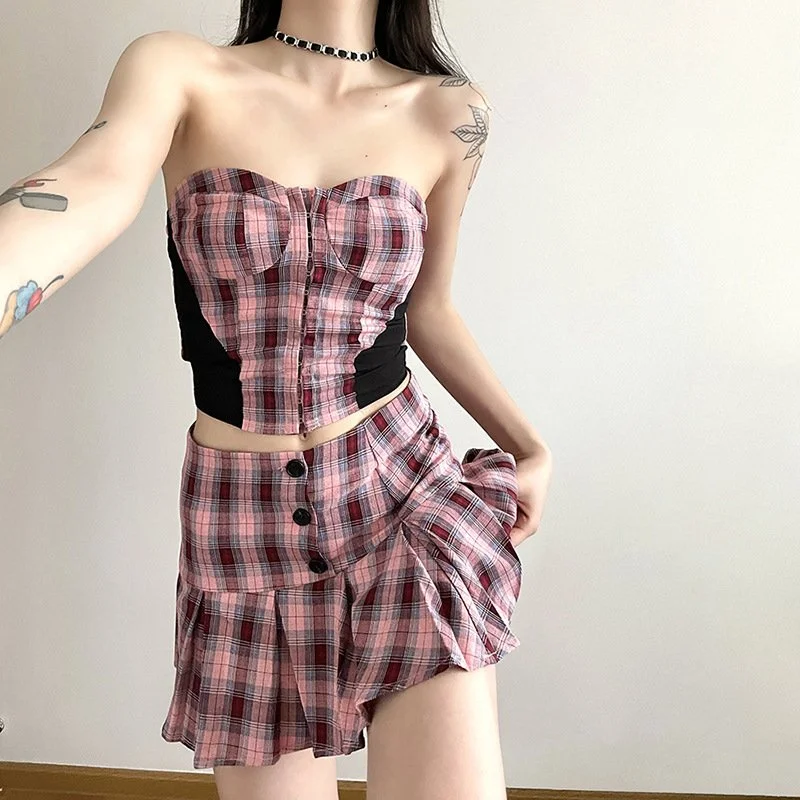
This set features a sleeveless top and a mini skirt, made from comfortable polyester. It is designed for warm weather and casual outings, with a midriff-baring design.
Best for Early fall or indoor layering where you can add a long cardigan or jacket.- Lightweight polyester is easy to layer under heavier pieces.
- Separate top and skirt allow for mix-and-match styling.
- Not suitable for cold weather without significant outer layers.
Common Mistakes to Avoid
Even with the right pieces, it is easy to make mistakes that ruin the look. Here are the most common errors to avoid when layering for plus-size bodies.
Ignoring the Shoulder Seam
The shoulder seam is the most important part of a sweater or jacket. If it falls below your shoulder, the garment will look sloppy and add width to your upper body. If it falls above your shoulder, it will feel restrictive and pull across your back. Always check the shoulder width in the size chart. Measure your own shoulder bone to bone, and compare it to the product's measurements. This is a small detail that makes a big difference in how the outfit looks and feels.
Wearing Too Many Thick Layers
It is tempting to wear three or four thick layers to stay warm. However, this can create a bulky, unbalanced look. Instead, focus on one or two well-chosen layers. A thin base layer and a medium-weight outer layer are usually enough. If you need more warmth, add a scarf or a hat instead of another sweater. This keeps your silhouette clean and avoids the "muffin" effect at the waist.
Choosing Fabrics That Cling
Thin, stretchy fabrics can cling to every curve, which can be unflattering. For outer layers, choose fabrics that have some structure or drape. A thick knit or a wool blend holds its shape and doesn't cling. Avoid lightweight polyester or thin cotton for outer layers, as these can look cheap and clingy. If you love a thin fabric, use it for your base layer, not your outer layer. This keeps the look clean and intentional.
Forgetting About Proportions
Balance is key. If your top is bulky, your bottom should be slim. If your top is slim, your bottom can be looser. Avoid wearing a bulky sweater with a bulky pair of pants. This creates a boxy shape that can hide your figure. Instead, pair a bulky sweater with slim leggings or skinny jeans. Or pair a slim blouse with a wide-leg pant. This creates a balanced silhouette that looks intentional and stylish.
Not Checking the Size Chart
Many online brands use Asian sizing, which runs smaller than US sizing. If you buy a size based on your usual US size, you may end up with a garment that is too small. Always check the size chart for each item. Look at the measurements for the chest, waist, and hips. Compare these to your own measurements. If you are between sizes, choose the larger size. This is especially important for outer layers, which need room for layering underneath.
Care and Styling Tips
Proper care extends the life of your clothes and keeps them looking their best. Here are some tips for caring for your fall layers and styling them for maximum impact.
Washing and Drying
Most of the products listed above are made from polyester or blends. These fabrics are generally easy to care for. Wash them in cold water on a gentle cycle. Avoid using bleach, as it can damage the fibers and fade the color. Tumble dry on low or hang to dry. Hanging to dry helps preserve the shape of the garment and prevents shrinking. If you have a knit sweater, hang it flat to dry. Hanging it on a hanger can stretch the shoulders and distort the shape. Store your sweaters folded, not hung, to prevent stretching.
Styling for Vertical Lines
Vertical lines are your friend. They elongate your frame and