You have a drawer full of high-quality, comfortable t-shirts that you refuse to throw away, but the moment the temperature drops below 60 degrees, they seem useless. You don't want to buy an entirely new wardrobe for the transition season, yet you also don't want to look like you’re wearing a gym outfit to a client meeting. The solution isn’t more clothes; it’s better integration. This guide breaks down three specific mechanical techniques—under, over, and with—to turn your existing basic tees into the foundation of your fall wardrobe. We will look at fabric choices, fit adjustments, and specific product options that make these layers work in real-world scenarios.
- Why basic tees fail in fall (and how to fix it)
- Technique 1: The Under-Layer (Tee + Cardigan)
- Technique 2: The Over-Layer (Tee + Blouse/Structured Top)
- Technique 3: The Frame (Tee + Jacket)
- How to choose the right fabrics and fits
- Product comparison
- Common mistakes to avoid
- Care and maintenance tips
- Frequently asked questions
- Key takeaways
Why basic tees fail in fall (and how to fix it)
The primary reason a summer t-shirt looks out of place in autumn isn't the color or the graphic; it's the volume. In summer, you rely on airflow. In fall, you rely on trapped heat. When you throw a loose sweater over a loose t-shirt, you create a cylinder of fabric around your torso. This eliminates your waistline, making you look larger than you are. The fix is intentional contrast. If the outer layer is loose, the inner layer must be slim. If the outer layer is thin and open, the inner layer can be slightly looser for comfort.
Another issue is the neckline. Summer tees often have wide scoops or deep v-necks. When layered under a button-down or a cardigan, these wide necklines can create a messy, gaping look at the chest. For fall layering, you want a base layer with a higher neckline (crew neck or shallow v) that stays put against the skin. This keeps the outer layer clean and professional. Finally, consider the sleeve length. Three-quarter or short sleeves on a base layer can look unfinished under long sleeves in cooler weather. Stick to long-sleeve tees or ensure the base layer sleeves are long enough to be tucked in or hidden by the outer layer.
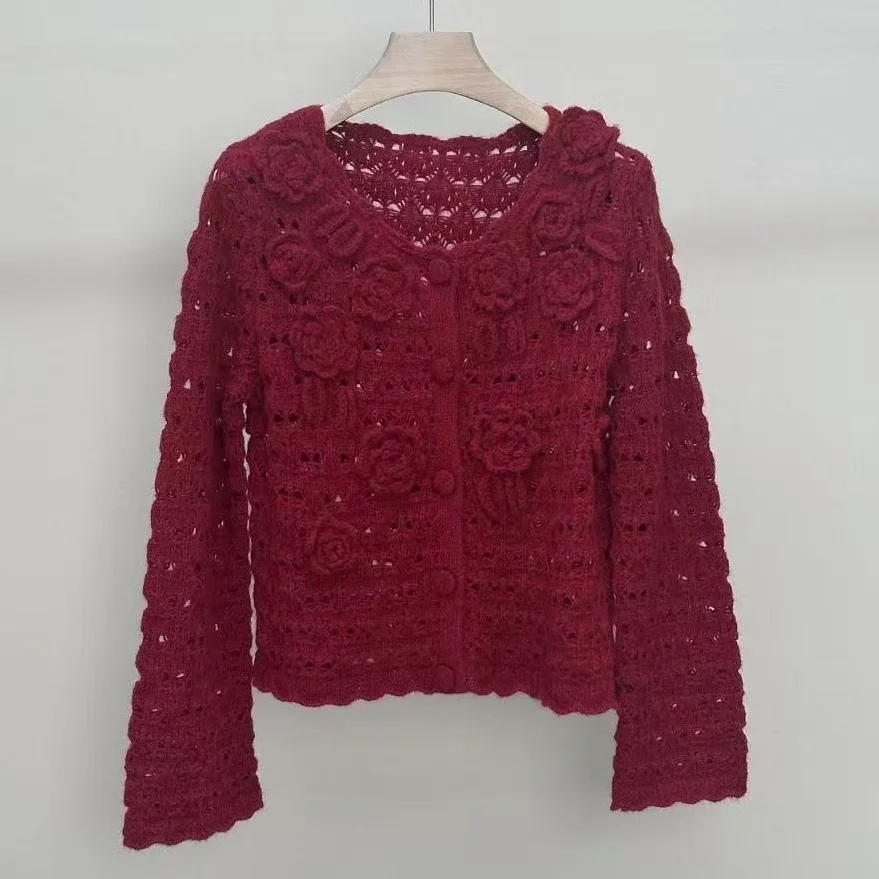
Technique 1: The Under-Layer (Tee + Cardigan)
This is the most common and versatile method for transitional weather. You wear the t-shirt as the base, then drape or button a cardigan over it. This technique works best when the cardigan is unbuttoned or loosely buttoned, creating a vertical line that elongates the torso. The t-shirt should be visible at the hem and the neckline. If the t-shirt is white or a neutral tone, it brightens the outfit and breaks up the darker tones often associated with fall knits.
Fitting the base layer
For this technique, the t-shirt needs to skim your body. If the fabric is heavy or the cut is boxy, it will bunch up under the cardigan, creating lumps at the waist and hips. Look for tees with a bit of stretch, such as cotton-poly blends, which hug the body without squeezing. The hem of the t-shirt should hit at the top of your hip bone. If it’s too long, it will drag the hem of the cardigan down, shortening your legs. If it’s too short, it may ride up when you sit, exposing your midriff under the open cardigan.
Choosing the right cardigan
The cardigan acts as the structure. A loose-fit or oversized cardigan balances a slim tee. If you wear a fitted cardigan, you are essentially wearing a long sweater, and the tee underneath is just for warmth and professionalism. In this case, the tee can be slightly looser, but you must tuck it in to define the waist. An unbuttoned cardigan allows the tee to show its true shape, which is why the slim fit is non-negotiable here. You want the silhouette to read as "tee and cardigan," not "two sweaters."
Product recommendation
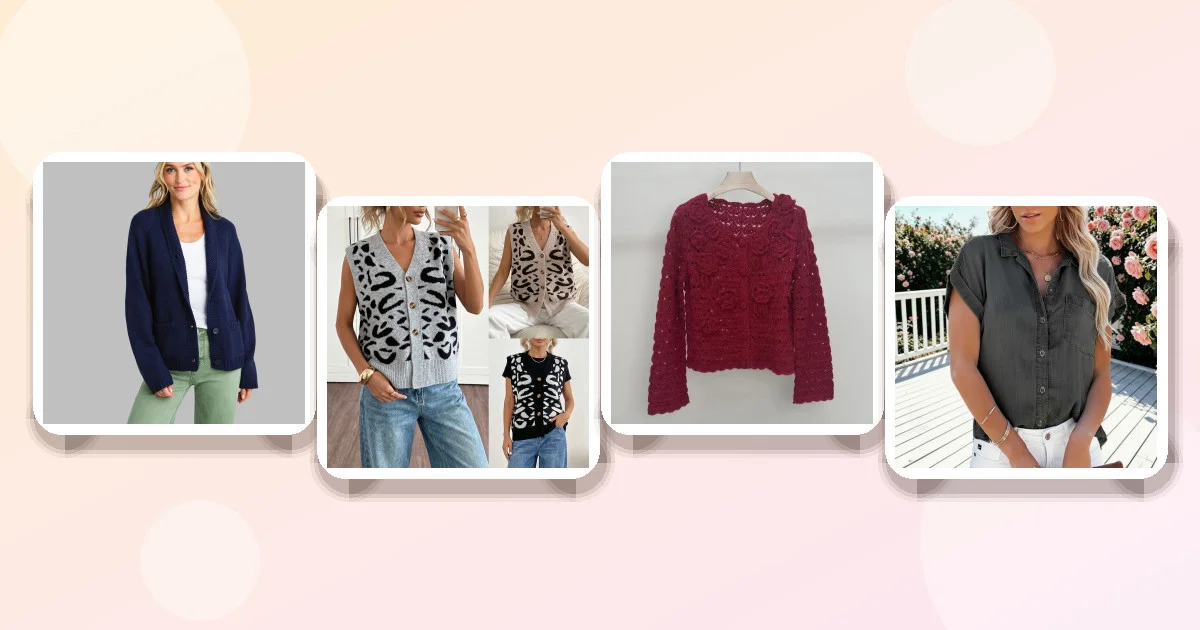
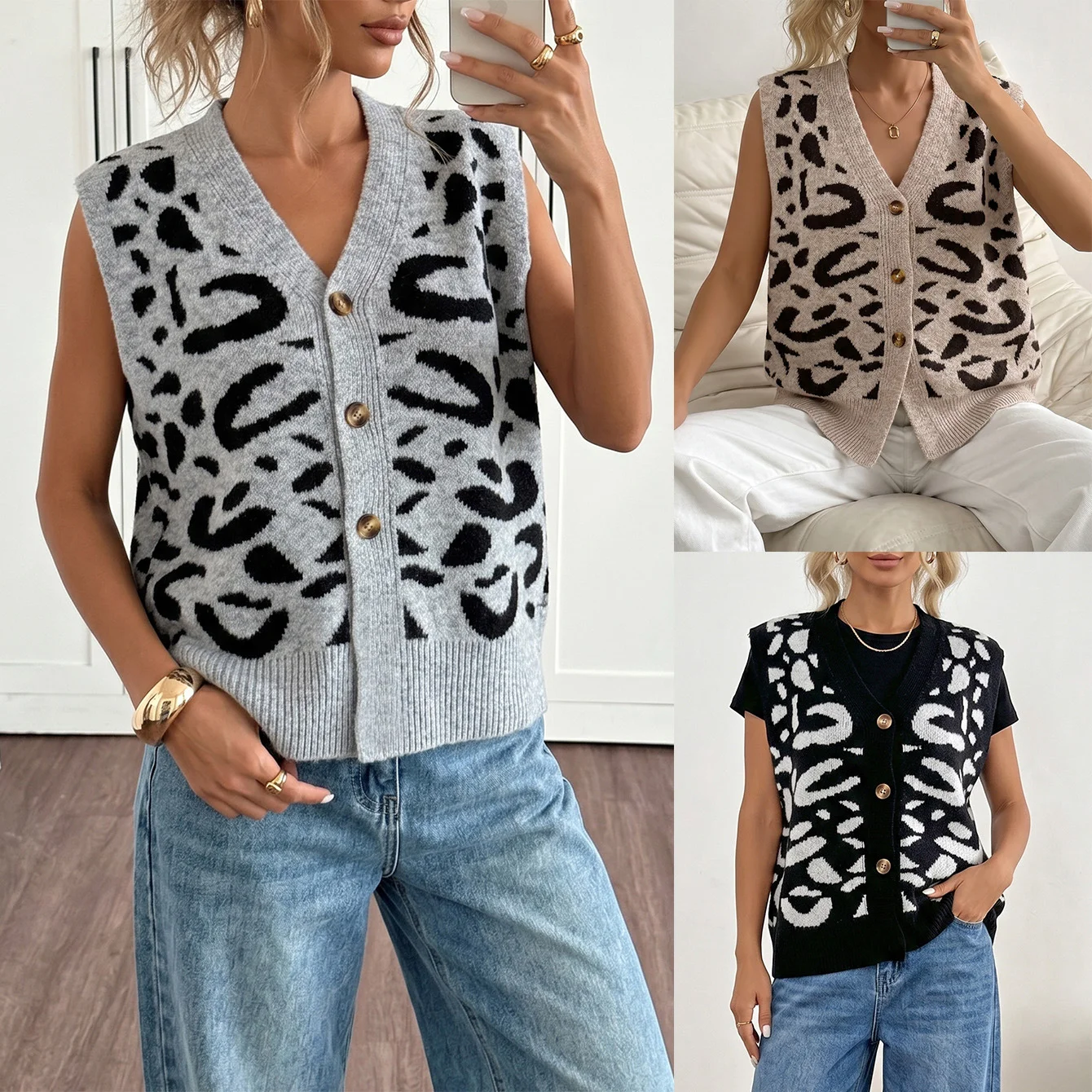
If you are looking for a versatile base to pair with a loose outer layer, consider a simple, well-fitted long-sleeve tee. For the layer on top, a loose-fit cardigan provides the necessary volume contrast. The Single-breasted Cardigan Sweater Womens Loose-fit Vest Is a practical option for this style. It is a one-size-fits-all garment made from 100% polyester fiber, which drapes softly without adding significant weight. Best for Women who want a relaxed, casual office look that doesn't require precise sizing measurements.
- Loose fit allows for easy layering over slim tees without bunching.
- Polyester fabric is wrinkle-resistant, making it ideal for commuting.
- One size fits all model means you cannot adjust the fit to your specific body proportions.
Technique 2: The Over-Layer (Tee + Blouse/Structured Top)
This technique is less obvious but highly effective for professional settings. Instead of wearing the tee under a sweater, you wear a structured blouse or a light shirt *over* the tee. This sounds counterintuitive, but it works when the outer layer is thin, semi-sheer, or open-front. The tee acts as a modesty layer and a warmth layer, while the blouse provides the professional shape. This is particularly useful for women who find that standard blouses are too thin for 55-degree weather but too warm for 70-degree weather. By adding a thin cotton tee underneath, you gain an extra layer of insulation without the bulk of a sweater.
The "Peek-a-Boo" Hem
A key detail in this style is the hem. If the blouse is tucked in, the tee should also be tucked in, but slightly longer or in a different shade to create a subtle visual break. If the blouse is untucked, the tee hem should be visible at the bottom, creating a layered look that appears intentional rather than accidental. This works best when the colors are tonal or contrasting neutrals. For example, a white tee under a light blue blouse creates a fresh, clean look that feels less stiff than a standalone blouse.
Neckline management
When layering a tee under a blouse, the neckline of the tee is visible. A crew neck tee under a V-neck blouse creates a clean, high neckline that is very professional. A V-neck tee under a V-neck blouse can look messy if the depths don't match. Stick to a crew neck base layer for this technique. It provides a solid foundation that keeps the neckline of the outer blouse from collapsing or gaping. This is especially important for button-down shirts, which can sometimes pull at the neck when layered.
Product recommendation
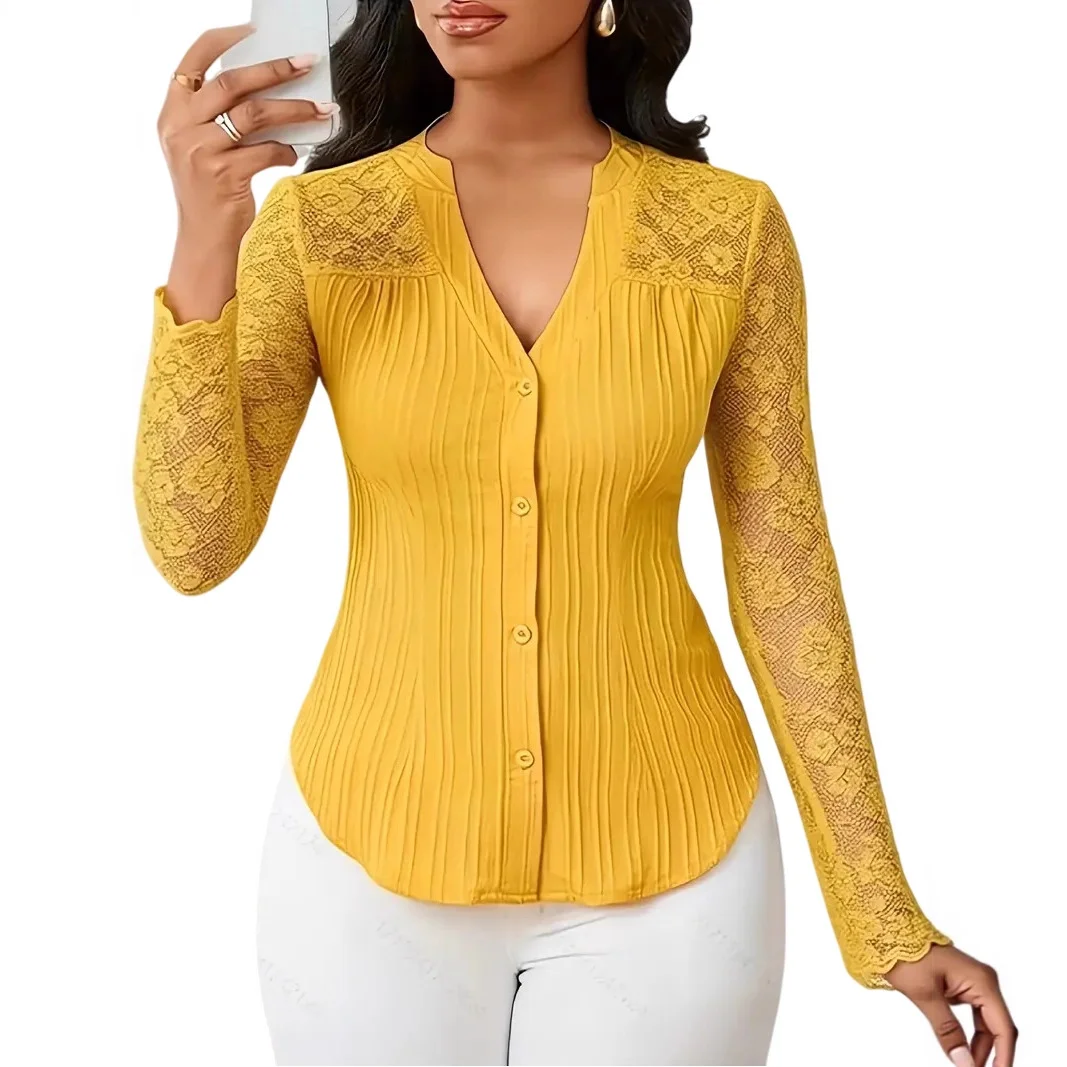
For the outer layer, you want something that offers structure but remains lightweight. The Knitted Long Sleeve Button Cardigan Fashionable Jacket Can serve as a light outer layer in this context if it is worn open over a blouse and tee. It is categorized as a women's t-shirt in our inventory but functions as a lightweight knit layer. Best for Women who want a soft, professional layer that can be worn open to reveal the tee underneath.
- Knitted fabric provides warmth without the stiffness of denim.
- Button front allows for adjustable ventilation and styling options.
- Limited detailed specifications available, so check the size chart carefully before purchasing.
Technique 3: The Frame (Tee + Jacket)
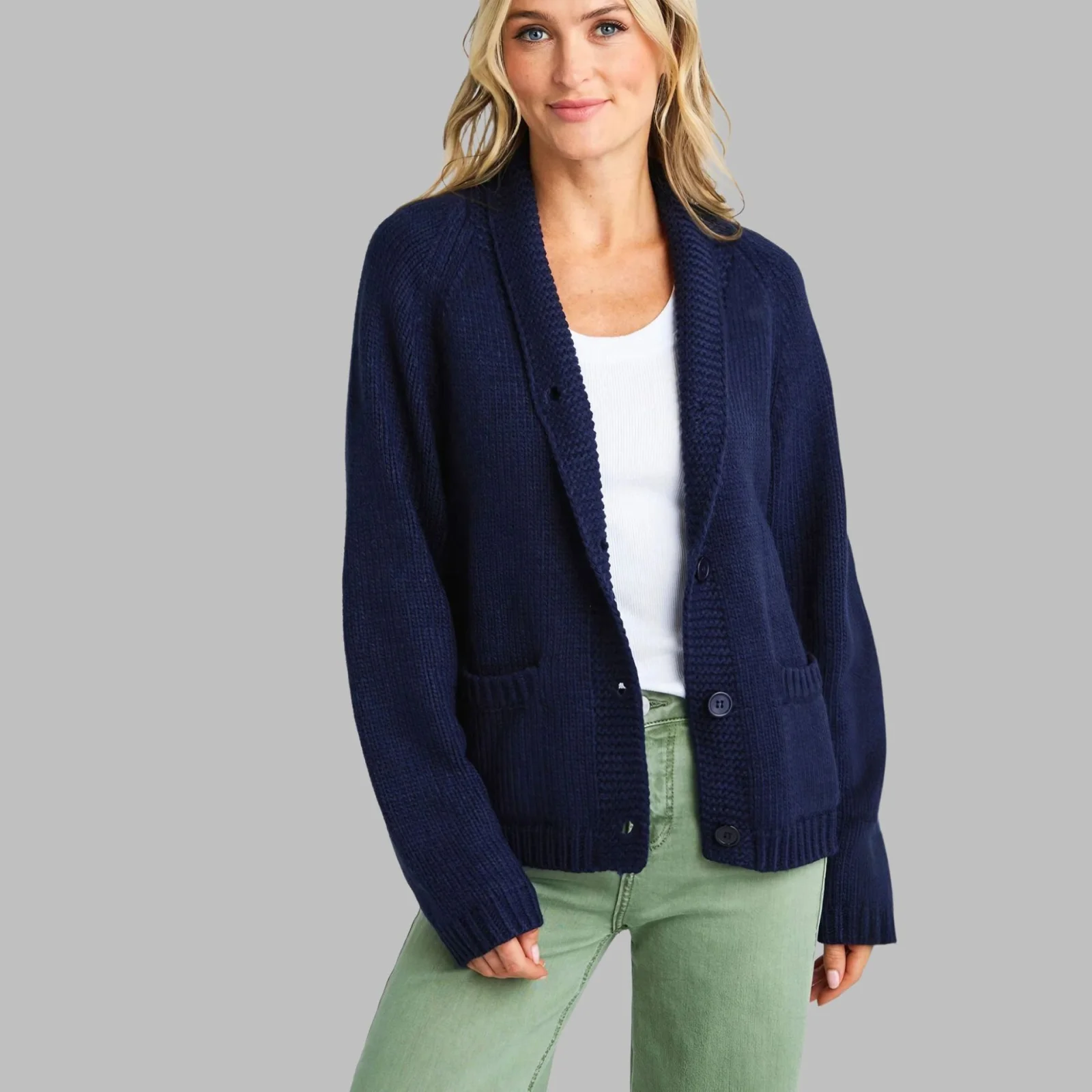
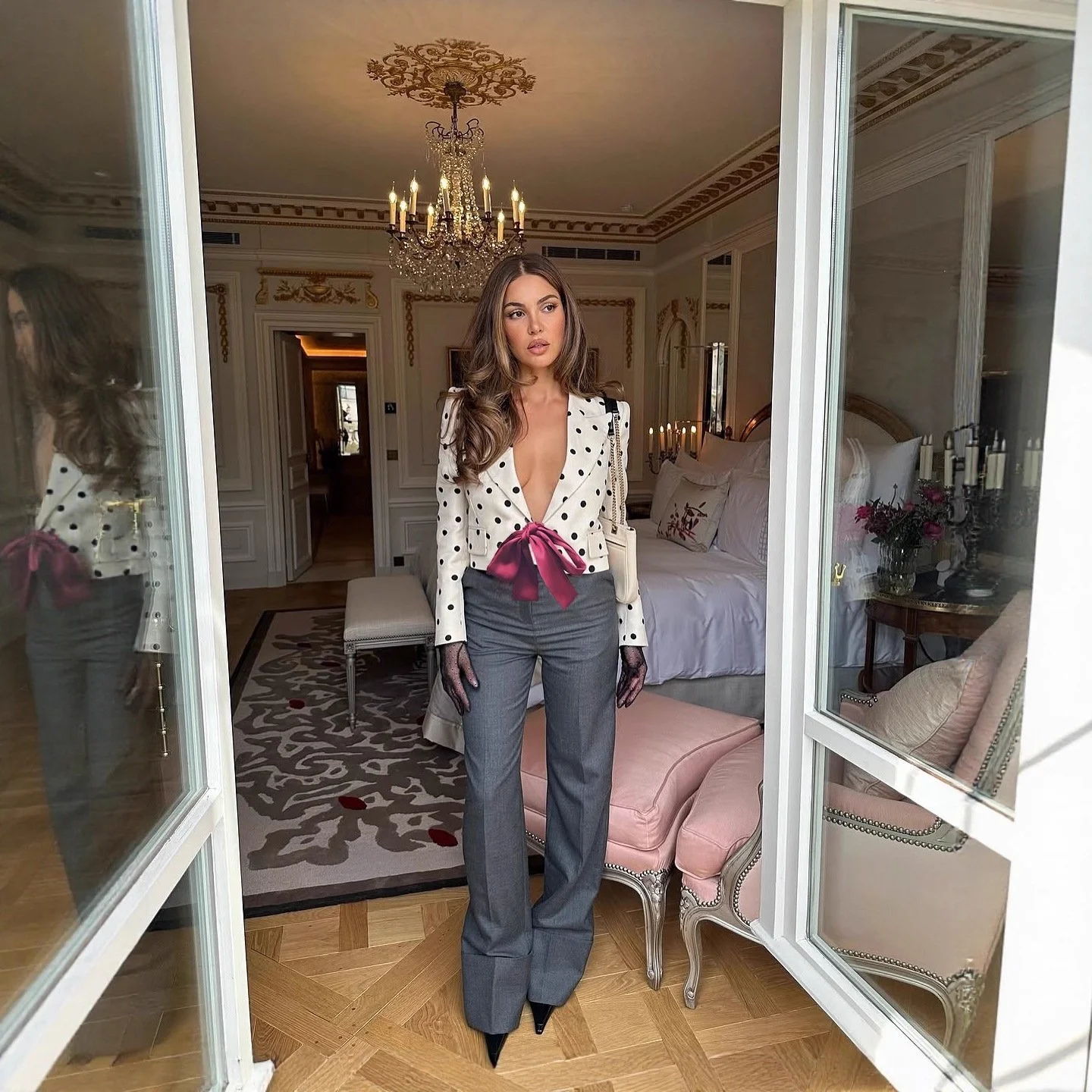
This is the most stylish way to wear a t-shirt in fall. You wear the tee as the main visible layer, and the jacket acts as a frame. This technique works best with jackets that have a defined lapel or a structured shoulder. The tee should be simple, without large graphics or logos, so the jacket remains the focal point. This look is ideal for business casual environments where a full suit feels too heavy, but a bare tee feels too casual.
Fit is everything
Because the tee is the visible layer, its fit must be impeccable. A boxy tee under a fitted jacket will look sloppy. A slim tee under an oversized jacket can look intentionally relaxed, but only if the proportions are right. The general rule is: if the jacket is oversized, the tee should be slim. If the jacket is fitted, the tee can be regular fit. The hem of the tee must be tucked in or, if the jacket is long enough, left untucked but only if the tee is short enough not to bunch at the waist. An untucked tee under a jacket should hit at the natural waistline, not the hips.
Color coordination
For a professional look, keep the color palette tight. A white or black tee under a navy or gray jacket is a classic combination. It creates a high-contrast look that is sharp and clean. If you want a softer look, try a tonal approach, such as a light gray tee under a charcoal jacket. This creates a monochromatic effect that is very sophisticated. Avoid bright or patterned tees under structured jackets unless you are aiming for a very casual, weekend look. The goal here is to look put-together, not dressed up.
Product recommendation
The Chic Minimalist Relaxed Fit Women's Long Sleeve Jacket Is an excellent choice for this technique. It is designed for professional office wear and offers a relaxed fit that frames the body without being tight. It comes in colors like Milky White and Black, which are versatile base colors for layering. Best for Women who want a professional, polished look for the office that doesn't require a full suit.
- Relaxed fit provides comfort while maintaining a structured silhouette.
- Available in multiple sizes (XS to XL) for a more precise fit than one-size options.
- The minimalist design means it relies heavily on the quality of the base layer underneath.
How to choose the right fabrics and fits
Fabric choice is the second most important factor after fit. The wrong fabric can make a perfect fit look bulky or uncomfortable. For layering in fall, you want materials that are thin enough to layer but warm enough to provide insulation. Here are the key fabrics to look for and what to avoid.
Cotton vs. Blends
Pure cotton is breathable and soft, but it can be thin. A heavy-weight cotton tee is great for layering because it holds its shape and doesn't cling. However, if the cotton is very thin, it may show through a light-colored cardigan or blouse. Look for cotton-polyester blends. These fabrics are more durable, resist wrinkles better, and often have a bit of stretch, which helps with fit. A blend with 50-60% cotton and 40-50% polyester is a good balance for fall layering. It provides the comfort of cotton with the structure of polyester.
Knits vs. Wovens
Knits (like sweaters and cardigans) stretch and drape. Wovens (like blouses and jackets) hold their shape. When layering, you are usually combining a knit base with a woven outer, or a woven base with a knit outer. The key is to ensure the fabrics complement each other. A heavy, chunky knit over a thin, delicate tee creates a textural contrast that is visually interesting. A thin, lightweight knit over a thick, heavy tee can look unbalanced. Always consider the weight of the fabric in addition to the cut.
Size adjustments
Many of the products available online use Asian sizing, which runs 1-2 sizes smaller than US/EU standards. If you are between sizes, always choose the larger size. This is particularly important for layering, where you need room for the base layer underneath. A garment that fits perfectly on its own may feel tight and uncomfortable when layered. Check the specific size chart for each product, as measurements can vary by 2-3 cm due to manual measurement. If you are unsure, err on the side of larger for outer layers and true-to-size for base layers.
Product recommendation
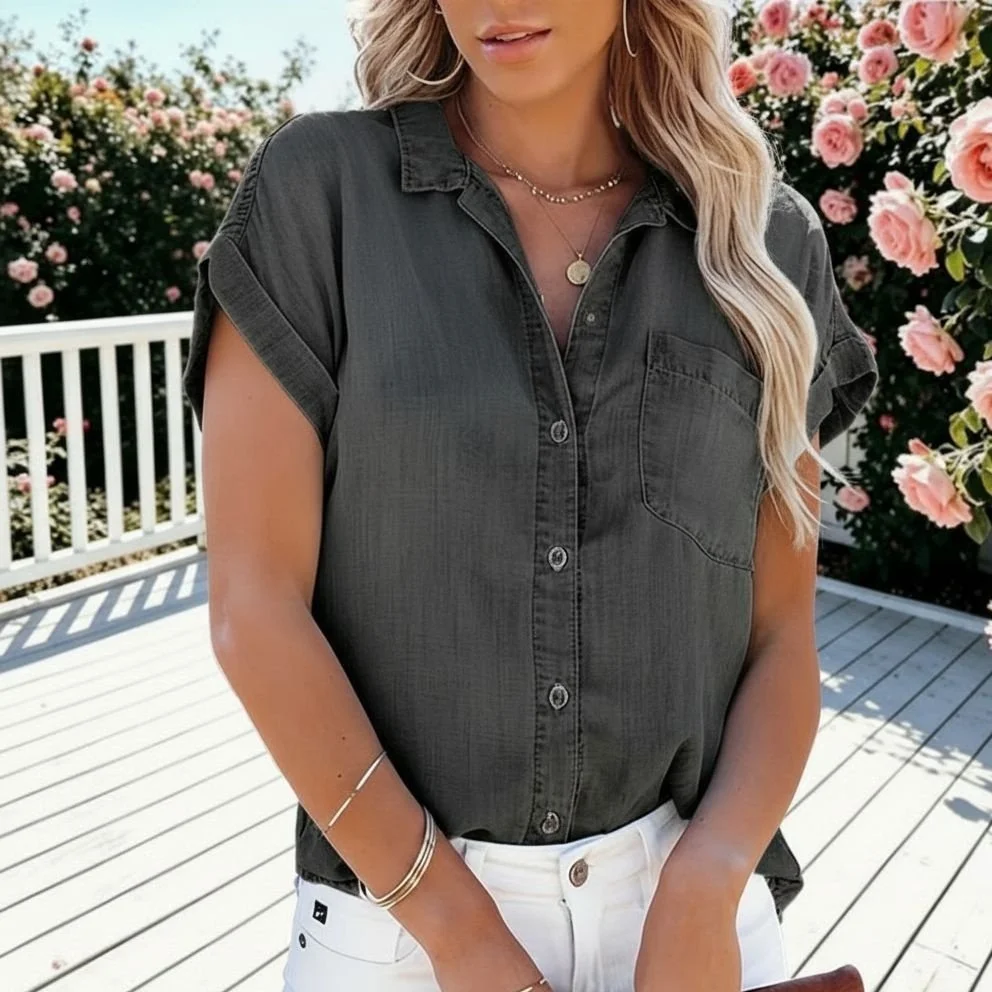
If you are looking for a base layer that is durable and comfortable, consider the Casual V Neck Denim Cardigan for Women. While categorized as a cardigan, its denim cotton construction makes it a sturdy layer that can be worn over or under other tops. It is available in light blue and black, both of which are versatile colors for fall. Best for Women who want a durable, casual layer that can be styled in multiple ways.
- High-quality denim cotton is durable and comfortable.
- V-neck design allows for easy layering over crew neck tees.
- Asian sizing runs small, so you must size up to ensure a comfortable fit for layering.
Product comparison
The following table compares the four recommended products based on their key attributes. Note that prices and availability can change, so always check the current listing for the most up-to-date information.
| Product | Price | Type/Material | Options | Best For |
|---|---|---|---|---|
| Knitted Long Sleeve Button Cardigan | $33.16 | Knit | Varies by listing | Soft, professional layering |
| Single-breasted Cardigan Sweater Womens Loose-fit Vest | $20.12 | 100% Polyester | One size (Gray, Khaki, Black) | Casual, relaxed office look |
| Casual V Neck Denim Cardigan | $22.88 | Denim Cotton | S-2XL (Light Blue, Black) | Durable, casual layering |
| Chic Minimalist Relaxed Fit Women's Long Sleeve Jacket | $36.48 | Not specified | XS-XL (Milky White, Black) | Professional, structured look |
| Angolan Red Rose 3d Crochet Hollow-out Vintage Knitted Cardigan | $61.68 | Knit (Red) | S-XL (Red) | Statement layering piece |
| Hollow-out Long-sleeve V-neck Cardigan | $23.20 | Not specified | Varies by listing | Lightweight, breathable layer |
Common mistakes to avoid
Even with the right pieces, a few common errors can ruin a layered outfit. Here are the most frequent mistakes and how to fix them.
Ignoring the hemline
One of the most common issues is mismatched hemlines. If your tee is much longer than your cardigan or jacket, it will bunch up at the waist, creating a bulky, unflattering look. Conversely, if your tee is much shorter, it may ride up when you move. The fix is to ensure all layers have similar hem lengths or that the base layer is tucked in. If you are wearing an untucked tee, make sure it ends at the natural waistline. If you are wearing a tucked-in tee, make sure it is tucked evenly on both sides.
Choosing busy patterns for the base layer
When layering, the base layer should be simple. A t-shirt with a large graphic, stripes, or a busy pattern can clash with the outer layer and make the outfit look cluttered. Stick to solid colors or subtle textures for the base layer. This allows the outer layer to be the focal point. If you want to add visual interest, use the outer layer for patterns or colors, and keep the base layer neutral and clean.
Forgetting about the neckline
As mentioned earlier, neckline mismatch is a common error. A deep V-neck tee under a crew neck cardigan can look awkward. A wide scoop neck under a button-down shirt can gap at the chest. Always check the neckline of your base layer before wearing it under an outer layer. If in doubt, choose a crew neck or a shallow V-neck for the base layer