
You just spent hours assembling the perfect outfit for a haunted house run or a costume party. The fabric feels high-quality, the fit is right, and the details are sharp. Then October ends. You face a common dilemma: where do you put it? If you toss it in a box under the stairs, you risk mold, yellowing, and crushed embellishments. If you leave it hanging in the closet, it might snag or take up space you need for winter coats. This guide walks you through the specific materials and methods to keep your costume in "ready to wear" condition for the next year, without turning your storage space into a museum exhibit.
- Step 1: Assess the Costume Before You Touch It
- Step 2: The Cleaning Protocol by Fabric Type
- Step 3: Folding Techniques for Different Silhouettes
- Step 4: Choosing the Right Storage Materials
- Common Mistakes That Ruin Costumes
- Product Recommendations for Storage and Care
- Frequently asked questions
- Key takeaways
Step 1: Assess the Costume Before You Touch It
Before you wash or fold anything, you need to understand what you are holding. Halloween costumes are rarely made with standard clothing manufacturing standards. They often use mixed materials: a polyester base with latex accents, foam padding, or glued-on sequins. If you treat a glued costume like a washable dress, you will destroy it.
Check the Care Label First
Look for the tag inside the garment. If it says "Dry Clean Only," do not try to home-wash it. The chemicals in the dry cleaning process are designed to handle specific synthetic blends and delicate embellishments that water and detergent might dissolve or shift. If the label says "Machine Wash Cold," you have more flexibility, but you must still inspect the garment for loose parts.
Identify Fragile Components
Run your hands over the costume. Look for:
- Glued Elements: Sequins, rhinestones, or appliqués that are stuck on with adhesive rather than stitched. These can peel off in the wash.
- Latex or Foam: These materials can crack or melt if exposed to high heat or harsh detergents.
- Loose Threads: Check seams. If a seam is already fraying, it will tear further when folded and compressed in storage. Reinforce it now with a quick stitch while the fabric is clean and dry.
Inventory the Accessories
A costume is rarely just the clothing. It includes masks, wigs, props, and jewelry. These items require different care. A plastic mask should be wiped down and stored separately from the fabric to avoid scratches. A wig should be brushed and stored on a wig stand or in a mesh bag to prevent tangling. Do not stuff these items inside the clothing bag; they create pressure points that lead to permanent creases in the fabric.
Step 2: The Cleaning Protocol by Fabric Type
Storing a dirty costume is the fastest way to ruin it. Body oils, sweat, and makeup stains attract moths and bacteria. Even if the costume looks clean, it has been worn against your skin for several hours. You must clean it before storage. The method depends entirely on the fabric composition.
Cotton and Polyester Blends
Most standard Halloween dresses and jumpsuits are made from cotton-polyester blends. These are the easiest to care for. Turn the garment inside out to protect the outer surface from abrasion. Use a mild detergent without bleach or fabric softener. Fabric softener leaves a residue that can attract dust and cause yellowing over time. Wash on a cold, gentle cycle. Heat is the enemy of colorfastness; hot water can cause bright colors to bleed or fade. After washing, do not put the item in a dryer. The heat can shrink cotton and warp synthetic fibers. Instead, lay the garment flat on a clean towel or hang it to air dry. Reshape it while it is damp to ensure it dries in its original form.
Sequined and Beaded Garments
Sequins are delicate. The glue holding them in place can weaken when exposed to water and agitation. If the care label allows hand washing, do so. Fill a basin with cool water and a small amount of mild detergent. Submerge the garment and gently swish it around. Do not scrub. If the sequins are large and clearly glued, consider spot cleaning only the stained areas with a damp cloth and mild soap. Avoid soaking the sequins for extended periods. If the garment must be machine washed, place it inside a mesh laundry bag to protect the sequins from snagging on other items in the drum. Turn it inside out. Wash on the delicate cycle with cold water. Air dry flat. Never hang a heavy sequined dress while wet; the weight of the water will stretch the fabric and pull the sequins out of alignment.
Latex, Spandex, and Synthetic Skins
Costumes made from latex, spandex, or "second skin" materials require special handling. These fabrics can degrade if exposed to oils or sunlight. Wipe them down with a damp cloth and a mild soap solution. Do not use alcohol-based cleaners, as they can dry out the material and cause cracking. Allow the garment to air dry completely in a shaded area. Direct sunlight can break down the chemical bonds in these materials, making them brittle. Once dry, you can apply a tiny amount of cornstarch to latex pieces to reduce stickiness, but be careful not to overdo it, as excess powder can get into folds and attract dirt.
Dry Clean Only Items
If your costume is a high-end piece with intricate beading, silk lining, or structural elements like boning, take it to a professional dry cleaner. Specify that it is a costume. Ask them to be gentle with any embellishments. Professional cleaning ensures that the structural integrity of the garment is maintained. It is a small cost compared to the price of replacing a damaged outfit.
Step 3: Folding Techniques for Different Silhouettes
How you fold your costume determines whether it comes out wrinkled or crisp when you take it out next year. The goal is to minimize stress on the fabric and avoid sharp creases that become permanent. Different silhouettes require different approaches.
Folding Dresses and Skirts
For a full-length dress, start by shaking it out to remove any loose dust. If the dress has a structured bodice and a flowing skirt, fold the skirt first. Bring the hem up to the waist, then fold it in half again. This creates a flat, rectangular base. Next, fold the sleeves in toward the center, aligning them with the shoulders. Finally, fold the dress in half lengthwise. If the dress is bulky, you can use the "file fold" method: fold the left side in a third, then the right side in a third. This keeps the bulk contained and makes it easier to slide into a storage container. Avoid stacking heavy items on top of the folded dress. The weight will compress the fabric and create deep wrinkles that are difficult to remove.
Folding Jumpsuits and Bodysuits
Jumpsuits are often made from stretchy materials like spandex or lycra. These fabrics have "memory" and can hold their shape if folded incorrectly. To fold a jumpsuit, lay it flat on a clean surface. Fold one leg up to the waist, then fold the other leg over it. This creates a compact bundle. Next, fold the arms in toward the center. Finally, fold the entire garment in half lengthwise. If the jumpsuit has a high neckline or delicate detailing on the chest, place a square of acid-free tissue paper over the chest area before folding. This acts as a buffer and prevents the fabric from creasing sharply against itself. Tissue paper allows air to circulate while providing a soft barrier.
Folding Bulky or Padded Costumes
Costumes with foam padding, fur, or thick layers require a different strategy. You cannot fold these items tightly. Instead, use the "accordion fold" method. Start at the hem and fold up about six inches of fabric. Repeat this process, creating a series of parallel folds. Continue until you reach the shoulders. This method distributes the bulk evenly and prevents the padding from being crushed in one spot. If the costume is extremely bulky, consider storing it on a hanger in a garment bag rather than folding it. Hanging allows the fabric to drape naturally, preventing stress on the seams. However, ensure the hanger is sturdy enough to support the weight without bending.
Using Tissue Paper
Acid-free tissue paper is your best friend for long-term storage. Insert sheets of tissue paper into the folds of the garment. For a dress, place tissue between the layers of the skirt. For a jumpsuit, place tissue in the armpits and along the seams. This serves two purposes: it absorbs any residual moisture and it prevents the fabric from sticking to itself. When you take the costume out next year, the tissue paper will also help to loosen any minor wrinkles. Do not use regular tissue paper from a bathroom dispenser, as it may contain acids that can yellow or degrade the fabric over time. Stick to conservation-grade acid-free tissue.
Step 4: Choosing the Right Storage Materials
The container you choose is just as important as the cleaning and folding steps. The wrong container can trap moisture, attract pests, or damage the fabric. Here is what to use and what to avoid.
Breathable Garment Bags
Cotton or muslin garment bags are ideal for most costumes. They allow air to circulate, which prevents mold and mildew. They also protect the garment from dust and light. Look for bags with a zipper closure to keep out insects. If you are storing a delicate dress, a garment bag with a hanger is the best option. It allows the fabric to hang freely, preventing creases. Make sure the bag is large enough to accommodate the costume without cramping it. A tight fit can create pressure points that lead to permanent wrinkles.
Plastic Storage Bins
Plastic bins are useful for storing bulky items or multiple costumes together. However, you must take precautions. Plastic is not breathable. If you store a slightly damp garment in a sealed plastic bin, you will create a humid environment that encourages mold growth. To mitigate this, place silica gel packets inside the bin. These packets absorb excess moisture and keep the air dry. Change the packets every six months or when they indicate they are saturated. Label the bin clearly with the contents and the date of storage. This makes it easy to find what you need and reminds you to check the condition of the items periodically.
What to Avoid
- Vacuum-Sealed Bags: These bags remove air from the container, compressing the garment tightly. This can crush sequins, foam padding, and delicate embellishments. It can also create deep creases in the fabric that are difficult to remove. Only use vacuum bags for sturdy, non-decorative items like plain cotton t-shirts or durable denim.
- Burlap Sacks: While breathable, burlap can shed fibers that get stuck in the costume. It also does not offer much protection from light or pests. It is not suitable for long-term storage of delicate fabrics.
- Direct Sunlight: UV rays break down dyes and fibers. Store costumes in a dark place, such as a closet, under a bed, or in a basement. If you must store them in a room with windows, cover them with a dark cloth.
- Attics and Crawlspaces: These areas are prone to temperature fluctuations and humidity. Heat can cause fabrics to degrade, while cold can make some materials brittle. Choose a stable, climate-controlled environment for storage.
Organizing for Accessibility
If you have multiple costumes, organize them by type or event. Use clear bins or labeled folders to keep track of accessories. Create a simple inventory list that includes the size, fabric type, and any special care instructions. This saves time when you are getting ready for the next event. Consider using a rotating system: store the costumes you are less likely to reuse in the back, and keep the favorites in an easily accessible spot. This reduces the handling of delicate items, which minimizes wear and tear.
Common Mistakes That Ruin Costumes
Even with the best intentions, it is easy to make mistakes that damage your costumes. Here are the most common errors and how to avoid them.
Storing Without Cleaning
This is the number one mistake. Even if the costume looks clean, it contains oils and sweat that attract pests and cause stains to set. Always clean the costume before storage. If you are unsure how to clean it, err on the side of caution and take it to a professional.
Using the Wrong Hangers
Wire hangers can bend and leave indentations in the fabric. They are also not sturdy enough to support heavy costumes. Use padded hangers for dresses and jackets. For lightweight items, plastic hangers are fine, but ensure they are rigid and do not bend. If you are storing a costume with a structured shoulder, consider using a shoulder pad to maintain the shape.
Ignoring Moisture Control
Humidity is the enemy of long-term storage. If you live in a humid climate, invest in a dehumidifier for your storage area. Place silica gel packets in every container. Check the items every six months to ensure they are dry and free of mold. If you notice any signs of moisture, air out the costume immediately in a well-ventilated area away from direct sunlight.
Overpacking Containers
Do not cram costumes into bins. Leave space for air to circulate. Overpacking creates pressure points that lead to creases and tears. It also makes it difficult to remove the items without disturbing the others. Use appropriately sized bins for each costume or group of costumes. If you have many small items, use dividers to keep them organized.
Forgetting About Pests
Moths and other insects can damage natural fibers like wool and cotton. While many Halloween costumes are synthetic, they may have natural fiber linings or accents. Use cedar blocks or lavender sachets to deter pests. Avoid using mothballs, as the chemicals can stain fabrics and leave a strong odor that is difficult to remove. Cedar and lavender are natural alternatives that are safer for fabrics and your health.
Product Recommendations for Storage and Care
Having the right tools makes the storage process easier and more effective. Here are some products that can help you organize and preserve your costumes.
Full Length Mirror for Final Check
Before you store a costume, you want to do a final inspection for any loose threads, stains, or damage. A full-length mirror allows you to see the entire outfit at once. This is especially useful for checking the fit and ensuring that all embellishments are in place. The Full Ength Mirror, Rubber Wood Mirror Is a sturdy option that fits in most bedrooms or closets.

- Pro: Provides a clear, full-body view to spot any issues before storage.
- Pro: Made of rubber wood, which is durable and stable.
- Con: Takes up significant floor space, so you need to ensure you have room for it.
Outdoor Grill for Community Costume Swaps
While not a direct storage tool, hosting a costume swap or meetup can help you organize your collection. If you have too many costumes, you can trade with friends. A Propane Grill 3 Burner Barbecue Grill Can be used to host a small gathering where you can share tips and swap outfits.
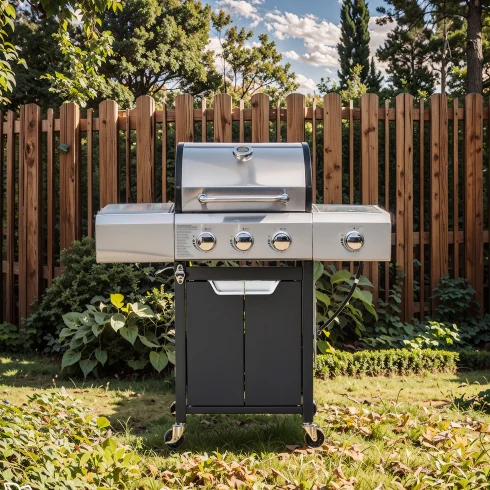
- Pro: Allows you to host a gathering to organize and share costumes.
- Pro: Stainless steel construction is durable and easy to clean.
- Con: Not a storage solution itself, but a tool for organizing your collection socially.
Greenhouse for Drying Costumes
If you live in a dry climate, you might use a greenhouse to dry costumes quickly. However, be careful not to expose them to direct sunlight. A Vevor Walk-in Tunnel Greenhouse Can be used as a controlled environment for air-drying costumes, especially if you have many items to dry at once.

- Pro: Provides a large, enclosed space for drying items without wind or dust.
- Pro: Galvanized frame is sturdy and weather-resistant.
- Con: Not suitable for direct sunlight exposure, so you must monitor the temperature and light.
Autumn Dress for Practice
If you are new to costume care, practice on a less expensive garment first. A New Autumn Dress Long V-neck One-piece Pants Is a simple, durable item that you can use to test your cleaning and folding techniques.

- Pro: Cotton blended fabric is easy to care for and forgiving.
- Pro: Simple design makes it easy to fold and store.
- Con: Not as durable as high-end costume fabrics, so it may not last as long.