You have just received a freeze warning, and your commute suddenly feels like an expedition. The temperature is dropping faster than your wardrobe can adapt, and you need a plan that works right now, not just for the strongest winter months. This guide provides a specific, step-by-step layering strategy designed for women who spend time outdoors in sudden cold snaps. You will learn how to mix sweaters, coats, and accessories to create a thermal barrier that actually works, along with honest advice on sizing, materials, and common mistakes that make you feel colder than you should.
The Three-Layer System Explained
Effective freeze day layering is not about wearing as much as possible. It is about managing heat, moisture, and wind. Each layer has a specific job. When you mix these functions correctly, you stay warm without sweating, which can actually make you feel colder when the sweat cools down against your skin.
Layer 1: The Base (Moisture Management)
Your base layer sits directly against your skin. Its primary job is to move sweat away from your body. Cotton is generally poor for this role because it holds moisture, which chills your skin in cold air. For a freeze warning day, look for synthetic materials like polyester or merino wool. These fabrics wick moisture and dry quickly. If you are not active enough to sweat heavily, a simple thermal top made of polyester is sufficient. The goal is to keep your skin dry so your body heat does not escape through damp fabric.
Layer 2: The Mid-Layer (Insulation)
This is the layer that traps your body heat. It sits between your base and your outer coat. Materials like wool, fleece, or thick knits work well here. The key is air space. The fibers in a sweater trap air, and that air is what insulates you. A mid-layer should be warm but not so bulky that it prevents you from wearing a coat over it. If you are wearing a heavy coat, you can opt for a thicker sweater. If your coat is thin, you need a more substantial mid-layer to compensate.
Layer 3: The Outer Layer (Protection)
Your outer layer protects you from wind, rain, and snow. Wind chill is a major factor in how cold you feel. A wind-resistant coat blocks the air from stripping heat away from your insulating layers. For a freeze warning, you need a coat that fits over your mid-layer without being too tight. If the coat is too tight, it compresses the insulating air pockets in your mid-layer, reducing its warmth. Always check the fit by wearing the exact sweater you plan to wear underneath.

Choosing the Right Mid-Layer Sweater
The mid-layer is often the most critical piece in a freeze day layering outfit. It provides the bulk of your warmth. When selecting a sweater for a cold commute, you need to balance material, fit, and style. A sweater that is too loose lets cold air in; one that is too tight restricts circulation and movement.
Material Matters: Wool vs. Polyester
Wool is a natural insulator that retains heat even when damp. It is an excellent choice for stationary or slow-moving situations, like waiting for a bus or walking to a car. However, pure wool can be itchy for some people. Wool blends mix wool with synthetic fibers to reduce itchiness and improve durability. Polyester sweaters are generally less warm than wool but dry faster and are often more affordable. For a freeze warning, a wool blend or a thick polyester knit is a practical choice. Avoid thin cotton sweaters, as they provide almost no insulation against freezing temperatures.
Fit and Sizing Considerations
Many online retailers use Asian sizing, which runs smaller than US or EU standards. If you are between sizes, always choose the larger one. A sweater that fits snugly may feel comfortable indoors but will be too restrictive when you add a coat on top. For freeze day layering, you want a little room in the mid-layer to trap air. A "loose" or "oversized" fit is often better for layering than a "slim" fit. Check the specific measurements provided in the product description. Allow for 2–3 cm variance due to manual measurement. If a sweater is listed as 50 cm in length, that is roughly 19.7 inches, which is standard for a mid-length sweater.
Recommended Mid-Layer Options
When selecting a mid-layer, look for features that enhance warmth and comfort. A sweater with a high neck or a collar that can be turned up helps protect your neck, a major heat-loss area. Lantern sleeves or loose fits can trap more air, increasing insulation. Here are specific options that fit the needs of a freeze warning day.
Autumn and Winter New Lantern Sleeve Outer Match Knitted Cardigan

- Pro: The polyester material is durable and easy to care for, making it a practical choice for frequent winter wear.
- Pro: Available in multiple sizes, allowing for a proper layering fit without being too tight.
- Con: Polyester does not insulate as well as wool in extreme cold, so it works best as a mid-layer under a warm coat, not as a standalone outer layer.
Womens Retro Short Sweater with a Large Lapel
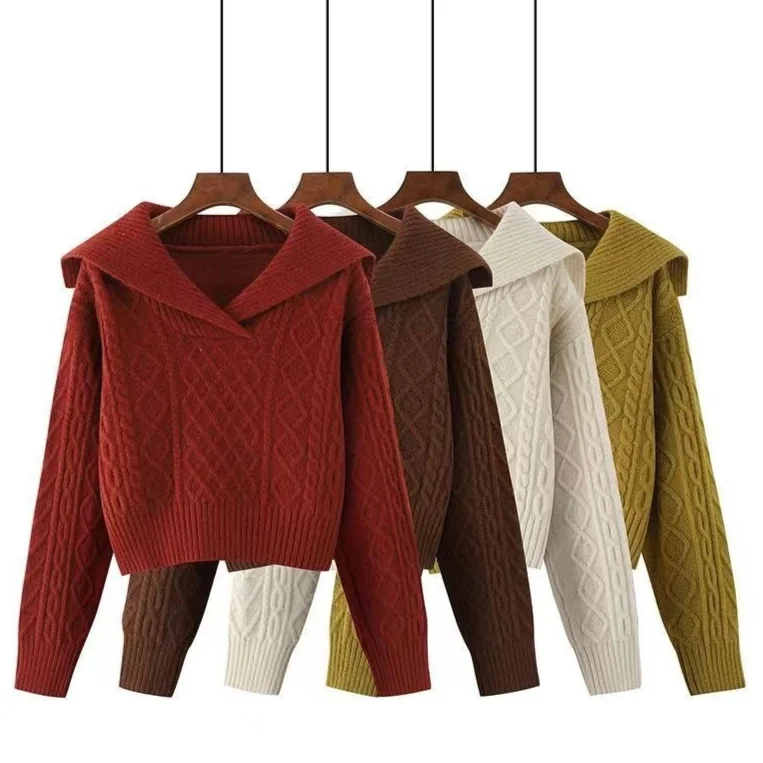
- Pro: The wool blend provides superior warmth compared to pure polyester, trapping more body heat.
- Pro: The large lapel adds a stylish element while covering the upper chest and neck area.
- Con: Being a one-size-fits-all, it may not fit everyone comfortably; check the 40–50 cm length to ensure it covers your torso adequately.
Selecting a Coat for Sudden Drops
Your outer coat is your first line of defense against the wind. When the temperature drops suddenly, a coat that looks thin in a store may feel inadequate outside. You need to evaluate the coat based on its ability to block wind and fit over your mid-layer.
Fit Over Style
The most common mistake in choosing an outer coat for layering is picking a size that looks good on its own but is too tight when you add a sweater. For freeze day layering, you need at least an inch of room between your mid-layer and the coat. This space allows air to circulate and prevents the insulation of your sweater from being compressed. If you are wearing a bulky wool sweater, you may need to size up in your coat. If you are wearing a thin knit, a regular fit may suffice. Always try on the coat with the specific sweater you plan to wear.
Length and Coverage
Coat length affects how much of your body is protected. A mid-length coat (around the knee) offers better protection against wind coming from the front and sides than a short coat. However, shorter coats are easier to move in and may be preferable for active commuters. For a freeze warning, prioritize coverage. A coat that hits mid-thigh or knee length helps keep your legs warm, reducing the need for heavy legwear. If you choose a shorter coat, pair it with insulated pants or a long scarf to compensate for the exposed midsection.
Recommended Outer Layer Option
While traditional down or wool coats are standard, knitted coats can serve as a stylish outer layer for mild freeze warnings or as a mid-layer for extreme cold. They offer a balance of warmth and flexibility.
Sailor Collar Lace-up Striped Knitted Coat
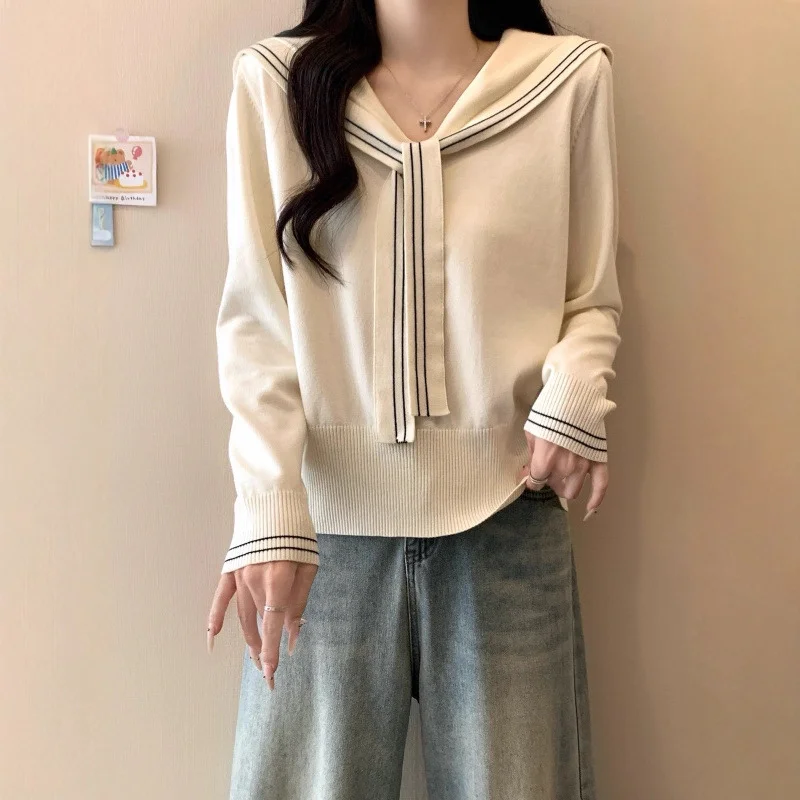
- Pro: The 50 cm length provides more coverage than a standard sweater, helping to protect the lower back and upper thighs.
- Pro: The lace-up detail allows you to adjust the fit for a slimmer or looser silhouette depending on your layering needs.
- Con: As a knitted polyester item, it is not windproof. It should not be the outermost layer in strong winds; wear a windbreaker or heavy coat over it if the wind chill is significant.
Head-to-Toe Accessories for Heat Retention
You lose a significant amount of body heat through your head and neck. Accessories are not optional in freeze day layering; they are essential components of your thermal system. A hat, scarf, and gloves work together to seal in heat and block wind.
The Importance of a Hat
Your scalp is a major area of heat loss because it is rich in blood vessels. When you are outside in the cold, your body sends blood to your core, leaving your extremities and head cooler. A hat helps regulate this heat loss. For a freeze warning, choose a hat made from insulating materials like wool or fleece. Avoid thin cotton beanies, as they provide minimal insulation. The hat should fit snugly enough to stay on but not so tight that it leaves a red mark or restricts blood flow. A loose fit that covers the ears is ideal.
Neck and Hand Protection
Your neck is another critical area. A scarf or a coat with a high collar helps protect this area from wind. Your hands are also prone to cold injury. Gloves or mittens are essential. Mittens are warmer than gloves because they allow your fingers to share heat. For a freeze warning day, mittens are the better choice if you do not need to touch your phone frequently. If you do use your phone, look for gloves with touchscreen-compatible fingertips.
Recommended Headwear Options
Selecting the right hat involves balancing warmth, style, and fit. Here are two options that cater to different preferences and needs.
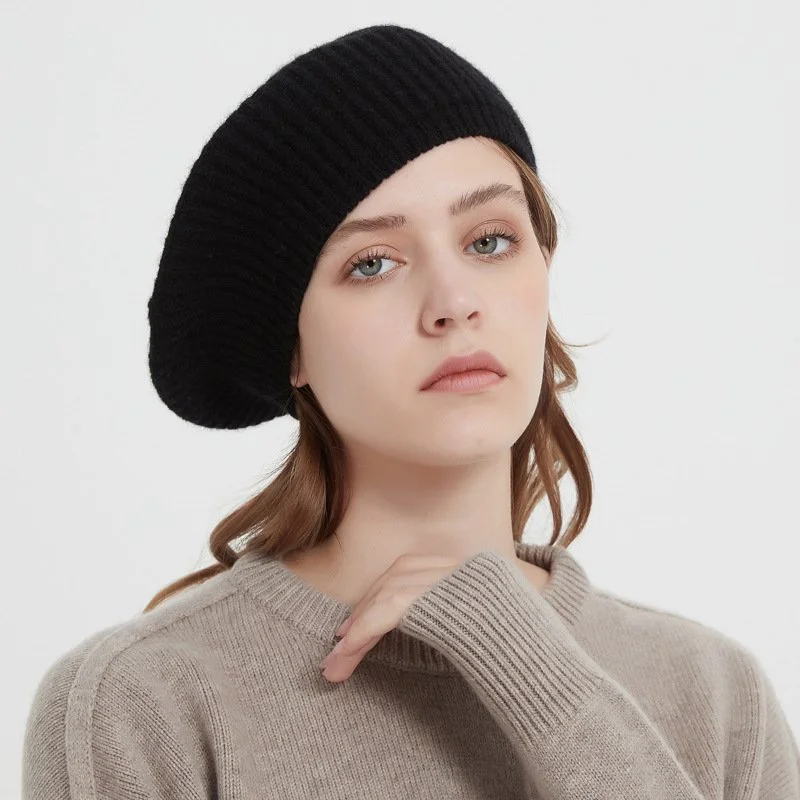
- Pro: Pure wool material offers superior warmth and breathability, keeping you comfortable without overheating.
- Pro: Available in a wide range of neutral colors (Caramel, Gray, Brown, Khaki, Ivory, Black), making it easy to match with any outfit.
- Con: Pure wool can be itchy for people with sensitive skin. If you have wool allergies, this may not be the best choice.
Cozy Cat Ear Bread Beret for Women
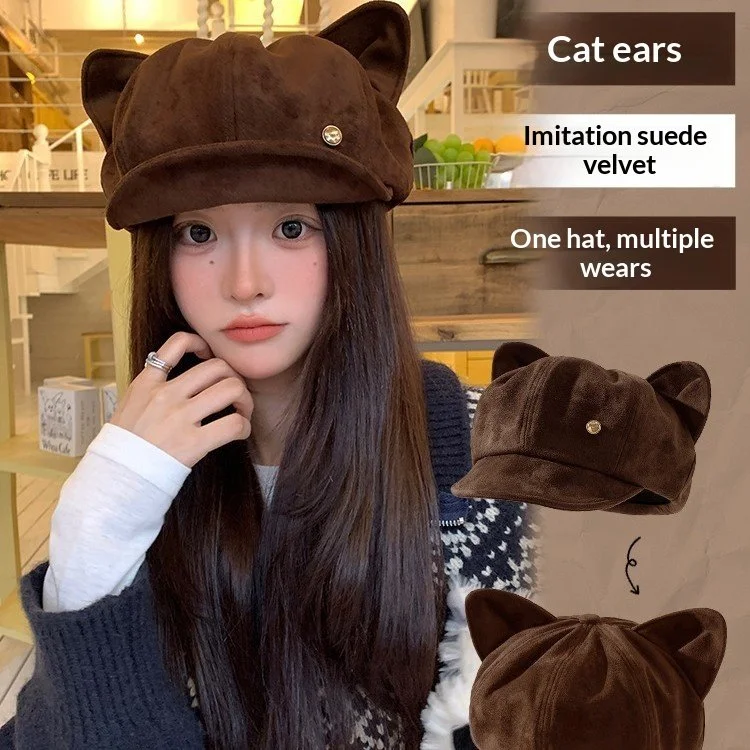
- Pro: The suede velvet material is soft and comfortable against the skin, reducing the chance of irritation.
- Pro: The adjustable size ensures a secure fit for various head sizes, preventing the hat from blowing off in the wind.
- Con: Suede velvet is less insulating than thick wool. This hat is better for mild cold or as a fashion statement rather than for extreme freeze conditions.
Product Comparison and Fit Guide
Choosing the right combination of layers can be overwhelming. The following table compares the recommended products based on key attributes relevant to freeze day layering. Use this guide to decide which pieces fit your specific needs, budget, and style preference.
| Product | Price | Material | Fit/Size | Best For |
|---|---|---|---|---|
| Lantern Sleeve Cardigan | $28.12 | Polyester | S-XL (Asian sizing) | Mid-layer for active commuters; durable and easy care |
| Sailor Collar Knitted Coat | $20.56 | Polyester | Average Size | Stylish mid-layer or light outer layer; neck coverage |
| Warm Wool Hat | $21.24 | Pure Wool | Free Size | Maximum warmth for freeze warnings; classic style |
| Cat Ear Beret | $9.48 | Suede Velvet | Adjustable | Casual outings; moderate warmth; playful style |
| Retro Short Sweater | $17.56 | Wool Blend | One Size (40-50cm) | Warm mid-layer for shorter torsos; tucks easily |
| Off-Shoulder Sweater | $13.08 | Not specified (likely synthetic) | M-XXL | Casual weekend wear; layering under a coat |
When using this table, consider your specific situation. If you are walking a long distance in windy conditions, prioritize the Warm Wool Hat And a wind-resistant outer coat over the knitted options. If you are mostly in a car or walking short distances, the Retro Short Sweater Provides excellent warmth for the price. Always remember that Asian sizing runs 1–2 sizes smaller than US/EU standards. If you are between sizes, choose the larger one to ensure you can layer comfortably.
Common Layering Mistakes to Avoid
Even with the right clothing, incorrect layering techniques can leave you cold. Here are the most frequent mistakes women make during freeze warnings and how to avoid them.
Mistake 1: Wearing Cotton as a Base Layer
Cotton absorbs moisture and holds it against your skin. In cold weather, this damp fabric cools down quickly, making you feel colder. If you sweat even a little, cotton will keep that sweat on your skin. Switch to a synthetic base layer like polyester or a thin merino wool top. This ensures that any moisture is wicked away, keeping your skin dry and warm.
Mistake 2: Ignoring the Neck and Head
Many people focus on their torso and forget their head and neck. These areas are highly vascular and lose heat rapidly. If you are not wearing a hat, you are losing heat directly from your scalp. A scarf or a coat with a high collar is also essential. If your neck is exposed to wind, your body will feel colder overall, even if your torso is well-insulated.
Mistake 3: Sizing Your Coat Too Small
A coat that looks perfect on its own may be too tight when you add a mid-layer. This compression reduces the insulating air pockets in your sweater, making it less effective. Always try on your coat with the sweater you plan to wear