Living in a small apartment means every square foot counts. Below you’ll learn how to pick a rug that fits the space, matches your style, stays easy to clean, and doesn’t make the room feel cramped.
How to size a rug for a small living room
Measure the seating area first. If your sofa is 6 ft long, a rug that stretches 24‑30 inches beyond each arm creates a defined zone without drowning the room.
Typical small‑room sizes:
- 4 × 6 ft room – 3 × 5 ft rug
- 5 × 7 ft room – 4 × 6 ft rug
- 8 × 10 ft room – 5 × 7 ft rug (or a 6 × 9 ft rug if you have a larger coffee table)
Leave at least 12‑18 inches of bare floor around the rug’s perimeter; this keeps the space feeling open.
Choosing the right shape
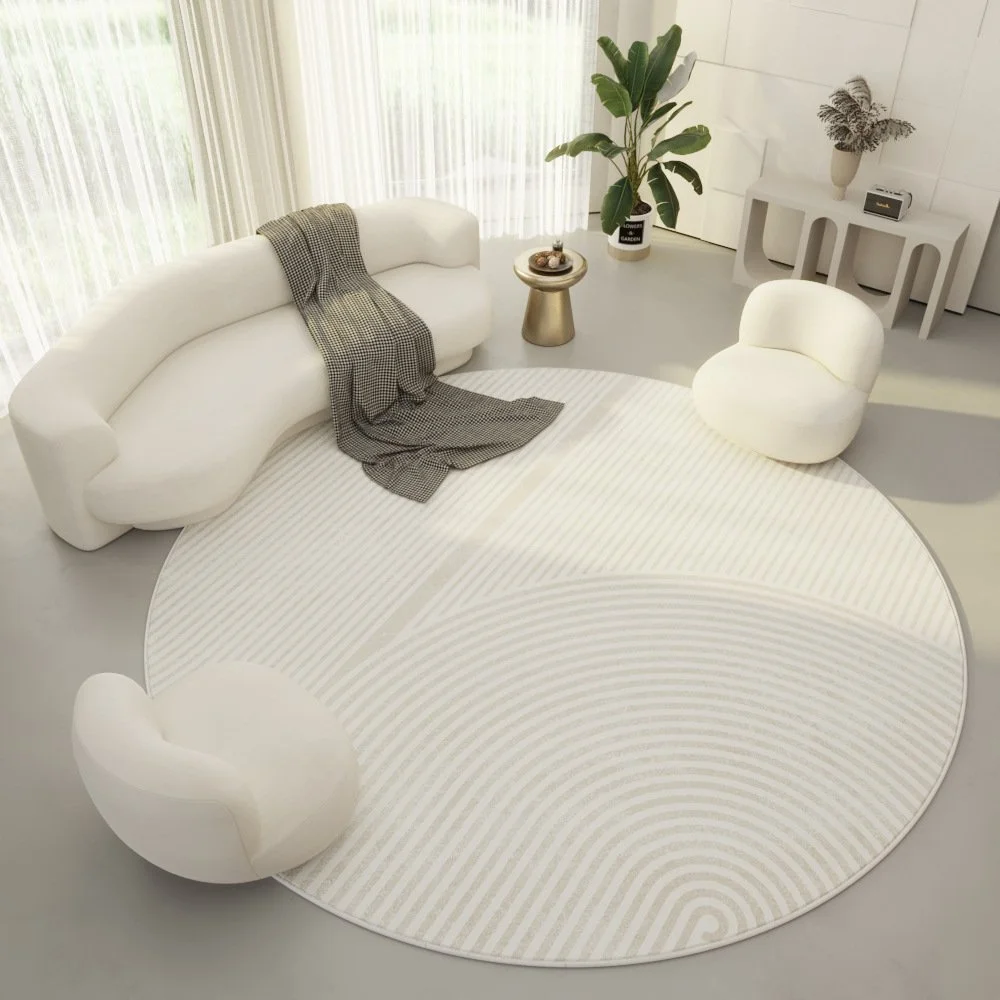
Rectangular rooms often benefit from a round or oval rug. The curve softens hard lines and can make the room appear wider.
When to stick with a rectangle
If your furniture is laid out in a strict grid, a rectangular rug that matches the grid (e.g., 5 × 7 ft) keeps everything aligned.
When a round or oval works better
Place a round rug under a coffee table and let the sofa’s front legs sit on it. This arrangement creates a “floating” island that adds visual interest without using extra floor space.
Color strategies for tiny spaces
Light neutrals—off‑white, soft gray, pale beige—reflect more light and make the room feel larger. If you love color, use it in small doses: a muted navy border or a pastel accent.
Dark rugs can work if you pair them with lighter walls and furniture, but be prepared for the floor to feel “heavier.”
Low‑maintenance materials
Polyester fibers are stain‑resistant, quick‑dry, and usually machine‑washable. Cotton blends are breathable and easy to spot‑clean. Both handle apartment traffic well.
Wool feels luxurious but requires professional cleaning, which can be costly for renters. Synthetic blends often have a non‑slip backing, a plus on hardwood or tile.

Layering without clutter
Start with a base rug that defines the space, then add a smaller accent rug (e.g., a 2 × 3 ft runner) in front of the sofa. Keep the accent under 30 % of the floor area to avoid visual overload.
Choose contrasting textures—flat‑weave under a plush round—to add depth while keeping the palette cohesive.

Product comparison
| Product | Price | Material / Type | Size Options | Best for |
|---|---|---|---|---|
| Round Living Room Carpet Ring Velvet | $18.12 | Polyester fiber | 80‑200 cm diameter (Asian sizing runs 1‑2 sizes smaller) | Renters who need a soft, non‑slip round rug for a cozy corner |
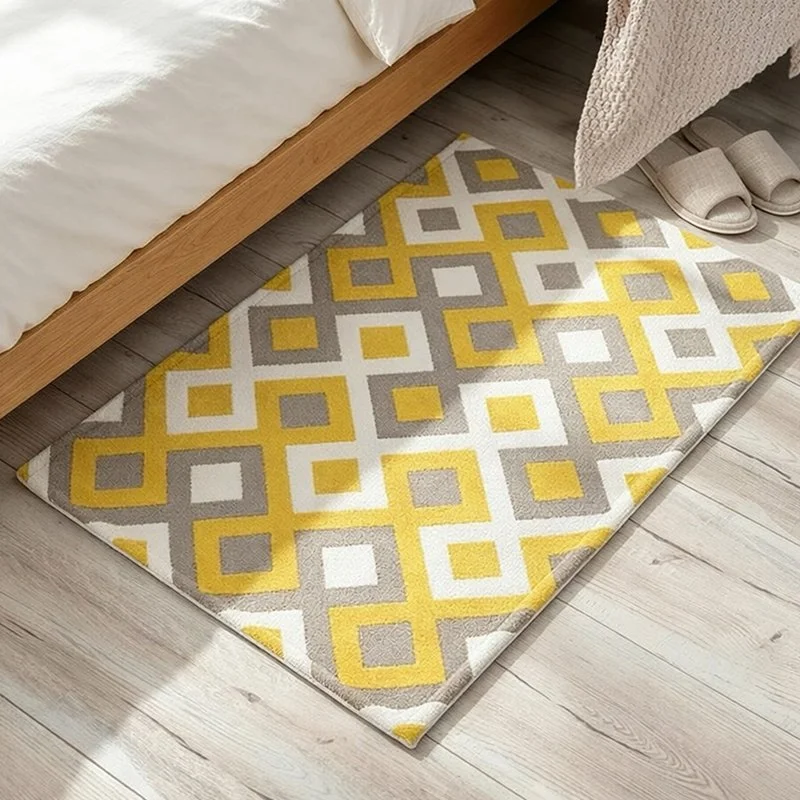
| Modern Geometric Jacquard Floor Mat | $13.80 | Polyester | 50 × 80 cm | Small accent rug or entryway mat in a bright hue |
| Ethnic Round Area Rug | $20.04 | Polyester, machine washable | 80‑180 cm diameter | Boho‑style living rooms needing a washable round rug |
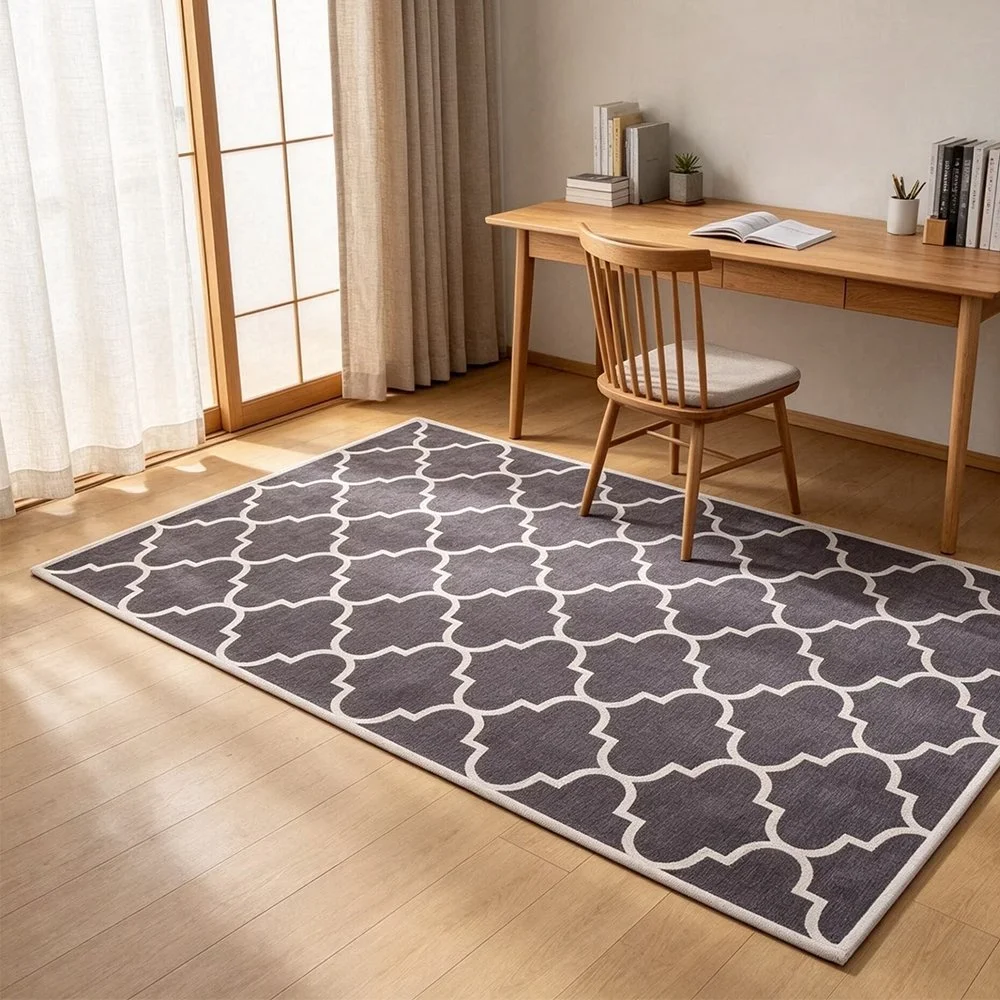
| Geometric Pattern Carpet | $66.68 | Polyester | 120 × 180 cm | Large rectangular rug for an 8 × 10 ft room |
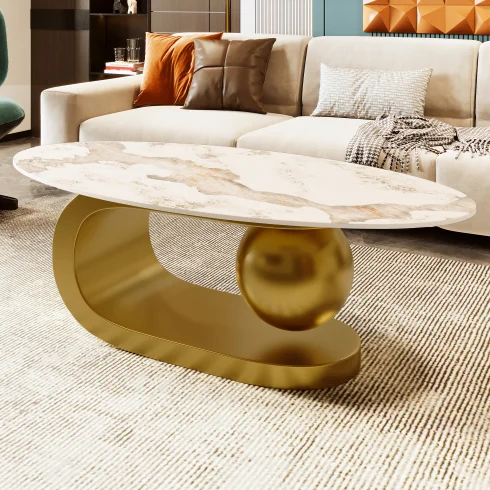
| Modern Oval Coffee Table | $1,211.40 | Metal + stone | 47.2 in diameter | Stylish centerpiece that pairs with oval rugs |
| Fiberglass Square Coffee Table | $1,652.24 | Fiberglass | 35.43 in square | Modern look for apartments with limited floor space |
Common mistakes to avoid
- Choosing a rug that’s too big. It will swallow the furniture and make the room feel cramped.
- Ignoring slip‑resistance. On hardwood, a rug without a backing can slide, creating a safety hazard.
- Picking a color that matches the walls exactly. It eliminates visual contrast, flattening the space.
- Forgetting to measure twice. Asian sizing runs smaller; always add a size up if you’re between options.
Styling and care tips
Use furniture as a ruler. Place the front legs of the sofa on the rug; the rug should extend at least 12 inches beyond the legs.
Protect high‑traffic zones. A clear vinyl protector under a polyester rug adds durability without changing the look.
Cleaning. Most of our polyester options are machine‑washable (cold water, gentle cycle). Spot‑clean spills with a mild detergent before tossing the rug in the washer.
Frequently asked questions
❓ What size rug should I get for an 8x10 living room?
A 5 × 7 ft rug works well; it leaves a border of floor around the edges while still anchoring the sofa and coffee table.
❓ How do I choose a rug shape for a small rectangular space?
Round or oval rugs break up the rectangle and add visual flow; use a rectangular rug only if your furniture layout is strictly linear.
❓ What rug colors work best in a tiny apartment?
Light neutrals—off‑white, soft gray, pale beige—make a room feel larger; add a muted accent color for personality without shrinking the space.
❓ Can a rug make a small living room look bigger?
Yes, a light‑colored rug that reflects natural light can visually expand the floor area, especially when paired with minimal furniture.
❓ What material is best for a low‑maintenance rug in an apartment?
Polyester is stain‑resistant, easy to clean, and often machine‑washable, making it ideal for renters.
❓ How to layer rugs in a small living room without it looking cluttered?
Start with a base rug that defines the space, then add a smaller accent rug (no more than 30 % of the floor area) in a complementary texture.
❓ Should I buy a rug with a non‑slip backing?
A non‑slip backing or a separate rug pad is recommended on hardwood or tile to prevent sliding and protect both floor and rug.
❓ Can I wash a polyester rug at home?
Most polyester rugs, including the ones listed, are machine‑washable on a gentle cycle with cold water; always check the care label first.
Key takeaways
- Measure your seating area; a rug should extend 12‑18 inches beyond furniture legs.
- Round or oval rugs soften rectangular rooms and can make the space feel larger.
- Light neutral colors reflect light; use muted accents for personality.
- Polyester offers the best low‑maintenance performance for renters.
- Layer a small accent rug only if it occupies less than a third of the floor.
- Check Asian sizing notes and choose the larger size when in doubt.
How we chose these products: We matched each item’s material, size options, and price to the specific needs of small‑apartment living rooms, focusing on low‑maintenance polyester options and complementary furniture.