It is Halloween, and you want your furry friend to join in the fun, but you are worried about their safety and comfort. Many pet owners find themselves torn between the desire for a festive photo and the fear that a costume might cause anxiety or physical harm. This guide walks you through the specific steps to choose, fit, and manage a halloween pet costume So your dog or cat stays relaxed. You will learn how to measure correctly, identify stress signals, and select materials that protect sensitive skin. Our goal is to help you make an informed decision that prioritizes your pet's well-being over the photo opportunity. By following these practical steps, you can avoid common mistakes and ensure a positive experience for everyone involved.
How to Measure Your Pet for the Perfect Fit
Fit is the single most important factor in determining whether your pet will tolerate a costume. A costume that is too tight can restrict breathing, chafe the skin, and impede movement. One that is too loose can get caught on objects, causing tripping or panic. Before you buy anything, you need accurate measurements. Use a soft, flexible measuring tape. If you do not have one, a piece of string and a ruler will work just as well.
Measuring for Dogs
Dog costumes typically come in sizes based on neck circumference, chest girth, and back length. Here is how to measure each:
- Neck Circumference: Measure around the base of the neck, where the collar sits. Keep the tape snug but not tight. Your pet should be able to fit two fingers between the tape and their neck.
- Chest Girth: This is usually the most critical measurement for body suits. Measure around the ribcage, just behind the front legs. This is typically the widest part of the torso.
- Back Length: Measure from the base of the neck (where the spine starts) to the base of the tail. Do not include the tail itself.
Write these numbers down. When looking at size charts, always choose the larger size if your pet falls between sizes. A slightly loose fit is safer than a tight one because it allows for expansion during breathing and movement. Check specifically for leg openings. If the costume covers the legs, ensure the holes are large enough for the paws to pass through easily and allow for a natural walking stride. If the leg holes are too small, your dog will drag their paws, leading to chafing and fatigue.
Measuring for Cats
Cats are smaller and more flexible than dogs, but they are also less tolerant of restriction. Cat costumes often focus on the neck and torso. Measure the neck circumference and the chest girth just behind the front legs. For hoodies or sweaters, the armholes are crucial. Measure the distance from the shoulder to the elbow. If the armholes are too tight, the cat will struggle to move their front paws, which can cause frustration and aggression. Many cats prefer costumes that leave the legs entirely free, such as hoodies or capes, rather than full-body suits. If you are considering a full-body suit, ensure it is designed specifically for cats, as dog costumes are often too bulky for feline bodies.
Why Fit Matters for Safety
A well-fitting costume prevents several safety hazards. First, it reduces the risk of entanglement. Loose fabric can get caught on door handles, table legs, or other pets. Second, it prevents restriction of the diaphragm. A costume that presses against the chest can make it difficult for your pet to take deep breaths, especially during excitement or exercise. Third, it minimizes chafing. Friction from tight seams can lead to hot spots, which are painful, inflamed areas of skin that can become infected. Always check the seams. Seams should be flat-locked or covered to prevent rubbing against the skin. If a costume has heavy decorations, ensure they are securely attached and do not hang low enough to drag on the ground.
Choosing Safe and Comfortable Materials
The material of the costume directly impacts your pet's comfort and safety. You want fabrics that are breathable, soft, and easy to clean. Avoid materials that are rough, scratchy, or prone to trapping heat.
Breathable Fabrics
Cotton and cotton blends are excellent choices. They are breathable, allowing air to circulate and preventing overheating. Polyester can be a good option if it is a lightweight, mesh-like fabric, but avoid heavy, non-breathable synthetics like vinyl or thick plastic. These materials can cause your pet to overheat quickly, especially if they are active. Look for descriptions that mention "breathable," "soft," or "lightweight." If the product description does not specify the material, check the product tag or contact the seller for details before purchasing.
Softness and Skin Sensitivity
Many pets have sensitive skin. Rough fabrics can cause irritation, itching, and scratching. Fleece is a popular choice for winter costumes because it is soft and warm, but it can be heavy. For Halloween, which often occurs in cooler but not freezing temperatures, a lighter fleece or a soft cotton blend is usually better. Check for plush or velvety textures, as these are generally gentle on the skin. Avoid costumes with stiff collars or hard plastic elements that press against the neck or body. If your pet has known skin allergies, pay extra attention to the material. Some pets react to dyes or chemicals in new fabrics. Washing the costume before your pet wears it for the first time can help remove any residual chemicals or odors.
Visibility and Safety
While not a material issue per se, the design of the costume affects safety. If your pet will be outside, even briefly, consider visibility. Dark costumes can make it hard for drivers to see your pet in the dark. Look for costumes with reflective strips or bright colors. If you are staying indoors, this is less of a concern, but it is still good practice. Also, check for small parts. Beads, sequins, or small plastic pieces can be chewed off and swallowed. This is a serious choking hazard, especially for cats and small dogs. Inspect the costume carefully before use. If any parts feel loose, remove them or secure them with strong thread. Avoid costumes with long, dangling strings or ribbons, as these can be pulled or tangled.
Introducing the Costume: A Step-by-Step Approach
Even the best-fitting costume will cause stress if introduced poorly. Your pet needs to associate the costume with positive experiences. Rushing this process is one of the most common mistakes. Take your time and go at your pet's pace.
Step 1: Let Them Sniff It
Place the costume on the floor near your pet. Do not try to put it on them yet. Let them approach it at their own speed. If they sniff it and seem curious, offer a high-value treat. If they seem afraid or try to hide, give them space. Do not force interaction. You want them to associate the object with good things, not fear. This may take several days. Some pets need more time than others. Be patient.
Step 2: Partial Dressing
Once your pet is comfortable around the costume, try putting just one part on them. For example, if it is a hoodie, put it on their head only, or if it is a full suit, just the neck portion. Hold it in place with your hand. Keep this session very short, just a few seconds. Immediately reward them with a treat and praise. If they show any signs of stress, take it off and try again later. The goal is to build positive associations with each part of the costume.
Step 3: Full Dressing for Short Bursts
When your pet is comfortable with partial dressing, try putting the whole costume on them. Keep it on for only 10-15 seconds at first. Watch their body language closely. If they are calm, reward them. If they start to shake, whine, or try to remove it, take it off. Do not force them to wear it longer than they are comfortable. Gradually increase the time they wear the costume over several days. Aim for a few minutes at a time. Always end on a positive note with a treat or a short play session.
Step 4: Supervised Wear
Never leave your pet unattended while they are wearing a costume. Even if they seem fine, things can go wrong. A sudden noise or movement can cause them to panic, leading to injury. Stay close and watch for any signs of distress. If your pet needs to go to the bathroom, take the costume off. Do not let them wear it while eating or drinking, as this can be distracting and potentially unsafe. Keep the sessions short and positive. If your pet is not enjoying it, it is okay to skip the costume this year. Their comfort is more important than the photo.
Recommended Products for Pet Comfort and Safety
While the costume itself is the focal point, surrounding your pet with safe, comfortable products can enhance their overall experience. Here are a few items from our collection that support pet well-being during the holiday season.
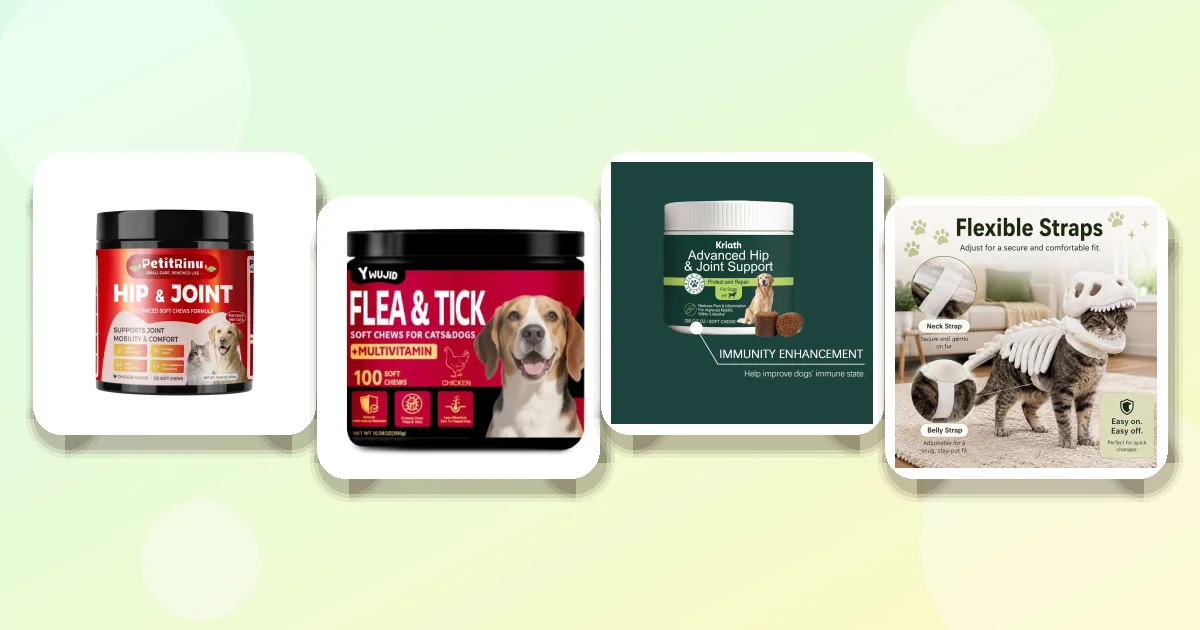
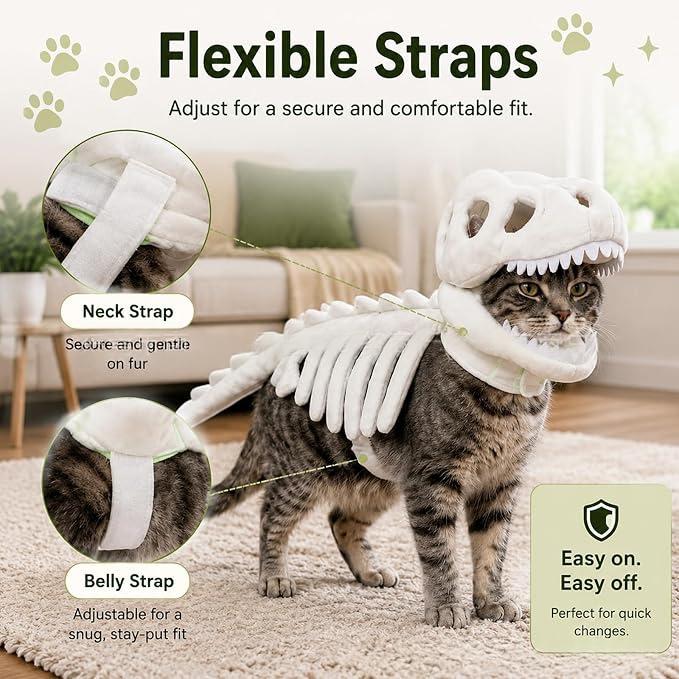
Dino Skeleton Hoodie for Cats - Funny Halloween Costume Is a soft, comfortable hoodie designed for cats. It transforms your cat into a prehistoric creature and is easy to put on. The material is soft, which is important for feline comfort. Best for Cat owners who want a lightweight, easy-to-apply costume that leaves the legs free for natural movement.
- Soft material reduces the risk of skin irritation.
- Easy to put on and remove, minimizing stress during dressing.
- Not suitable for dogs, as the sizing is specific to cats.
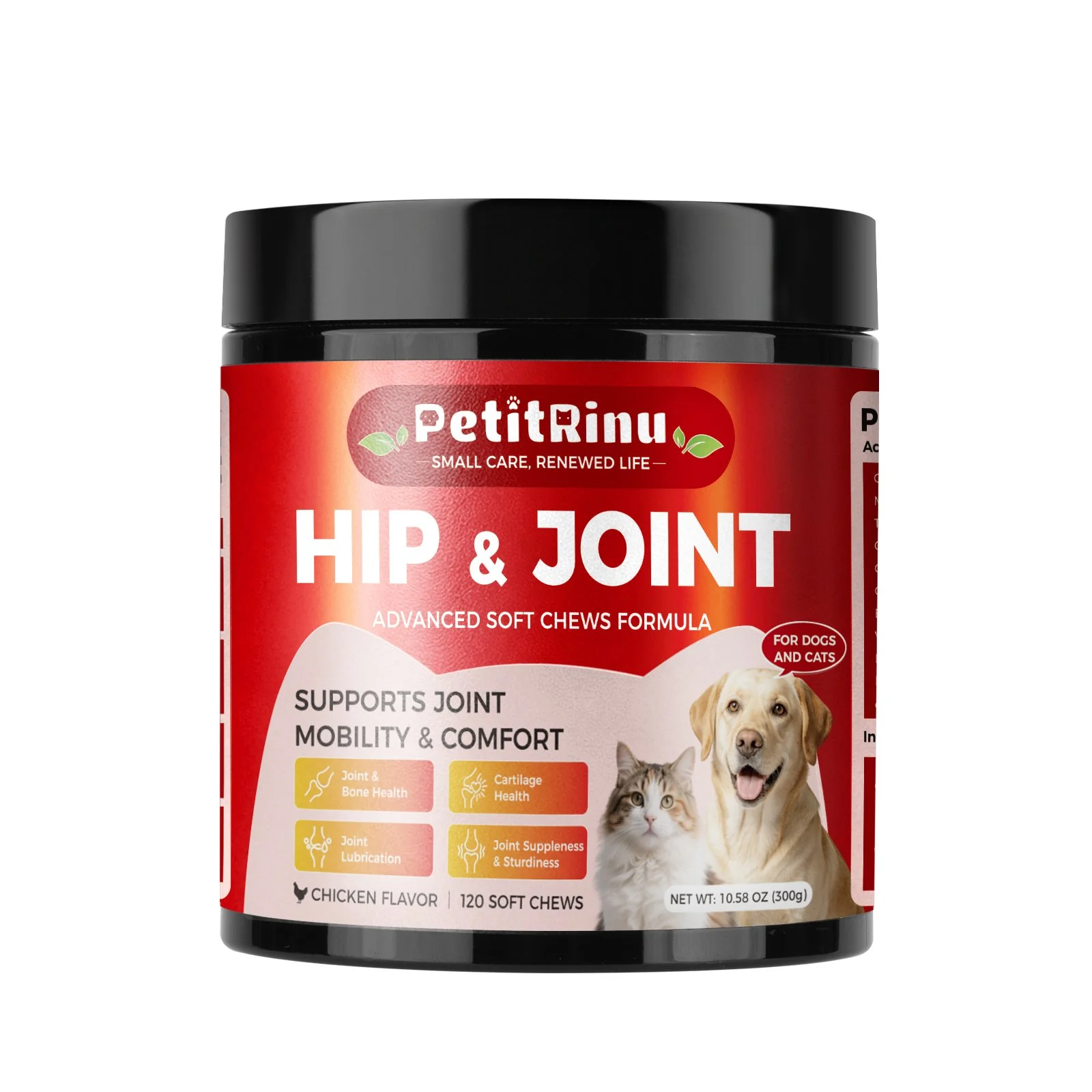
Support Your Pet's Joint Health Naturally Is a joint supplement for dogs and cats. It supports flexibility and comfort with natural ingredients. While not directly related to the costume, maintaining joint health can help your pet move comfortably, especially if they are older or less active. Best for Pet owners who want to support their pet's mobility and comfort, particularly for older pets or those with joint issues.
- Natural ingredients support joint health and flexibility.
- Suitable for both dogs and cats.
- Not a substitute for veterinary care if your pet has severe joint pain.
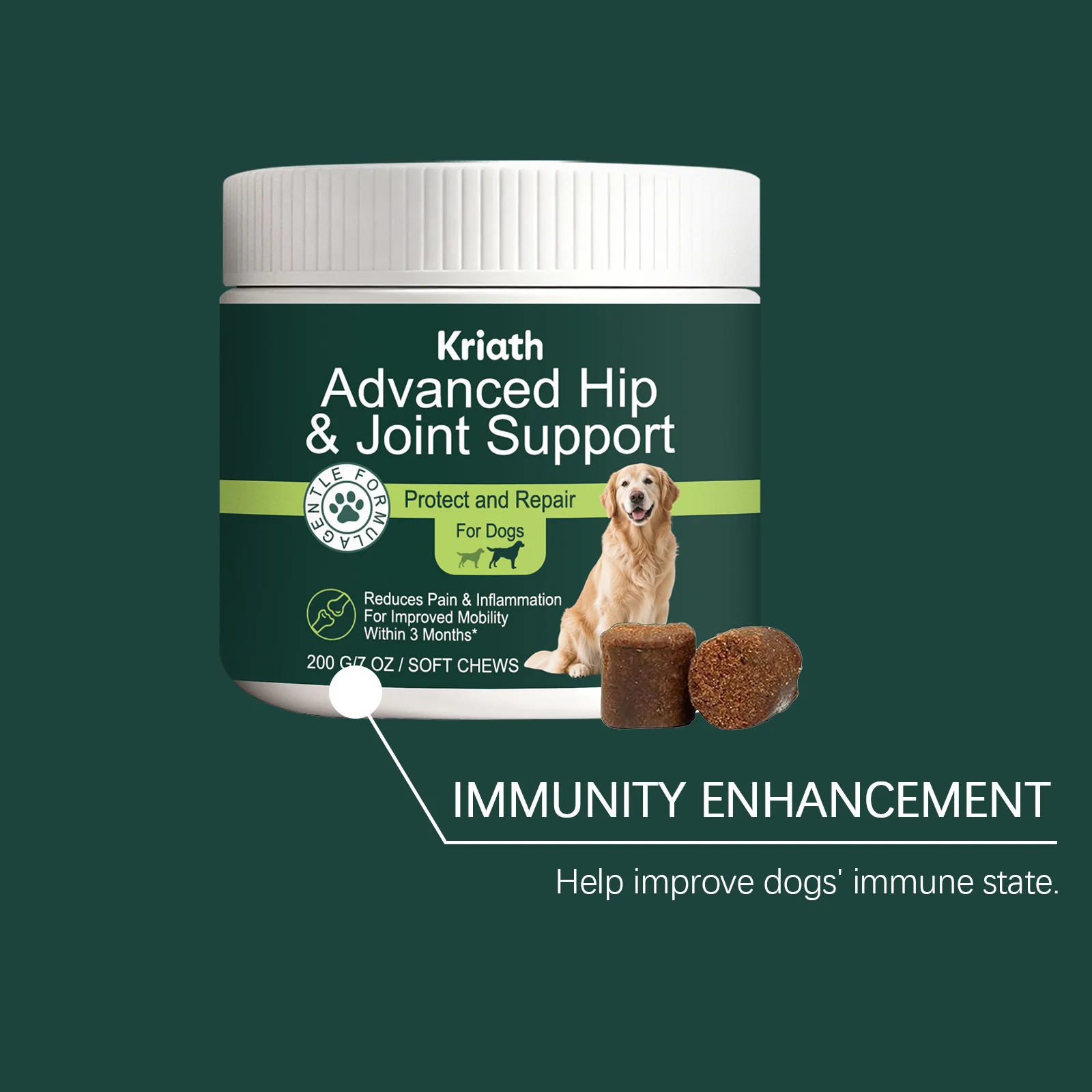
Pet Joint Support Tablets for Dogs & Cats Are easy-to-digest chewable tablets that help relieve arthritis and joint pain. They promote healthy mobility and comfort. Like the other joint supplement, this can help ensure your pet is physically comfortable, which can make them more tolerant of the costume. Best for Pets with known joint issues or arthritis who need extra support for mobility and comfort.
- Chewable format makes them easy to administer.
- Helps reduce joint pain, improving overall comfort.
- May not be suitable for pets with specific dietary restrictions.
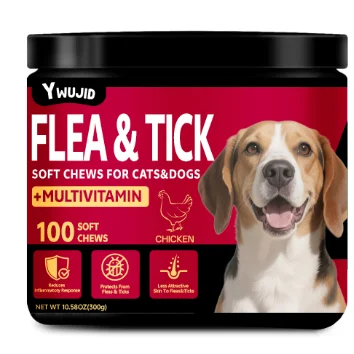
Flea & Tick Prevention Uses soft particles to keep pets safe from fleas and ticks. It is easy to use and effective for maintaining a healthy pet. Keeping your pet free from pests is important for their overall comfort, as itching and biting can make them more irritable and less tolerant of new items like costumes. Best for Pet owners who want to prevent fleas and ticks to ensure their pet's general comfort and health.
- Soft particles are gentle on the pet.
- Easy to use and effective.
- Does not treat existing severe infestations; consult a vet for those.
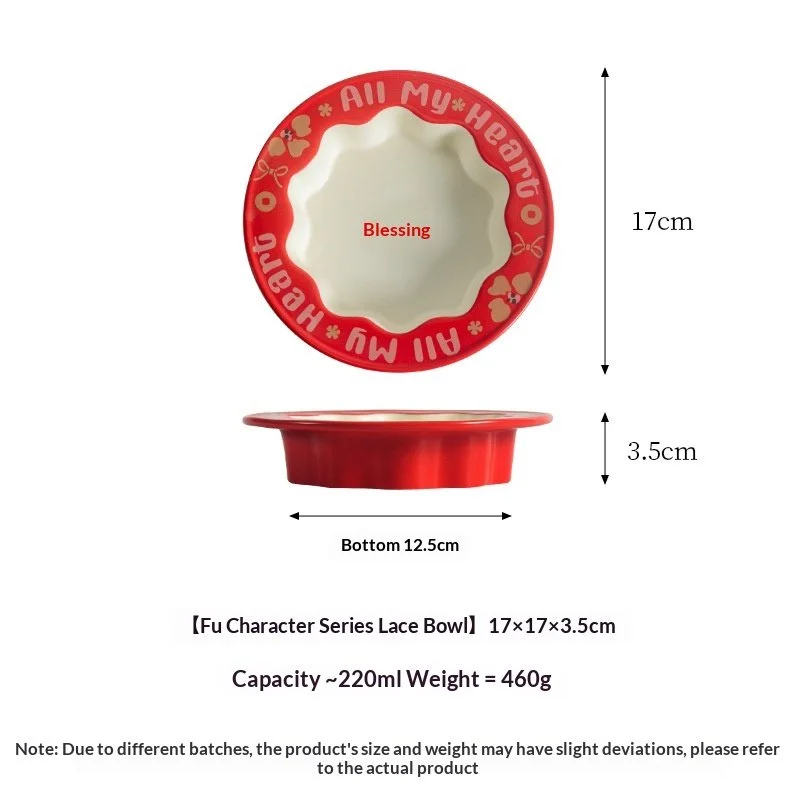
Lacy Ceramic Anti-Spill Pet Bowl Is an elegant and functional pet bowl. Its spill-proof design keeps floors clean and is perfect for food and water. While not a costume item, having a stable, spill-proof bowl can be useful if your pet needs to eat or drink while in the costume, preventing messes and stress. Best for Pet owners who want to keep feeding areas clean and tidy, especially if pets are wearing costumes that might interfere with standard bowls.
- Spill-proof design reduces mess.
- Elegant and functional for both cats and dogs.
- Ceramic material can be heavy and breakable if dropped.
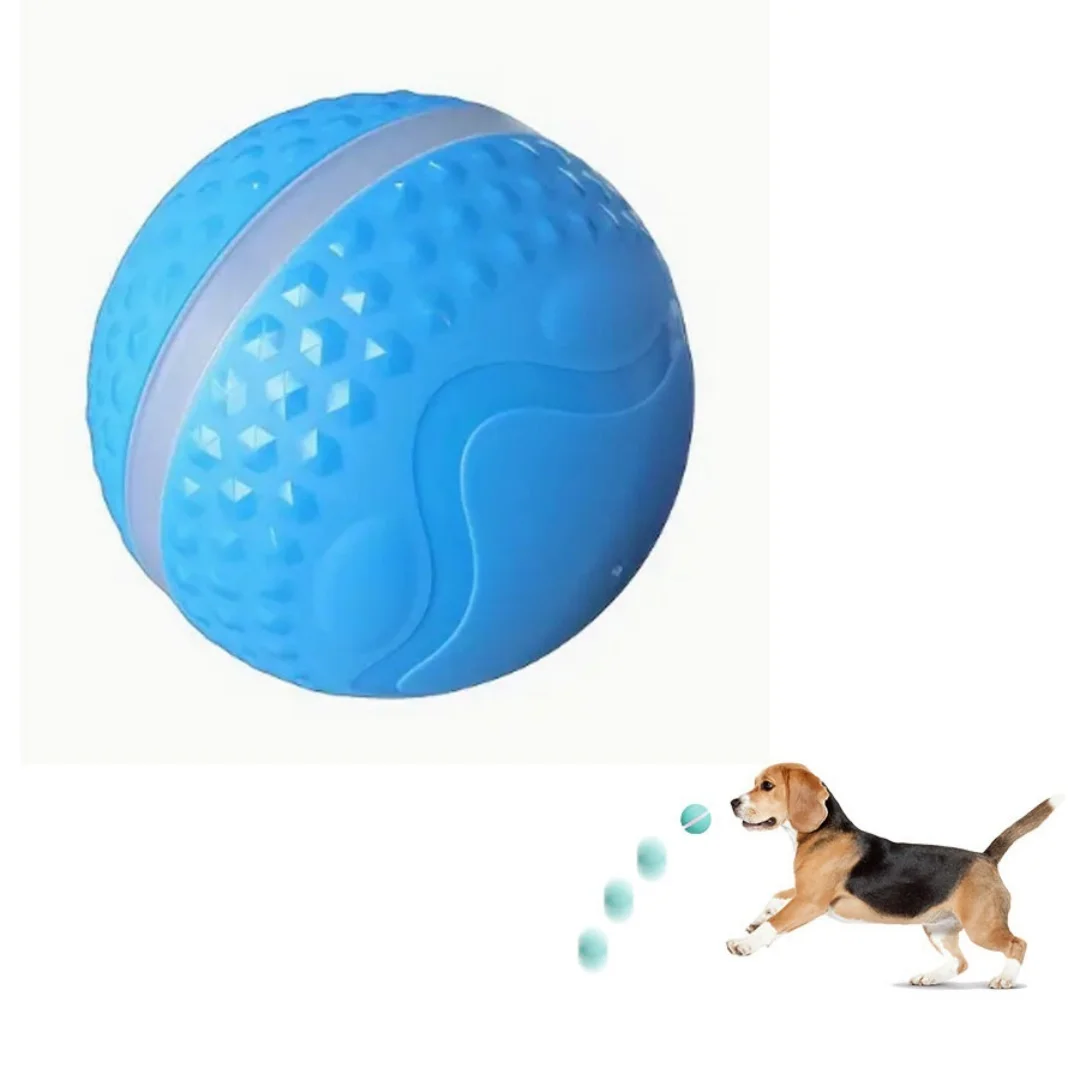
Interactive Dog & Cat Toy - Engaging Playtime Is a smart electric luminous ball toy. It stimulates your pet's senses and promotes exercise and mental stimulation. Using this toy after a costume session can help reward your pet and provide a positive outlet for energy. Best for Pet owners who want to engage their pet in play after a costume session to reinforce positive associations.
- Stimulates senses and promotes exercise.
- Durable design for long-lasting fun.
- Requires batteries or charging, which may be a minor inconvenience.
Product Comparison Table
| Product | Price | Type/Material | Options | Best For |
|---|---|---|---|---|
| Dino Skeleton Hoodie | $23.6 | Soft, comfortable fabric | Default | Cats needing a lightweight, leg-free costume |
| Joint Health Supplement | $29.56 | Natural ingredients | Default | Supporting joint flexibility and comfort |
| Joint Support Tablets | $9.12 | Chewable tablets, natural ingredients | Default | Relieving arthritis and joint pain |
| Flea & Tick Prevention | $10.52 | Soft particles | Default | Preventing fleas and ticks for general comfort |
| Anti-Spill Pet Bowl | $17.8 | Ceramic, spill-proof design | Lace bowl, Slanted mouth bowl, Flat bottomed bowl | Keeping feeding areas clean and tidy |
| Interactive Toy | $22.6 | Smart electric luminous ball, durable | Default | Stimulating play and mental exercise |
Common Mistakes to Avoid
Even well-intentioned pet owners can make mistakes that lead to stress or injury. Here are the most common ones to watch out for.
Forcing the Costume On
Never force a costume onto a pet that is resisting. This creates a negative association and can lead to fear or aggression. If your pet is struggling, stop. They are not "being difficult"; they are communicating that they are uncomfortable. Respect their boundaries. If they are not willing to wear it, leave it off. There are many ways to celebrate Halloween without a costume.
Leaving the Costume On Too Long
Do not leave a costume on your pet for extended periods, even if they seem okay. Pets can tire of wearing clothes, and prolonged restriction can lead to muscle fatigue and skin irritation. Limit wearing time to short sessions, especially in the beginning. Take frequent breaks. If your pet is resting or sleeping, remove the costume. They should not be wearing it all day.
Ignoring Stress Signals
Pay close attention to your pet's body language. Signs of stress include shaking, whining, panting (in dogs), hiding, flattening ears, dilated pupils, or trying to remove the costume. If you see any of these signs, remove the costume immediately. Do not wait to see if they "get used to it." Early stress signals are a warning. Ignoring them can escalate to panic or injury. Always prioritize your pet's emotional well-being.
Using Unsafe Materials or Accessories
Avoid costumes with small, detachable parts, long strings, or non-breathable materials. These pose choking, entanglement, and overheating risks. Check the costume thoroughly before use. If you are unsure about a material or design, err on the side of caution and choose a simpler option. Safety should always come before aesthetics.