Autumn in an office presents a specific challenge: the thermostat is often set for a small group of people, leaving the rest of the staff either shivering under a desk or sweating through their blouses by 10 a.m. You need clothing that acts as insulation without creating a visual barrier to professionalism. This guide moves beyond generic advice like "wear layers" to provide specific, actionable strategies for mixing fits and fabrics. You will learn how to select base layers that disappear under sweaters, how to choose knitwear that doesn't pill, and how to construct outfits that look intentional rather than just cold-weather survival gear. We focus on practical combinations using accessible price points, ensuring you can build a rotation that works for your specific body type and workplace dress code.
- Building the Foundation: Choosing the Right Base Layer
- Selecting the Right Sweater for Layering
- Practical Outfit Combinations for Daily Wear
- Product Comparison: Fit, Fabric, and Price
- Common Mistakes to Avoid When Layering
- Care and Maintenance for Layered Pieces
- Frequently asked questions
- Key takeaways
Building the Foundation: Choosing the Right Base Layer
The base layer is the most critical component of an office ensemble because it dictates how the outer layer sits on your body. A base layer that is too thick creates drag, causing the sweater to ride up or bunch at the hips. A base layer that is too thin fails to provide the necessary thermal barrier against drafty windows. The goal is a "disappearing" layer: something that provides warmth and a smooth surface for the sweater to slide over, without adding visible bulk to your profile.
Why Fabric Matters More Than Fit
Many people focus solely on the cut of their blouse, ignoring the material composition. For layering, the fabric determines how the garment behaves against your skin and under pressure. Cotton is a common choice, but it retains moisture. If you get warm in the morning commute and then sit in a cold office, cotton holds that sweat against your skin, making you feel colder as it dries. Acetate, a semi-synthetic fiber, offers a different set of benefits. It has a natural drape that resists static and provides a sleek finish. This makes it ideal for blouses that will be tucked in or worn under structured knits. Look for acetate blends if your office is dry and you struggle with static cling or stiff collars.
Polyester-cotton blends offer a middle ground. The polyester adds durability and shape retention, while the cotton provides breathability. This combination is particularly useful for blouses with structural elements like pockets or stiff collars. However, be aware that pure polyester can feel clammy if you are prone to overheating. A ribbed knit base layer, often made from a cotton-polyester or elastane blend, stretches with your body. This elasticity is crucial when you are bending, reaching for high shelves, or sitting in a chair for long periods. A rigid blouse can pull at the hem or create gaps at the waist when you move, whereas a stretchy base layer maintains coverage.
Fit Metrics for a Smooth Silhouette
To avoid a bulky look, the base layer must fit your torso precisely. When measuring for a blouse to wear under a sweater, check three specific points. First, the shoulder seam should sit exactly where your arm meets your shoulder, not on the bicep. If the seam hangs down, the extra fabric will push against the inside of your sweater, creating a visible ridge. Second, the hem should land at your natural waistline or just below. If the hem is too long, it will bunch up under a tucked-in sweater or create a "tent" effect that adds visual weight. Third, the neckline should align with your collarbone. A scoop neck that is too low will show more skin than intended under a V-neck sweater, while a high crew neck can create a crowded look if the sweater is also high-necked.
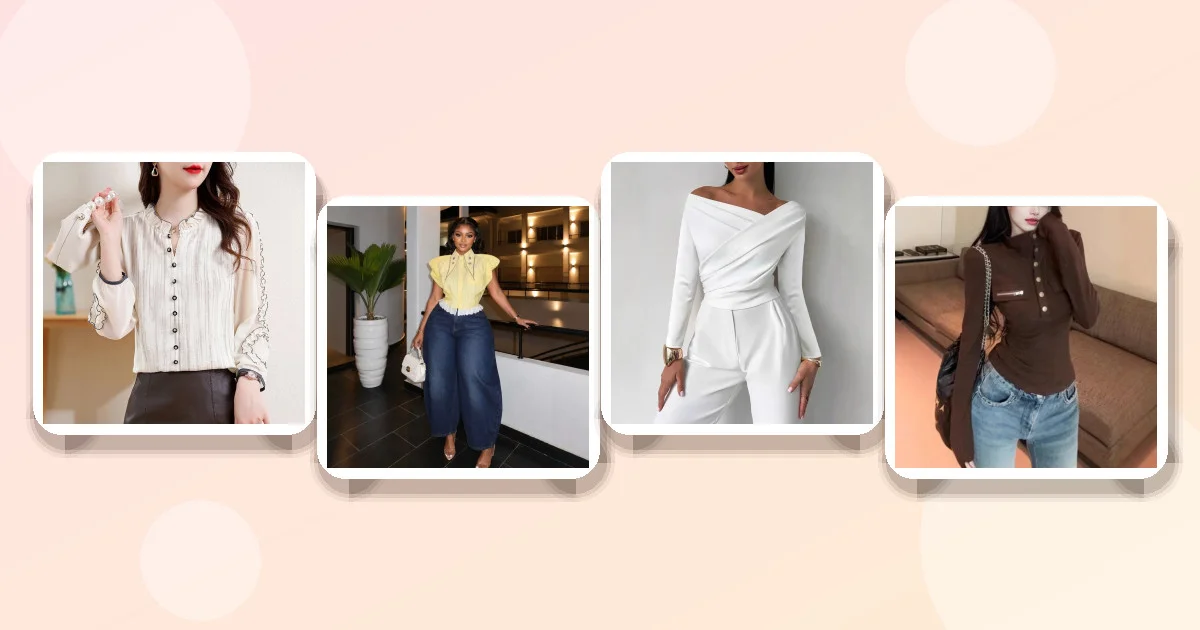
Consider the Elegant Acetate Jacquard Top with Ruffle Collar As an example of a polished base layer.
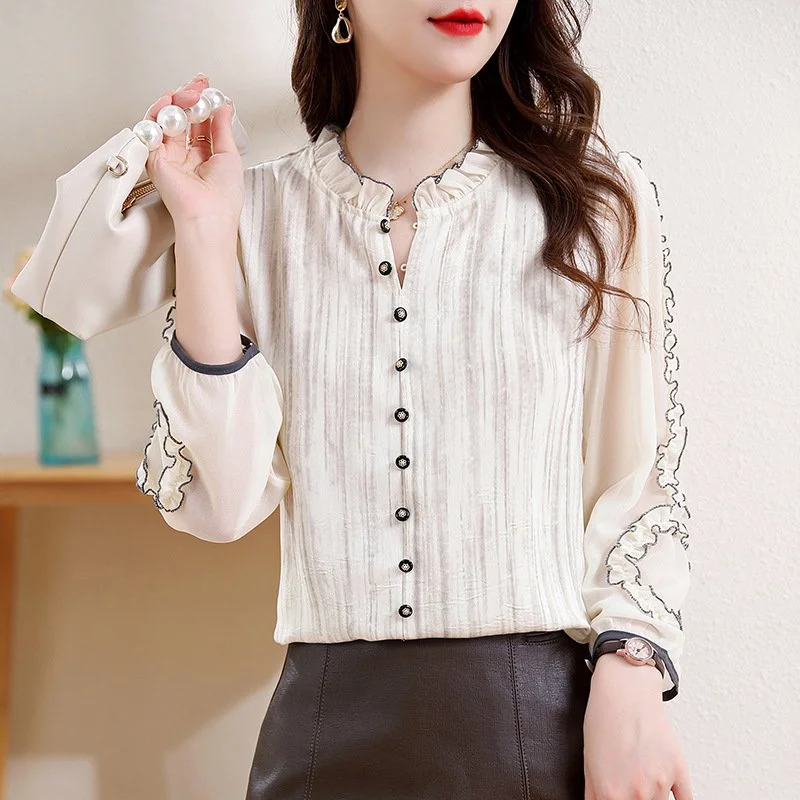
- Pros: The acetate fabric drapes smoothly, reducing bunching under sweaters; the ruffle collar adds visual interest that peeks out from under a crew neck.
- Con: The loose fit may add volume if your sweater is also oversized; check the size chart carefully as loose cuts can vary by brand.
For those who prefer a more streamlined, minimalist look, a slim-fit top is essential. The Elegant Slim-Fit Ribbed Long-Sleeve Top Is designed with a figure-flattering cut.
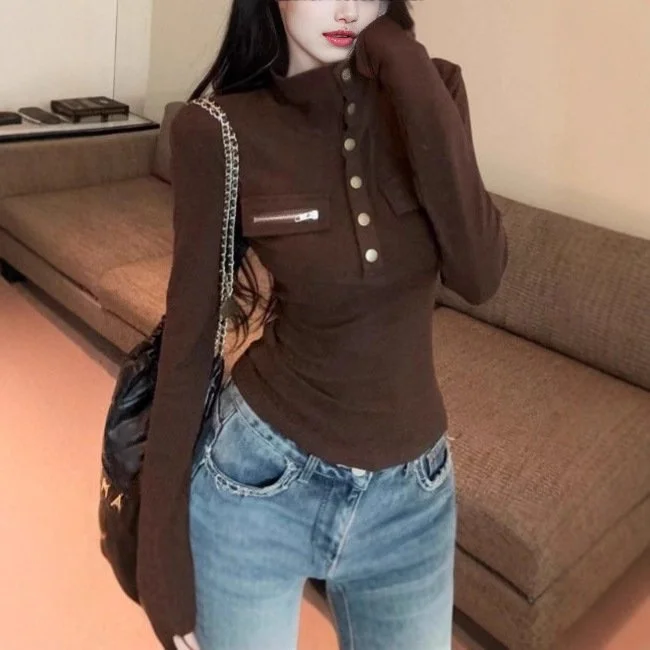
- Pros: The slim fit minimizes bulk; the ribbed texture adds subtle visual depth without adding weight.
- Con: Slim-fit items can feel restrictive if your sweater is tight; ensure you have room to move without the fabric pulling at the back.
Selecting the Right Sweater for Layering
Once you have established a solid base, the choice of sweater determines your overall comfort and aesthetic. Not all sweaters are created equal when it comes to layering. A thick, chunky cable knit may look cozy, but it is often too bulky to wear over a blouse without creating a boxy silhouette. The ideal layering sweater is mid-weight, with a gauge that is dense enough to retain heat but thin enough to drape over the base layer.
Understanding Weight and Gauge
Knitwear is measured by gauge, which refers to the number of stitches per inch. A higher gauge (more stitches per inch) results in a finer, thinner knit. For office layering, look for mid-gauge knits. These are typically made from merino wool, cashmere blends, or high-quality acrylics. Merino wool is a top choice because it is naturally temperature-regulating. It wicks moisture away from the body and retains heat even when damp. If you are allergic to wool, look for cashmere blends or premium acrylics that mimic the drape of natural fibers. Avoid 100% acrylic sweaters if possible, as they tend to pill quickly and can feel itchy against a base layer. A blend of wool and nylon adds durability, helping the sweater maintain its shape over repeated washes.
Neckline and Silhouette Considerations
The neckline of your sweater should complement the collar of your base layer. A V-neck sweater works well with a button-down or a high-neck base, allowing the collar to peek out. A crew neck sweater is versatile and works with most base layers, but be mindful of the collar height. If your base layer has a ruffle or a structured collar, a crew neck sweater that sits high on the neck can feel restrictive. Instead, look for a crew neck with a slightly lower cut or a boat neck, which exposes the shoulders and balances the volume of the collar. For a more relaxed look, a cardigan is an excellent alternative to a pullover. Cardigans allow for adjustable warmth; you can wear the base layer alone, add the cardigan, or wear the cardigan open over a thicker sweater.
When selecting a sweater to layer over a blouse, pay attention to the shoulder construction. Raglan sleeves, which extend from the collar to the underarm, offer more range of motion and reduce bulk at the shoulder seam. Set-in sleeves, which have a distinct seam at the shoulder, are more structured but can create a ridge if the base layer is thick. If you have broader shoulders or wear a bra with heavy padding, raglan or drop-shoulder sweaters are often more comfortable and visually balanced.
Practical Outfit Combinations for Daily Wear
Layering is an exercise in balance. If your base layer is textured, keep the sweater smooth. If your base layer is loose, keep the sweater fitted. Here are three specific combinations that work well in a professional setting, using the principles of contrast and proportion.
The Polished Professional: Acetate Top and Structured Blazer
This combination is ideal for formal meetings or days when you need to present a sharp image. Start with the acetate jacquard top, which provides a sleek, wrinkle-resistant base. The ruffle collar adds a touch of femininity that is visible even when a blazer or structured sweater is worn over it. Because acetate is smooth, it slides easily under wool or cashmere. This look works best when the outer layer is a mid-weight, tailored sweater in a neutral color like navy, charcoal, or camel. The contrast between the smooth acetate and the textured knit creates visual interest without overwhelming the silhouette.
The Commuter’s Choice: Ribbed Tee and Cardigan
For hybrid workers or those who commute by car, the ribbed long-sleeve top is a practical foundation. Its slim fit ensures that it disappears under a cardigan, allowing the cardigan to be the focal point. You can wear the cardigan buttoned up for a closed, secure look, or open it to reveal the slim silhouette of the base layer. This combination is easy to adjust; if the office is too warm, you can remove the cardigan and still look professional in the ribbed top. The black or brown colors of this top are versatile, pairing well with almost any color of sweater or blazer.
The Casual Friday: Off-the-Shoulder Top and Chunky Knit
On days when the dress code is relaxed, you can experiment with more dramatic silhouettes. The Elegant Asymmetric Off-the-Shoulder Long Sleeve Top Offers a chic, modern look.
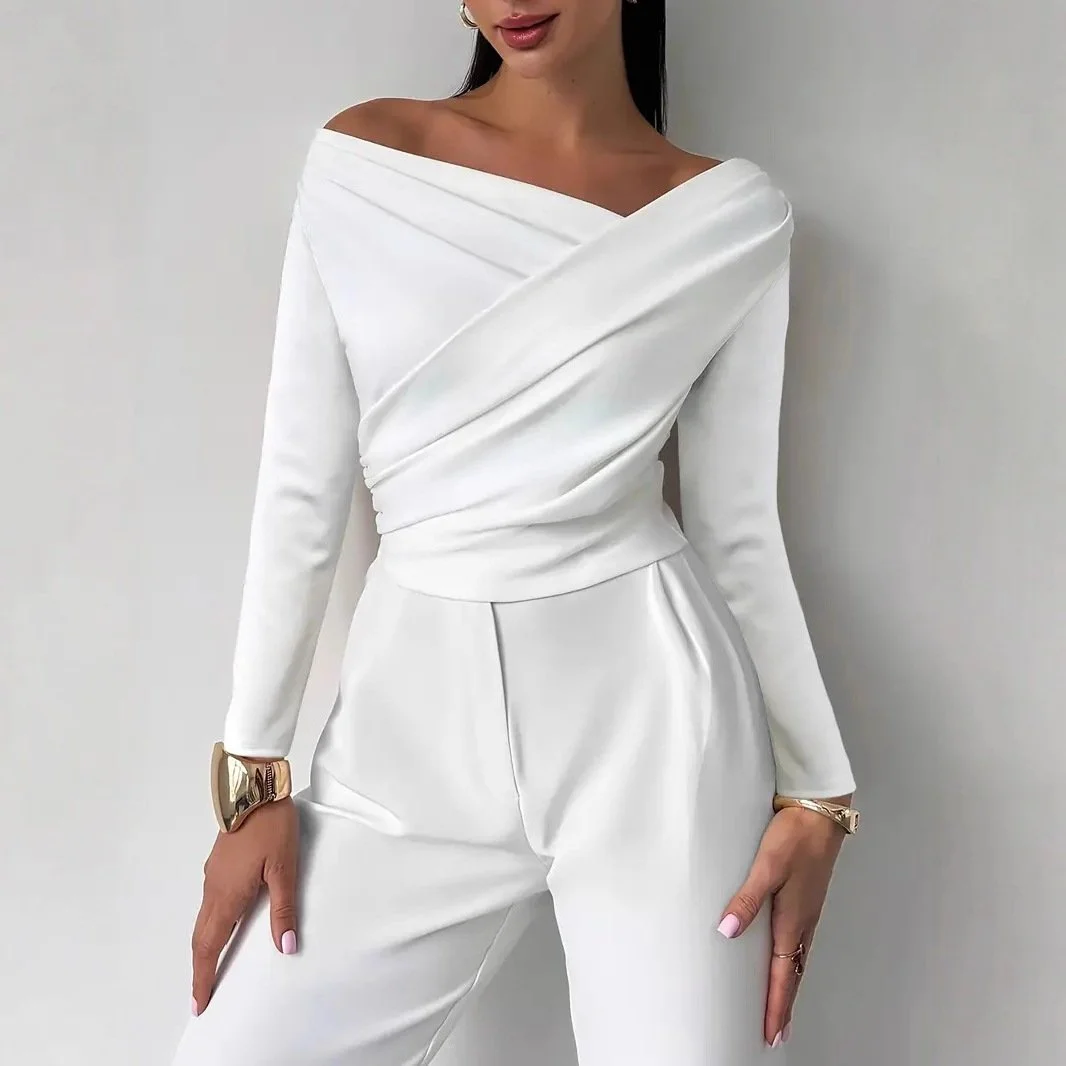
- Pros: The asymmetric design adds unique visual interest; the slim fit prevents the overall look from becoming too bulky.
- Con: The off-the-shoulder neckline may not be appropriate for very conservative workplaces; ensure the sweater is thin enough not to cover the shoulder detail.
Another option for a relaxed yet polished look is the Elegant Black Lace-Trimmed V‑Neck Long‑Sleeve T‑Shirt.
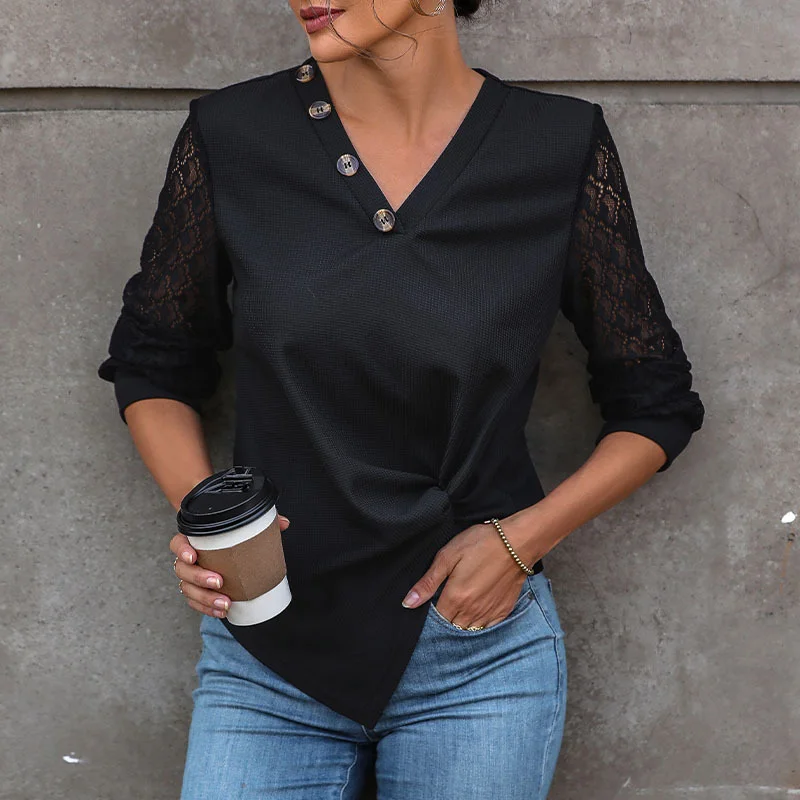
- Pros: The lace detail adds elegance without being overly formal; the waffle weave provides breathability and comfort.
- Con: The lace trim can be delicate and may snag on rough knit fabrics; handle with care when layering over textured sweaters.
Product Comparison: Fit, Fabric, and Price
When building a layering wardrobe, it helps to understand how different pieces fit into the overall equation. The following table compares the key products available, highlighting their specific roles in a layered outfit. Note that prices and availability can change, so always check the current listing for the most up-to-date information.
| Product | Price | Type / Material | Fit / Style | Best For |
|---|---|---|---|---|
| Acetate Jacquard Top | $29.84 | Acetate | Loose, Ruffle Collar | Polished, formal looks; wrinkle resistance |
| Striped Shirt | $40.36 | Beaded Patchwork | Short-sleeve, Various | Transitional weather; adding pattern |
| Off-the-Shoulder Top | $20.56 | Knit | Slim, Asymmetric | Creative offices; statement pieces |
| Ribbed Long-Sleeve Top | $16.76 | Ribbed Knit | Slim, Button Detail | Seamless layering; high mobility |
| Pocket Blouse | $23.88 | Poly-Cotton | Short/Long Sleeve, Pockets | Practical workwear; active days |
| Lace-Trim V-Neck Tee | $21.24 | Waffle-Weave Polyester | Regular, Lace Trim | Subtle elegance; breathable base |
The Elegant Striped Shirt for Women Is a unique addition to this list.
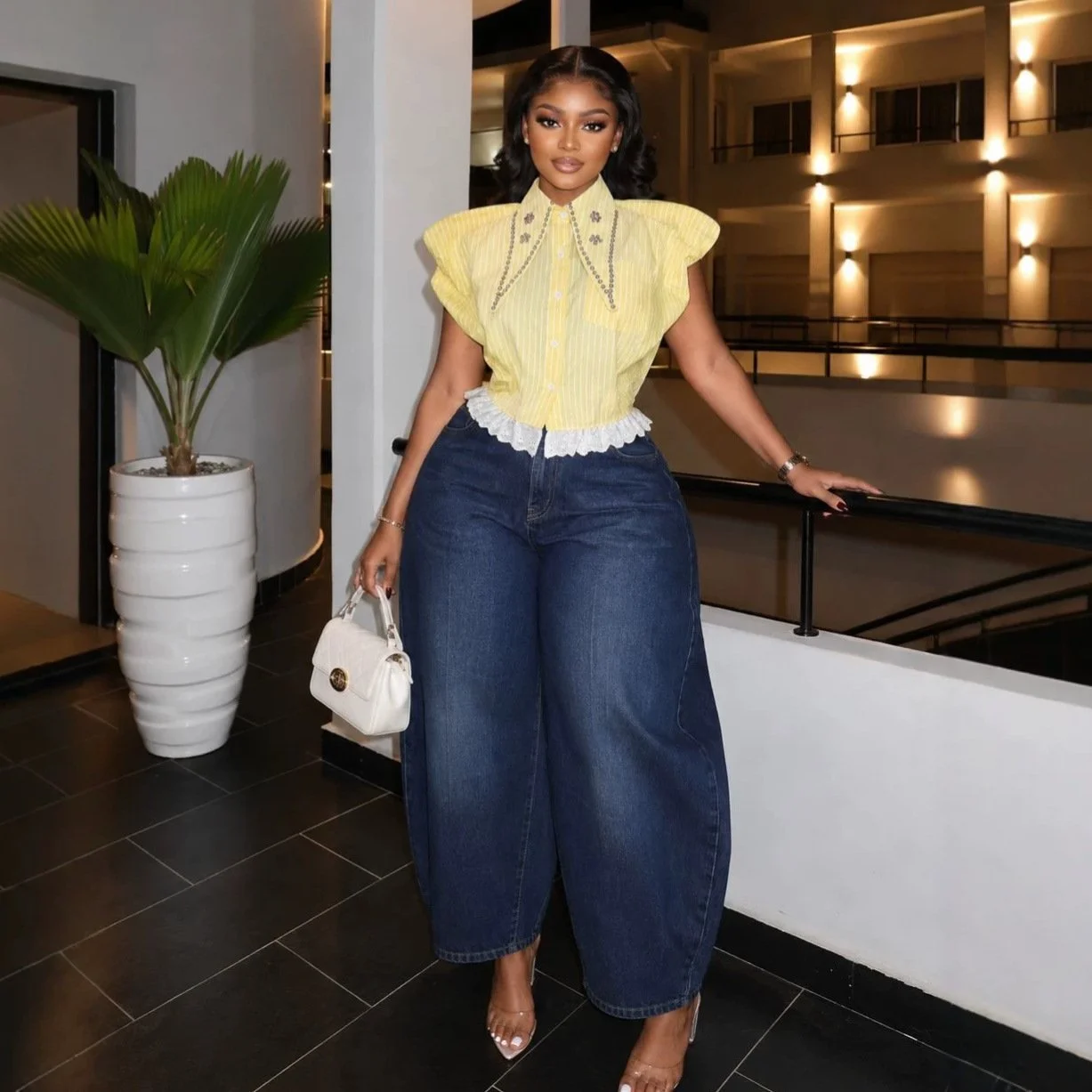
- Pros: The beaded patchwork adds visual interest; versatile enough for casual or work settings.
- Con: The beaded details may require careful washing; check the care label to ensure the beads are secure before frequent laundering.
The Elegant Short-sleeve Blouse with Pockets Offers a practical solution for those who need functionality.
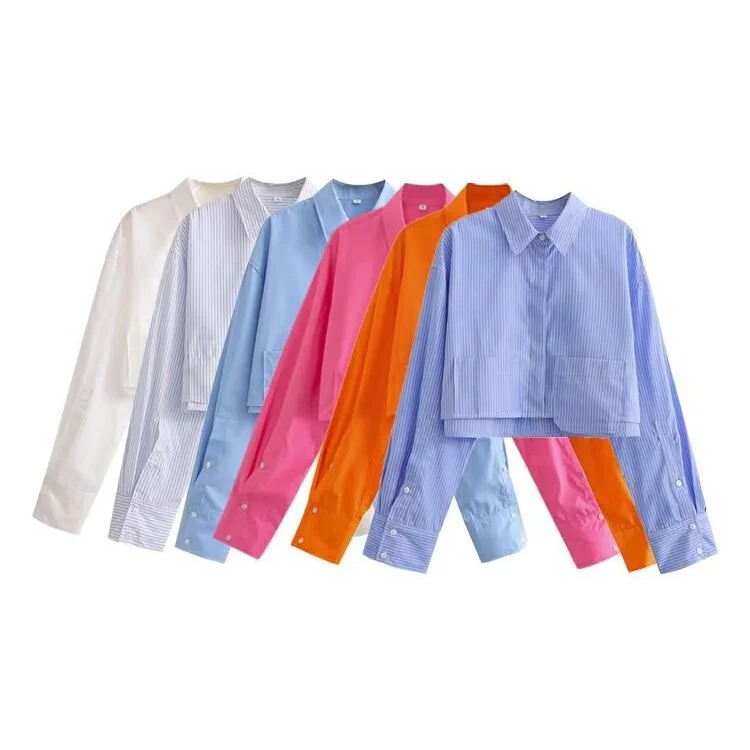
- Pros: Functional pockets add utility; the poly-cotton blend is durable and easy to care for.
- Con: Asian sizes run smaller, so you must refer to the size chart for an accurate fit; the pockets may add slight bulk at the hips if the blouse is tucked in.
Common Mistakes to Avoid When Layering
Even with the right pieces, poor execution can lead to an unflattering or uncomfortable outfit. Here are the most common errors to watch out for.
Ignoring the Shoulder Seam
One of the most frequent mistakes is wearing a base layer that is too large in the shoulders. If the shoulder seam of your blouse falls on your bicep, the extra fabric will create a ridge under your sweater. This ridge is visible from the front and can make your shoulders look wider than they are. Always check the shoulder seam placement when trying on a base layer. If you are between sizes, size down for the base layer if the fit is loose, and size up for the sweater if the fit is tight. This ensures a smooth transition between the two layers.
Matching Too Many Textures
While texture is key to a stylish layered look, too much texture can be overwhelming. If your base layer is a chunky cable knit, wear a smooth, fine-gauge sweater over it. If your base layer is a smooth acetate, you can wear a textured sweater. Mixing three or more distinct textures in a single outfit can create visual chaos. Stick to two main textures: one for the base and one for the outer layer. Use color and line to balance the textures, rather than adding more fabric patterns.
Overlooking Hem Length
A base layer that is too long will bunch up under a sweater, creating a "tent" effect that adds visual weight to your midsection. Conversely, a base layer that is too short will ride up when you raise your arms