


You're planning a weekend hike when the leaves are turning and the temperature swings between 45°F and 65°F. The right combination of sweaters, jackets, and accessories will keep you comfortable, dry, and looking good on the trail. Below you’ll find a step‑by‑step system for building layers, plus product recommendations that fit the bill.
Choosing the right basics: fit, material, and price
Base layer
For a fall hike, a synthetic or merino‑blend tee works best. It should sit snugly—no more than a finger’s width of air between skin and fabric—so sweat moves away from your body. Look for a weight of 150–180 g/m²; anything heavier feels like a mid‑layer.
Mid‑layer sweater
Mid‑layers need warmth without bulk. A polyester cardigan or a cotton‑blend turtleneck offers 3–5 oz of insulation, enough for 10–15°F temperature drops. Choose a cut that allows arm movement: raglan sleeves or a relaxed fit are ideal.
Outer shell
Spring‑and‑fall jackets should be water‑resistant (15–30 mm column) and breathable (5–10 g/m²/24 h). A cropped faux‑suede shell adds wind protection while keeping the silhouette short enough to layer over a sweater without restricting arm swing.
Sizing tip
All the items listed use Asian sizing, which runs 1–2 sizes smaller than U.S./EU standards. If you fall between sizes, size up. Allow 2–3 cm measurement variance for each piece.
Layer order and how each piece works
Step 1 – Base
Start with a thin, moisture‑wicking shirt. If the forecast calls for rain, a shirt with a zip neck helps you pull the next layer on without exposing your throat.
Step 2 – Mid‑layer sweater
Slip on a sweater that can zip or button open. The European and American Sweater Cardigan Coat Is a solid choice.
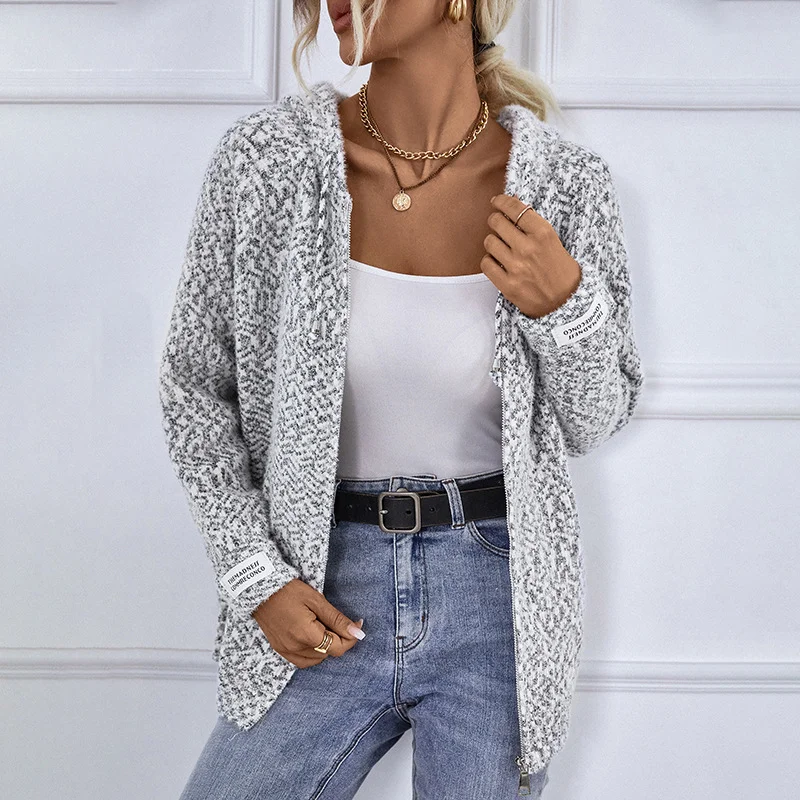
- Pros: Long sleeves keep arms warm; multiple color options.
- Pros: Commuting style works for post‑hike coffee.
- Con: Polyester may feel less “natural” than wool.
Step 3 – Outer jacket
Layer a lightweight, wind‑blocking jacket over the cardigan. The Women's Faux Suede Cropped Jacket Offers a sleek look and functional pockets.

- Pros: Cropped cut prevents bulk under a backpack.
- Pros: Lapel collar adds a bit of extra coverage.
- Con: Not fully waterproof; bring a rain shell if storms are likely.
Step 4 – Accessories
Even midday sun can’t melt a cold head. A lightweight beanie (5–7 oz) and fingerless gloves (1–2 oz) add less than 0.5 lb total weight. Pack them in a zip pocket for easy removal.
Product comparison table
| Product | Type | Material | Price | Color options | Best for |
|---|---|---|---|---|---|
| Spot Independent Station 23 | Sweater (stand‑up collar) | Stretch raglan | $48.64 | Coffee (S‑2XL) | Cool mornings when you need a snug collar. |
| Fashionable Women’s Cloak | Shawl‑style turtleneck coat | Polyester | $21.88 | Apricot (Free Size) | Loose‑fit warmth for low‑intensity walks. |
| European & American Cardigan | Cardigan | Polyester | $33.84 | Gray, Beige (S‑XL) | Adjustable warmth on variable trails. |
| Faux Suede Cropped Jacket | Jacket | Faux suede | $37.96 | Black, Army Green (S‑XXL) | Wind protection with style. |
| Letter Hooded Cashmere Padded Sweater | Sweatshirt | Cotton | $38.08 | Pink, Blue (One size) | Cozy evenings at the trailhead. |
| Irregular Lace‑up Wool Top | Wool‑style sweater | Spandex | $31.84 | Apricot, Coffee, Grass Green, Black, White (S‑XL) | Fashion‑forward layering for photo‑ops. |
Common mistakes to avoid
- Over‑insulating the base layer. A thick cotton tee traps sweat, leading to chill once you stop moving.
- Choosing a jacket that’s too long. Long shells can restrict hip movement and cause the mid‑layer to bunch.
- Ignoring color bleed. Dark jackets hide dirt but can transfer dye onto lighter sweaters; test a hidden seam first.
- Skipping breathability. A fully waterproof shell feels great in rain but can cause overheating on a sunny ridge.
Care, styling, and on‑trail adjustments
After the hike, tumble‑dry the polyester sweaters on low heat to preserve stretch. The faux‑suede jacket should be spot‑cleaned with a suede brush; avoid machine wash.
Style tip: Pair the Fashionable Women’s Cloak Over a fitted base and a thin fleece for a “campfire chic” look.

- Pros: Loose fit moves with you.
- Pros: Single size eliminates fit guesswork.
- Con: Polyester may feel slick in humid conditions.
When the temperature drops below 40°F, add the Letter Hooded Cashmere Padded Warm Sweater As an extra insulating layer.

- Pros: Cotton interior feels soft against skin.
- Pros: Hood adds extra head warmth.
- Con: One‑size fit may be loose for petite hikers.
For a bold visual statement, try the Irregular Lace‑up Elegant Wool Top In grass green under the faux‑suede jacket.

- Pros: Spandex blend gives stretch for arm movement.
- Pros: Lace‑up detail adds visual interest.
- Con: Not as warm as a pure wool piece.
The Spot Independent Station 23 Raglan sweater works well as a mid‑layer when you need a stand‑up collar to block wind.

- Pros: Stretch fabric allows full range of motion.
- Pros: Multiple sizes let you fine‑tune fit.
- Con: Color options limited to coffee shades.
Frequently asked questions
❓ What layers should I wear for a cool fall hike?
Start with a moisture‑wicking base, add a lightweight sweater or cardigan, then top with a wind‑resistant jacket; finish with a hat and gloves if mornings are below 50°F. This three‑piece system lets you add or remove layers as temperature shifts.
❓ How do I combine a sweater and a jacket without overheating?
Choose a sweater with zip or vent openings and a jacket with breathable fabric. Open the sweater’s front or roll up sleeves when you feel warm, and keep the jacket’s vents or pit zips accessible for quick airflow.
❓ Which women’s sweaters are best for outdoor hiking in October?
A polyester cardigan (like the European & American Sweater Cardigan Coat) offers lightweight warmth, while a stretch raglan sweater (Spot Independent Station 23) provides wind protection without bulk. Both balance insulation and breathability for typical October temps.
❓ Do I need a hat or gloves for a daytime autumn trail?
Yes. Even on sunny days, wind can drop the “feels like” temperature by 10‑15°F. A thin beanie and lightweight fingerless gloves add less than 0.5 lb and can be stashed in a pocket when not needed.
❓ How to choose breathable fabrics for layered hiking outfits?
Look for fabrics that list a gram‑per‑square‑meter (g/m²) breathability rating or that are labeled “moisture‑wicking.” Polyester blends and lightweight cotton typically sit in the 5‑10 g/m² range, which is sufficient for moderate activity.
❓ What color combos work for fall hiking gear?
Earth tones—olive, rust, brown, and muted greens—blend with foliage and hide dirt. Pair a dark jacket (black faux suede) with a lighter sweater (beige cardigan) for contrast that’s easy on the eye.
❓ Can I wear a loose‑fit sweater over a technical base?
Yes, as long as the sweater’s sleeves are long enough to cover the base’s cuffs and the overall bulk doesn’t restrict arm swing. Loose fits like the Fashionable Women’s Cloak are forgiving.
Key takeaways
- Base layer: thin, moisture‑wicking, 150–180 g/m².
- Mid‑layer: lightweight sweater (polyester or cotton) with zip/vent options.
- Outer: water‑resistant, breathable jacket; cropped cuts keep arms free.
- Size up if you’re between Asian and US/EU sizes; allow 2–3 cm variance.
- Bring a hat and light gloves for early‑morning chill.
- Earth‑tone combos hide dirt and look natural on the trail.
How we chose these products: The selections match the price range, material types, and layering needs described, and each offers at least one color or feature useful for fall hiking.


