Standing in a crowd for a two-hour parade in late November is a specific type of cold. It is not the still, freezing cold of a winter morning; it is damp, wind-chilled, and often accompanied by the physical discomfort of standing on concrete. A standard hoodie might feel cozy in your living room, but it often lacks the structural warmth needed for sustained outdoor exposure. You need a strategy that balances insulation with mobility, ensuring you do not overheat while walking and then freeze while standing still. This guide breaks down exactly how to build that outfit, starting with the core piece and working outward to the accessories that make the difference between a comfortable experience and a miserable one.
Choosing the Right Core Piece
The foundation of your parade outfit is the sweatshirt itself. For a Thanksgiving parade, you are looking for a garment that acts as a mid-layer, not a heavy outer layer. If the sweatshirt is the outermost layer, it will likely be too thin to block wind, and if it is too heavy, you will overheat as soon as you start walking or get excited about a float. The ideal women’s sweatshirt for this occasion is lightweight, breathable, and slightly fitted to prevent bulk under a jacket.
Material Matters More Than Thickness
Look for cotton blends or soft fleece fabrics. Pure cotton is breathable but retains moisture if you sweat, which can make you feel cold when the wind picks up. A cotton-polyester blend offers a balance: the cotton provides softness and breathability, while the polyester adds a bit of resilience and helps wick away excess moisture. Avoid heavy, stiff cottons that do not drape well, as these can look bulky under a coat and restrict arm movement when raising your hands to wave or take photos.
Fit and Silhouette
Choose a regular or slightly relaxed fit rather than an oversized streetwear silhouette. An oversized sweatshirt creates air gaps between your body and the fabric, which can feel cozy initially but trap cold air if you are standing still for long periods. A regular fit allows you to layer a thermal shirt underneath without looking like a snowman. The sleeves should end at your wrist bone, not mid-forearm, so you can easily put on gloves without removing the sweatshirt. If you plan to wear a scarf, a crew neck is often easier to manage than a high collar, which can bunch up and cause discomfort around the neck.
Color and Visual Impact
Thanksgiving parades are visually busy environments. Bright colors or bold patterns can get lost in the crowd, while solid, rich tones like burgundy, forest green, or navy blue stand out against the autumn backdrop. If you prefer neutrals, a cream or heather grey sweatshirt provides a clean canvas that makes accessories pop. Avoid light white fabrics unless you are prepared for potential stains from snacking or rain, as these are high-maintenance in a crowded, outdoor setting.
The Layering System: Base, Mid, and Outer
Effective layering is about managing microclimates. Your body generates heat, but the wind strips it away. The goal is to trap warm air next to your skin while blocking cold air from entering. This three-layer system ensures you can adjust your temperature as you move from walking to standing.
Layer 1: The Thermal Base
This is the layer that touches your skin. It should be thin, breathable, and moisture-wicking. Look for materials like merino wool or synthetic thermal blends. Merino wool is excellent because it is naturally odor-resistant and regulates temperature well, but it can be expensive. Synthetic thermals are more affordable and dry quickly. Avoid cotton t-shirts as a base layer; if you sweat, cotton stays wet and cold against your skin. The base layer should fit snugly to maximize heat retention without restricting circulation.
Layer 2: The Women’s Sweatshirt (Mid-Layer)
This is the core of your outfit. As mentioned, it should be lightweight but warm. Its primary job is to trap the heat generated by your base layer. If the weather is particularly cold, consider a fleece-lined sweatshirt. The lining adds an extra layer of insulation without adding significant bulk. Ensure the sweatshirt has a hem that sits at your hip, not your waist, to cover your midsection effectively. A longer hem provides extra coverage when you lean forward or when the wind blows from above.
Layer 3: The Outer Shell
The outer layer protects you from wind and rain. For a parade, a windbreaker or a lightweight insulated jacket is ideal. It does not need to be a heavy parka. A windproof shell blocks the chill factor, which is often the main cause of discomfort in November. If you expect rain, choose a jacket with a DWR (Durable Water Repellent) finish. The jacket should be slightly looser than the sweatshirt to allow for easy movement and to prevent the layers from compressing, which reduces their insulating ability. Zip-up styles are practical because you can unzip them to vent heat if you start to overheat while walking.
Footwear: Staying Warm on Concrete
Your feet are often the first part of your body to feel cold during long periods of standing. Concrete conducts heat away from your body much faster than grass or dirt, making it a particularly cold surface for parade-goers. The right footwear is non-negotiable for comfort.
Insulated Boots Are Essential
Choose boots with a thick, insulated sole. Look for boots with rubber soles that have deep treads for grip on potentially wet or icy pavement. The upper material should be leather or a high-quality synthetic that is water-resistant. Insulation ratings are often measured in grams; for a Thanksgiving parade, insulation between 200g and 400g is usually sufficient. Too much insulation can cause your feet to sweat, leading to cold feet later on. A lining of wool or a synthetic thermal material adds extra warmth.
Heel Height and Stability
Avoid high heels or platforms. You will be standing for hours, and uneven surfaces can make walking difficult. A low, flat heel or a completely flat sole provides the best stability. Ankle boots are a great choice because they cover the ankle joint, which is vulnerable to wind and cold. Ensure the boots are broken in before the event; new boots can cause blisters that ruin the day.
Socks: The Hidden Layer
Wear thick, wool-blend socks. Avoid cotton socks, which hold moisture. Wool socks wick moisture away from your skin and provide insulation even when damp. If your boots are very warm, you can wear thinner wool socks to prevent overheating. The combination of insulated boots and wool socks creates a sealed environment that keeps your feet warm for hours.
Head, Neck, and Hand Accessories
Accessories are not just for style; they are functional tools for retaining heat. Your head, neck, and hands are where heat escapes most rapidly. Covering these areas can make you feel 10-15 degrees warmer without adding bulk to your torso.
Headwear: Hats and Headscarves
A hat is the single most effective accessory for staying warm. Beanie hats, knit caps, or structured hats that cover the ears are ideal. If you have a lot of hair, a headscarf can be a stylish alternative that also covers your ears and neck. The key is to cover your ears, as they are particularly sensitive to cold. A headscarf can be wrapped in various ways to provide coverage while adding a pop of color or texture to your outfit.
For a festive touch, consider a headscarf with a unique pattern or material. The Sequin Wedding Headscarf Adds a touch of glamour to your look, featuring sequin lamination that catches the light.

- Sequin lamination adds visual interest and catches light, perfect for photos.
- Free size fits most head shapes, ensuring a secure fit during long periods of standing.
- Sequins can be itchy against sensitive skin, so consider wearing a thin liner or checking fabric feel.
If you prefer a more structured look, a hat with a brim can shield your face from wind. However, for cold weather, a close-fitting hat is generally superior for heat retention. The Floral Broad-Brimmed Straw Sun Hat with Silk Scarf Is designed for sun protection, not cold weather, but its adjustable dome crown offers a secure fit.
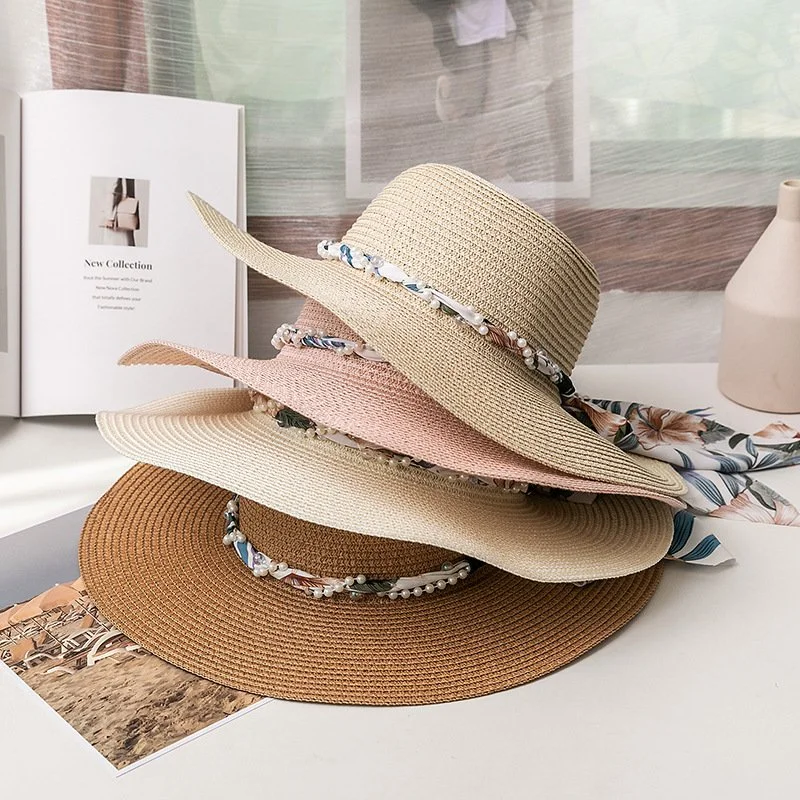
- Broad brim provides excellent sun protection, useful if the parade is held in a warmer region.
- Adjustable dome crown ensures a comfortable, secure fit without slipping.
- Straw material is not windproof or insulating, making it unsuitable for cold November temperatures.
Neckwear: Scarves and Neck Gaiters
Your neck is a major source of heat loss. A scarf or neck gaiter creates a barrier against wind. A long scarf can be wrapped multiple times around the neck and tucked into the jacket for extra security. A neck gaiter is a stretchy tube of fabric that fits snugly around the neck and can be pulled up over the nose and mouth if the wind is severe. Both options are easy to remove and reattach if you move from outdoor to indoor spaces.
For a versatile option that covers both the head and neck, the Protect Your Face & Neck from the Sun with Our Breathable Headscarf Is designed for outdoor activities. Made from soft CVC imitation cashmere, it provides warmth and breathability.
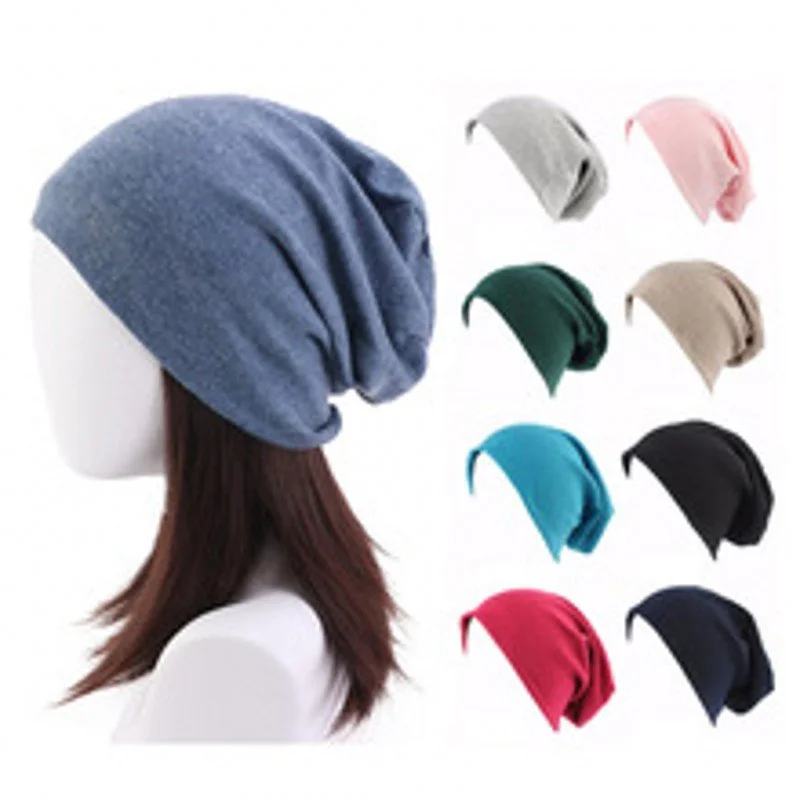
- Soft CVC imitation cashmere material is warm and breathable, suitable for cold weather.
- Available in 13 colors, allowing you to match your outfit or choose a bold statement piece.
- Imitation cashmere may not be as durable as natural cashmere, so handle with care to avoid pilling.
If you prefer a more traditional scarf, the Breathable Summer Scarf for Women, Sunscreen and Versatile Style Is made from lightweight nylon. While designed for summer, its lightweight nature makes it easy to layer under a jacket.
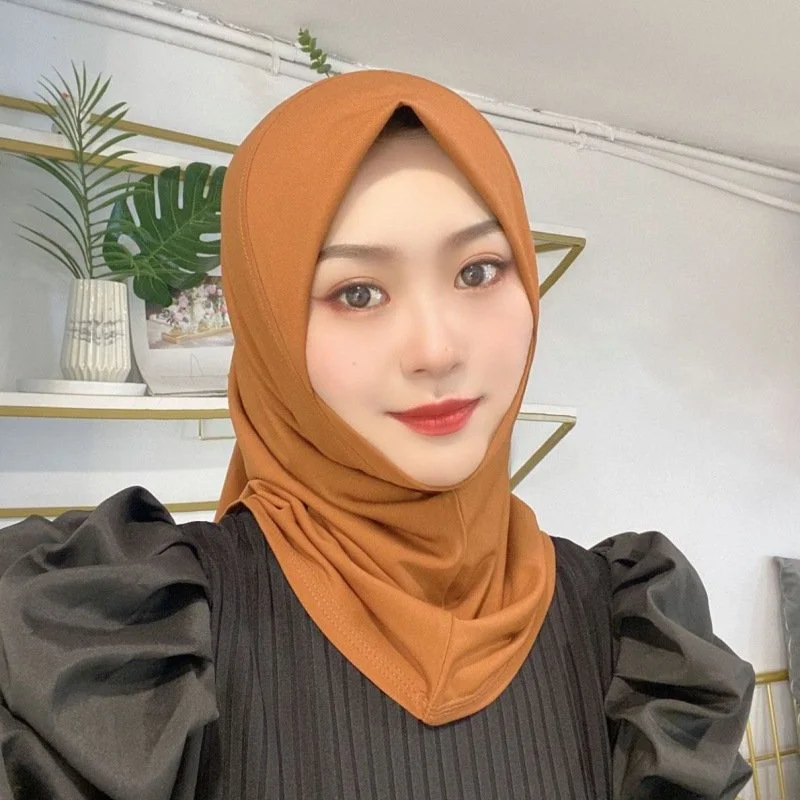
- Lightweight nylon material is easy to layer and dry quickly if exposed to light rain.
- Available in 10 vibrant colors, offering many options to match your sweatshirt and jacket.
- Not insulated, so it provides style and wind blocking but no significant warmth on its own.
Handwear: Gloves and Mittens
Your hands are another critical area for heat retention. Gloves are easier to use for taking photos or handling items, while mittens keep your fingers warmer by allowing them to share heat. For a parade, gloves with a touchscreen-friendly tip are practical. Look for gloves made from wool or a synthetic thermal material. If you have cold hands, consider wearing a thin liner glove underneath for extra insulation.
For a unique approach to head and hand protection, the Retro Ear Protection Scarf with Integrated Hat Combines a hat and scarf into one piece. Made from soft acrylic fiber, it is breathable and warm.
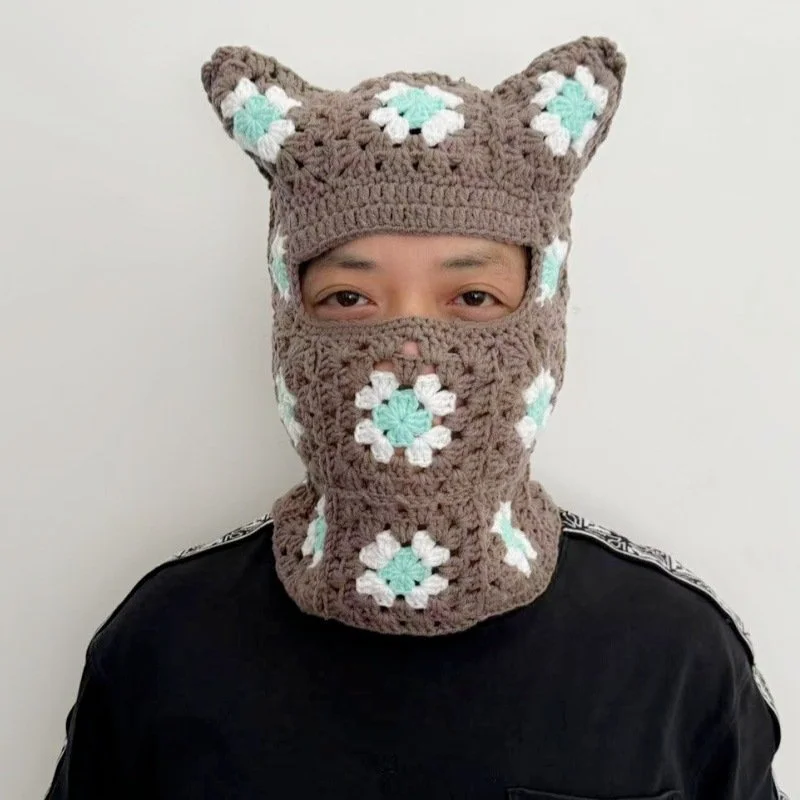
- Integrated hat and scarf design ensures coverage stays in place, reducing the need for adjustments.
- Soft acrylic fiber is warm and breathable, suitable for outdoor activities in cool weather.
- The integrated design may not fit everyone’s head shape comfortably, so check sizing before purchasing.
Product Comparison
When choosing accessories, it is helpful to compare the options based on their specific features. The table below highlights the key attributes of the recommended products to help you decide which best fits your needs.
| Product | Price | Type/Material | Key Options | Best For |
|---|---|---|---|---|
| Sequin Wedding Headscarf | $23.20 | Polyester with sequin lamination | 8 colors, Free Size | Adding glamour and visual interest to a holiday look |
| Floral Broad-Brimmed Straw Sun Hat | $7.12 | Straw with silk scarf | 4 colors, M 56-58cm | Lightweight sun protection in milder climates |
| Breathable Headscarf | $4.76 | CVC imitation cashmere | 12 colors | Cost-effective head and neck coverage for wind protection |
| Breathable Summer Scarf | $12.68 | Lightweight nylon | 10 colors | Layering a lightweight, stylish scarf under a jacket |
| Retro Ear Protection Scarf | $23.88 | Soft acrylic fiber | 4 colors, Average Size | All-in-one head and neck warmth with a retro style |
| Embroidered Scarf & Hat Set | $19.68 | Soft, windproof material | 6 colors, One size | Coordinated, windproof protection for cold winter days |
The Stay Warm in Style with Embroidered Scarf & Hat Set Offers a coordinated look with windproof capabilities. It is designed for cold winter days, making it a strong option for a chilly Thanksgiving parade.
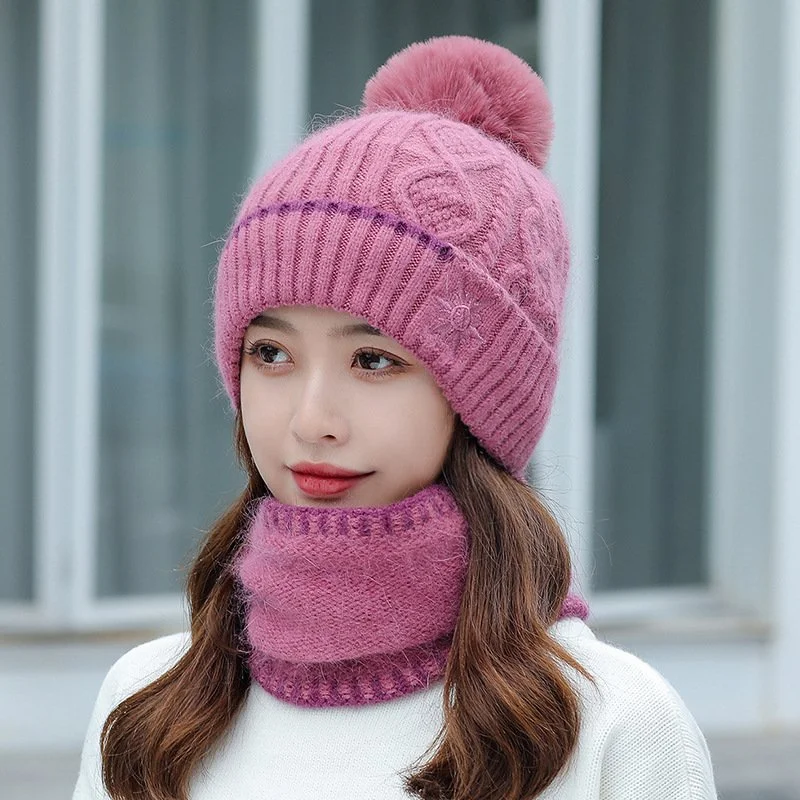
- Windproof and warm, ideal for blocking cold air and retaining heat during long outdoor events.
- Matching scarf and hat ensure a cohesive, stylish appearance without mixing patterns.
- One-size-fits-all design may not fit everyone perfectly, so check the fit for comfort around the head and neck.
Common Mistakes to Avoid
Even with the right gear, certain mistakes can ruin your comfort. Here are the most common errors to watch out for when dressing for a cold-weather parade.
Wearing Cotton as a Base Layer
Cotton is known as "cotton kills" in extreme cold because it absorbs moisture and holds it against the skin. If you sweat, which is likely as you walk and move, a cotton base layer will keep that moisture close to your body, leading to a rapid drop in core temperature. Always choose synthetic or wool base layers that wick moisture away from your skin.
Ignoring the Wind Factor
Many people focus on the air temperature but forget about wind chill. A 40-degree day can feel like 30 degrees if there is a steady wind. A windproof outer layer is crucial. Without it, the wind will penetrate your clothing and strip away the warm air you have trapped, making you feel much colder than the thermometer suggests.
Choosing Shoes Without Insulation
Fashionable flats or thin-soled boots look great but provide little insulation from the ground. Concrete is a thermal sink, meaning it draws heat away from your feet. Without insulated soles, your feet will cold quickly, and there is no way to warm them up once they are chilled. Always prioritize insulation and sole thickness over style in footwear for long outdoor events.
Overlooking Accessory Functionality
Choosing a hat or scarf that looks good but does not fit well is a common mistake. A hat that slips off or a scarf that blows away is not only annoying but also reduces your warmth. Ensure that your accessories are secure. A hat with a strap or a scarf that can be tucked in will stay in place throughout the event.
Neglecting Breaks for Warmth
Standing in the cold for hours without a break can lead to discomfort. Plan to take short breaks in warmer areas, such as inside a nearby building or a heated tent, if available. Use these breaks to check for moisture and adjust your layers. This simple habit can significantly