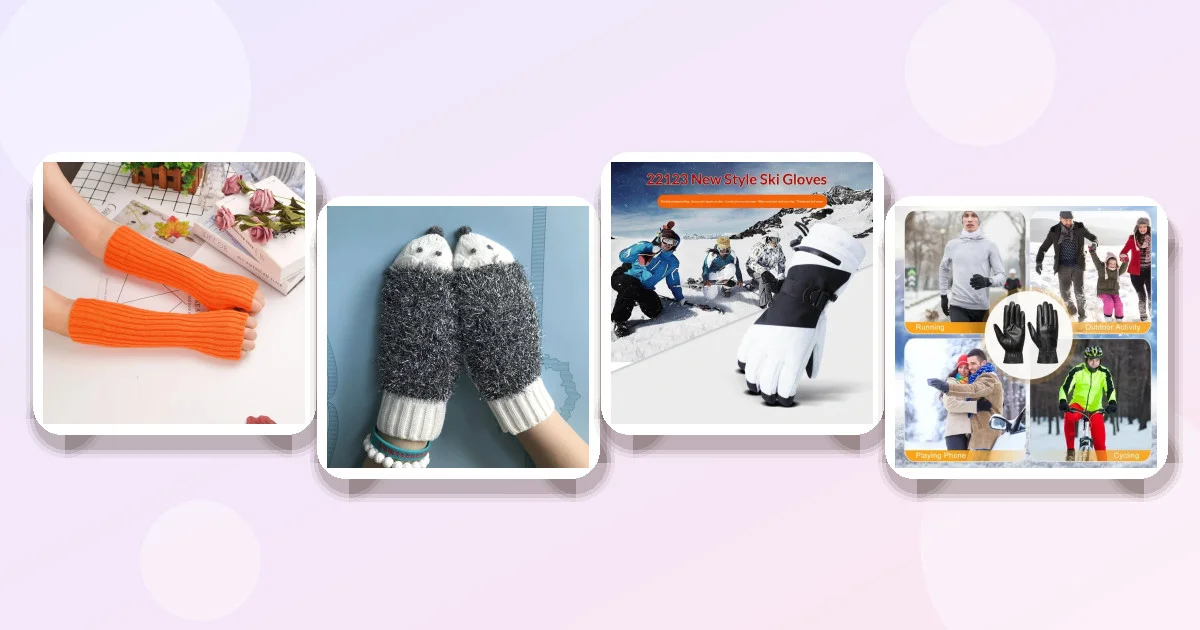
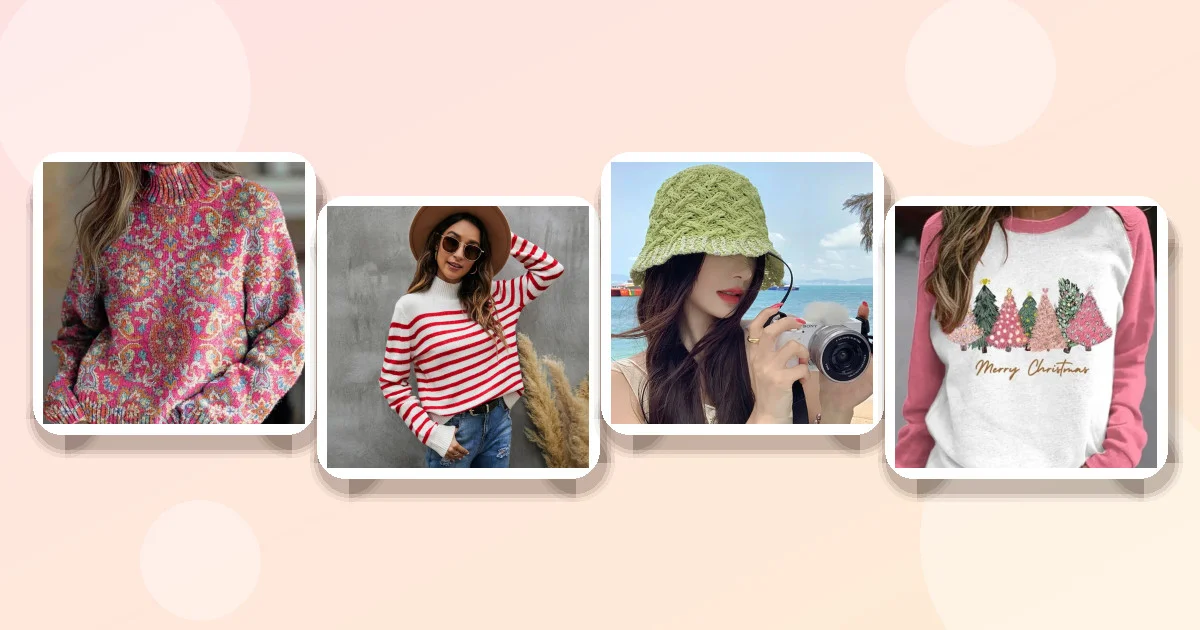
You're planning a weekend trek when the leaves are turning and the mornings are crisp. This guide walks you through the exact details—fabric weight, fit, water resistance, and style—so you can pick sweaters that keep you warm without overheating.
How to choose the right material and weight
For fall hiking you want a sweater that traps heat but lets sweat escape. Acrylic fiber is a good compromise: it feels soft, dries faster than wool, and resists pilling. Polyester blends behave similarly but often feel a bit smoother against the skin.
When the forecast calls for 45‑55°F (7‑13°C), a sweater with a fabric weight of 150‑200 g/m² provides enough insulation without adding bulk. Anything heavier than 250 g/m² can become a radiator once you start moving uphill.
Why breathable matters
Breathability is measured by how much moisture can pass through the knit. A looser stitch (e.g., a “lazy” style) creates tiny channels for air flow, reducing the risk of a sweaty chill when the sun breaks through the canopy.
Water resistance
Pure wool can absorb up to 30 % of its weight in water before feeling soggy. If you expect drizzle, pick a sweater with a polyester outer that sheds light rain, or add a dedicated water‑resistant coat on top.
Sizing and fit for active movement
Asian sizing runs 1–2 sizes smaller than US/EU standards, so always size up if you fall between two sizes. For a hiking sweater, aim for a “roomy but not baggy” silhouette: you should be able to raise your arms above your head without the fabric pulling.
Check the product’s measurement variance (2–3 cm) and remember that screen colors can look different from the actual fabric. If you’re between sizes, choose the larger one to avoid restriction on steep climbs.

Layering strategy: sweater + jacket combo
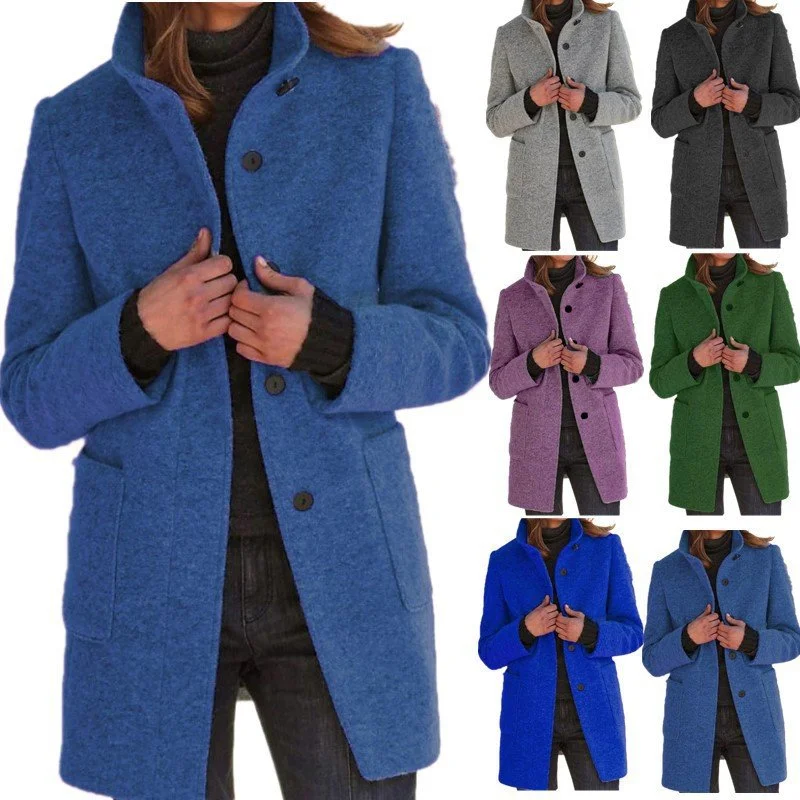
Start with a thin, moisture‑wicking base (a long‑sleeve tee works). Add a mid‑layer sweater for insulation, then finish with a stand‑collar coat that blocks wind and light rain. The coat’s button front lets you open it for ventilation without removing the whole layer.
When the temperature spikes, unzip the coat and pull the sweater up over the zipper to trap residual heat. This “zip‑over‑zip” method lets you adjust warmth in 5‑minute increments.
Product comparison table
| Product | Price | Material | Fit/Size Notes | Best for |
|---|---|---|---|---|
| Stand Collar Woolen Coat | $21.24 | Polyester | Asian sizing 1‑2 sizes smaller; choose larger if between sizes | Women needing a wind‑resistant outer layer |
| Half Finger Guards | $20.84 | Durable non‑slip material | Sizes S‑L; check wrist fit before purchase | Hikers who use trekking poles or need wrist support |
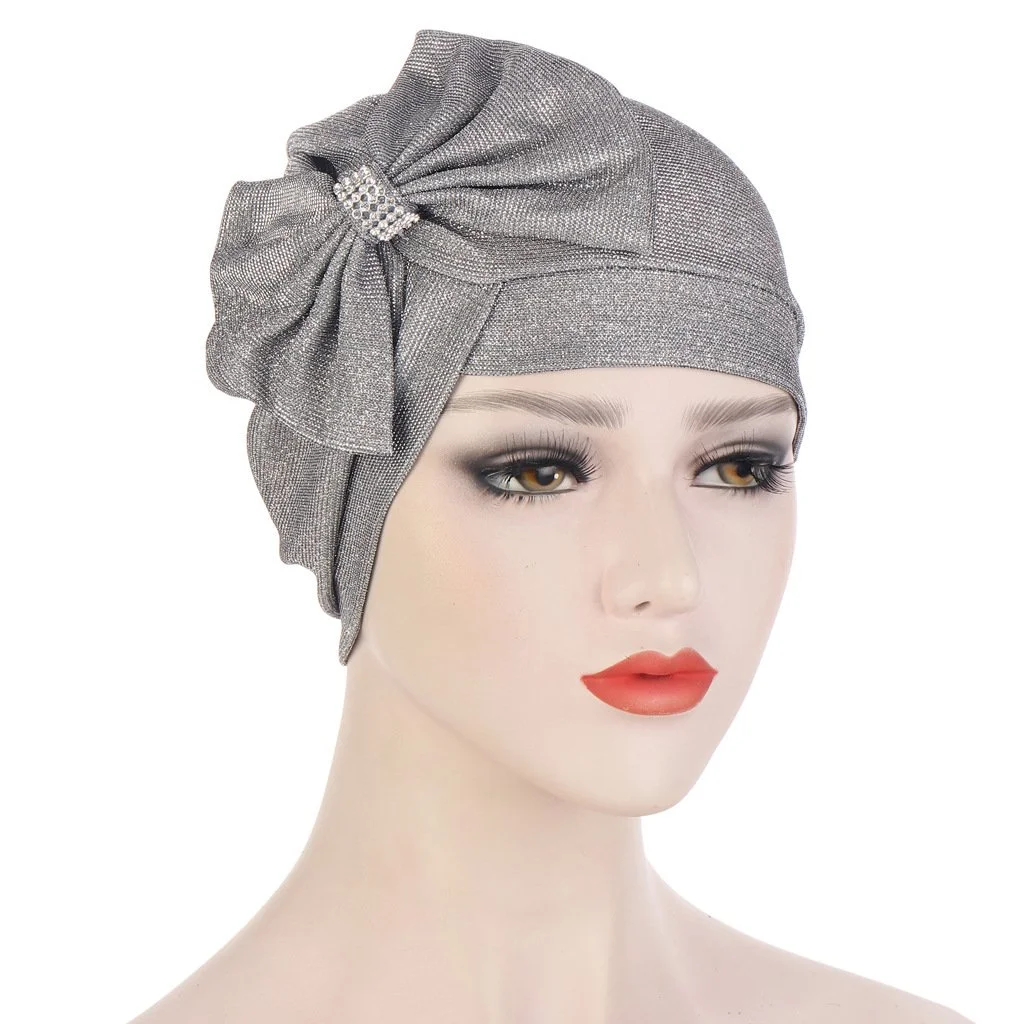
| Cross Bow Headband Hat | $6.96 | Lightweight polyester | One size fits most; color may affect heat absorption | Stylish sun protection on early‑morning hikes |
| Flower Western Pullover | $26.52 | Acrylic fiber | Free size; Asian sizing runs small, size up if needed | Loose, breathable mid‑layer for cool afternoons |
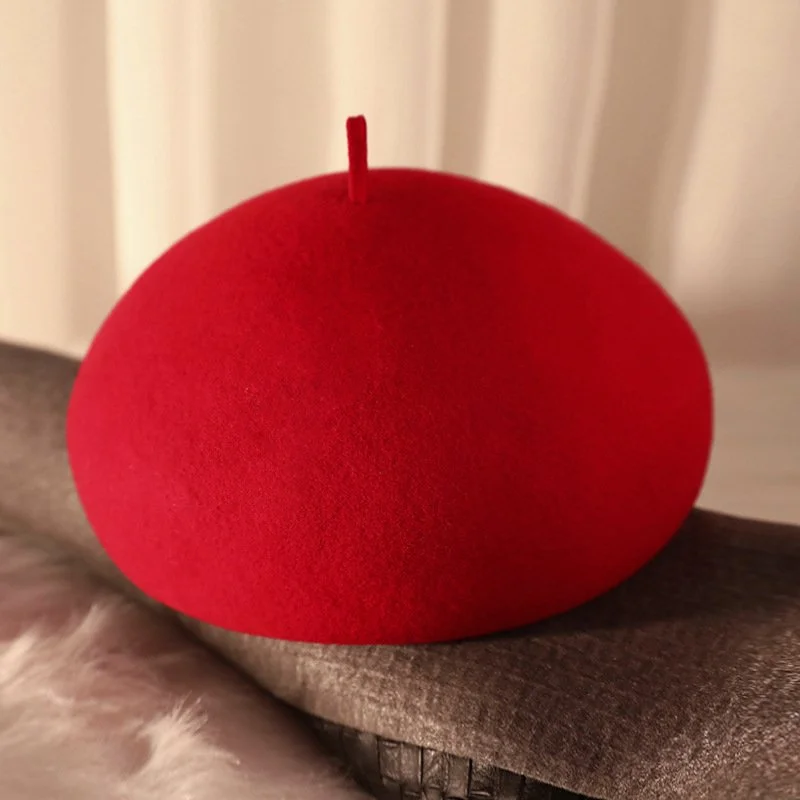
| Warm Wool Beret | $18.92 | Wool | Adjustable; choose darker colors for trail dirt | Extra warmth on chilly evenings at the campsite |
| Solid Color Long‑sleeve T‑shirt | $15.44 | Polyester fiber | US/EU sizes S‑5XL; Asian sizing note applies | Base layer that wicks sweat under sweaters |

Common mistakes to avoid
- Choosing a sweater that’s too tight. A snug fit restricts arm swing and traps moisture, leading to rapid cooling on descents.
- Relying on wool alone for rain. Wool absorbs water; combine it with a water‑resistant outer shell.
- Ignoring color practicality. Bright colors look great in photos but show trail mud quickly; neutral grays or blues hide stains.
- Skipping a base layer. Even a thin polyester tee adds a moisture‑wicking barrier that keeps the sweater dry.
Care, styling, and extra accessories
After a day on the trail, wash acrylic and polyester items in cold water on a gentle cycle. Hang to dry; high heat can shrink the already‑small Asian sizing. Wool accessories like the beret should be hand‑washed or dry‑cleaned to keep the fibers soft.
For style, pair the gray Flower Western Pullover with the Stand Collar Woolen Coat for a layered look that works on the trail and at the cabin. Add the Cross Bow Headband Hat for sun protection, and the Half Finger Guards if you use trekking poles or do a quick yoga stretch at camp.

Frequently asked questions
❓ What type of sweater is best for layering on a fall hike?
A lightweight acrylic or polyester sweater with a loose knit works best; it adds warmth while letting sweat escape. Look for a “lazy” or relaxed style that won’t restrict arm movement.
❓ How thick should a hiking sweater be for October temperatures?
Aim for a fabric weight around 150‑200 g/m². Anything heavier can cause overheating once you’re moving, while lighter fabrics may not keep you warm enough when the wind picks up.
❓ Can I wear a wool sweater while hiking and not overheat?
Yes, if the wool is a fine‑knit, lightweight blend and you pair it with a breathable base layer. Thick, chunky wool will trap heat and sweat, leading to chill later on.
❓ What women's sweaters are water‑resistant for trail use?
Pure wool isn’t water‑resistant, but polyester sweaters—like the Stand Collar Woolen Coat—shed light rain. Combine a water‑resistant outer coat with a breathable mid‑layer for best results.
❓ How to combine a sweater with a jacket for optimal warmth?
Layer a thin base tee, then a mid‑layer sweater, and finish with a wind‑blocking coat. Keep the coat’s zipper partially open for ventilation when you warm up.
❓ Which colors and styles look good on the trail and after the hike?
Neutral tones like gray, navy, or muted earth colors hide dirt and transition well from trail to campsite. Simple patterns (e.g., plant or flower prints) add a touch of personality without being flashy.
❓ Do I need special gloves for hiking in the fall?
If you use trekking poles or do occasional yoga stretches at camp, non‑slip half‑finger guards can protect your wrists and improve grip without overheating your hands.
Key takeaways
- Pick lightweight acrylic or polyester sweaters (150‑200 g/m²) for breathability.
- Size up if you’re between Asian and US/EU sizes; a roomy fit prevents restriction.
- Layer with a moisture‑wicking base, a breathable mid‑layer, and a wind‑resistant coat.
- Neutral colors hide trail dirt and work for post‑hike meals or photos.
- Use accessories (headband hat, wrist guards, wool beret) to fill gaps in warmth and protection.
How we chose these products: We matched each item’s material, price, and sizing notes to the specific needs of fall‑season hiking—warmth, breathability, and easy layering.