Building a fall wardrobe often feels like a balancing act between staying warm and looking polished. You want pieces that work with what you already own, not just new items that sit in the back of the closet. The challenge is finding sweaters that are versatile enough to wear alone in mild weather and layered under jackets in colder snaps. This guide breaks down exactly how to evaluate fit, fabric, and style so you can buy once and wear often. We will look at specific sizing strategies, material choices, and neckline options to help you create a cohesive, functional autumn capsule.
Understanding Fit: Sizing and Silhouette
Fit is the single most important factor in successful layering. A sweater that is too tight will feel restrictive under a jacket, while one that is too loose will create unflattering bulk. The goal is a "relaxed fit" that allows for movement and additional layers without looking like you are wearing a tent. For most women, this means choosing a size up from your standard t-shirt size, but it depends heavily on the specific garment's cut.
The Asian Sizing Factor
Many affordable knitwear brands, particularly those sourcing from manufacturers in Asia, use sizing standards that differ significantly from US or EU norms. If you are buying from international retailers or brands that specify Asian sizing, you must adjust your size choice accordingly. These garments typically run 1 to 2 sizes smaller than their Western counterparts. If you usually wear a US Medium, you may need to select a Large or even an XL in these specific products. Always check the size chart provided with the item. If you are between sizes, the general rule for layering is to choose the larger one. This ensures you have enough room for a base layer underneath without pulling at the seams.
Measuring for Layering
While size charts are helpful, your own measurements provide the most accurate fit prediction. Use a soft measuring tape to check your bust and waist. For a layering sweater, add 2 to 4 inches (5 to 10 cm) to your bust measurement to determine the ideal garment width. This extra space allows for a thin thermal or cotton t-shirt underneath. Also, consider the length. A sweater that ends at the hip bone is ideal because it stays tucked in when you sit down or reach for something. If the sweater is too long, it will untuck easily and look sloppy. If it is too short, it will ride up when you put on a jacket. Most standard pullovers fall in the 50 cm to 65 cm length range, which works for average heights. If you are taller than 5'6", look for options labeled "regular" or "long" to ensure coverage.
Silhouette Matters
The shape of the sweater affects how it drapes. Cropped sweaters are trendy but can be difficult to layer under structured blazers because they expose the midsection. If you prefer a streamlined look, stick to regular or slightly longer hemlines. Oversized sweaters, often marketed with "balloon sleeves" or "drop shoulders," require careful pairing. They look great worn alone or under a long coat, but they can look bulky under a fitted blazer. If you choose an oversized piece, ensure the shoulders do not extend past your natural shoulder line by more than 1 to 2 inches. This prevents the jacket from looking strained at the shoulders.
Fabric Choices: Weight and Material
The material of your sweater determines its warmth, drape, and ease of care. For fall layering, you do not need the heaviest wool. In fact, heavy knits can make you look bulky and are difficult to fit under jackets. Instead, look for mid-weight fabrics that offer warmth without excess volume. Polyester blends are a practical choice for many wardrobes because they are durable, resistant to shrinking, and often easier to care for than natural fibers. They also tend to have a smoother texture, which helps them slide easily under blazers and coats. Wool blends are excellent for warmth but require more careful handling to avoid pilling and felting.
Why Polyester Blends Work for Layering
Polyester fiber is a synthetic material that is widely used in affordable knitwear. It is lightweight and drapes well, making it ideal for V-neck pullovers that sit close to the body. Because it is less prone to stretching out than some natural fibers, it maintains its shape better over time. This is particularly useful if you plan to wear the sweater frequently. However, polyester is less breathable than cotton or wool, so it may feel warmer in mild weather. If you live in a region with chilly but not freezing autumns, a polyester sweater is a versatile option. It is also generally machine washable, which is a significant advantage for a daily wear item. Check the care label to confirm washing instructions, as some blends may require cold water and gentle cycles.
Wool and Blends for Cooler Days
Wool provides natural insulation and breathability. For layering, look for fine-gauge knits made from merino wool or wool blends. These are thinner and lighter than chunky cable knits, making them easier to fit under outerwear. A mid-weight wool sweater traps heat effectively without adding bulk. If you are sensitive to the itchiness of pure wool, look for blends that include acrylic or polyester. These synthetic fibers make the fabric softer and more affordable. Note that wool requires air drying and should not be put in a dryer, as heat can cause shrinking. If you are not willing to hand wash or air dry, a synthetic or blend may be a more practical choice for your lifestyle.
Weight and Gauge
The "gauge" of a knit refers to the number of stitches per inch. A higher gauge means a finer, tighter knit, which is better for layering because it is thinner. A lower gauge means a chunkier, looser knit, which is better for standalone wear. When shopping, look for descriptions that mention "fine knit," "slim fit," or "lightweight." Avoid terms like "chunky," "cable knit," or "oversized" if you plan to wear the sweater under a blazer or suit jacket. The fabric should be thin enough to drape smoothly over your torso without creating lumps or bumps.
Neckline Guide: What Works Under Layers
The neckline of your sweater determines how it interacts with the collar of your jacket or the neckline of the shirt underneath. Choosing the right neckline ensures a clean, professional look and prevents fabric bunching. The two most versatile necklines for layering are the V-neck and the crew neck. Each has specific advantages depending on what you are wearing underneath.
The V-Neck Advantage
The V-neck is often considered the most versatile neckline for layering. It creates a vertical line that elongates the neck and torso, making it flattering for many body types. When you wear a V-neck sweater under a blazer or cardigan, the V shape allows the collar of the shirt or blouse underneath to peek through. This adds visual interest and breaks up the solid color of the sweater. It also prevents the turtleneck effect, where fabric bunches up at the neck. If you are wearing a collared shirt, the V-neck ensures the collar sits flat and visible. If you are wearing a simple t-shirt, the V-neck adds a bit of structure. Look for V-necks that are not too deep, as a plunging neck can look unprofessional in some settings. A moderate V is ideal for office and casual wear.
The Crew Neck Simplicity
The crew neck is a classic, rounded neckline that sits at the base of the neck. It is a safe choice for layering because it works with most collars and jackets. A crew neck sweater can be worn over a t-shirt or under a blazer without any issues. However, if you are wearing a turtleneck underneath, a crew neck may create a tight, stacked look at the neck. This can be uncomfortable and may look bulky. If you prefer the crew neck, ensure it is not too tight. A relaxed crew neck that sits slightly lower on the neck is easier to layer than a high, tight mock neck. Crew necks are also great for wearing alone, as they provide full coverage without exposing the collarbone.
Other Neckline Considerations
Scarf necks and mock necks are popular for warmth but can be tricky for layering. They add volume at the neck, which can make it difficult to fit a jacket collar over them. If you like the look of a mock neck, consider wearing it as the outer layer rather than under a blazer. Henley necks, which feature a few buttons, offer a casual alternative to the crew neck. They allow for some ventilation and can be layered over a t-shirt for a relaxed look. However, they are less formal than a V-neck or crew neck, so they may not be suitable for all professional settings. Choose your neckline based on the types of outerwear and inner layers you already own. If you have many blazers, a V-neck is likely your best bet. If you have many hoodies or casual jackets, a crew neck may be more flexible.
Product Comparison and Recommendations
Based on the specific products available, here is how they fit into a layering strategy. Each option serves a different purpose, from casual daily wear to specific styling needs. We have selected these items based on their price point, available sizes, and versatility for fall layering.
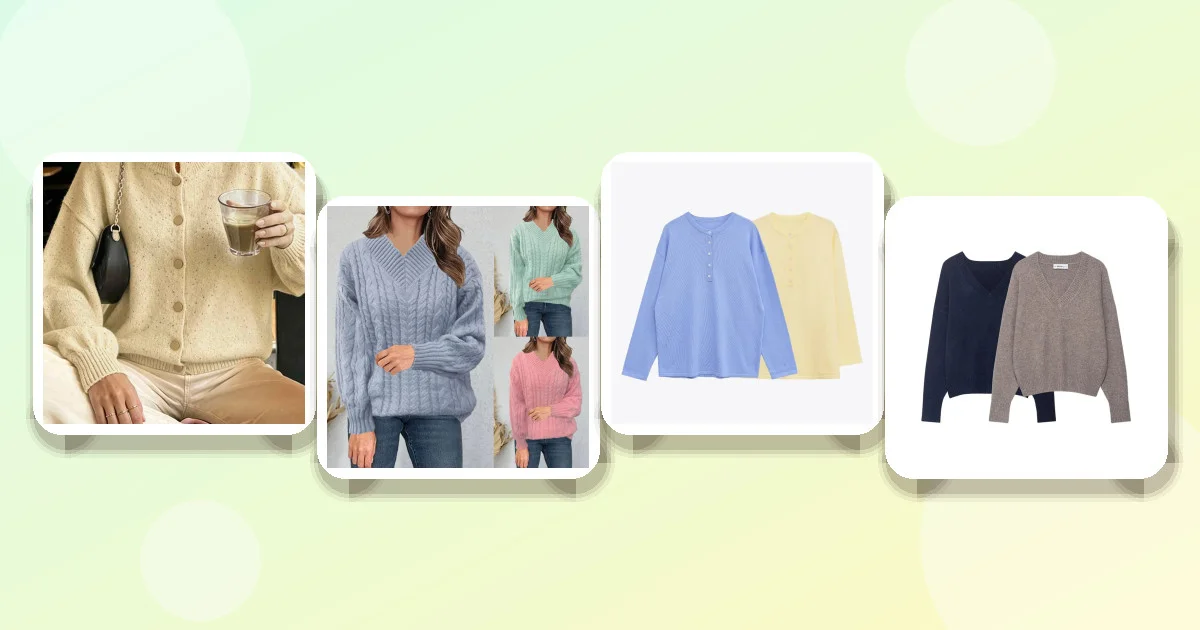
1. Women Vintage Crew Neck Speckled Knit Cardigan Oversized Balloon Sleeve Button Sweater
This cardigan features a speckled knit design and balloon sleeves, giving it a vintage, relaxed aesthetic. It is a pullover-style cardigan with buttons, allowing you to adjust the fit and ventilation. The speckled pattern adds visual texture, making it a statement piece that can stand on its own or layer over simple tops. The balloon sleeves add volume to the arms, which can be flattering for those who want to add shape to their silhouette.
Speckled Knit Cardigan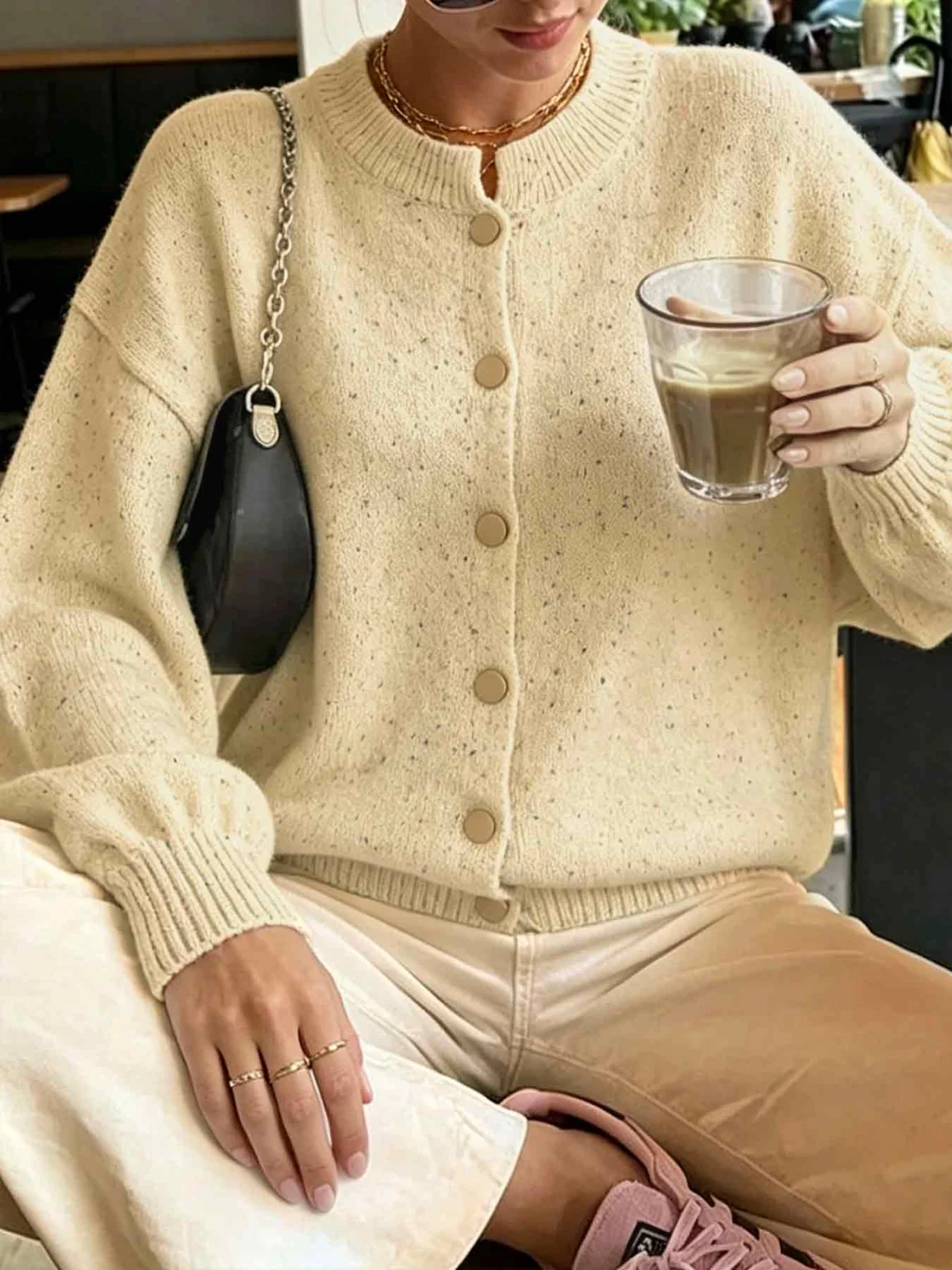
- Pro: The speckled pattern adds visual interest and hides minor wrinkles or snags better than solid colors.
- Pro: The button front allows for adjustable fit and ventilation, making it adaptable to changing temperatures throughout the day.
- Con: The balloon sleeves may add bulk under fitted blazers, so it is best paired with looser outerwear or coats.
2. Women's Autumn and Winter New Long-sleeved Knitted V-neck Pullover Sweater
This is a standard long-sleeved pullover with a V-neck design. It is made from polyester fiber, which makes it durable and easy to care for. The V-neckline is ideal for layering over collared shirts, as it allows the collar to show through. The solid color options (green, blue, pink) are versatile enough to match with neutral bottoms and jackets. The fit is likely standard for Asian sizing, so check the size chart carefully.
V-neck Pullover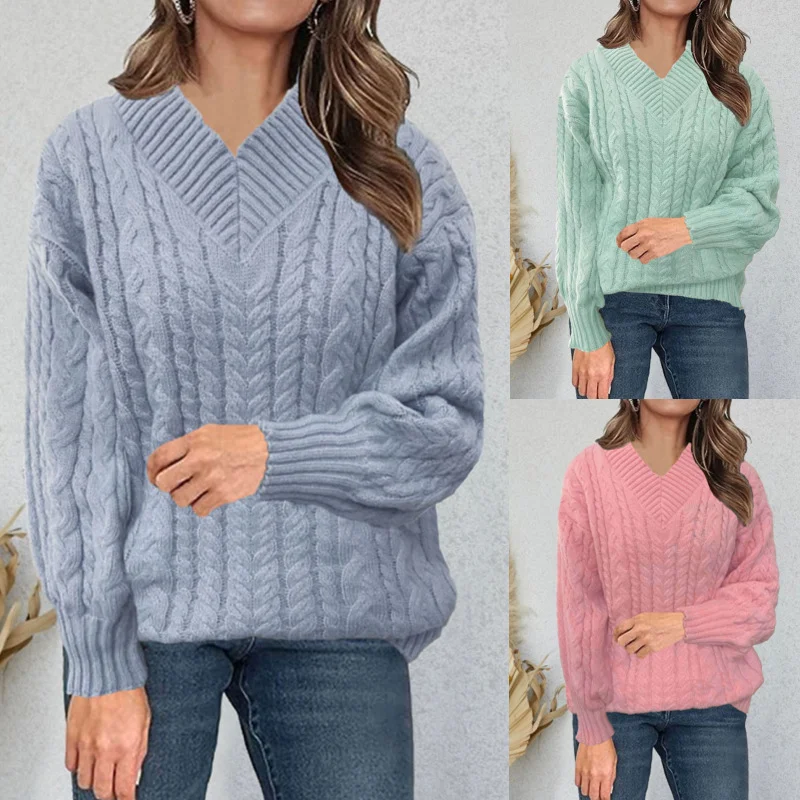
- Pro: The polyester material is resistant to shrinking and maintains its shape well after washing, ensuring a consistent fit over time.
- Pro: The V-neck design is highly versatile, working easily with both casual and semi-formal inner layers.
- Con: Polyester is less breathable than natural fibers, so it may feel warm in mild fall weather. Check sizing as it runs small.
3. Chic V-Neck Colorblock Knit Cardigan Sweater
This cardigan features a colorblock design with trendy stripes, adding a modern touch to your fall wardrobe. It is a cozy knit designed for layering on cool days. The V-neckline and open-front design make it easy to wear over a variety of tops. The colorblock pattern can make your torso appear slimmer by creating vertical lines. It is a stylish option for those who want to add a pop of color to their outfit without wearing a bright-colored top.
Colorblock Cardigan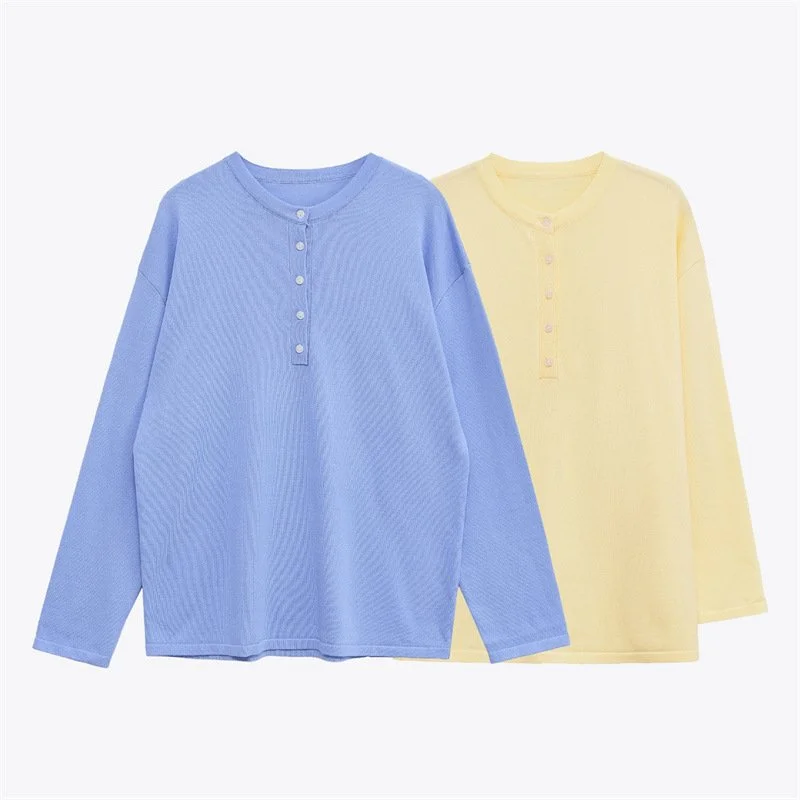
- Pro: The colorblock stripes create a slimming vertical effect, which is flattering for many body types.
- Pro: The open-front design allows for easy adjustment of warmth and ventilation, making it suitable for variable fall temperatures.
- Con: Patterned pieces can be harder to match with other bold prints, so it works best with solid-colored inner and outer layers.
4. Pure and Alluring Sweater Womens Autumnwinter Long-sleeve Soft V-neck Knit Top
This is a soft, V-neck knit top available in neutral colors like khaki and navy blue. It is designed for autumn and winter wear and features a regular length. The soft material suggests a comfortable fit, and the V-neck makes it ideal for layering. The neutral color palette ensures it can be paired with almost any other item in your wardrobe. The regular length (50cm to 65cm) is standard for most heights, ensuring it stays tucked in when needed.
Soft V-neck Knit Top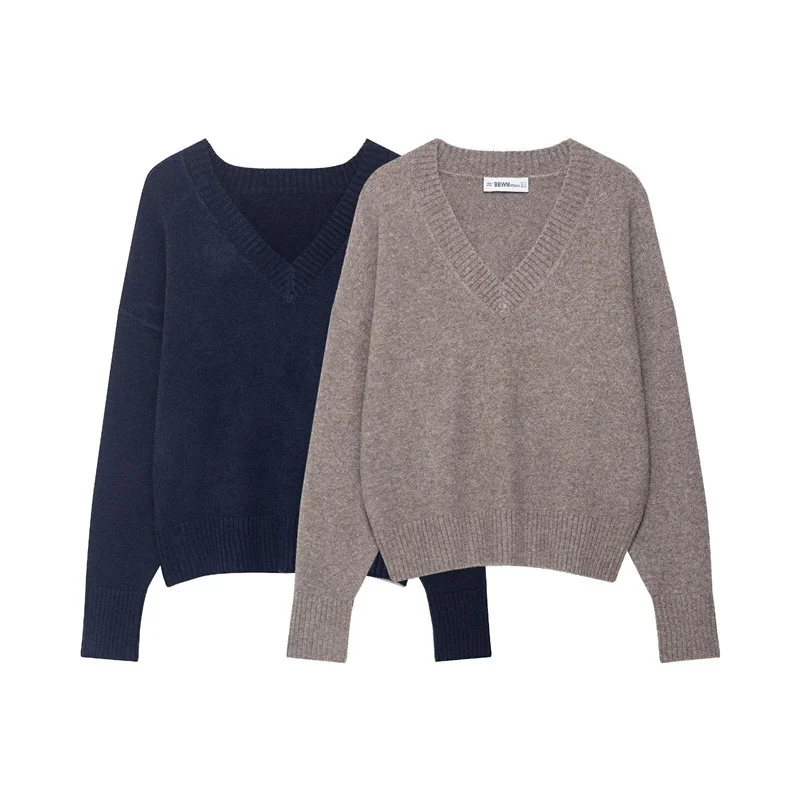
- Pro: The neutral colors (khaki, navy) are highly versatile and can be paired with almost any bottom or outerwear.
- Pro: The soft material and regular length provide comfort and a clean look, ideal for both office and casual settings.
- Con: Limited size range (S, M, L) may not accommodate all body types, so check the specific measurements before purchasing.
5. V-neck Short-sleeved Solid-color Knit Sweater
This is a short-sleeved V-neck sweater, which is less common for traditional fall layering but can be useful for transitional weather. It is a solid color knit top that can be worn over a long-sleeve t-shirt or thermal for added warmth. The short sleeves allow for a layered look where the sleeves of the inner layer are visible. This style is best for mild fall days when you want the look of a sweater without the bulk of long sleeves.
Short-sleeved Knit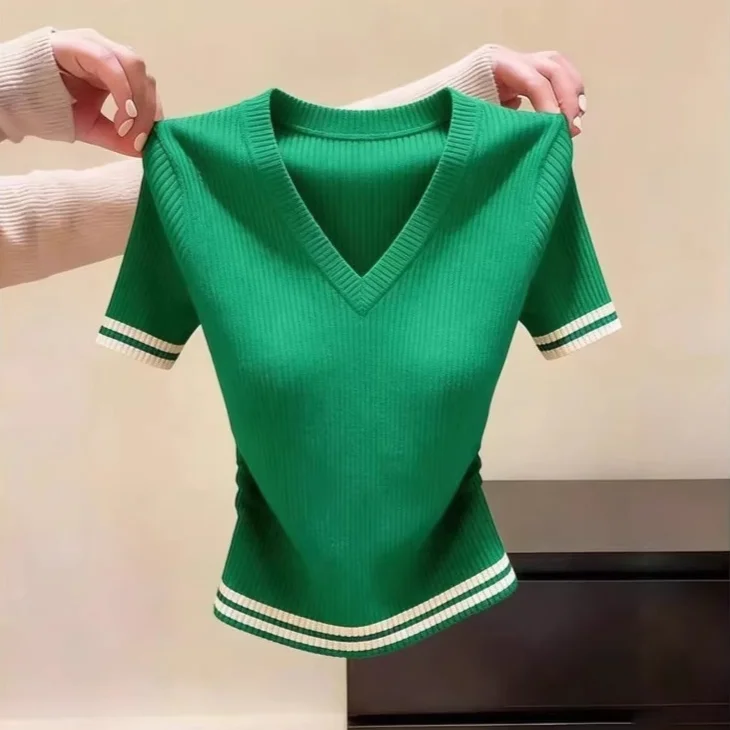
- Pro: The short sleeves allow for visible layering of inner tops, adding texture and interest to the outfit.
- Pro: Ideal for transitional weather when long sleeves are too warm but a t-shirt is too cool.
- Con: Not suitable for colder fall days unless worn over a thick thermal, which can create bulk at the shoulders.
6. Sequined Knitted Pullover Round Neck Stitching Flower Fashion Sweater
This pullover features a round neck and sequined stitching with a flower design. It is a fashion-forward piece that adds sparkle and texture to your outfit. The round neck is a classic style that works well under jackets. The sequins catch the light, making it a great option for evening wear or special occasions. It is a statement piece that can improve a simple outfit.
Sequined Pullover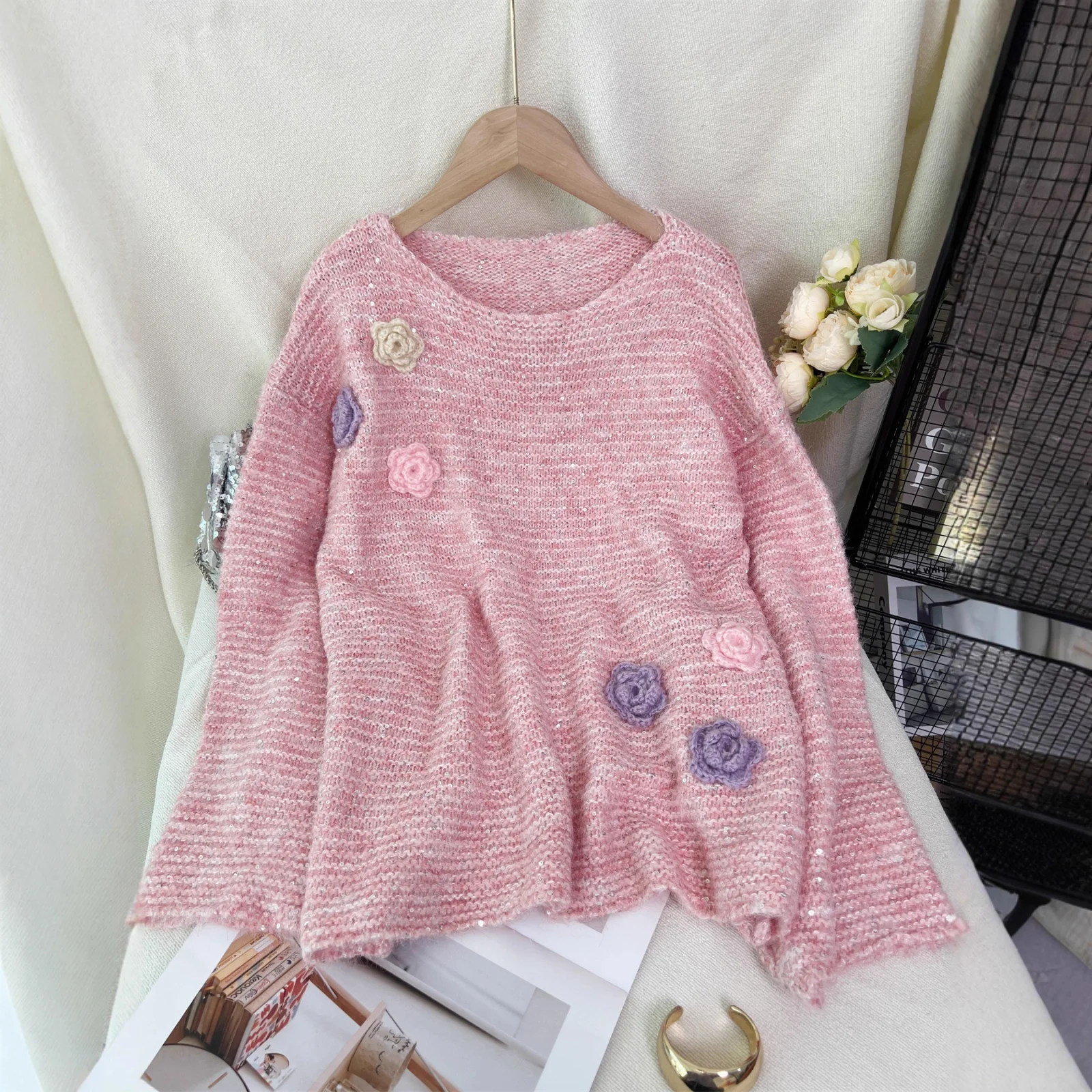
- Pro: The sequined details add a festive, glamorous touch that makes it stand out in a crowd.
- Pro: The round neck is a classic, clean line that pairs well with various necklines underneath.
- Con: Sequins can be delicate and may snag on rough fabrics or jewelry, so it requires careful handling and storage.
Common Mistakes to Avoid
Even with the right products, poor layering techniques can ruin an outfit. Here are the most common mistakes women make when building their fall wardrobe and how to avoid them.
Ignoring Sizing Differences
The most frequent error is buying a sweater in your usual size without checking the specific brand's sizing chart. As mentioned, many international brands run 1-2 sizes smaller. If you buy a Medium in a brand that runs small, it may fit like an XS. This leads to a tight, uncomfortable fit that cannot accommodate a base layer. Always measure yourself and compare it to the garment's measurements. If you are between sizes, go up. A slightly loose sweater can be styled with a belt or tucked in, but a tight one cannot be fixed.
Choosing Heavy Knits for Blazer Layering
Many women buy chunky cable knits because they look warm and cozy. However, these sweaters are too thick to fit under a blazer. The fabric bunches up, creating lumps and pulling the jacket tight. If you plan to wear a sweater under a structured jacket, choose a fine-gauge, mid-weight