Walking to the train station or sitting in a parked car in the morning chills your body faster than you expect. By the time you reach your destination, you are often either freezing or sweating through your layers, ruining your outfit before the workday even begins. The right sweater solves this by providing insulation that traps heat without adding excessive bulk. This guide walks through the specific fabric weights, fit measurements, and style choices that work best for daily commuting in cold climates. You will learn how to avoid the "swim-in-your-own-sweat" phenomenon and how to maintain a polished look when you arrive at work or school.
- Understanding Weight: Light, Mid, and Heavy Knits
- Fit Strategies for Layering Without Bulk
- Material Guide: What Actually Keeps You Warm
- Style Selection: Turtlenecks, Cardigans, and Pullovers
- Product Comparison and Recommendations
- Common Mistakes to Avoid
- Care and Styling Tips for Daily Wear
- Frequently asked questions
- Key takeaways
Understanding Weight: Light, Mid, and Heavy Knits
Weight is the single most important factor in determining whether a sweater will overheat you or fail to keep you warm. In knitting, weight refers to the thickness of the yarn and the density of the stitch, not just the final size of the garment. For commuting, you need to match the weight to your specific transit method and the ambient temperature.
Lightweight Knits (1-2 Ply)
Lightweight sweaters are best for mild cold or as a base layer under a heavy coat. They are thin enough to fit under a blazer or a fitted jacket without creating visible lines. However, they offer minimal insulation on their own. If you walk outdoors in temperatures below 40°F (4°C), a lightweight sweater alone will not be sufficient. It works best when paired with a thermal base layer. The structure is usually a fine gauge, which means it drapes well but lacks the air pockets needed for significant warmth.
Midweight Knits (3-4 Ply)
This is the sweet spot for most commuters. A midweight sweater provides enough insulation for outdoor walking in temperatures between 20°F and 40°F (-6°C to 4°C) when layered with a coat. The yarn is thick enough to trap air but not so thick that it creates a bulky silhouette. This weight is versatile because it can be worn alone in milder office environments or layered under a coat for the commute. The stitch pattern is often a ribbed or stockinette stitch, which offers some stretch and flexibility. This range is ideal for daily wear because it balances warmth with a professional appearance.
Heavyweight Knits (5+ Ply / Chunky)
Heavyweight or chunky knits are designed for extreme cold or stationary use. They are thick, warm, and often feature large cable or brioche stitches. While they look cozy, they are rarely practical for a daily commute unless you are walking in sub-zero temperatures and have a very spacious coat. Under a coat, a chunky sweater creates significant bulk, making it difficult to button or zip your outerwear. It can also cause overheating quickly once you are indoors. If you choose a heavyweight sweater, ensure it is loose enough to move comfortably and that your coat has enough room to accommodate the extra volume.
Fit Strategies for Layering Without Bulk
The goal of a commute sweater is to create a barrier against the cold without adding unnecessary volume. Fit is as critical as fabric. A sweater that is too tight will compress the air pockets inside the knit, reducing its insulating properties. A sweater that is too loose will let cold air circulate freely around your body. You need a fit that is relaxed but structured.
The "Hand Test" for Sizing
When trying on a sweater for layering, perform the hand test. Slip your hand between your chest and the sweater. If you can fit your whole hand easily, the sweater is too loose and will not trap heat effectively. If you cannot insert your fingers at all, it is too tight and will restrict movement and circulation. The ideal fit allows you to slide two fingers comfortably between your body and the fabric. This provides enough space for a thin thermal layer if needed, while still maintaining contact with the fabric to retain body heat.
Sleeve Length and Cuffs
Sleeve length is often overlooked but is crucial for warmth. Sleeves should reach the base of your thumb, not the middle of your wrist. If the sleeves are too short, cold air enters at the wrists, which are small but highly sensitive to temperature changes. Look for ribbed cuffs that hug the wrist snugly. They act as a seal, preventing warm air from escaping and cold air from entering. If you are wearing a coat, ensure the sweater sleeves are not so long that they bunch up under the coat sleeves, as this creates pressure points and can cause discomfort over several hours.
Shoulder Seams and Mobility
Check the placement of the shoulder seams. They should sit exactly at the end of your shoulder bone, not slide down your arm. If the seams drop onto your upper arm, the sweater is too large and will shift when you move, exposing your shoulders to the cold. If the seams are too short, they will pull when you raise your arms, which is common when holding a phone or bag. A well-fitted shoulder seam stays in place regardless of your posture, ensuring consistent coverage.
Material Guide: What Actually Keeps You Warm
Not all fibers are created equal. The material of your sweater determines how it manages moisture, how it retains heat, and how it feels against your skin. For commuting, you need a material that balances insulation with breathability.
Wool and Wool Blends
Merino wool is the gold standard for cold weather. It is naturally insulating, moisture-wicking, and odor-resistant. This makes it ideal for all-day wear. If you sweat during a walk, merino pulls the moisture away from your skin, helping you stay dry. However, pure wool can be itchy for some people. Look for "soft" or "baby" alpaca blends or merino blends with a high micron count (lower micron count means softer). Wool is also durable and resists pilling better than many synthetic fibers.
Cashmere
Cashmere is incredibly warm and lightweight. It is perfect for those who want maximum warmth without bulk. However, it is fragile and requires careful care. It pills easily and can lose its shape if stretched. It is also more expensive. For a daily commute where you might be sitting in a car or on a train, cashmere is a luxury option that stays warm but may not hold up to heavy daily wear over time. It is best reserved for days when you are not active outdoors.
Synthetic Blends (Acrylic, Polyester, Nylon)
Synthetic fibers are affordable, easy to care for, and often hypoallergenic. They are lightweight and dry quickly. However, they do not breathe as well as natural fibers. This can lead to overheating and sweating, which can make you feel clammy when you cool down. Modern blends often combine synthetics with natural fibers to improve breathability. If you choose a synthetic sweater, look for moisture-wicking technology in the description. Avoid 100% acrylic if you tend to run hot, as it traps heat and moisture effectively.
Cotton
Cotton is comfortable but a poor choice for cold commuting. It absorbs moisture and holds onto it, which means if you sweat, you get cold and wet. Cotton does not insulate when wet. It is best reserved for indoor wear or mild weather. If you are commuting in cold rain or snow, avoid cotton sweaters as a primary layer.
Style Selection: Turtlenecks, Cardigans, and Pullovers
The style of your sweater affects how you layer it and how it looks in professional settings. Each cut has specific advantages for commuting.
Turtlenecks
Turtlenecks are the most practical style for cold commutes. They cover the neck, a major area of heat loss. They look polished under coats and blazers. A classic turtleneck transitions easily from the street to the office. Choose a height that covers the lower part of your chin for maximum warmth. If you prefer a lower profile, a mock neck offers similar coverage with a slightly more casual look. Ensure the neckband is not too tight, as it can leave marks or feel constricting after hours of wear.
Cardigans
Cardigans offer versatility. You can button them up for extra warmth or unbutton them to reveal a base layer. They are easy to remove quickly if you enter a warm building. Front-opening cardigans are easier to put on and take off than pullovers when you are cold and your fingers are stiff. Look for a cardigan with a sturdy button placket that can withstand daily use. A longer cardigan can cover your midsection for added warmth when seated.
Pullovers
Pullovers are seamless in the front, which creates a clean, streamlined look. They are easier to find in fitted cuts than cardigans, making them better for a tailored silhouette. However, they require you to lift your arms to put them on, which can be awkward if you are carrying a heavy bag. Pullovers are best for days when you do not need to adjust your layers frequently. They are also less likely to snag on coat zippers or buttons.
Product Comparison and Recommendations
The following products are selected to cover different needs, budgets, and styles. They vary in price, material, and fit, allowing you to choose the option that best matches your climate and wardrobe.
| Product | Price | Type/Material | Sizing/Options | Best For |
|---|---|---|---|---|
| Womens Turtleneck Sweater Cardigan | $31.16 | Knitted Outerwear (Material not specified) | S-3XL, 3 Colors | Budget-friendly turtleneck for layering |
|
Loose-fitting Turtleneck Pullover
⭐ Editor's pick
|
$82.92 | Knit Sweater (Material not specified) | One Size, 9 Colors | Statement piece with wide color range |
|
Cozy Oversized Winter Knit Sweater
⭐ Editor's pick
|
$24.56 | Thick Knit (Material not specified) | S-2XL, 65 Options | Maximum warmth for very cold days |
|
Women's Casual Knitted Long Cardigan
⭐ Editor's pick
|
$39.12 | Knitted Cardigan (Material not specified) | S-XL, Gray/Pink | Long coverage for seated commutes |
|
Women's Lace Patchwork Cardigan
⭐ Editor's pick
|
$20.88 | Viscose Fiber | S-XL, Black/White | Lightweight, stylish layer for mild cold |
|
Patchwork Loose Sweater Cardigan
⭐ Editor's pick
|
$25.88 | Polyester | S-XL, Khaki/Black | Durable, easy-care casual option |
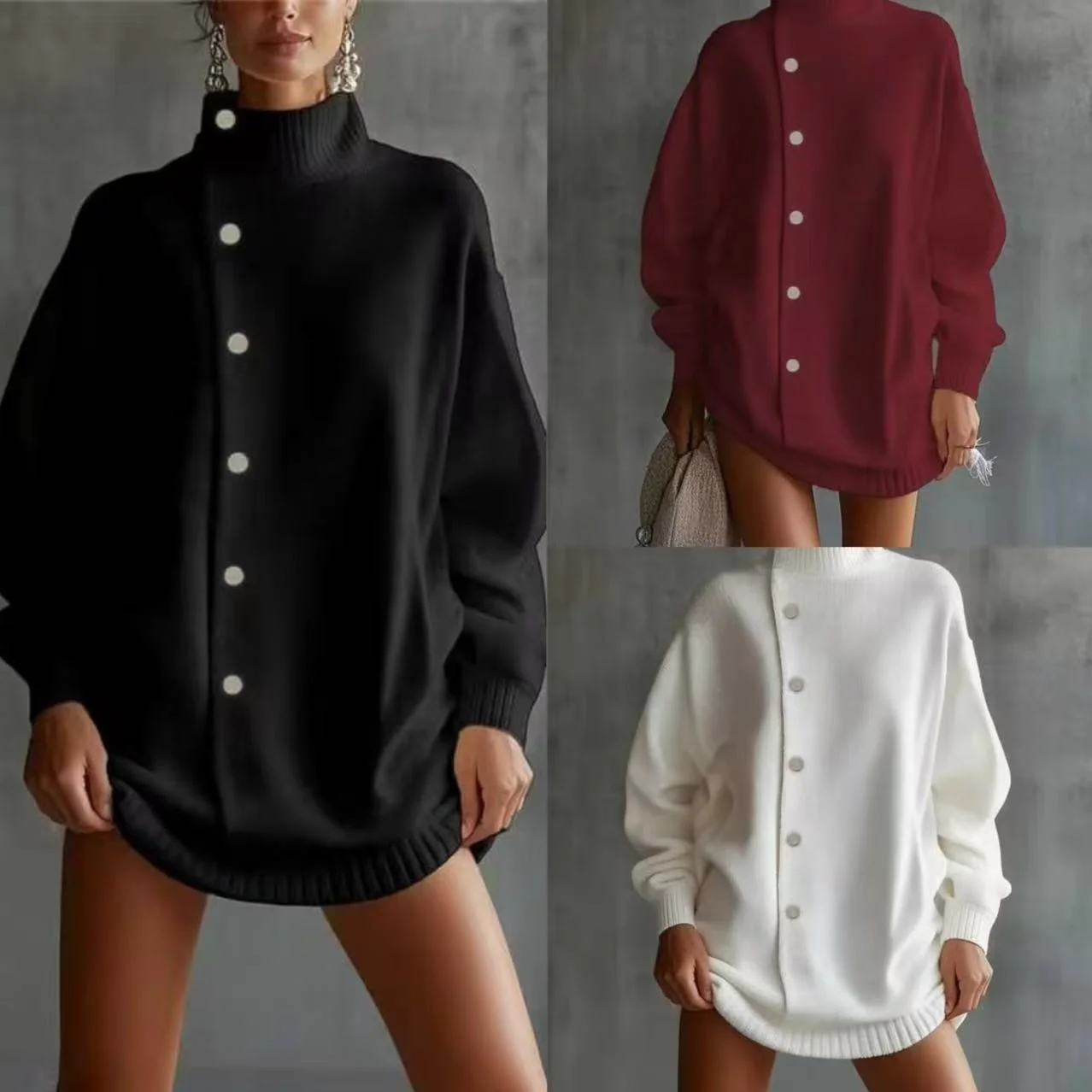
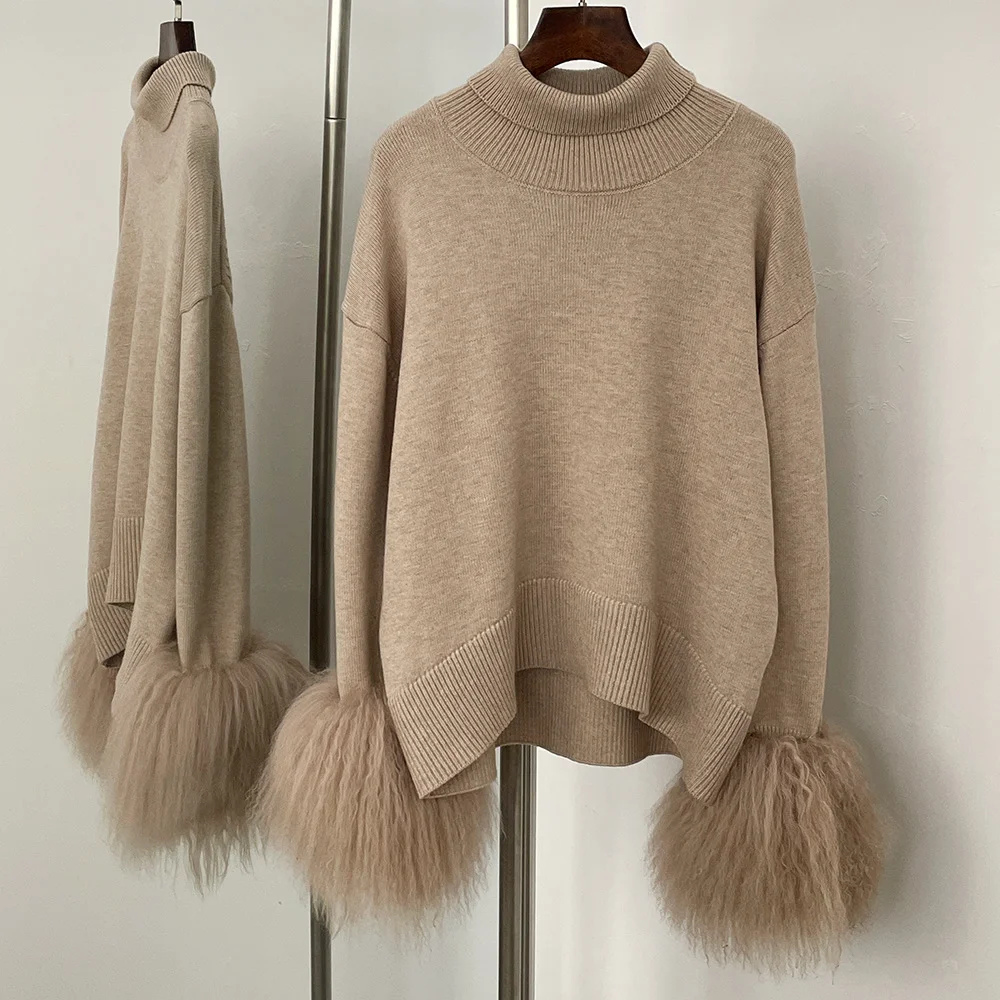
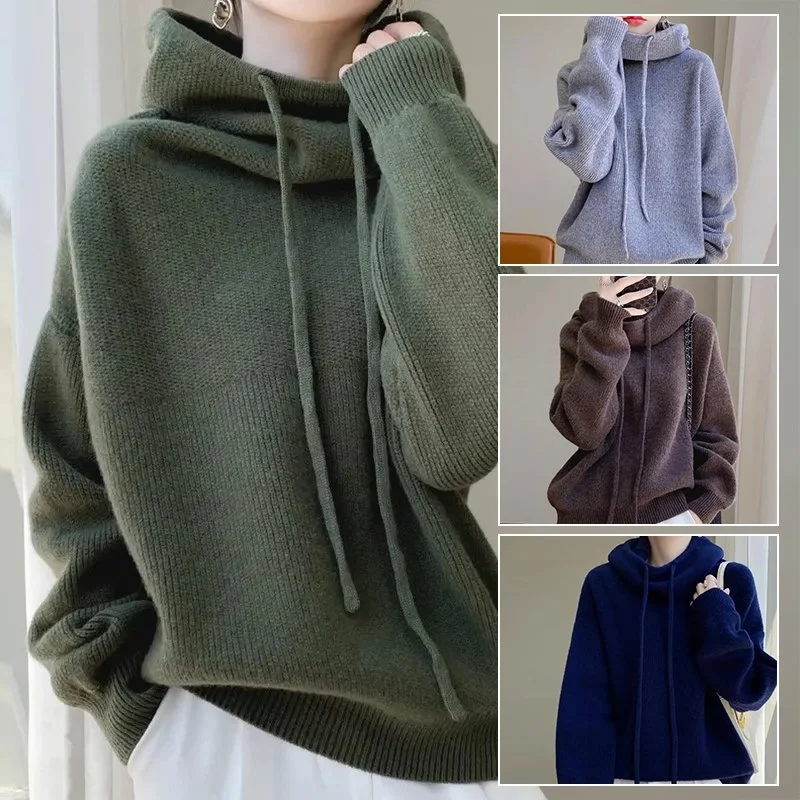
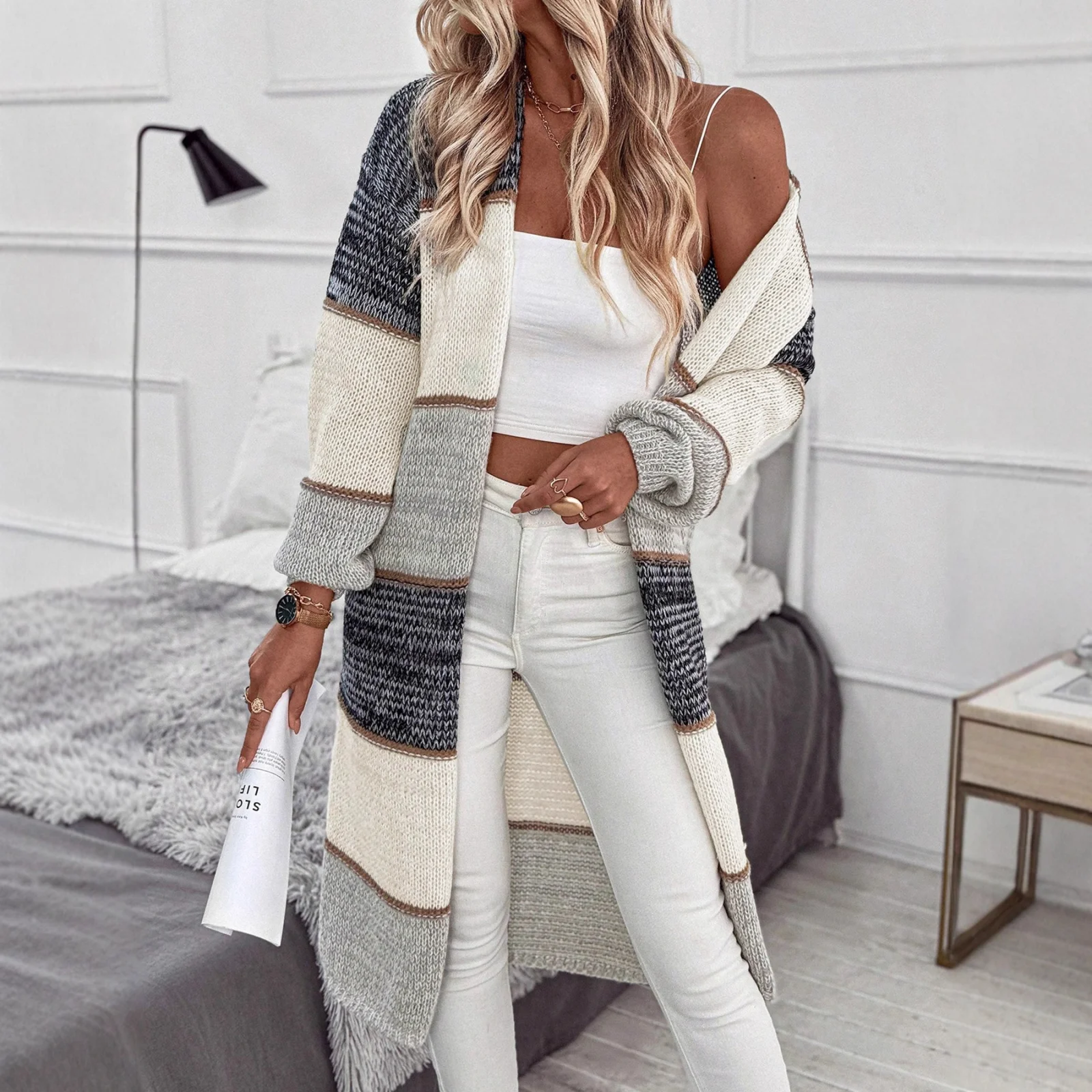
1. Womens Turtleneck Sweater Cardigan Knitted Outerwear for Fallwinter
This is a loose-fit cardigan available in essential colors like black, white, and wine red. It is priced affordably and comes in a wide range of sizes from S to 3XL. The loose fit makes it easy to layer over other tops without feeling constrained.
Best for Women who want a classic turtleneck cardigan for daily office wear on a budget.- Pro: Offers a loose fit that allows for comfortable layering under coats.
- Pro: Available in a wide range of sizes (S-3XL) to fit various body types.
- Con: Specific material composition is not listed, so you should check the product page for fiber content to ensure it meets your warmth needs.
2. Loose-fitting Turtleneck Pullover Knit Sweater for Women
This pullover is a one-size-fits-all option with a loose fit. It comes in nine distinct colors, including neutral tones like camel and gray, as well as bolder shades like angora red and sky blue. The solid color pattern makes it versatile for both work and casual settings.
Best for Shoppers who want a bold color option and prefer a one-size fit for simplicity.- Pro: Offers a wide variety of colors (9 options) to match different wardrobes.
- Pro: One-size-fits-all design simplifies sizing for those who struggle between sizes.
- Con: Being one-size, it may not fit everyone comfortably; check the specific measurements if you are at the extremes of the size range.
3. Cozy Oversized Winter Knit Sweater for Women
This is a thick, oversized knit sweater designed for maximum warmth. It is described as a "cozy, thick knit" and is available in multiple sizes from S to 2XL, with specific weight options like "Thick 750g." The oversized style provides an extra layer of insulation and a relaxed, modern look.
Best for Individuals in extremely cold climates who need heavy insulation and prefer an oversized, casual aesthetic.- Pro: Thick knit construction provides significant warmth for very cold days.
- Pro: Available in a wide range of sizes and specific weight variations (e.g., 750g) for customized fit.
- Con: The oversized and thick design may be too bulky for fitted coats or professional settings that require a streamlined look.
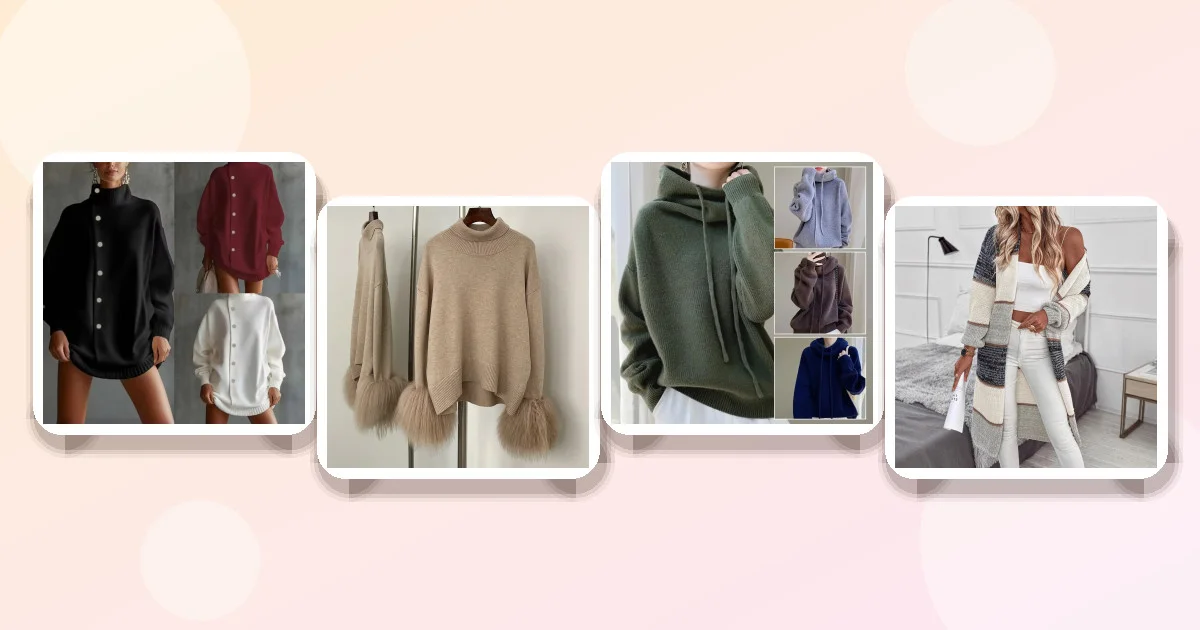
4. Women's Casual Knitted Color Matching Long Cardigan
This long cardigan features a striped or plaid pattern in gray or pink. It is designed for casual wear and offers extended length to cover the midsection. The long sleeves and cardigan style make it easy to adjust your temperature throughout the day.
Best for Women who want extra midsection coverage and prefer a casual, patterned look for daily wear.- Pro: Long length provides additional warmth for the torso when seated.
- Pro: Cardigan style allows for easy adjustment of warmth by buttoning or unbuttoning.
- Con: The patterned design (stripes/plaid) may be less versatile for strict professional environments compared to solid colors.
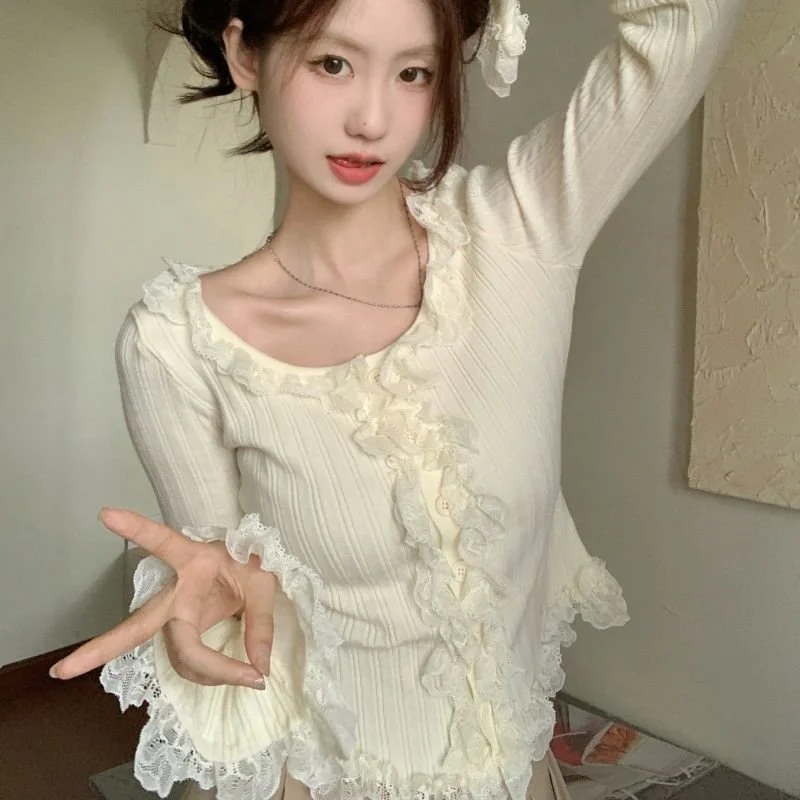
5. Women's Lace Patchwork Black Fungus Edge Knitted Cardigan Jacket
This cardigan is made from viscose fiber and features a lace patchwork design with a slim fit. It is a shorter, normal-length (50cm) piece that adds a delicate, stylish layer. The slim fit makes it suitable for layering under blazers or jackets without adding bulk.
Best for Those in milder cold climates who want a lightweight, stylish layer that fits under structured outerwear.- Pro: Slim fit and short length make it easy to layer under blazers without bulk.
- Pro: Made from viscose, which is often soft and breathable against the skin.
- Con: Viscose and lace details may not provide enough warmth for very cold commutes; best for mild cold or indoor use.
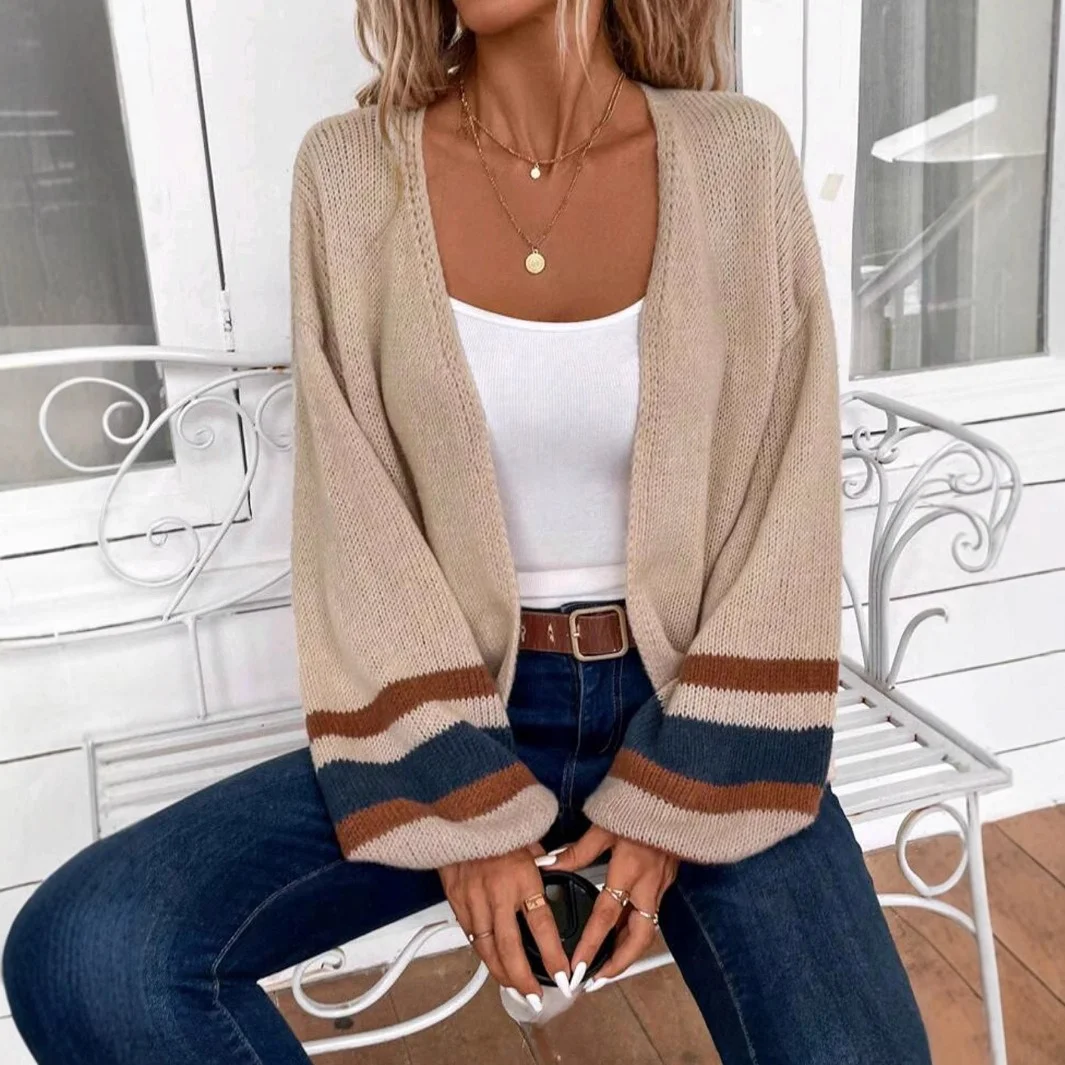
6. Patchwork Loose Sweater Cardigan Knit Casual Coat
This cardigan is made from polyester and features a striped or plaid pattern in khaki or black. It has a loose fit and is designed as a casual coat. The polyester material makes it durable and easy to care for. The loose fit provides room for layering underneath.
Best for Shoppers who want a durable, easy-care outer layer for casual commutes in mild to moderate cold.- Pro: Polyester material is durable, wrinkle-resistant, and easy to wash.
- Pro: Loose fit allows for comfortable layering of multiple base layers.
-
Con: Polyester may not breathe as well asShop the storyAll products from this guide