You're planning a casual apple‑picking outing and want hands that stay warm, dry, and flexible enough to pluck fruit without bruising it. In the next few minutes you'll learn which materials, features, and fit details matter, see a side‑by‑side comparison of our curated picks, and get care tips so your gloves last season after season.
How to choose the right glove or mitten
1. Temperature and insulation
Early October in most apple‑growing regions hovers around 55 °F (13 °C). You don’t need full‑blown winter insulation, but a thin layer (about 1 mm of acrylic or a light fleece lining) prevents your fingers from getting stiff. Look for gloves labeled “lightly insulated” or “knitted” rather than “heavy duty”.
2. Grip surface
Apples are smooth and sometimes slick with dew. Leather or PU‑leather offers a natural tack that helps you hold fruit without crushing it. If you prefer fabric, a textured palm (silicone dots or ribbed knit) works, but it won’t be as reliable as leather in wet conditions.
3. Water resistance
Dew can make the orchard floor damp. A glove with a water‑repellent finish (PU coating, treated acrylic) keeps moisture out while still allowing breathability. Avoid pure cotton gloves; they soak up water and chill your hands.
4. Fit and flexibility
Apple picking requires you to open and close your hand repeatedly. A “super tight” fit that follows the hand’s shape gives better control than an oversized mitten. If you choose a mitten, make sure the thumb pocket is roomy enough to slip a finger in for precise gripping.
5. Style vs. Function
You’ll be taking photos, so color and silhouette matter. Choose a shade that complements your fall wardrobe—deep brown, wine red, or classic black work well. Remember that darker colors hide any minor stains from orchard soil.
Product comparison
| Product | Price | Material | Options | Best for |
|---|---|---|---|---|
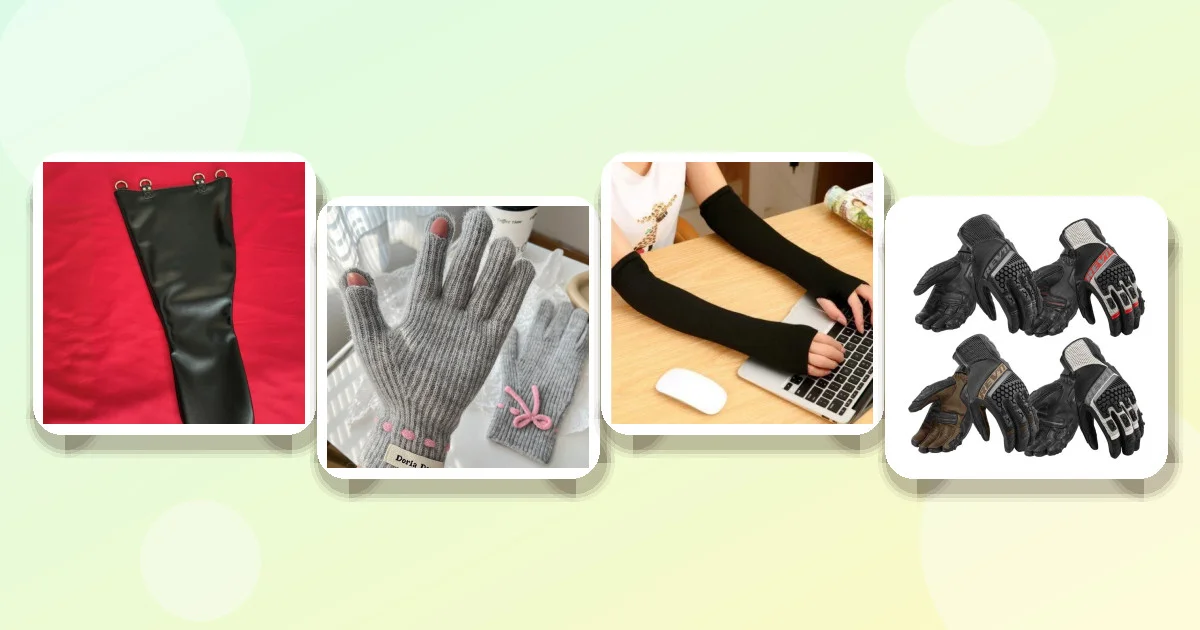
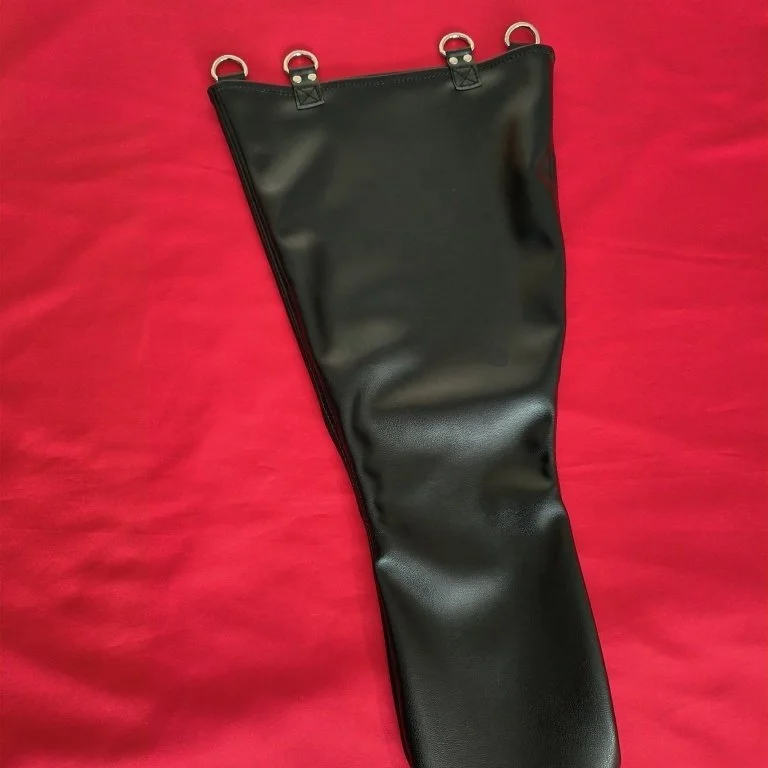
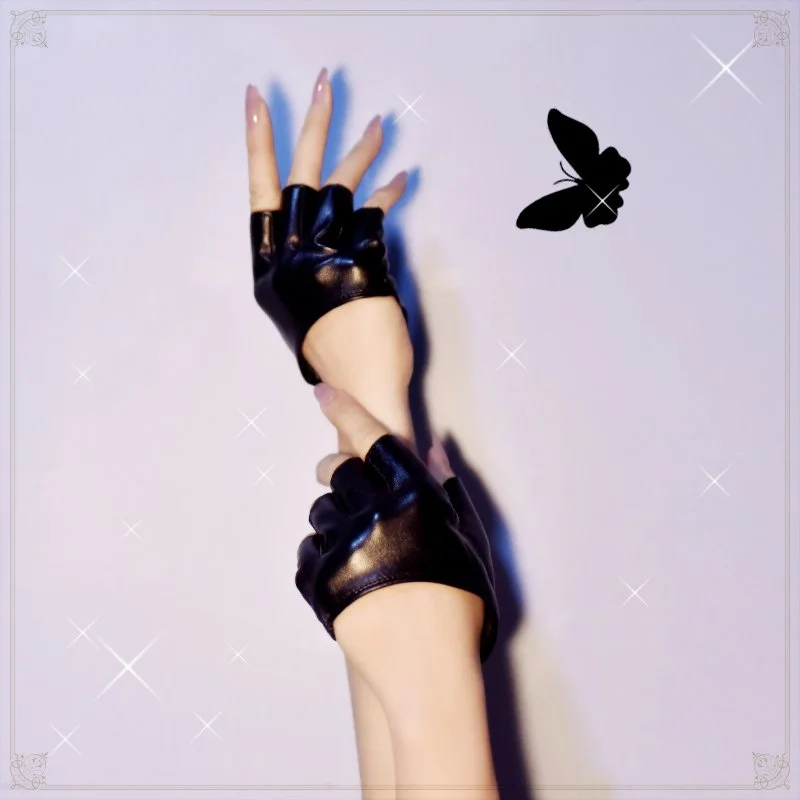
| Super Tight Women's Leather Gloves | $53.08 | Soft PU leather | Free Size (Small) | Women who want a snug, leather grip that stays warm in 50‑60 °F weather. |
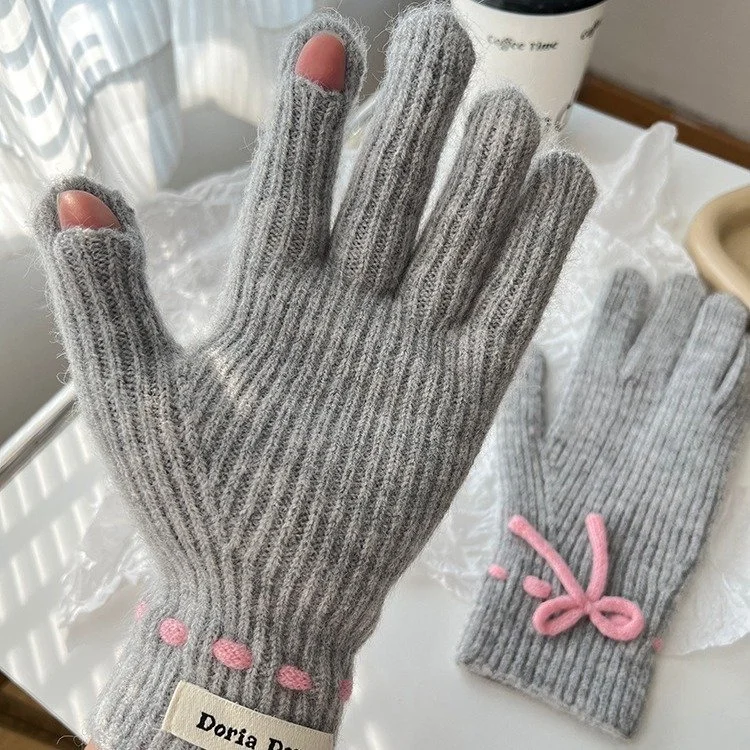
| Warm Finger Gloves | $17.60 | Acrylic knit | 10 colors | Budget‑friendly, light insulation for mild chill. |
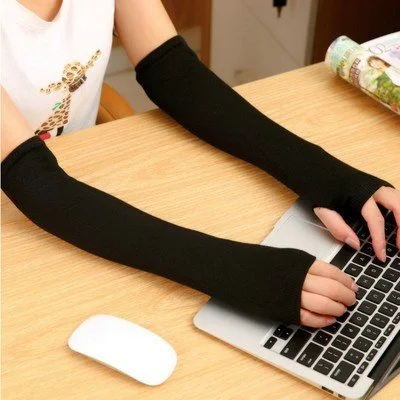
| Warm Grip Gloves for Housework | $2.68 | Unspecified fabric, fingerless | 6 colors, one size | Quick‑dry tasks where you need fingertip dexterity. |
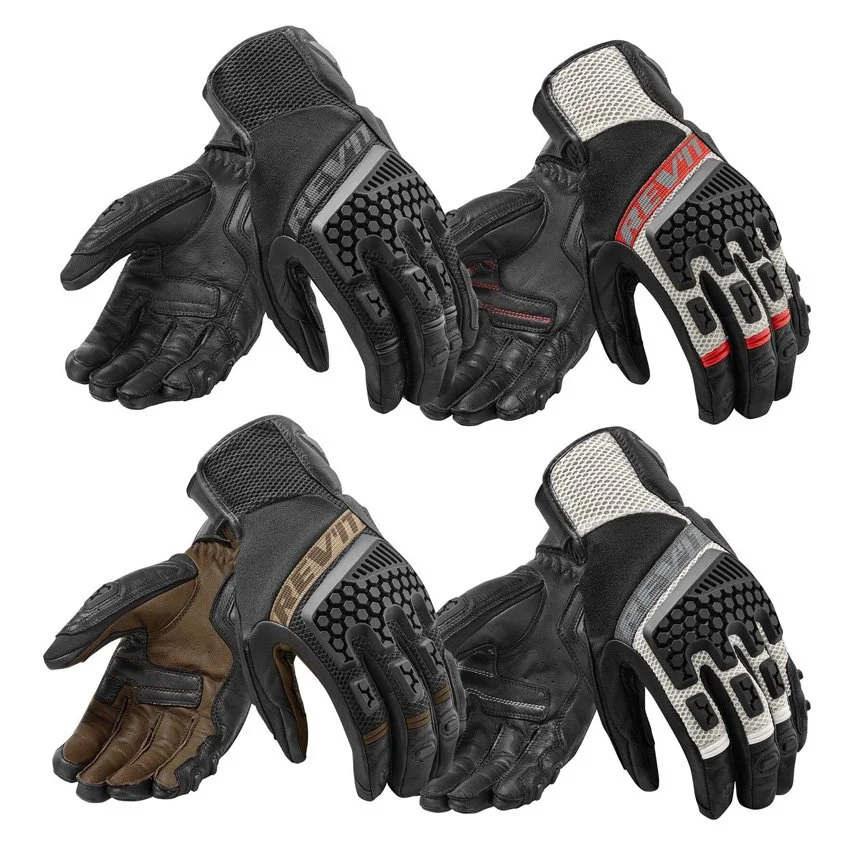
| Protective Motorcycle Gloves | $94.80 | Durable leather | 16 color‑size combos | Heavy‑duty protection for very cold or windy days. |
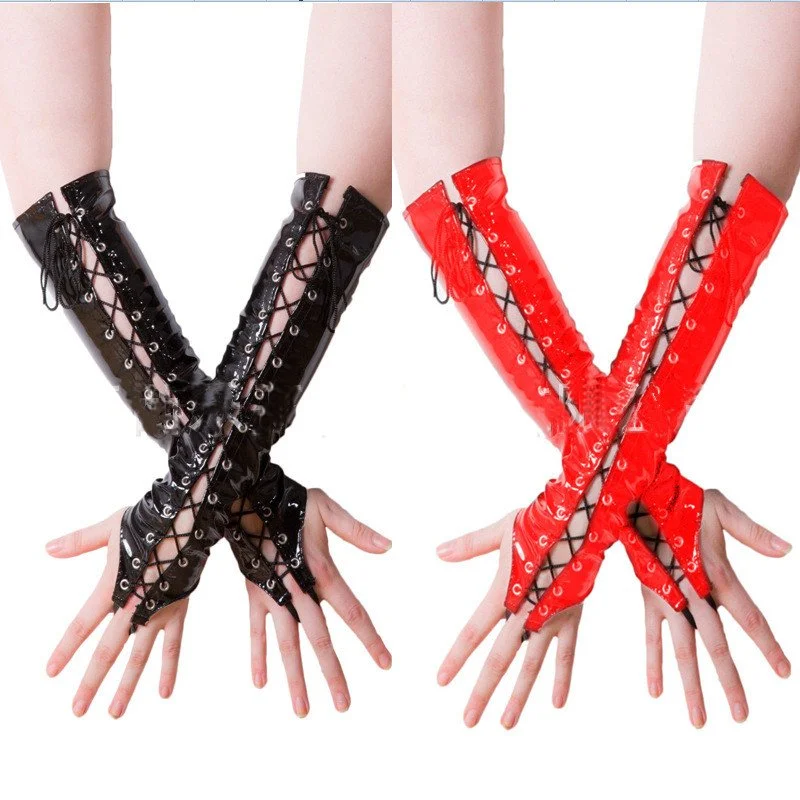
| Faux Leather Long Fingerless Gloves | $11.76 | Faux leather | Red, Black | Fashion‑forward look with partial hand exposure. |
| Goth Punk Leather Gloves | $16.04 | PU leather | Black, White, Wine Red, Coffee | Edgy style with a bit of warmth for cool mornings. |
Why the top pick stands out
The Super Tight Women's Leather Gloves combine a snug fit, natural leather grip, and a thin PU coating that repels light moisture. At $53 they sit in the mid‑range, but the material and fit justify the price for orchard work where grip and warmth matter most.
Common mistakes to avoid
- Choosing oversized mittens. They look cozy but reduce finger control, making it harder to pick apples without bruising.
- Relying on pure cotton. Cotton absorbs dew, chills your hands, and takes forever to dry.
- Ignoring sizing charts. Asian sizes run small; if you’re between sizes, order the larger.
- Skipping water‑resistance. Even a light mist can make fabric gloves soggy, leading to uncomfortable cold.
Care, styling, and usage tips
Cleaning after a day in the orchard
For PU leather gloves, wipe the surface with a damp cloth and a mild soap solution, then air‑dry away from direct heat. Acrylic knit gloves can be hand‑washed in cool water; lay flat to dry to keep their shape.
Storing for next season
Store gloves in a breathable cotton bag rather than a sealed plastic pouch. This prevents mildew if any moisture lingered.
Styling ideas
Pair the leather gloves with a denim jacket and a plaid scarf for a classic fall look. If you prefer a pop of color, the Warm Finger Gloves come in rose red or oatmeal, which contrast nicely with a navy coat.
Frequently asked questions
❓ What features should I look for in gloves for apple picking?
Look for a snug fit, a leather or textured palm for grip, light insulation (about 1 mm), and a water‑repellent finish. These features keep your hands warm, dry, and able to handle slippery fruit.
❓ Are leather gloves good for early‑fall orchard trips?
Yes. Leather provides natural tack that helps you hold apples without slipping, and PU‑coated leather adds a thin layer of water resistance suitable for dew‑covered trees.
❓ How warm should gloves be for temperatures around 55°F?
A thin insulated layer—like the acrylic knit in our Warm Finger Gloves—keeps hands comfortable without overheating. You don’t need heavy winter padding at this temperature.
❓ Do I need mittens or gloves for better grip on apples?
Gloves generally give better grip because each finger can press against the fruit. Mittens can be used if you prefer extra warmth, but choose one with a thumb pocket to retain some fingertip control.
❓ Which women's gloves are water‑resistant for orchard dew?
The Super Tight Women's Leather Gloves have a PU coating that repels light moisture, making them the most water‑resistant option among our list.
❓ How to care for gloves after a day of apple picking?
Wipe PU leather gloves with a damp cloth and mild soap, then air‑dry. Acrylic knit gloves can be hand‑washed in cool water and laid flat to dry.
❓ Can I wear fingerless gloves for apple picking?
Fingerless gloves like the Warm Grip Gloves for Housework give you full dexterity but offer little protection from chill or dew, so they’re best for very mild days.
Key takeaways
- Prioritize a snug, leather or textured‑palm glove for the best grip.
- Light insulation (≈1 mm) is enough for 55 °F; avoid bulky winter gloves.
- Water‑resistance matters—PU‑coated leather handles orchard dew well.
- Check sizing charts; Asian sizes run small, so size up if in doubt.
- Clean and store gloves properly to extend their life through multiple seasons.
How we chose these products: We matched each glove’s material, price, and fit to the specific needs of early‑fall apple picking, using the specifications provided.
===HTML===