You know the feeling: you’re bundled up against the October wind, only to arrive at your office, peel off your coat, and feel like you’re wearing a sauna suit. The problem isn’t the sweater; it’s the layer underneath. Most blouses are designed to be worn alone, meaning they have extra volume, thick hems, and wide necklines that create air pockets when tucked under a knit. When those air pockets trap body heat, you sweat, your clothes cling, and your polished look turns into a messy, damp situation by the time you hit your desk.
This guide solves that specific friction point. We will look at how to select blouses that act as a base layer rather than a standalone piece. We will break down the specific fabrics, necklines, and fits that work best under wool and chunky knits. You will learn how to match colors so that a pop of color from your base layer doesn’t clash with your outer knit, and how to maintain a tidy silhouette throughout the day. The goal is simple: warmth on the street, comfort in the office, and a professional appearance that holds up from 8 AM to 6 PM.
The Core Principles of Layering for Commuters
Layering is not just about adding clothes; it is about managing volume and moisture. When you commute in a city, you are moving between two distinct thermal environments: the cold outdoor air and the heated interior of a subway car, bus, or office. Most clothing is designed for one of these states, not the transition between them. To navigate this, you need to understand three specific mechanics: the "Tuck Factor," the "Shoulder Seam," and "Moisture Wicking."
The Tuck Factor
Most blouses have a hem that is designed to hang loose. When you tuck a loose hem into waistband or under a sweater, it creates a bunch of fabric at your midsection. This bunching adds visual bulk and, more importantly, physical bulk. That extra layer of folded fabric acts as an insulator, trapping heat against your torso. For a commuter, this is a problem. You want the base layer to be flush against your skin. Look for blouses with a "normal" or "slim" length that ends at the hip bone, not below it. A shorter hem tucks in with less excess fabric, keeping your profile slim and reducing the heat trap effect.
The Shoulder Seam
The shoulder seam is the most critical point of contact between a blouse and a sweater. If your blouse has a dropped shoulder (where the seam sits on the upper arm rather than the top of the shoulder), it will create a ridge under your sweater. This ridge can feel uncomfortable against your skin and can cause the sweater to ride up or sit awkwardly. For layering, you want a blouse with a standard, set-in shoulder seam that sits exactly on your shoulder bone. This allows the sweater to drape naturally over the blouse without creating a double-layer of fabric at the shoulder, which is where most people feel the most restriction.
Moisture Wicking and Airflow
October weather is deceptive. It feels cold, but your body generates heat as you walk or stand on a crowded train. If your base layer is made of cotton, it absorbs sweat and holds it against your skin. When you arrive at the office and the sweat dries, it can feel clammy and cold. Synthetic fabrics like polyester, or blends that include elastane, move moisture away from the skin more effectively. While natural fibers like silk are excellent for airflow, they are delicate and prone to wrinkling. For a daily commute, a smooth, synthetic blend offers the best balance of durability, ease of care, and temperature regulation.
Choosing the Right Fabric and Fit
Not all blouses are created equal when it comes to being a base layer. You need to look past the aesthetic appeal and focus on the functional properties of the garment. Here is what to check before you add a blouse to your rotation for layering.
Fabric Weight and Texture
Avoid anything with a heavy texture like thick corduroy, heavy denim, or bulky fleece. These materials add too much volume. Instead, look for fabrics with a smooth surface finish. Polyester is a top choice for this reason. It is lightweight, resists wrinkling, and has a slight sheen that can look polished even when hidden under a knit. If you prefer natural fibers, look for a lightweight cotton poplin or a fine-gauge silk. However, for the purpose of commuting, where you are likely to be moving quickly and possibly sitting in tight spaces, the durability and smoothness of polyester or a poly-blend are often more practical. The fabric should be thin enough to disappear under the sweater, but sturdy enough to withstand the friction of being tucked and untucked daily.
Neckline Depth
The neckline of your base layer determines how much of it will be visible. If you are wearing a crew-neck sweater, you will see the neckline of the blouse. If you are wearing a V-neck sweater, you will see more of the blouse’s chest area. A high neck or a collar that sits flat against the neck is ideal for warmth. A V-neck blouse can look elegant under a crew-neck sweater, but it can feel less secure if the sweater is loose. A round neck is the safest bet for most commuters because it provides coverage without adding extra layers of fabric at the throat, which can feel itchy or tight under a knit.
Sleeve Length and Cuff
Sleeves are often overlooked in layering advice, but they cause more fit issues than any other part of the garment. Long sleeves that are too long will bunch at the wrist under a sweater cuff. This bunching can be uncomfortable and can cause the sweater sleeve to ride up. If you are layering a long-sleeve blouse, ensure the sleeve length ends exactly at your wrist bone. If you are layering a short-sleeve top, you are relying on the sweater for arm coverage. In this case, the short sleeve should be fitted enough to not flap around inside the sweater. A fitted short sleeve that ends mid-bicep is ideal because it keeps the arm warm without creating a thick layer of fabric at the elbow.
Size and Fit
This is the most common mistake. Many people buy their base layer in the same size as their outer layer. This is incorrect. Your base layer should be one size smaller than your sweater, or at least a "slim fit" in your regular size. The goal is for the blouse to hug your body so that the sweater can drape over it smoothly. If the blouse is loose, the sweater will look boxy and oversized. If the blouse is tight, it will pull at the seams and create visible lines under the knit. Always check the specific measurements of the blouse against your body, not just the size label. A "Size M" in one brand may fit like a "Size L" in another. Look for a fit that is comfortable but not baggy.
Product Comparison: Blouses for Layering
We have selected six specific blouses that serve different roles in a layering strategy. Some are designed to be hidden entirely, while others are meant to peek out at the neckline. Here is how they compare based on their specific features, price, and suitability for a commuter’s needs.
| Product | Price | Key Feature | Best For | Material/Options |
|---|---|---|---|---|
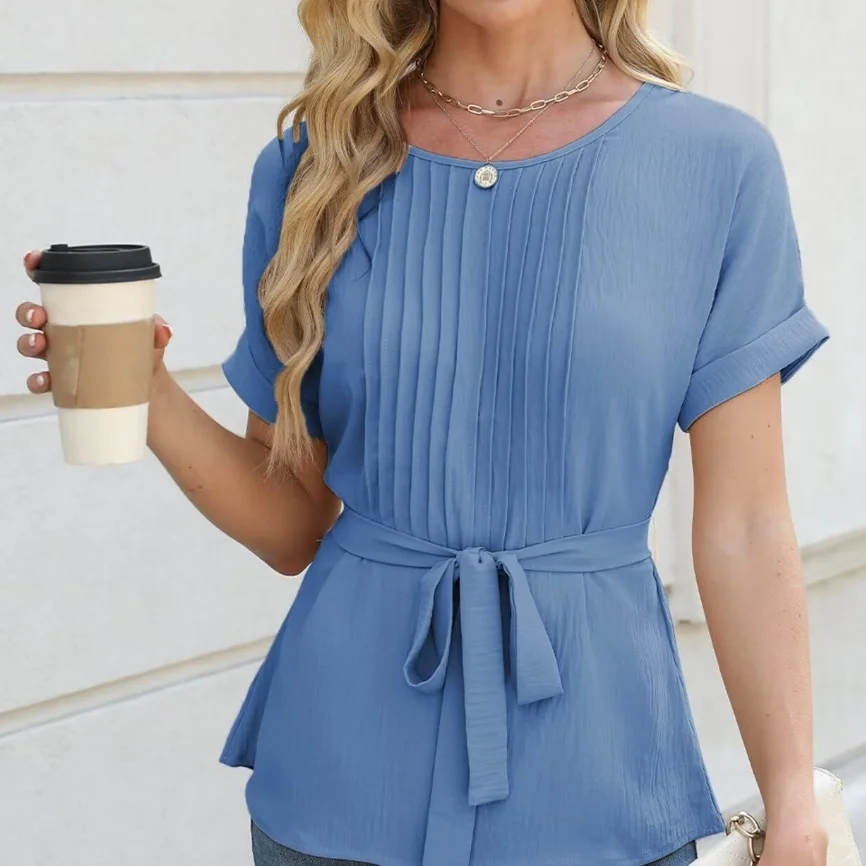
| Casual Shirt Ruffled Pleated Round Neck Short Sleeve Top | $18.80 | Short sleeve, ruffled detail | Hidden base under long-sleeve sweaters | Polyester; S-XXL; Blue, Black, Green, Apricot |
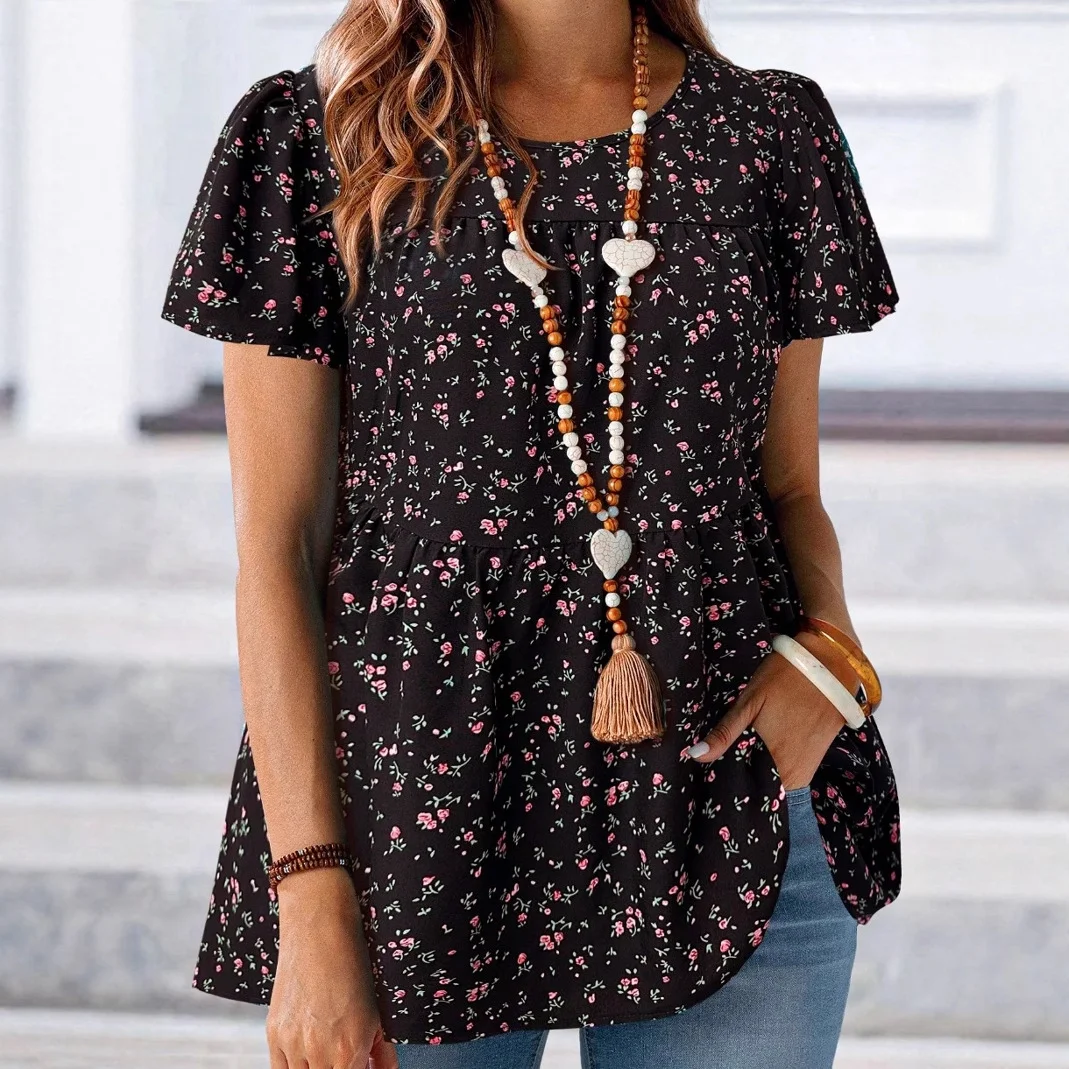
| Women's Floral Sweet Short-sleeved Top | $14.76 | Floral pattern, short sleeve | Adding a pop of color under neutral knits | Short-sleeved; Specifics vary by retailer |
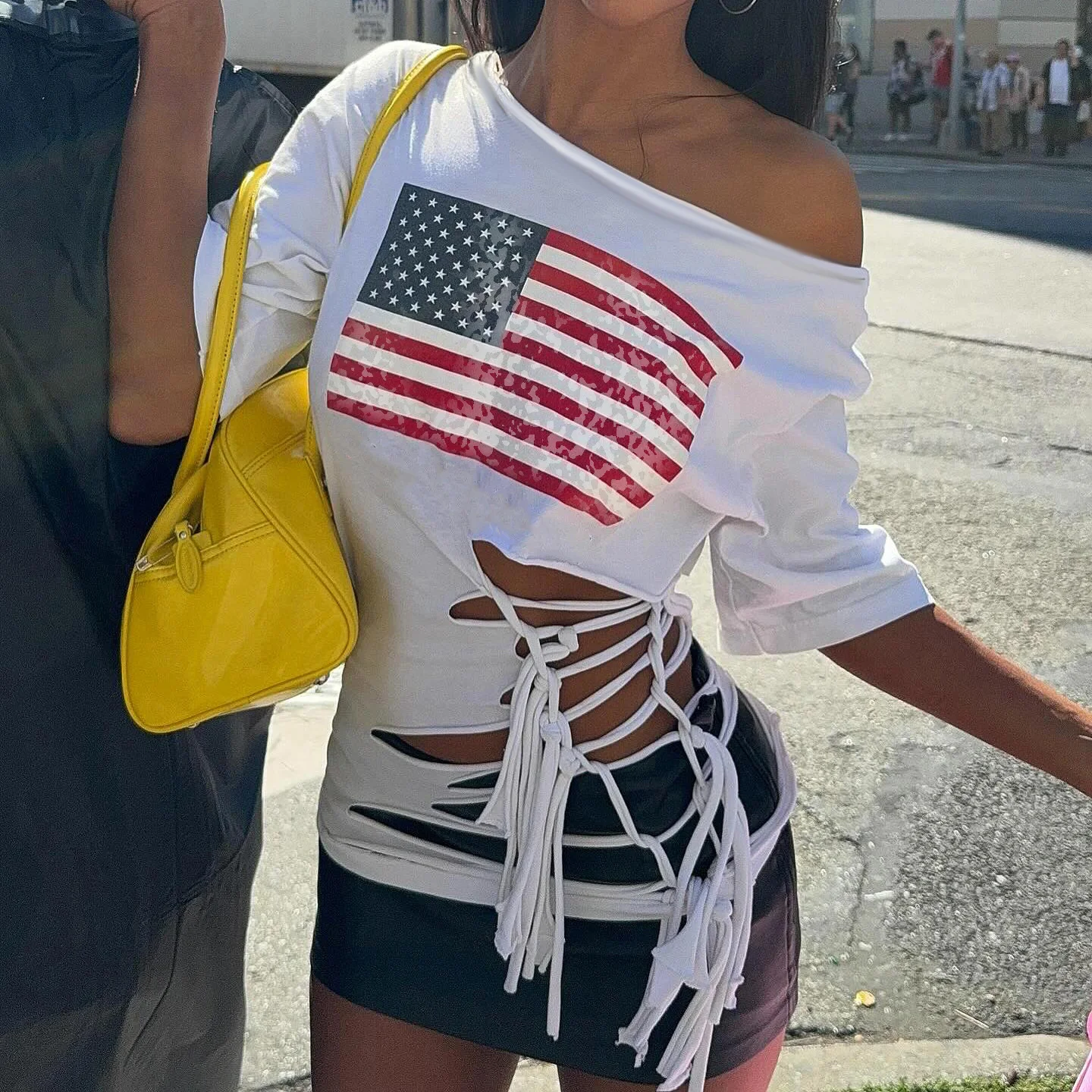
| Feminine, Edgy Ripped And Cutout Lace-up Top | $21.84 | Cutout details, lace-up | Statement layer under open cardigans | Specifics vary by retailer |
| Pleated Short Sleeve Slim Fit Top | $7.36 | Slip fit, pleated texture | Everyday, low-cost base layer | Slip fit; White, Black, Dark Gray; S-L |
| European And American Women's Irregular Skirt Top | $20.56 | Irregular hem, unique silhouette | Layering under open-front sweaters | Specifics vary by retailer |
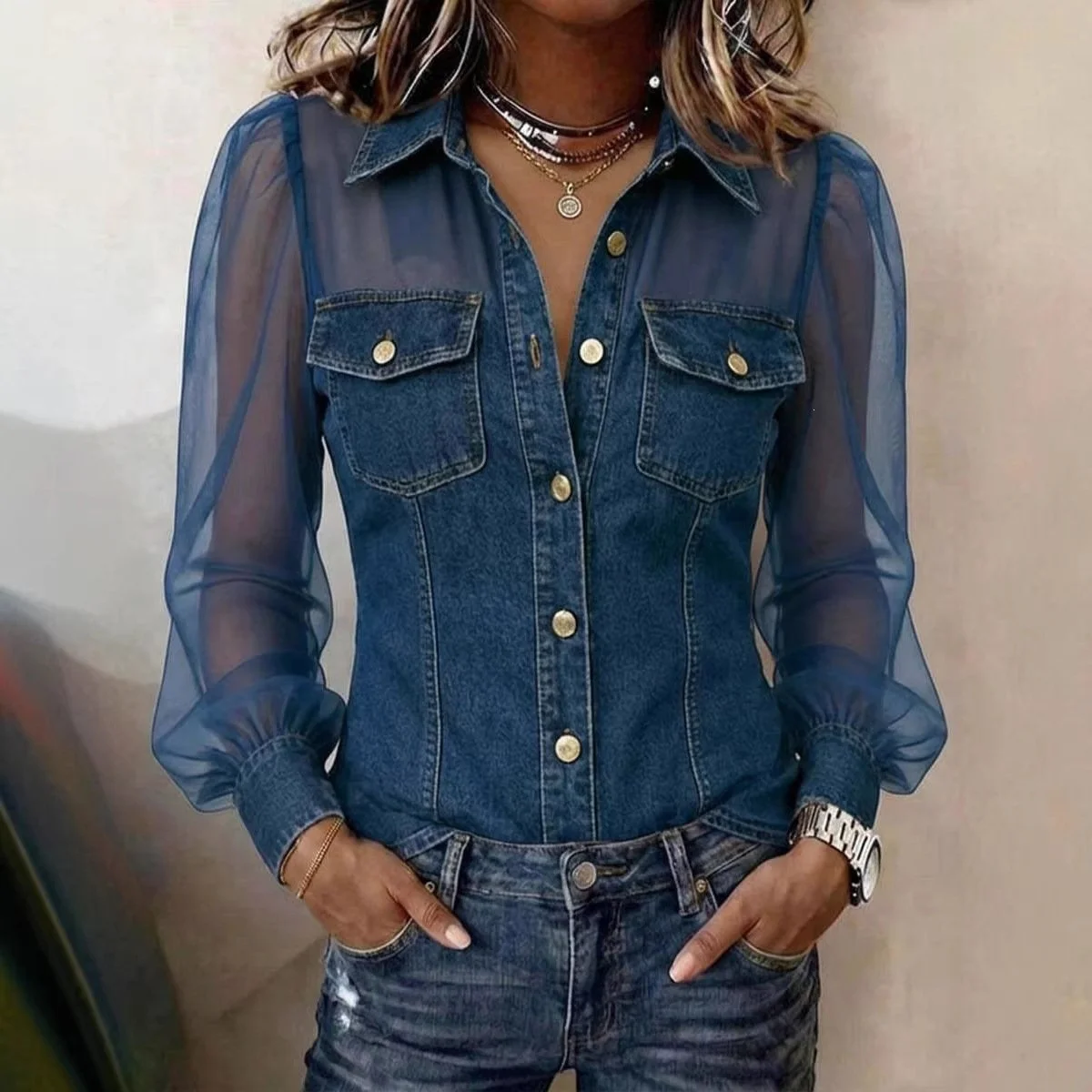
| Elegant V-Neck Lace Long Sleeve Top for Women | $29.84 | V-neck, lace, long sleeve | Visible layer under V-neck sweaters | Polyester; Dark Blue, Light Blue, Black; S-3XL |
1. Casual Shirt Ruffled Pleated Round Neck Short Sleeve Top
This is a practical, short-sleeved top made from polyester. It features a ruffled pleated design at the round neck, adding a touch of texture without adding significant bulk. The polyester fabric is smooth and lightweight, making it an excellent candidate for being completely hidden under a long-sleeve sweater. The short sleeves mean you are relying on the outer layer for arm coverage, which keeps the arm area slim and free of extra fabric.
Best for Women who want a subtle, textured base layer that disappears under a chunky crew-neck sweater. It is ideal for those who prefer a clean look with no visible details from the top layer.
- Pro: The polyester fabric is wrinkle-resistant and easy to care for, which is crucial for a daily commute where you may be sitting in tight spaces.
- Pro: The short sleeves prevent bunching at the wrists, ensuring a comfortable fit under long-sleeve knits.
- Con: The ruffled neck, while subtle, may feel slightly different against the skin compared to a flat neckline, so sensitive skin types should check the tag for irritation.
2. Women's Floral Sweet Short-sleeved Top
This top features a floral pattern, which offers a different approach to layering: using the base layer as a