Walking into a 68-degree office on a crisp 55-degree morning is a daily battle for many professionals. You arrive bundled in a coat, only to feel overheated by 10 AM, or chilled to the bone by 2 PM when the HVAC kicks in. The solution isn't just wearing a thicker sweater; it’s about mastering the architecture of your outfit. By selecting the right base layers and understanding how fabrics interact with knits, you can create a temperature-regulating system that keeps you comfortable from morning meetings to the evening commute. This guide breaks down specific combinations, fabric choices, and styling techniques to help you navigate the fall transition with ease and style.
The Physics of Office Layering
Many people assume that layering is simply about adding clothes until they are warm. In reality, effective layering relies on creating trapped air pockets. Air is an excellent insulator, but only when it is still. A single thick sweater allows air to circulate and escape, while two thinner layers create a barrier that retains body heat more efficiently. For office environments, where temperatures fluctuate between 65 and 72 degrees, this insulation is crucial because you cannot control the thermostat.
Why Lighter Bases Work Better
Using a thick turtleneck as a base layer under a sweater often leads to two problems: bulk and overheating. Thick bases add visual weight, making slim-fit sweaters look strained and unprofessional. Furthermore, if the office warms up, a thick base is difficult to remove without ruining your entire outfit. A lightweight blouse, such as a chiffon or fine-knit top, adds negligible bulk but provides a smooth surface against the skin. It also allows you to adjust your comfort level by simply removing or adding the outer sweater, keeping your core temperature stable.
The Role of Fabric Weight
Fabric weight is measured in grams per square meter (GSM), though for casual shopping, you can judge by drape and opacity. For office layering, aim for base layers under 150 GSM. These fabrics are light enough to slide easily into a sweater neckline and won't bunch up at the waist. Outer sweaters should be mid-weight, typically between 200 and 300 GSM. This range provides sufficient warmth without requiring a heavy coat once you step outside. If your sweater is too heavy, you will feel like a walking oven in a heated office. If it is too light, you will be cold by mid-afternoon.
How to Choose the Right Base Blouse
Not all blouses are created equal when it comes to layering. Some fabrics cling to the sweater underneath, creating visible lines and wrinkles. Others are too thick to fit into a standard neck opening. When shopping for base layers, focus on three key attributes: fabric composition, fit, and neckline structure.
Fabric Composition and Drape
Choose fabrics that have a "hand" or drape rather than stiffness. Stiff fabrics like heavy poplin or structured cotton can create sharp creases that show through thin sweaters. Instead, look for materials with natural flow. Chiffon, satin, and lightweight polyesters move with your body, reducing the chance of visible bunching. Natural fibers like fine merino wool or silk are excellent for temperature regulation, but they can be delicate. For everyday office wear, blended fabrics often offer the best balance of durability and drape. A polyester-silk blend, for example, mimics the look of luxury fabric while being easier to care for.
Fit and Sizing
Fit is the most critical factor in avoiding a bulky appearance. A base layer that is too tight will pull at the shoulders and create horizontal lines across the chest. A base layer that is too loose will gather excess fabric at the waist and hem, making you look larger than you are. Aim for a "relaxed fit" or "regular fit" in the blouse. This means the fabric should skim your body without clinging. If you are between sizes, size up for the base layer. You want enough room to move and breathe, especially if you are wearing a structured blazer or a fitted sweater over it. Check the size chart carefully, as Asian sizing runs smaller than US sizing. If you are a US Medium, you may need to order a Large in a blouse labeled with Asian dimensions.
Neckline Structure
The neckline of your blouse determines how it interacts with the sweater. A high, structured collar, such as a mandarin or turtleneck, adds volume to the neck area. This can be elegant but may feel tight under a crew-neck sweater. A V-neck or scoop neck blouse is more versatile, allowing it to sit smoothly under various sweater necklines. If you prefer a collar, choose one that is soft and foldable, like a chiffon lace collar, rather than a stiff, pressed cotton collar. Soft collars can be folded down flat, disappearing into the sweater and maintaining a clean silhouette.
Pairing Sweaters with Blouses: Formulas That Work
Once you have selected a base layer, the next step is pairing it with the right outer knit. The goal is contrast in texture and balance in volume. If your blouse is fluid and light, pair it with a structured or slightly textured sweater. If your blouse is more structured, choose a softer, drapier sweater. Here are three reliable formulas for the fall office.
Formula 1: The Classic Professional
This combination works for almost any office environment. Start with a solid-colored, lightweight blouse in a neutral tone like white, black, or navy. Layer it under a mid-weight, crew-neck sweater in a complementary color. The contrast between the smooth blouse and the textured knit adds visual interest without being distracting. This look is polished and timeless. It works well for presentations, client meetings, and daily work tasks. The key here is to ensure the blouse hem is tucked in or sits neatly at the waist to avoid adding length. If the blouse is too long, it may peek out from the back of the sweater, which can look messy.
Formula 2: The Textural Contrast
For a more modern look, pair a patterned or printed blouse with a solid, fine-knit sweater. The pattern provides the visual interest, while the solid sweater grounds the outfit. This formula is ideal for days when you want to feel stylish but not overly formal. Choose a sweater in a neutral color like gray, beige, or cream to let the blouse pattern stand out. This combination is particularly effective with abstract or plaid prints, as the solid knit breaks up the visual noise. Ensure the sweater is not too tight, as it needs to accommodate the volume of the printed fabric underneath.
Formula 3: The Sleeveless Transition
As the weather cools but isn't freezing, a sleeveless blouse or shell worn under a cardigan or open-front sweater is a great option. This allows for maximum ventilation while still providing core warmth. It is particularly useful for those who run hot but need to cover their shoulders for dress code reasons. The layering here is minimal, making it easy to adjust throughout the day. You can remove the cardigan if the room gets warm, leaving you with a complete, professional top. This formula is less about insulation and more about versatility and quick adjustment.
Product Comparison: Blouses for Layering
Below is a comparison of specific blouse options that serve as excellent base layers for fall office wear. These products are selected for their suitability for layering, considering factors like fabric weight, fit, and price point. Note that prices and availability can change, so always verify current details before purchasing.
| Product | Price | Type/Material | Options | Best For |
|---|---|---|---|---|
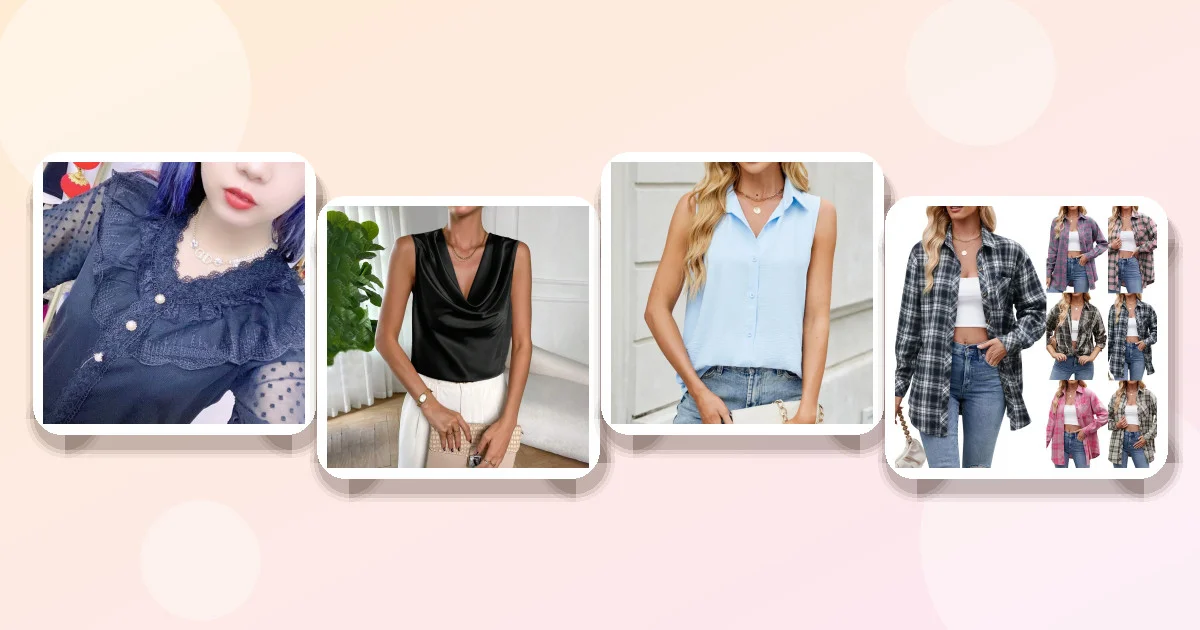
| Chiffon Lace-Collar Blouse | $14.84 | Chiffon, Lace Collar | 10 (Black/White, XL-5XL) | Elegant, slimming layer for formal settings |
| Sleeveless Satin-like Silk Blouse | $17.28 | Satin-like, Sleeveless | Not specified in facts | Lightweight base for warm days or under cardigans |
| Notch-collar Button-up Chiffon Blouse | $16.44 | Chiffon, Notch Collar | Not specified in facts | Classic professional look with a structured collar |
| Women's Casual Loose Plaid Shirt | $25.20 | Polyester, Plaid | 30 (Navy/Rose Red, S-XXL) | Patterned layer for textured contrast |
| Women's Abstract Print Casual Autumn Shirt | $21.24 | Abstract Print, 3D Details | 4 (Color, S-XL) | Statement piece for modern, casual office vibes |
| Temperament Top Pleated Tie Sleeveless Shirt | $25.88 | Pleated, Tie Detail, Sleeveless | Not specified in facts | Structured, unique detail for layered looks |
Product Recommendations
Chiffon Lace-Collar Blouse Elegant Slimming Shirt Is a lightweight, breathable option featuring a delicate lace collar. Its loose fit is designed to flatter without adding bulk, making it an excellent base layer. The chiffon material drapes smoothly, ensuring it won't create visible lines under a sweater.
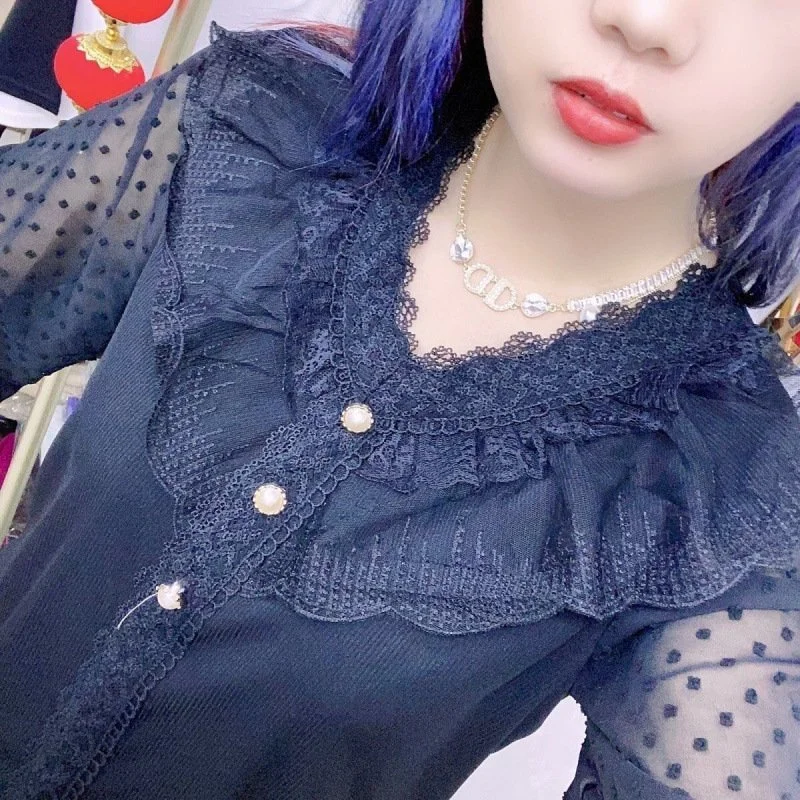
- Pro: The lightweight chiffon fabric ensures maximum breathability, preventing overheating.
- Pro: The loose fit allows for easy movement and reduces the risk of visible bunching.
- Con: Limited size range (XL-5XL) may not fit petite frames; check the specific measurements.
Sleeveless Satin-like Silk Blouse For Spring And Summer Is a sleek, sleeveless top that serves as a minimalist base layer. The satin-like finish adds a touch of luxury to simple outfits, while the sleeveless design keeps the overall silhouette streamlined.
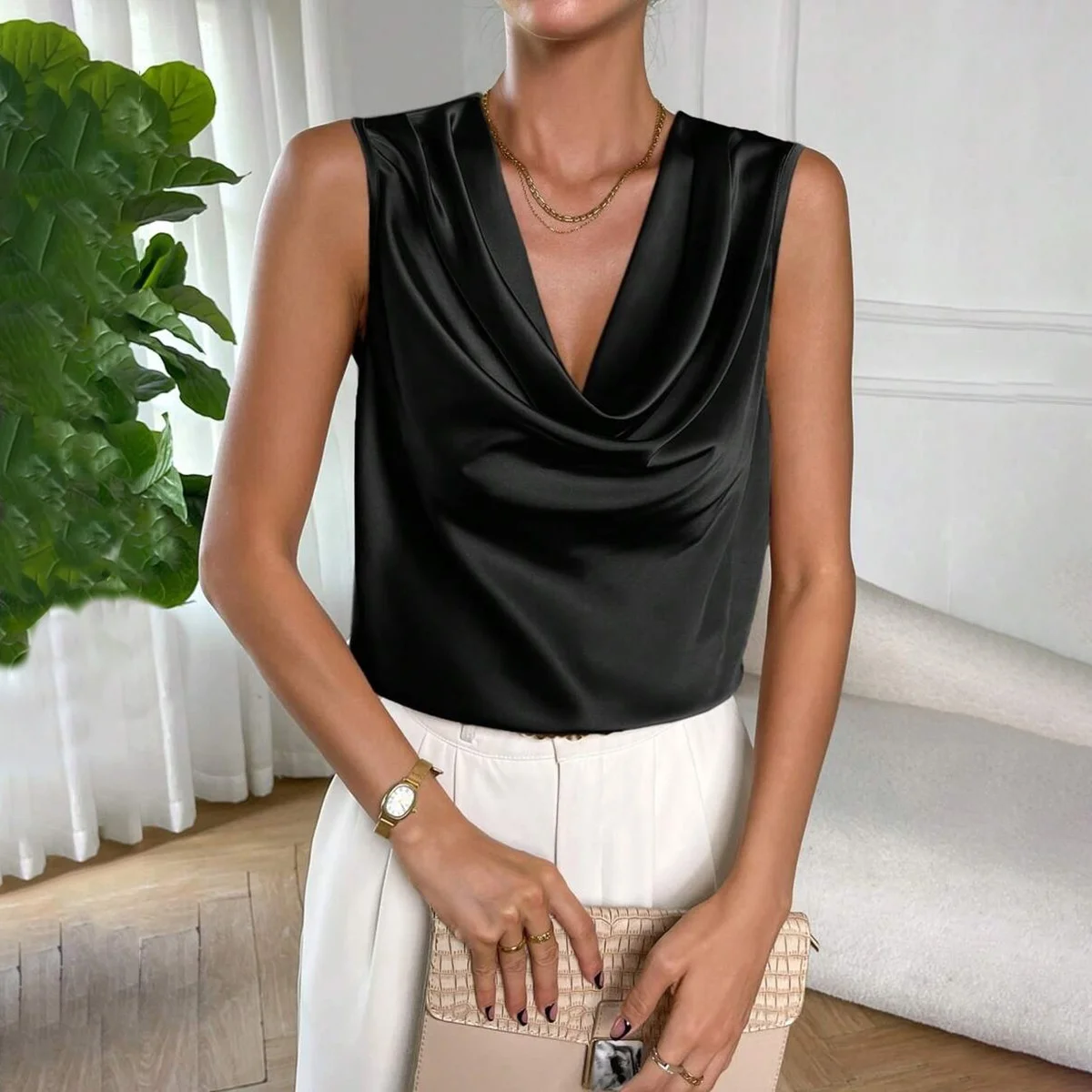
- Pro: The sleeveless design minimizes shoulder bulk, ideal for fitted sweaters.
- Pro: The smooth fabric creates a polished finish under structured outer layers.
- Con: Sleeveless design offers no arm coverage, so it is not suitable for very cold mornings without a jacket.
Notch-collar Button-up Chiffon Blouse Top For Women Offers a classic, professional silhouette with a structured notch collar. The chiffon material ensures the collar remains soft and foldable, adapting to different sweater necklines.
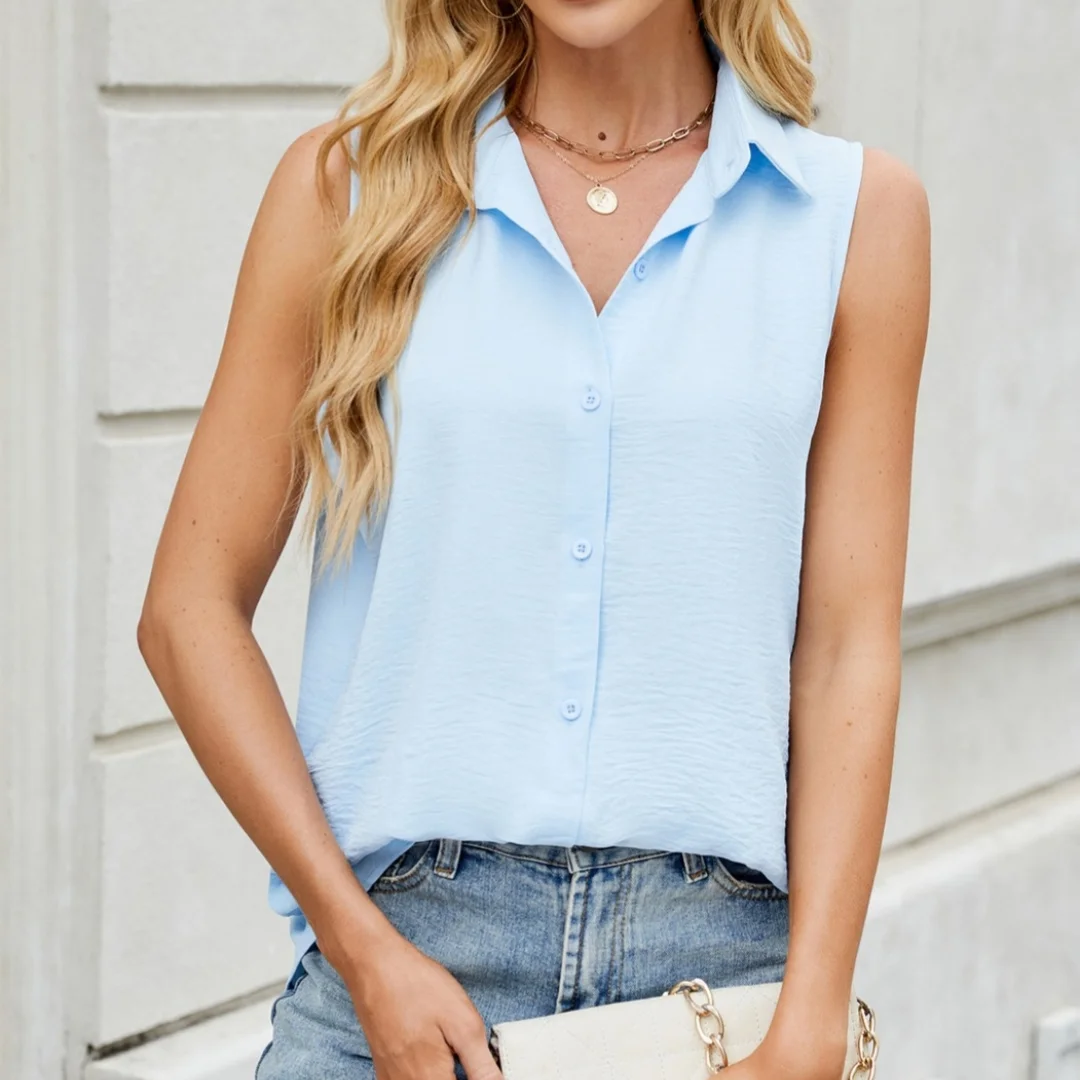
- Pro: The notch collar adds a professional touch that works well with blazers and sweaters.
- Pro: Button-up design allows for adjustable ventilation and styling flexibility.
- Con: The collar may add slight volume at the neck, which can feel tight under a high-neck sweater.
Women's Casual Fashion Hot Girl Loose Plaid Shirt Is a loose-fit shirt made from polyester, featuring a casual plaid pattern. The fabric is durable and easy to care for, making it a practical choice for daily wear.
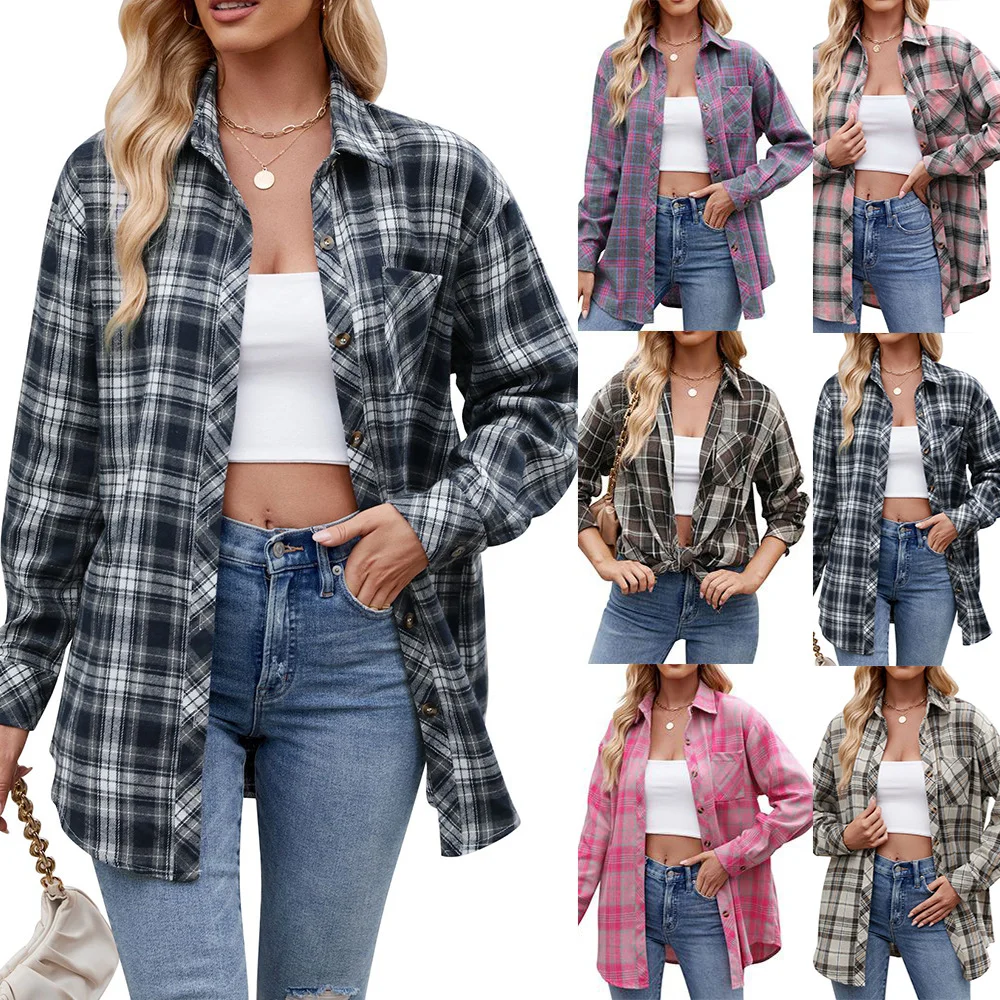
- Pro: The plaid pattern provides a strong textural contrast against solid knits.
- Pro: Polyester fabric is wrinkle-resistant, maintaining a neat appearance throughout the day.
- Con: Asian sizing is 1-2 sizes smaller than US sizes; size up to ensure a proper fit.
Women's Abstract Print Casual Autumn Shirt Is a regular-fit shirt featuring unique 3D details and an abstract print. It is designed for effortless casual wear, adding a creative element to your wardrobe.
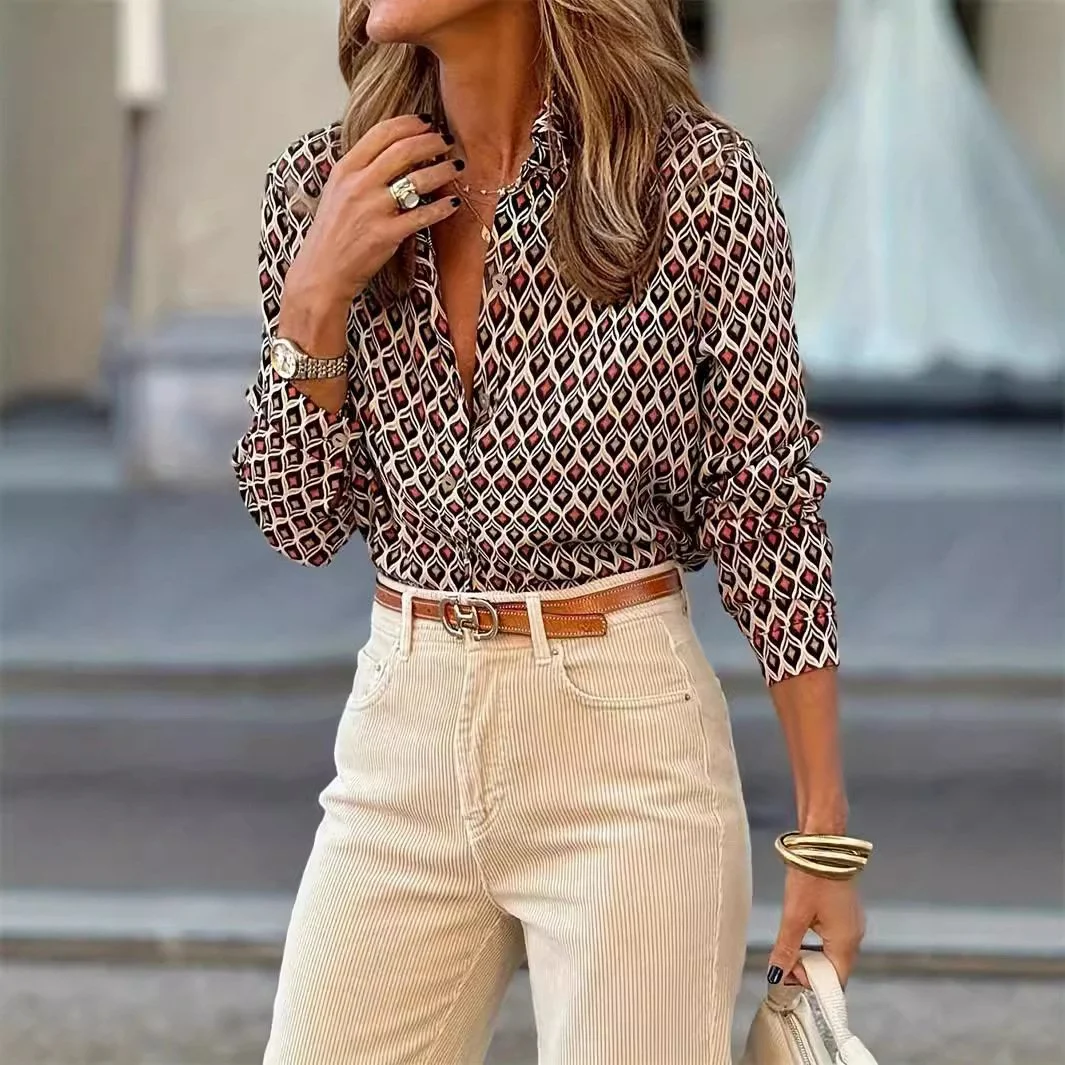
- Pro: The abstract print and 3D details make it a statement piece that works well under solid sweaters.
- Pro: Regular fit ensures comfort and ease of movement for all-day wear.
- Con: Limited color options (4) may restrict pairing with specific sweater colors.
Temperament Top Pleated Tie Women's Sleeveless Shirt Is a sleeveless shirt with pleated details and a tie feature. The structured design adds sophistication and a unique silhouette to layered outfits.
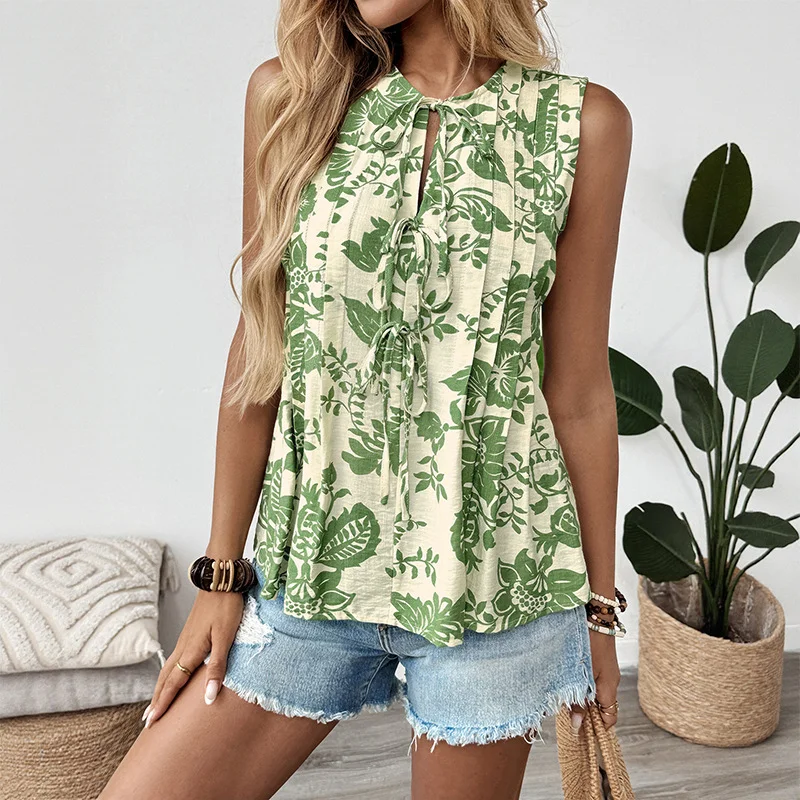
- Pro: The pleated details add texture and interest without adding significant bulk.
- Pro: The tie feature allows for adjustable styling and a customized fit.
- Con: The sleeveless design requires an outer layer for full coverage, limiting standalone use in cold weather.
Common Mistakes to Avoid
Even with the right pieces, poor execution can ruin a layered outfit. Here are the most common errors and how to fix them.
Mistake 1: Ignoring Sizing Discrepancies
Many online retailers use Asian sizing, which runs significantly smaller than US sizing. If you buy a blouse without checking the size chart, you may end up with a garment that is too tight to layer. A tight base layer will pull at the shoulders and create unflattering lines under your sweater. Always measure your bust, waist, and hip, and compare them to the specific product's measurements. If you are between sizes, choose the larger size for base layers to allow for ease of movement and layering.
Mistake 2: Choosing Stiff Fabrics for Bases
Stiff fabrics like heavy cotton poplin or thick linen do not drape well under sweaters. They create sharp creases and add unnecessary volume. This can make you look bulky and unprofessional. Instead, opt for fabrics with natural flow, such as chiffon, satin, or lightweight knits. These materials move with your body and lie flat against the skin, creating a smooth foundation for your outer layer.
Mistake 3: Over-Layering
Adding too many layers can lead to overheating and a bulky silhouette. In an office environment, you typically only need two layers: a base and an outer sweater. Adding a third layer, such as a vest or scarf, can make it difficult to regulate your temperature. If you are cold, add a cardigan; if you are warm, remove it. Keep your layering simple and adjustable. Avoid wearing a thick turtleneck under a sweater, as this adds bulk at the neck and makes it difficult to remove the sweater if needed.
Mistake 4: Mismatched Textures
Pairing two heavy, textured fabrics can create a chaotic look. For example, wearing a chunky cable-knit sweater over a thick, textured blouse can make the outfit look heavy and unrefined. Instead, balance texture with smoothness. Pair a textured sweater with a smooth, lightweight blouse, or a smooth sweater with a patterned or textured base. This contrast creates visual interest without overwhelming the eye.
Care and Styling Tips for Longevity
Proper care ensures your layering pieces last through