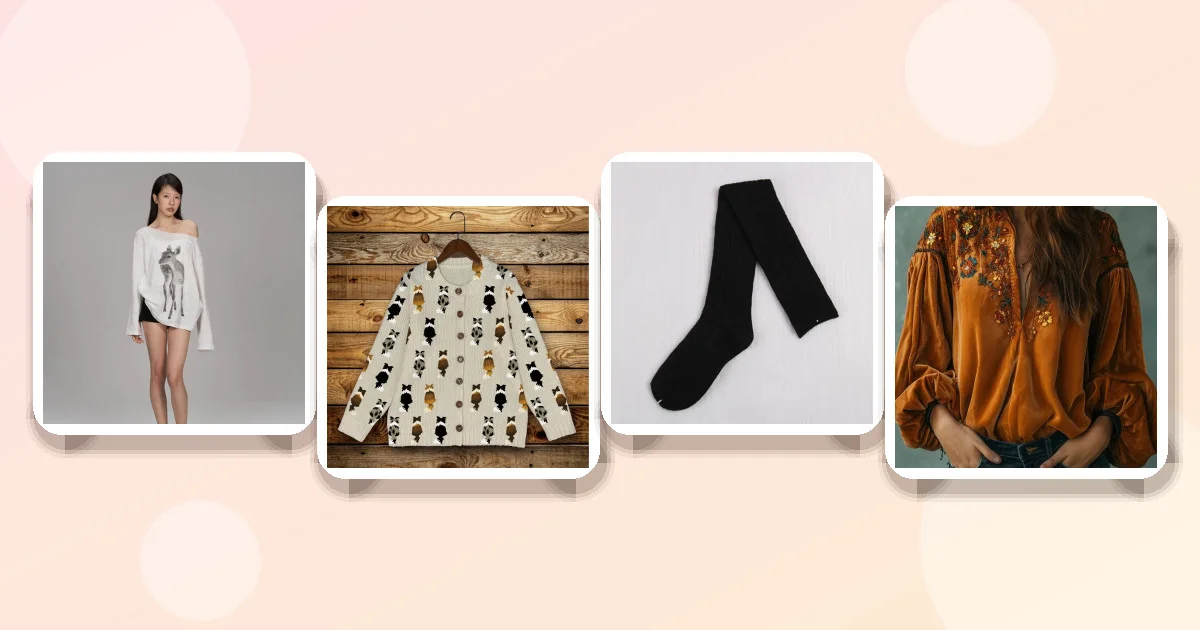
You have likely stood in front of your closet on a chilly Tuesday morning, realizing that your summer jacket is too thin and your heavy winter parka is too bulky. You need a middle ground: a coat that looks professional enough for the office but is functional enough for walking to the train or parking lot. The market is flooded with options, but most listings lack clear sizing data and honest material descriptions, making it difficult to know what you are actually buying. This guide cuts through the noise to help you identify the specific features that matter for daily wear. We will break down how to interpret size charts, choose the right length for your body type, and select fabrics that hold up to regular use. By the end, you will know exactly what to look for when shopping online to avoid the frustration of returns.
The Core Features of a Functional Commuter Coat
A trench coat is more than just a fashion item; it is a piece of protective equipment for your daily life. When selecting a coat for a commute, you need to evaluate specific structural elements that determine how the garment performs in real-world conditions. Many buyers focus solely on color or price, but the cut and construction details dictate whether the coat will feel restrictive or comfortable after eight hours of wear.
Length and Proportion
The length of your coat affects both your warmth and your mobility. For a standard commute, a mid-calf length is often the most versatile. This length covers your thighs and knees, providing protection against wind and light rain, while still allowing you to bend, sit, and walk without tripping. If you are petite, a coat that goes to the ankle can look overwhelming and restrict movement. Conversely, if you are tall, a short hip-length coat may leave your legs exposed to the cold. Measure from your shoulder seam down to your desired hem point. For most average heights (5'4" to 5'8"), a coat length of 38 to 42 inches from the shoulder provides a balanced silhouette that works well with both heels and sneakers.
Shoulder Structure
The way a coat sits on your shoulders determines its professional appearance. A structured shoulder, often reinforced with internal stitching or light padding, creates a clean line that pairs well with blazers and dress shirts. This is crucial for office environments where a slouchy, unstructured coat might look too casual. However, if you plan to wear the coat over bulky sweaters, you need a bit of ease in the shoulder area. Check the product description for "structured" or "tailored" fit. If the description is vague, look at the photo of the coat on a model. If the shoulder seam extends past the natural break of the model's arm, the coat is likely oversized. If it ends exactly at the break, it is a standard fit.
Functional Details
Look for practical details that enhance usability. A belt is a classic trench coat feature, but it serves a purpose beyond style. It allows you to cinch the waist for a more fitted look or tie it loosely for a relaxed silhouette. More importantly, a belt can be used to secure the coat when the wind picks up, preventing the front from flapping. Pockets are another critical feature. Ensure the coat has at least two functional pockets. Flap pockets are generally deeper and more secure than slash pockets, making them better for holding a phone or keys. If you are commuting by bike or walking long distances, consider whether the pockets are deep enough to hold a smartphone without it sliding out. Additionally, check the closure mechanism. Double-breasted coats offer more coverage and warmth because the front panels overlap. Single-breasted coats are lighter and easier to open quickly, which is useful if you are moving between a cold outdoor environment and a warm office lobby frequently.
Understanding Sizing: US vs. Asian Standards
One of the biggest sources of frustration for online shoppers is sizing discrepancies. Many affordable outerwear items sold online are manufactured in Asia, where sizing standards differ significantly from US and European norms. Ignoring this difference is the fastest way to end up with a coat that is too tight or too small. Before you add any coat to your cart, you must understand how to translate these sizes to fit your body.
The "Size Up" Rule
Most product listings from Asian manufacturers will include a warning that their sizing runs 1–2 sizes smaller than US/EU standards. This is not a suggestion; it is a factual measurement difference. If you are a US Medium, you likely need to order a Large or XL in an Asian-sized coat. Do not guess based on your usual size. Instead, take your own body measurements and compare them to the specific size chart provided in the product description. The size chart is the only reliable source of truth. The label on the garment (e.g., "M") is often just a placeholder and does not reflect the actual dimensions of the fabric.
How to Measure Your Body
To ensure a proper fit, you need three key measurements: bust, waist, and hip. Use a soft measuring tape and wear the layers you intend to wear under the coat. For the bust, measure around the fullest part of your chest. For the waist, measure around the narrowest part of your torso. For the hip, measure around the widest part of your hips and buttocks. When comparing these numbers to the size chart, look for the size that gives you the most ease. For a coat worn over sweaters, you generally want at least 2–4 inches of ease in the bust and waist. If your bust measurement is 36 inches and you plan to wear a bulky sweater, look for a coat size with a bust measurement of at least 40–42 inches. If you are between sizes, always choose the larger one. A coat that is slightly too big can be belted, but a coat that is too tight across the shoulders or chest cannot be altered easily.
Checking the Size Chart
When reading a size chart, pay attention to the units. Some charts use centimeters, others use inches. Convert them if necessary. Also, look for notes on "slim fit" or "loose fit." A "slim fit" coat will have less ease than a "loose fit" coat, even if the chest measurement is the same. If the product description mentions "Asian sizing runs 1–2 sizes smaller," trust this warning. It is a clear indicator that the garment is cut for a smaller body frame. If you are between sizes, choose the larger one. This is a standard recommendation for this category of products. Additionally, note that manual measurements may have a variance of 2–3 cm. This means that two coats of the same size might differ slightly in length or width. This variance is normal and should not be the sole reason for a return unless the difference is extreme. Check the specific product facts for any additional sizing notes. For example, some listings explicitly state that colors may appear slightly different between screens, which is another factor to consider when evaluating the overall quality of the product presentation.
Fabric Analysis: Cotton, Wool, and Polyester
The material of your coat determines its warmth, durability, and care requirements. For a fall commute in a temperate climate, you need a fabric that can handle occasional rain and wind without becoming heavy or dirty quickly. Understanding the differences between common coat materials will help you make a decision that aligns with your lifestyle and budget.
Cotton and Cotton Blends
Cotton is a natural fiber that is breathable and comfortable. However, pure cotton is not ideal for outerwear because it absorbs moisture and takes a long time to dry. This is why most trench coats are made from cotton blends or coated cotton. These fabrics are treated with water-resistant finishes that repel light rain. Cotton coats are generally lighter than wool and are easier to wash. They are a good choice if you prefer a lighter layer that you can take off frequently. The downside is that cotton does not provide significant insulation. If your commute involves standing outside in the cold, a cotton coat alone may not be enough. You will need to layer with a sweater or fleece underneath. Look for descriptions that mention "water-resistant" or "oilskin" finishes if you expect to encounter rain.
Wool and Wool Blends
Wool is the gold standard for fall and winter outerwear. It is naturally insulating, water-resistant, and durable. A wool coat will keep you warm in colder temperatures and has a natural structure that holds its shape well. However, wool is more expensive and requires more careful care. You typically cannot machine wash a wool coat, so you will need to dry clean it or spot clean it. Wool can also be heavy, which might be a consideration if you are walking long distances. For a temperate climate, a wool-blend coat is often the best option. It provides warmth without the full weight of a pure wool coat. Look for coats that specify the percentage of wool in the blend. A higher percentage of wool generally indicates better quality and warmth. If the description says "wool coat" but lists the material as "polyester fiber," be aware that it is a synthetic imitation. These are lighter and cheaper but do not have the same insulating properties as real wool.
Polyester and Synthetic Fibers
Polyester is a synthetic fiber that is durable, lightweight, and resistant to wrinkles. It is often used in affordable outerwear because it is easy to care for and can be machine washed. Polyester coats are a practical choice for commuters who need a low-maintenance option. They shed water easily and dry quickly. The downside is that polyester is not as breathable as natural fibers, which can make it feel clammy if you are layering heavily. For a fall commute, polyester is a solid option if you prioritize ease of care and durability over natural fiber benefits. Many of the products in our selection are made from polyester or polyester blends. These coats are designed to be functional and affordable, making them a good entry point into building a fall wardrobe. When evaluating a polyester coat, check the weight of the fabric. A heavier polyester will provide more warmth and structure, while a lighter polyester will be more suitable for mild fall days.
Product Comparison and Recommendations
Based on the specific products available, we have selected options that cater to different needs and budgets. Each product has distinct features that make it suitable for specific types of commuters. Below is a detailed look at each option, followed by a comparison table to help you decide which one fits your needs best.
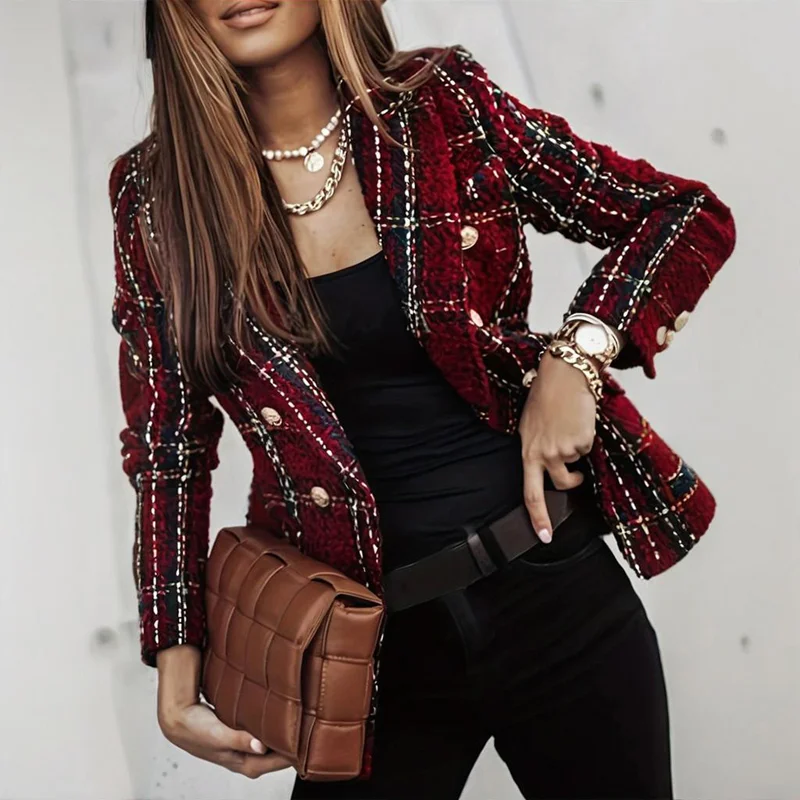
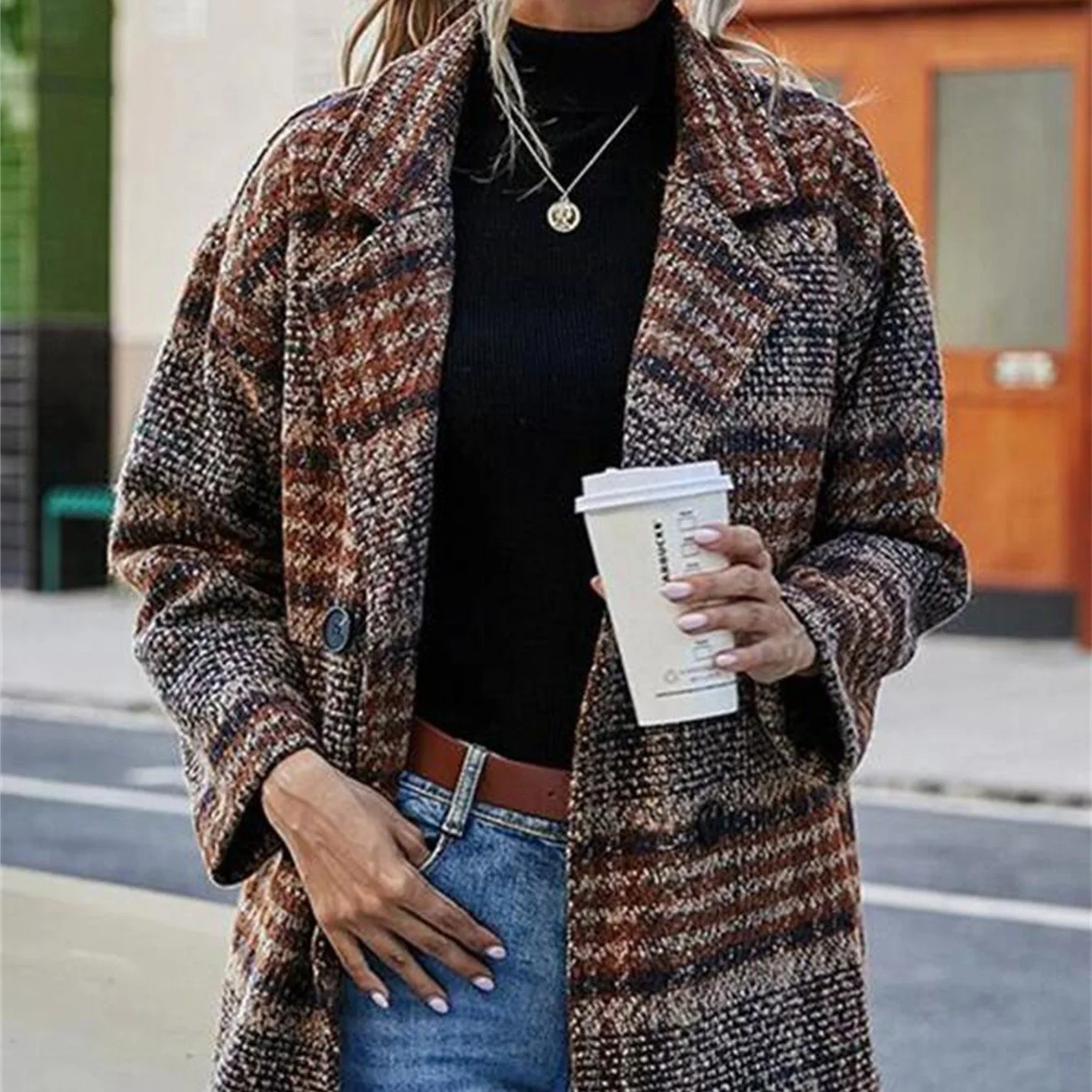
Option 1: Women's Elegant Checkered Long Sleeve Blazer
This double-breasted printed trench coat is designed for a professional look, suitable for office and casual wear. The checkered pattern adds a classic touch that works well with neutral colors. It is priced at $71.96. Best for Working women who want a classic, structured look for their daily office commute.
- Pro: The double-breasted design offers extra coverage and a tailored silhouette.
- Pro: The checkered pattern is a timeless style that pairs easily with black, white, and gray outfits.
- Con: No detailed fabric composition is provided in the specs, so you should check the material list before purchasing to ensure it meets your comfort preferences.
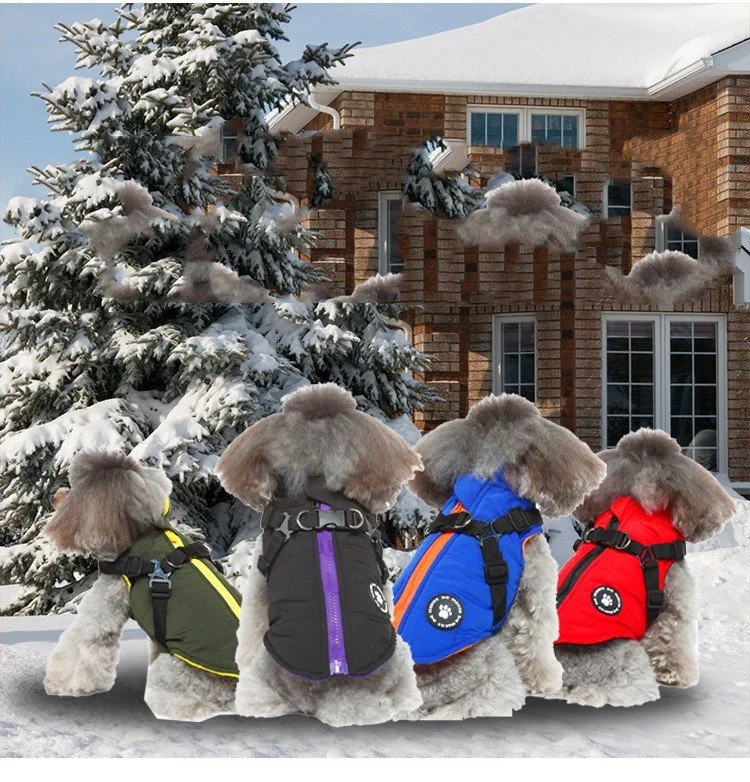
Option 2: Chest Strap Jacket Cotton-padded Coat
This cotton-padded coat features a chest strap and comes in solid colors like black, blue, green, and red. It is priced at $18.96. The description notes that it is made of polyester and uses Asian sizing. Best for Budget-conscious shoppers who need a lightweight, warm layer for mild fall days.
- Pro: The cotton padding provides insulation at a very low price point.
- Pro: Available in multiple colors, allowing you to match your existing wardrobe.
- Con: The material is listed as polyester, which may not be as breathable as natural fibers, and the Asian sizing requires careful checking to avoid a too-tight fit.
Option 3: Loose Cotton Summer Shirt
This is a loose-fitting cotton shirt in navy, black, gray, or apricot. It is priced at $11.92. While listed as a summer shirt, its breathable cotton material makes it a useful layering piece under a trench coat for mild fall days. Best for Layering under a trench coat for a casual, comfortable look during transitional weather.
- Pro: Made from pure cotton, which is breathable and comfortable against the skin.
- Pro: The loose fit allows for easy movement and layering without feeling restrictive.
- Con: This is a shirt, not a coat, so it does not provide outerwear protection on its own and must be used as a layer.

Option 4: Summer Knitted Thin Outerwear Shawl
This is a thin, knitted outerwear shawl with long sleeves and puff sleeves. It is priced at $27.48. The asymmetric fit and light weight make it a stylish layer for early fall or spring. Best for Adding a stylish, lightweight layer to a trench coat outfit for a more fashionable look.
- Pro: The knitted texture adds visual interest and softness to a structured coat.
- Pro: The asymmetric fit creates a modern, trendy silhouette.
- Con: It is very thin and not suitable for cold weather; it is purely a fashion layer for mild temperatures.
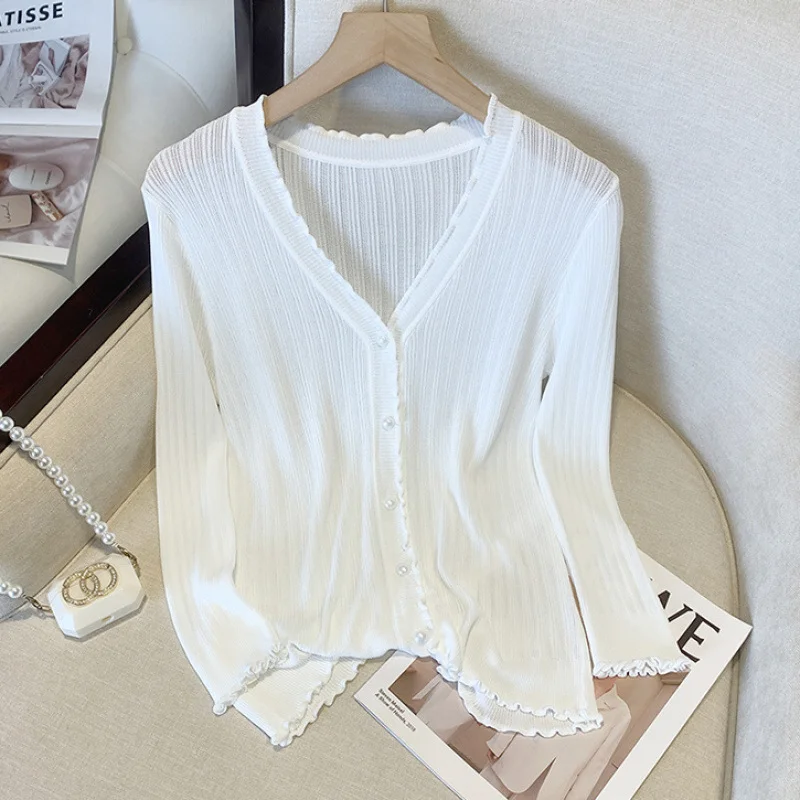
Option 5: Retro Wool Coat for Women
This cardigan-style coat is described as European-inspired and made from durable polyester fiber. It is priced at $33.32. The loose fit and long sleeves make it a cozy option for cooler days. Best for Those who prefer a relaxed, cardigan-style coat that is easy to slip on and off.
- Pro: The cardigan style allows for easy access to items in your pockets and is less restrictive than a buttoned coat.
- Pro: The polyurethane fiber is durable and easy to care for, suitable for frequent wear.
- Con: Despite the name, it is made of polyester, not real wool, so it may not provide the same level of warmth or breathability as a true wool coat.
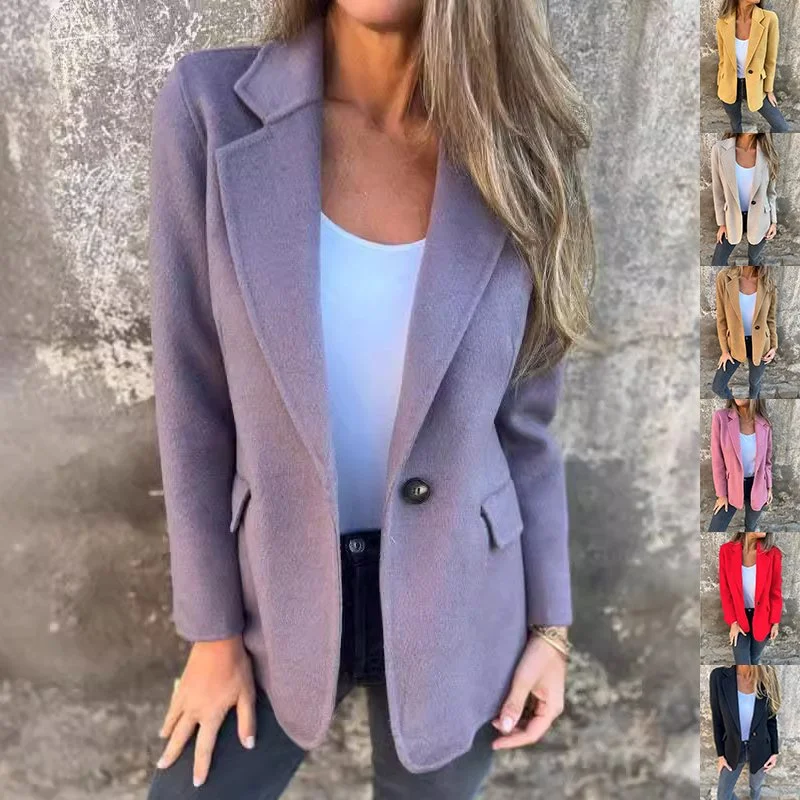
Option 6: Ins Button Lapel Short Blazer
This short blazer is designed for commuting style and is priced at $27.04. It features a solid color pattern and is available in sizes S to 5XL. The description notes Asian sizing. Best for Commuters who need a short, structured layer that can be worn over a dress or blouse.
- Pro: The short length provides more freedom of movement and looks polished with skirts or dresses.
- Pro: The button lapel design adds a professional touch suitable for office wear.
- Con: The short length offers less coverage for the legs, so it may not be sufficient on very windy or rainy days without additional layering.
Comparison Table
| Product | Price | Material/Type | Key Feature | Best For |
|---|---|---|---|---|
| Elegant Checkered Blazer | $71.96 | Printed Trench (Specs N/A) | Double-breasted, checkered pattern | Professional office look |
| Chest Strap Padded Coat | $18.96 | Polyester, Cotton-padded | Lightweight padding, solid colors | Budget-friendly mild fall layer |
| Loose Cotton Shirt | $11.92 | Pure Cotton | Relaxed fit, breathable | Inner layer for comfort |
| Knitted Shawl | $27.48 | Knitted Fabric | Asymmetric fit, puff sleeves | Fashion layer for mild days |
| Retro Wool Coat | $33.32 | Polyester Fiber | Card Shop the story
All products from this guide
|