Building a fall office wardrobe when you wear a larger size often feels like a trial and error process. You want clothes that look professional, fit comfortably through a full day of sitting and standing, and last through the season. The challenge is that many standard department store options are just "biggified" versions of straight sizes, leading to poor fit at the bust, waist, and hips. This guide cuts through the noise to help you identify high-quality plus size blouses and sweaters that actually work for your body. We will focus on specific fabric choices, sizing strategies, and styles that balance comfort with office-appropriate aesthetics.
Understanding Sizing: Curve Fit vs. Plus Size
Before you buy a single item, you need to understand how sizing works for plus size clothing, especially when shopping online or from international brands. Confusing "plus size" with "curve fit" is one of the most common reasons for ill-fitting garments. These terms are often used interchangeably in marketing, but they refer to different construction methods and body shapes.
What is the difference between curve fit and plus size sizing?
Standard plus size clothing is typically made by scaling up a straight-size pattern. This means the proportions remain the same as a size 4 or 6, just larger. For example, the ratio of bust to waist to hip stays the same, even if the measurements increase. Curve fit clothing is designed specifically for bodies with a larger bust and hip measurement relative to the waist. The pattern is adjusted to have more room in the bust and hips while maintaining a closer fit around the waist. If you have a significant difference between your bust and waist measurements (often 15-20 inches or more), curve fit styles will provide a much better fit than standard plus size items.
Navigating Asian Sizing Standards
Many affordable plus size blouses and sweaters available online are manufactured in Asia. These items almost always use Asian sizing standards, which run significantly smaller than US or EU sizes. A size "M" in an Asian garment might fit like a US size 6-8, while a "XL" might fit like a US 14-16. If you are used to ordering a US 18 or 20, you will likely need to order a 3XL or 4XL in these specific products. Always check the specific measurement chart provided by the seller if available. If you are between two sizes, the general rule for Asian sizing is to choose the larger size. This ensures the garment does not pull across the chest or feel restrictive when you sit down. Keep in mind that manual measurements can vary by 2-3 cm (about 1 inch) due to human error in production, so allow for some slight variance in fit.
Choosing the Right Fabrics for Fall
Fabric is the single most important factor in determining how a blouse or sweater looks and feels over a long workday. The wrong fabric can cause discomfort, visible lines, or a lack of professionalism. For fall office wear, you need materials that provide warmth without bulk, drape well over the body, and maintain their shape.
Best Fabrics for Plus Size Blouses
For blouses, structure is key. You want a fabric that stands away from the body slightly to create a clean line. Polyester blends Are a practical choice for office wear because they resist wrinkles, dry quickly, and hold their shape well. A blouse made from a polyester blend will look crisp throughout the day, even if you are sitting at a desk for eight hours. Look for blends that include some spandex or elastane (around 2-5%) to allow for movement and breathing room. Pure cotton can be comfortable but tends to wrinkle easily and may not have enough body to drape well over a larger bust. If you choose cotton, look for heavier weights like poplin or oxford, which have more structure than lightweight lawn or chiffon.
Crepe Is another excellent fabric for fall blouses. It has a textured surface that hides minor imperfections and adds visual interest without relying on patterns. Crepe drapes beautifully over the body and is generally opaque enough to not require a separate undershirt in most lighting conditions. Avoid sheer fabrics unless you plan to layer them over a solid-color tank or camisole. Sheer materials can look unprofessional if they are too thin or if the undershirt shifts during the day.
Best Fabrics for Sweaters and Cardigans
For sweaters, the goal is warmth without excessive bulk. Medium-thickness knits Are ideal for fall. They provide enough insulation for cool office environments but are not so heavy that they make you feel overheated. Look for blends that include acrylic, wool, or polyester. Acrylic is durable and easy to care for, making it a good option for daily wear. Wool blends offer superior warmth and breathability, but they may require more careful cleaning. Avoid very thin, delicate knits that can snag easily or lose their shape after a few washes. A medium-density knit will maintain its structure and provide a polished look.
When selecting a sweater, pay attention to the gauge of the knit. A tighter, smaller gauge knit looks more refined and professional than a large, chunky cable knit. Large cables can add visual bulk to the torso, which may not be the effect you want for a sleek office look. A fine-gauge knit with a subtle texture, such as a ribbed pattern, adds interest while keeping the silhouette streamlined.
Top Styles for the Office
Now that you understand sizing and fabrics, let’s look at specific styles that work well for plus size bodies in a professional setting. The right cut can flatter your figure and make you feel confident. We will focus on styles that are versatile, easy to layer, and appropriate for most office environments.
1. The Embroidered Loose-Fitting Shirt
Embroidered shirts add a touch of personality to a professional wardrobe without being too casual. Loose-fitting styles are particularly flattering for plus size bodies because they do not cling to the midsection. They create a relaxed silhouette that is comfortable for long days. Look for embroidery that is subtle and placed strategically, such as near the collar or cuffs, to draw the eye upward rather than across the torso.
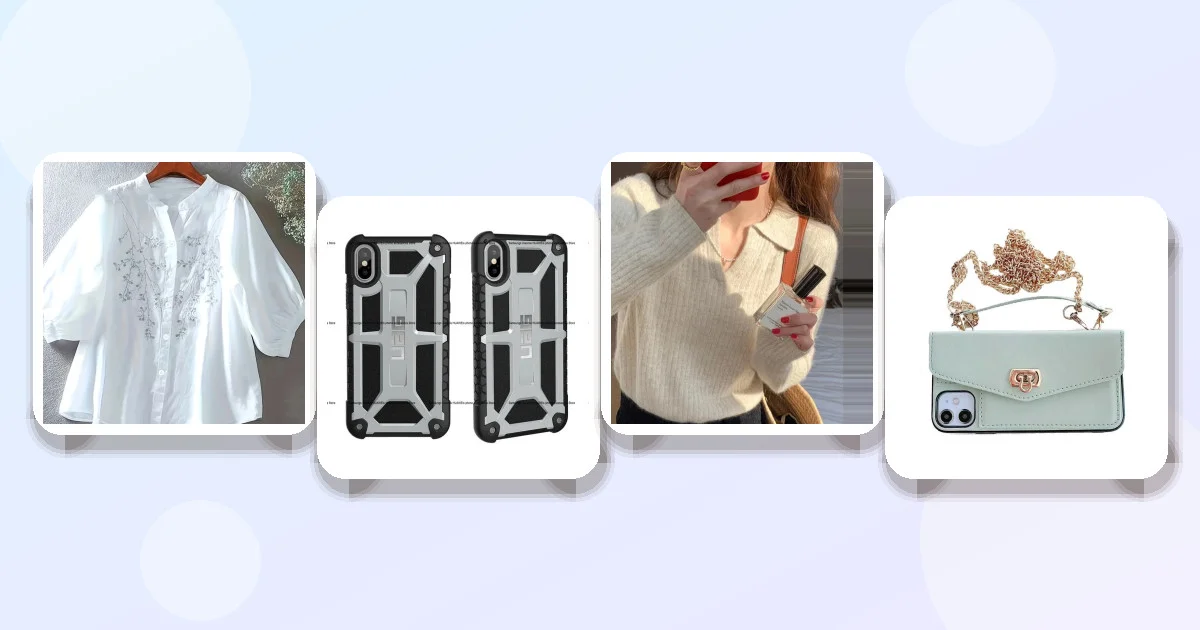
Plus-Size Womens Casual Embroidered Shirt
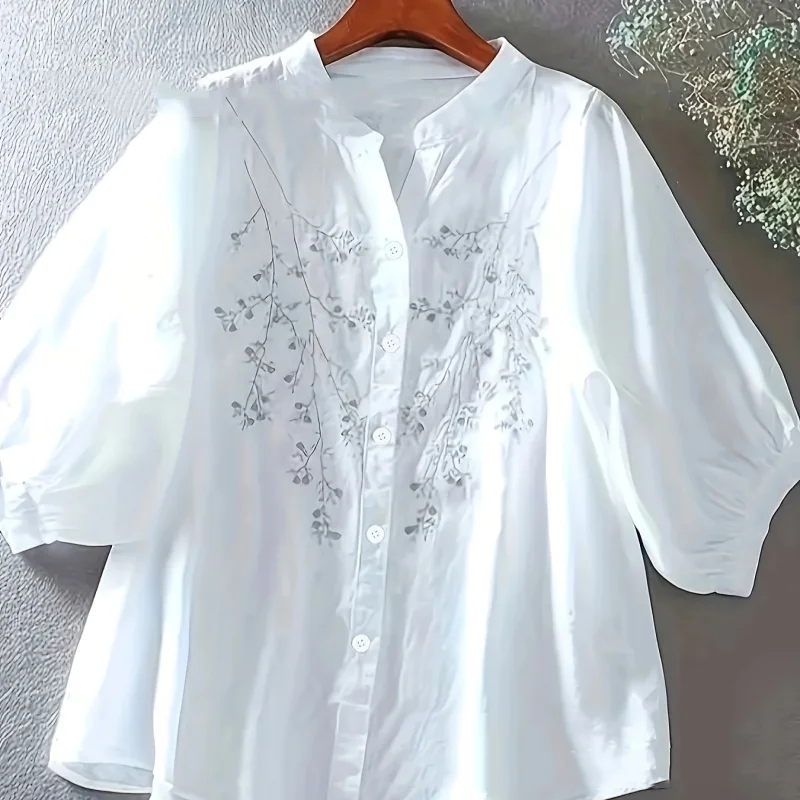
- Loose fit provides comfort and allows for easy movement throughout the day.
- Embroidery adds visual interest and a professional touch to a simple shirt.
- Check the specific length, as loose fits can sometimes be longer than intended, requiring tucking.
2. The Polo Collar Knitwear Shirt
A polo collar is a classic element of professional wear. When styled in a soft knit fabric, it bridges the gap between casual and formal. This style is versatile; you can wear it on its own or layer it under a blazer. The collar adds structure to the neckline, which can be flattering for various neck lengths. Look for a polo collar that is not too stiff, as a rigid collar can look out of place in a soft knit garment.
Plus Size Polo Collar Knitwear Retro Soft Glutinous Sweater Bottoming Shirt
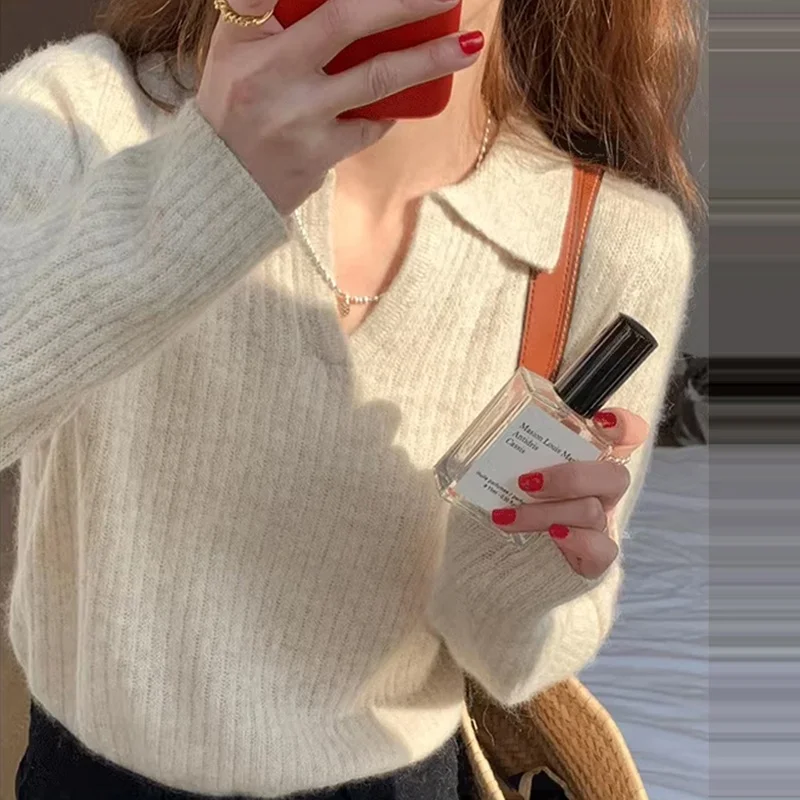
- Polo collar adds a professional, structured element to the neckline.
- Soft knit material offers comfort for long hours of wear.
- Asian sizing means you must size up; check the weight range (M-L-XL-2XL) to ensure it fits your specific measurements.
3. The Simple Plus Size Cardigan
A cardigan is an essential layering piece for fall. It provides warmth that you can control by opening or closing the front. A simple, solid-color cardigan is the most versatile option for the office. It can be worn over a blouse, a turtleneck, or even a dress. Look for a medium thickness that provides warmth without adding bulk. A straight cut is generally more flattering than a fitted cut, as it creates a clean vertical line.
Women's Coat Simple Fashion European and American Style Plus Size Women's Sweater Cardigan
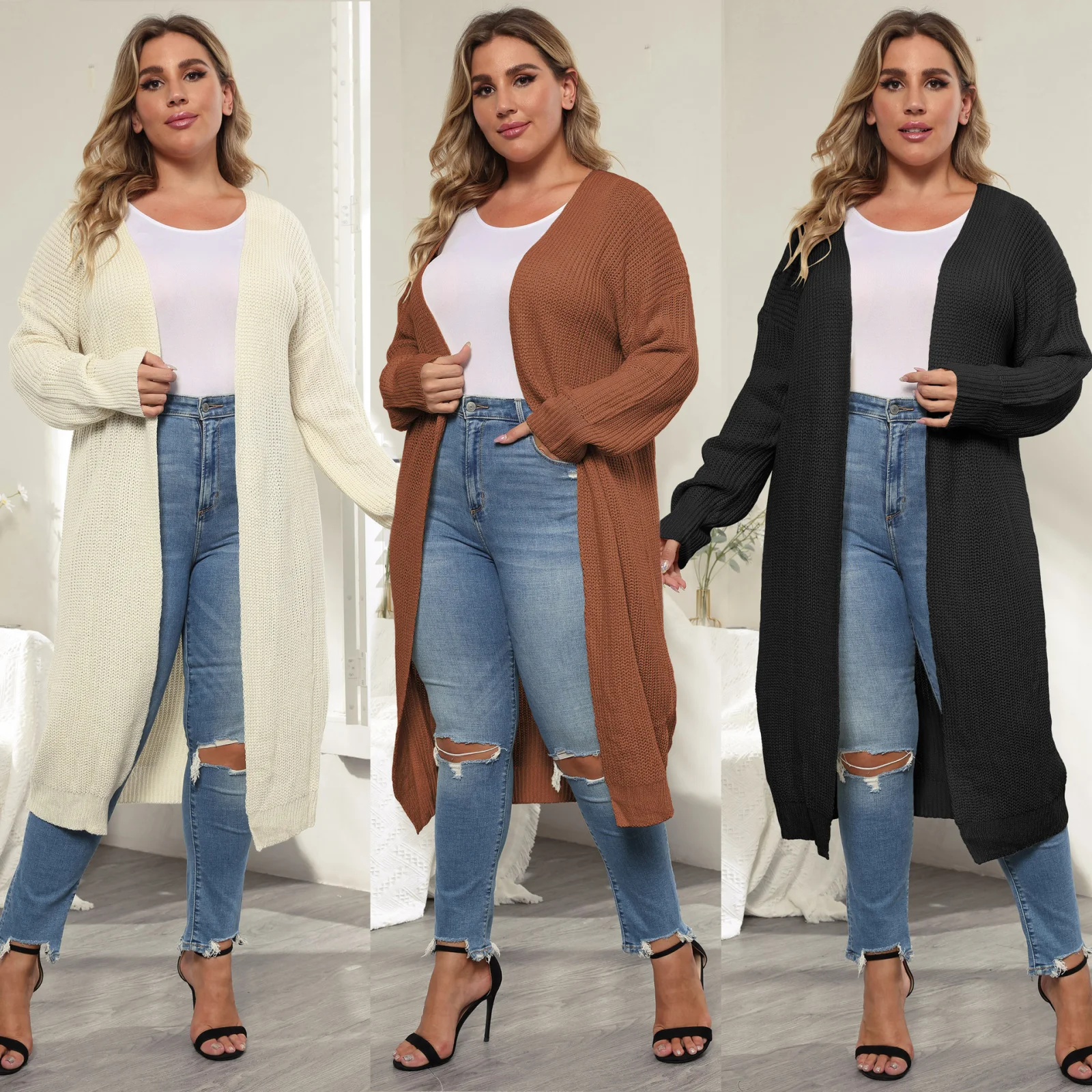
- Medium thickness offers balance between warmth and bulk for fall weather.
- Available in neutral colors (beige, black, brown) that match most office wardrobes.
- Asian sizing applies; if you are between sizes, choose the larger one to ensure a comfortable fit.
Product Comparison
To help you decide which items to prioritize, here is a comparison of the selected products based on their key attributes. Keep in mind that all these items use Asian sizing standards, so always size up if you are between sizes.
| Product | Price | Type/Material | Options Available | Best For |
|---|---|---|---|---|
| Plus-Size Womens Casual Embroidered Shirt | $23.88 | Blouse (Loose Fit) | Check listing for specific color/size combos | Relaxed, detailed office wear |
| Plus Size Polo Collar Knitwear | $27.88 | Polyester Knit | Plum, White Beige; M-2XL | Smart-casual tucked-in looks |
| Plus Size Women's Sweater Cardigan | $36.48 | Medium Thickness Knit | Beige, Black, Brown; L-3XL | Layering and temperature control |
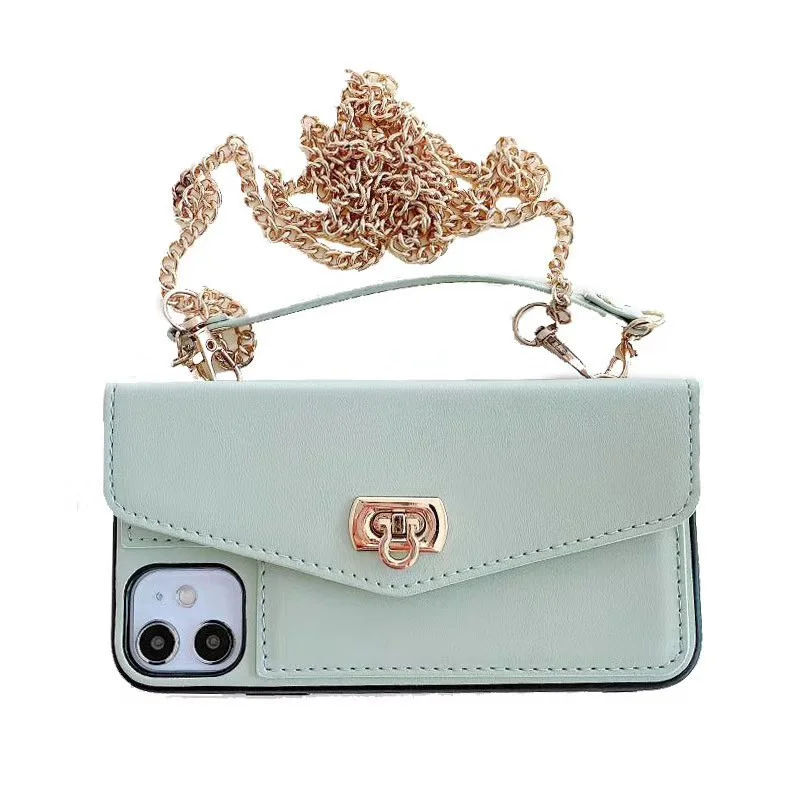
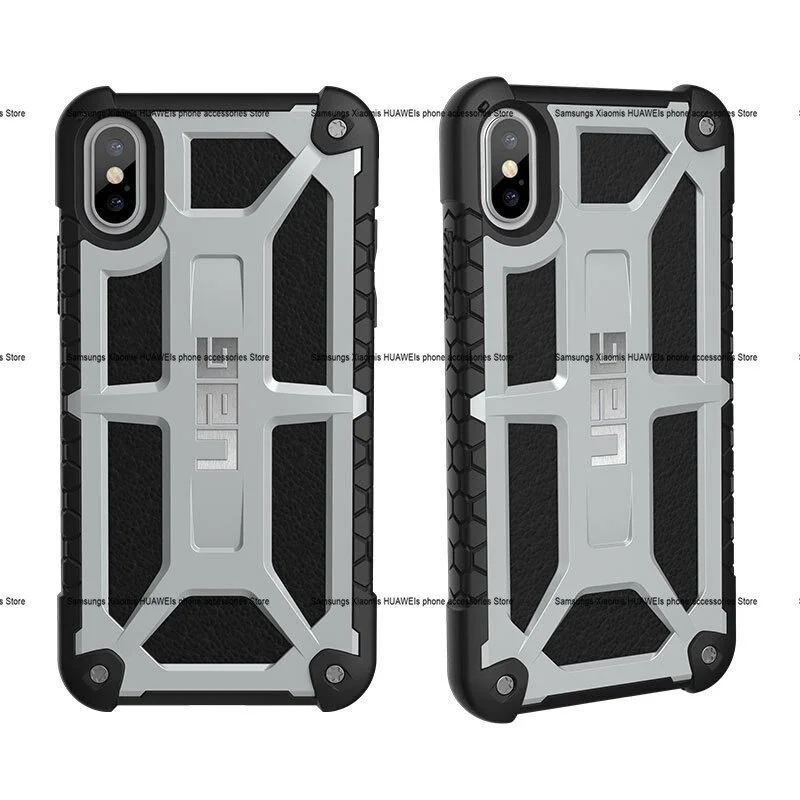
Note: The "Outdoor Fall Protection Cover" and "Shoulder Strap Type Card Changer Phone Case" listed in the source data are not clothing items and are therefore not included in this clothing comparison table. They are accessories that may be useful for protecting your gear or phone while commuting to the office, but they do not address the core need for professional blouses and sweaters. The "Luxury Suede Leather Phone Case" is also an accessory for iPhone 7 & 7 Plus and does not fit the category of office apparel. We focus here on the three relevant clothing items.
Common Mistakes to Avoid
Even with the right knowledge, it is easy to make mistakes when shopping for plus size office wear. Avoiding these common errors can save you time, money, and frustration.
Ignoring the Sizing Chart
The most common mistake is assuming that your usual size will fit in a plus size garment, especially when shopping from international brands. Always measure yourself with a soft measuring tape. Measure your bust, waist, and hips at their widest points. Compare these measurements to the specific garment's size chart. Do not rely on the size label alone. If your measurements fall between two sizes, choose the larger size. This is particularly important for knit fabrics, which can stretch out over time, and for loose-fitting blouses, which may feel too baggy if you size down.
Choosing the Wrong Fabric Weight
Another mistake is selecting a fabric that is too thin or too heavy for the season. Thin fabrics can cling to the body and show every contour, which may not be the look you want. Heavy fabrics can add bulk and make you feel overheated in a climate-controlled office. Aim for medium-weight fabrics that provide structure without excessive bulk. For blouses, look for fabrics with some drape. For sweaters, look for medium-thickness knits that are warm but not heavy.
Neglecting the Fit at the Bust
Many plus size blouses are designed with standard proportions, which can lead to a poor fit at the bust if you have a larger bust size. Look for blouses with a curved hem or a slightly longer length to accommodate a larger bust. Avoid blouses that pull at the buttons or create horizontal lines across the chest. If a blouse fits well at the waist but pulls at the bust, it is not the right fit, no matter how much you like the style. Consider alterations if you find a blouse you love that needs minor adjustments.
Buying Only Black
While black is a versatile color, wearing only black can make your wardrobe feel monotonous. Incorporate other neutral colors like beige, navy, gray, and brown into your fall office wardrobe. These colors are professional and pair well with each other. Adding a pop of color, such as plum or burgundy, can make your outfit stand out in a positive way. Mix and match different neutrals to create variety without overcomplicating your outfit choices.
Styling and Care Tips
Once you have the right pieces, styling and care are key to making them last and look their best. Here are some practical tips to help you get the most out of your plus size office wardrobe.
Layering for Warmth and Style
Layering is essential for fall office wear. Start with a base layer, such as a tank top or camisole, if the blouse is slightly sheer or if you want extra warmth. Choose a tank top in a color that matches your blouse or is a neutral shade like white, black, or nude. This ensures that if the blouse shifts, the tank top is not visible. Over the blouse, add a cardigan or blazer. A cardigan is a softer layer that can be worn open or buttoned. A blazer adds structure and formality. Choose a blazer that fits well at the shoulders, as this is the most important area for a tailored look. If the blazer is tight across the chest, try a different size or style.
Caring for Your Garments
Proper care extends the life of your clothes and keeps them looking professional. Always read the care label before washing. Most polyester blends and knits can be machine washed on a gentle cycle with cold water. Avoid using hot water, which can cause shrinkage or damage to synthetic fibers. Dry your garments flat to maintain their shape, especially for knits. Hanging a sweater can cause it to stretch out over time. If a blouse wrinkles, hang it immediately after washing or use a steamer to remove wrinkles. Ironing can be used on some fabrics, but be cautious with synthetic materials, which can melt under high heat. Use a low heat setting and a pressing cloth if necessary.
Accessories to Complete the Look
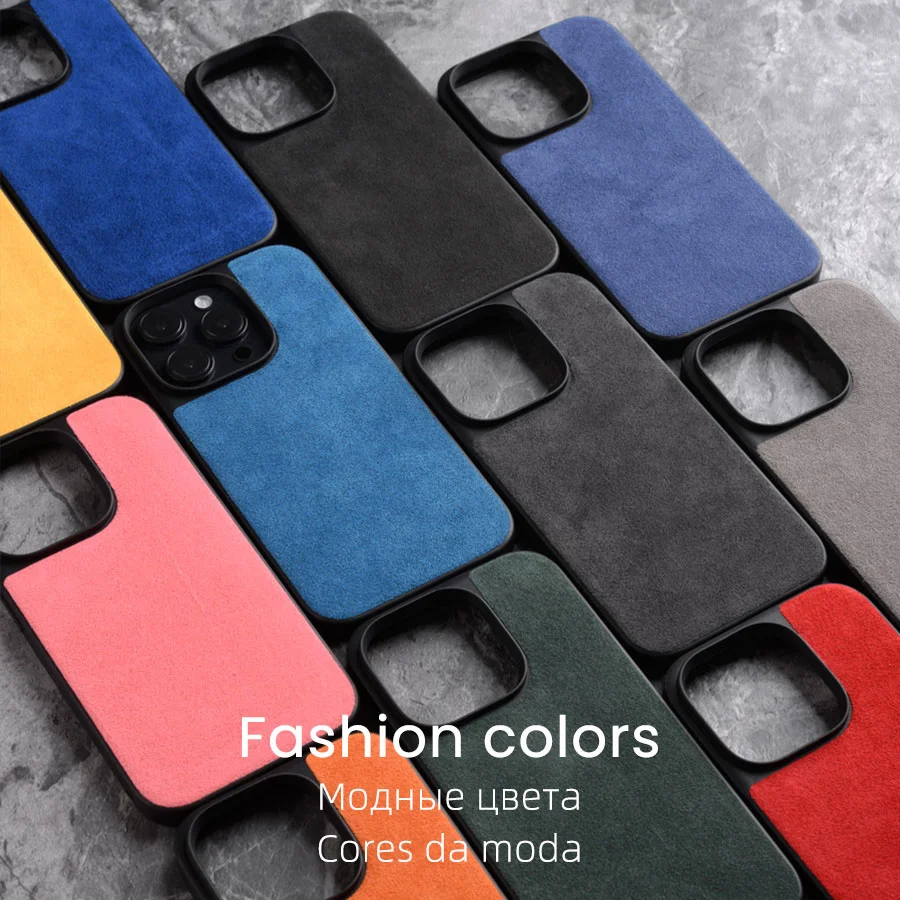
Accessories can improve a simple office outfit. A simple necklace can add interest to a solid-color blouse. A belt can define your waist if you are wearing a loose-fitting blouse. Choose a belt that matches your shoes or pants for a cohesive look. Keep jewelry minimal and professional. Avoid large, noisy jewelry that can be distracting in a meeting. A watch is a classic accessory that adds a touch of sophistication. For your phone, a protective case can be a practical addition to your commute. For example, a Luxury Suede Leather Phone Case
Frequently asked questions
❓ What are the best fabrics for plus size blouses in the fall?
The best fabrics are medium-weight polyester blends and crepe. Polyester blends resist wrinkles and hold their shape, making them ideal for long office days. Crepe drapes well and adds texture. Avoid thin, clingy fabrics like lightweight cotton or sheer synthetics, as they can look unprofessional and feel uncomfortable when layered.
How do I pick a flattering sweater size for a plus size body?
Measure your bust, waist, and hips. Compare these to the garment's specific size chart, not just the size label. Since many items use