Winter layering is a balancing act. You want enough warmth to stay comfortable, but not so much bulk that your coat looks like a tent or your blazer strains at the shoulders. Many women give up on layering because they find it difficult to find knitwear that fits smoothly under structured jackets. This guide focuses on five specific, affordable sweater options that prioritize fit and fabric weight over heavy branding. We will break down exactly how to measure for layering, which necklines hide the best, and how to style these pieces for a polished, practical winter wardrobe.
How to Choose the Right Sweater for Layering
Before buying any knit, you need to understand how it will interact with the clothes you already own. The goal is to create a "second skin" effect where the sweater adds warmth without adding visible volume. Here are the three critical factors to check before you add a sweater to your cart.
1. Fabric Weight and Drape
The weight of the fabric determines how much space the garment takes up. Heavy cable knits or chunky chunky-yarn sweaters are great for standalone wear, but they are poor candidates for layering under tailored blazers or slim-fit coats. For layering, look for fine-gauge knits. These are tightly woven fabrics that feel substantial but lie flat against the body.
Materials like polyester blends and spandex are often used in affordable layering sweaters because they hold their shape and resist stretching out. While natural fibers like merino wool are the gold standard for warmth, they can be expensive and require delicate care. Polyester and spandex blends are durable, machine-washable, and provide a smooth silhouette that sits neatly under outerwear. If you are sensitive to synthetic fabrics, check the product description for "soft" or "brushed" finishes, which mimic the comfort of natural fibers.
2. Fit and Sizing
This is where most layering goes wrong. A sweater that fits perfectly on its own will often look too tight when you add a coat or blazer over it. Conversely, an oversized sweater creates bulk that distorts the shape of your outerwear.
The Rule of Thumb: Your layering sweater should fit true to size or slightly loose, but never tight. The fabric should not dig into your skin or leave marks on your arms. If you are between sizes, check the specific sizing guide for the brand. Note that many online retailers, particularly those shipping from Asia, use sizing that runs 1–2 sizes smaller than US or EU standards. Always measure yourself and compare to the specific garment's dimensions if available. If the listing says "Free Size," check the weight range to ensure it accommodates your body type without being constrictive.
3. Neckline and Collar Height
The neckline determines how the sweater interacts with the collars of your jackets and blazers.
- V-Neck: The most versatile option. It works under button-down shirts, high-neck dresses, and blazers. It creates a clean line that doesn't bunch up at the throat.
- Round Neck (Crew Neck): Good for layering under open cardigans or coats with wide lapels. Avoid if you are wearing a high-neck dress underneath, as the layers will compete for space at the neck.
- Open Cardigan: Ideal for adding warmth without bulk. Because the front is open, it eliminates the double-layer of fabric at the chest and waist, which is where most bulk accumulates.
- Turtleneck: Only works if the knit is very thin and the coat has a high collar. Otherwise, it creates a "choking" effect and adds unnecessary volume at the neck.
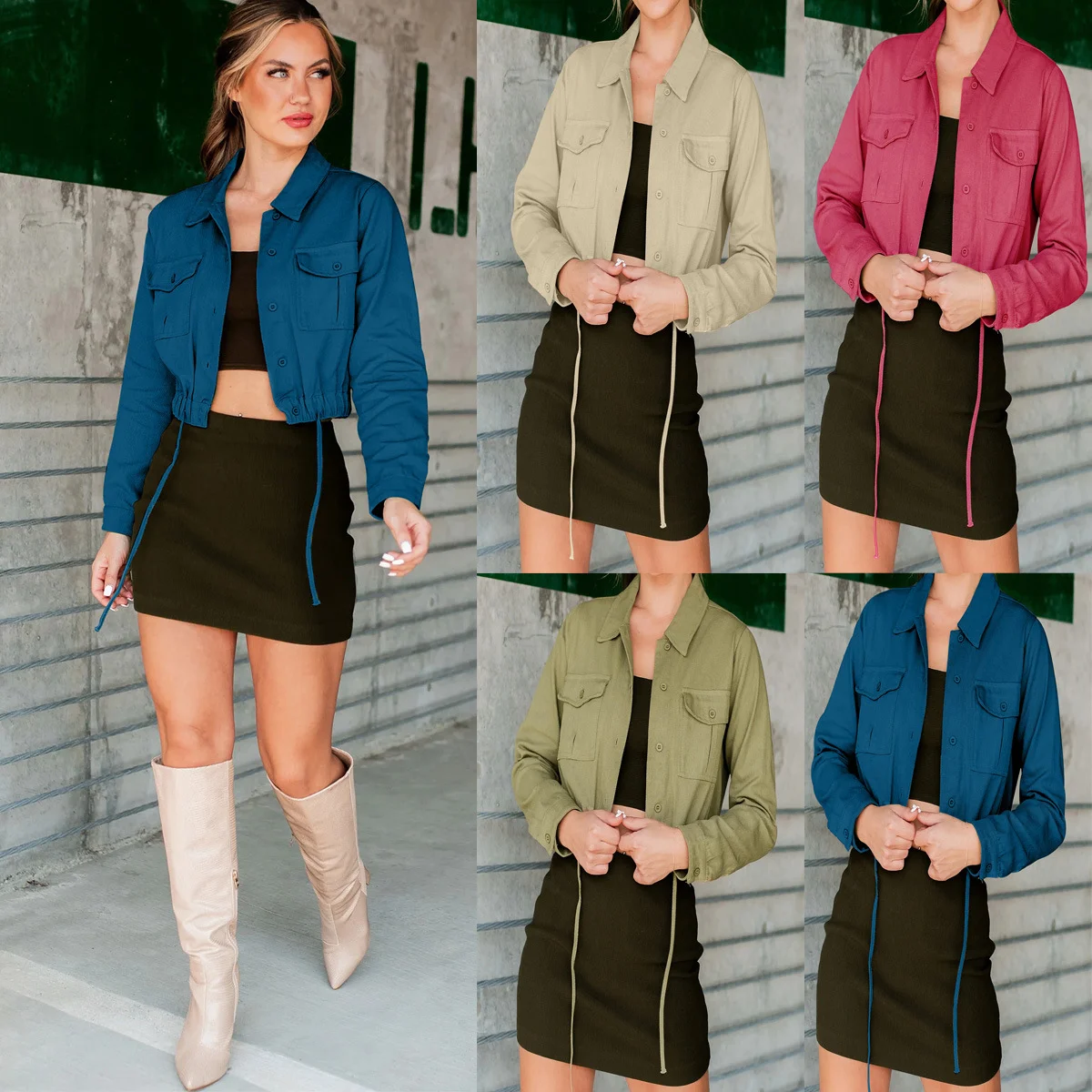
5 Best Women's Sweaters for Layering Under Winter Coats
The following five options are selected for their ability to provide warmth and comfort while maintaining a slim profile. All prices are under $40, making them accessible for building a versatile capsule wardrobe. Note that sizing and color availability may vary by retailer and region.
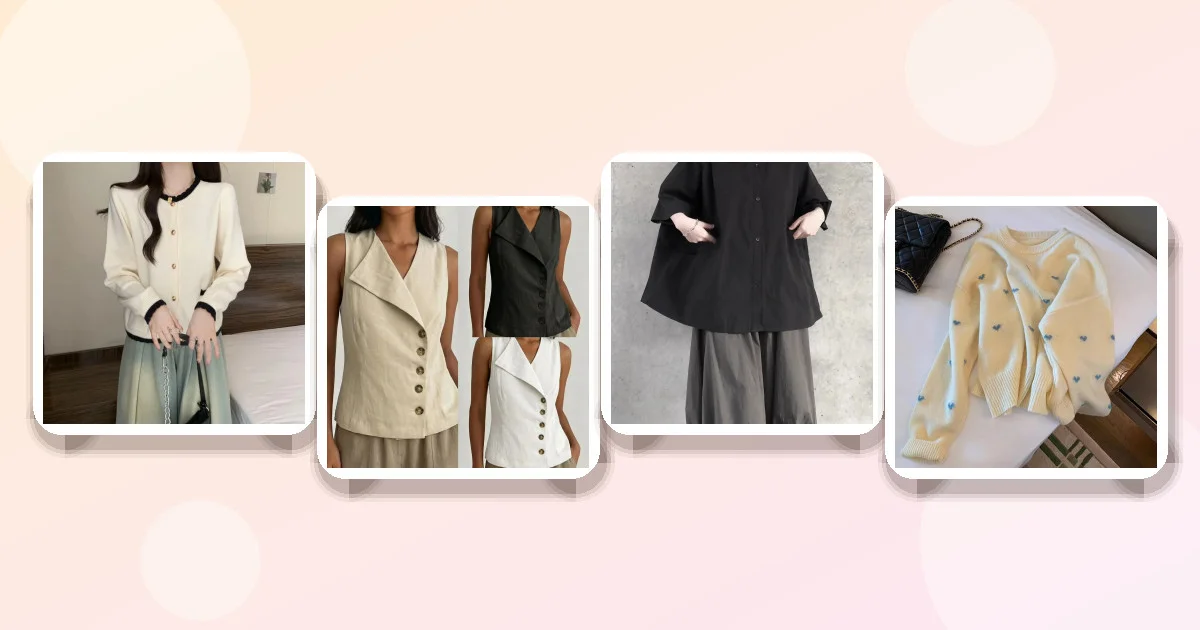
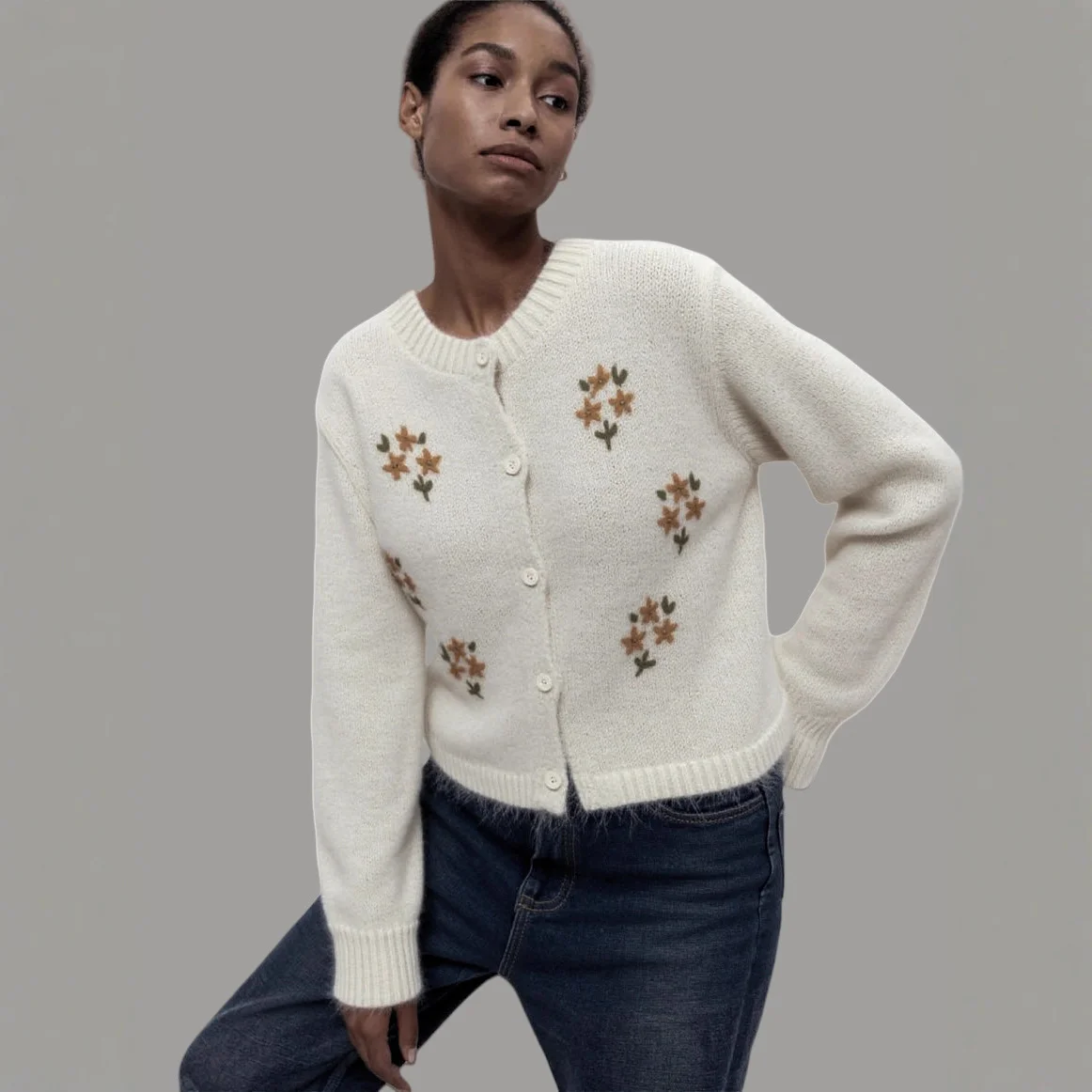
1. Korean Style Round Neck Embroidered Knitted Cardigan Sweater Coat
This cardigan offers a structured silhouette that holds its shape well, making it a reliable base layer. The embroidered details add a touch of visual interest without adding physical bulk. It is available in neutral tones like beige and gray, which pair easily with most winter coats.
Best for Women who want a polished, office-appropriate layer that can be worn over a blouse or under a wool coat without looking like a blanket.
- Pros: Structured fit prevents sagging; neutral colors are versatile for day-to-night wear.
- Pros: Long-sleeved design provides full arm coverage for cold days.
- Con: The round neckline may clash with high-neck dresses; check the size chart as Asian sizing runs small.
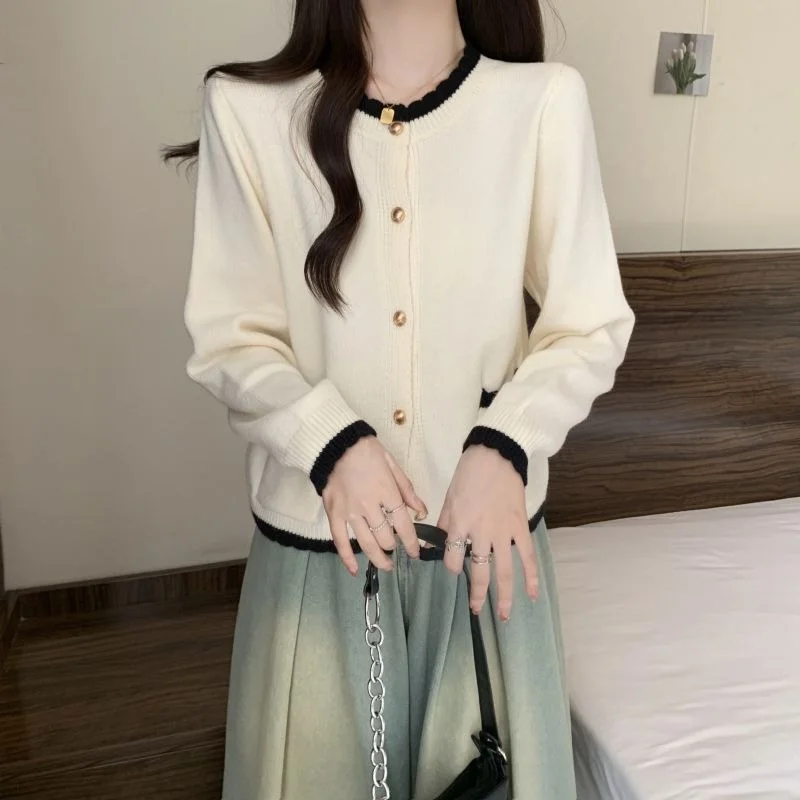
2. Women's Long-sleeved Round Neck Pocket Button Cardigan Loose Sweater
This loose-fit cardigan features a practical pocket detail and a simple round neck. The material is listed as spandex, which suggests high stretch and recovery, meaning it will conform to your body without stretching out over time. The "loose" cut provides room for a T-shirt or light blouse underneath without feeling compressed.
Best for Casual wear and layering over basic tees when you need extra warmth but want to maintain a relaxed, effortless look.
- Pros: High-stretch spandex material ensures a comfortable fit that moves with you.
- Pros: Pocket detail adds functionality for keeping hands warm or holding small items.
- Con: "Free size" may not fit all body types comfortably; the loose fit may add more volume than a slim-fit option.
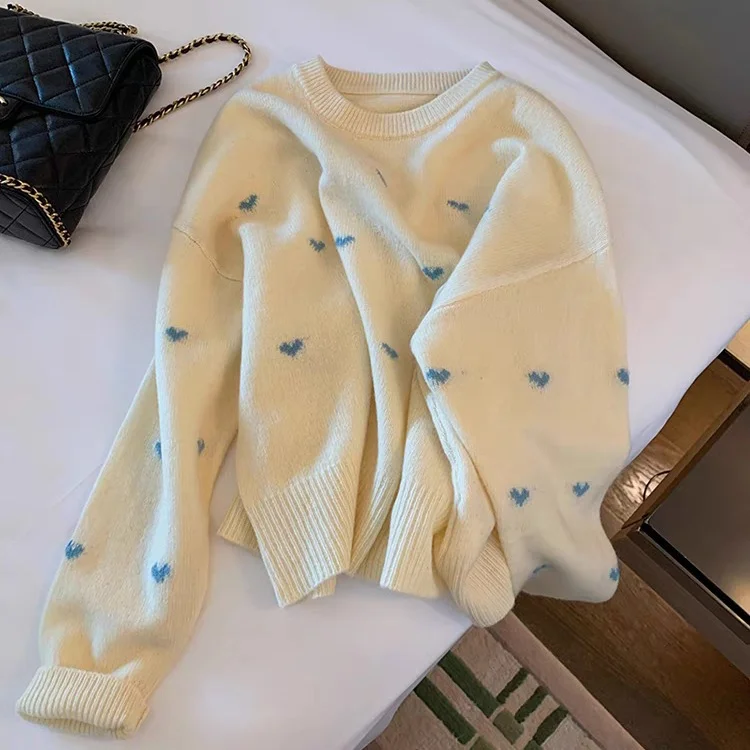
3. All-matching Youthful-looking Idle Style Soft Glutinous Short Sweater
This short-sleeve or cap-sleeve style sweater (described as "short sweater") is designed for transitional weather or as an inner layer under long sleeves. The "soft glutinous" descriptor suggests a smooth, possibly brushed polyester fabric that feels comfortable against the skin. Its short length makes it easy to tuck into high-waisted pants or skirts, preventing the fabric from bunching up at the waistline under a coat.
Best for Layering in mild winter conditions or under long-sleeve blouses when you need a bit of warmth without the bulk of full-length sleeves.
- Pros: Short length is ideal for tucking in, creating a clean waistline under coats.
- Pros: Soft polyester fabric is easy to wash and quick-drying.
- Con: May not provide enough warmth for very cold days if worn alone; sleeve length may require layering over long sleeves.
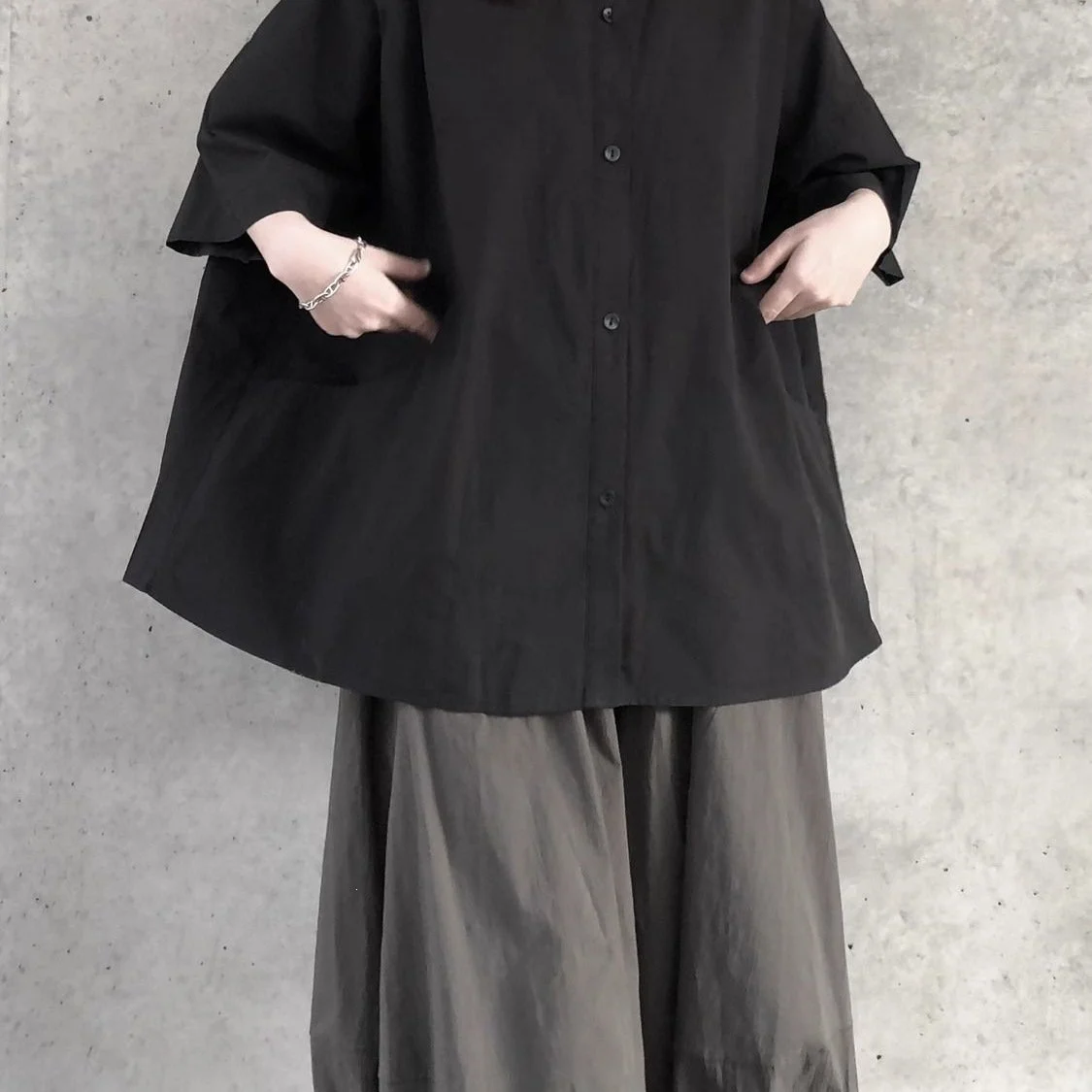
4. Loose Fit 3D Shirt
While technically a blouse, this "3D shirt" functions as a lightweight layering piece. The denim-look fabric provides structure and durability, while the loose fit allows for easy movement. The off-shoulder design adds a modern touch, but for layering, it works best when worn over a strapless top or as a standalone piece under a jacket. The fabric is likely a cotton-polyester blend to achieve the denim look without the weight of raw denim.
Best for Adding a textural layer under a blazer or coat for a casual, stylish look without the heaviness of a knit.
- Pros: Denim-look fabric adds visual interest and structure to an outfit.
- Pros: Loose fit accommodates various body types and allows for easy movement.
- Con: Off-shoulder style may not work with traditional high-neck layering; check size availability as options are limited to L-4XL in black/white.
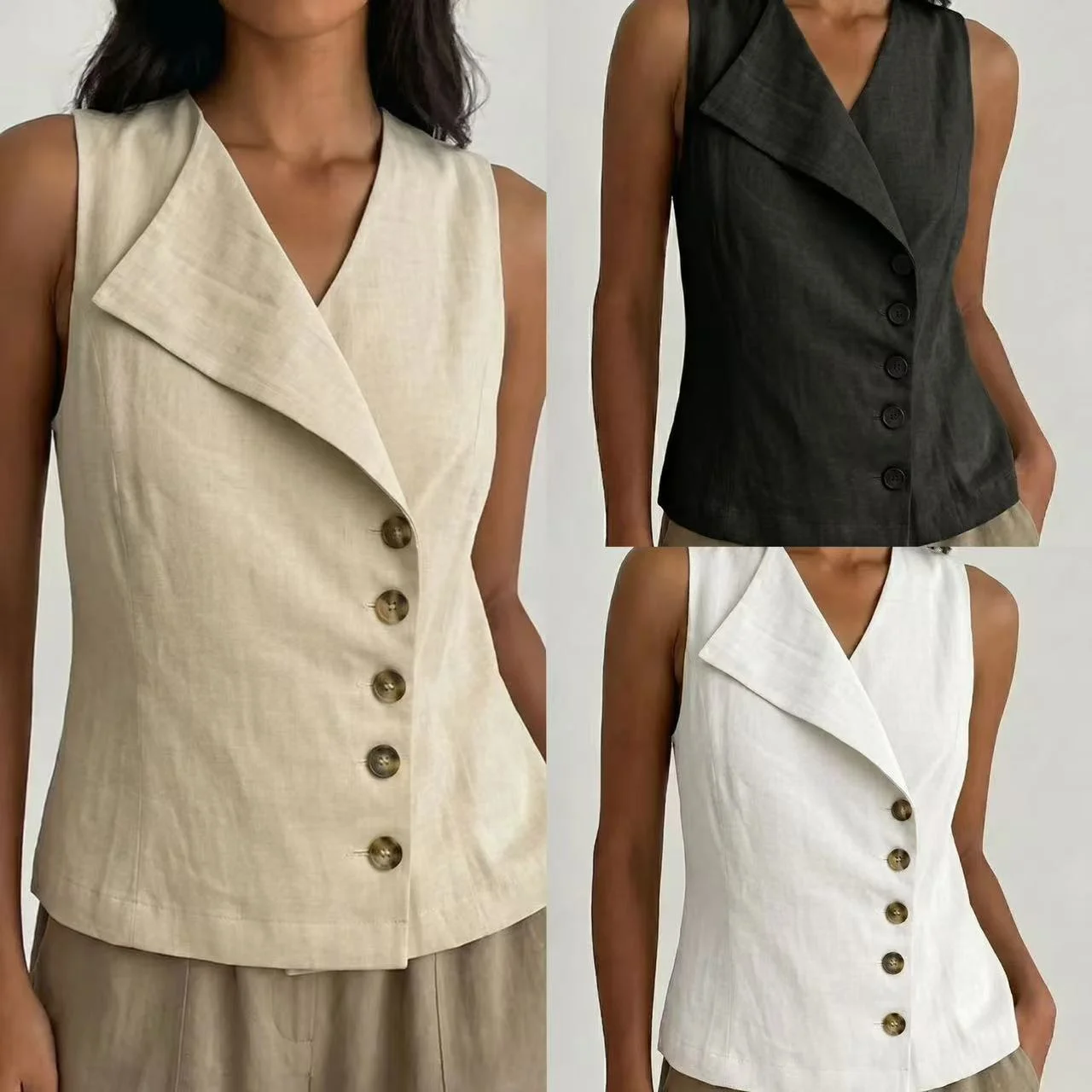
5. Womens Sleeveless Button-Down Vest V-Neck Solid-Color Shirt
This sleeveless vest is a hidden gem for layering. It provides warmth to the torso without adding any bulk to the arms, which is a common pain point when wearing heavy coats. The V-neck design allows it to be layered over a turtleneck or a button-down shirt, creating a sophisticated, multi-layered look that looks intentional rather than bulky. Because it is sleeveless, it fits easily under fitted sleeves of a blazer or coat.
Best for Women who need core warmth but hate the feeling of sleeves bunching up inside their coat arms.
- Pros: Sleeveless design eliminates arm bulk, allowing for a slimmer fit under coats.
- Pros: V-neck is versatile for layering over high-neck or collared shirts.
- Con: No arm coverage, so it must be paired with a long-sleeve top; specific material details are not listed, so check for warmth level.
Product Comparison Table
The table below compares the five recommended products based on price, material, available options, and best use case. Note that "Material" is listed as provided in the product facts; if a material is not specified, it is marked as "Not specified." Always verify current pricing and availability before purchasing.
| Product | Price | Material | Key Feature | Best For |
|---|---|---|---|---|
| Korean Style Cardigan | $28.36 | Polyester | Structured fit, embroidered | Polished office layering |
| Loose Pocket Cardigan | $19.44 | Spandex | High stretch, pockets | Casual comfort and movement |
| Short Soft Sweater | $37.20 | Polyester | Short length, tucks easily | Clean waistline under coats |
| Loose Fit 3D Shirt | $22.92 | Not specified (Denim-look) | Structured fabric, off-shoulder | Textural layering under blazers |
| V-Neck Vest | $21.24 | Not specified | Sleeveless, V-neck | Core warmth without arm bulk |
Note on Sizing: Products 1, 4, and 5 list Asian sizing that runs 1-2 sizes smaller than US/EU standards. If you are between sizes, choose the larger one. Allow for 2-3 cm variance due to manual measurement. Product 3 offers sizes from L to 4XL, which may run differently; check the specific size chart provided by the seller. Product 2 does not list detailed sizing specs in the provided facts, so verify the fit with the retailer before buying.
Common Mistakes to Avoid When Layering
Even with the right sweater, a few common errors can ruin your winter look. Avoiding these will save you time and frustration.
Mistake 1: Ignoring the Shoulder Seam
The shoulder is the most common place for layering to go wrong. If your sweater's shoulder seam falls off your shoulder, or if the coat's shoulder seam is too tight, the layers will pull and create wrinkles. When trying on a sweater, raise your arms. If the fabric pulls across your chest or back, it is too tight for layering. You need at least one inch of "ease" in the shoulder area to accommodate a coat or blazer underneath.
Mistake 2: Mixing Too Many Textures at Once
Layering is about contrast, but too much contrast creates visual noise. If you are wearing a chunky cable knit, keep the rest of your outfit smooth (e.g., silk blouse, tailored pants). If you are wearing a smooth, fine-gauge sweater, you can add texture with a textured scarf or a patterned coat. Avoid pairing a textured sweater with a textured coat and a textured scarf; it looks cluttered. Stick to one textured layer per outfit.
Mistake 3: Choosing the Wrong Neckline for the Coat
Many women wear a turtleneck under a coat with a high collar, resulting in a "double neck" look that feels restrictive. If your coat has a high stand-up collar, choose a V-neck or scoop neck sweater. If your coat has a wide lapel or open front, a round neck or turtleneck works well. Match the neckline of your inner layer to the opening of your outer layer.
Mistake 4: Forgetting About the Waistline
Bulk often accumulates at the waist because that is where layers bunch up. If your sweater is long and loose, it may create a "pool" of fabric at your waist when you wear a coat. To avoid this, choose sweaters that are slightly shorter or have a defined waist (like a cardigan with a belt or buttons). Alternatively, tuck in your sweater if the length allows. A clean waistline makes the rest of the outfit look more tailored and intentional.
Mistake 5: Not Considering Fabric Thickness
Not all sweaters are created equal. A "lightweight" sweater from one brand may be thicker than a "medium" sweater from another. Always check the fabric composition and weight description. If you are unsure, look for terms like "fine gauge" or "slim fit." If a sweater is labeled "chunky" or "cable knit," assume it will add significant bulk and test it under your coat before committing to the purchase.
Care and Styling Tips for Layered Knits
Proper care ensures your layering sweaters maintain their shape and fit over multiple seasons. Here are practical tips for keeping your knitwear in top condition.
Care Instructions
-
Wash Cold: Always wash knitwear in cold water. Hot water can cause syntheticShop the storyAll products from this guide