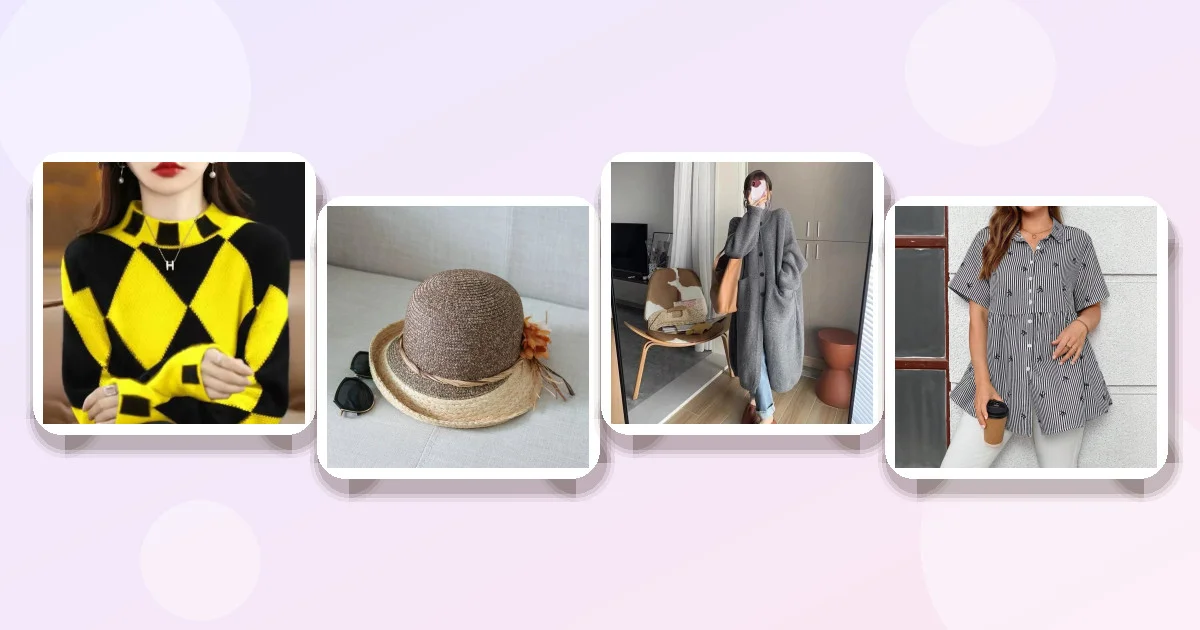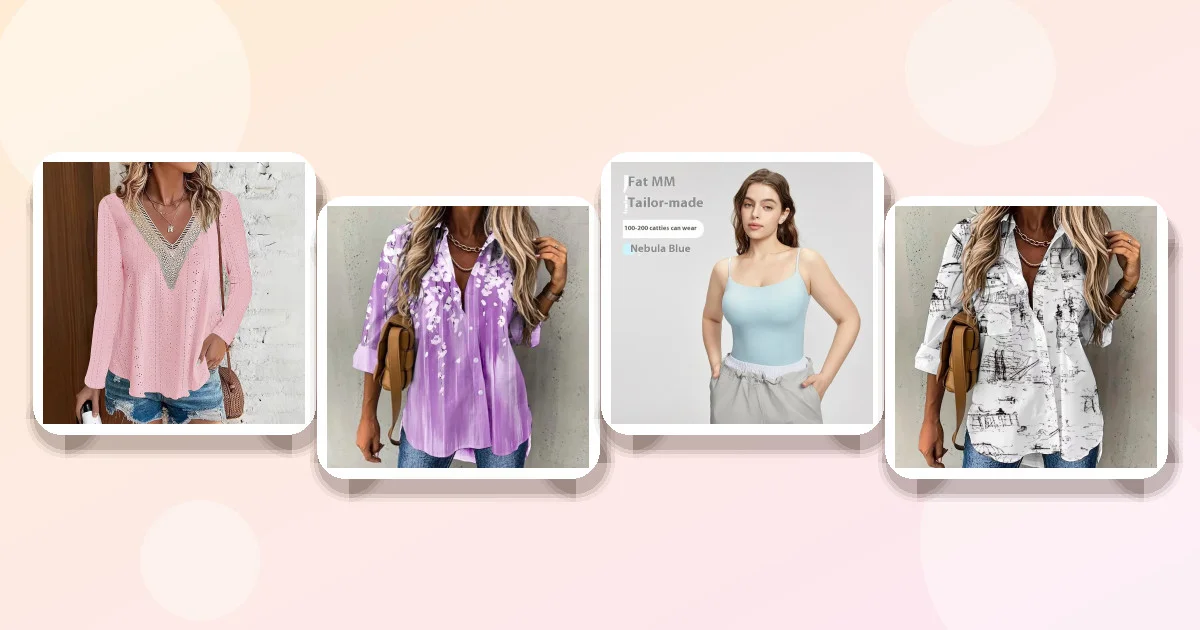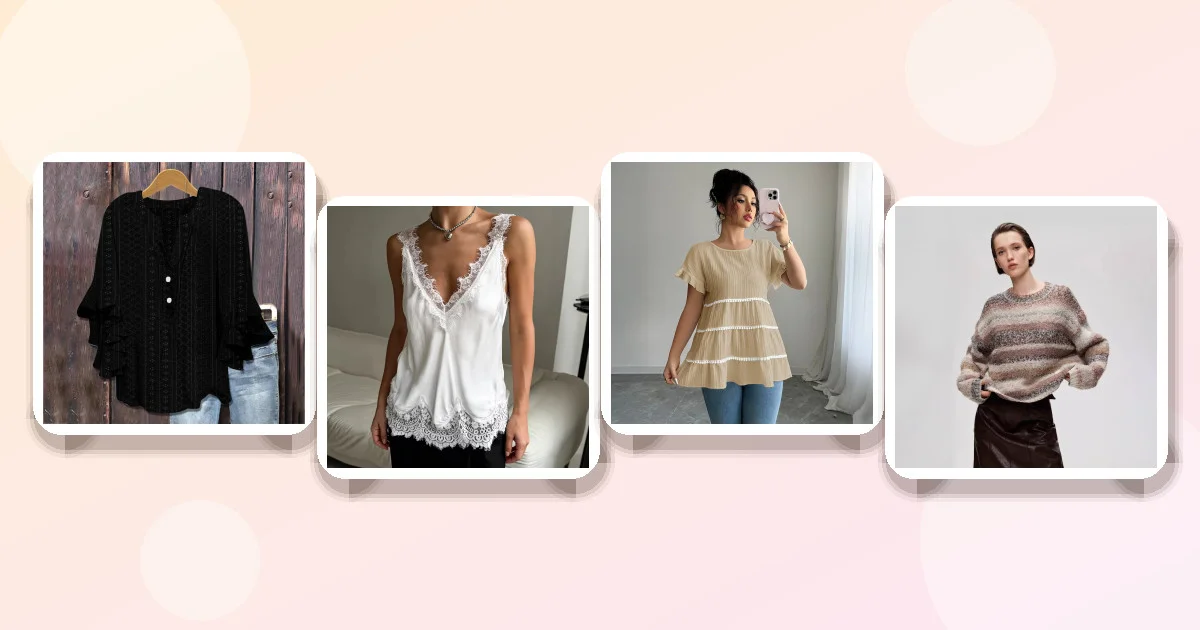
It is 6:30 AM, and you are stuck in the closet. You have a crisp white button-down, a structured navy blazer, and a sweater that looks great on its own but turns your torso into a dome when you put it on. The office is freezing in the morning and stuffy by noon, so you need a layer that provides warmth without adding two inches to your waist. This is the reality for many professional women working in climate-controlled environments. The goal is not just to stay warm; it is to maintain a clean, polished silhouette that allows your outer layers to fit as intended. This guide cuts through the noise of seasonal trends to focus on practical, specific details: how to measure for layering, which fabrics actually wick or breathe, and how to choose colors that complement standard office staples. You will learn exactly what to look for in a knit to ensure it slides easily under a blouse or blazer without bunching, stretching, or creating unflattering bulk.
The Fit Equation: Why "Slim" Means "Your Size"
The first mistake most people make is sizing up one size "for room to layer." This is a trap. When you buy a sweater in your regular size, it fits your body. When you buy it one size up, it fits your body plus the air around it. Under a structured blazer or a fitted blouse, that extra air becomes visible volume. The sweater pushes out against the fabric of your outer layer, creating a tent effect. To avoid this, you need to understand how knitwear interacts with structured garments.
Measuring for the Layer
Before you buy any sweater intended for layering, take two measurements. First, measure your chest at the fullest part. Second, measure your natural waist. Now, look at the sweater’s size chart. You want the garment’s chest measurement to be within 1 to 2 inches of your actual chest measurement. If the sweater is 4 or 5 inches larger than your chest, it is too loose to layer under a fitted top. It will create horizontal lines where the fabric bunches. A tighter fit allows the knit to lay flat against your skin and the layer beneath it, creating a single, smooth profile.
Shoulder and Sleeve Length
Shoulder seams are critical. A sweater that is too wide in the shoulders will push the shoulder of your blazer forward, distorting the lapel and the armhole. The shoulder seam of the sweater should sit exactly where your shoulder ends, or slightly inward if you are wearing it under a structured jacket. Similarly, check the sleeve length. If the sweater sleeve is too long, it will bunch at your wrist when you put on a shirt or blouse. This bunching adds bulk at the cuff, which can make your hands look thicker and disrupt the clean line of a blazer sleeve. Aim for a sweater sleeve that ends exactly at your wrist bone when your arm is relaxed. This ensures that when you layer a button-down over it, the cuff of the shirt lies flat over the sweater cuff without excess fabric folding back.
The "Pinch Test"
When trying on a sweater for layering, perform the pinch test. Gently pinch the fabric at the side of your torso. If you can pinch a thick roll of fabric, it is too bulky. You want the fabric to feel like a second skin. It should stretch comfortably with your movement but snap back to a close fit. If the sweater feels loose and drapes away from your body, it will look oversized under a blazer. The goal is compression, not coverage. The sweater should hug your form so that the outer layer defines your silhouette, not the sweater underneath.
Fabric and Weight: The Science of Bulk
Not all knits are created equal. The weight of the yarn and the type of fiber determine how much volume the sweater adds to your outfit. For office layering, you are looking for a middle ground: thick enough to provide warmth, thin enough to disappear under a blazer. This is often referred to as a "mid-weight" or "fine-gauge" knit. Understanding the material helps you predict how the sweater will behave in different temperatures and under different outer layers.
Fine-Gauge Knits
Fine-gauge knits are made with thin yarns, resulting in a dense, smooth fabric. These are ideal for layering under blouses because they have minimal texture. They do not create visual noise or physical bulk. Merino wool is the gold standard here. It is temperature-regulating, meaning it keeps you warm in the cold and cool in the heat. It is also naturally odor-resistant, which is useful if you are wearing the same layer for multiple days. Cotton is another excellent option for fine-gauge knits. It is breathable and easy to care for, though it does not wick moisture as effectively as wool. If you tend to run hot in the office, a fine-gauge cotton crew neck is a safer bet than wool.
Mid-Weight Knits
Mid-weight knits use slightly thicker yarns. They provide more warmth but also add more volume. These are best layered under unstructured blazers or looser-fitting blouses. If you wear a structured, tailored blazer, avoid mid-weight knits unless they are cut very slim. A mid-weight sweater under a tight blazer can cause the blazer to pull at the buttons or ride up at the back. If you choose a mid-weight knit, look for a fabric with some stretch, like a wool-cashmere blend or a cotton-acrylic mix, as the stretch helps the fabric conform to your body rather than bulging out.
Chunky Knits
Chunky knits are generally not suitable for layering under structured office wear. They are too thick and bulky to fit under a blazer without distorting the fit. They are best worn as the outer layer or under a very loose, oversized coat. If you love the look of chunky knits, consider wearing them with a loose, unstructured blouse that can accommodate the volume, or wear the chunky knit as the top layer with a jacket over it, rather than under it. For the specific goal of wearing a sweater under a blouse or blazer, steer clear of anything with a visible, thick rib or cable pattern. These textures add visual and physical volume that is hard to hide.
Blends and Synthetic Fibers
Blends can be useful for layering. A wool-silk blend is lighter and more drapey than pure wool, making it easier to layer. A cotton-polyester blend might be more durable and less prone to pilling, but it may not breathe as well. Be cautious with 100% acrylic or synthetic knits. They can trap heat and cause you to sweat, which is uncomfortable in a climate-controlled office. If you choose a synthetic blend, ensure it has a high percentage of natural fiber (like cotton or wool) to maintain breathability. Always check the care label. If it says "dry clean only," consider whether you are willing to send that item to the dry cleaner regularly. For daily wear, machine-washable options are more practical.
Style and Necklines: Working with Structure
The neckline of your sweater is not just an aesthetic choice; it affects how the garment sits under a button-down shirt or blazer. The wrong neckline can create a messy, layered look that appears cluttered. The right neckline creates a clean, intentional line. Here is how to choose the best neckline for office layering.
The V-Neck
The V-neck is the most versatile neckline for layering under button-down shirts. It sits neatly inside the collar of the shirt, creating a clean, elongated line from the neck to the waist. It does not bunch up at the throat, which can happen with crew necks if the shirt collar is tight. A V-neck also allows for flexibility in styling. You can layer a delicate necklace over the sweater and under the shirt, or leave the neckline bare for a minimalist look. If you are wearing a blazer over a button-down, a V-neck sweater underneath ensures that the collar of the shirt frames the sweater without competing with it. Look for a V that is not too deep; a medium V is ideal for office wear.
The Crew Neck
The crew neck is a classic, but it requires attention to fit. If the crew neck is too high, it will push against the collar of your button-down shirt, causing the shirt to ride up or bunch at the neck. This can be uncomfortable and unflattering. If the crew neck is too low, it may not cover the neckline of the shirt, leading to a messy look. A standard crew neck that sits at the base of the neck is usually the safest bet. It provides a clean, rounded line that works well with most blazer lapels. When wearing a crew neck under a button-down, ensure the shirt collar is not too tight, or consider leaving the top button of the shirt undone to create space for the sweater neckline.
The Turtleneck
Turtlenecks are a polarizing choice for office layering. They provide maximum warmth and a sophisticated look, but they can be bulky at the neck. If you choose a turtleneck for layering, it must be thin and slim-fitting. A thick, chunky turtleneck will not fit under a button-down shirt or a blazer without creating a large bulge at the neck. A fine-gauge merino turtleneck, however, can be layered under a blazer for a polished, modern look. It adds texture and warmth without adding significant volume. Turtlenecks work best with open-collar blazers or unstructured jackets. If you are wearing a structured blazer with a tight collar, a turtleneck may be too much. Always try the layer on to ensure the neck area is comfortable and not restrictive.
The Scoop Neck
The scoop neck is similar to the V-neck but with a wider, more curved opening. It is less formal than a V-neck but still works well for office layering. It allows for more breathing room at the neck and can accommodate a statement necklace if you choose to layer one. However, because it is wider, it may not sit as neatly under a button-down shirt as a V-neck. If you choose a scoop neck, ensure the shirt collar is not too high, or it may overlap with the sweater neckline. Scoop necks are a good option for casual Fridays or less formal office environments where a V-neck might look too sharp.
Top Picks for Office Layering
Selecting the right sweater for office layering requires balancing fit, fabric, and style. The following products are selected based on their ability to provide warmth and comfort while maintaining a professional appearance. Each option offers a different approach to layering, from casual comfort to structured elegance. When choosing, consider your specific office temperature, the types of blazers and blouses you own, and your personal style preferences. These picks are designed to help you navigate the fall season with confidence, ensuring that your layers work together rather than against each other.
1. Printed Casual Trend V-neck Flounce Sleeve T-shirt
This printed casual trend V-neck flounce sleeve T-shirt offers a lighter, more casual option for layering. The V-neck design allows it to sit neatly under button-down shirts, while the flounce sleeves add a feminine touch that can soften the look of structured office wear. The printed pattern adds visual interest, making it a good choice for those who want to add a bit of personality to their work wardrobe without excessive bulk.
Printed Casual Trend V-neck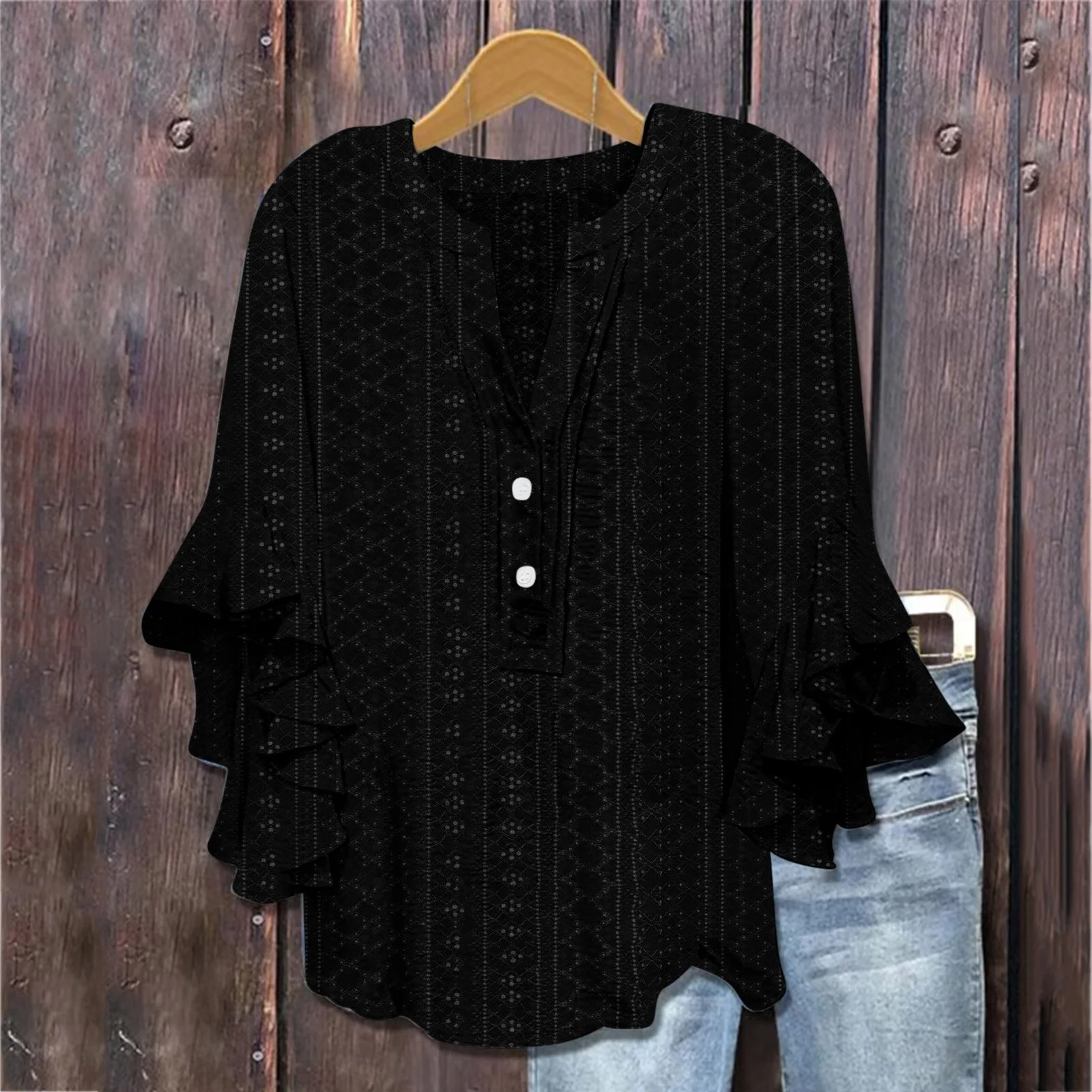
- V-neck design sits cleanly under button-down collars.
- Flounce sleeves add a soft, feminine detail to structured outfits.
- Printed pattern may not suit strictly conservative office dress codes.
2. Lace-trimmed Sleeveless T-shirt A Stylish Top For Women
This lace-trimmed sleeveless T-shirt is a unique option for layering in warmer office environments or for those who prefer a lighter feel. The lace trim adds a delicate, professional detail that improve the look of a simple tank or sleeveless top. It can be worn under a blazer or a lightweight cardigan to add texture and interest without the weight of a full sweater. The sleeveless design makes it an ideal base layer for spring and fall when full sleeves are too warm.
Lace-trimmed Sleeveless Top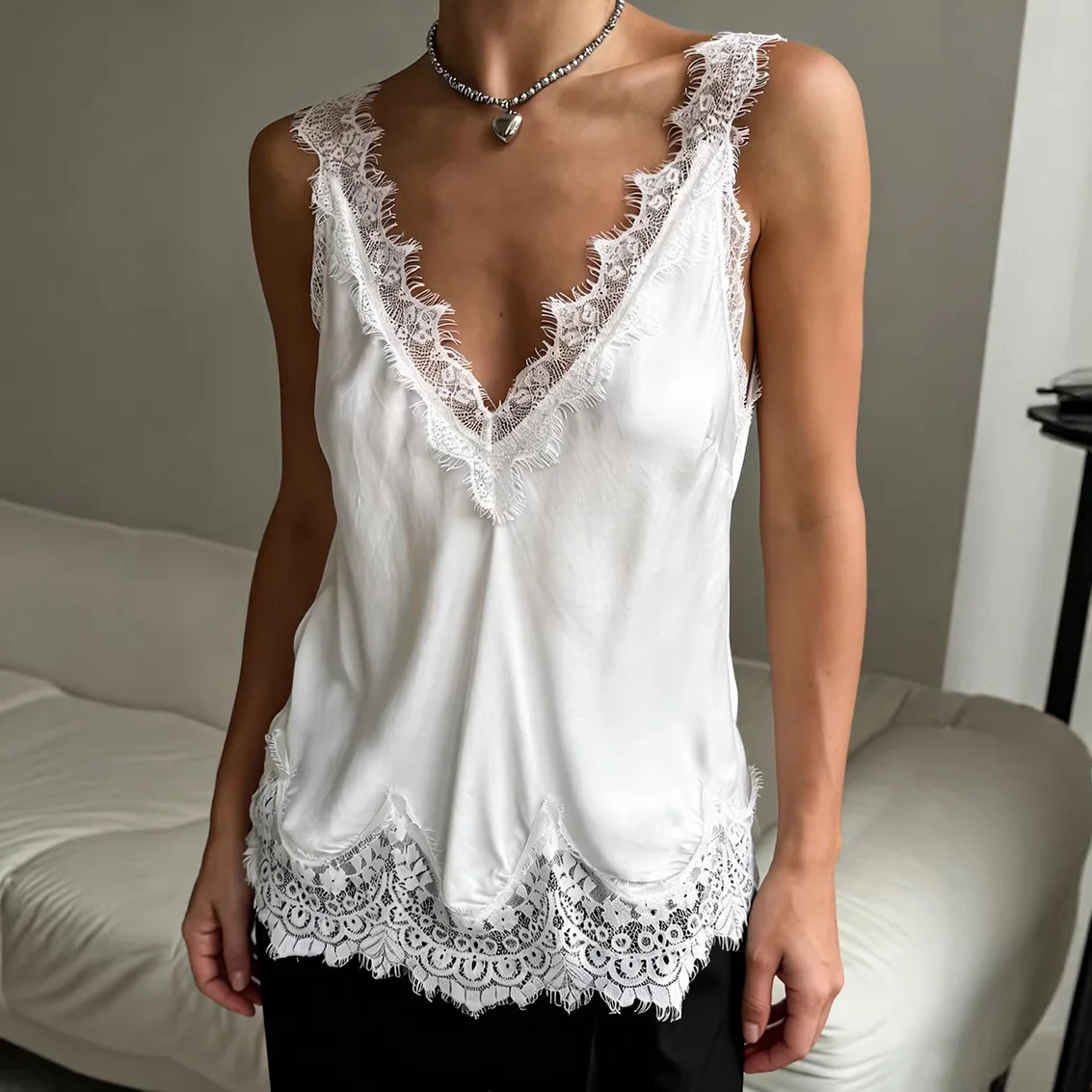
- Lace trim adds a professional, detailed finish to the neckline and sleeves.
- Sleeveless design prevents overheating in climate-controlled spaces.
- Not suitable for cold mornings or evenings without an additional outer layer.
3. Sleek Stylish Ruffled-edge Short-sleeve T-shirt
The sleek stylish ruffled-edge short-sleeve T-shirt offers a modern, polished look for layering. The ruffled edges add a subtle, professional detail that enhances the silhouette without adding bulk. This style is ideal for those who want to incorporate a bit of trend into their work wardrobe while maintaining a clean, minimalist aesthetic. The short sleeves make it a versatile option for transitional weather, where a full sleeve might be too warm but a sleeveless top might be too cold.
Ruffled-edge Short-sleeve Top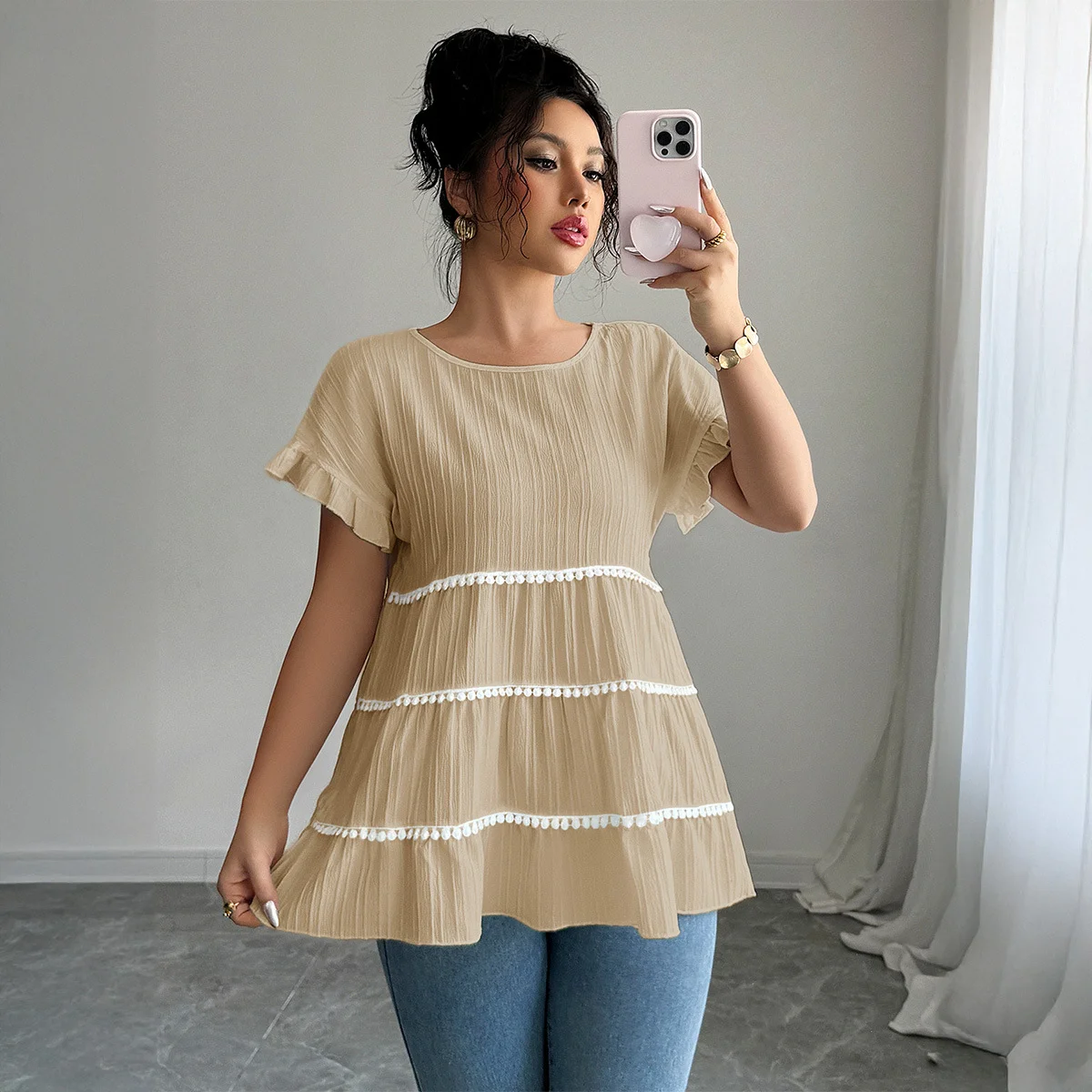
- Ruffled edges provide a sophisticated, tailored look.
- Short sleeves offer warmth without excessive bulk for mild weather.
- May require a long-sleeve underlayer for colder office temperatures.
4. Gradient Striped Round Neck Loose-fitting Drop Shoulder Knit Sweater
This gradient striped round neck loose-fitting drop shoulder knit sweater offers a relaxed, contemporary look for office layering. The gradient stripes add visual interest and a modern touch to the classic round neck design. The drop shoulder fit provides a comfortable, easy-going feel that can be balanced with structured blazers and blouses. This sweater is a good choice for those who prefer a looser fit and want to add a pop of color or pattern to their work wardrobe.
Gradient Striped Knit Sweater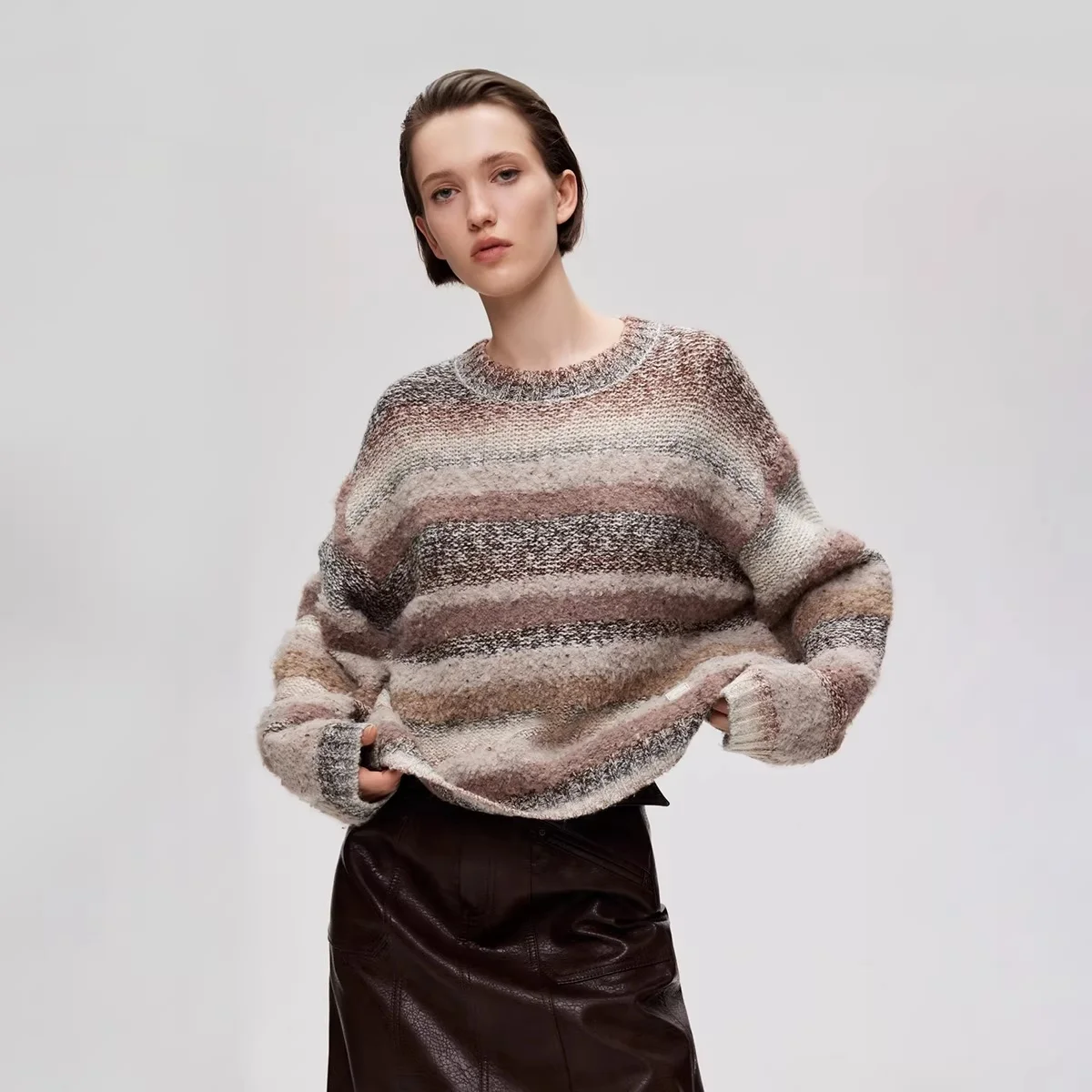
- Gradient stripes add a modern, artistic element to the outfit.
- Drop shoulder design offers a comfortable, relaxed fit.
- Loose fit may add more volume under fitted blazers compared to slim cuts.
5. Elegant Loose-fit Blouse for Women
The elegant loose-fit blouse for women is a versatile option for office wear, made from breathable Ramie fabric. The three-quarter sleeves and solid colors make it a practical choice for daily activities, including office layering. The loose fit allows for easy movement and comfort, while the breathable material helps regulate temperature in climate-controlled environments. This blouse can be worn as a standalone piece or layered under a blazer for a polished look.
Elegant Loose-fit Blouse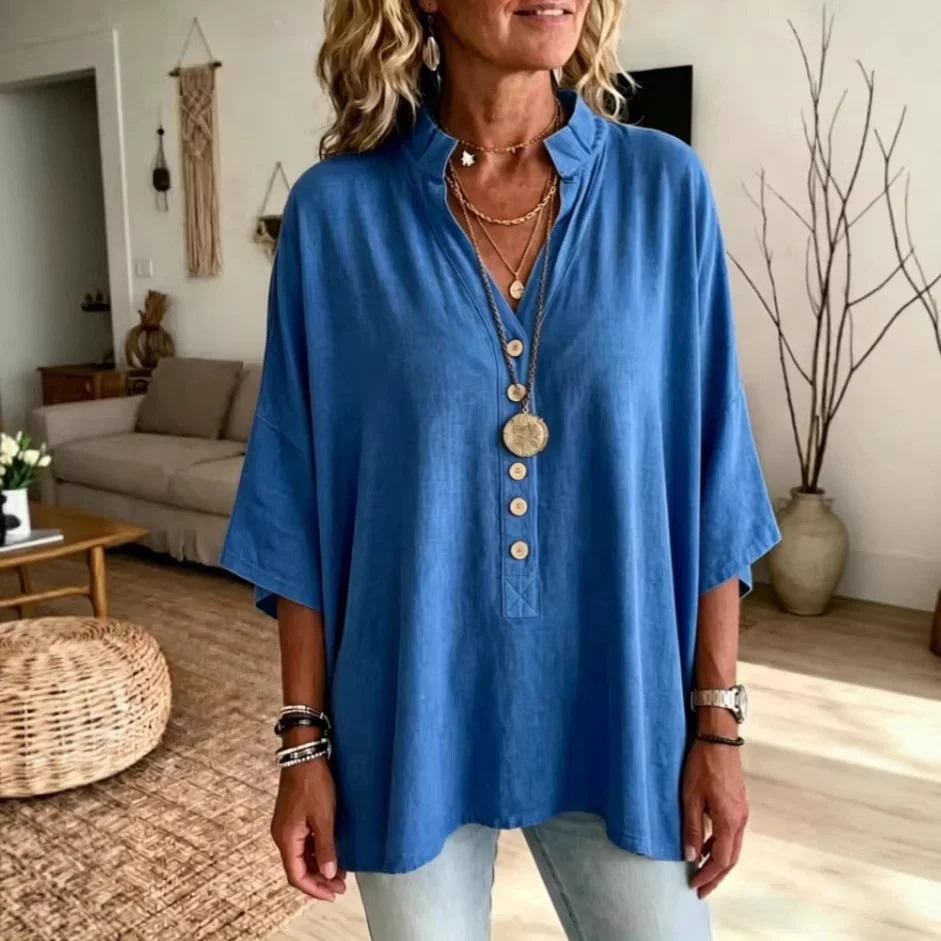
- Breathable Ramie fabric keeps you cool and comfortable in climate-controlled offices.
- Three-quarter sleeves offer a versatile length for layering under blazers.
- Loose fit may not provide as much structure as a fitted blouse for very formal settings.
6. Solid-color Casual Cotton Shirt With Metal Buttons For Comfort
The solid-color casual cotton shirt with metal buttons is a classic, reliable option for office layering. The cotton fabric is soft, breathable, and easy to care for, making it a practical choice for daily wear. The metal buttons add a touch of sophistication to the casual design. This shirt can be worn as a base layer under sweaters or blazers, providing a clean, professional look. Its solid color makes it easy to match with various outfits in your wardrobe.
Solid-color Cotton Shirt
- Cotton fabric is soft, breathable, and comfortable for all-day wear.
- Metal buttons add a polished detail to the casual design.
- Solid color may require more styling effort to create a standout outfit.
Product Comparison Table
To help you decide which option best fits your specific needs, the table below compares the key attributes of each product. Consider the price, type of garment, material, and best use case when making your selection. This comparison highlights the differences in style and function, allowing you to choose the layer that aligns with your office environment and personal style.
| Product | Price | Type/Material | Key Feature | Best For |
|---|---|---|---|---|
| Printed Casual Trend V-neck Flounce Sleeve T-shirt | $17.44 | Printed T-shirt |