
You know that specific chill that hits when you step out of your car or onto the train platform in November. You’re already dressed for the office, but the wind cuts through your jacket, and your arms go numb before you even reach the lobby. The problem isn’t just the temperature; it’s the gap between your indoor comfort and the outdoor reality. Most office wear is designed for climate-controlled rooms, not for standing in the wind or sitting in a drafty subway car. This guide cuts through the noise to help you find sweaters and layers that actually work for the commute. We’ll look at specific materials, fit measurements, and styling tricks that keep you warm without looking like you’re hiking in the Alps. By the end, you’ll have a clear strategy for selecting tops that handle the cold while maintaining a professional aesthetic.
Understanding the Commute Microclimate
Your commute isn’t a single environment. It is a series of rapid temperature and activity shifts. When you walk to the bus stop, your body generates heat. When you sit on the train, that heat dissipates, and stillness makes you feel colder. When you enter the office, the HVAC system is set to a temperature that feels cool to someone who has been moving. A sweater that works for one part of this cycle often fails in another. If it’s too thin, you freeze on the walk. If it’s too thick, you overheat on the train and sweat, which leads to chilling when you stop moving.
The Wind Factor
Wind is the biggest enemy of sweater warmth in urban commutes. A sweater alone rarely blocks wind. It traps heat, but if the wind pushes air through the fabric gaps, that heat escapes immediately. This is why many commuters feel cold even when wearing heavy knits. The solution is not always a thicker sweater, but a smarter layering system. You need a base layer that wicks moisture, a mid-layer that insulates, and an outer shell that blocks wind. Your sweater usually serves as the mid-layer. If your sweater is your outermost layer while walking, it is doing a job it wasn’t designed for. It will absorb moisture from your skin and let the wind chill you. For walking commutes over five minutes, consider adding a light windbreaker or a structured jacket over your sweater. This creates a sealed pocket of warm air.
Transit Specifics
Public transit introduces unique challenges. Buses and trains have poor air circulation. If you wear a heavy, non-breathable sweater, you will sweat. When you step into the cold air to get off, that sweat cools rapidly, making you feel colder than if you had stayed dry. This is why breathability is more important than maximum insulation for transit commuters. You want a fabric that can absorb some moisture and release it as vapor. Driving commutes are different. You are stationary and often in a heated car. Here, the risk is overheating. A lightweight, breathable top allows you to regulate your temperature easily. You can keep a cardigan or light sweater in your bag to put on when you step out of the car, rather than wearing it while driving where you don’t need the extra warmth.
Materials That Actually Work in Cold Weather
The label on the sweater tells you a lot, but only if you know what to look for. "Cotton blend" is a common term, but the percentage matters. A 50/50 cotton-polyester blend behaves very differently from a 90/10 blend. For cold commutes, you are looking for specific performance characteristics: warmth-to-weight ratio, breathability, and durability against friction.
Merino Wool
Merino wool is the gold standard for cold-weather layering. It is naturally insulating, meaning it traps air effectively. More importantly, it is odor-resistant and wicks moisture away from the skin. If you sweat on the train, merino keeps you drier than synthetic fibers. It is also soft, so it doesn’t itch, which is crucial when you are wearing it all day. The downside is cost and care. Merino requires gentle washing and can pill over time. However, for a professional who wants a single layer that performs well in multiple conditions, merino is hard to beat. Look for gauges between 12 and 14 for a good balance of warmth and weight.
Cotton Blends
Cotton is comfortable and breathable, but it is poor at retaining heat when wet. If your hands get damp from a cold mug or if you sweat, cotton will make you feel colder. A cotton blend, however, can be a good option for milder cold or for driving commutes. The synthetic fibers (usually polyester) add durability and help the fabric hold its shape. A cotton blend is less insulating than wool but is easier to care for. It can go in the washing machine on a gentle cycle. For a commuter who doesn’t face extreme wind or deep cold, a high-quality cotton blend with a tight knit can work well as a base layer under a coat. Check the fabric composition tag. If cotton is the primary fiber, expect less warmth than wool. If polyester is high, expect less breathability.
Fleece and Synthetic Knits
Polyester fleece is excellent for trapping heat and is very durable. It dries quickly, which is a major plus for active commutes. However, it can feel less "professional" than wool or cotton. A fine-gauge fleece or a knit made from recycled polyester can look stylish while providing warmth. The issue with synthetics is odor retention. They trap bacteria and smell more than natural fibers. If you wear the same sweater daily, you will need to wash it frequently. This reduces the lifespan of the garment. For a commuter who wants low-maintenance warmth, fleece is a practical choice, but be prepared to rotate garments to manage odors.
What to Avoid
Avoid 100% acrylic for your primary commute sweater. Acrylic is cheap and durable, but it is not breathable. It traps heat and sweat, leading to discomfort and odor. It also pills easily, which can make the sweater look worn after a few seasons. If you see acrylic on the label, it is usually a cheaper alternative to wool. It may be fine for a casual jacket, but for a daily commute sweater that needs to last and perform, look for natural fibers or high-quality blends.
Fit and Silhouette: Avoiding the Bulk Trap
Fit is where most people go wrong. They buy a sweater that is too big to allow for layering, or too tight to be comfortable. For a commute, you need a fit that allows for movement and layering without adding unnecessary bulk. Bulk is the enemy of style and comfort. It makes you look heavier, restricts movement, and can make your outer coat fit poorly.
Slack vs. Slim
A "slim fit" sweater hugs the body. This is good for style, but it can feel restrictive if you have a thick base layer underneath. A "regular fit" or "slim regular" is often the sweet spot. It has enough room to breathe and accommodate a thin thermal layer, but it doesn’t hang loose. When trying on a sweater, put on the base layer you plan to wear (a tank top or thin thermal). Then put on the sweater. You should be able to move your arms and shoulders without feeling pulled. If it feels tight when you raise your arms, it will feel even tighter when you are carrying a bag or reaching for a seat on the train.
Length Matters
The length of the sweater affects how it looks when you sit and stand. If the sweater is too short, it will ride up when you sit in a car or on a train, exposing your midsection. This is not only uncomfortable but also unprofessional if you need to stand up quickly. Look for a sweater that hits at the mid-hip or slightly below. This length stays in place when you sit. If you have a longer torso, you may need to size up or look for a "longline" option. Conversely, if you have a shorter torso, a mid-hip length is ideal. A sweater that hits at the crotch can look awkward and may pull at the shoulders when you move.
Sleeve Length
Sleeve length is critical for cold commutes. You want the sleeve to cover your wrist when your arms are at your sides. If the sleeve is too short, cold air gets into your cuffs, which is a major source of heat loss. If you have a watch, make sure the sleeve doesn’t ride up over it when you bend your elbow. A slight overlap of the sleeve over the cuff of a base layer is ideal. This creates a seal that keeps wind out. Check the sleeve length by raising your arm to shoulder height. The sleeve should still cover your wrist. If it pulls back to your forearm, it is too short.
Top Picks for Versatile Cold-Weather Layers
Selecting the right sweater is only part of the equation. You also need to consider how it interacts with the rest of your outfit. The following products are selected for their versatility, material quality, and suitability for different commute scenarios. They range from base layers to accessories that enhance warmth and style.
1. Women's Color-Block Long-Sleeve T-Shirt
This top offers a lightweight, breathable option that works well as a base layer or a standalone piece in milder cold. The slim fit ensures it doesn’t add bulk under a coat, and the cotton blend provides comfort for all-day wear. It’s a practical choice for those who prefer a casual look or who drive to work and don’t need heavy insulation.
Color-Block Long-Sleeve T-Shirt
- Lightweight and breathable, reducing the risk of overheating in transit.
- Slack fit allows for easy layering without adding bulk.
- Not suitable for extreme cold or windy conditions without a heavy outer layer.
2. Warm Dog Cartoon Fleece Hat Scarf Gloves Set
While not a sweater, this accessory set is a vital component of a cold-weather commute strategy. The thickened polyester fiber provides excellent wind protection for the neck and hands, which are critical heat-loss areas. The adjustable fit ensures it stays secure during movement. It’s a playful yet functional addition for those who want to add warmth without sacrificing style.
Dog Cartoon Fleece Set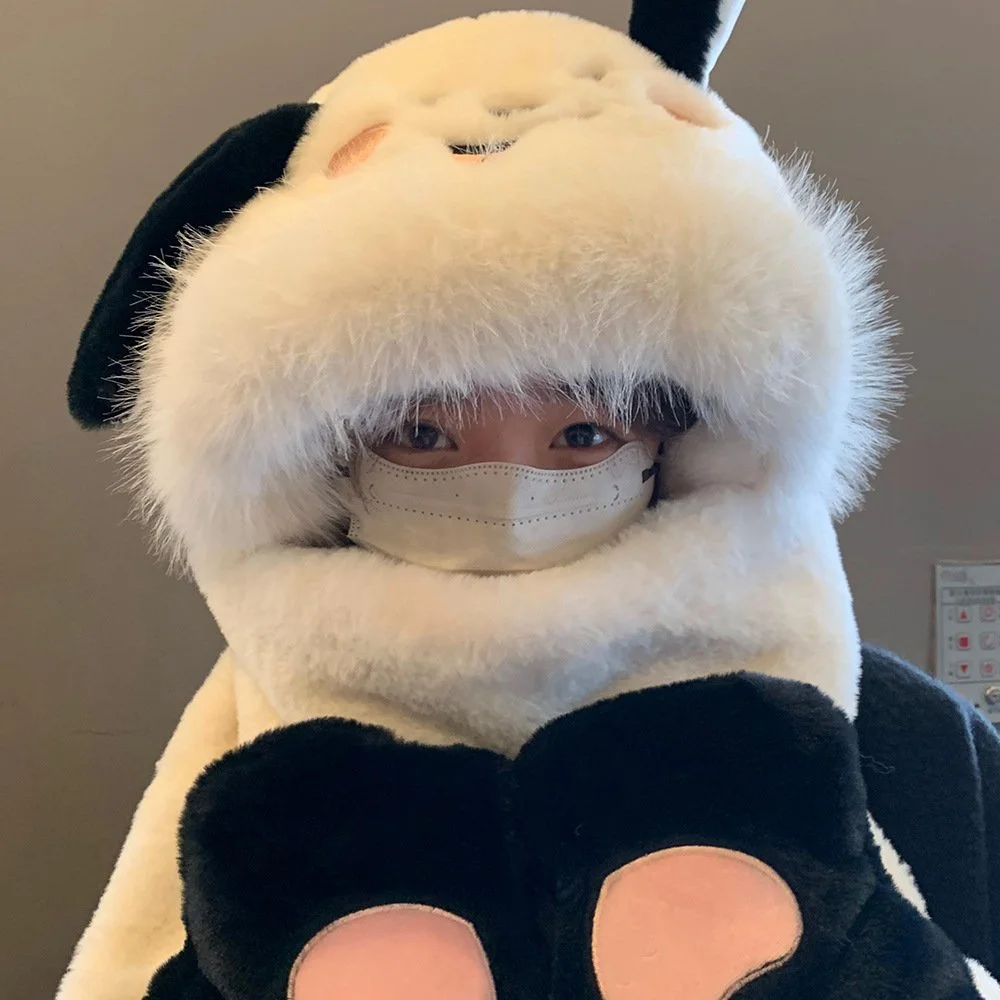
- Provides comprehensive coverage for the head, neck, and hands in one set.
- Adjustable cap depth and scarf length for a custom fit.
- The cartoon design may be too casual for strict professional environments.
3. Women's Waist-cinching Stylish Blouse
This blouse offers a tailored silhouette that can be layered under a structured jacket or blazer. The waist-cinching design helps maintain a polished look, even when layered. It’s a good option for those who need a professional appearance and want a top that doesn’t look bulky under outerwear. Check the fabric composition to ensure it provides adequate warmth for your specific climate.
Waist-cinching Blouse
- Tailored fit maintains a professional silhouette even when layered.
- Waist-cinching design helps prevent bulk under outerwear.
- Specific material specs are not provided, so check for warmth suitability before purchasing.
4. Summer Japanese Bucket Hat
While primarily a summer item, this hat can be useful in transitional fall weather or for those who prefer a lightweight head covering. The breathable cotton and linen mix keeps you cool in mild cold and provides sun protection. It’s a versatile accessory that can be styled casually or semi-formally. For true winter cold, you will need a warmer option, but this is a good choice for early fall.
Japanese Bucket Hat
- Breathable cotton and linen material prevents overheating in mild cold.
- One-size-fits-most design with a 55-58 cm circumference for easy fit.
- Not warm enough for deep winter or windy conditions.
5. Womens Solid-Color Loose-Fit Long-Sleeve Shirt
This shirt offers a relaxed fit that can be layered over a tank or under a jacket. The stand collar adds a touch of style and can provide some neck coverage. It’s a versatile option for casual or semi-formal looks. The loose fit allows for easy movement and layering. Check the fabric to ensure it provides the right level of warmth for your commute.
Solid-Color Loose-Fit Shirt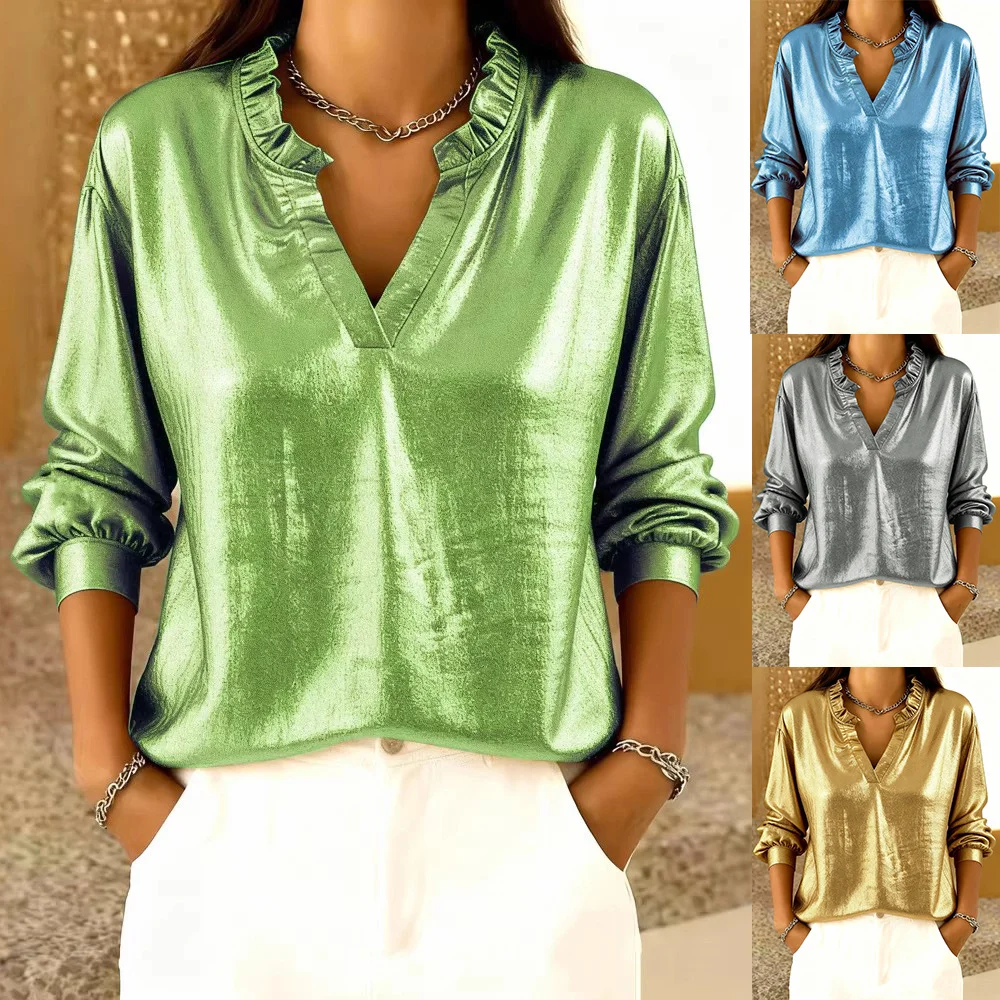
- Loose fit allows for easy layering and movement.
- Stand collar adds style and provides some neck coverage.
- Specific material specs are not provided, so verify warmth and breathability.
6. Leather Hat
This leather hat offers a stylish and wind-resistant option for cold commutes. Leather is a natural windbreaker, which helps retain heat. It’s a versatile accessory that can be paired with both casual and professional outfits. The pure colors and simple design make it easy to integrate into any wardrobe. It’s a good choice for those who want a durable, stylish head covering.
Leather Hat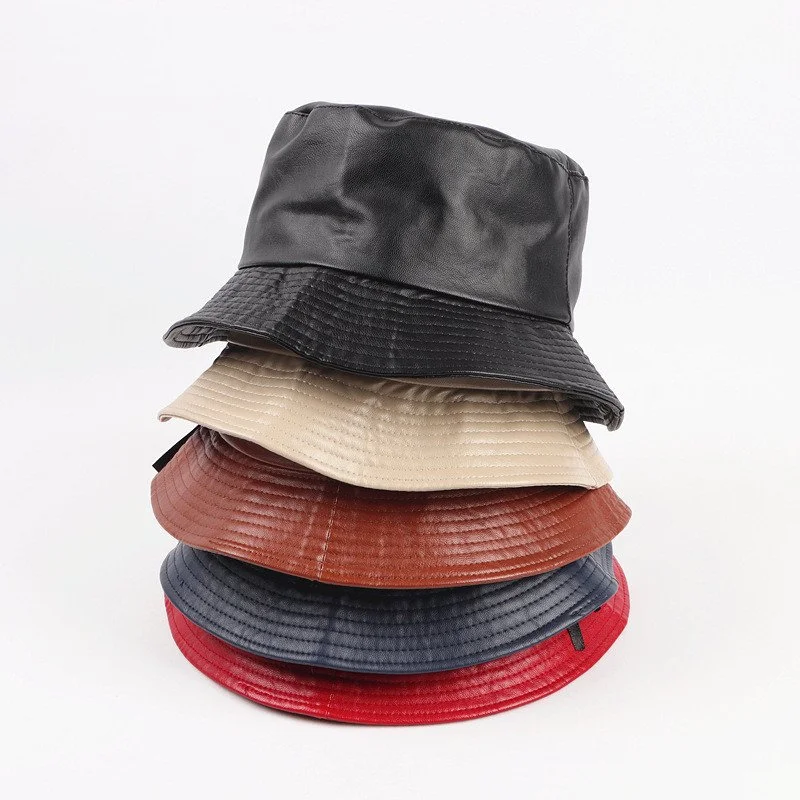
- Leather material provides natural wind resistance.
- Simple design and pure colors make it versatile for various outfits.
- May not be warm enough for extreme cold without a liner.
Product Comparison Table
The following table compares the selected products based on key attributes relevant to cold-weather commuting. Use this to quickly identify which items fit your specific needs.
| Product | Price | Type/Material | Options | Best For |
|---|---|---|---|---|
| Color-Block Long-Sleeve T-Shirt | $25.2 | Cotton Blend | S-3XL, Multiple Colors | Light base layer, mild cold, driving |
| Dog Cartoon Fleece Set | $23.2 | Polyester Fiber | Adjustable | Windy walks, playful style, head/neck/hand warmth |
| Waist-cinching Blouse | $16.64 | Not Specified | Not Specified | Professional look, layering under blazers |
| Japanese Bucket Hat | $9.84 | Cotton/Linen | Khaki, Camel, Black | Early fall, mild weather, sun protection |
| Solid-Color Loose-Fit Shirt | $23.2 | Not Specified | Not Specified | Relaxed fit, casual/semi-formal, layering |
| Leather Hat | $9.92 | Leather | One Size, 5 Colors | Wind resistance, stylish professional look |
Common Mistakes to Avoid
Even with the right products, poor choices in how you wear them can ruin your commute experience. Here are the most common errors we see and how to avoid them.
Ignoring the Base Layer
Many people wear a heavy sweater directly against their skin. This is a mistake. The sweater will absorb sweat, and when you cool down, that moisture will make you feel colder. Always wear a base layer, even if it’s just a thin tank top. This layer wicks moisture away from your skin and adds a small amount of insulation. It also protects your sweater from body oils and sweat, extending its life.