
You have spent hours hunting for the right outfit, pairing it with accessories, and feeling confident in the mirror. Then November arrives, and the costume goes into the back of the closet. By the next October, the sequins are dull, the fabric is stained, or the hat is crushed. Keeping a costume in pristine condition is less about luck and more about specific, repeatable habits. This guide breaks down exactly how to clean, fold, and protect different types of costume elements so they look new years from now.
Deep Cleaning Before Storage
The single most important step in halloween costume storage Is ensuring the item is completely clean and dry before it goes away. Dirt, sweat, and food stains break down fabric fibers over time. Even if the costume looks clean, invisible oils from your skin can attract pests and cause yellowing on light-colored fabrics. You must treat every costume as if it will be worn again in five years, not just next month.
Check the Care Label First
Always read the care label before submerging any item in water. Many costumes contain synthetic blends, glued-on embellishments, or delicate linings that can warp or dissolve in a washing machine. If the label says "dry clean only," take it to a professional. Do not attempt to hand-wash an item marked dry clean unless you are willing to risk damaging the structure. For items labeled "hand wash," use cool water and a gentle detergent specifically designed for delicate fabrics.
Spot Cleaning Stubborn Stains
For stains like makeup, wine, or grass, spot cleaning is often safer than a full wash. Mix a small amount of mild detergent with cool water and dab the stain gently with a white cloth. Never rub, as this pushes the stain deeper into the fibers. For sequined dresses, be extra careful around the sequins. Test your cleaning solution on a hidden seam first to ensure it does not bleed or discolor the fabric. Let the item air dry completely. Never put a costume in a dryer unless the label explicitly permits it, as heat can shrink cotton and melt synthetic fibers.
Drying and Airing Out
Humidity is the enemy of long-term storage. After cleaning, hang the costume in a well-ventilated area for at least 24 hours to ensure all moisture has evaporated. If you live in a humid climate, consider using a fan to speed up the process. Do not store a costume while it is even slightly damp. Trapped moisture leads to mildew, which leaves permanent dark spots that are nearly impossible to remove. If the costume smells like body odor or smoke, use a fabric refresher spray designed for delicate garments, or air it out on a breezy day away from direct sun.
Folding Techniques for Different Fabrics
How you fold a costume determines how it hangs when you take it out. Wrinkles set over years become permanent creases. The goal is to minimize stress on the fabric and avoid sharp bends that could break glued-on decorations. Different fabrics require different approaches.
Folding Sheer and Delicate Fabrics
Sheer materials like chiffon, organza, or tulle are prone to snagging and creasing. Do not fold these tightly. Instead, use the "bundle" method. Lay the garment flat, smooth out any large wrinkles, and then loosely roll it like a burrito. Wrap the roll in acid-free tissue paper. The tissue paper acts as a cushion, preventing the fabric from rubbing against itself. This method keeps the drape intact and reduces the risk of snags from sharp edges in your storage container.
Folding Structured Dresses and Coats
For items with structure, such as a velvet gothic dress or a wool coat, folding creates permanent lines. Place the item on a flat surface. Smooth out the fabric, then fold the sleeves inward along the seams. Fold the garment in half lengthwise, and then in half again widthwise. Insert acid-free tissue paper between the layers to prevent the fabric from sticking together. Avoid folding over any large appliqués, lace, or beading. If the item is too large to fold without crushing details, consider hanging it on a padded hanger in a garment bag, provided the hanger does not stretch the shoulders.
Handling Beaded and Sequined Items
Sequins and beads can catch on other fabrics or tear if folded sharply. When folding a sequined dress, lay it face down on a soft surface. Fold the sides inward, but leave the front panel as flat as possible. If the sequins are glued, avoid pressing down on them. Use tissue paper to separate the sequined areas from the back of the garment. This prevents friction that can cause the glue to weaken and the sequins to peel off over time.
Choosing the Right Storage Containers
The container you choose is the first line of defense against dust, light, and pests. Not all boxes are created equal. The material, size, and ventilation of your container matter just as much as the cleaning process.
Cotton vs. Plastic Bags
Plastic bags are convenient but problematic for long-term storage. They trap moisture and heat, creating a greenhouse effect that encourages mold and mildew. They also block airflow, which can lead to a "musty" smell. Instead, use cotton garment bags or pillowcases. Cotton is breathable, allowing air to circulate while keeping dust out. If you must use plastic, ensure the item is 100% dry and place a desiccant packet inside to absorb any residual moisture. However, for 10+ year storage, breathable fabric is the superior choice.
Box Selection and Size
Choose boxes that are slightly larger than the folded costume. If the box is too tight, you will have to force the item in, causing stress on the fabric and embellishments. If the box is too large, the item will shift around, creating new wrinkles. A sturdy cardboard box is fine, but make sure it is clean and free of old tape or labels. Acid-free boxes are ideal for very high-value items, as they prevent the cardboard from reacting with the fabric over decades. For most costumes, a clean, dry, sturdy box is sufficient.
Labeling and Organization
Label the outside of the box with the contents, size, and date you packed it. Use a permanent marker or a tag tied to the outside. This saves you from opening every box to find the right outfit. Include a note about any specific care instructions, such as "dry clean only" or "fragile beads." This simple step ensures that future you (or a family member) knows exactly how to handle the item when it comes out of storage.
Preserving Hats and Headwear
Hats are often the first item to get crushed or misshapen in storage. They require specific support to maintain their shape. Whether it is a wide-brimmed witch hat or a structured baseball cap, the goal is to prevent the crown from collapsing and the brim from warping.
Supporting the Crown
For structured hats like top hats or fedoras, do not stack them. Place the hat upside down on a flat surface or hang it on a hat hook. If you must box it, fill the crown with acid-free tissue paper or clean bubble wrap to maintain its shape. Do not use newspaper, as the ink can transfer to the material. For soft hats like beanies or caps, you can roll them loosely, but avoid twisting them, which can distort the shape. Place them at the bottom of a box, not under heavy items.
Protecting Brims and Visors
Visors and brims are delicate. If you are storing a baseball cap, lay it flat with the visor facing up. Insert a piece of cardboard or stiff paper under the visor to keep it from curling. For wide-brimmed hats, ensure the brim is not bent or folded. If the hat is too large for the box, consider storing it in a separate, larger container or hanging it in a closet away from other items. Check the material: felt hats are more forgiving than straw or paper hats, which can crack if bent.
Storing Specialty Headwear
Some costumes include elaborate headpieces, such as horns, wings, or goggle attachments. These can be bulky and fragile. Disassemble them if possible. Store the main hat separately from the accessories. Use small pouches for tiny parts like pins or clips. If the headpiece is glued to the hat, be extra careful not to pull or twist it. Place the hat on a soft surface and support the headpiece with tissue paper to prevent it from sagging or breaking under its own weight.
Storing Accessories and Jewelry
Costume accessories often get lost or damaged because they are small and easily misplaced. They also tend to tangle or scratch each other. Proper organization ensures that every earring, necklace, and prop is accounted for and ready to use.
Preventing Tangles and Snags
Jewelry and costume pieces with chains or beads should be stored flat. Use small ziplock bags or fabric pouches to keep each piece separate. Label the bags with the contents. For items with delicate chains, coil them loosely and secure them with a twist tie or a piece of tissue paper. Do not use rubber bands directly on jewelry, as they can leave marks or degrade over time. If you have multiple necklaces, store them in a jewelry organizer with individual slots to prevent tangling.
Protecting Delicate Props
Props like wigs, masks, and handheld items require special care. Wigs should be stored on a wig stand or a mannequin head to maintain their shape. If you do not have a stand, wrap the wig in a silk scarf and place it in a breathable bag. Masks should be stored flat with soft padding underneath to prevent dents. For handheld props, such as staffs or swords, ensure they are clean and dry. Wrap them in a cloth to prevent scratches on other items in the box.
Organizing Small Parts
Small parts like pins, clips, and buttons can get lost easily. Use small containers or divided trays to keep them organized. Label each section. If you have a costume that requires many small accessories, consider creating a "costume kit" box that contains everything needed for that specific look. This makes it easier to pack and unpack in the future. Include a printed list of the contents so you can verify nothing is missing.
Common Mistakes to Avoid
Even with good intentions, many people make storage errors that damage their costumes. Avoiding these common pitfalls can save you from having to replace expensive or sentimental items.
Storing in Attics or Basements
Attics and basements are prime locations for temperature fluctuations and humidity. In the summer, attics can become extremely hot, causing fabrics to yellow and adhesives to fail. In the winter, basements can be damp, leading to mold. If you must store costumes in these areas, use a dehumidifier and monitor the temperature. Ideally, store costumes in a climate-controlled bedroom or closet. If you live in a humid climate, consider using a vacuum-sealed bag for very long-term storage, but only if the item is completely dry and you plan to use it within a few years. For 10+ years, breathable storage in a stable environment is better.
Using Plastic for Long-Term Storage
As mentioned, plastic is not ideal for long-term storage. It traps moisture and pests. If you use plastic, ensure it is a high-quality, UV-resistant bag and that the item is perfectly dry. However, for a decade or more, plastic can become brittle and crack, potentially damaging the costume. Switch to cotton or paper-based solutions for the best results. Plastic is fine for short-term storage, such as between seasons, but not for multi-year preservation.
Ignoring Pests
Moths and silverfish love natural fibers like wool, silk, and cotton. They are attracted to the oils left behind by sweat and body odors. This is why cleaning is so critical. Even if you clean the costume, pests can still find their way into the box. Use cedar blocks or lavender sachets in the storage area to repel moths. Check the storage area regularly for signs of pests, such as holes in the fabric or webbing. If you find evidence of pests, treat the area and re-clean the costume before storing it again.
Overpacking Boxes
Do not overpack your storage boxes. If the box is full to the brim, you will have to force the lid closed, which can crush the contents. Leave some space at the top. This not only protects the costume but also makes it easier to remove items without disturbing the rest. Overpacking can also cause the box to collapse under its own weight if stacked, leading to further damage. Use sturdy boxes and stack them carefully, with the heaviest items at the bottom.
Recommended Organization Products
While proper technique is key, having the right tools makes the process easier and more effective. Below are specific products that can help you organize and protect your Halloween costumes and accessories. These items are chosen for their practicality, durability, and suitability for storage purposes.
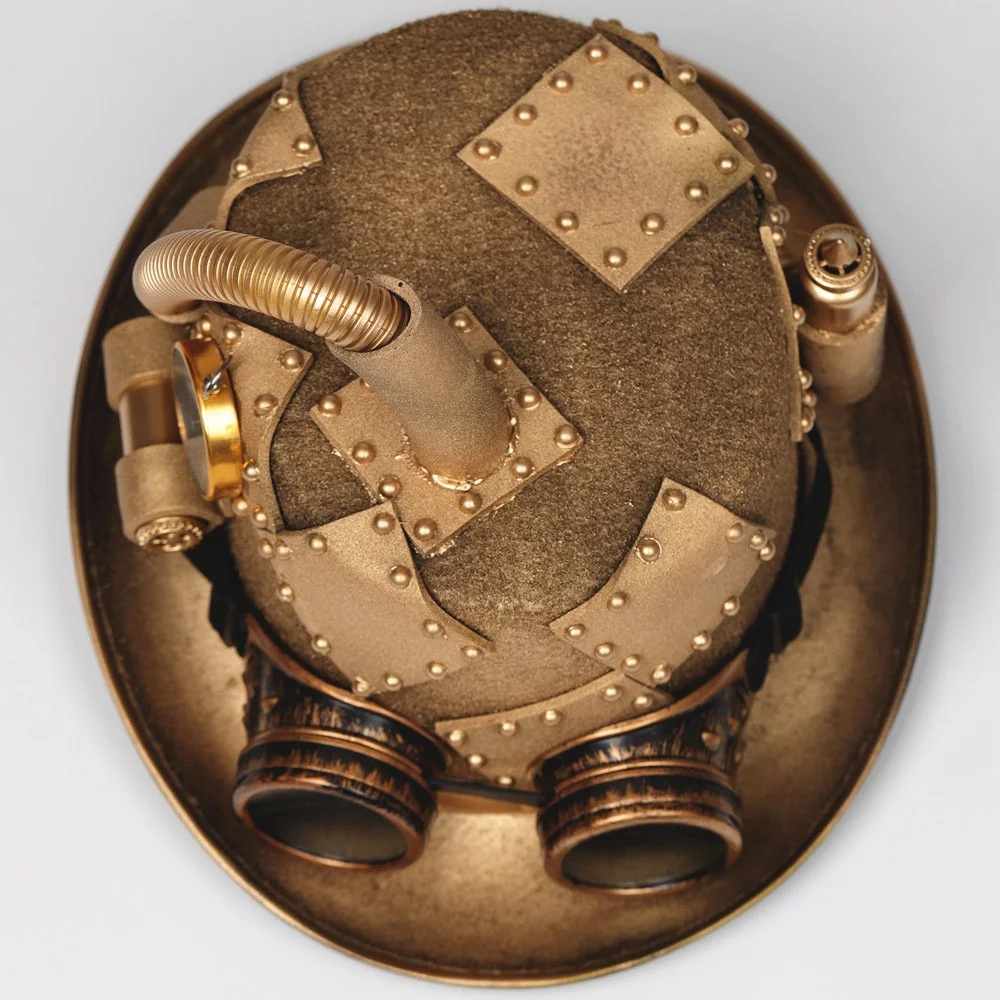
Steampunk Gothic Velvet Goggles Hat for Women
This handmade velvet top hat with woolen felt goggles is a distinctive piece for steampunk and gothic-inspired outfits. It is a structural item that requires careful storage to maintain its shape. The velvet material is sensitive to crushing, and the goggles add a fragile element that needs protection.
Best for Women who own intricate, structured headwear and want to display or store it without damage.- Handmade construction ensures unique fit and quality details.
- Velvet and wool materials are durable when stored correctly.
- Limitation: The goggles may need to be removed before storage to prevent pressure points.
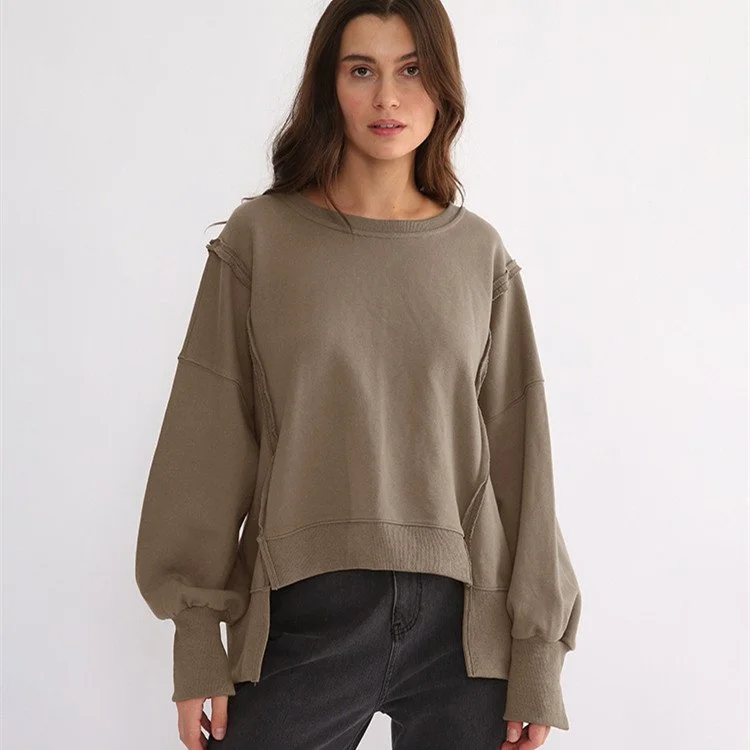
Cozy Loose Fit Sweater Top for Women
This loose fit sweater top is made from soft cotton and comes in 12 vibrant colors. Cotton is a natural fiber that is susceptible to moths and wrinkles, making proper cleaning and folding essential. The loose fit means it can be folded easily without creating sharp creases, but it still benefits from being stored in a breathable container.
Best for Those who use basic clothing items as part of a costume and want to keep them in good condition for reuse.- Cotton material is breathable and easy to clean if cared for.
- Loose fit allows for easy folding without excessive creasing.
- Limitation: Asian sizes run smaller, so check sizing if using as a costume base layer.
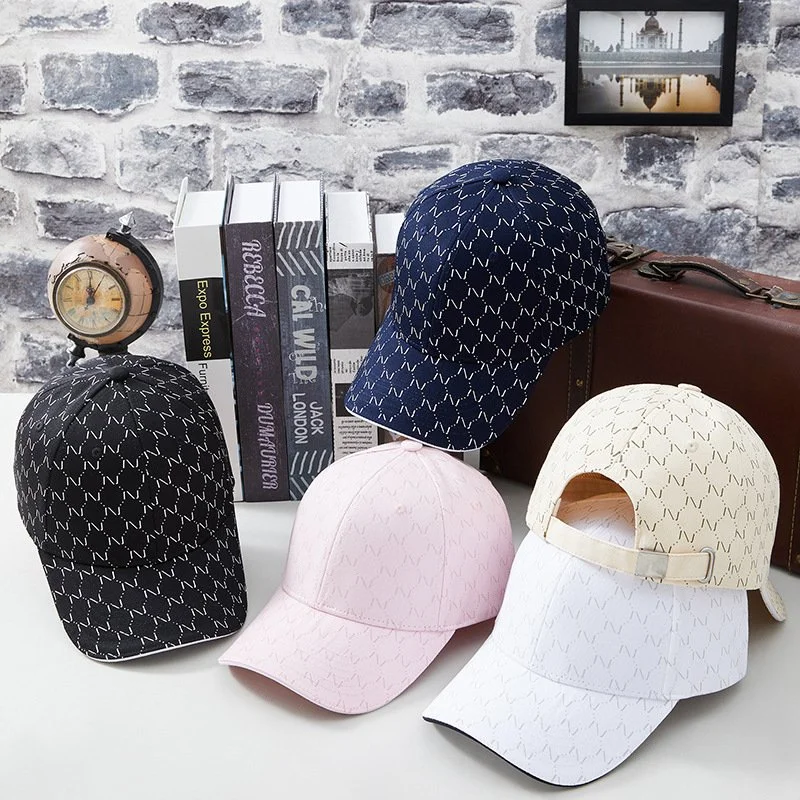
Adjustable Sun Protection Baseball Cap for Kids
This breathable, drop-resistant baseball cap is available in five vibrant colors and adjustable sizes. Caps are often overlooked in storage, but they can lose their shape if not supported. The adjustable strap means it can be rolled or folded more easily than a rigid cap, but the visor still needs protection from curling.
Best for Families who store children's costumes and need durable, easy-to-manage headwear.- Adjustable size ensures a good fit for growing children.
- Lightweight and easy to fold or roll for storage.
- Limitation: The visor may curl if not stored flat with support.
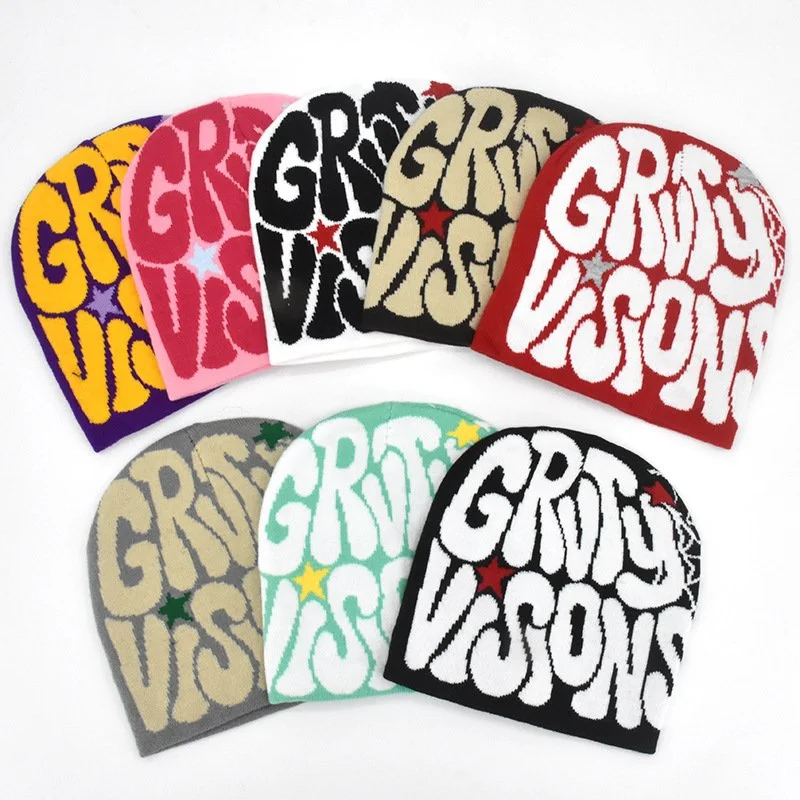
Hip Hop Letter Knitted Hat Street Trend
This trendy knitted hat is made from soft acrylic fabric and is windproof. Acrylic is a synthetic fiber that is resistant to moths but can be prone to stretching. It is lightweight and can be rolled up tightly for storage. The knitted texture requires gentle handling to avoid snagging on other items.
Best for Those who store casual, comfortable costume elements that need to be packed efficiently.- Acrylic fabric is resistant to moth damage.
- Lightweight and compact when rolled for storage.
- Limitation: Knitted fabric can stretch if pulled or hung improperly.
Cozy Bear Ears Beanie
This adorable bear-ear beanie is made from warm, windproof material and features an adjustable size. The tie-dyeing process adds a unique touch, but the dye may be sensitive to light and water. It is a soft, flexible item that can be stored in a small pouch or bag. The bear ears are a delicate feature that should be protected from crushing.
Best for Families with young children who need cute, durable costume accessories.- Adjustable size fits most head sizes, reducing the need for multiple items.
- Soft material is comfortable and easy to clean.
- Limitation: The bear ears can become misshapen if crushed in a box.
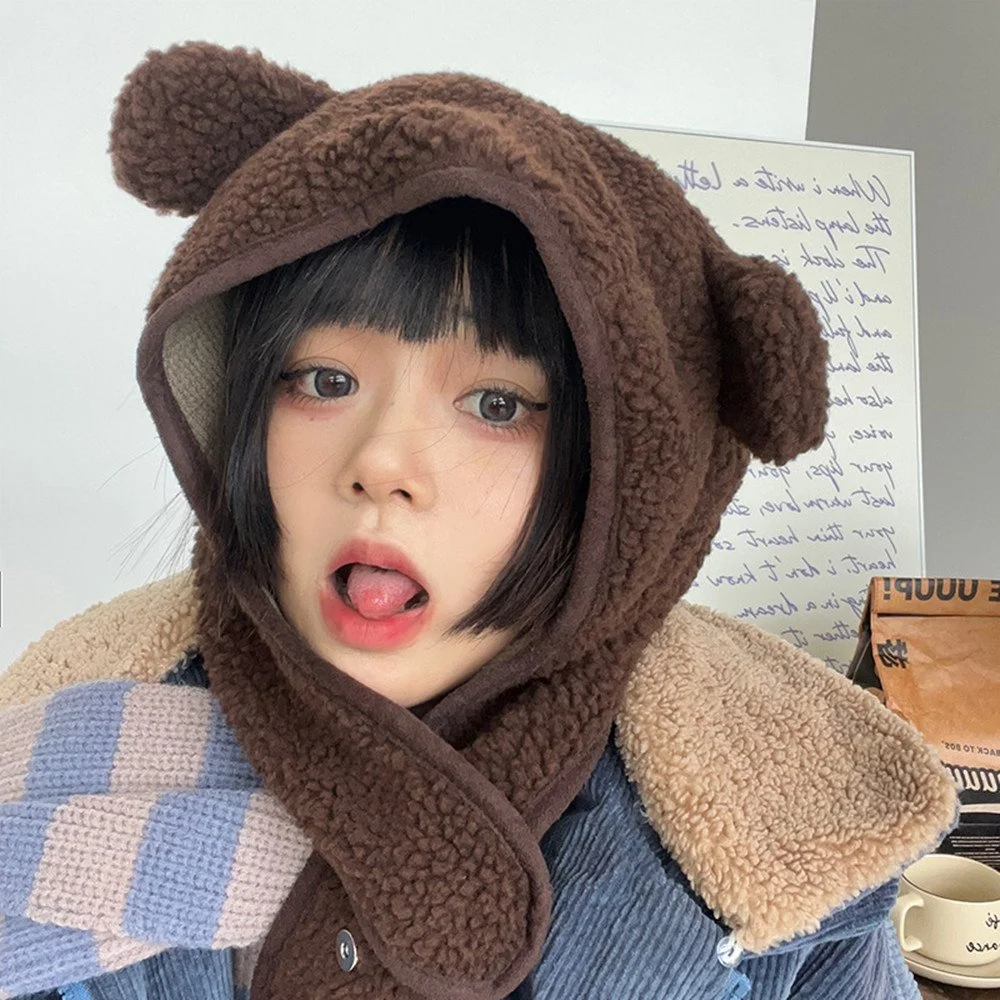
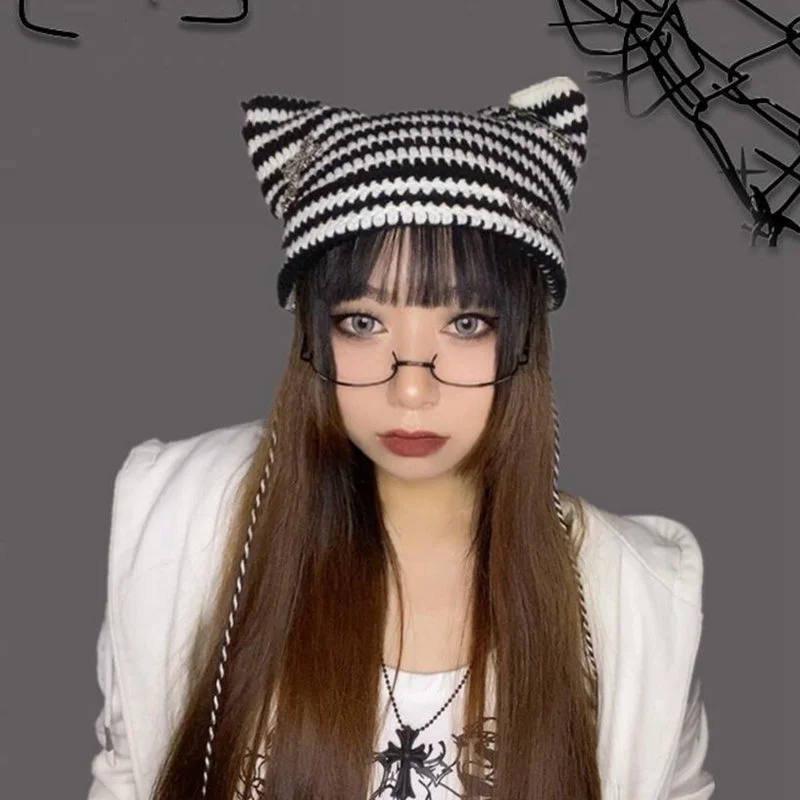
Warm & Stylish Punk Cat Ears Wool Cap for Women
This handmade wool cap features punk cat ears and is windproof. Wool is a natural fiber that is highly susceptible to moths if not cleaned properly. It is a structured item that needs to be stored to maintain the shape of the cat ears.