You're ready to pull weeds, turn soil, and collect fallen leaves, but the chill of October makes your hands feel stiff. This guide walks you through the exact features to look for, how to size correctly, and which affordable gloves actually work in the garden.
How to choose the right glove for fall gardening
When the temperature drops below 60 °F, you need a layer that traps heat but doesn’t trap sweat. Look for gloves with a thin, breathable liner (wool or fleece) rather than heavy leather. A snug cuff prevents cold air from slipping in while you bend over beds.
Two practical features matter most:
- Grip surface: Silicone or textured palm patches give you traction on wet leaves and tools.
- Flexibility: Gloves that end at the fingertips (or have fingerless styles) let you feel the soil, which is essential for planting depth.
Materials that keep you warm but still let you feel the soil
Wool is a natural insulator that stays warm even when damp. A soft knitted wool glove will let you sense texture while adding a thin layer of heat. Fleece‑lined fabrics, especially those with a rabbit‑fur backing, provide extra warmth for early frosts but can feel bulkier.
If you need touchscreen capability for checking a gardening app, a glove with a conductive fingertip patch (like the Touch Screen Warm Gloves) will let you scroll without removing the glove.
Sizing your gloves for planting and weeding
Measure around the widest part of your hand—typically the knuckles—then add about ½ inch for a comfortable fit. Most women's gloves are offered in “one size fits most,” which usually covers a hand circumference of 6.5–7.5 inches. If you have larger hands, check the product’s size chart; a too‑tight glove will reduce dexterity, while a loose glove will let cold air in.
Try the glove on with a gardening tool in hand. You should be able to close your fist and still see the fingertips; that indicates enough room for bending without excess material.
Product comparison
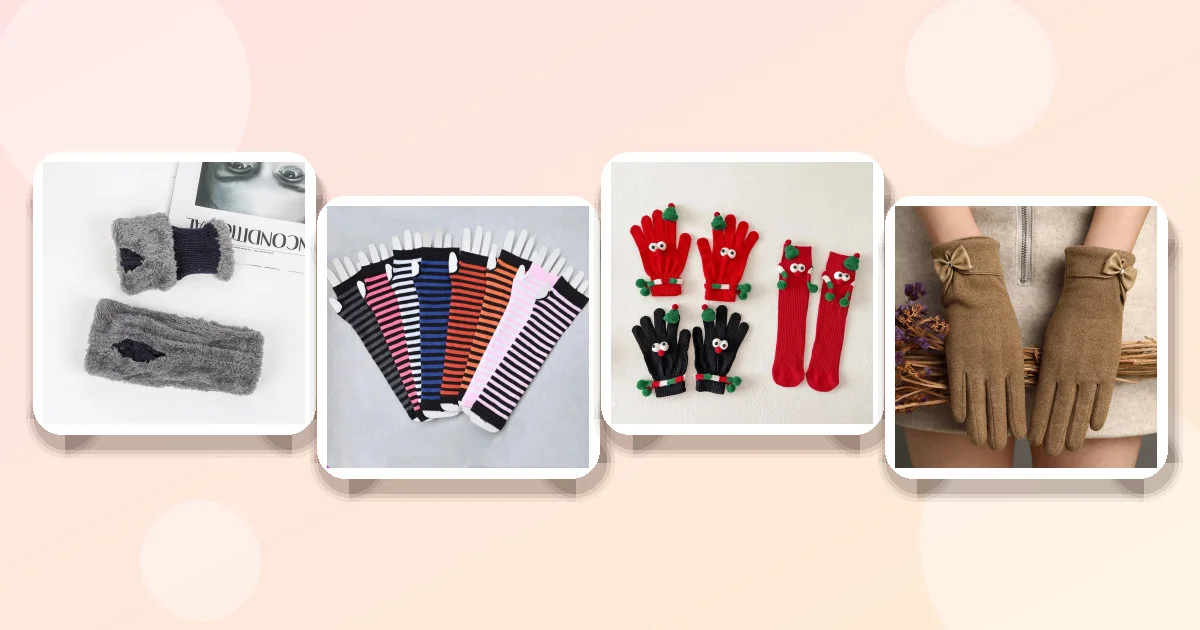
| Product | Price | Material / Type | Options | Best for |
|---|---|---|---|---|
| Warm Women's Plush Gloves | $4.40 | Soft knitted wool | 6 colors, one size each | Gentle warmth, casual garden walks |
| Stay Warm & Chic Fingerless Gloves | $10.24 | Thin knitted fabric, fingerless | 3 colors, one size | Dexterity for planting, stylish look |
| Keep Warm Funny Christmas Gloves | $5.68 | Cotton‑polyester blend | Adult & kids, 2 colors | Light warmth, fun color |
| Touch Screen Warm Gloves | $5.72 | Fleece‑lined de‑suede, rabbit fur | 4 colors, one size | Cold mornings with phone use |
| Warm Exposed Finger Gloves | $3.60 | Soft polyester, half‑finger | 5 colors, one size | Quick tasks, minimal bulk |
| Floral Embroidered Women's Warm Gloves | $16.32 | Soft knit, embroidered | One style, one size | Style‑focused garden outings |
Product spotlights
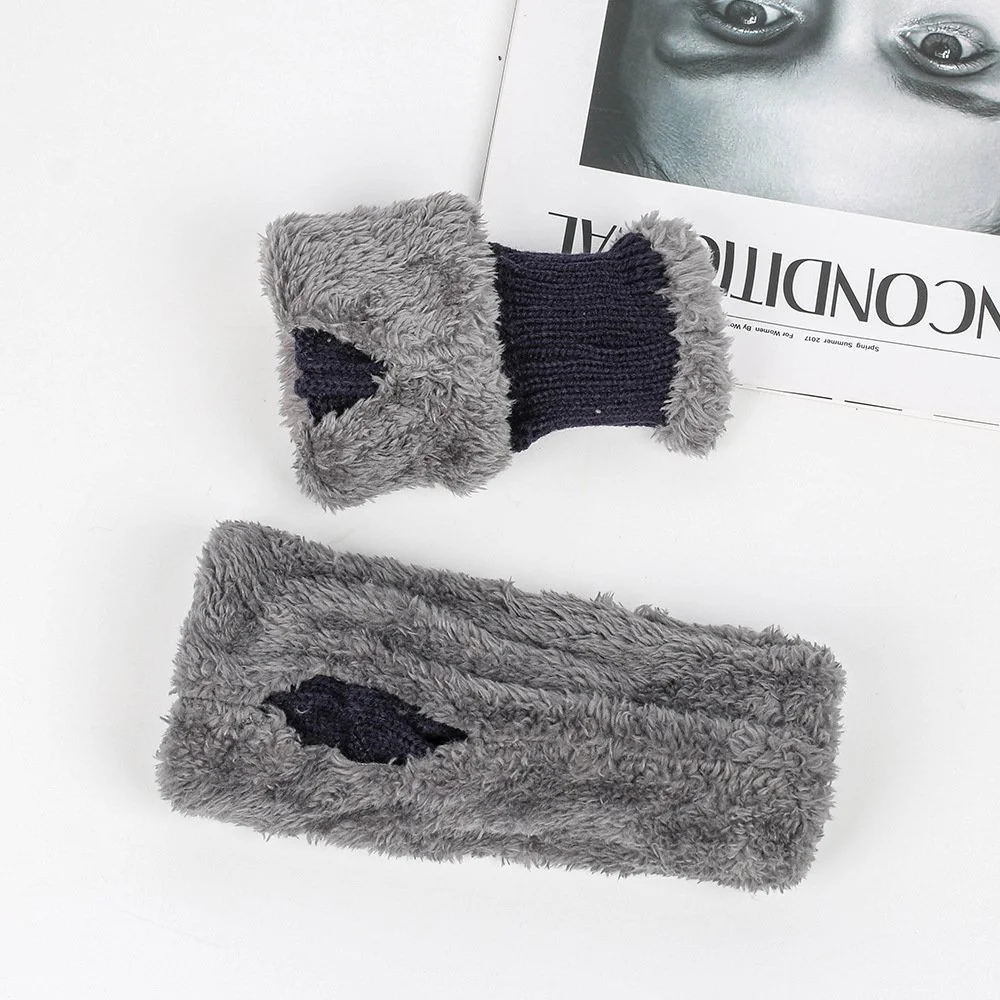
- Pros: Soft wool feels warm even when damp; multiple colors to match outfits.
- Cons: One size may be tight for larger hands; not fingerless, so less tactile feel.
Stay Warm & Chic Fingerless Gloves
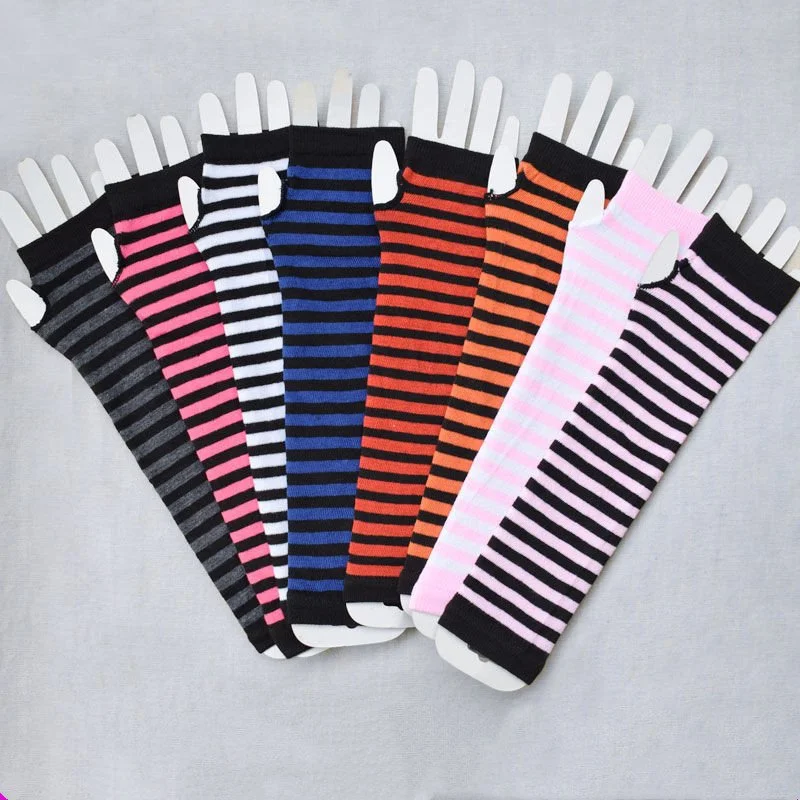
- Pros: Fingerless design gives full soil contact; thin knit stays warm without bulk.
- Cons: No full hand coverage, so less protection from wind.
Keep Warm Funny Christmas Gloves
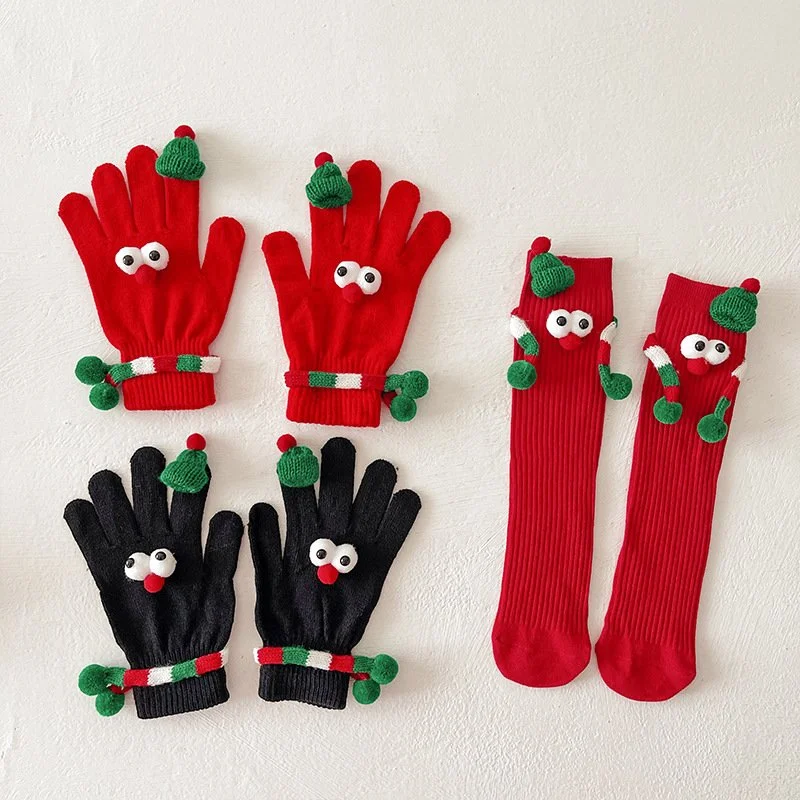
- Pros: Affordable cotton‑poly blend; fun colors add personality.
- Cons: Not insulated enough for near‑freezing temps.
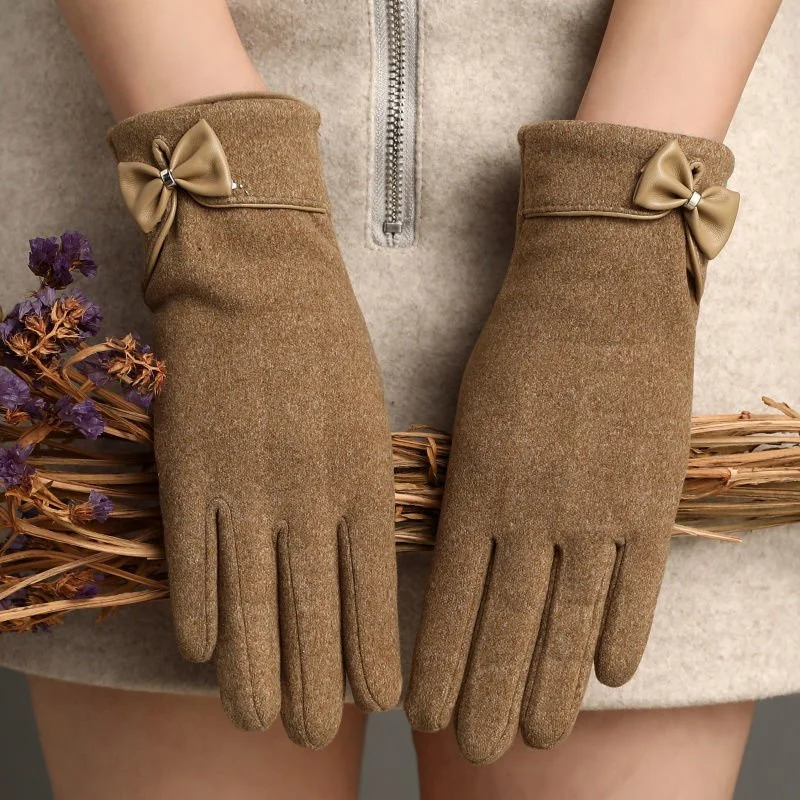
- Pros: Fleece lining with rabbit fur keeps hands toasty; touchscreen tips.
- Cons: Bulkier than thin knit, may reduce fine motor control.
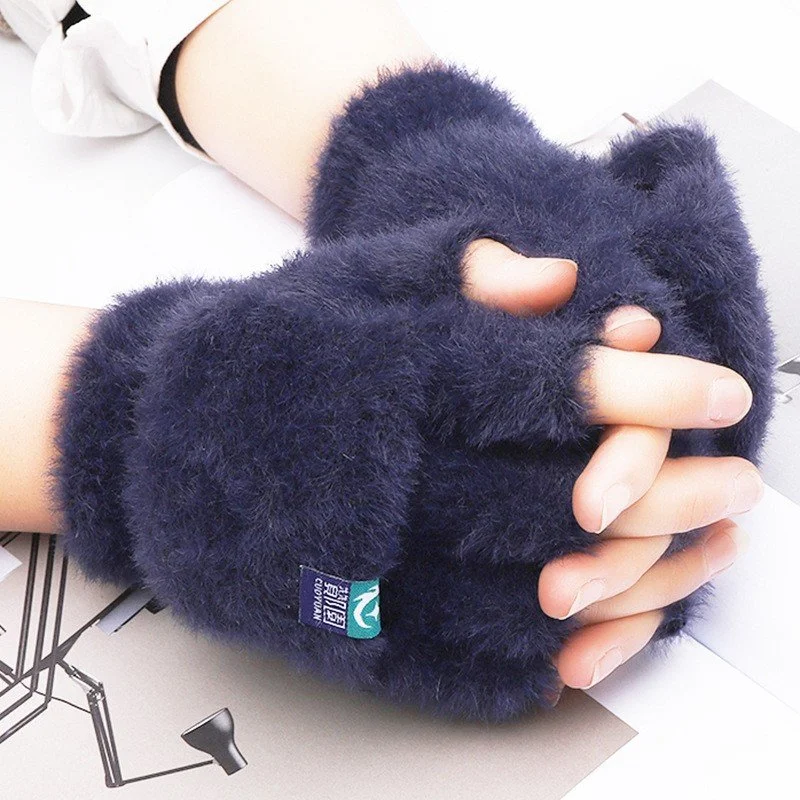
- Pros: Half‑finger style reduces sweat; very lightweight.
- Cons: Exposed fingers can get cold in sub‑50 °F weather.
Floral Embroidered Women's Warm Gloves
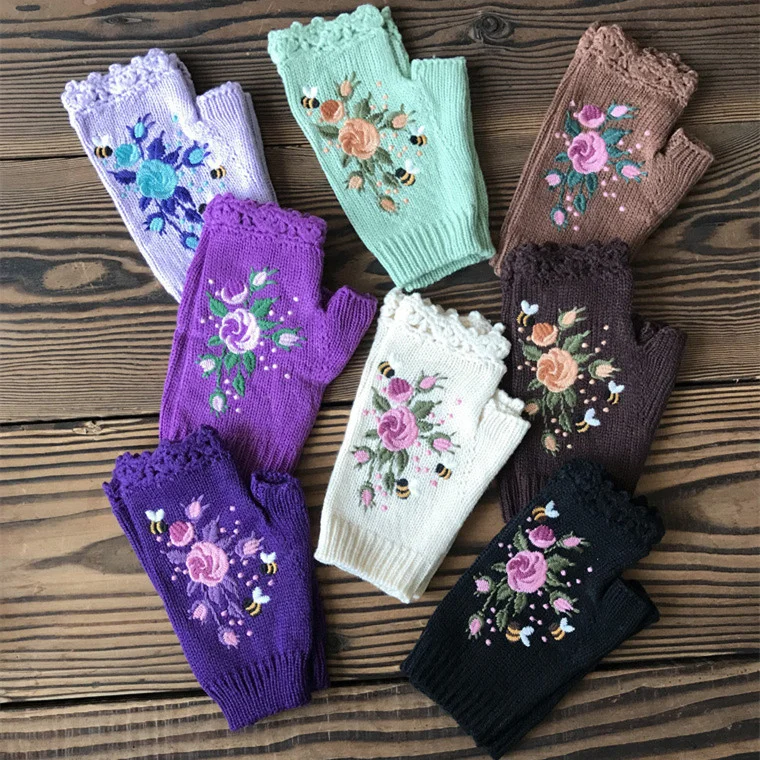
- Pros: Attractive embroidered design; soft knit feels comfortable.
- Cons: Higher price; limited color options.
Common mistakes to avoid
1. Choosing heavy leather for fall. Leather is great for spring, but it doesn’t breathe when the air is damp, leading to sweaty, cold hands.
2. Ignoring cuff fit. A loose cuff lets wind in; a cuff with a small elastic band keeps warmth in without cutting circulation.
3. Picking gloves that are too thick. Bulk makes it hard to grip small tools like seed‑planters, reducing planting accuracy.
Care, styling, and usage tips
Wash wool gloves by hand in cool water; lay flat to dry to keep shape. For fleece‑lined gloves, a gentle machine cycle on low heat works, but avoid high‑heat drying to protect the rabbit‑fur lining.
Pair a neutral‑colored glove (like the Dark Grey Warm Women’s Plush Gloves) with a bright garden hat for a coordinated look. If you want a pop of color, the Stay Warm & Chic Fingerless Gloves in Rose Red add a cheerful touch without hiding the soil.
Frequently asked questions
❓ What features should I look for in gardening gloves for cool weather?
Look for a thin insulated liner (wool or fleece), a snug cuff, and a textured palm. These features trap heat, block wind, and give you grip without sacrificing dexterity.
❓ Are there women's gloves that are both warm and flexible for fall gardening?
Yes—fingerless knitted gloves like the Stay Warm & Chic Fingerless Gloves provide warmth while keeping your fingertips free for soil contact.
❓ How do I choose the right size women's gloves for planting and weeding?
Measure the circumference of your hand at the knuckles, add about ½ inch, and compare to the product’s size chart. A good fit lets you close your fist without the glove feeling tight.
❓ Do mittens work for gardening or are gloves better?
Gloves are generally better because they let each finger move independently, which is crucial for handling tools and feeling soil.
❓ What materials keep my hands warm but still let me feel the soil in autumn?
Soft knitted wool and thin fleece provide warmth while remaining flexible enough for tactile feedback.
❓ Can I wear women's gloves for gardening and still look stylish?
Absolutely—gloves like the Floral Embroidered Women's Warm Gloves add a decorative touch, and the fingerless style comes in bright colors that complement garden outfits.
❓ How should I care for my gardening gloves after a rainy day?
Hand‑wash wool or knit gloves in cool water, reshape them, and lay flat to dry. For fleece‑lined options, a gentle machine wash on low heat works, but skip the dryer.
Key takeaways
- Pick a thin wool or fleece liner for warmth without bulk.
- Ensure a snug cuff to block wind while keeping circulation.
- Measure hand circumference and add ½ inch for the right size.
- Fingerless or half‑finger styles give the best soil feel for planting.
- Choose gloves that match both function and style—color and embroidery matter too.
How we chose these products: We matched each glove’s material, price, and style to the specific needs of fall gardening—warmth, flexibility, and visual appeal—using only the details provided.
===HTML===