You're planning weekend hikes when the leaves are turning and the air is crisp. You need gloves that stay warm, keep moisture out, let you grip poles, and still let your fingers move for map reading. This article breaks down exactly what to look for, how to size them, and which of our available gloves meet those needs.
How to choose women's hiking gloves for fall
1. Insulation level
Fall temperatures usually sit between 45°F and 60°F (7°C‑15°C). A thin to medium insulation layer—like a wool blend or cashmere—provides enough warmth without bulk. Look for a weight of 100‑200 g per pair; anything heavier feels like a mitten and reduces dexterity.
2. Water resistance vs. Waterproof
Moisture comes from mist, light rain, or damp leaves. A water‑resistant coating (e.g., DWR) sheds spray, while a true waterproof membrane (Gore‑Tex, eVent) stops seepage entirely but can trap sweat. For most autumn hikes, a water‑resistant glove with a breathable back panel is the sweet spot.
3. Grip material
Silicone or rubberized palm patches give reliable traction on trekking poles, rock, and wet bark. A 0.5‑inch wide patch on the thumb and index finger covers the most-used grip points. Test the glove by pulling a pole—your hand should stay secure without slipping.
4. Flexibility and dexterity
Look for articulated fingers or stretch panels at the knuckles. This design lets you zip a pack, adjust boots, or use a map without removing the glove. A flex rating of “high” (often mentioned in product details) means the glove bends easily.
5. Breathability
Even in cool weather, hands can overheat during a steep climb. A breathable membrane or mesh lining moves moisture outward. Aim for a moisture‑vapor transmission rate (MVTR) of at least 5,000 g/m²/24 h if the spec is listed.
6. Length and cuff
Mid‑forearm cuffs protect against wind and rain. A cuff that sits just above the wrist prevents water from running down the sleeve while still allowing free arm movement.
7. Fit and sizing
Measure the circumference of your hand around the knuckles (excluding the thumb) and compare to the brand’s size chart. Women’s gloves often run small; if you’re between sizes, choose the larger. A well‑fitted glove should feel snug but allow a fingertip to slide in comfortably.
Product comparison
| Product | Price | Material | Options | Best for |
|---|---|---|---|---|
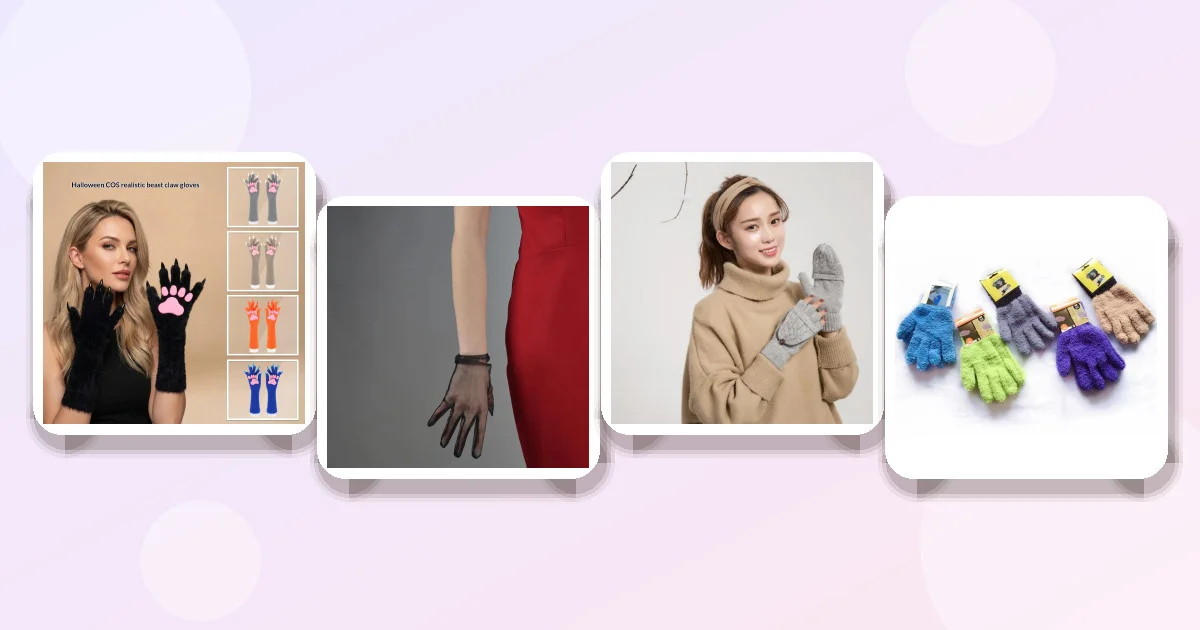
| Silicone Meat Mat Long Gloves | $11.76 | Silicone | One size | Kitchen work, not trail use |
| Oversized Silk Gloves | $14.56 | Silk | One size, 20 cm length | Fashion occasions, light warmth |
| Warm Winter Flip Gloves | $10.80 | Wool blend | Black, Gray, Brown | Cold days, casual hikes |
| Soft Velvet Dust Gloves | $2.64 | Velvet fiber | 20 colors | Light tasks, crafting |
| Warm Women's Cashmere Gloves | $13.64 | 71‑80% cashmere | Grey, Wine Red, Khaki | Autumn‑winter warmth with style |
Product spotlights
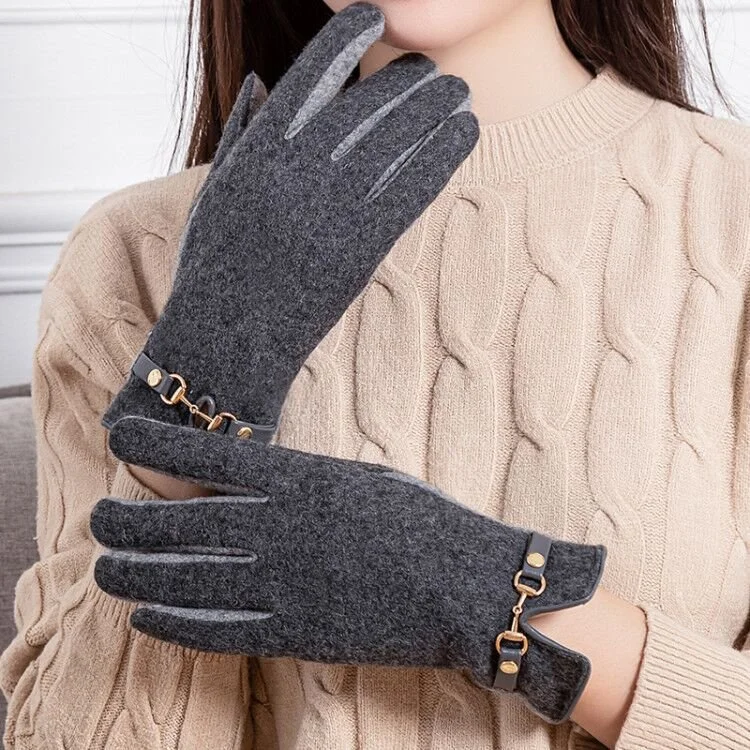
- Soft cashmere keeps hands cozy without bulk.
- Split‑finger design maintains dexterity for map handling.
- Con: Not waterproof; may get damp in rain.
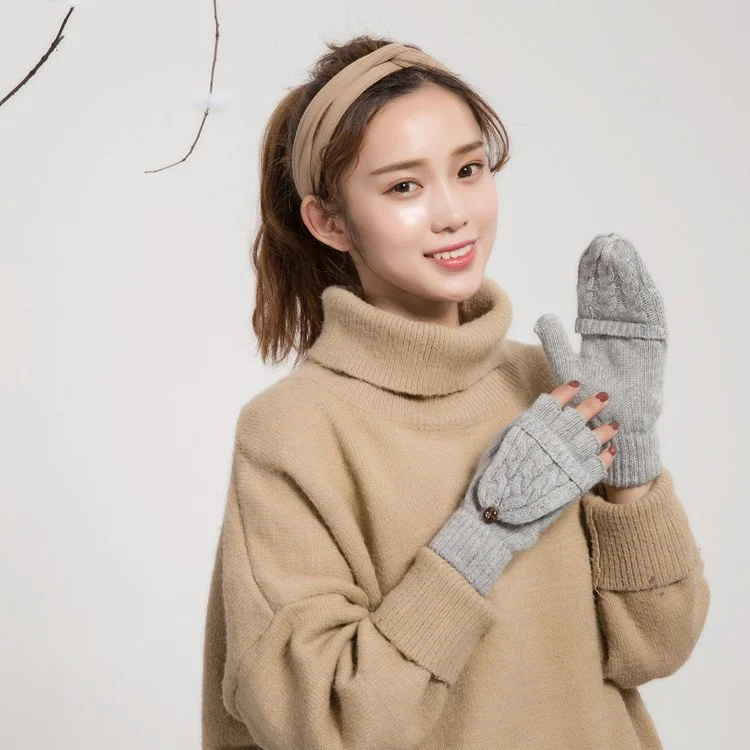
- Wool blend offers natural moisture‑wicking.
- Half‑finger style lets you adjust straps without full removal.
- Con: Limited color choice may not match all gear.
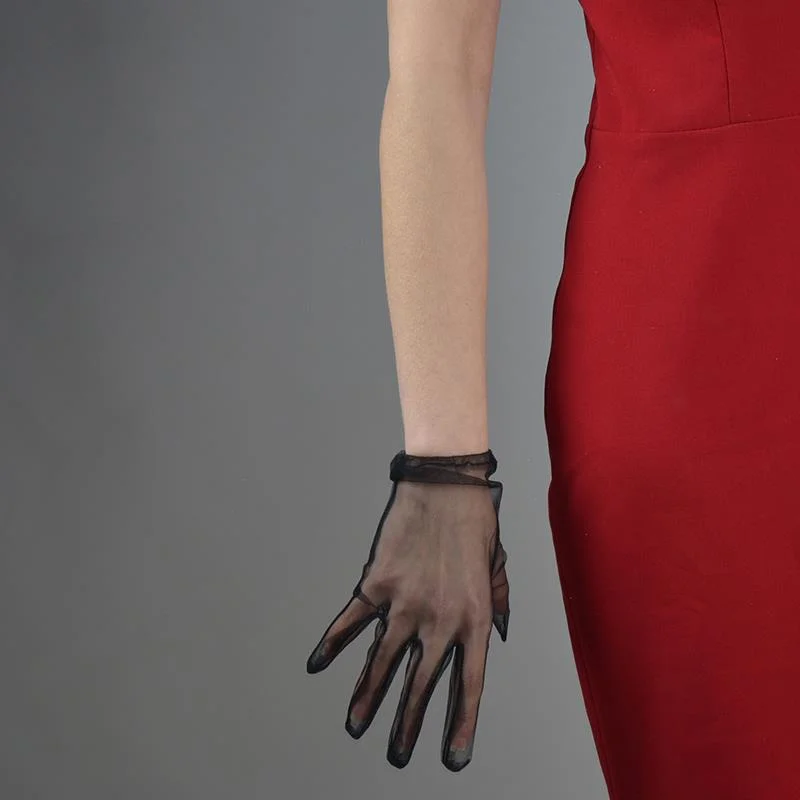
- Silk provides lightweight warmth.
- 20 cm length covers the wrist.
- Con: Silk absorbs water; not suitable for wet trails.
Protect Your Hands from Meat Splatters
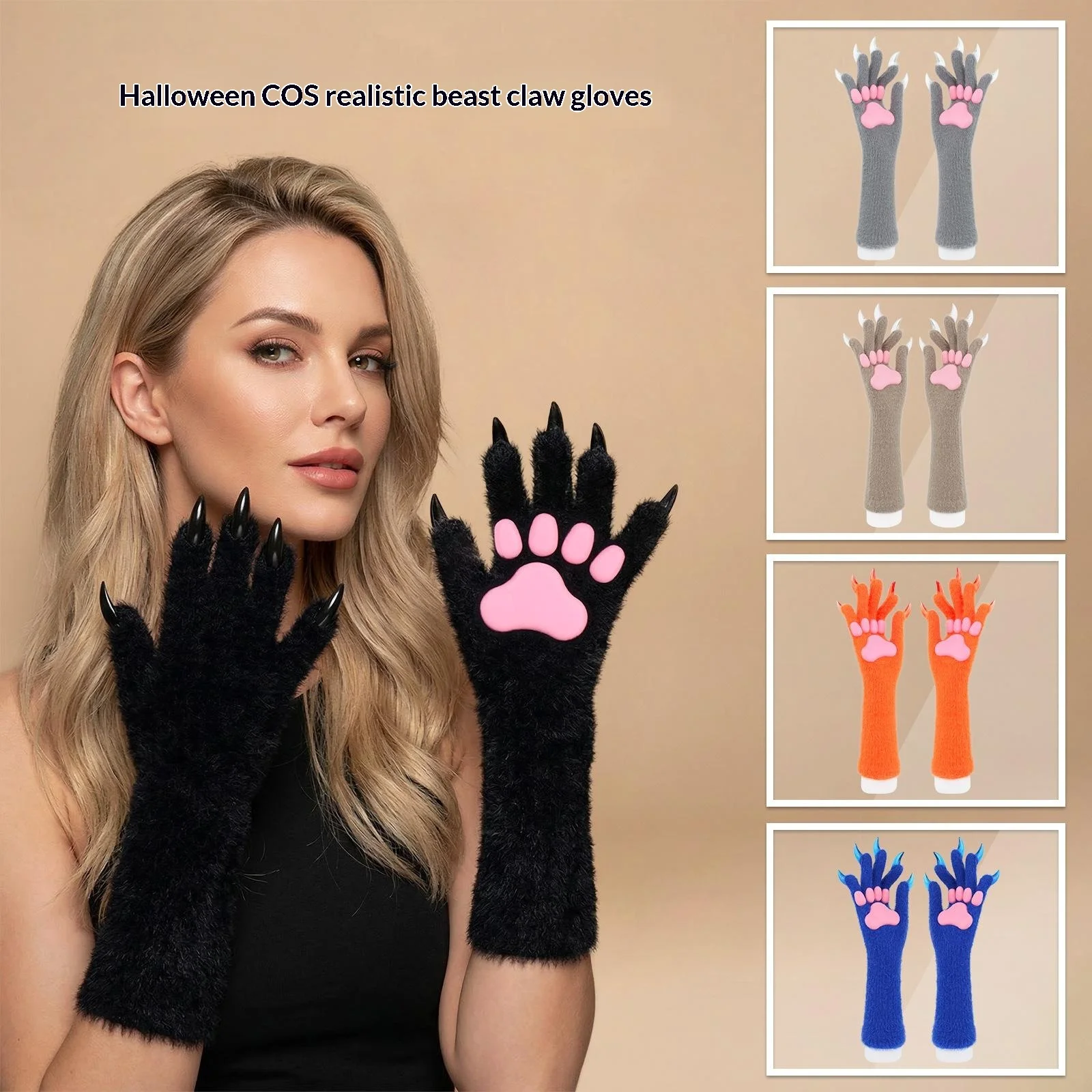
- Silicone surface cleans easily.
- Long glove protects forearms.
- Con: Not breathable; unsuitable for hiking.
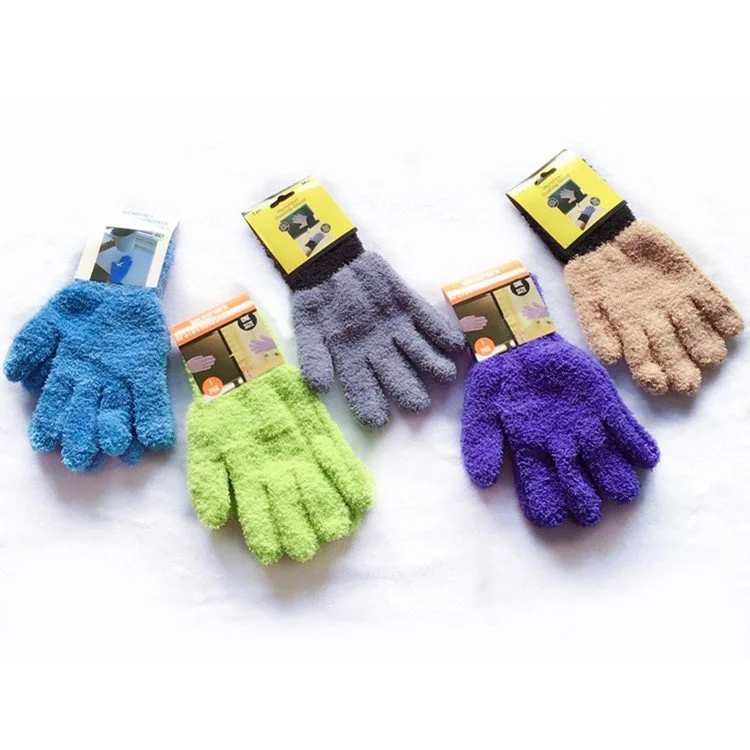
- Gentle velvet protects delicate items.
- Wide color range for personal style.
- Con: No insulation or water resistance.
Common mistakes to avoid
- Choosing pure fashion gloves. Silk or velvet look great but absorb moisture and lack grip.
- Skipping the cuff. Short cuffs let wind and rain creep up, cooling your hands quickly.
- Buying the cheapest “water‑proof” label. Cheap membranes can tear after a few washes, leaving you soaked.
- Ignoring fit. A glove that’s too tight cuts circulation; too loose lets cold air in.
- Forgetting breathability. Heavy, non‑breathable gloves cause sweaty palms, leading to frostbite in colder temps.
Care, styling, and usage tips
Cleaning
Cashmere gloves should be hand‑washed in cold water with a mild detergent, then laid flat to dry. Wool‑blend flip gloves can be machine‑washed on a gentle cycle, but avoid fabric softener—it reduces the wool’s natural water‑repellent quality.
Layering
On very cold mornings, wear a thin liner glove (synthetic or silk) under your cashmere pair. The liner adds warmth and wicks sweat, while the outer glove provides wind protection.
Grip enhancement
If your chosen glove lacks silicone patches, apply a small strip of adhesive silicone tape to the palm. It’s a cheap fix that restores traction on poles.
Styling on the trail
Match glove color to your outer layer for a cohesive look. Grey cashmere pairs well with neutral jackets; wine‑red adds a pop of color against earth tones.
Frequently asked questions
❓ What features should I look for in women's hiking gloves for fall?
Focus on water‑resistance, lightweight insulation (wool or cashmere), silicone‑grip palm, breathable back, and a snug cuff. These features keep hands warm, dry, and functional on cool, damp trails.
❓ Are waterproof gloves necessary for autumn trail walking?
Not always; a water‑resistant glove with a breathable membrane handles light rain and mist well. True waterproof gloves are useful only if you expect heavy rain or stream crossings.
❓ How do I choose the right glove size for women who wear gloves on the go?
Measure hand circumference around the knuckles, compare to the brand’s chart, and size up if you’re between sizes. A good fit feels snug but allows a fingertip to slide in without resistance.
❓ Which women's gloves provide the best grip for trekking poles?
Gloves with silicone or rubber palm patches—like the Warm Winter Flip Gloves—offer the strongest grip. Look for at least a 0.5‑inch patch on the thumb and index finger.
❓ Can I use fashion gloves for hiking, or do I need technical ones?
Fashion gloves (silk, velvet) lack water resistance, insulation, and grip, so they’re not reliable for hiking. Use technical gloves for trail work and switch to fashion gloves after you finish.
❓ What are the best breathable women's gloves for cool but not freezing temperatures?
A lightweight wool‑blend or cashmere glove with a breathable back panel works best. The Warm Women's Cashmere Gloves balance breathability and warmth for temperatures above 45°F.
❓ Do I need separate gloves for climbing and hiking?
If you do technical climbs, a dedicated climbing glove with reinforced fingertips is advisable. For regular hiking, a versatile glove with good grip and moderate insulation is sufficient.
❓ How often should I replace my hiking gloves?
Inspect seams, grip patches, and insulation yearly. Replace when the membrane leaks, the silicone patch peels, or the fabric shows thinning—usually every 1‑2 seasons of regular use.
Key takeaways
- Prioritize water‑resistance, breathable insulation, and silicone palm for fall trails.
- Cashmere split‑finger gloves give warmth and dexterity; wool‑blend flip gloves add extra heat.
- Fit matters—measure knuckle circumference and size up if in doubt.
- Avoid pure fashion gloves for hiking; they lack functional features.
- Maintain gloves by gentle washing and drying flat to preserve insulation.
- Layer a thin liner under a heavier glove for very cold mornings.
How we chose these products: We matched each glove’s material, price, and feature set to the specific needs of autumn hiking—warmth, grip, and flexibility—based on the specifications provided.