You have a closet full of blouses that look great in July but feel out of place when the temperature drops below 65 degrees. You don't want to throw them away, but you also don't want to wear a thin cotton shirt in the wind. The problem isn't the blouse; it's the lack of a strategy for how it fits into the rest of your wardrobe. This guide breaks down three specific layering techniques that turn a single staple piece into a versatile, professional, and stylish fall outfit. You will learn exactly how to manage sizing, choose compatible fabrics, and avoid the common mistakes that make layered looks look messy or uncomfortable.
Why Layering Changes Everything
Layering is not just about keeping warm; it is about creating depth and texture. A single flat layer of fabric looks flat. When you add a second or third layer, you create shadows and lines that make an outfit look intentional and polished. For professional women, layering allows you to transition from a cool morning commute to a heated office without changing your entire outfit. It also solves the "uniform" problem. If your work environment is strict, a plain white shirt can feel repetitive. Adding a cardigan or vest changes the silhouette and color palette, making the same base piece feel fresh.
The key to successful layering is understanding the role of each piece. The inner layer (often a thin turtleneck or the blouse itself) provides the base. The middle layer (cardigan, vest, or light jacket) provides insulation and structure. The outer layer (coat or blazer) provides protection from the elements. In this guide, we focus on the blouse as the primary anchor. We will look at how to position it within these layers to maximize its utility. You do not need to buy new outfits; you need to know how to combine what you already have, or what you might add to your rotation.
Formula One: Blouse + Cardigan
This is the most common and forgiving layering combination. It works for both casual weekends and business casual offices. The goal here is softness and comfort. A cardigan adds warmth without the bulk of a heavy coat, making it ideal for transitional weather in October and November.
How to Style It
Start with a blouse that has a defined neckline. A V-neck or a simple crew neck works best. Avoid blouses with very high necklines if you are wearing a cardigan, as the layers can bunch up at the throat. Tuck the blouse into your trousers or skirt. If the blouse has a loose fit, tucking it in creates a clean line that prevents the outfit from looking shapeless. You can leave the cardigan open to show the blouse pattern or color, or button it up for a more streamlined look. If you button it up, ensure the cardigan is not too tight; you want it to drape over the blouse, not pull at the buttons.
Consider the length. A mid-length cardigan (hitting just below the waist) pairs well with high-waisted pants or a pencil skirt. A longer cardigan can work as a dressy layer if you wear it over a fitted blouse and slim trousers. The key is balance. If the top is bulky, keep the bottom streamlined. If the top is fitted, you can afford a slightly looser bottom.
Fabric and Color Matching
Pair a crisp, structured blouse with a soft, knit cardigan. The contrast in texture is what makes the outfit interesting. For example, a smooth polyester or cotton blouse looks great under a chunky acrylic or wool cardigan. Stick to neutral tones for the cardigan if your blouse is patterned. A black, gray, or beige cardigan will let the blouse stand out without competing with it. If both pieces are solid, you can play with color. A white blouse under a rust-colored cardigan is a classic fall combination.
When selecting a cardigan, look for one that is slightly oversized. This allows room for the blouse underneath without feeling constricted. Check the sleeve length; it should cover your wrist when your arms are down. If the sleeves are too short, they will ride up when you move, revealing the blouse sleeve underneath, which can look accidental rather than styled.
Formula Two: Blouse + Vest
A vest adds structure and vertical lines, which is perfect for creating a professional silhouette. This layering technique is ideal for office environments where you need to look put-together but also need to stay warm. Vest layering is particularly effective for women who find full-sleeve cardigans too hot in a heated office.
How to Style It
Use a blouse with a clean, straight hem or one that is tucked in. The vest should fit snugly around the torso without squeezing the blouse underneath. If the vest is too tight, it will create horizontal lines across your midsection, which can be unflattering. A quilted vest or a wool vest works well here. The quilted texture adds visual interest, while the wool provides genuine warmth. Tuck the blouse in high. This raises your waistline and elongates your legs, making the vest look more polished.
Leave the blouse untucked if it has a peplum or a flared hem. In this case, the vest should be slightly longer than the blouse hem to cover the waist area. However, if the blouse is very loose, tucking it in is usually the safer bet to maintain a professional look. You can also layer a thin turtleneck under the blouse for extra warmth, but be careful of bulk at the neck. A low-profile turtleneck works best.
Why This Works for Professionals
Vests allow for easy adjustment. If you get warm indoors, you can remove the vest and still look professional in the blouse alone. This makes it a practical choice for commuters who travel between cold outdoors and warm indoors. The vertical lines of the vest also draw the eye up and down, which can be flattering for many body types. It creates a frame for the blouse, highlighting the neckline and sleeves.
When choosing a vest, look for one with a collar or a high neckline to complement the blouse. A V-neck vest works well with a crew neck blouse. A crew neck vest works well with a V-neck or open-collar blouse. Avoid vests with very thick padding if you are wearing a thick blouse; the combination can become too bulky. A thin, quilted vest is often the most versatile option for layering over various blouse types.
Formula Three: Blouse + Coat
This is your outermost layering step. The coat defines the overall shape of your outfit. It is the piece that people see first, so it needs to balance the layers underneath. A well-fitted coat can make a simple blouse and pants look expensive and tailored.
How to Style It
The rule of thumb for coats is that they should be long enough to cover the waistband of your trousers or skirt. A coat that ends at the hip can look unbalanced if the layers underneath are bulky. A mid-length coat (hitting mid-thigh) is the most versatile. It provides enough coverage for warmth and looks polished with both pants and skirts. Tuck the blouse in to create a clean line under the coat. If you leave the blouse untucked, ensure it is not too long; it should not extend significantly below the hem of the coat when you button the coat.
Leave the coat open to show the full layering stack. This is a stylish way to show off a patterned blouse or a colorful cardigan. If you button the coat, ensure it is not too tight. You should be able to move your arms comfortably. A double-breasted coat adds structure and formality, while a single-breasted coat is more casual. Choose based on the occasion. For a formal meeting, a structured wool coat works best. For a casual day, a trench or a lighter jacket is sufficient.
Managing Bulk
The biggest challenge with coats is managing bulk. If you are wearing a thick cardigan and a thick vest, a coat may not close properly. In this case, consider a coat with a belt or a drape front that allows for extra volume. Alternatively, simplify the inner layers. A thin blouse and a medium-weight coat is often more comfortable than a thick blouse, a thick cardigan, and a heavy coat. Remember that you can always remove a layer indoors. It is better to be slightly overdressed outside than underdressed.
Color coordination is crucial here. If your blouse and cardigan are bright or patterned, choose a neutral coat (black, gray, navy, camel). If your inner layers are neutral, you can afford a colored coat. A camel coat is a classic fall staple that works with almost any blouse color. A black coat is sleek and slimming. A navy coat is professional and versatile. Avoid matching the coat exactly to the blouse; contrast is key to a layered look.
How to Choose the Right Blouse for Layering
Not all blouses are created equal when it comes to layering. Some fabrics and cuts work better than others. Here is what to look for when shopping for a blouse that will serve as a layering staple.
Fabric and Material
For layering, you want a fabric that is smooth and not too thick. Cotton, polyester, and blends are good choices. Silk is beautiful but can be difficult to layer because it is slippery and can bunch up. If you choose silk, ensure it is a heavier weight silk that holds its shape. Knitted fabrics (like jersey) are excellent for layering because they stretch and move with your body. They do not create as much bulk as stiff fabrics. Avoid very thin, sheer fabrics if you plan to layer them with dark colors underneath, as the dark color may show through.
Check the composition label. A blend of 95% polyester and 5% elastane, for example, offers stretch and recovery. This is helpful when you are adding other layers, as the blouse will not feel tight. 100% cotton is breathable and comfortable but can wrinkle easily. If you are in a professional setting where wrinkles are a concern, a polyester blend or a wrinkle-resistant cotton is a better choice. Acrylic is often used in knits and is warm, but it can be static-prone. If you choose an acrylic layer, consider using a static guard spray to keep the layers from sticking together.
Sizing and Fit
This is the most critical factor. If the blouse is too tight, adding a cardigan or vest will make it feel constricted. If it is too loose, it will look sloppy and add unnecessary bulk. Look for a "relaxed" or "regular" fit. Avoid "fitted" or "slim" cuts if you plan to layer heavily. A relaxed fit allows room for a base layer underneath and a middle layer on top without pulling at the seams or buttons.
Check the shoulder seams. They should sit exactly on your shoulder bone. If they fall off your shoulder, the blouse will look baggy. If they are too narrow, it will feel tight when you raise your arms. Check the sleeve length. It should hit at the wrist bone. If the sleeves are too long, they will bunch up at the cuffs when you put on a coat. If they are too short, they will ride up. A good rule of thumb is to buy your regular size, but if you are between sizes, size up for layering pieces. Never size down.
Neckline and Details
Simple necklines are the most versatile. Crew necks, V-necks, and button-down collars work well with most outerwear. Avoid blouses with large ruffles, bows, or embellishments at the neckline. These details can get crushed by a cardigan or vest, losing their shape and looking messy. If you love a detail, choose one that is on the sleeve or hem, where it will not be covered by other layers. A lantern sleeve, for example, adds volume and interest to the arm, which looks great under a fitted cardigan or vest.
Consider the closure. A button-down blouse is easy to adjust. You can unbutton the top button for a more casual look or button it all the way up for a formal look. A pullover blouse is easier to wear but less adjustable. If you choose a pullover, ensure the neckline is not too tight. You should be able to pull it over your head easily, especially if you are wearing a hat or have long hair.
Product Comparison and Recommendations
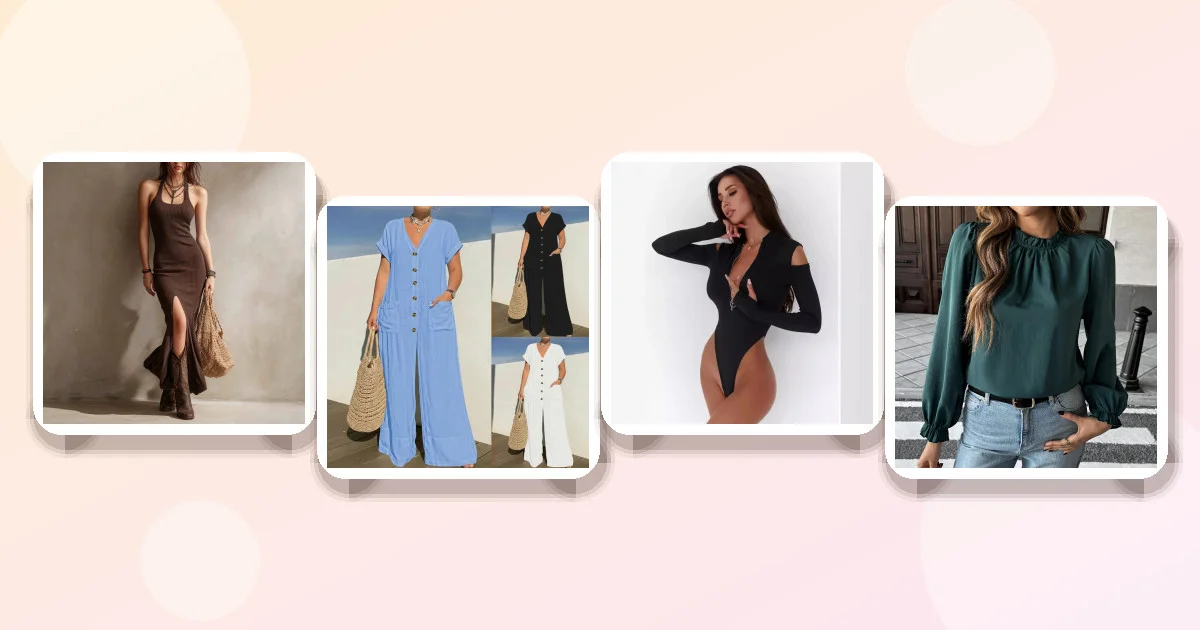
Here is a comparison of specific products that fit the layering criteria described above. These items are selected for their versatility, fit, and price point, making them accessible options for building a fall wardrobe.
| Product | Price | Material | Key Features | Best For |
|---|---|---|---|---|
|
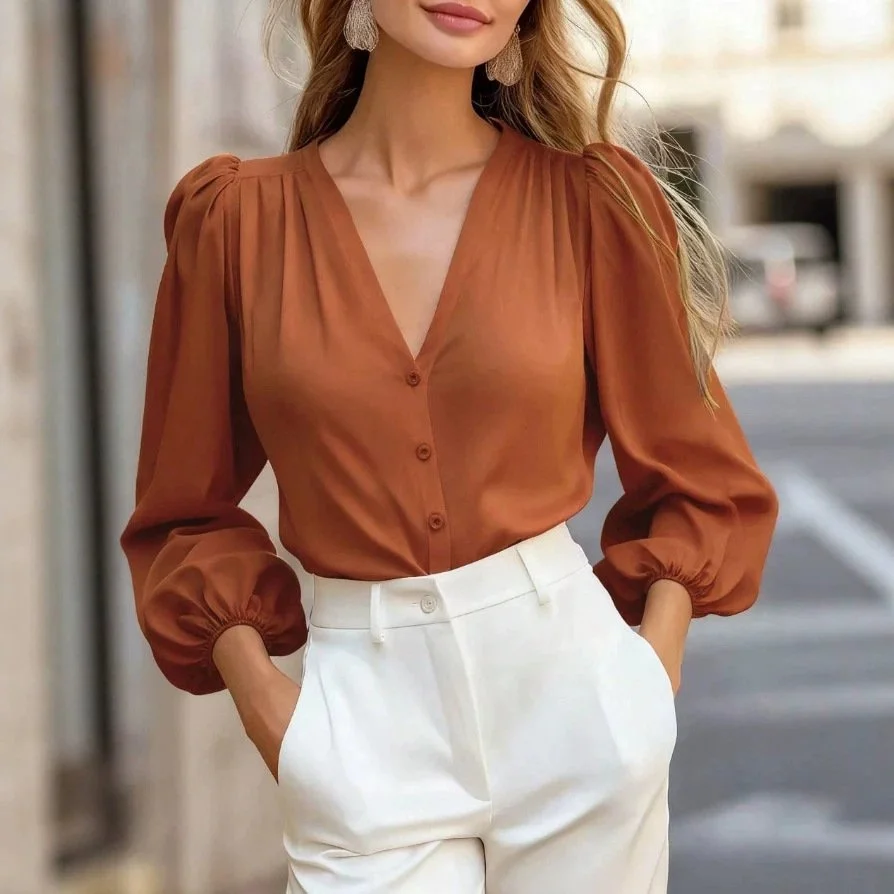
Elegant Loose-fit Long-sleeve Blouse
⭐ Editor's pick
|
$25.20 | 100% Polyester | Loose fit, lantern sleeve, regular length, solid colors (orange, white, black, apricot) | Professional women who want a relaxed fit for layering under vests or cardigans. |
|
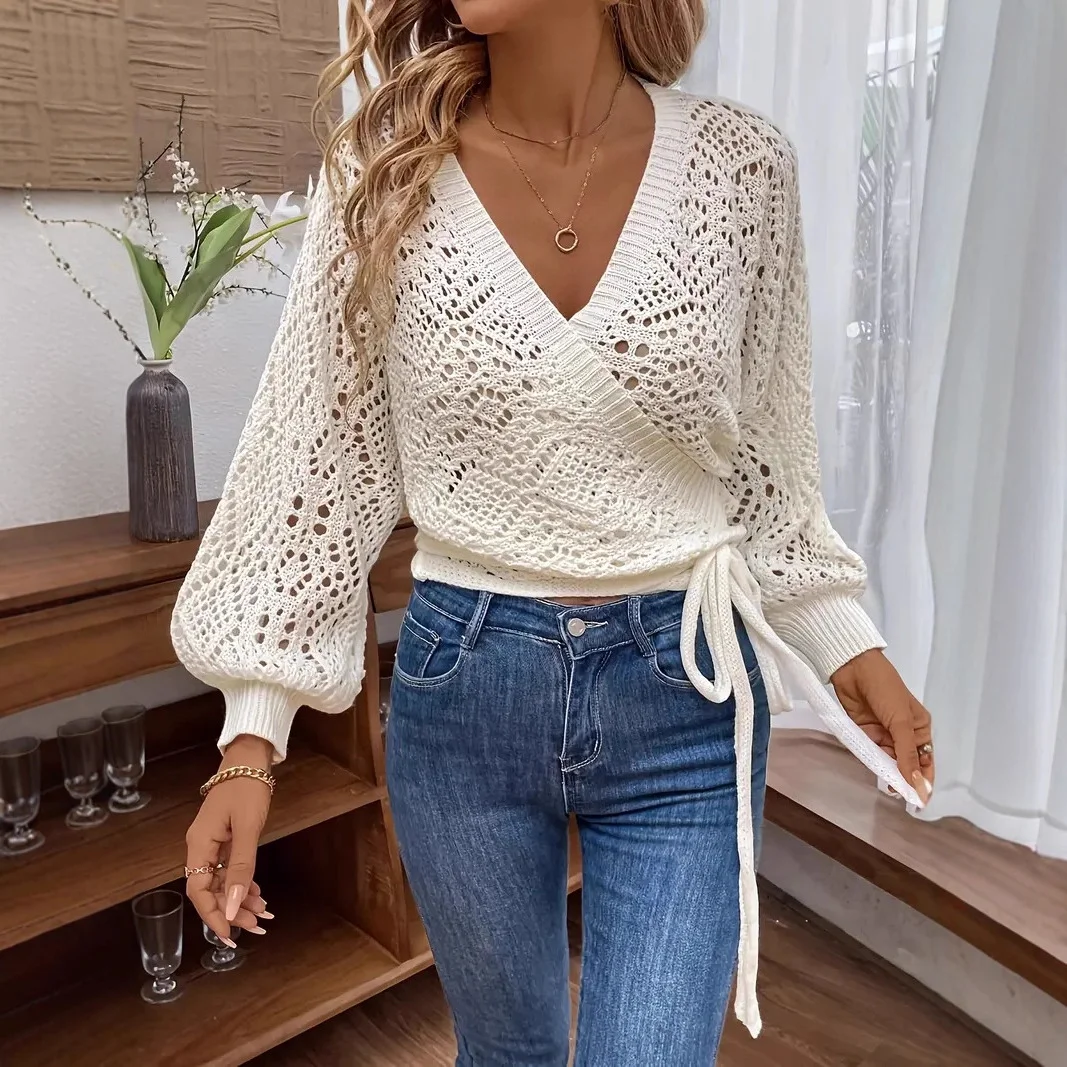
Solid Color and V-neck Lace-up Elegant Lantern Sleeve Long Sleeve
⭐ Editor's pick
|
$29.00 | Acrylic fiber | V-neck, lace-up detail, lantern sleeve, solid colors (milky white, khaki) | Those seeking a knit-like layer with structure; note Asian sizing runs small. |
|
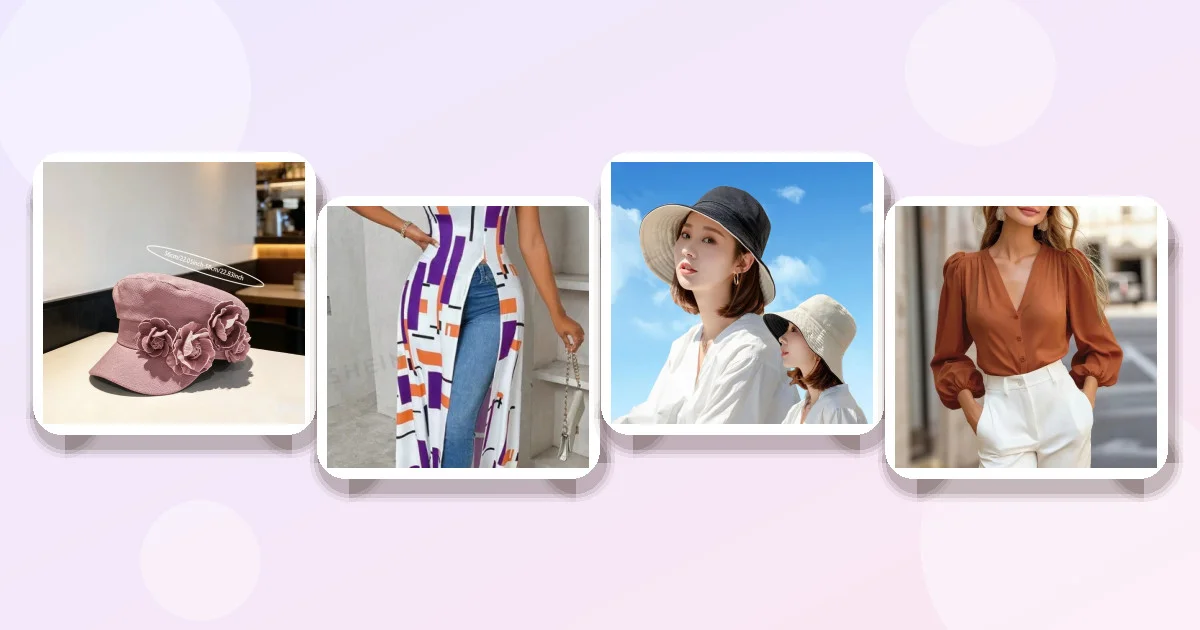
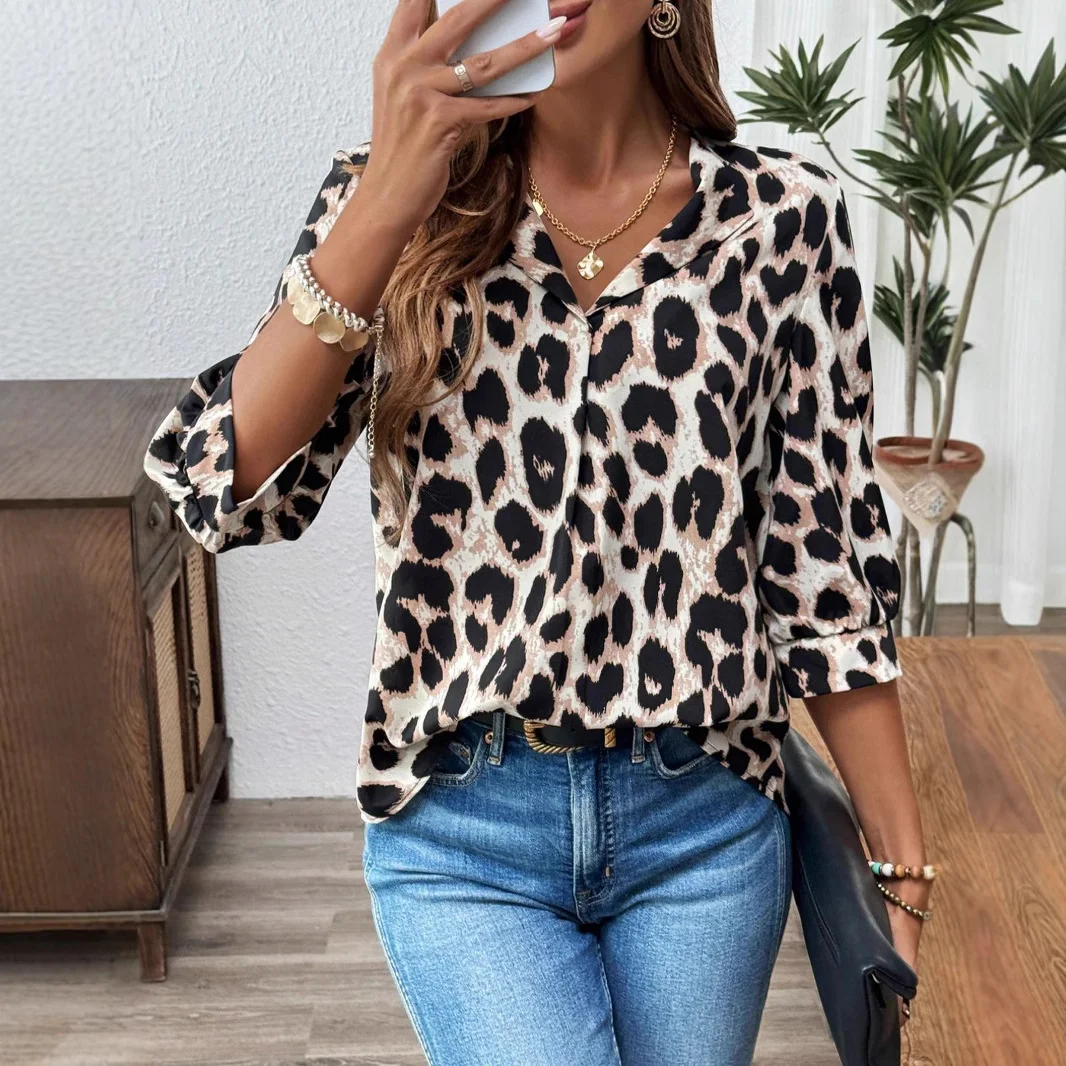
European And American Elegant Long Sleeve Shirt
⭐ Editor's pick
|
$15.36 | Polyester | Button-down, patterned (leopard print) or solid (green), S-XL | Adding pattern to a neutral outfit; check size chart as Asian sizing runs small. |
|
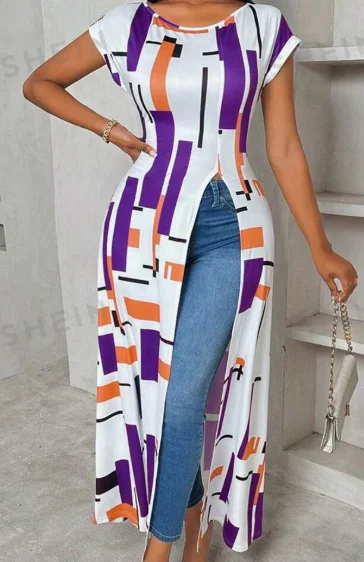
Women's Casual Geometric Print High Slit Maxi T-Shirt
⭐ Editor's pick
|
$14.40 | 95% Polyester, 5% Elastane | Knitted fabric, geometric print, high slit, S-3XL | Casual layering or as a long top; machine washable. |
|
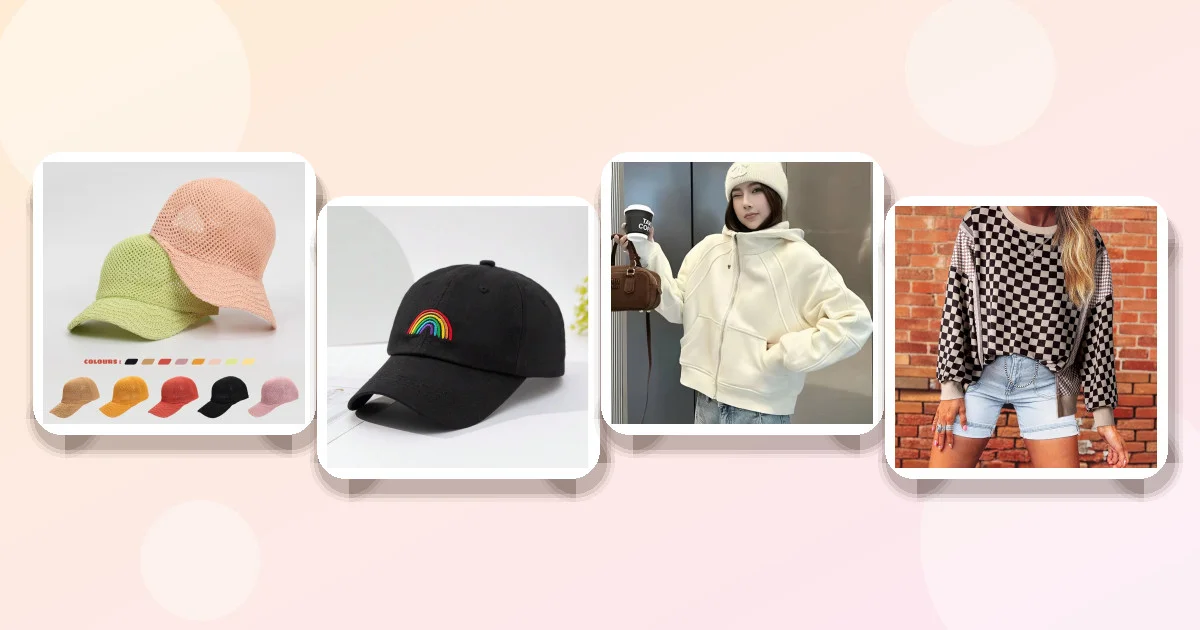
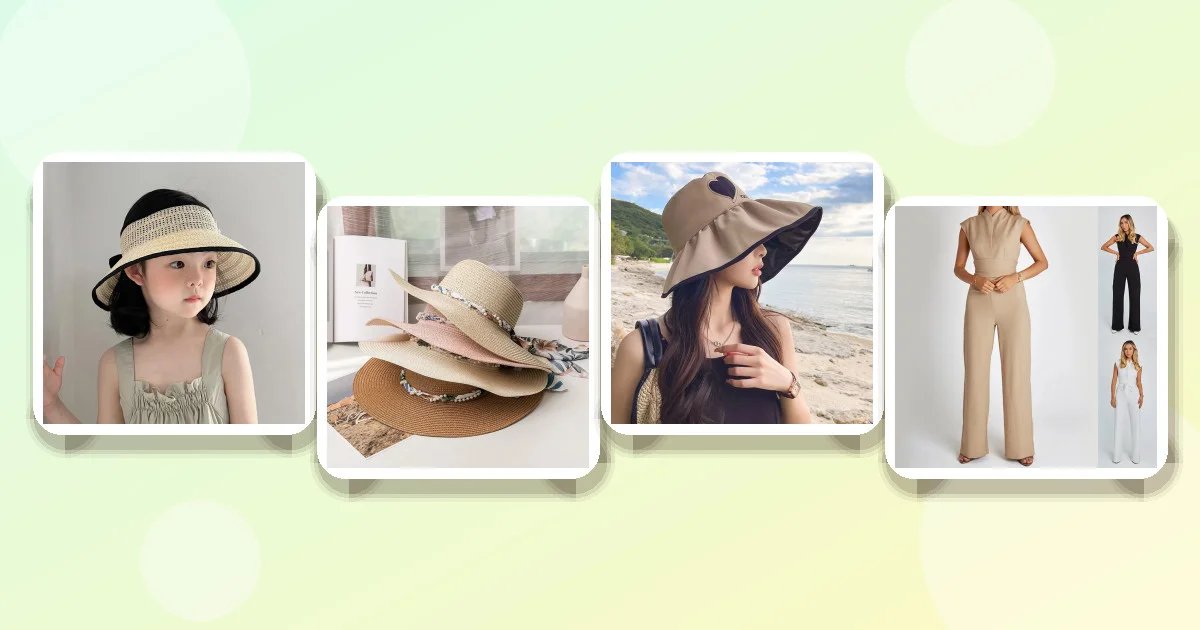
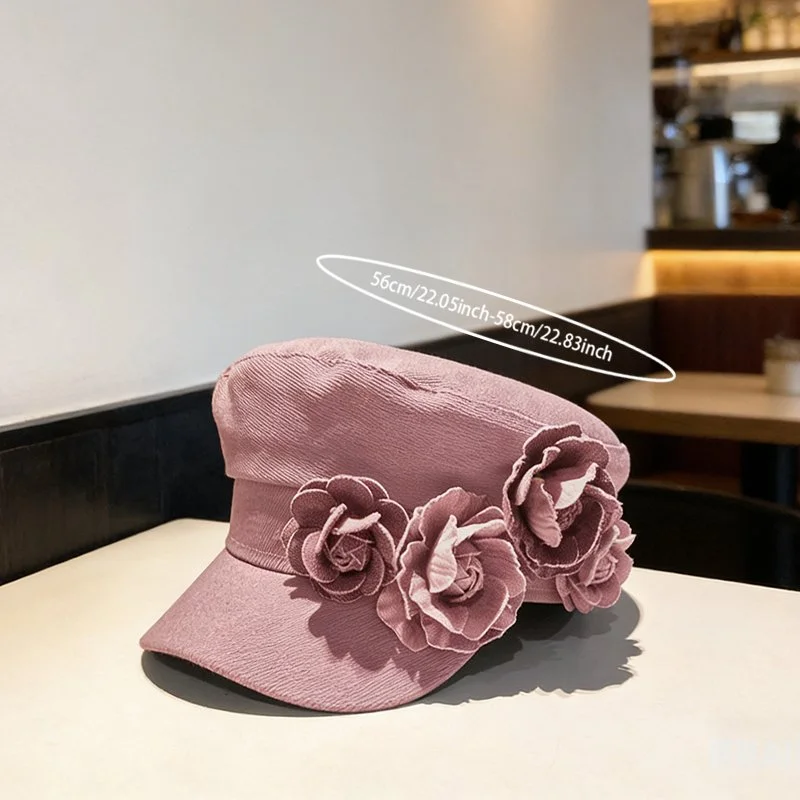
Elegant Checkered Lady's Hat
🏆 Top pick
|
$23.88 | Polyester | Checkered pattern, 12 style options (zodiac-themed) | Adding a finishing touch to a layered outfit for formal or garden party events. |
|
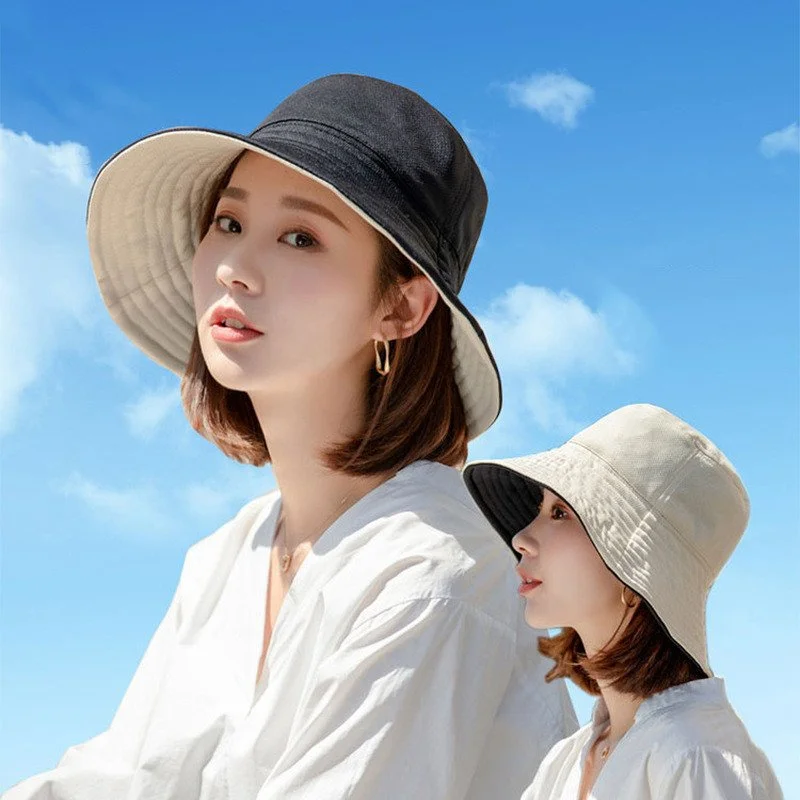
Sun Protect Hat
⭐ Editor's pick
|
$7.72 | Cotton | Foldable, breathable, sun protection, various colors | Outdoor casual wear; not intended for cold weather layering. |
Elegant Loose-fit Long-sleeve Blouse
Best for Women who need a reliable, wrinkle-resistant base layer for office wear. The 100% polyester fabric holds its shape well, and the loose fit provides ample room for a turtleneck underneath or a cardigan on top.
- Pro: The lantern sleeve adds volume and interest without adding bulk to the torso, making it easy to layer under a vest.
- Pro: Available in solid, neutral-friendly colors like white and black, which pair easily with any outerwear.
- Con: Polyester can generate heat in a very warm office, so it may be too warm for mild fall days if you don't have the option to remove outer layers.
Solid Color and V-neck Lace-up Elegant Lantern Sleeve Long Sleeve
Best for Those who want a knit-like feel with a bit of structure. The acrylic material provides warmth, and the V-neck allows for easy layering with a turtleneck or scarf.
- Pro: The lace-up detail at the V-neck adds a unique visual element that looks polished without being overly formal.
- Pro: The khaki and milky white colors are versatile fall neutrals that match denim, wool, and leather.
- Con: Asian sizing runs 1–2 sizes smaller than US/EU standards. You must check the specific measurements in the size chart and likely size up to ensure it fits over a base layer.
European And American Elegant Long Sleeve Shirt
Best for Adding a pop of pattern to a neutral outfit. The leopard print option is bold and works well under a solid black or gray coat.
- Pro: The button-down style allows for easy adjustment and a clean, professional look when tucked in.
- Pro: The polyester fabric is durable and easy to care for, making it a practical choice for frequent wear.
-
Con:Shop the storyAll products from this guide