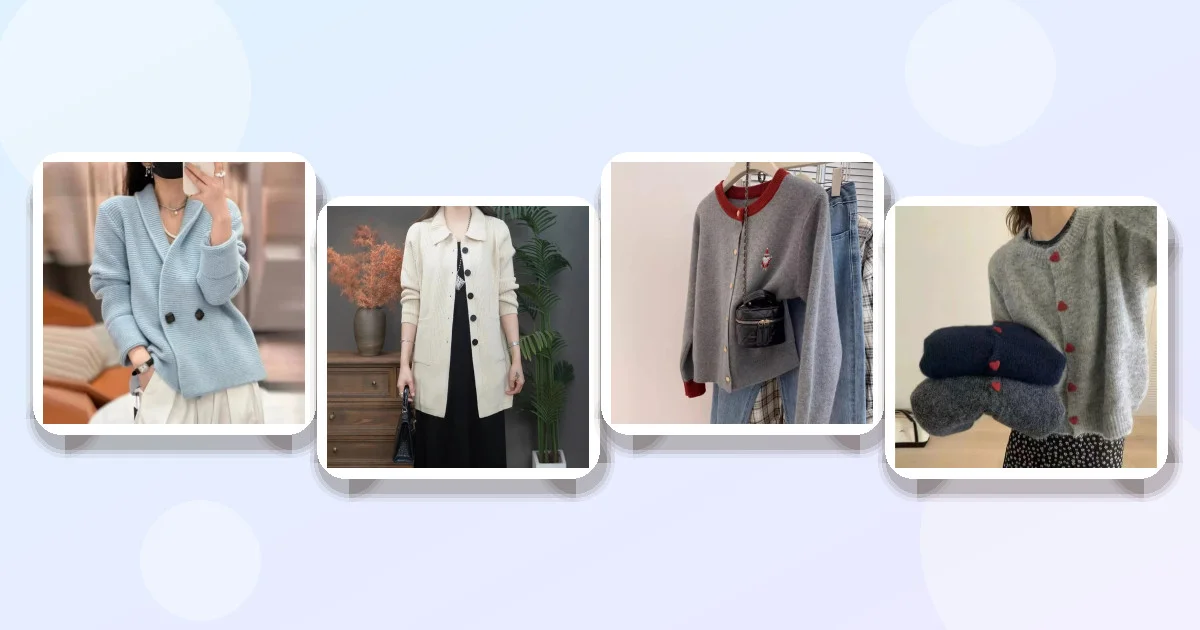
It is 45 degrees outside, but the dining room is likely to hit 75 degrees by the time the turkey comes out. You want to look elegant and warm when you arrive, but you do not want to be sweating through your blouse by the time dessert is served. The solution is not to choose between cold and hot; it is to choose the right layers. This guide walks you through how to build an outfit where the sweater is the functional element you can remove, while the base layer remains polished on its own.
Why Layering Matters for Dinner
Thanksgiving dinner presents a unique thermal challenge. You are moving from an unheated exterior to a room full of people, large appliances, and potentially a fireplace. If you dress in a single heavy garment, you will overheat rapidly. If you dress too lightly, you will shiver in the car. Layering solves this by giving you control over your body temperature.
The "Removable Layer" Concept
The core strategy here is treating the sweater as an outer shell, similar to a light jacket, but with more style. When you arrive, you wear the full ensemble. Once you are seated and the room warms up, you can remove the sweater. Your base layer—a blouse, shirt, or slip dress—should be sufficient to keep you comfortable in a heated room without looking like you are in your pajamas.
Balance of Weight and Texture
Layering fails when the textures clash or the weight is uneven. A thick, chunky knit over a heavy flannel shirt creates a bulky silhouette that is difficult to sit in comfortably. Instead, you want contrast. Pair a textured, heavier knit with a smooth, lighter base. This creates a visual hierarchy that looks intentional and stylish, not accidental. The contrast also helps with movement; smooth fabrics slide over textured ones more easily than two rough fabrics rubbing against each other.
Consider the setting. A family dinner might be casual, but you still want to look like you made an effort. A semi-formal gathering requires more structure. The layering technique remains the same, but the fabric choices shift. For casual, cotton and soft knits work well. For semi-formal, silk, satin, or fine merino wool improve the look. The goal is to look as if you planned to remove the sweater, not that you are just shucking off a cold layer.
Choosing the Right Base Layer
The base layer is what people see when you take off the sweater. It must stand on its own. It should be fitted enough to look intentional but loose enough to allow for movement and layering underneath if needed. Avoid bases that are too tight, as they will wrinkle when you sit or when you pull the sweater over them.
Blouses and Shirts
Blouses are the most versatile base for this scenario. They offer structure and a clean neckline. Look for fabrics that drape well. A crisp cotton shirt works for a preppy, classic look. A linen blend offers breathability and a relaxed vibe. If you are going for something more elegant, consider a woven collar shirt that adds a touch of sophistication without being stiff.
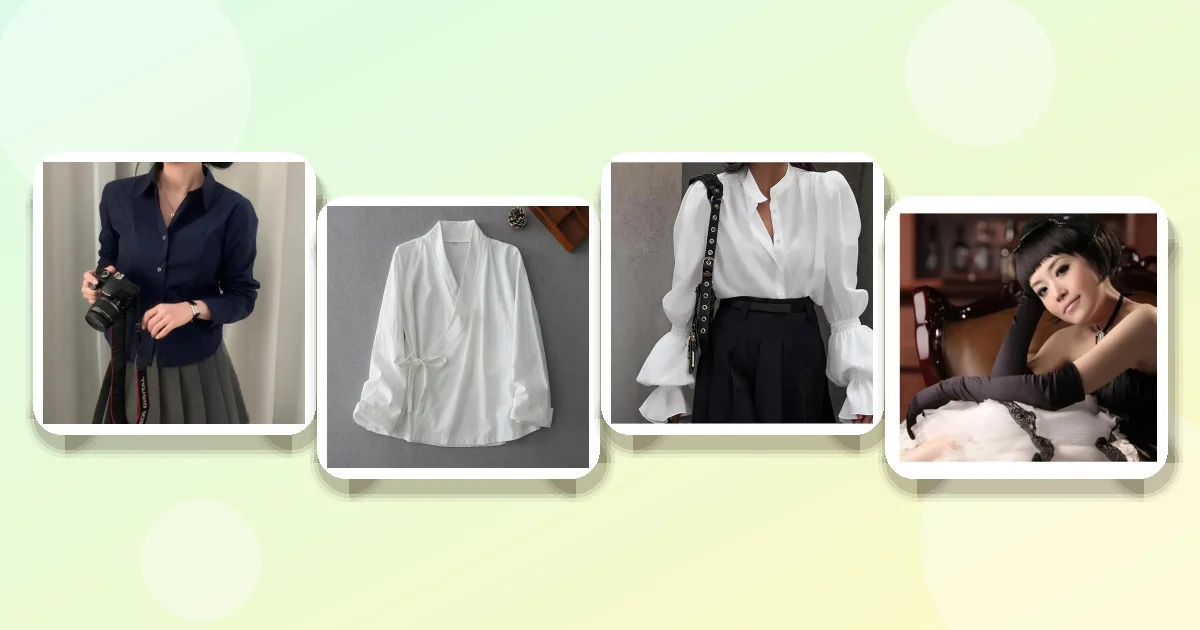
One option that balances traditional charm with modern comfort is the Elegant Woven Collar Hanfu Shirt for Women.
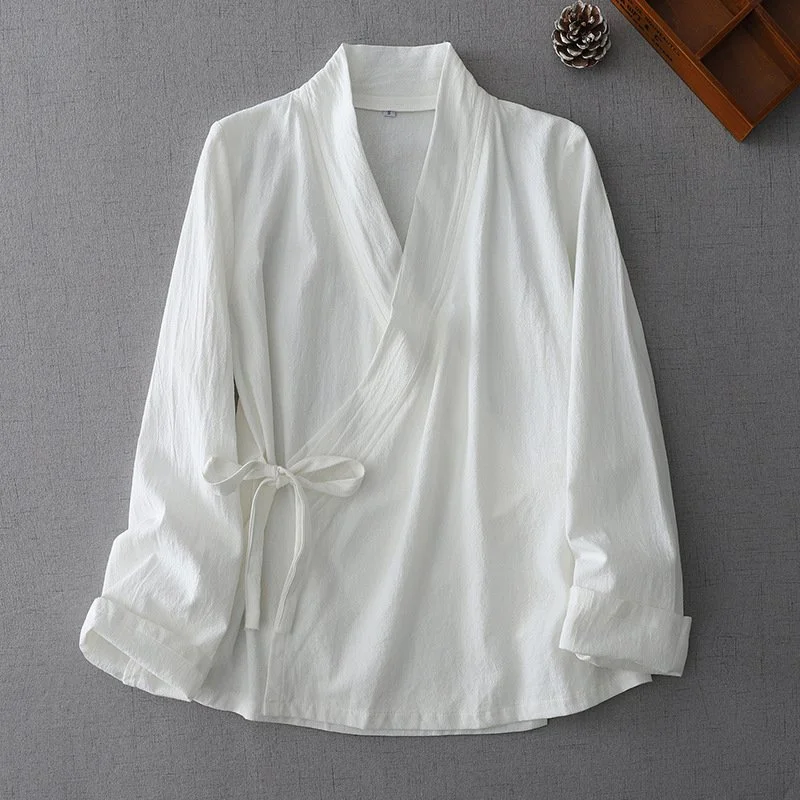
- Pros: Breathable cotton-linen fabric prevents overheating; loose fit allows for easy layering without pulling.
- Con: The loose fit may appear too casual for very formal events; check the size chart as "loose" varies by brand.
For a more classic, commuter-friendly look, the Elegant Temperament Commuter Lantern Sleeve Round Neck Single-breasted Shirt Offers a structured silhouette.
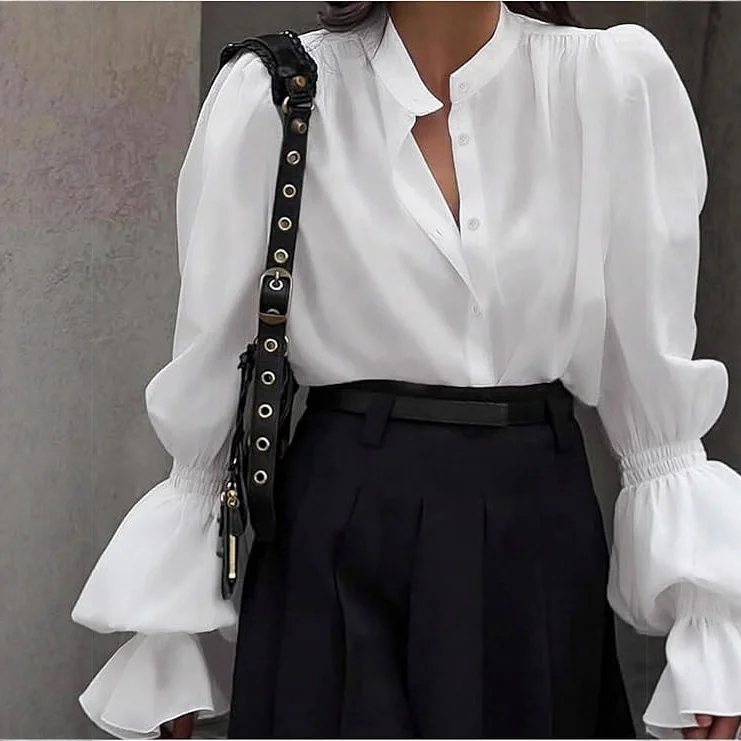
- Pros: Structured fit maintains shape when layered; lantern sleeves add a feminine touch without being fussy.
- Con: Without specific fabric details, check for breathability if you run hot; the structured fit may require a specific size for comfort.
Slips and Simple Tops
If you prefer a dressier vibe, a simple top or slip works well under a thick sweater. The key is to avoid anything too delicate that might snag on the knit. A smooth, satin-like fabric or a fine cotton knit is ideal. The Women's Preppy Style Slim-fit Elegant Top Is a solid choice for this approach.
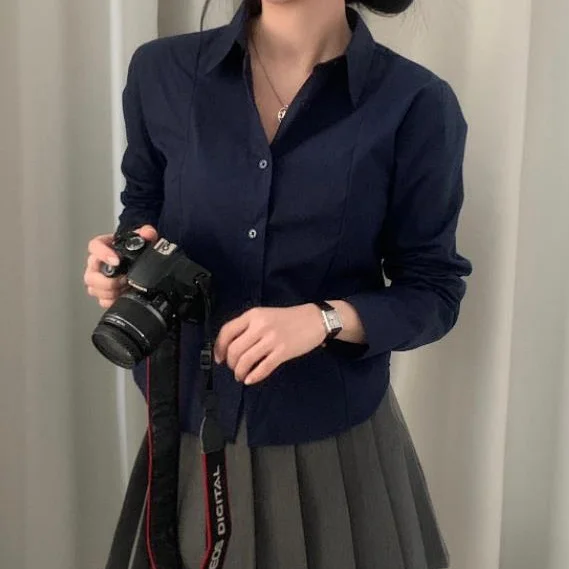
- Pros: Affordable price point makes it easy to experiment with layering; slim fit ensures it does not add bulk under a sweater.
- Con: Limited fabric information; verify the material is not too thin if you are sensitive to cold drafts.
For a more playful or casual approach, the Simple And Elegant Womens Striped Short-Sleeve Fashionable Shirt Can work if the sweater provides the main warmth.
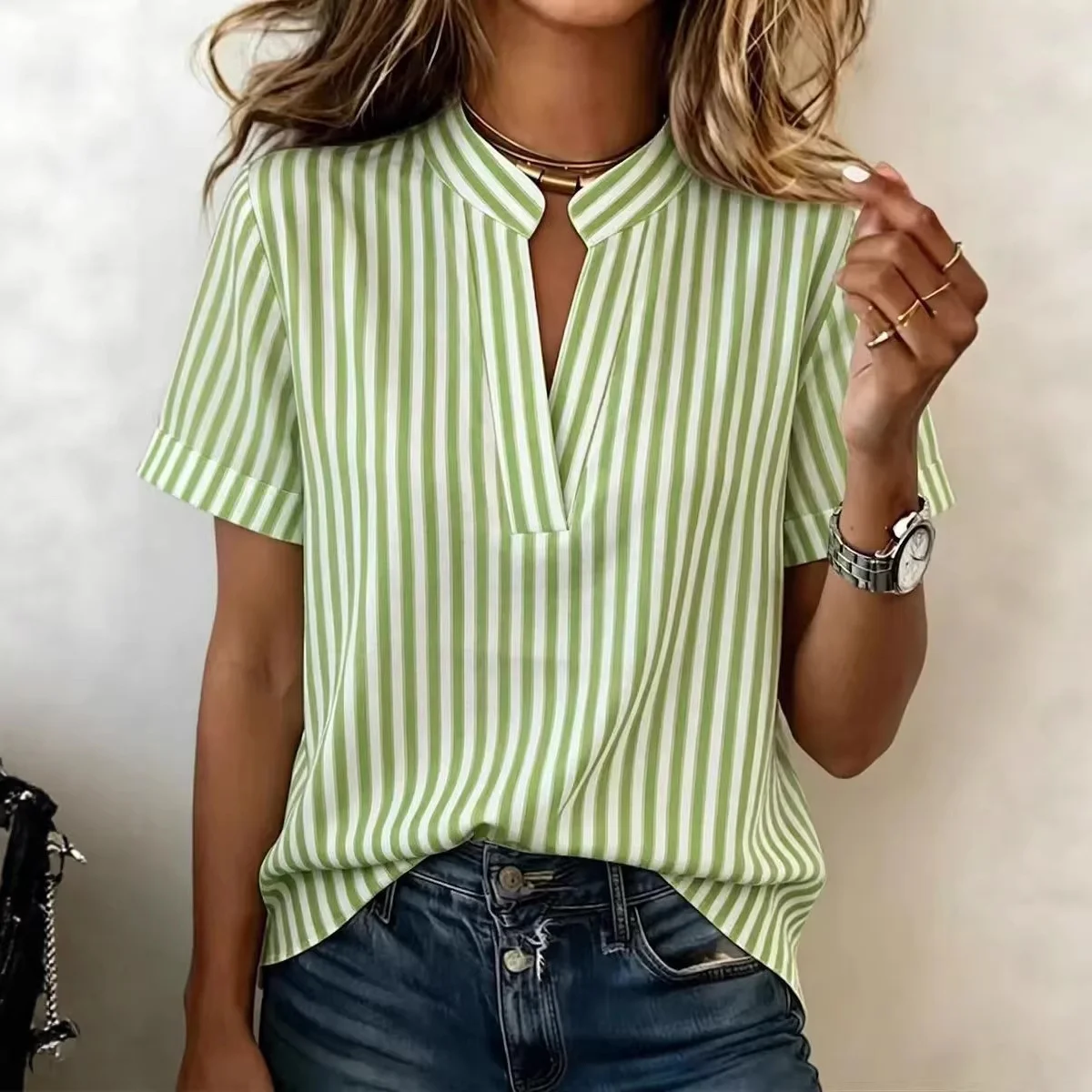
- Pros: Short sleeves reduce bulk under the sweater; striped pattern adds style without needing accessories.
- Con: Short sleeves offer no arm coverage if the room is cooler than expected; check the fabric weight to ensure it doesn't look too summery.
Selecting the Ideal Sweater for Layering
The sweater is the functional part of your outfit. It needs to be warm enough for the outside but light enough to remove without a wardrobe malfunction. The fit is crucial. A sweater that is too tight will leave marks on your base layer and make it difficult to pull over your head. A sweater that is too baggy will look sloppy when you sit down with it draped over your lap.
Fit Guidelines
For layering, aim for a slightly relaxed fit. You should be able to slide your arms in easily without tugging. The hem should hit at the hip or just below, covering the waistband of your pants or skirt. If the sweater is too long, it will bunch up when you sit. If it is too short, your base layer will be exposed when you move.
Consider the neckline. A crew neck is the most versatile for layering because it sits neatly over most blouses. A V-neck can work if the base layer has a high neckline, but it can sometimes reveal too much skin if the base is low-cut. A turtleneck is excellent for warmth but can be hot in a dining room. If you choose a turtleneck, ensure the base layer is long-sleeved to prevent chills when the sweater is off.
Fabric Choices for Autumn
Not all sweaters are created equal. For layering, you want materials that wick moisture and do not trap heat excessively. Merino wool is a top choice because it is temperature-regulating. It keeps you warm when it is cold and breathable when it is warm. Cotton knits are also good because they are breathable and easy to care for. Avoid synthetic blends like acrylic if possible, as they tend to trap sweat and can feel clammy in a warm room.
Texture matters too. A ribbed knit is structured and holds its shape well. A cable knit is thicker and warmer but adds bulk. If you are wearing a fitted base layer, a ribbed sweater is a safer bet. If you are wearing a loose base layer, a chunky cable knit can add visual weight and balance the silhouette.
Color Coordination
Choose a sweater color that complements your base layer but does not match it exactly. Matching colors exactly can look like a uniform. Instead, aim for tonal layering (different shades of the same color) or complementary contrast (e.g., a navy sweater over a white shirt). Neutral colors like beige, grey, navy, and black are the most versatile for Thanksgiving. They go with most base layers and are less likely to clash with the autumnal decor of the dining room.
Product Comparison: Blouses and Accessories
While the sweater is the key layer, the base layer and accessories complete the look. The following table compares the available blouse and accessory options to help you choose the right foundation for your outfit.
| Product | Price | Type/Material | Options Available | Best For |
|---|---|---|---|---|
| Women's Preppy Style Slim-fit Elegant Top | $11.24 | Blouse (Specs not detailed) | Check listing for sizes | Budget-friendly classic base layer |
| Elegant Woven Collar Hanfu Shirt | $18.12 | Cotton-Linen Blend | White/Black, M-3XL | Breathable, unique traditional style |
| Elegant Temperament Commuter Lantern Sleeve Shirt | $23.20 | Blouse (Specs not detailed) | Check listing for sizes | Structured, professional look |
| Simple And Elegant Womens Striped Short-Sleeve Shirt | $16.76 | Blouse (Specs not detailed) | Check listing for sizes | Casual, low-bulk layering |
| Elegant Satin Wedding Gloves | $6.16 | Satin | White/Red/Black/Ivory, One size | Formal accent for cold hands |
| Adjustable Arm Guard for Youth Basketball | $10.56 | Neoprene | Black/Yellow/Rose Red, One size | Not suitable for adult dinner wear; for youth sports |
Note: The Elegant Satin Wedding Gloves Are listed as an accessory.
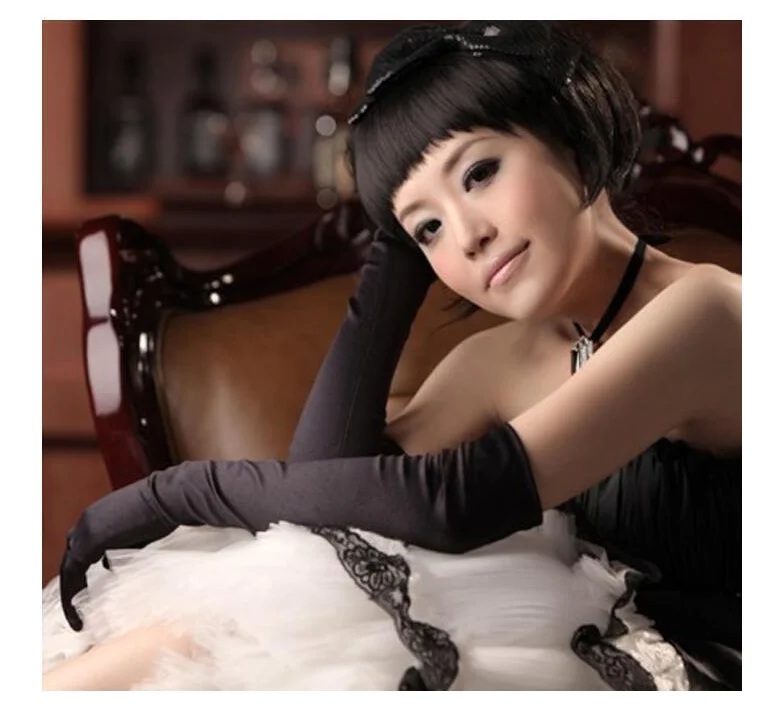
- Pros: Adds elegance and covers hands for warmth; easy to slip off if overheating.
- Con: One size fits all may not accommodate larger hand sizes; satin can be slippery and hard to hold onto.
The Adjustable Arm Guard for Youth Basketball Players Is included in this comparison for completeness but is not recommended for adult dinner wear.
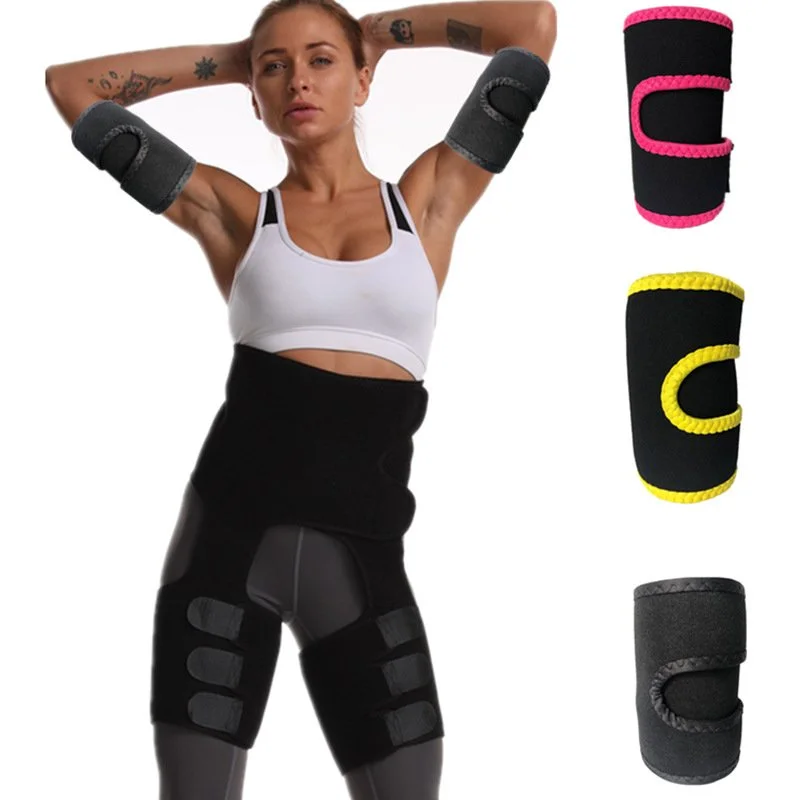
- Pros: Durable neoprene material; adjustable velcro fit.
- Con: Not appropriate for formal or semi-formal dinner settings; designed for sports, not fashion.
Common Mistakes to Avoid
Layering is simple in theory but tricky in practice. Here are the most common errors that ruin an otherwise good outfit.
Choosing a Base Layer That Is Too Tight
If your blouse or dress is skin-tight, any wrinkles from sitting or pulling on a sweater will be visible. When you remove the sweater, the base layer should look smooth. If it is wrinkled or pulling at the seams, it will look less polished. Always choose a base layer with a little ease. You should be able to pinch an inch of fabric at the side. This extra room allows for movement and ensures the garment drapes nicely.
Ignoring the Sleeve Length
If your sweater sleeves are too long, they will bunch up at your wrists when you remove the sweater. This can look messy and make it difficult to hold a drink or utensil. If your base layer sleeves are too long, they will peek out from under the sweater, creating a layered look that may not be intentional. Aim for sweater sleeves that end at the wrist bone. If the base layer has sleeves, ensure they are slightly shorter than the sweater sleeves or tucked in neatly.
Using Heavy Fabrics for Both Layers
Wearing a thick flannel shirt under a thick wool sweater creates a bulky silhouette that is uncomfortable to sit in. The extra bulk restricts movement and can make you feel trapped. One layer should be structured and the other should drape. If the sweater is thick and textured, the base layer should be smooth and lightweight. This contrast creates a cleaner line and makes it easier to remove the sweater without pulling on the base.
Forgetting About the Transition
Many people focus on how the outfit looks when fully assembled but forget how it looks when the sweater is off. Look in the mirror and remove the sweater. Does the base layer look like a complete outfit? Does it have a defined neckline? Is the hem length appropriate? If the base layer looks like an undershirt, it is not the right choice. It should be a standalone piece that looks intentional on its own.
Care, Styling, and Usage Tips
Proper care ensures your layers last, and smart styling improve the overall look. Here are some practical tips to keep in mind.
Fabric Care for Layered Pieces
Always check the care label before washing. Cotton-linen blends, like the Elegant Woven Collar Hanfu Shirt, can shrink if washed in hot water. Use cold water and a gentle cycle. Hang to dry to prevent shrinking and maintain the shape of the garment. For sweaters, hand washing is often the safest option to prevent stretching. If you must use a machine, use a delicate cycle and a mesh laundry bag. Avoid dryers for knits, as the heat can cause felting or shrinking.
Styling for Different Body Types
Layering can be used to flatter different body shapes. For a pear shape, a fitted sweater over a loose blouse can balance the hips. For an apple shape, a V-neck sweater over a fitted top can create a vertical line that elongates the torso. For a rectangle shape, adding volume with a chunky knit or a ruffled blouse can create curves. Experiment with different fits to find what works for your body.
Accessories to Enhance the Look
Accessories can tie the outfit together. A simple scarf can add warmth and color without bulk. A pair of elegant gloves, like the Elegant Satin Wedding Gloves, can add a formal touch if the occasion calls for it. Keep jewelry minimal if the base layer has a busy pattern or neckline. A simple necklace or a pair of stud earrings is usually enough. The goal is to let the layers speak for themselves.
Practical Tips for the Dinner
When removing the sweater, do so slowly and deliberately. Smooth out the base layer as you go. If the sweater is made of a fuzzy material, use a lint roller before you arrive to remove any stray fibers that may be on the base layer. Sit in a way that allows you to easily remove and put back on the sweater without disturbing your plate or drink. Keep the